Some misconceptions can get so deeply ingrained in our culture that we unknowingly spout them as facts, even when evidence supports just the opposite.
Boiling salted water

Some people often toss a pinch of salt into their pots of water because they believe it drastically changes the physics of their stove-top and causes the water to boil much quicker. The truth is that when you add a regular amount of salt from your kitchen, you change the boiling point by less than a degree. If you added enough salt to make a difference, you would make your water unsuitable for drinking.
Blue oxygenated blood

Many have the misconception that deoxygenated blood traveling through veins is blue. A common argument used to support this is that veins appear blue underneath someone’s skin. This is an optical illusion due to the different wavelengths of light that get absorbed by human tissue. Blood from a human is never blue; it ranges from a bright oxygen-rich crimson to a dark reddish-maroon.
Burying ostrich heads
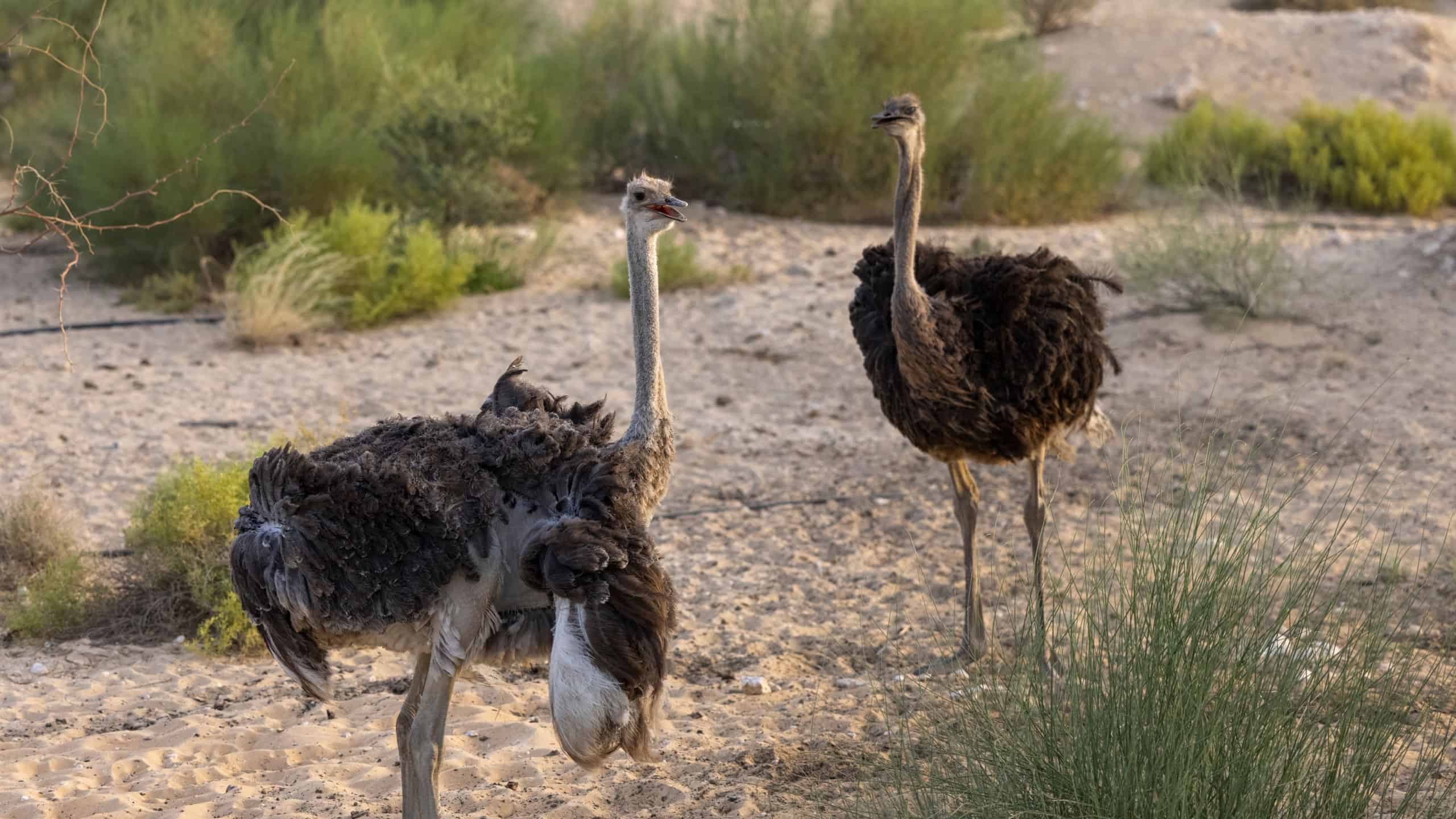
When someone doesn’t want to face reality, people accuse them of acting like an ostrich sticking its head in the sand. But biologists have never seen ostriches that hide because they don’t want to face reality.
When threatened by a predator from which it cannot flee, an ostrich will collapse onto the ground and fold its long neck into the soil to camouflage itself. This self-protection illusion appears that they have sunk their head in the sand.
House fly lifespan
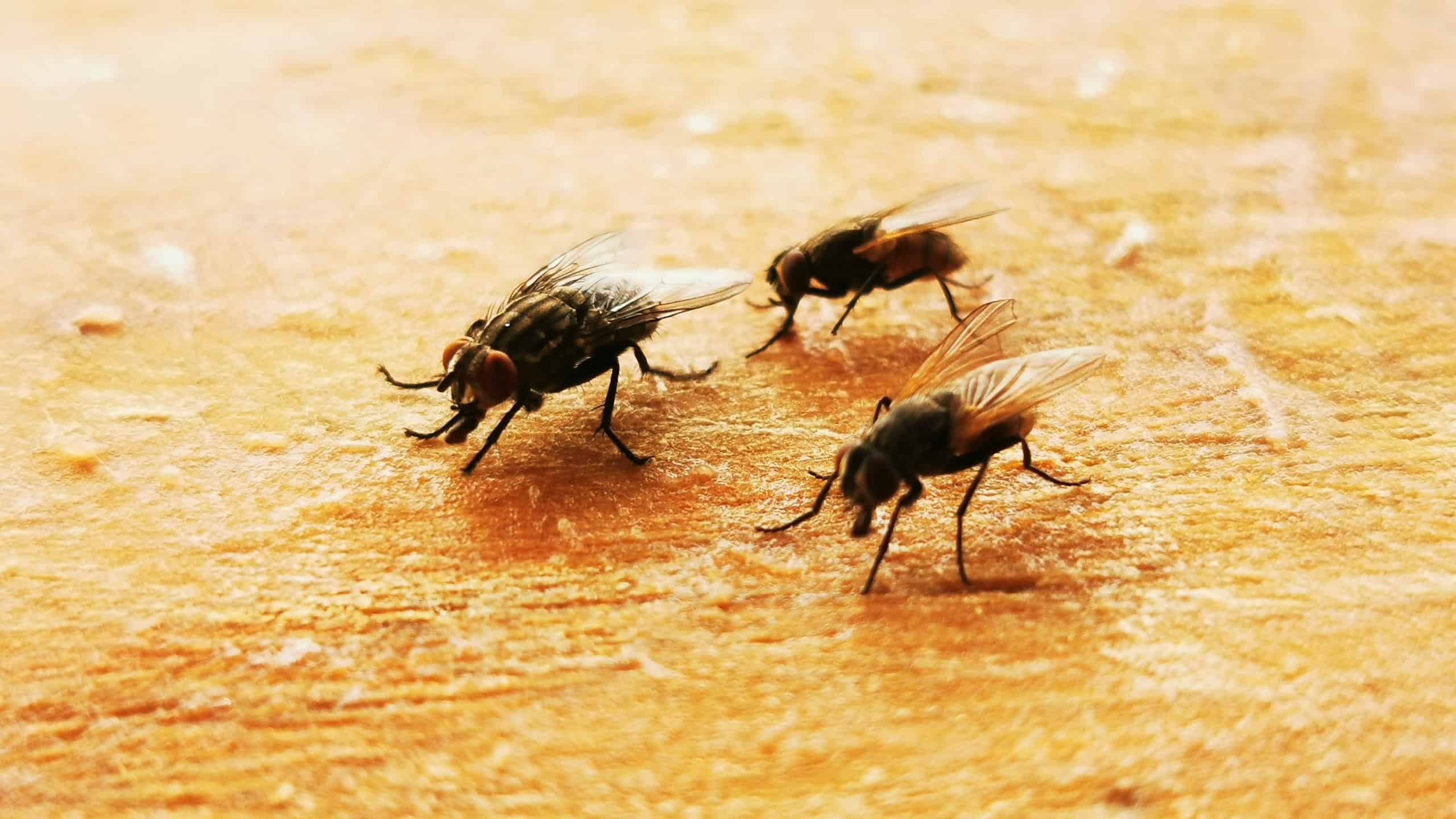
Many people believe that a housefly goes through its entire intricate life cycle, reproduces, and dies all within a period of one day. The misconception that flies have such a short life span has made people think of them as transient pests.
Although some mayflies have very short lives as adults, the housefly hovering over your kitchen sink can live for as long as six weeks if given ideal conditions.
Repeated lightning strikes

The phrase that lightning never strikes twice in the same place has become so ingrained in our language that people think it must be scientifically accurate.
Actually, lightning can strike the same place, or in this case, object, many times if it presents a good path to ground.
Lightning tends to strike tall, isolated, or conductive objects. In fact, there are some towers that get hit hundreds of times a year because they provide the easiest path for lightning to travel between the atmosphere and ground.
Moon’s dark side
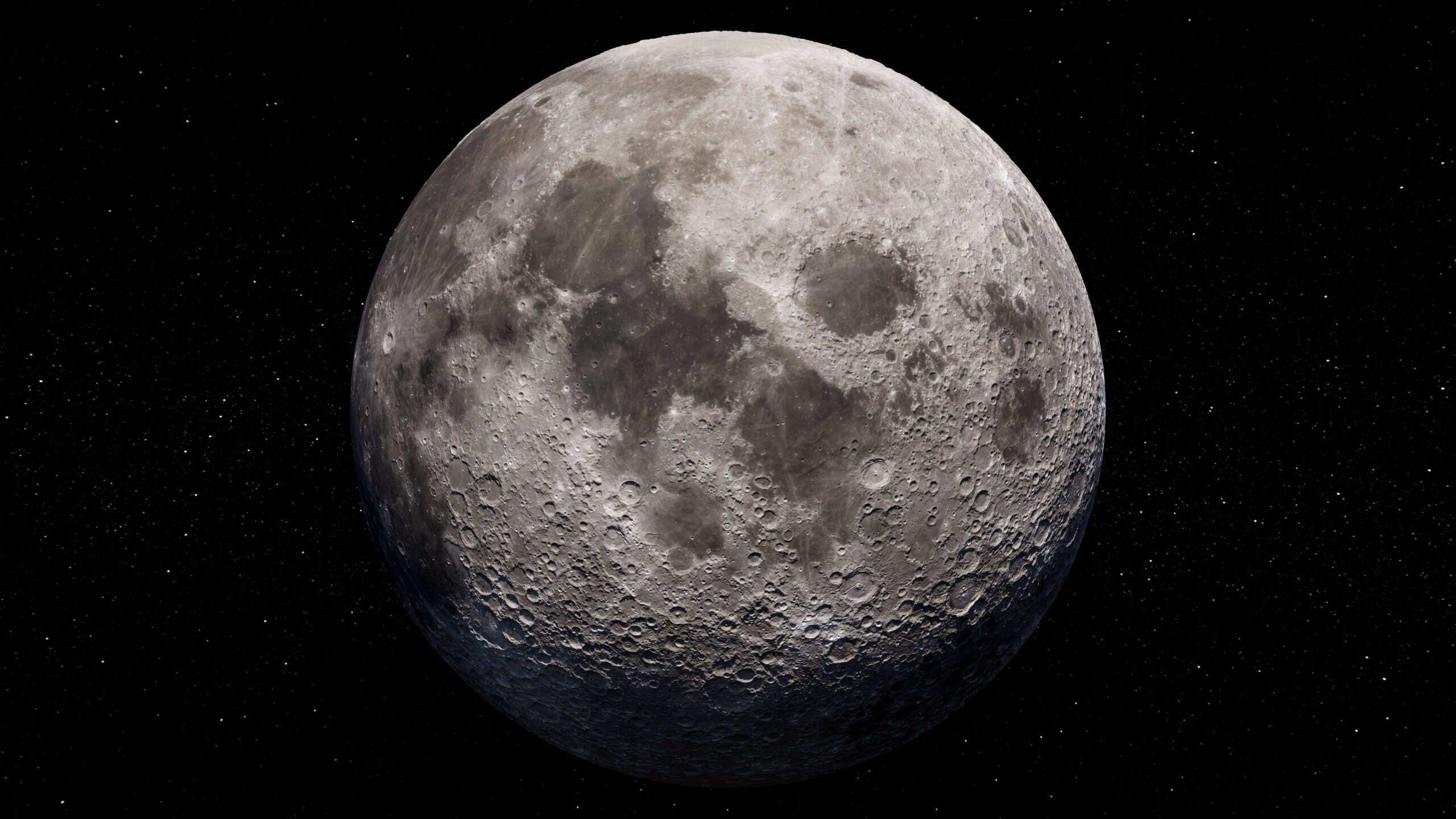
Did you know that many people think there is a dark side of the moon that never sees sunlight? The reality is that all areas of the moon experience day and night. The dark side of the moon that we cannot see from Earth gets just as much sunlight as the side we can see.
The moon takes just as long to rotate as it does to orbit the Earth. Over the course of a month, the sunlight shines on the entire moon, slowly moving as the moon orbits.
Season changes

A common misconception is that summer happens when the Earth is closest to the sun, and winter happens when it is furthest. Instead, it is the tilt of the Earth on its axis at 23.5 degrees that creates seasons.
As the Earth orbits the sun, the tilt causes different parts of the Earth to receive the sun’s light at different angles for different amounts of time. During early January, when it is winter in the Northern Hemisphere, Earth is actually closest to the Sun.
Banana trees

Banana plants look like trees, growing up to 25 feet in height. However, bananas aren’t trees at all.
Botanically, they’re classified as giant herbs.
The trunk of the banana plant is made of overlapping leaf bases, rolled tightly together. Banana plants have no woody tissue whatsoever. Therefore, they are some of the largest herbaceous plants in the world.
Murderous sharks
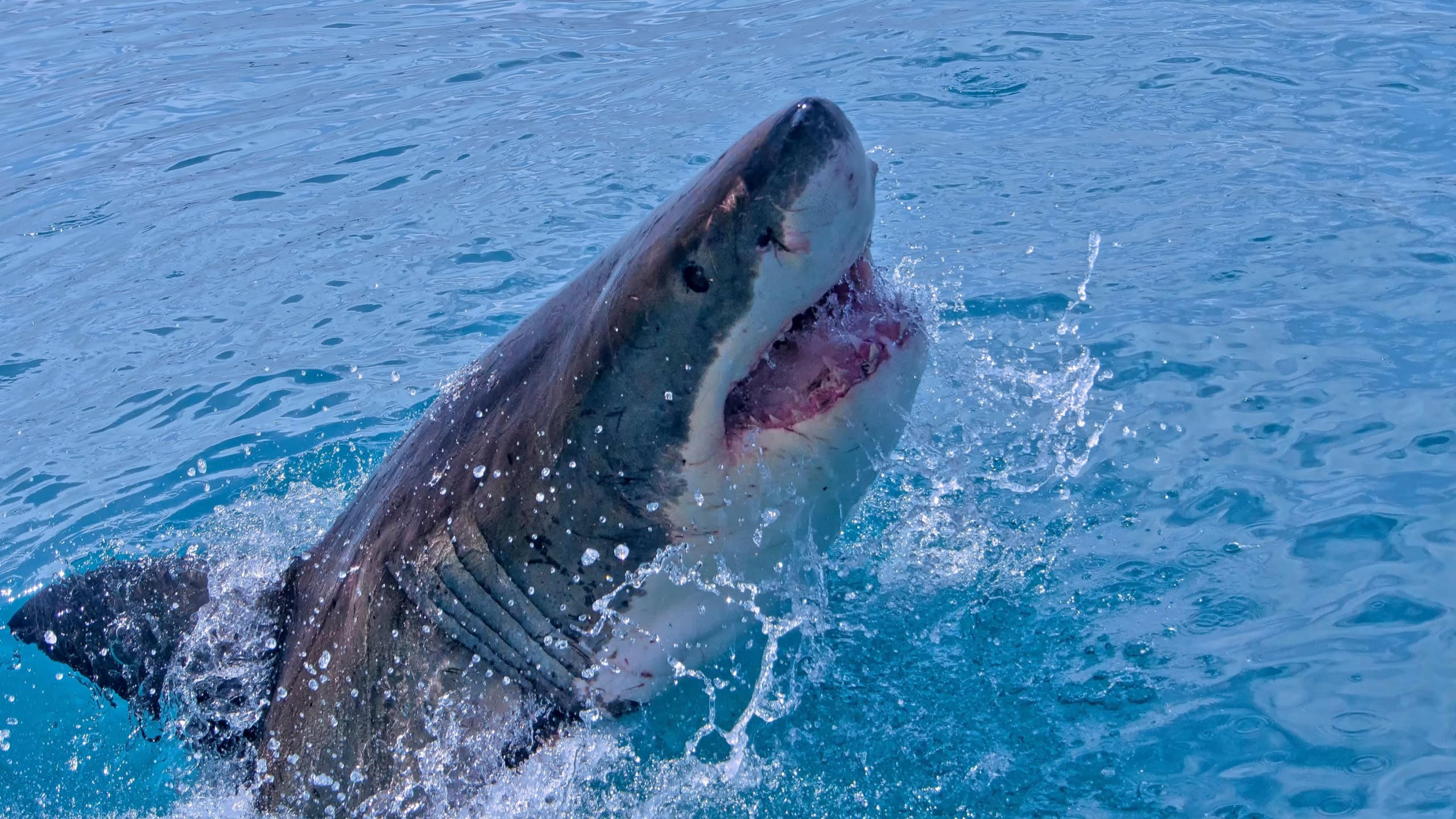
Movies have portrayed sharks as ruthless killers that stalk humans. In fact, shark attacks are very rare, given how many people swim in the ocean annually. Sharks have little interest in humans as food and will often mistake humans for something else simply out of curiosity.
In fact, most shark attacks happen because the shark confuses a surfer or swimmer with a seal. Meanwhile, humans kill tens of millions of sharks each year from fishing and bycatch.
Alcohol’s warming effects

A common misconception is that alcohol helps you keep warm in cold temperatures.
Alcohol causes blood vessels close to the surface of your skin to dilate. This gives you the feeling of being warm. However, this also allows heat to leave your body faster. You may feel warmer, but your body temperature is actually decreasing.
Mice and cheese

The image of mice racing around after a piece of cheese stems from cartoons and folklore, not fact. Mice are scavengers and omnivores and prefer to eat foods high in carbohydrates, like grains, seeds, fruit, and cereals.
Actually, mice tend not to care for cheese when given a choice of food. People probably made this connection hundreds of years ago when cheese was typically stored in a manner that made it accessible to rodents.
Camels’ water storage

The idea that camels store water in their humps has appeared in classrooms and documentaries for decades. Camel humps actually store fat, which can be converted to energy when food is otherwise unavailable.
Camels are able to go for days without water due to a series of different adaptations. They have extremely efficient kidneys, which prevent water loss, cells that can carry extra oxygen, and can withstand major dehydration.
Daily water intake

The prescription of eight glasses per day has become something of a health mantra. In truth, there is precious little evidence for this.
Thirst and hydration needs vary with age, size, activity levels, climate, general health and many other factors. Plus, we get water from fruits and vegetables as well as drinks like soups, tea, coffee, milk and others.
Many experts these days suggest listening to your thirst and watching the colour of your urine instead.
Shaking developing pictures

Ever since instant films became available, photographers have vigorously shaken developing Polaroids in an attempt to dry them faster. But this is not needed and can even damage your image.
The instant film is sealed behind a clear plastic window. Harsh shaking can force the layers of chemicals inside apart too soon, which can leave permanent streaking and blemishes on your picture.
Brain’s division
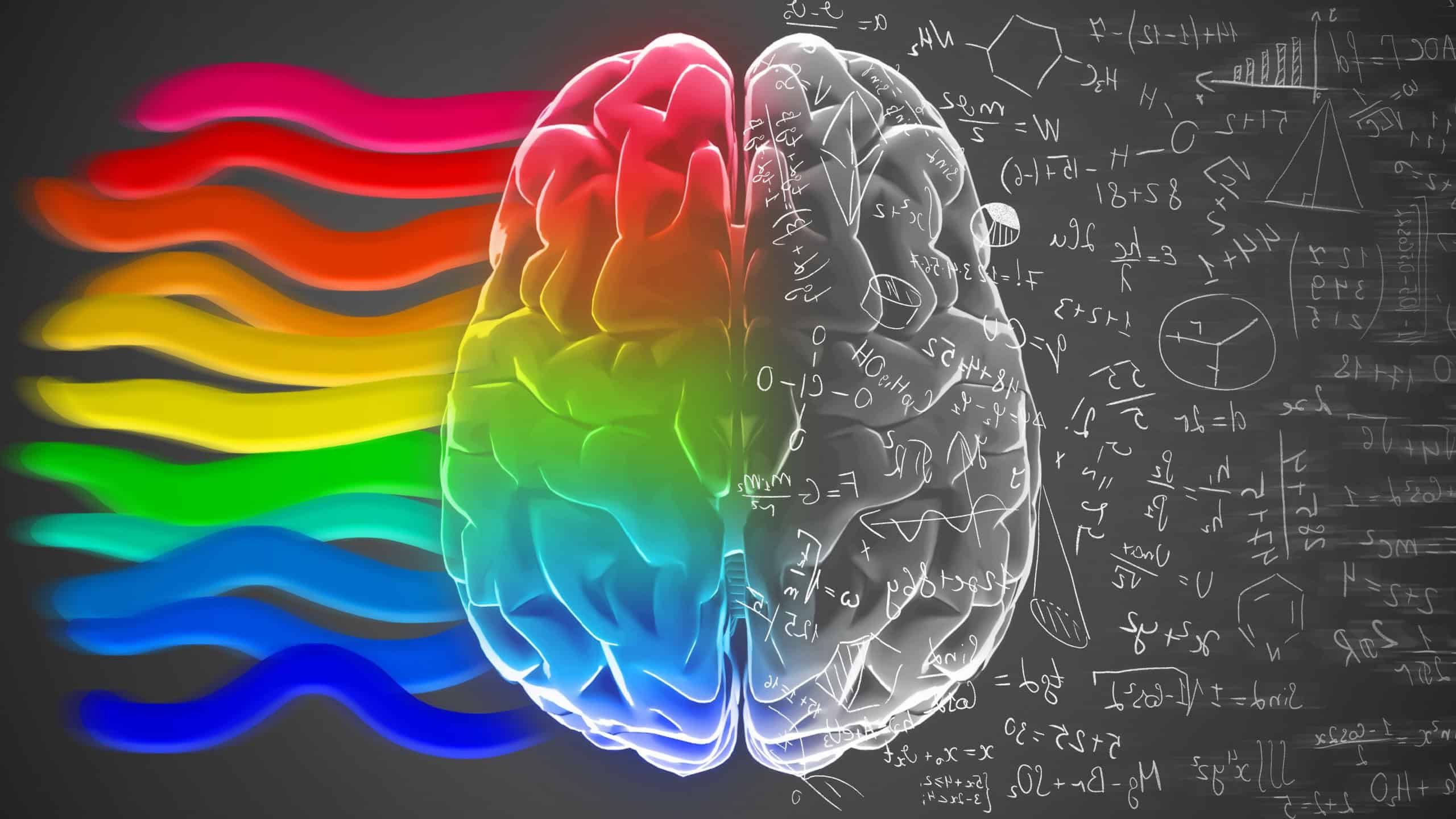
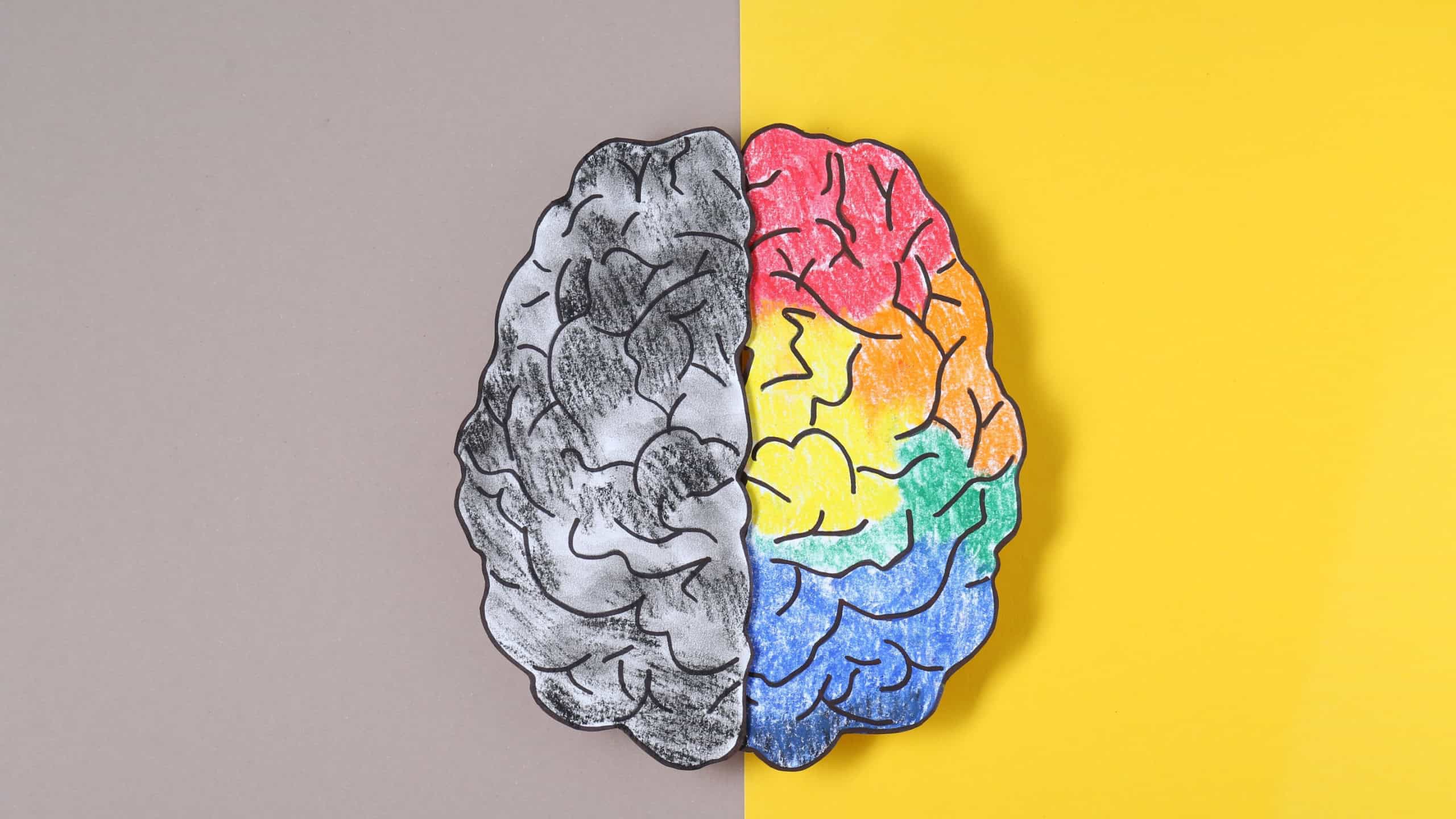
The self-help industry loves to convince people they are either logical, analytical, left-brained thinkers or creative, artistic, right-brained dreamers.
Although there are areas in the brain that are localized to particular functions, the brain is very connected as shown by functional MRI neuroimaging. We use both sides of our brains for virtually every complicated task we perform on a daily basis.
Sources: Please see here for a complete listing of all sources that were consulted in the preparation of this article.