When we surveyed Canadians to learn about the expressions they use day-to-day, we discovered that many words and phrases unique to Canada are starting to become used worldwide.
Toque

Canadian’s have been saying this word to refer to a knit winter hat for generations, while the rest of the English-speaking world battled it out with beanie, stocking cap, or watch cap.
Recently, with streetwear fashion going global and snow sport programming gaining popularity worldwide, high-fashion retailers and youth subcultures abroad have started referring to any close-fitting, brimless knit cap as a toque.
Pencil crayons

In the US, kids use colored pencils. In the UK, they mostly use colouring pencils. Only in Canada did we blend both ideas together to form one impressively descriptive word.
Now that Canadians control the online landscape of crafting, bullet-journaling and ASMR colouring, this word is making its way across borders.
Two-Four

In most countries, a twelve-pack or twenty-four-pack of beers is referred to simply as a case of beer. But Canadians codified this quantity into a cool numerical nickname a long time ago.
The term is starting to be used by international partygoers and students at universities outside of Canada, popularized through Canadian students studying abroad and Canadian comedy and television streaming worldwide.
Keener

Almost every English-speaking culture has mildly insulting words for an overachiever. Some common examples are brown-nosed, try-hard, or teacher’s pet.
Canadians have coined a much softer, uniquely precise term to describe someone who is merely too eager, enthusiastic, or eager to please. It’s quickly catching on in workplaces across North America and Europe as a kinder way to refer to that hyper-motivated coworker.
Freezie
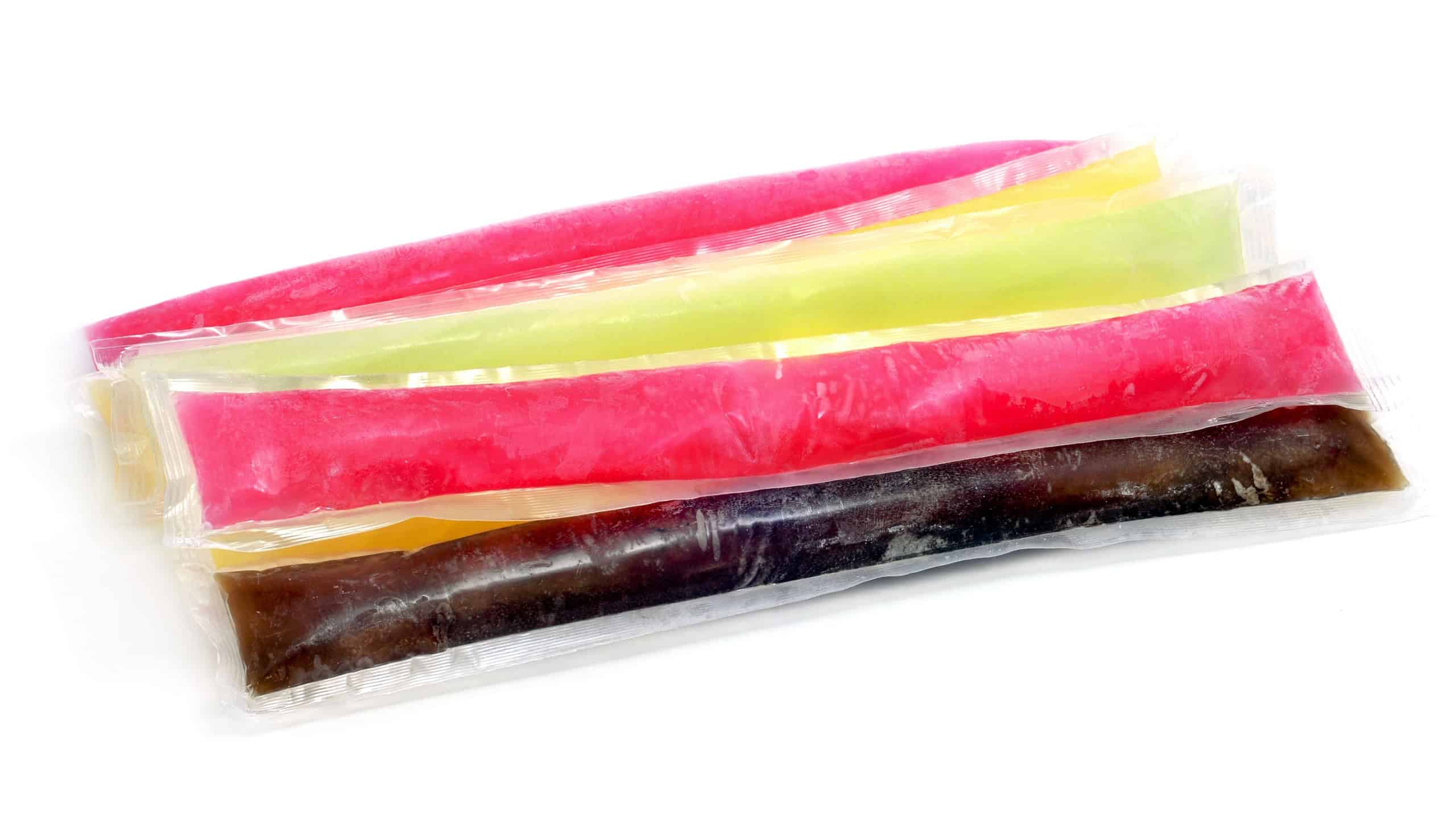
Americans know them as Otter Pops or ice pops, while Australians call them Zooper Doopers. However, since Canadians have intuitively coined what is quite possibly the easiest name to say for this plastic tube filled with flavored ice, it’s becoming more popular with online food critics and snackers worldwide.
Kerfuffle

Although originally coming from Old Scottish-Gaelic, Canadians continued to use this word to describe a small disturbance, quarrel, or controversy in common speech and newspaper columns long after it fell out of use elsewhere.
Due to worldwide viewership of Canadian news media and online reporting, the term has been warmly adopted by international newscasters and bloggers as a colorful term for such an uproar.
Double-Double
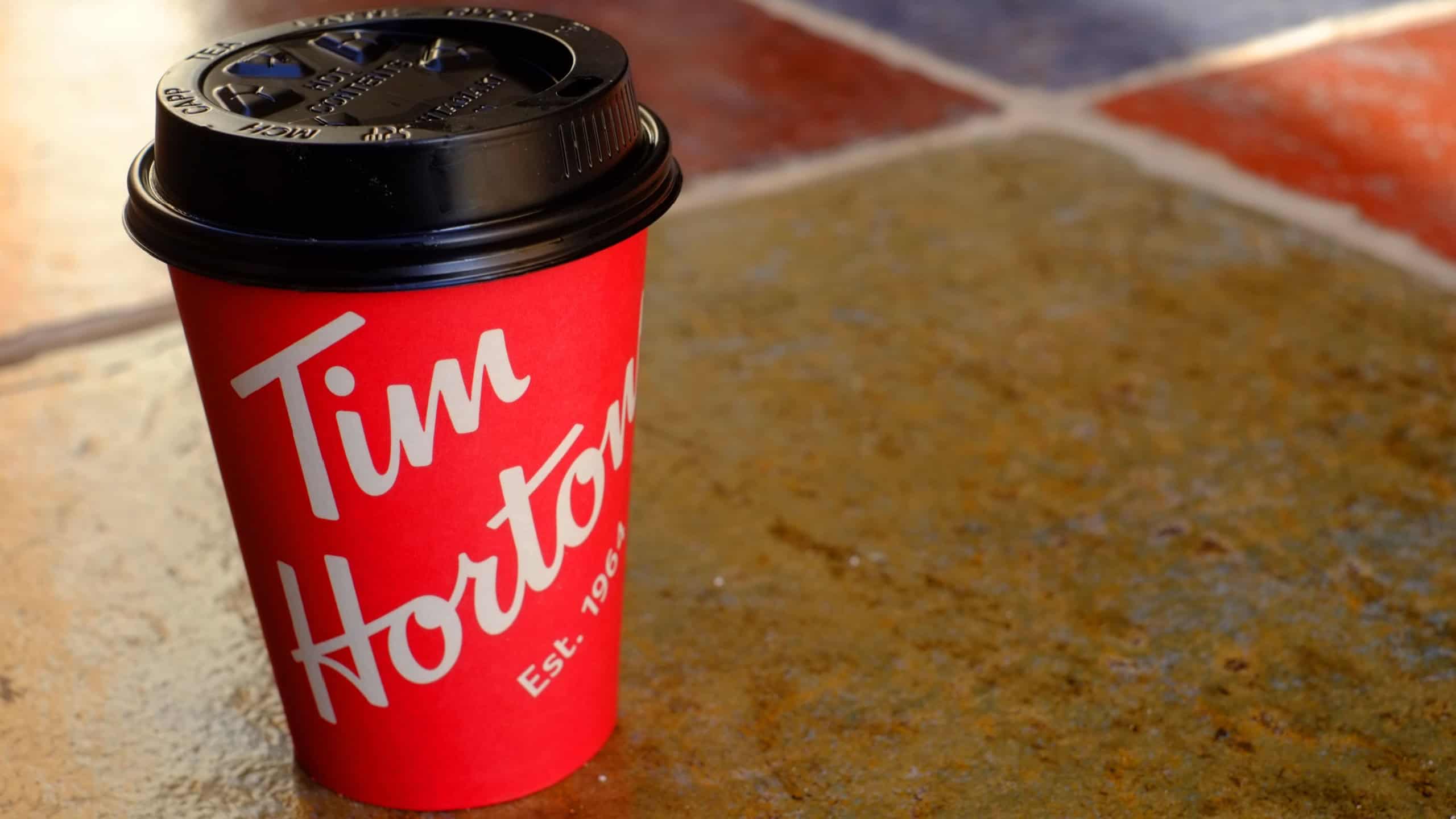
Ordering a double-double comes naturally to Canadians. It’s shorthand for a coffee with two creams and two sugars. Canadians introduced the phrase to the world through our obsessive coffee habits.
Tourists hear it everywhere they go in Canada and soon find themselves saying it too. So now most people around the world know what a double-double is, even if they would never order one.
Stagette

Although the U.S. says bachelorette parties and the U.K. says hen do’s, Western Canadians coined this crossover party for a bride before she walks down the aisle.
It’s gradually catching on with the global wedding planning community as it sounds a little trendier and more unique.
Give’r

This phrase means to give 110%, to go hard or live life wide open against all odds. Though classically entrenched in rural Canadian working-class tradition and cult comedy folklore, the phrase has made its way into mainstream vocabulary worldwide through extreme sports, fitness enthusiasts, and memes.
Chinook

A Chinook is a warm wind that blows through areas of Western Canada. It can raise temperatures dramatically during the winter months.
Tourists visiting Alberta cannot believe how fast a Chinook can change a bitterly cold winter’s day. Travel bloggers and weather buffs write about the phenomenon online. Now the word is much more recognized outside Canada than in the past.
Mickey

In Canada, this refers explicitly to a flask-sized bottle of liquor packaged in a curved bottle that slips easily into a jacket pocket.
As cocktail culture and video tutorials spread across social media internationally, bartenders and spirit aficionados abroad are beginning to embrace the term.
Eh

There is no more recognizable Canadian phrase than ” eh?”. Canadians will put it on the end of sentences to confirm agreement, push someone to talk more, or just be friendly.
This expression used to be uniquely Canadian, but now it’s known worldwide. People from other countries have caught on from movies, TV shows, and memes.