
From housing to groceries, rising expenditures are making Canadians reassess where they live, what they spend their money on and what they previously considered attainable.
Housing costs

Perhaps the largest financial obstacle for Canadians is where they live. House prices in many markets are still well out of reach for average salaries, in big cities and smaller towns alike. First-time buyers are waiting longer to enter the market, and some families are packing up and leaving big cities to find more affordable housing.
Rent payments
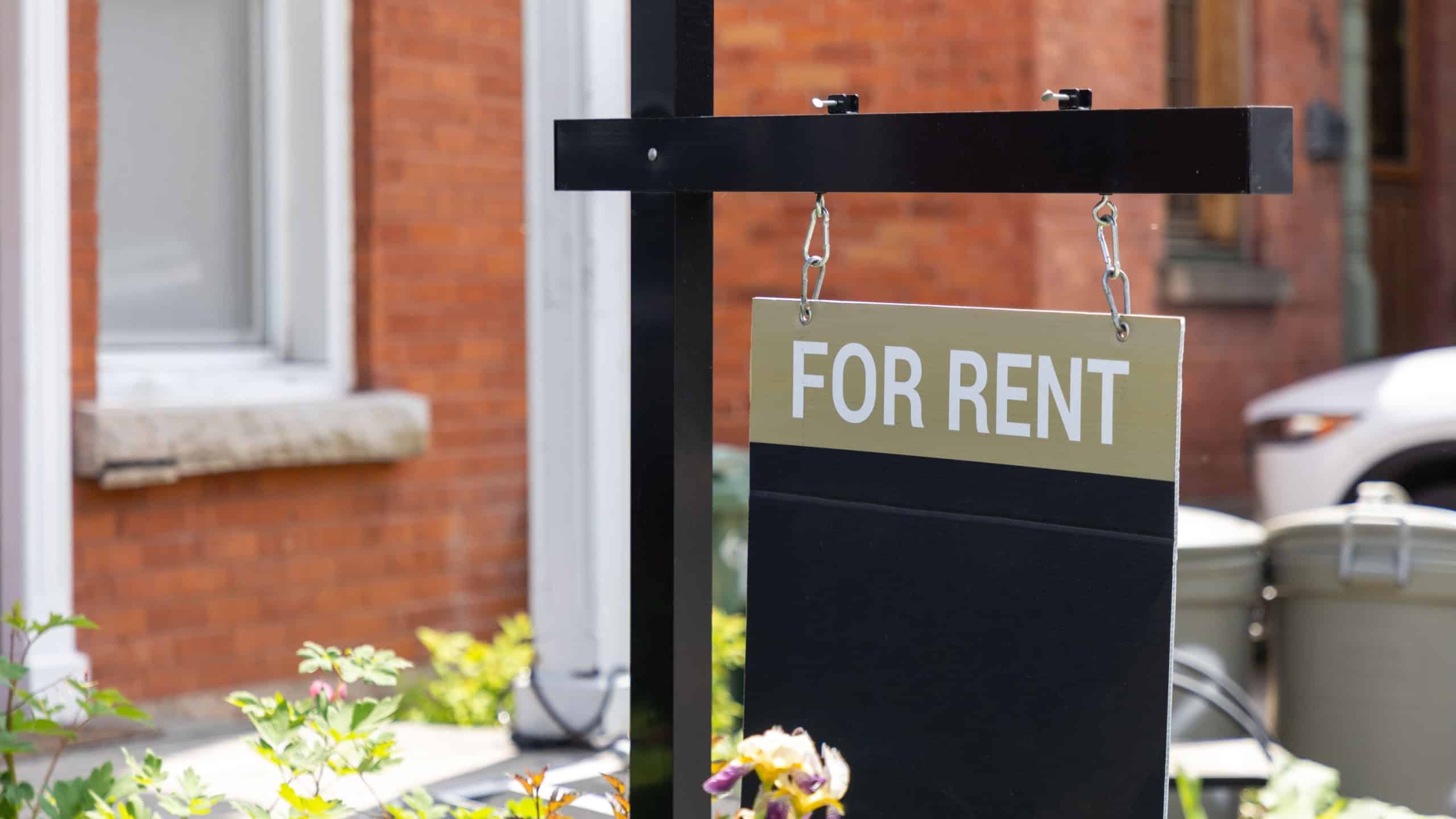
Renters are feeling the pinch too. In cities across the country, monthly rent eats away at income that would otherwise go towards savings, travel or unforeseen emergencies. Finding a rental unit can be cutthroat in major urban markets. Some Canadians are getting roommates in their 30s or living with family longer than planned.
Grocery bills

Food costs have become a topic of discussion nationwide. Shoppers often say they are paying significantly more for their daily necessities than they were only a few years back. Fresh veggies and fruit, meat, dairy products and basic cupboard items all add up quickly, especially for bigger families. Canadians are comparison shopping more, buying store brands and planning meals.
Childcare expenses

While some provinces have opened access to more affordable childcare, there are many areas where families can still expect to pay high prices dependent on location and availability. It can be hard to acquire a space and privately run facilities can carry hefty monthly prices. For some families, childcare costs can equal that of housing. Many parents have to reconsider job prospects versus the cost of care.
Auto insurance

Buying a car is only part of vehicle ownership. Car insurance premiums can be quite costly, depending on the province and city you live in. Rates are higher for new drivers and those in busy metropolitan areas. With insurance added to gas, maintenance and registration fees, it can become one of your family’s biggest expenses.
Fuel costs
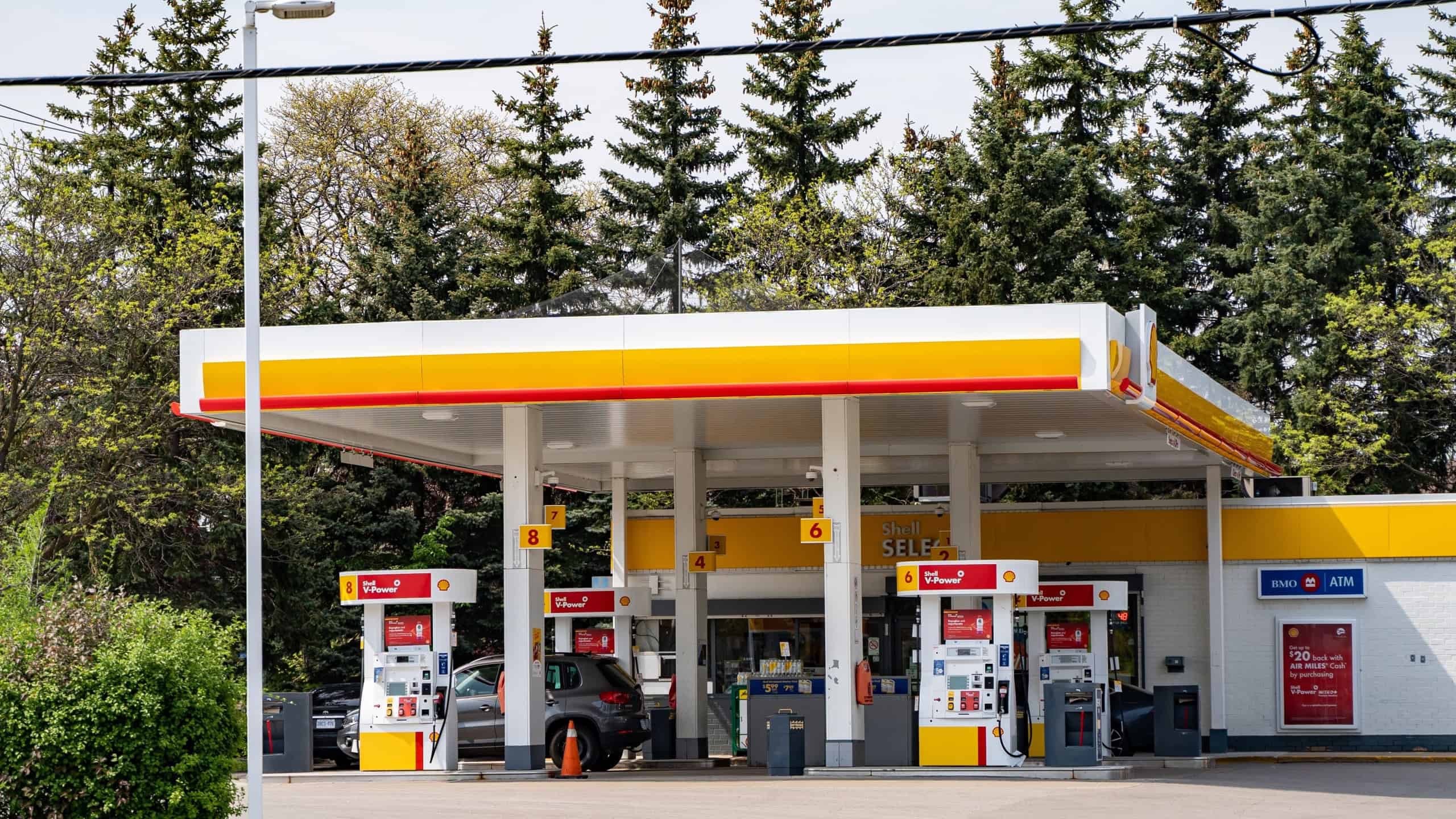
Gasoline prices may rise and fall, but transportation expenses continue to take a big toll on many family budgets. Commuters who drive long distances to work, or residents of rural communities, feel the pinch hardest. High fuel costs impact more than just drivers; they also trickle into increased shipping and transportation costs across our economy.
Utility bills

Heat, electricity, water, and other home services could cost you hundreds of dollars each month. In Canada, where our winters can be harsh, many families dread the heating bills. The cost of energy depends on where you live, but utilities are still climbing as part of most budgets. Homeowners and renters alike are looking for ways to improve efficiency and reduce consumption.
Mobile phone plans

While there has been increased competition in recent years for mobile service in Canada, many Canadians still believe that we pay more than customers in most other countries. Bills with heavy data plans, multiple lines and device financing can become costly, very quickly. Many Canadian families find themselves comparing service providers and promotions weekly.
Internet services

Fast and reliable internet is now a necessity, particularly if you work or study from home or run an online business. High-speed internet service, however, can also be a major line item on your budget. If you have multiple users in your household streaming, gaming, and working remotely, you likely need a higher-priced package.
Dining out

Restaurant food just keeps getting more expensive. With increasing labour, ingredients, and operating costs, restaurant menus are jacking up prices everywhere. Eating out used to be an affordable weekly occurrence. Now, for some families, it’s a rare treat. Many Canadians are cooking more at home and dining out less often.
Higher education

Post-secondary education is still worth every penny. However, between tuition, books, rent, travel, and other fees, students and graduates are often left broke. Too many young Canadians start their first job already in debt for years to come. Parents and students are now budgeting and saving years in advance for schooling.
Property taxes

Buying a home also means paying extra expenses. Your property tax is often a high yearly cost that will only increase as your property appreciates. Property taxes fund your town or city, but that doesn’t change the pain you’ll feel. Many seniors and others on fixed incomes struggle with rising property taxes. It’s one of those expenses that first-time buyers often forget.
Elder care

As Canada’s population ages, more Canadians will experience the financial cost of supporting elderly relatives. The cost of elderly care includes renovations to their homes, caregiving services, transportation services, medications, and long-term care. Many adults are simultaneously raising children and supporting their parents. It can be every bit as financially demanding as it is emotionally stressful.
Sources: Please see here for a complete listing of all sources that were consulted in the preparation of this article.