Canada and the United States may be neighbours whose cultures are quite familiar, but they sure have a long history of awkward moments Americans would rather forget.
White House
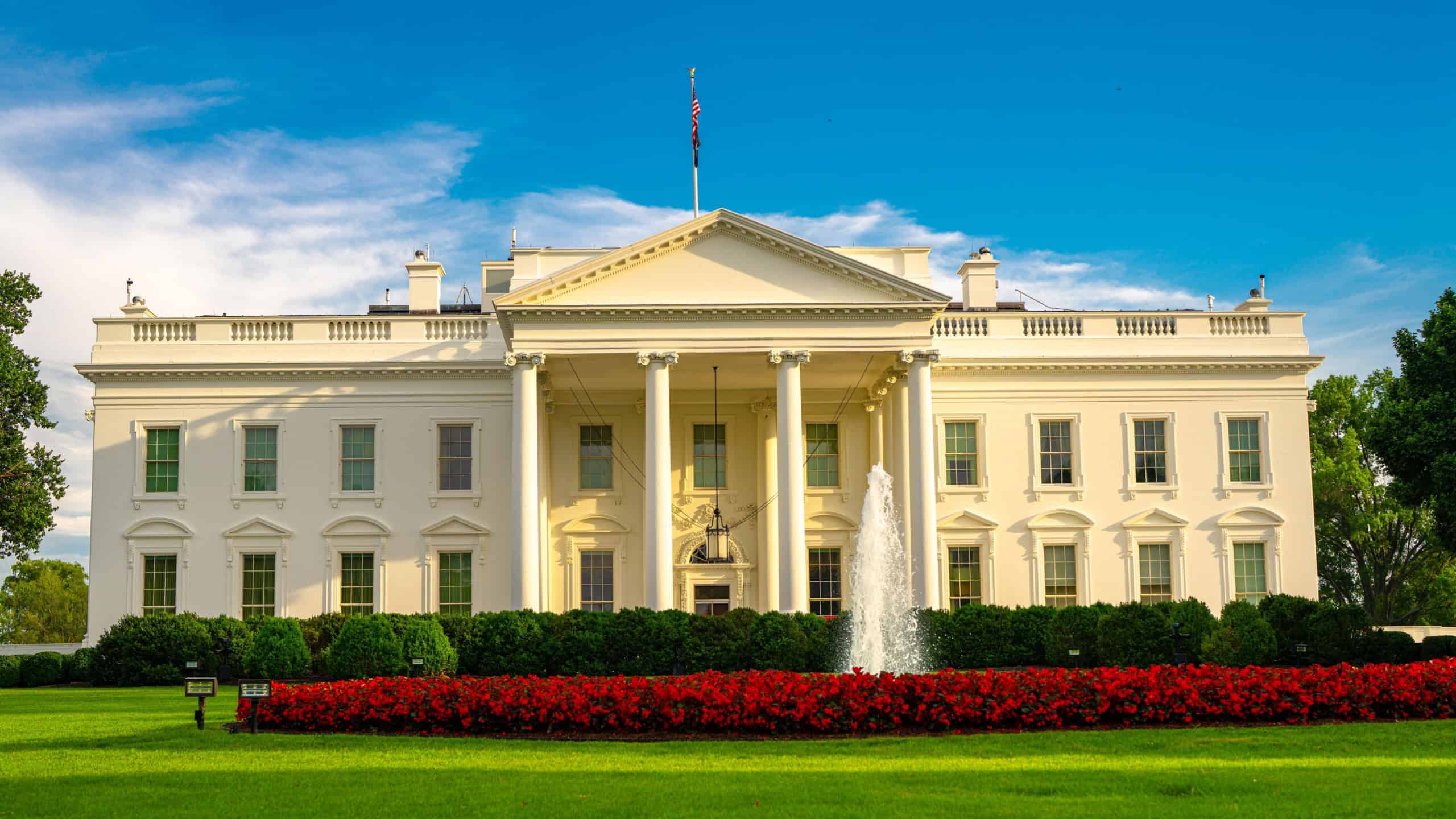
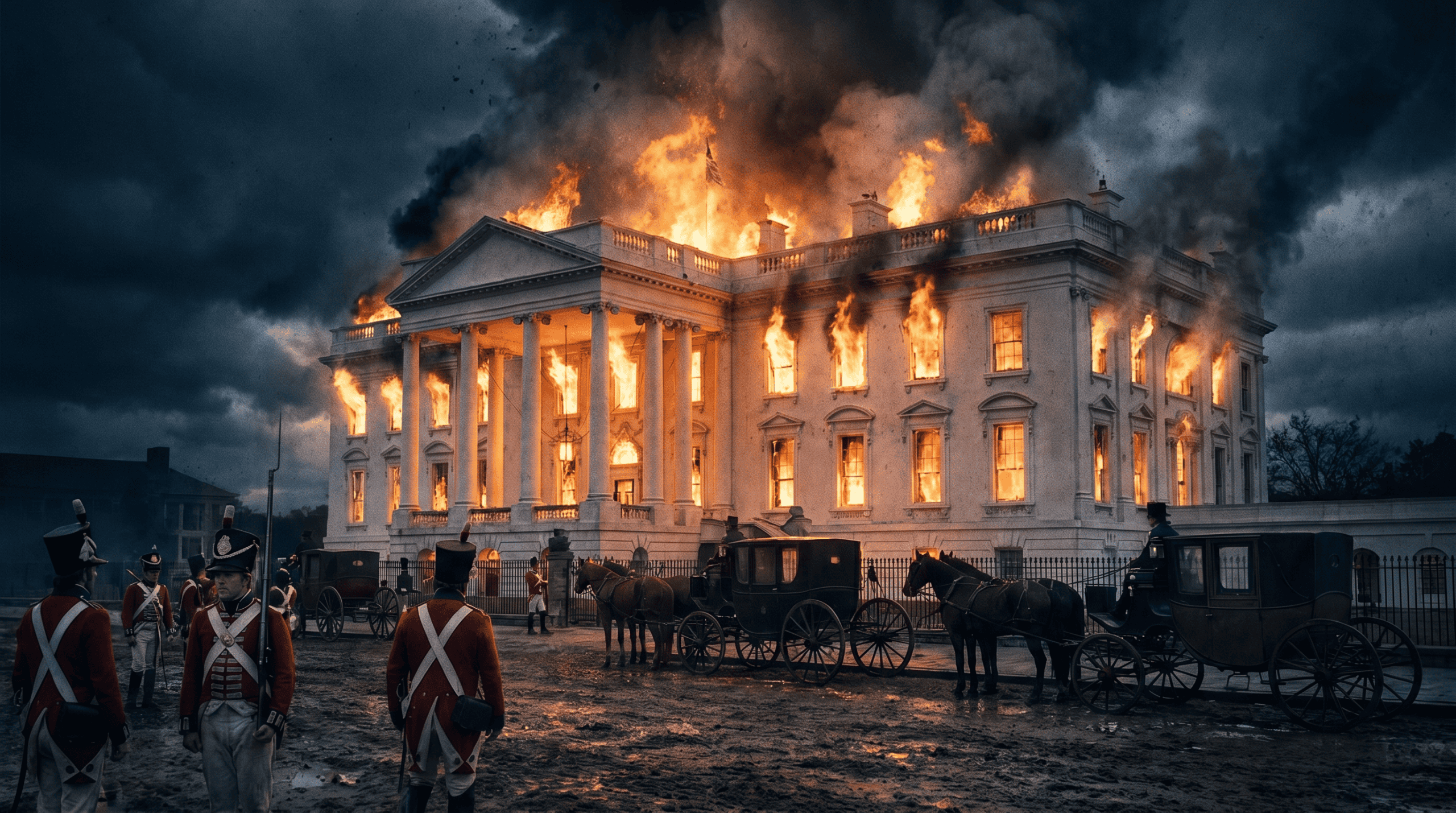
Perhaps one of the most embarrassing events in early American history occurred during the War of 1812. British troops invaded Washington, D. C., and burned many important government buildings, including the White House, in 1814.
Canada was still a part of the British Empire at this time, and a large number of the soldiers involved in the campaign were from British North America (now known as Canada). Americans tend to cringe when Canadians jokingly tell them that the White House literally caught fire during a war with Canada.
Tehran rescue

After militant students took over the U.S. Embassy in Tehran in November 1979, six Americans escaped capture and went into hiding. They weren’t rescued by an undercover CIA mission, but by Canada’s Ambassador to Iran, Ken Taylor, and his staff, who hid them for three months.
Canada’s government secretly issued fake Canadian passports, created an imaginary Hollywood movie production called Argo as cover, and sneaked them past airport security. The CIA took credit publicly for years to protect the Canadian diplomats involved.
1812 invasions
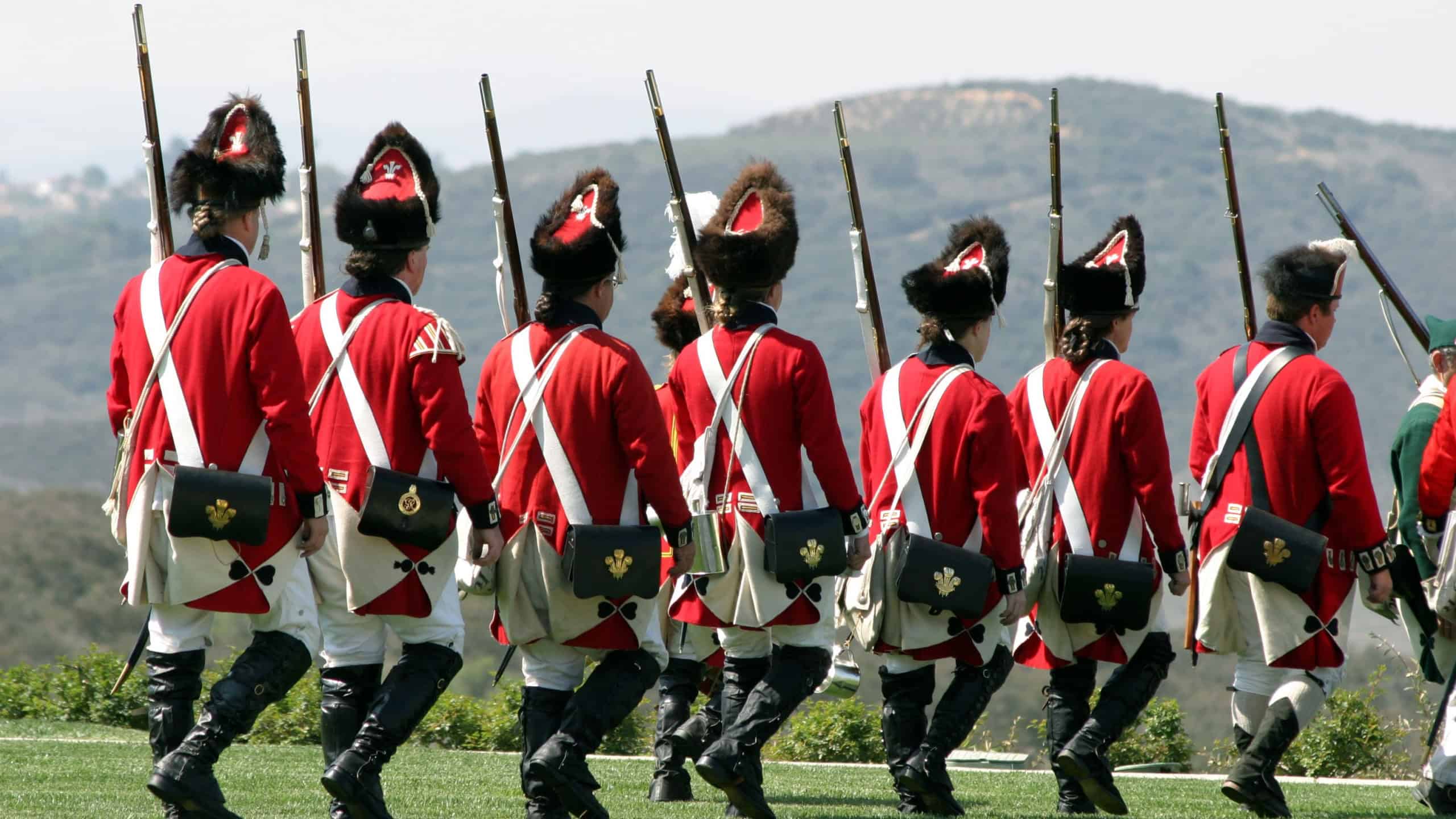
The United States’ multiple invasions of Canada during the War of 1812 were expected to be quick victories as Americans thought Canadians would rise up and join in the fight to liberate themselves from the British Crown.
Instead, these campaigns resulted in dismal military defeats for the Americans, who suffered from supply shortages, cold weather, rugged terrain, and tenacious resistance from British regulars, Canadian militia, and Indians such as Tecumseh and his allies. Cities were captured and recaptured, battles were fought and lost in disorder, and the war highlighted just how militarily unprepared the United States was during this period.
Superman’s roots
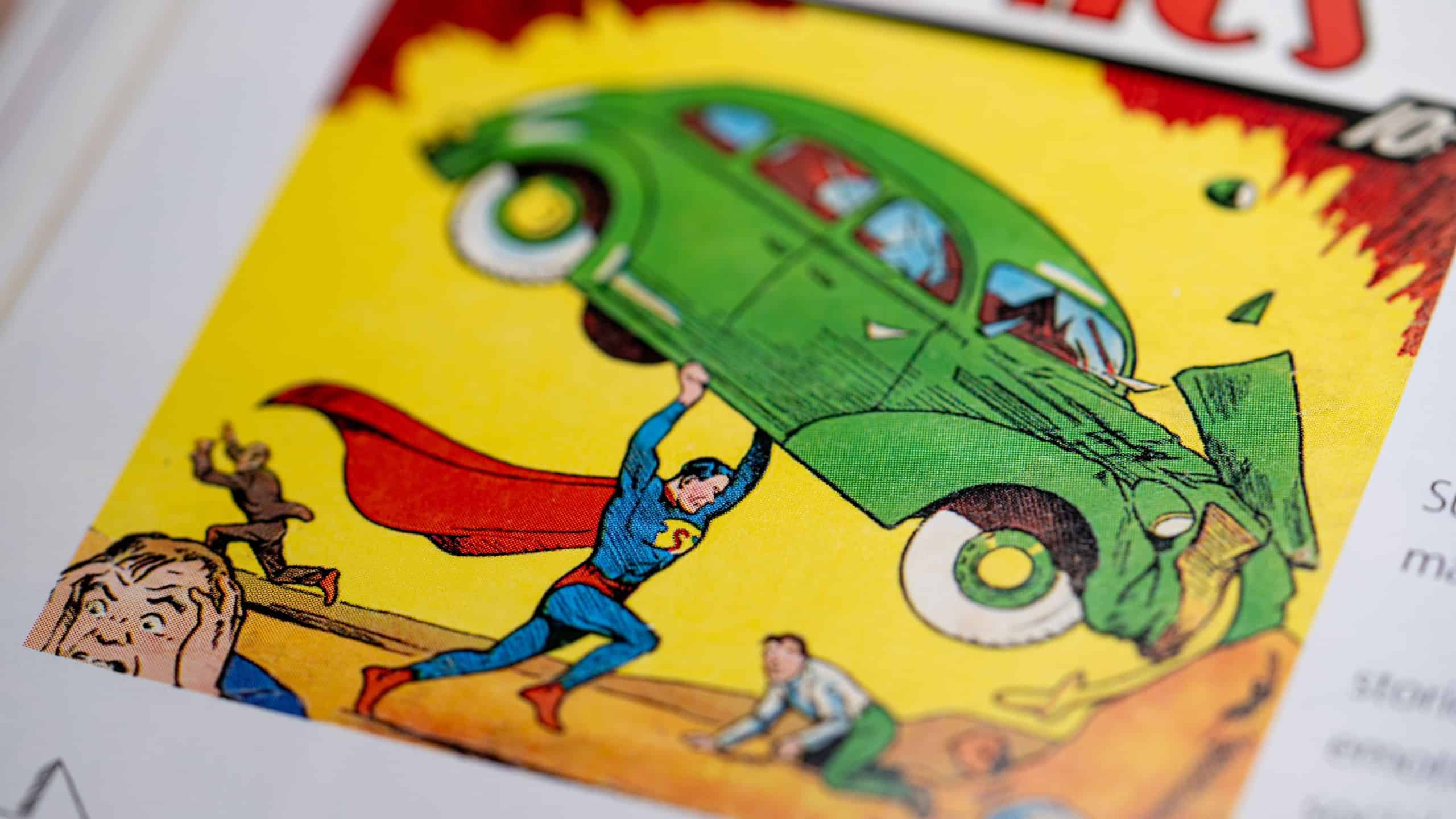
Joe Shuster, one of Superman’s co-creators and artistically responsible for Superman’s iconic look, was a Torontonian by birth. When illustrating Metropolis, Superman would call home to, Shuster did not model the expansive city after New York’s Manhattan skyline or Chicago’s downtown.
He specifically modeled the look of Metropolis skyscrapers and the Daily Star newspaper office after the Toronto Daily Star, for which he had been a news boy as a youth. Superman comics still contained this hidden tribute to Toronto for years before the name changed to Daily Planet.
Peanut butter
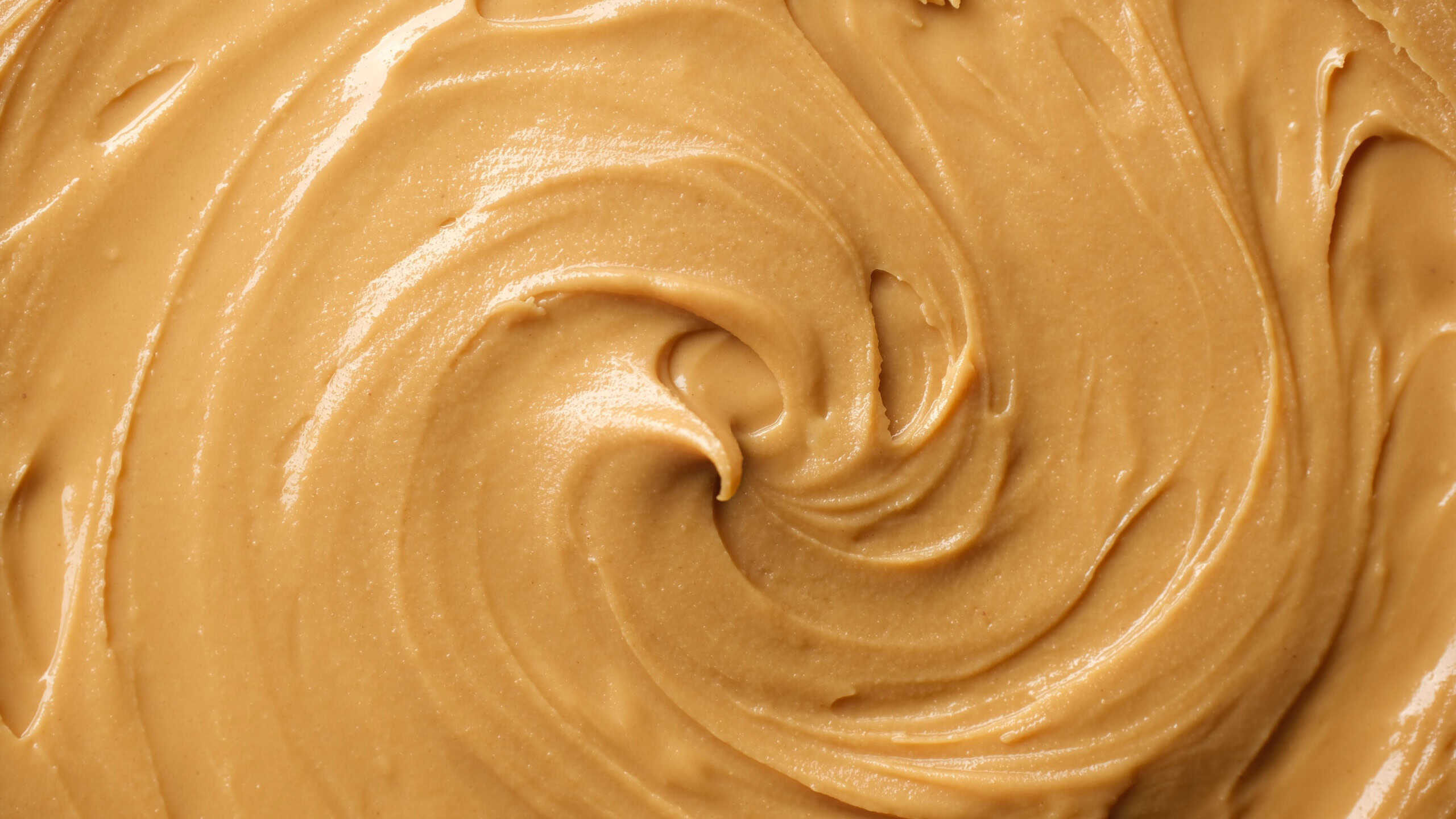
Contrary to popular belief in American history, George Washington Carver was not the creator of peanut butter. There is a record of a Montreal pharmacist patenting peanut butter 10 years before George Washington Carver began his research on peanuts.
The process that was patented by Marcellus Gilmore Edson takes roasted peanuts and repeatedly crushes them between two heated surfaces until they reach the consistency of a paste. Once the paste has cooled, you are left with a spreadable substance that was intended for those who had trouble chewing solid food. Edson patented the edible we now know as peanut butter in Canada in 1884.
Marriage equality

Canada was the first nation outside Europe and the fourth country in the world to legalize same-sex marriage nationwide. Canadians achieved this right through several constitutional battles that eventually led to nationwide recognition by way of the Civil Marriage Act.
This occurred ten years before the U.S. Supreme Court legalized it nationwide with its Obergefell v. Hodges decision. Many Americans don’t like to be reminded that Canadians were allowed same-sex marriage before them.
Acid rain
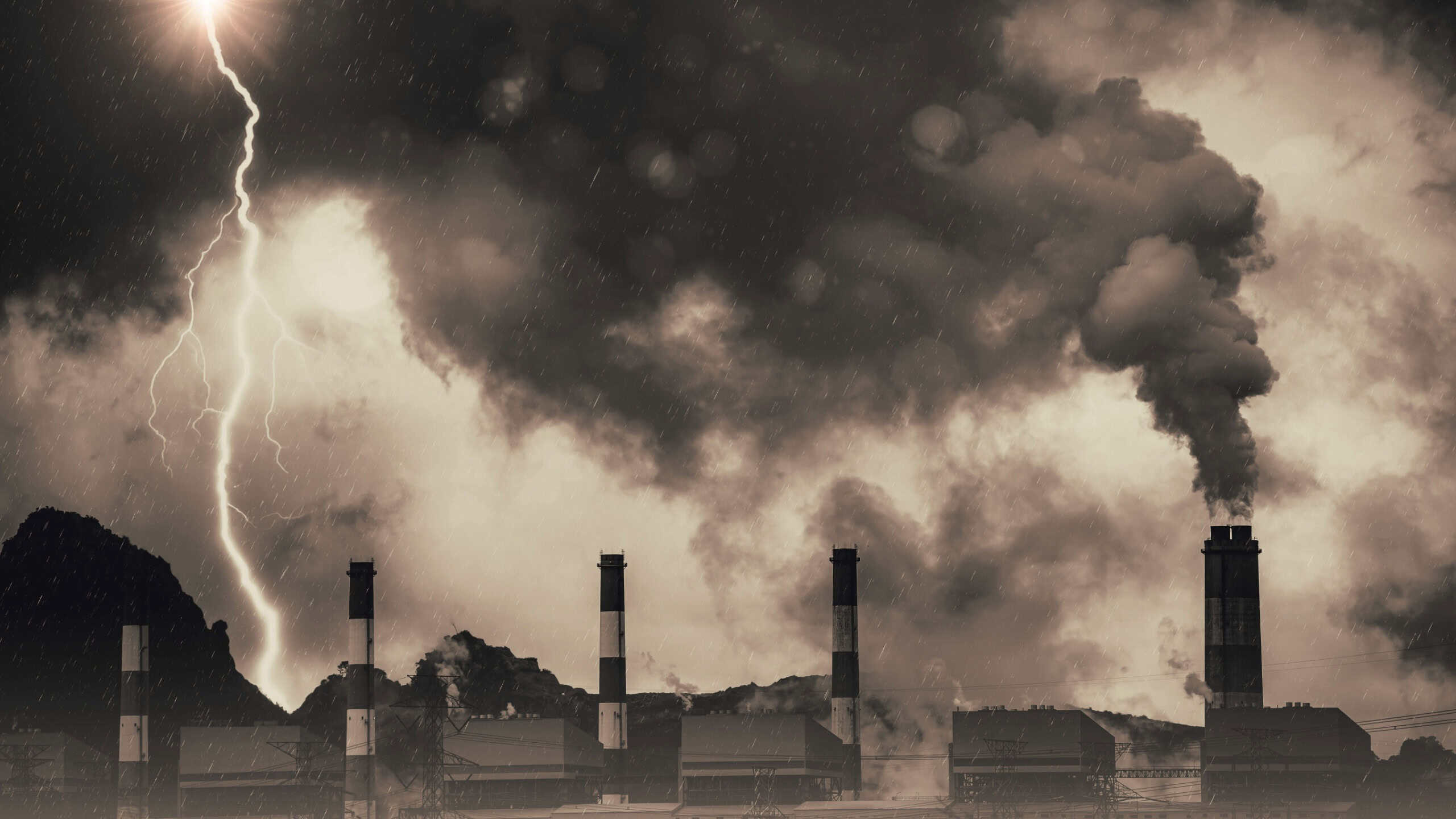
Industrial pollution from factory emissions and coal-fired power plants during the 1970s and 1980s released large amounts of sulfur dioxide emissions from the American Midwest toward Canada, resulting in acid rain, which was destroying lakes and damaging maple trees.
As one American president after another delayed environmental policies that would interfere with corporate wealth at home, Canada began fiercely pressuring the U.S. on environmental concerns. This international embarrassment pushed the United States to agree to the 1991 Air Quality Agreement.
Basketball invented

Basketball is heralded around the world as America’s national urban sport. But its inventor was a Canadian problem solver with a discipline issue to take care of. Dr. James Naismith, an elementary physical education teacher from Almonte, Ont., devised basketball by securing two peach baskets onto the railing of a YMCA gym balcony in Springfield, Mass.
He invented it as a means to keep his students busy indoors during the harsh winter months. Naismith wrote the original 13 rules and established a sport centred on finesse instead of brute strength like tackle football.
Golden goal

Rarely does one sporting event have as much on the line as did the Men’s Gold Medal game at the 2010 Winter Olympics in Vancouver. Playing against their bitter rival, the United States, in front of a home crowd, the Canadians skated into overtime saddled with the immense pressure of an entire country’s hopes riding on their shoulders.
With Sidney Crosby’s last-minute “Golden Goal” past American goalie Ryan Miller, celebrations erupted from coast to coast, denying the United States a victory in what became the most-watched hockey match in global television history.
Underground railway
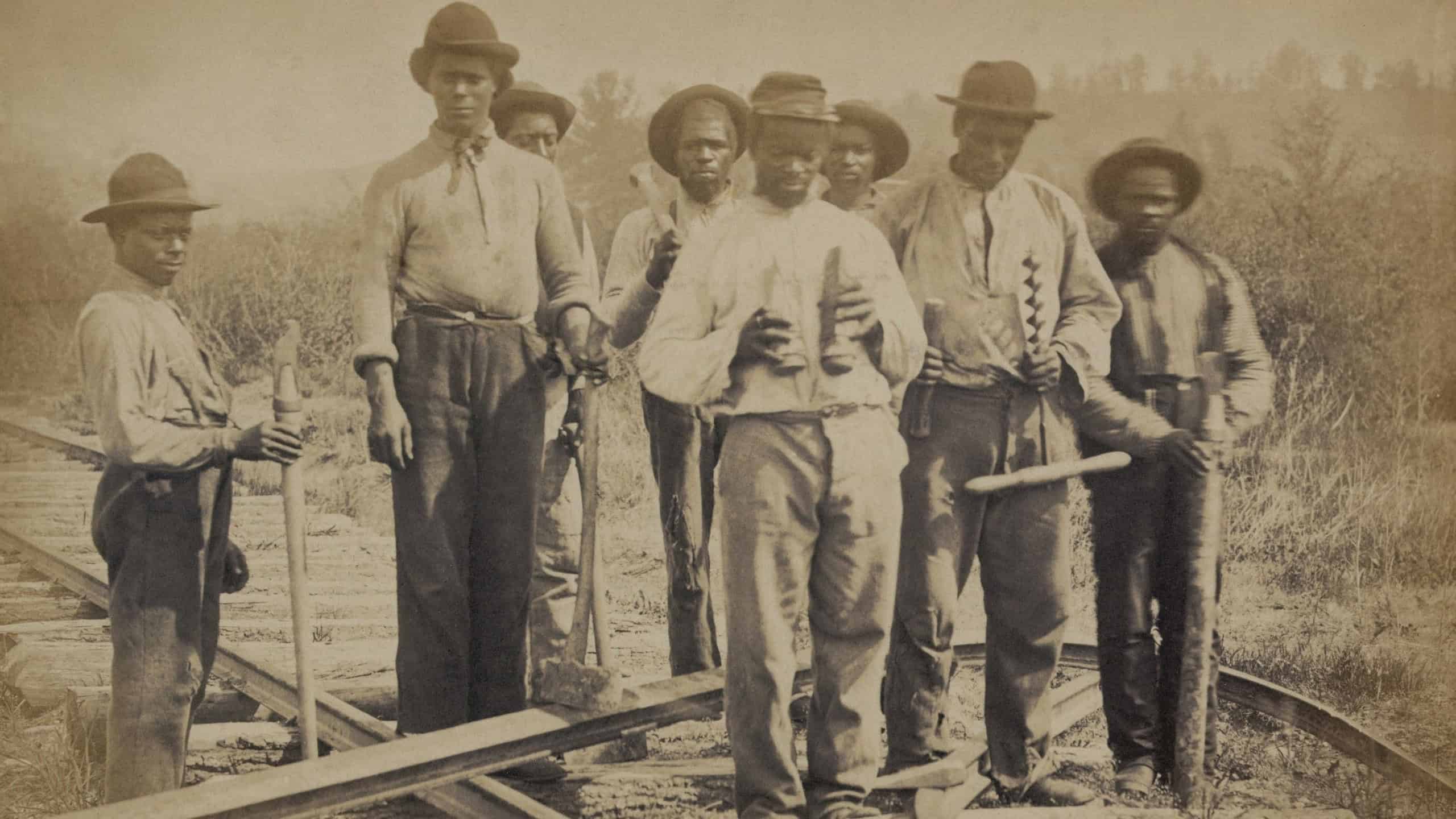
After the passage of the extremely punitive Fugitive Slave Act of 1850, which permitted the pursuit and capture of runaway slaves even within the American North, the Underground Railroad no longer led to safety in the United States.
Canada West quickly became the agreed-upon, ultimate endpoint of the Underground Railroad. There, under British imperial law, which totally shielded Black residents from extradition and prohibited slavery, tens of thousands of freedom seekers successfully emigrated and made new lives for themselves beyond the reach of U.S. slave catchers.
Insulin discovery

It was Canadian researchers Frederick Banting and Charles Best, along with their team at the University of Toronto, who discovered insulin in 19twenty-one. At the time, diabetes was a death sentence.
Because they knew how important their discovery would be to the world, the Canadians did not want to try to profit from insulin. They sold the original patent to the University of Toronto for $1, allowing the medication to be produced at an inexpensive rate worldwide.
Yellow ribbon
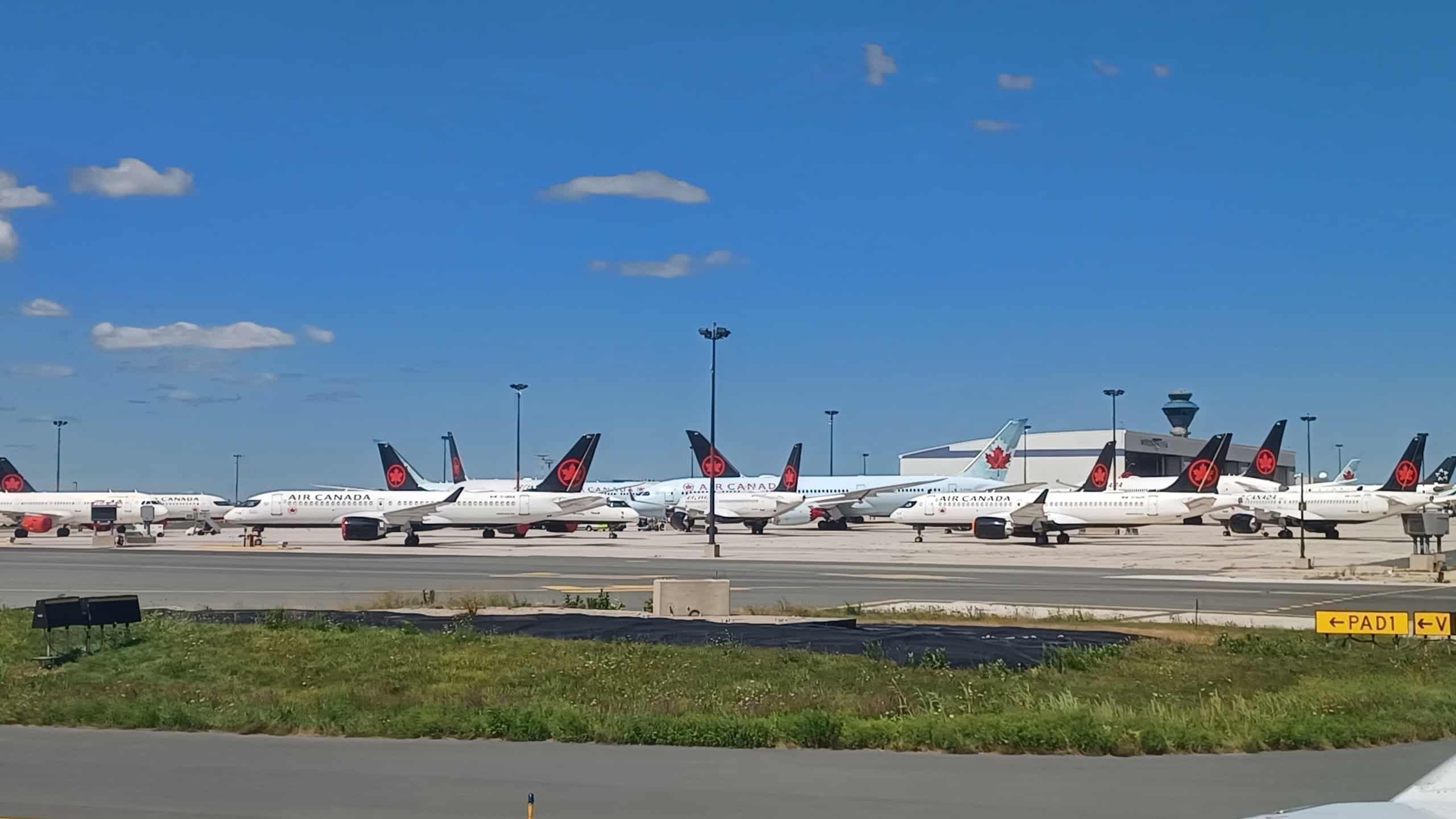
During the 2001 attacks on September 11, when U. S. airspace was entirely closed down, Transport Canada responded with Operation Yellow Ribbon. Canadian air traffic controllers quickly rerouted 238 transatlantic civilian flights from their original American destinations.
Thousands of anxious passengers from around the world were grounded in small-town Canada; over 6,700 in Gander, Newfoundland, alone overnight. Canadian citizens took travelers in, often providing meals and shelter for several days until U. S. airspace opened up again.
Vietnam asylum
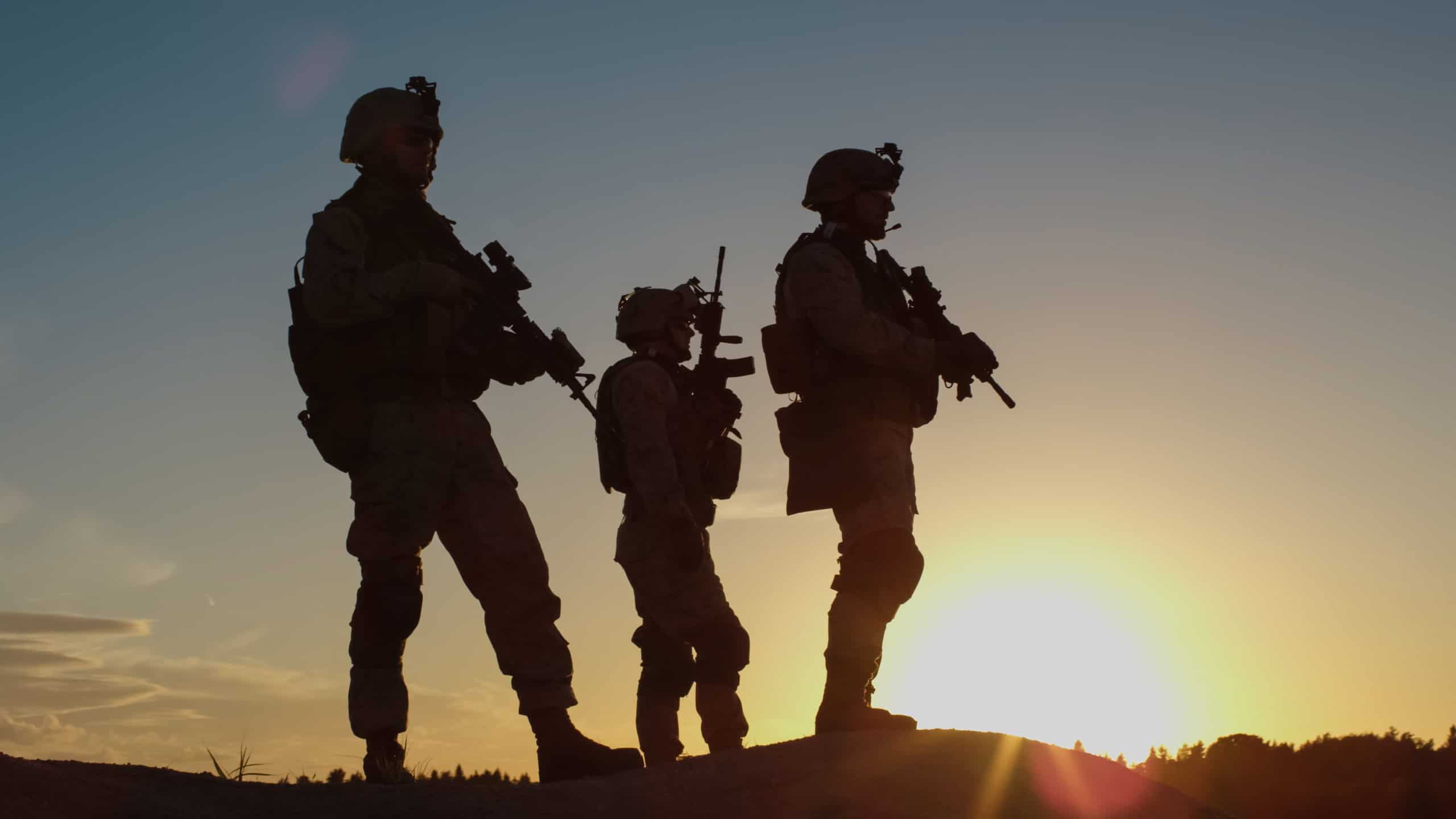
At the peak of the Vietnam War, Canada decisively rejected American foreign policy by refusing to support America’s war effort. Canada accepted draft evaders and military deserters from the United States.
An estimated 30-40,000 young Americans entered Canada from the north seeking political asylum between 1965 and 1973. This influx of educated American anti-war protesters was readily accepted into Canadian society, causing the biggest, most obvious public humiliation of Washington’s war effort on the international front.
Sources: Please see here for a complete listing of all sources that were consulted in the preparation of this article.