
Some everyday Canadian habits seem completely normal to locals, but to the rest of the world, they can look surprisingly strange, confusing, or even hilarious.
Alcohol tax

Purchasing beer and wine at local grocery stores is part of everyday life for Canadians. However, visitors to Canada may gasp at the exorbitant prices when they get to the checkout counter. Canada has some of the highest government sin taxes in the world.
Prices for alcohol in Canada are often double what consumers pay in the United States. Alcohol sales are tightly controlled by provincial boards that add on federal excise duties, provincial sales taxes, and significant retail markups.
Land acknowledgments
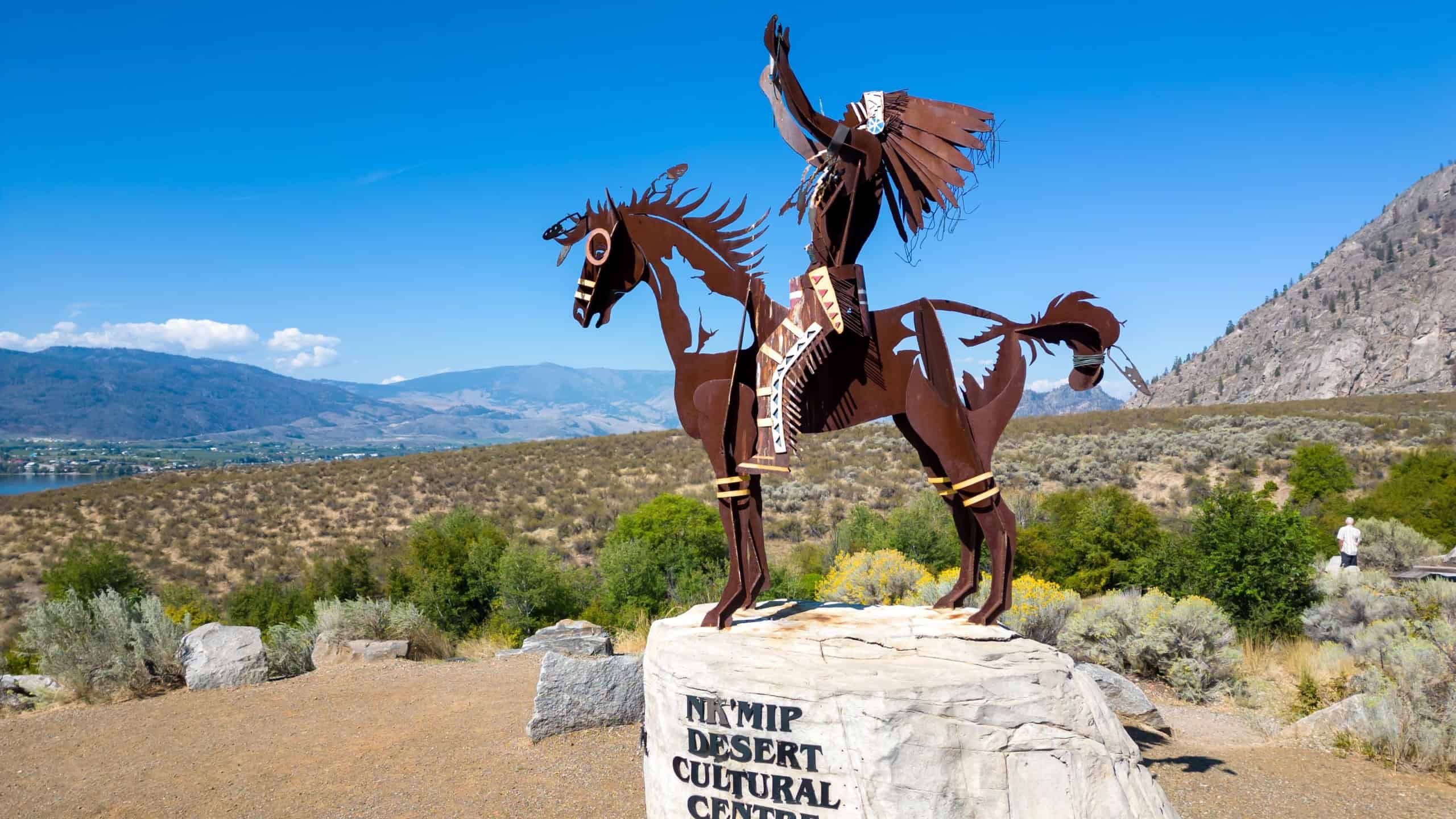
In Canada, you will often hear schools, universities, conferences, government gatherings, and public meetings start with an acknowledgment of Indigenous nations whose territory that place is on. Canadians often hear these statements daily. But visitors to Canada will often hear one for the first time because public statements like these are not made very often in other countries.
Alternate currency
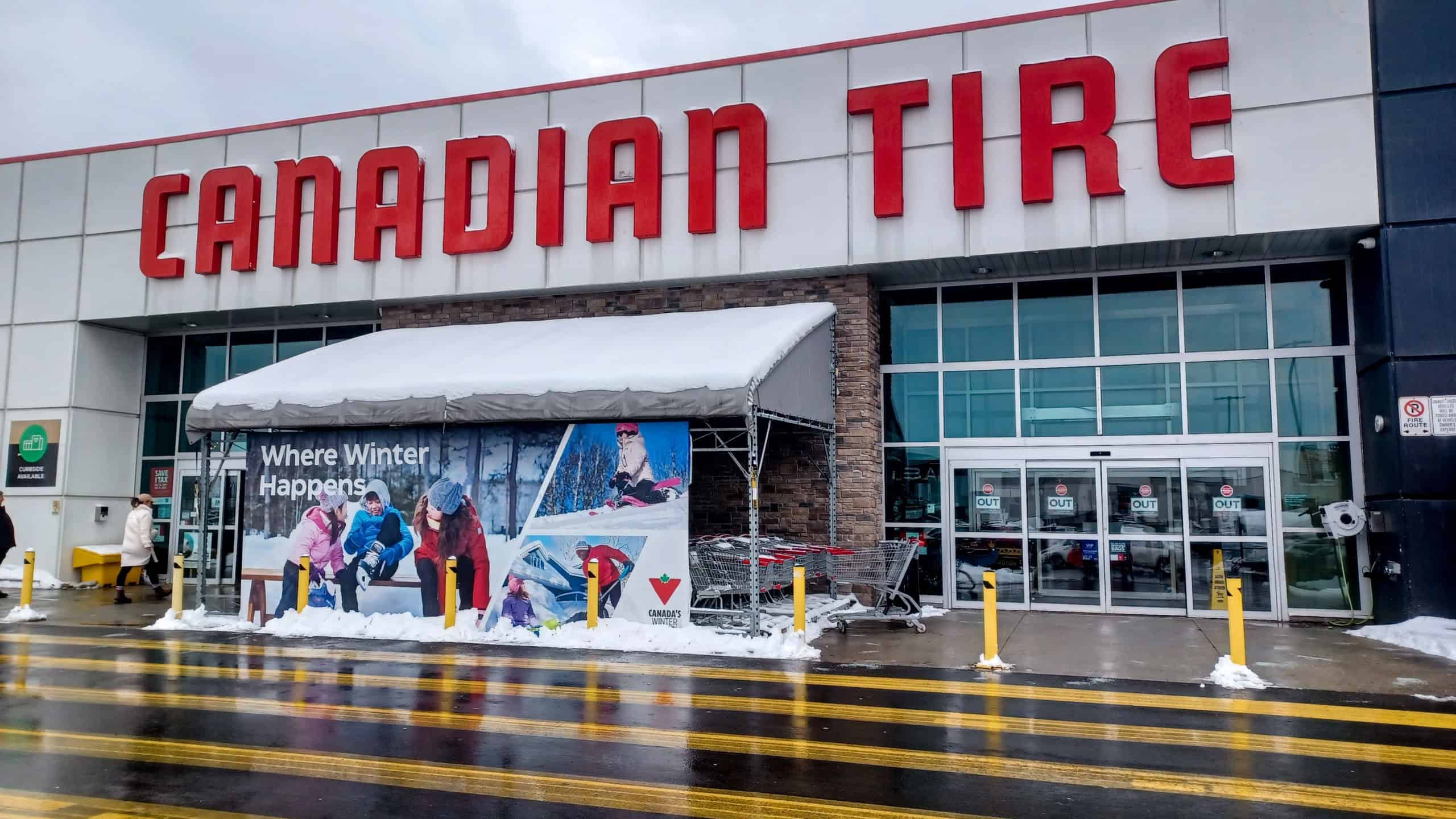
For many years, when shopping at Canadian Tire, the giant automotive/hardware store chain, shoppers were awarded with paper currency called Canadian Tire Money. Cartoons on the currency feature a mascot aptly named Sandy McTire. Canadian Tire money is the spitting image of monopoly money and was accepted as real money by affiliated bars and businesses around Canada.
Backpack flags
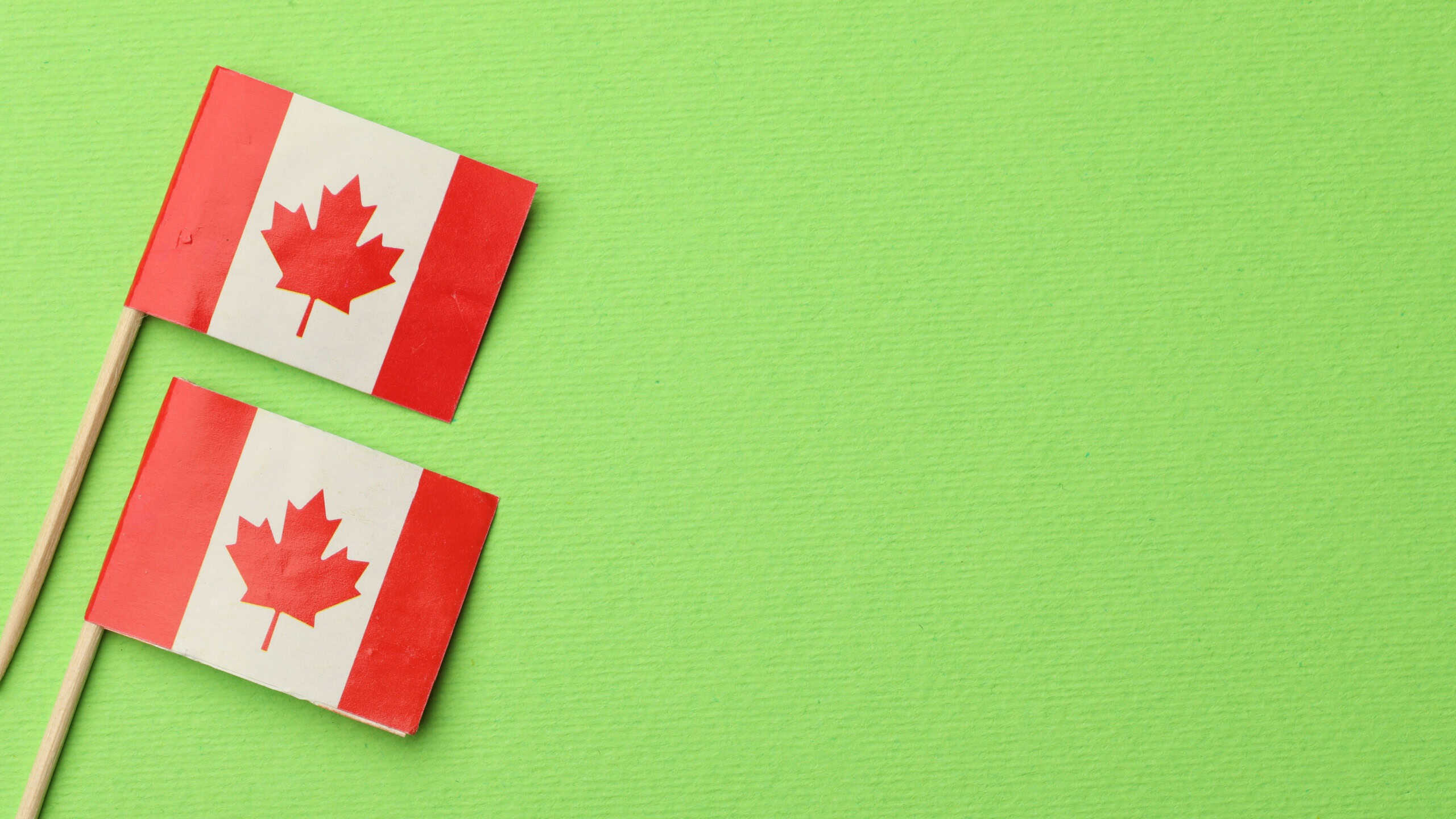
Traveling abroad, Canadians may carry with them a silent, yet visual form of insurance embedded right into their luggage. Backpackers will commonly sew tiny maple leaf patches onto their packs, just so that locals in foreign countries won’t mistake them for Americans.
Halloween costumes

Since late October weather in Canada can easily bring snowstorms or plummeting temperatures, kids don’t pick Halloween costumes based purely on style. Every Canadian child learns from an early age that it’s imperative to purchase a costume two sizes larger than you are so that it will fit over your bulky winter snowsuit.
Double-double orders
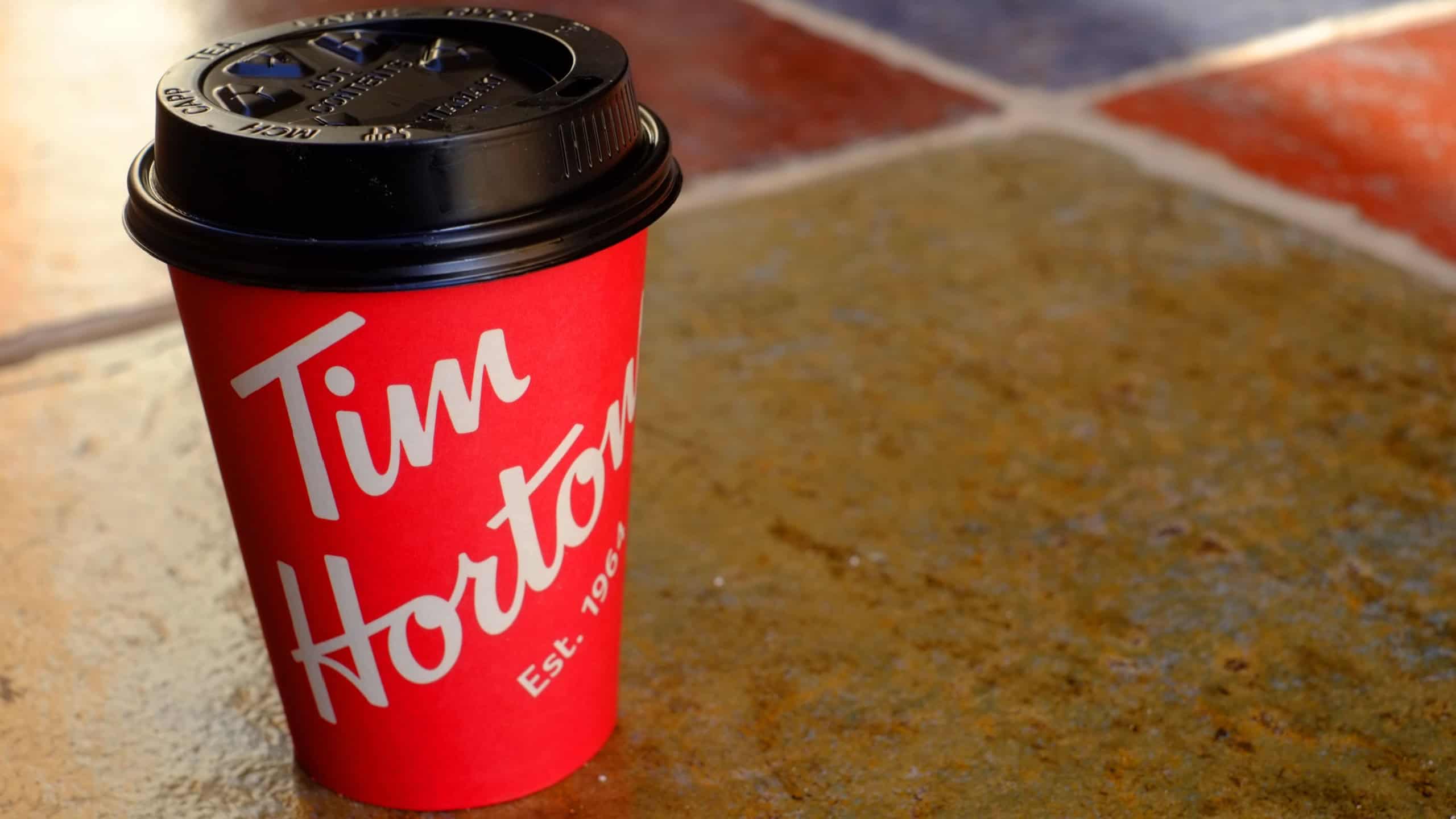
Pull into the drive-thru lane of any Tim Hortons and ask for a Double-Double, and the cashier won’t bat an eye. It is Canada’s unofficial national coffee order. Two creams, two sugars mixed into one perfectly balanced cup of hot drip coffee. This is a standardized, sweet and creamy morning necessity.
The Toonie
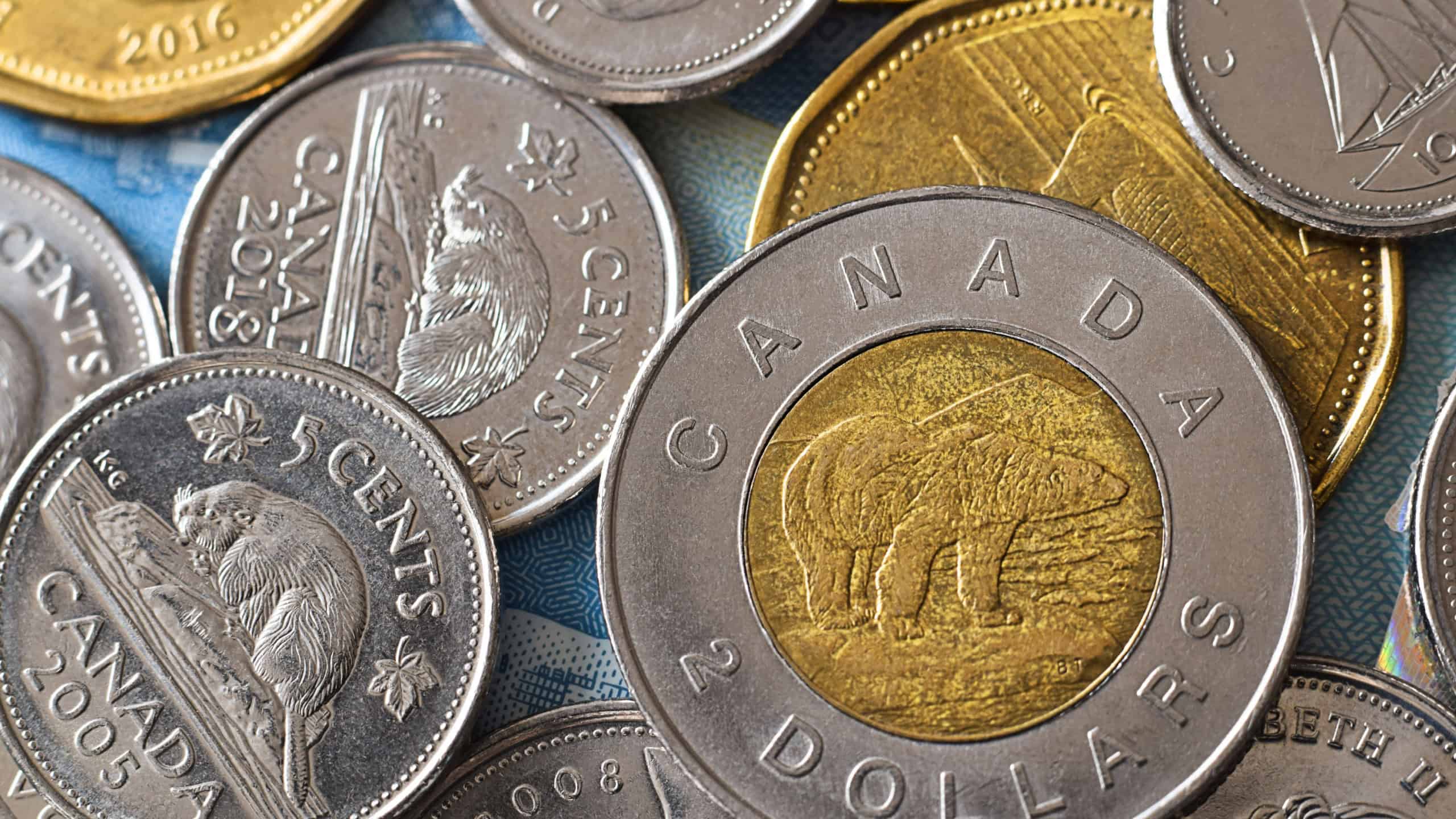
Canada retired their paper two-dollar bill and introduced a heavy, distinct coin instead, nicknamed the “Toonie” (as in two, as the one-dollar coin is nicknamed the “Loonie”). The coin itself consists of a chunk of brass-plated aluminum bronze tightly contained within an outer shell of shiny nickel.
Winter barbecues
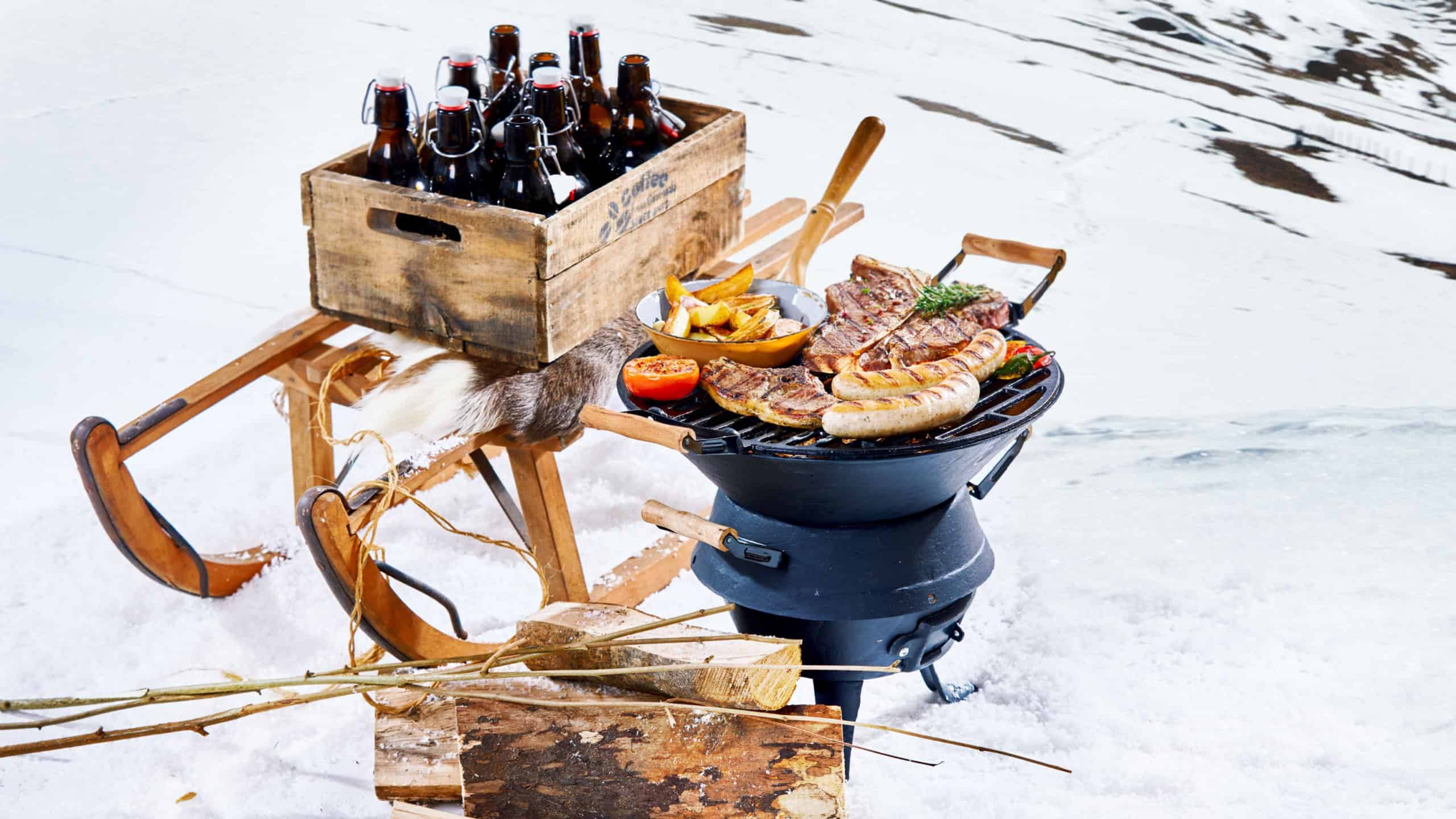
Even when blizzards roll in and temperatures plummet far below freezing, Canadian grilling season does not pause. It is totally normal for someone to stand outside on their snow-covered deck decked out in a parka and snow boots, tending to a grill full of burgers. People who grill year-round shovel out a path just for them to the grill every winter. It looks insane to visitors from warmer regions.
Winter maintenance
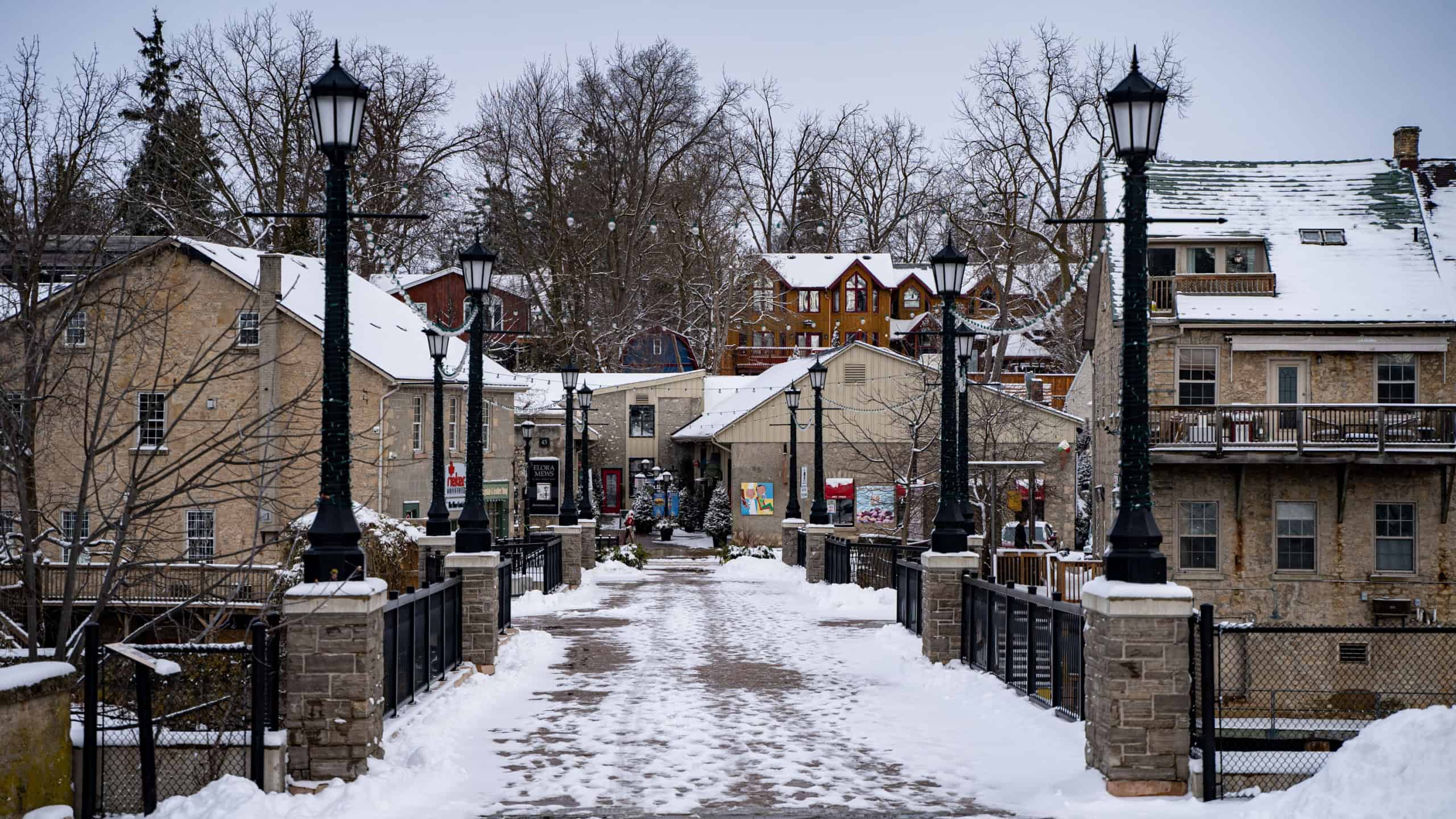
When it gets cold outside, Canadians drag chunks of ice out of their backyard ponds, clear local lakes, and municipal canals to make room for community hockey games. But here’s the Canadian idiosyncrasy: the creation of the DIY manual “Zambonis.” Made from PVC pipes, garden hoses, and old towels, they’re then pulled by hand across the ice.
Maple excess
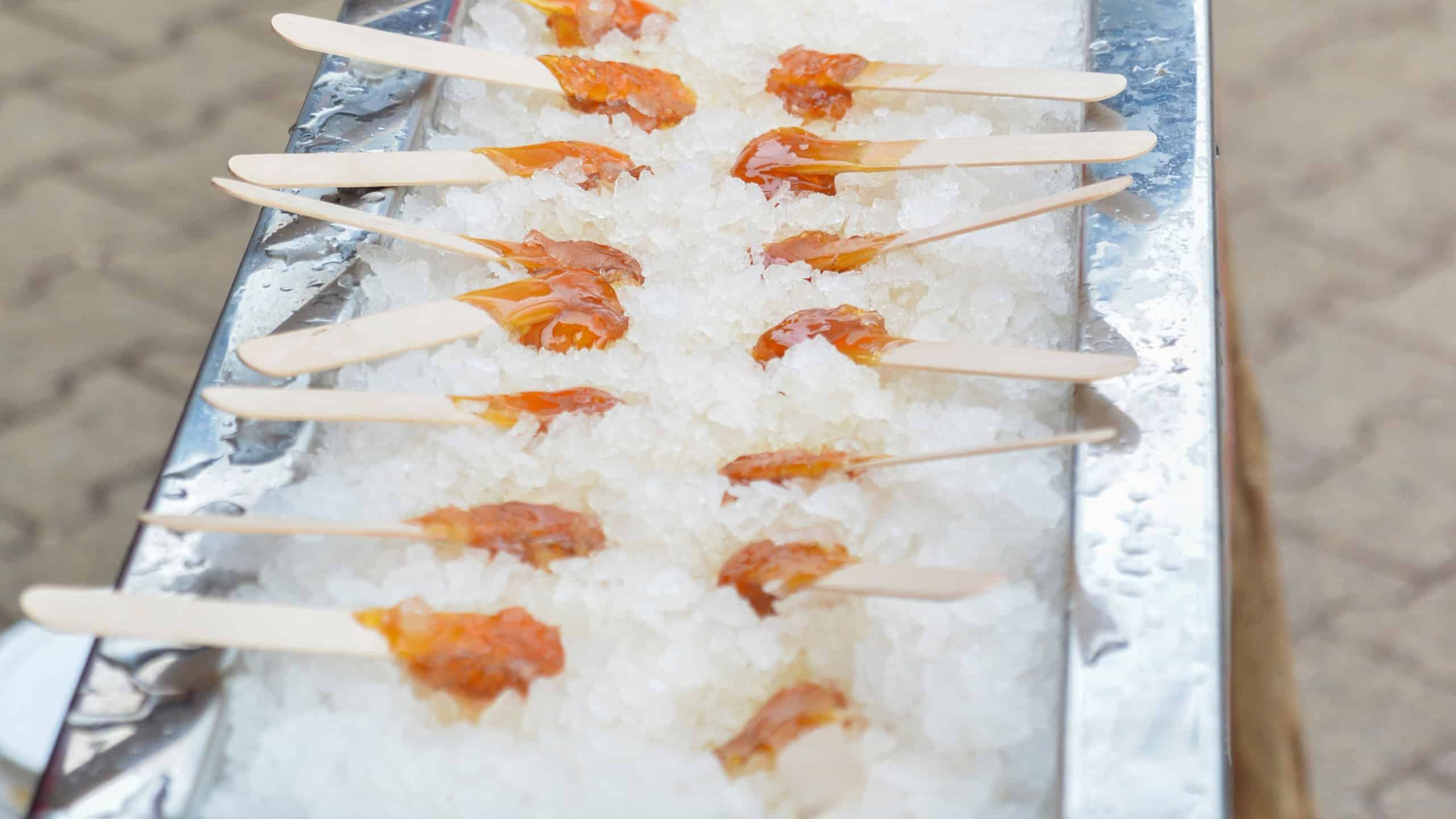
Maple syrup is not considered a simple pancake topping; it is considered a staple and a seasonal ritual. When the sap is ready to be harvested in the springtime, families head out to their “sugar shacks” to boil it down. The hot syrup is ladled onto fresh snowbanks where it immediately flash freezes into a sticky, pull-apart maple taffy on a stick.
Smarties confusion
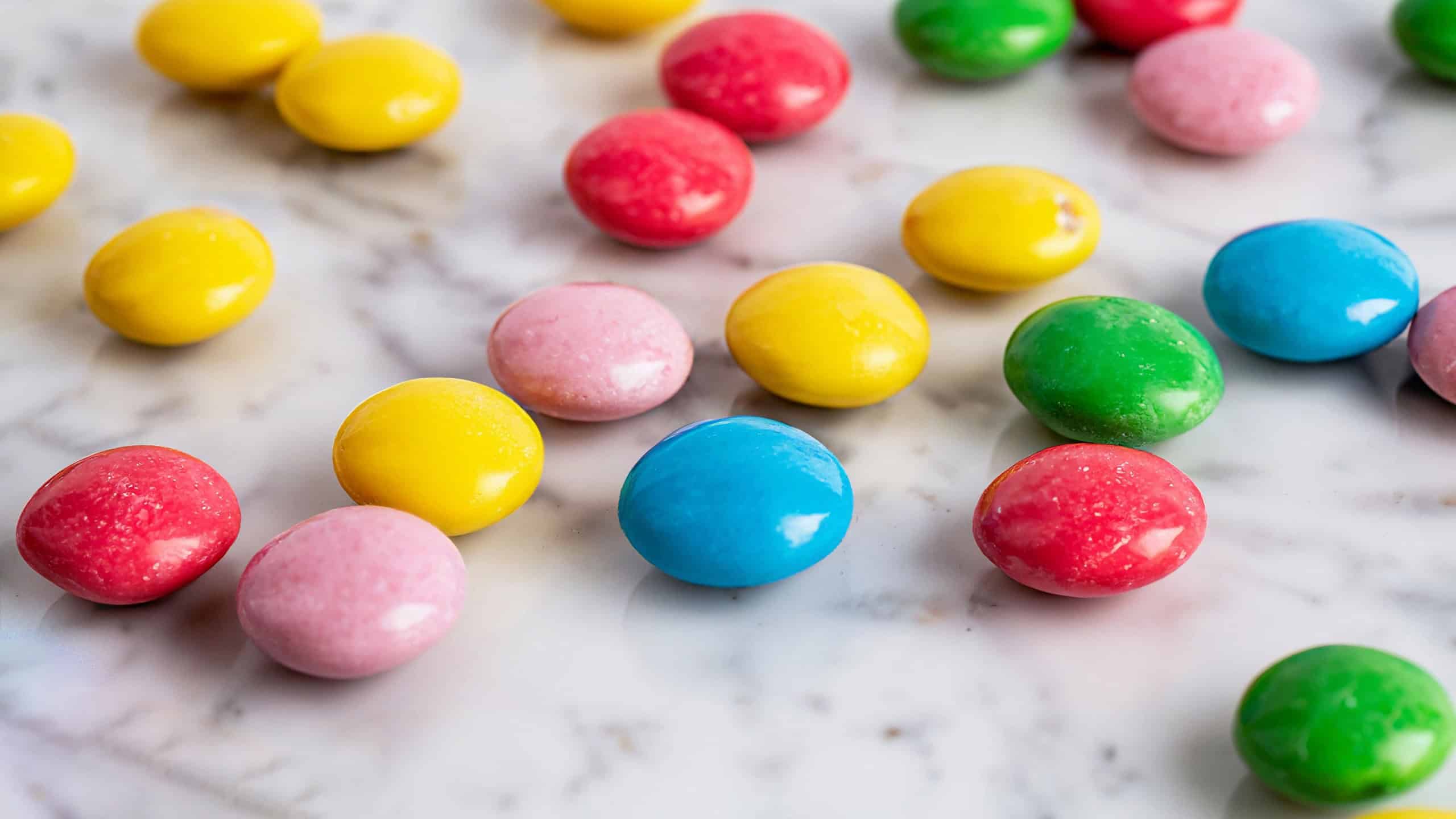
Border crossings provide one gigantic candy trap that has baffled generations of travelers. Buy a box of Smarties in Canada, and you will be rewarded with colorful candy-coated chocolate discs, similar to M&M’s. Buy them in the United States, however, and you’ll be given a roll of chalky, sour sugar tablets that Canadians refer to as “Rockets”.
Casual apologies

The stereotype of Canadians as being too apologetic comes from Canadian law itself. Canadians apologize so instinctively and frequently that the province of Ontario passed the Apology Act, which officially states that an apology is not to be used as an admission of guilt or liability in a civil lawsuit.
Outdoor fridge
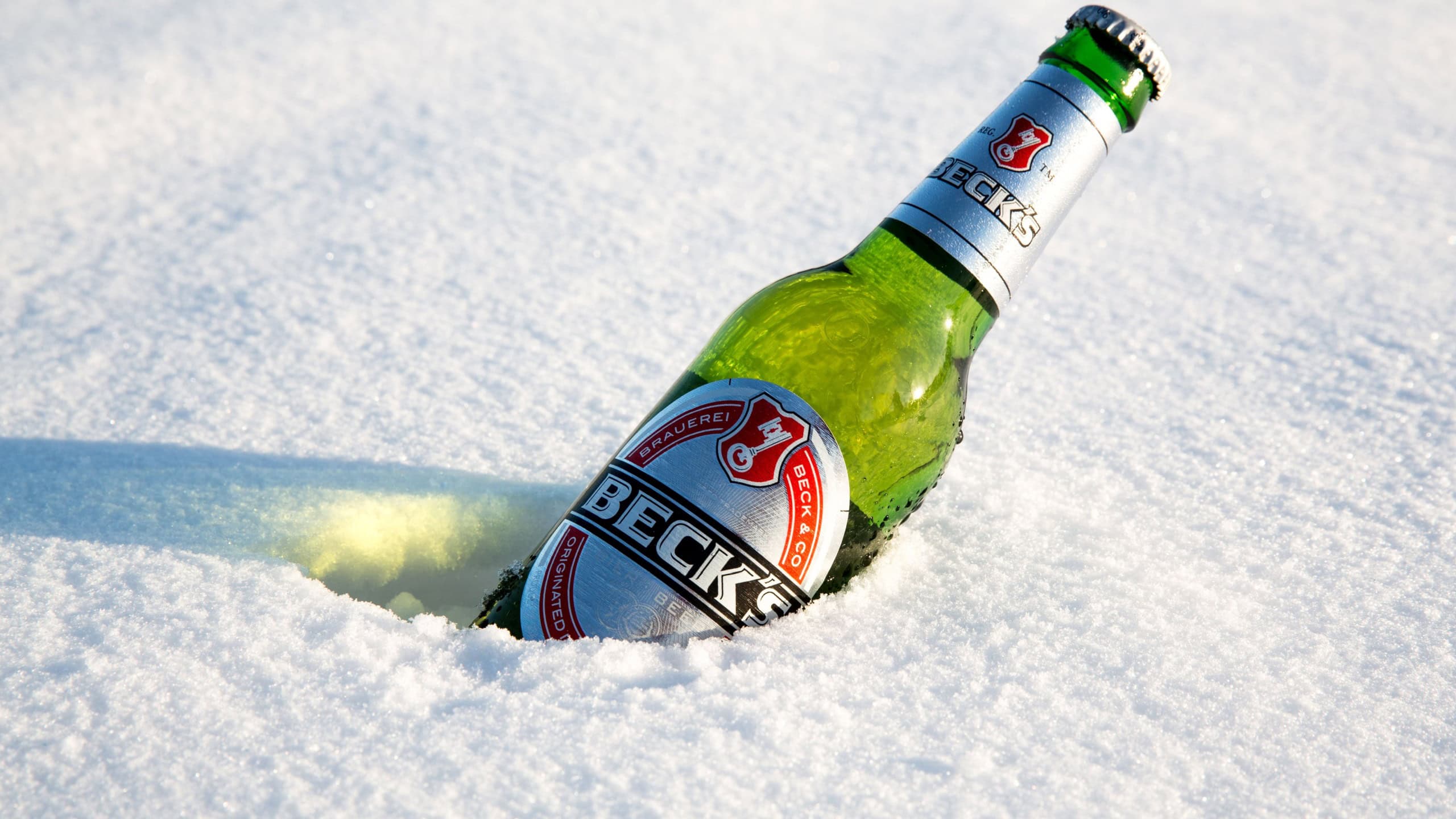
During winter, Canadians love leaving drinks out in the snow instead of using their fridge. Balconies, porches, and sometimes even snowbanks become outdoor refrigerators during festive occasions or parties. Tourists from warmer climates are always astonished that you can use Mother Nature as your freezer.