
The story of early humans is a long, messy saga of survival and adaptation that stretches back millions of years.
Multiple species
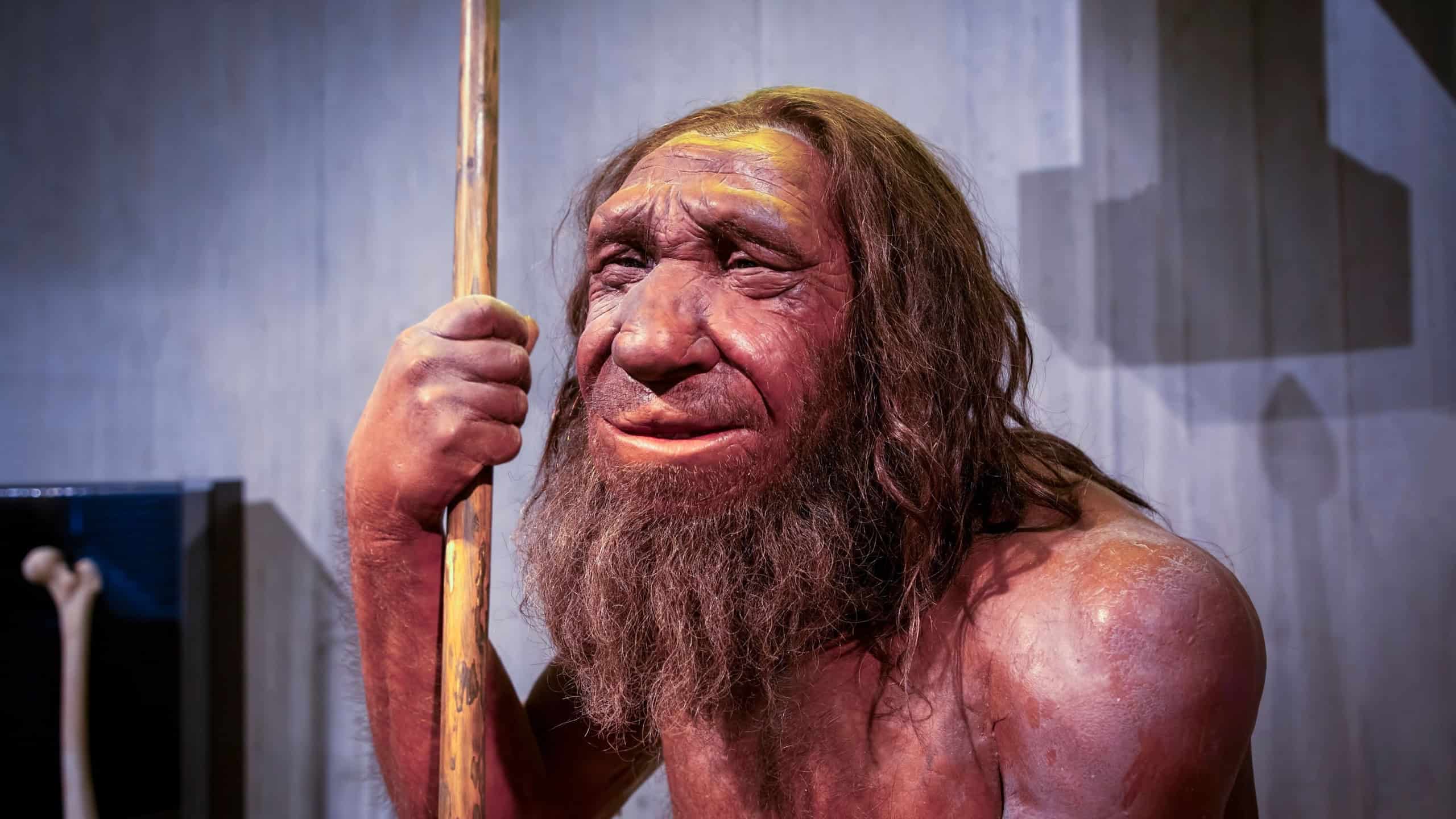
For over 95% of human history, Homo sapiens were not the only human species on Earth. As late as 50,000 years ago, there were at least 3 other species of human on Earth: Neanderthals, Denisovans, and Homo floresiensis (often called Hobbits) in Indonesia.
Healing evidence
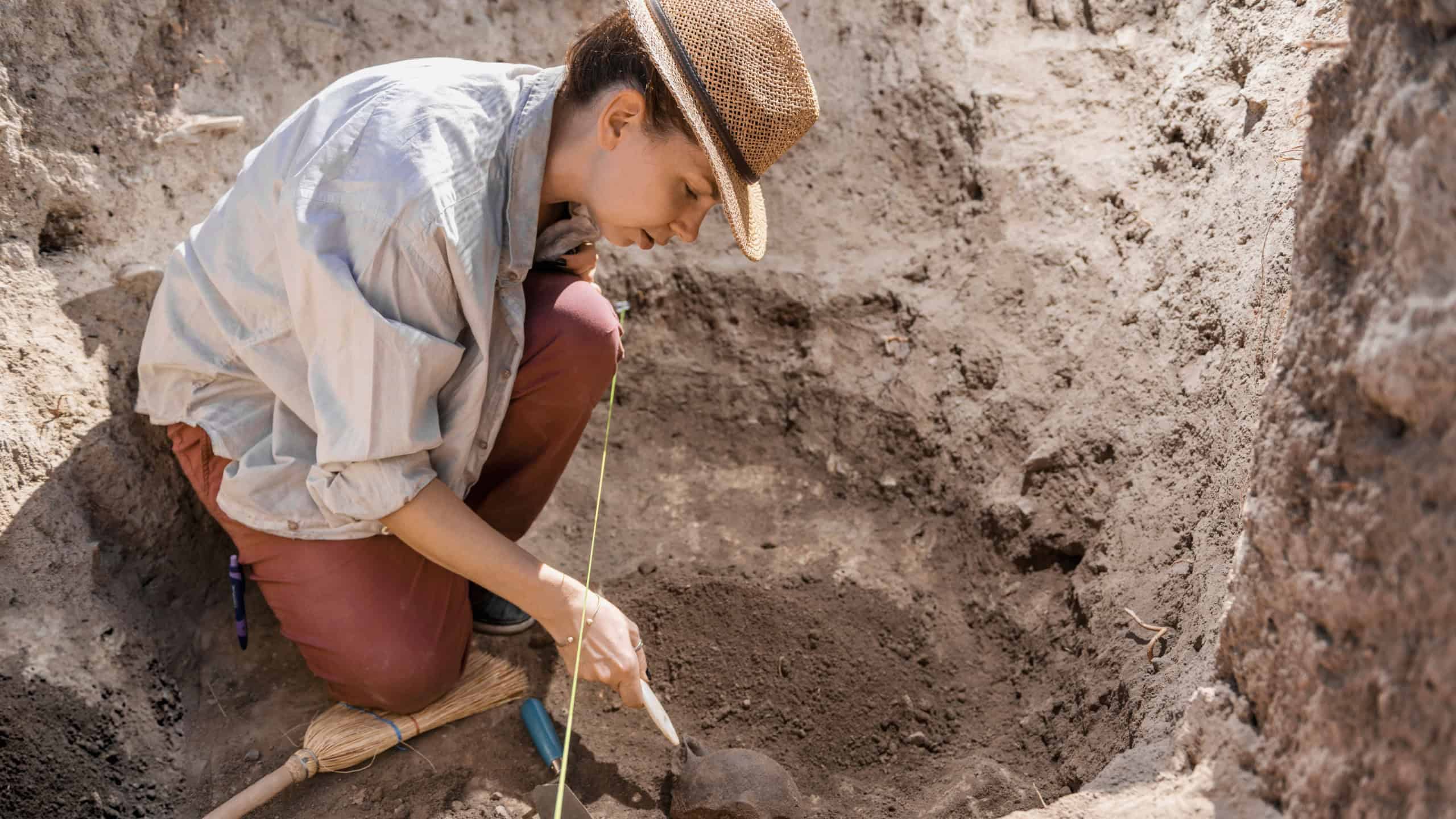
Proof has been found that prehistoric humans took care of their injured and sick. Anthropologists have discovered ancient human skulls with signs of the individual having survived a hole being drilled into their head, a procedure known as trepanation.
They have also discovered evidence of broken bones that would have been unlikely to heal without being cared for by others.
Sophisticated cousins
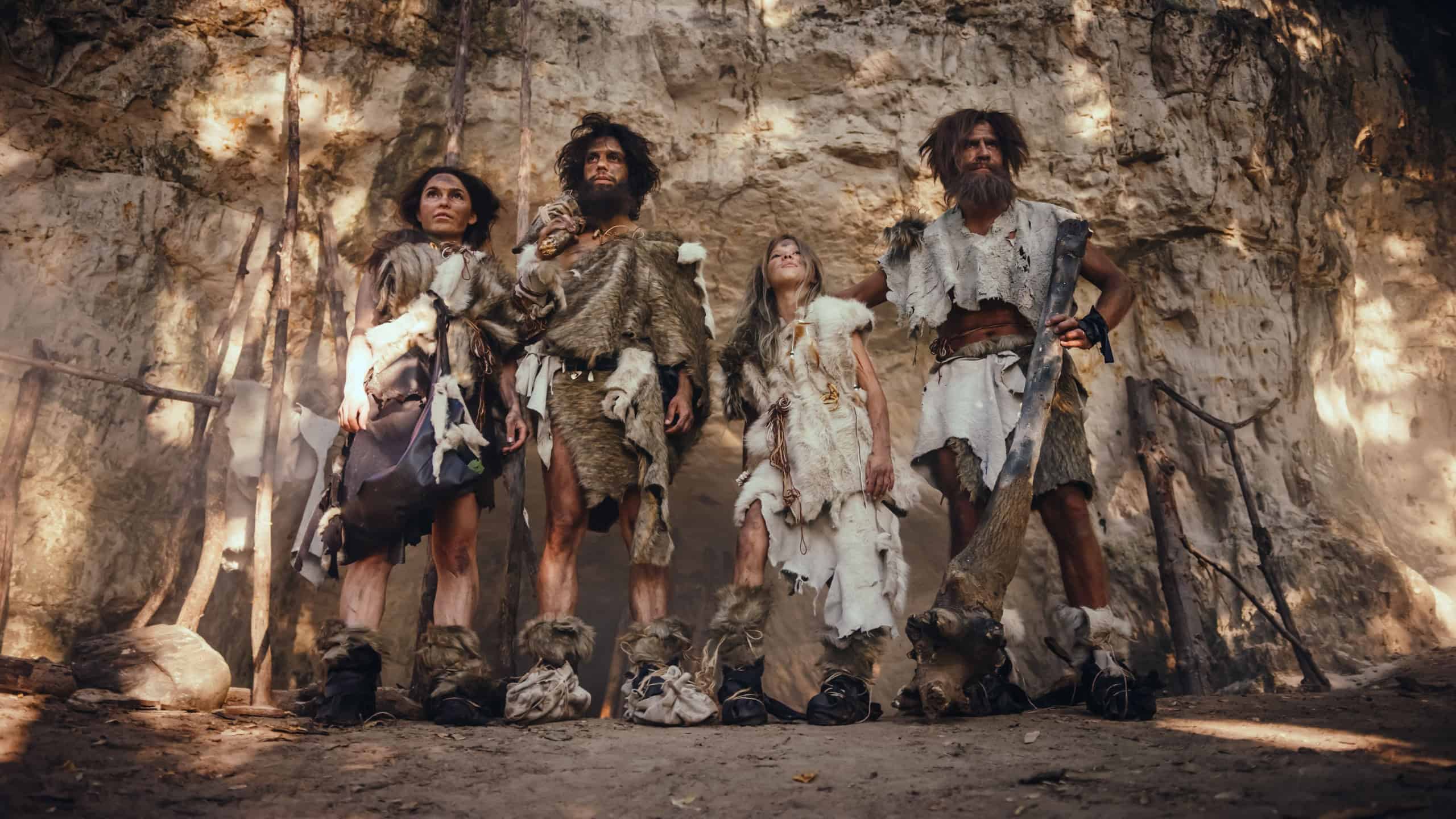
Science has challenged stereotypes about Neanderthals being brutish cavemen. They crafted specialized stone tools, used medicinal plants, and purposely buried their dead. Purposeful burial indicates both abstract thought and emotional attachment to one another.
At some sites, there’s even evidence that they wore jewelry and painted on cave walls.
Brain expansion

The human brain tripled in size in the past two million years as our ancestors evolved from hominids. It’s likely this rapid increase was due to our ability to harness fire and cook food, releasing tremendous amounts of caloric energy to fuel our metabolically expensive brain.
Increased brainpower led to complex societal development, abstract thought, and sophisticated language.
Tool master

When we throw back to the Stone Age, we usually think of Cro Magnon man, or at the latest, Homo habilis, but the Stone Age began over 3 million years ago. The oldest known stone tools have been discovered in Kenya and date back to about 3.3 million years ago. Homo sapiens didn’t show up for another 2 million years.
Ocean crossing

Centuries before Columbus crossed the ocean in a sailing ship, some prehistoric humans navigated vast stretches of open water in primitive boats long before written history. They reached Australia at least 50,000 years ago, a journey that would have taken them miles out of sight of land on substantial rafts or dugout canoes.
Bigger bones

Ancient skeletons show that our ancestors had much thicker and denser bones than we do. Tracking for miles, tirelessly working with raw materials all placed huge mechanical demands on their bodies.
To compensate, they evolved stronger skeletons with thicker walls, especially in the arms and legs, to handle physical exertion that most humans would find incomprehensible these days.
African origins
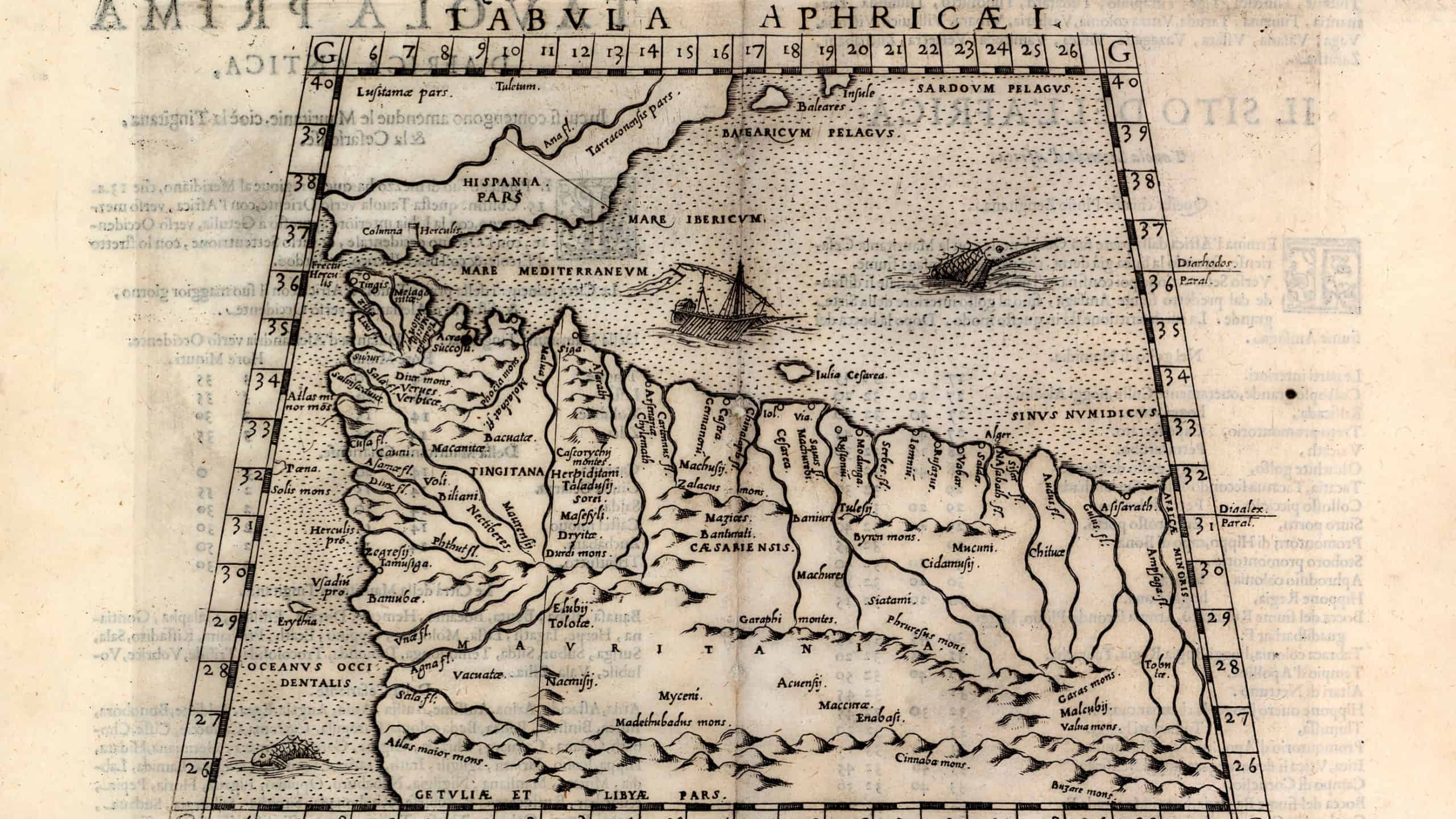
Every person on earth today can trace their family back to a single group of individuals that lived in Africa 200,000 years ago. But sometime between 60,000 and 90,000 years ago, there was a large migration of humans out of Africa. From there, humans traveled to every place on Earth that wasn’t covered in glaciers.
Diverse diets

Ancient diets are thought to have been healthier and more nutritious than many believe. Hunter-gatherers were largely free of the grain-dependent diets that became commonplace once farming was invented. They would forage an enormous diversity of wild plant life, nuts, berries, and lean meats, which provided balanced vitamins.
They stayed in excellent shape because they had to be constantly on the move searching for food. Skeletons show they were generally taller than the first farmers.
Shared heritage
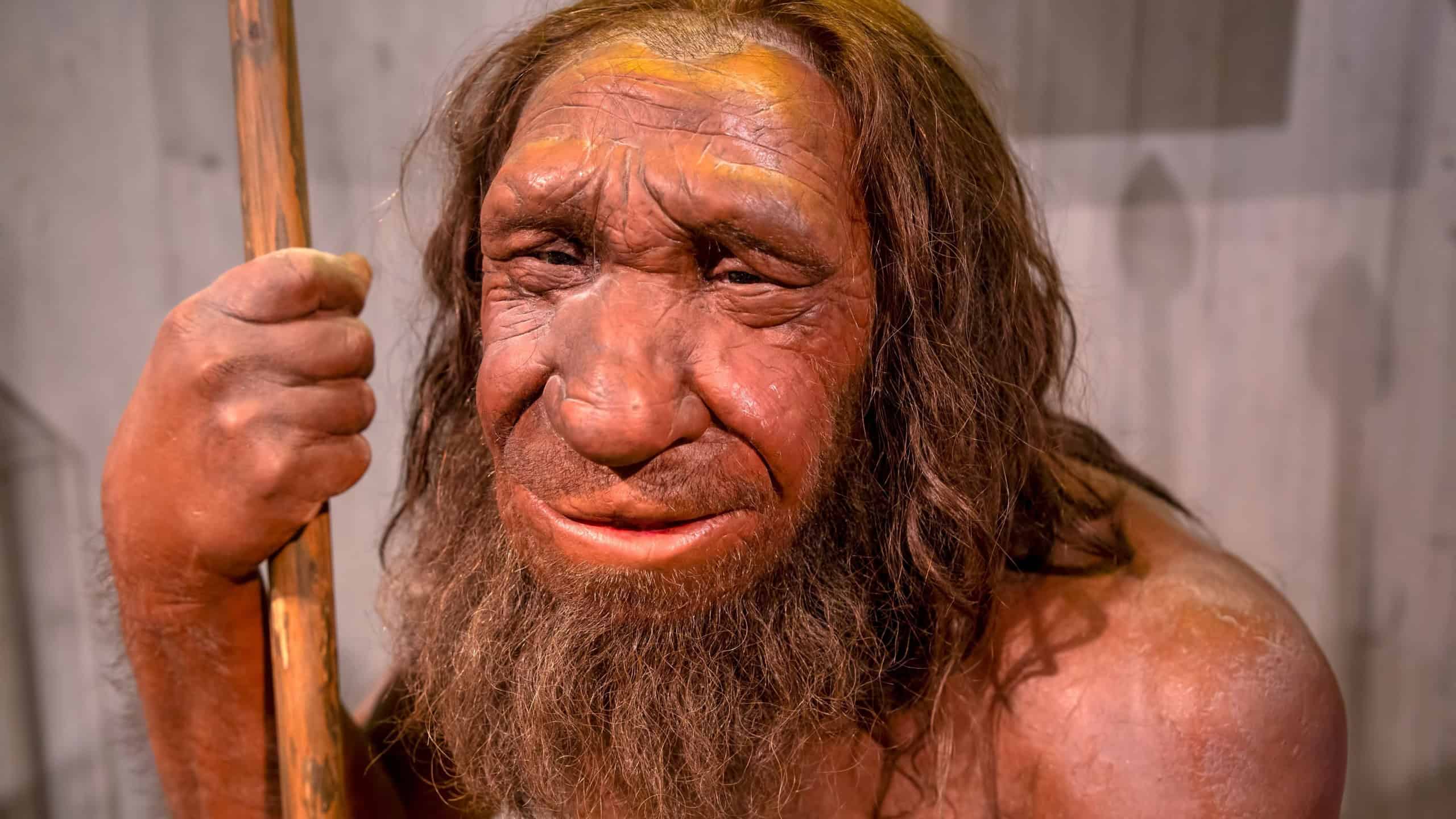
Not only were Neanderthals another human species that overlapped with us, but we interbred with them. Most humans outside of Africa have 2% Neanderthal DNA. But we also weren’t the only humans that Neanderthals bred with, as many people in Oceania and Asia also have traces of DNA from an even more mysterious group called Denisovans.
Musical beginnings

Music dates back to prehistory. The oldest confirmed musical instrument is a flute made from a vulture’s wing bone. It was discovered in Germany and has been carbon-dated to be approximately 35,000 to 40,000 years old. We can infer that song played a huge role in social cohesion.
Overlapping eras
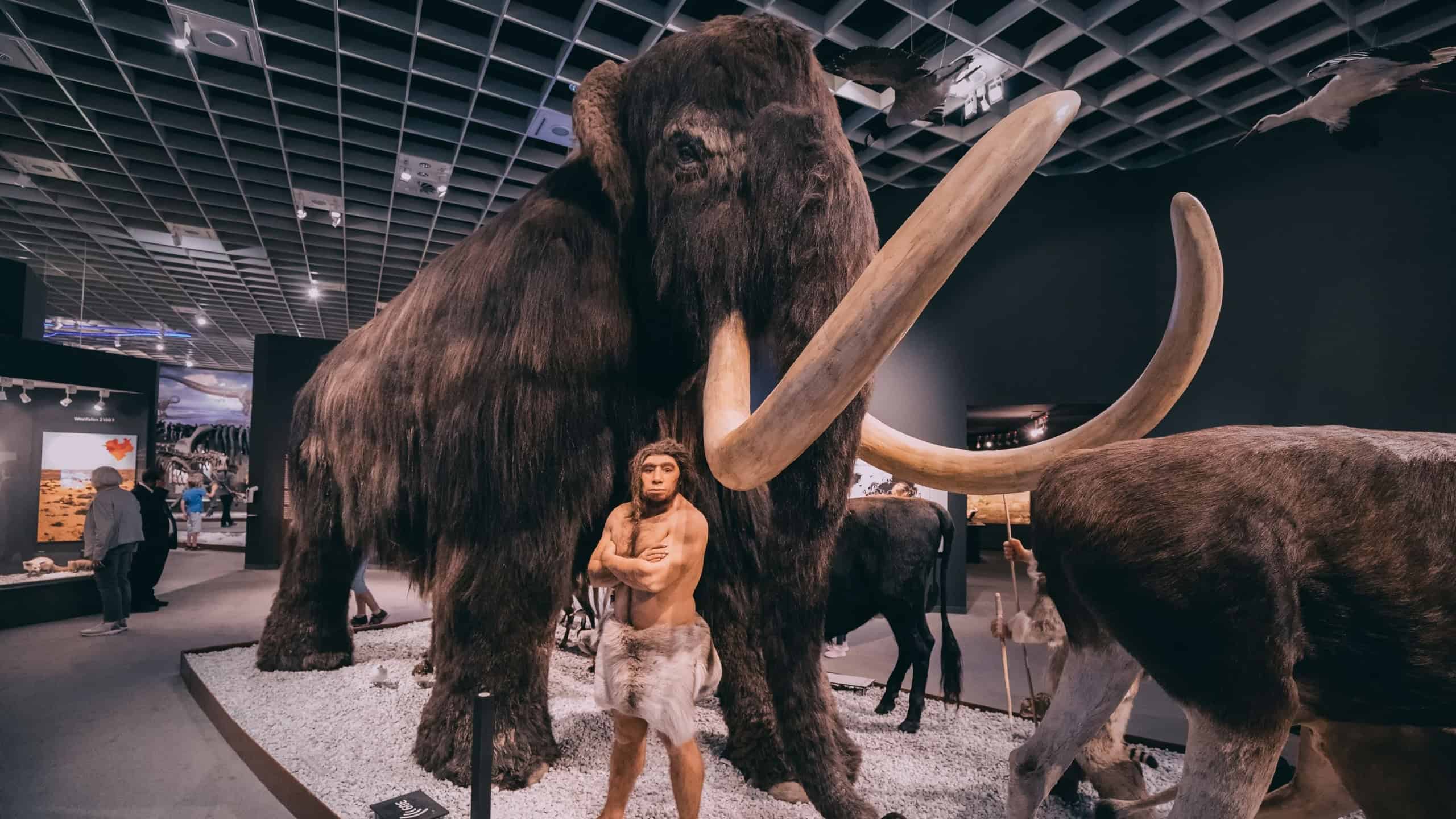
Did you know that woolly mammoths walked the Earth at the same time as the Ancient Egyptians were building pyramids? When mammoths went extinct on the mainland around 1650 BCE, some still lived on Wrangel Island. They overlapped with the Egyptians constructing the Great Pyramid of Giza.
Dog domestication

Did you know the first animal we ever domesticated wasn’t cows, chickens, or goats? It was the dog. Humans first began domesticating wolves between 15,000 and 30,000 years ago. Groups of wolves would follow hunter settlements, hoping for scraps. Over time, these proto-dogs helped humans hunt and protect their camps.
Sources: Please see here for a complete listing of all sources that were consulted in the preparation of this article.