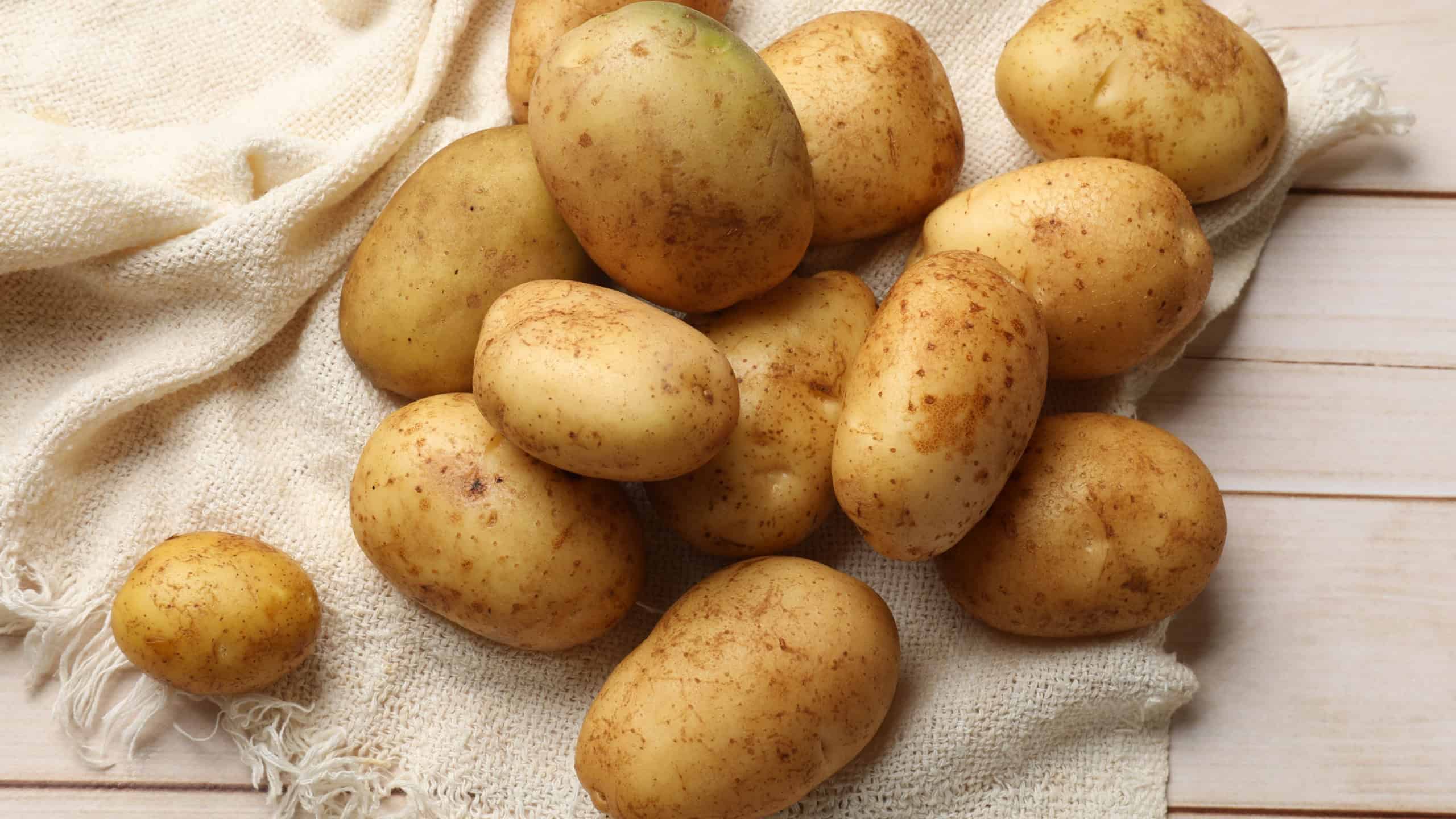
Some potatoes aren’t worth bringing home, and here are some of the easy ways to identify ‘safe’ spuds.
Look past the skin colour
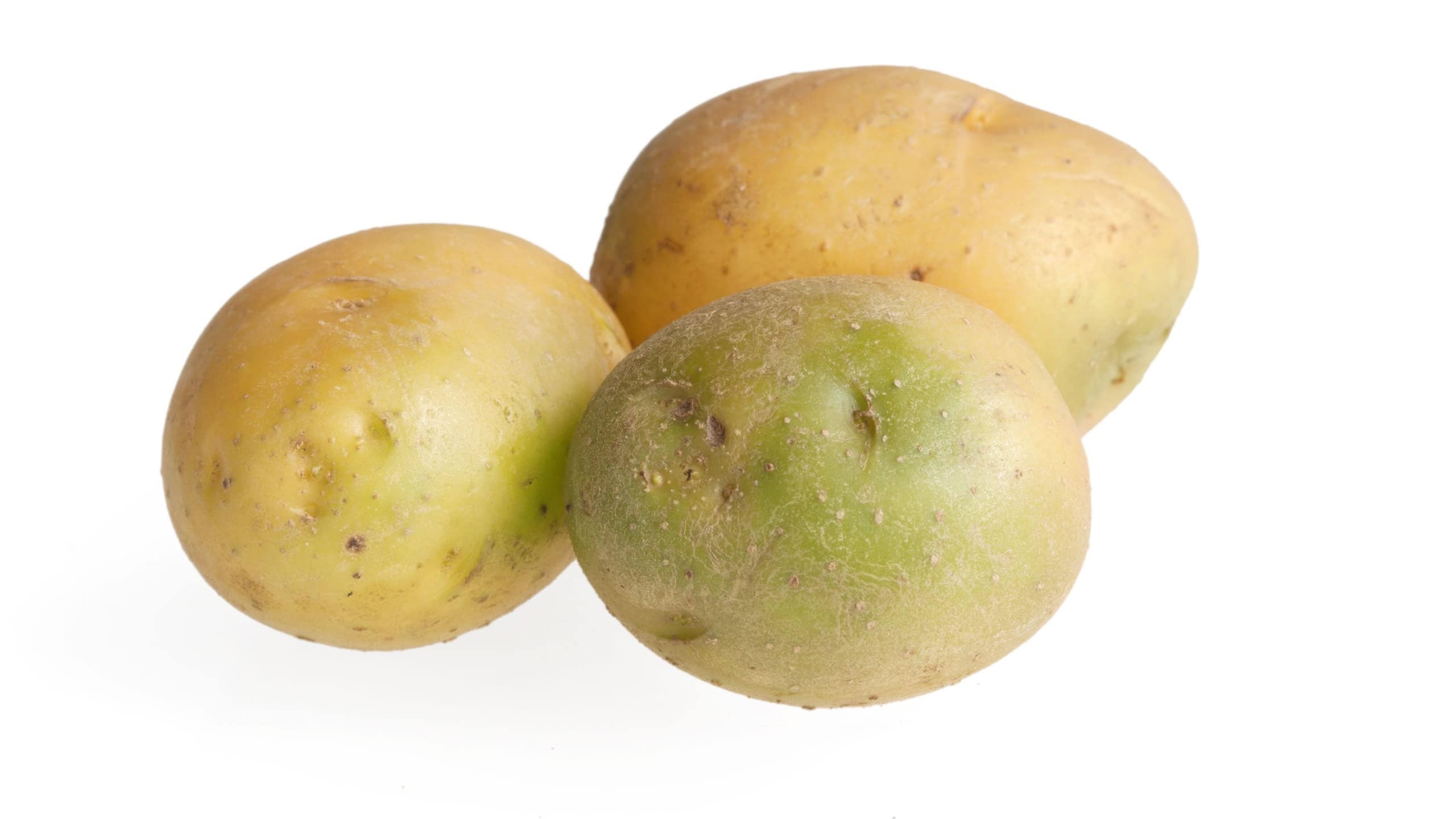
The general colour of the spuds is important, yes. But not as important as the detail. Check whether there are any light green patches near the surface or the eyes. That’s a good sign something’s up.
Greening potatoes have higher levels of glycoalkaloids. That’s a kind of natural toxin. You can cut away any small patches, but a fully green potato isn’t worth eating. Leave it on the shelf instead.
Check the eyes, not just the shape
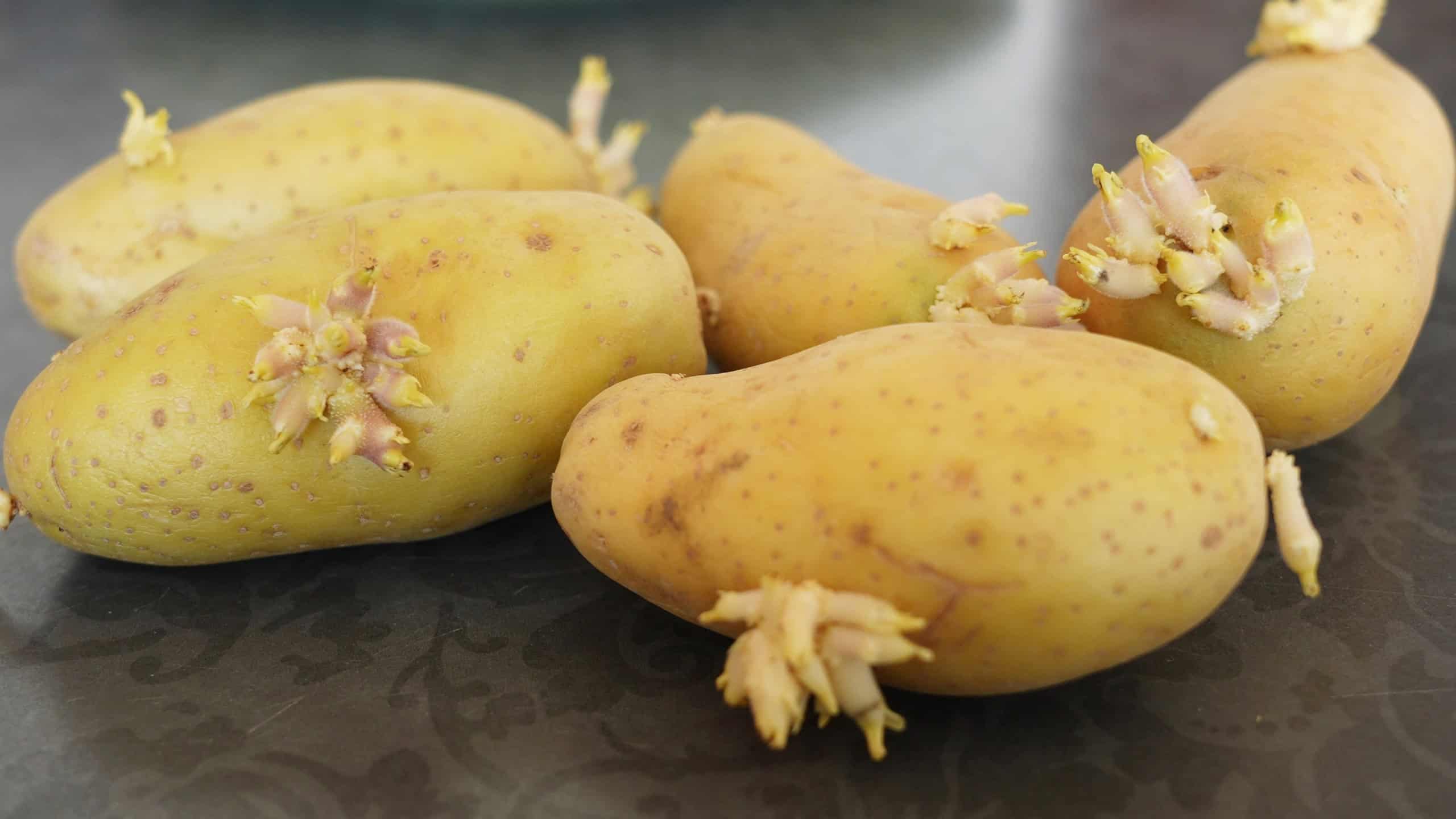
The potato’s perfectly round. It also looks clean. So what’s wrong with it? Just look at the eyes and see whether there are any dots. A couple of small ones are fine. However, once they start pushing out sprouts or look sunken, then you’re in for some trouble.
Problematic potatoes sprout long shoots or clusters. They’re telling you the spud has been sitting around for a while. Maybe a bit too long. You could try trimming it, but you’re best off throwing the whole thing away.
Resisting sprouting
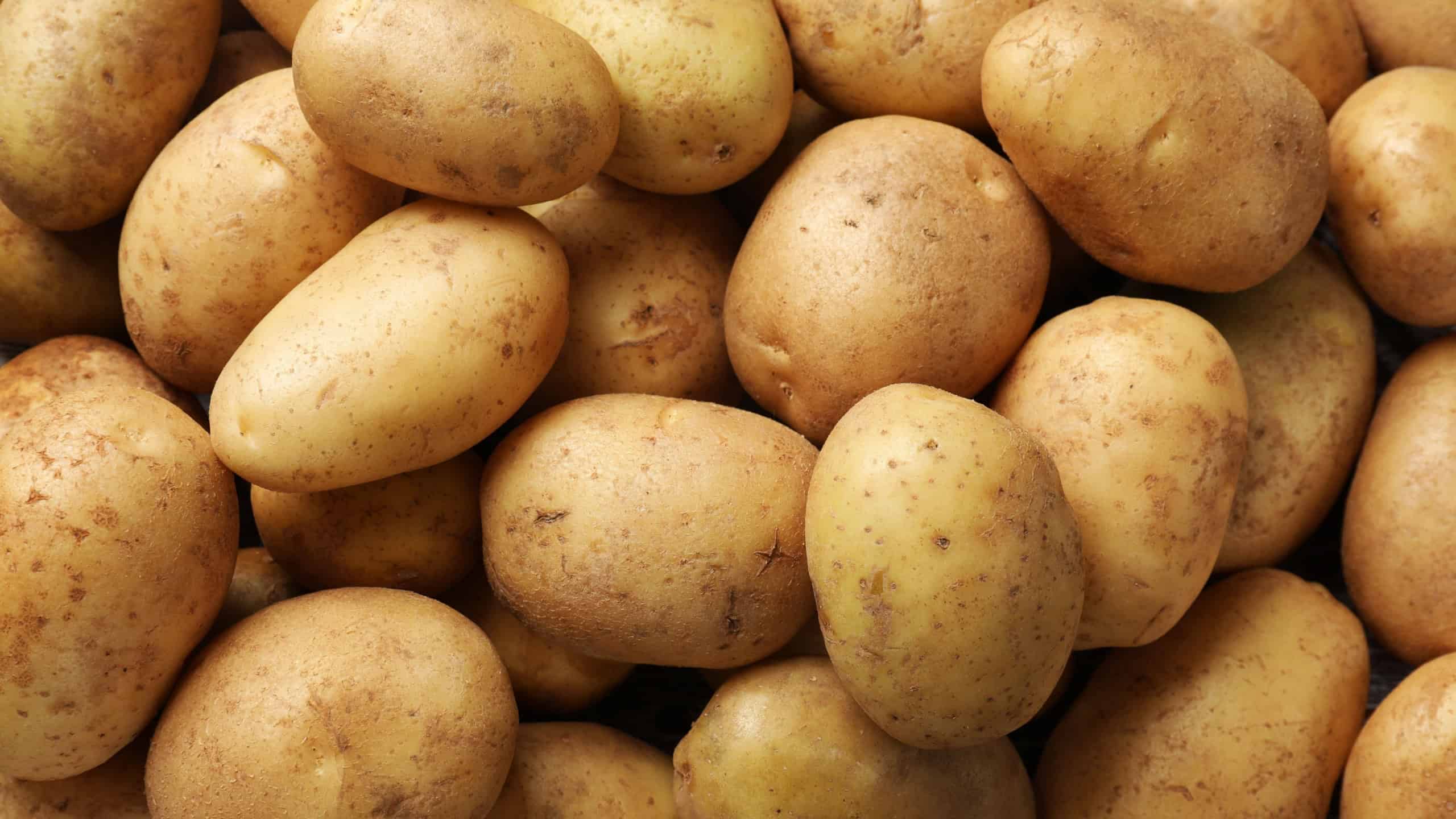
But sprouting is sometimes a good thing. They’re plants, after all. Keep a couple of them out and see what happens. Do any eyes or tiny shoots appear? If they don’t, then they were probably treated with some chemicals.
They likely got too much of them. It’s pretty common in large supply chains of spuds. You might want to keep an eye on it.
Give the bag a quick turn
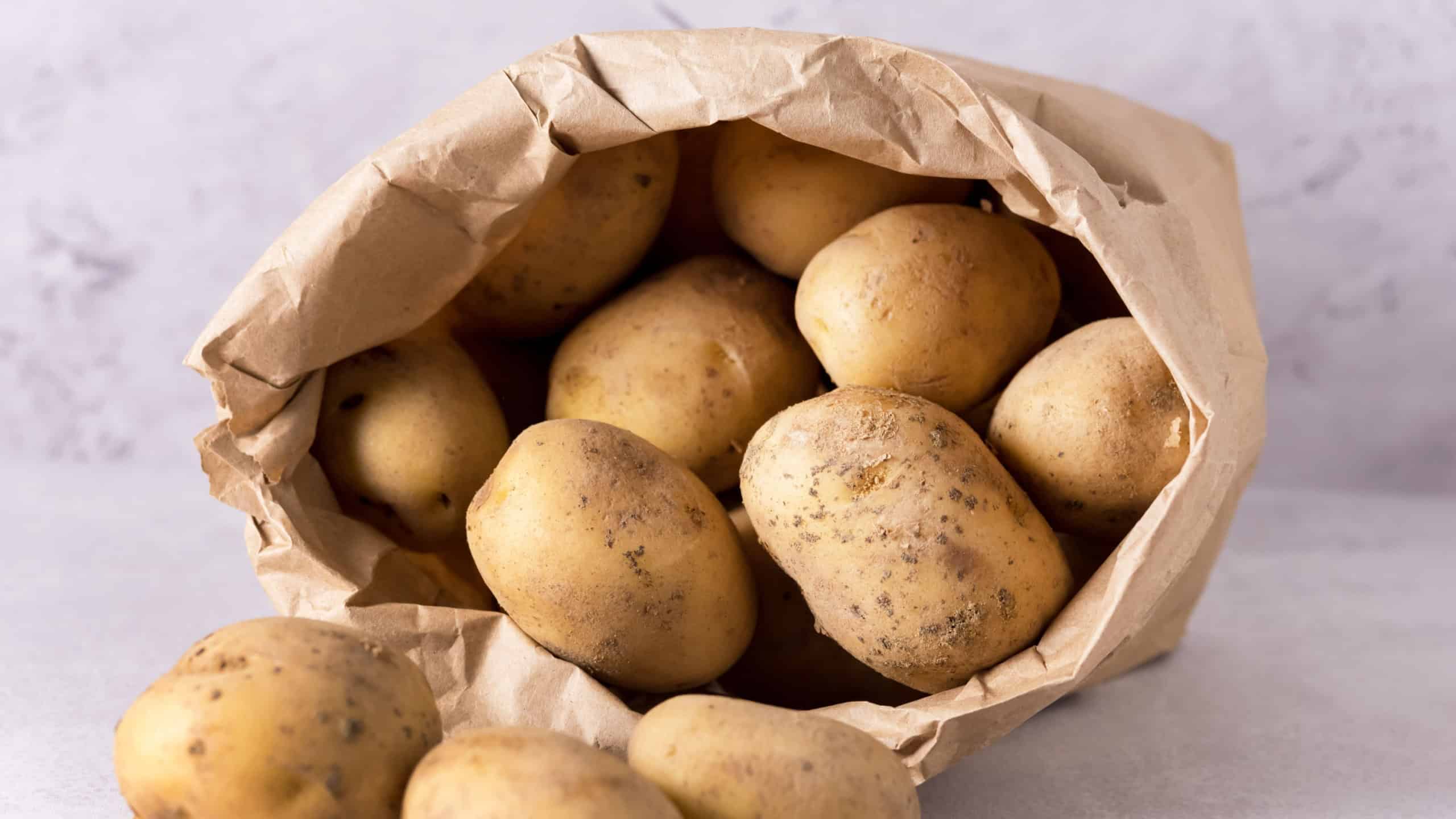
Don’t just grab the first bag on top. That’s a rookie mistake. Instead, try flipping it over for a second and looking on the inside. Notice some little water droplets? Perhaps some foggy plastic? It’s bad news because it means your potatoes have too much moisture.
That’s going to cause issues like rot. It’s one of those times when a dry bag is a good bag because it means the potatoes were better-stored. Take two seconds to check the bag over at the store.
Press for firmness, then stop
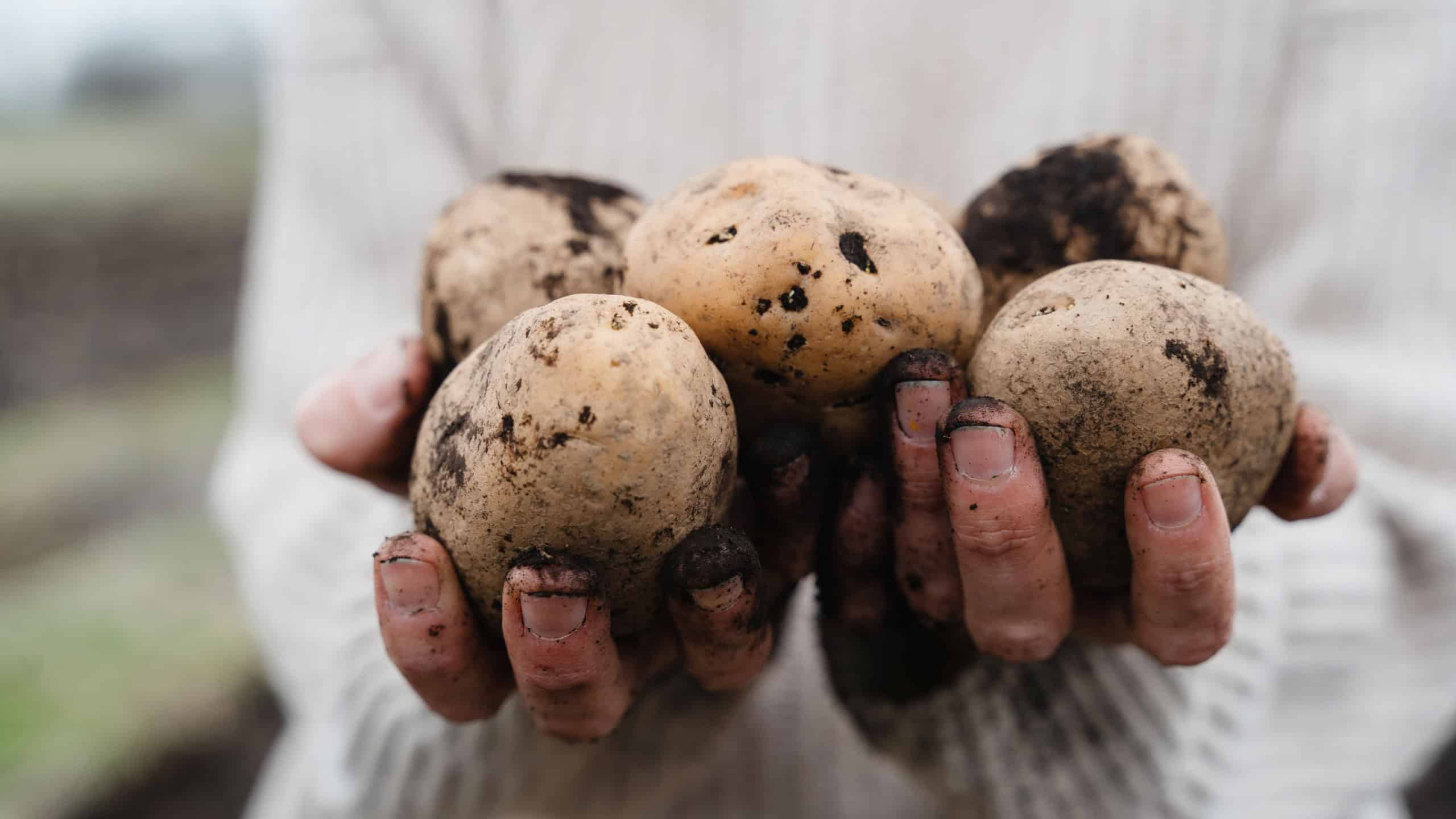
A light press is enough to check a spud sometimes. It should feel firm and solid to your touch. A potato that’s soft or collapses slightly is a bad potato. These are clear signs that it’s suffered some rot issues.
Take a look at the skin, too. Wrinkles don’t look good on a spud, and a hollow inside is a warning, too. It’s past its best when that happens. Do yourself a favor and just throw the whole thing away.
Feeling unusually coated
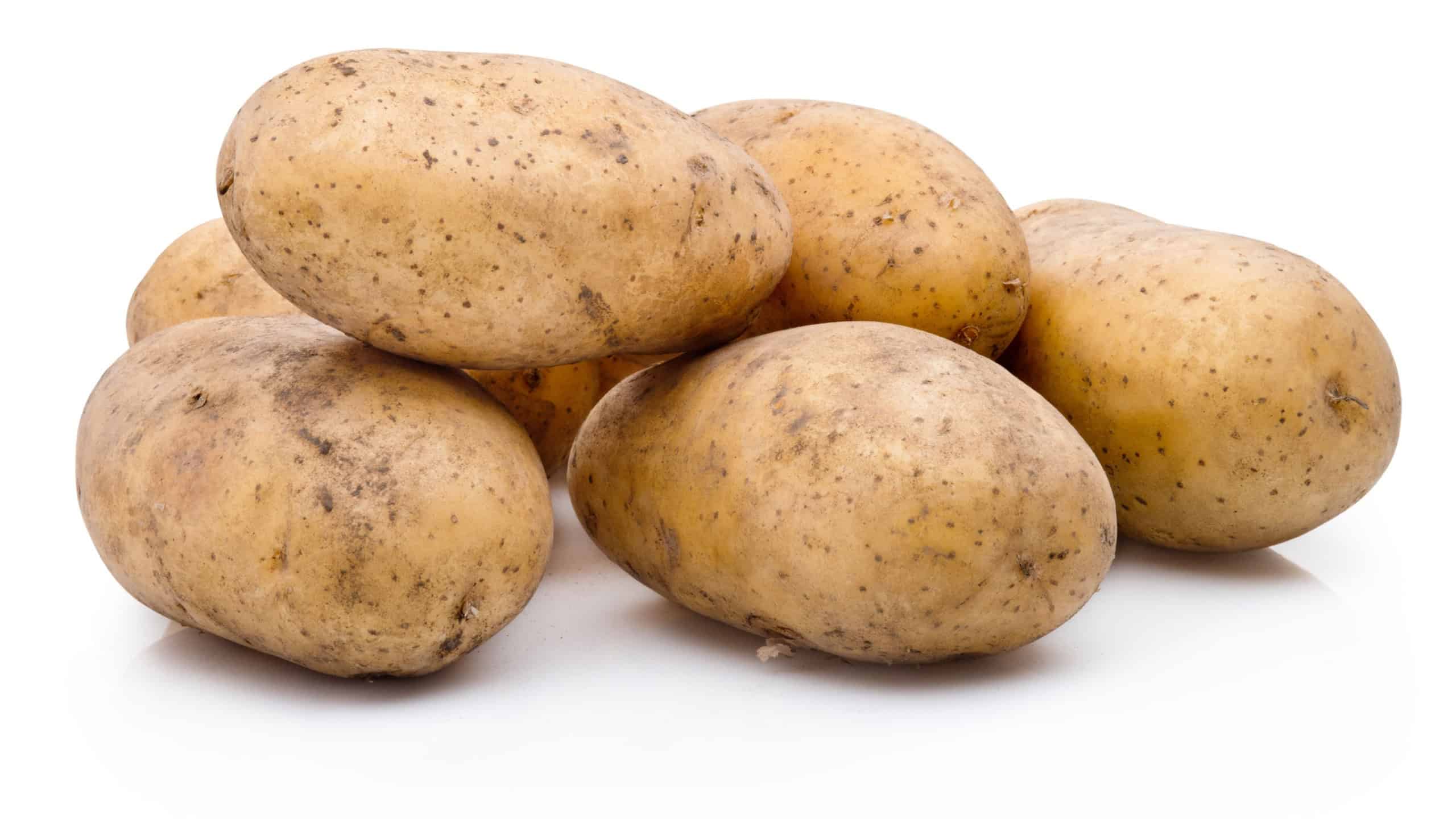
There’s something else to check while you’re holding it. Most potatoes feel a little dry or dusty. That’s normal, and it comes from the soil. However, a slick potato isn’t so natural. It could be residue from chemicals like chlorpropham (CIPC).
The FDA limits how much residue potatoes are supposed to have on them. So, potatoes that feel greasy are effectively illegal potatoes. It’s not normal for a spud to be really polished.
Notice where the store put them
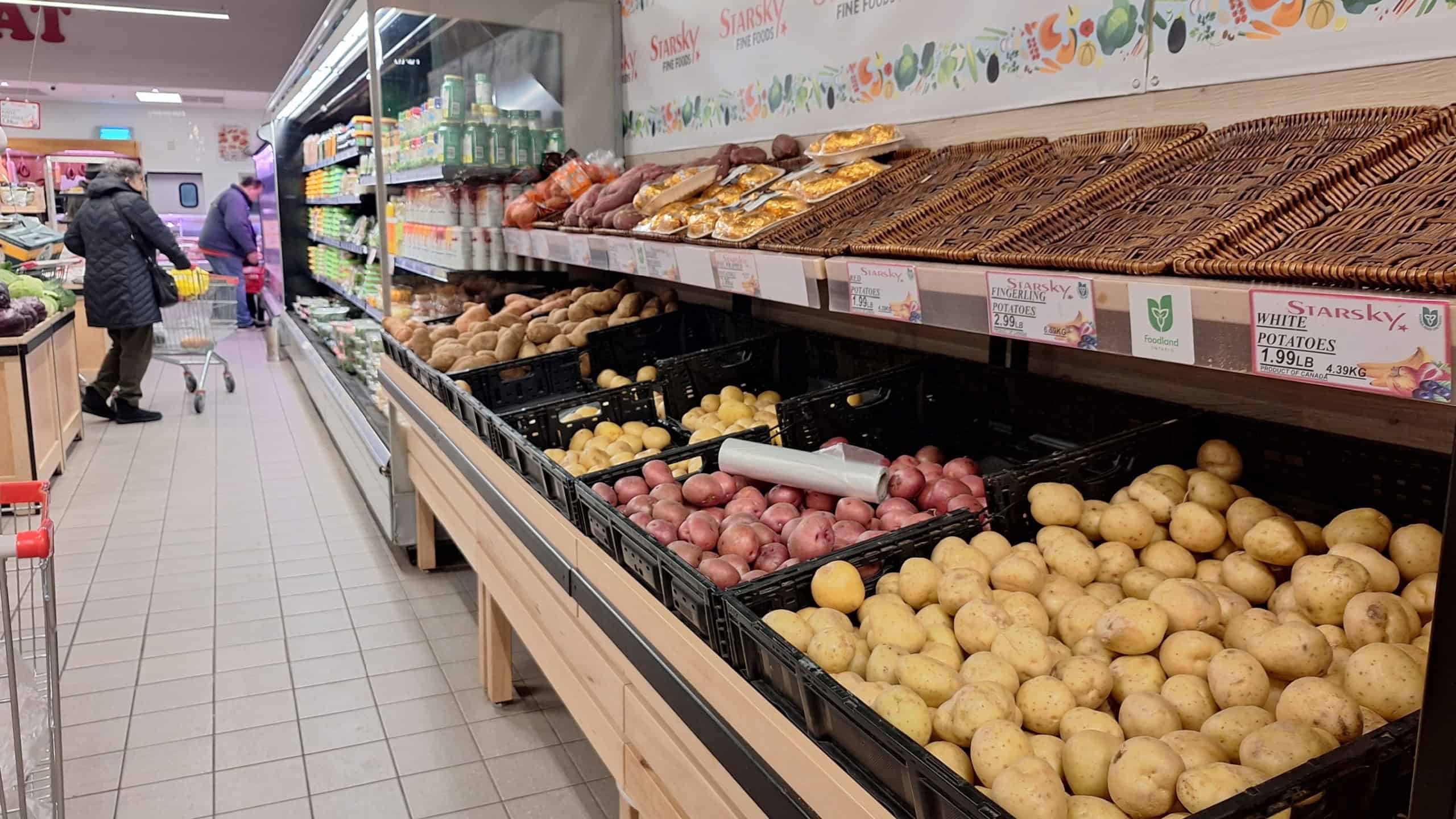
Where the store puts the potatoes tells you a lot about them. It’s not great for them to be under bright lights or near windows. That’s only going to cause greening issues. So what can you do instead?
Try going for the spuds in a darker and covered area. Of course, it’s not a guarantee that the potatoes will be okay. But it is a much safer bet.
Just too perfect
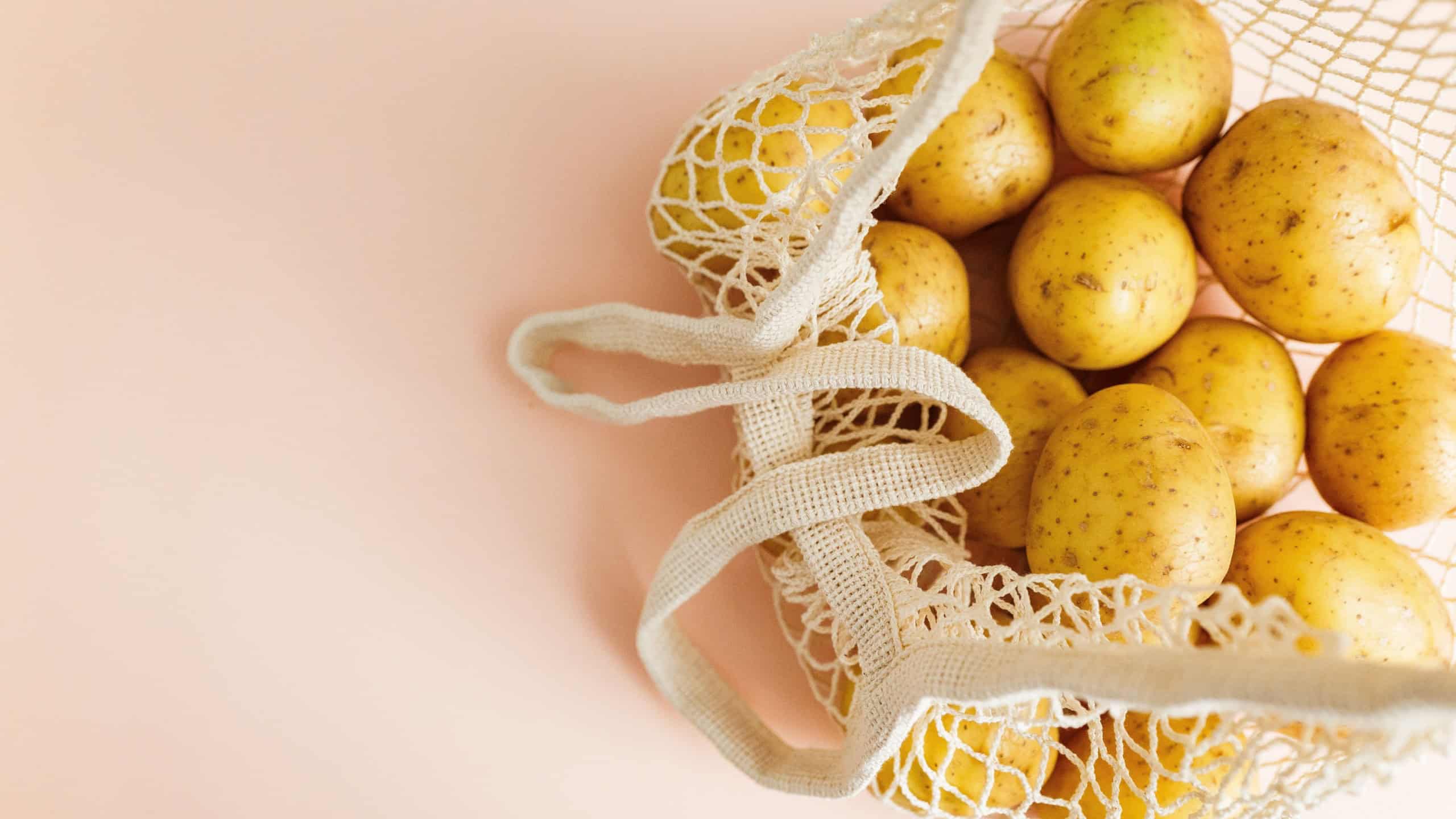
Keep an eye on any bag that looks too perfect. The potatoes shouldn’t look almost identical. There needs to be some difference in the size, shape, and tone. After all, crops don’t come out of the ground perfectly.
Natural batches will have a few imperfections. They’ll be a little different from each other. A bag of near-identical spuds might not be as natural as you’d hope. In fact, they could be something else entirely.
Check after washing
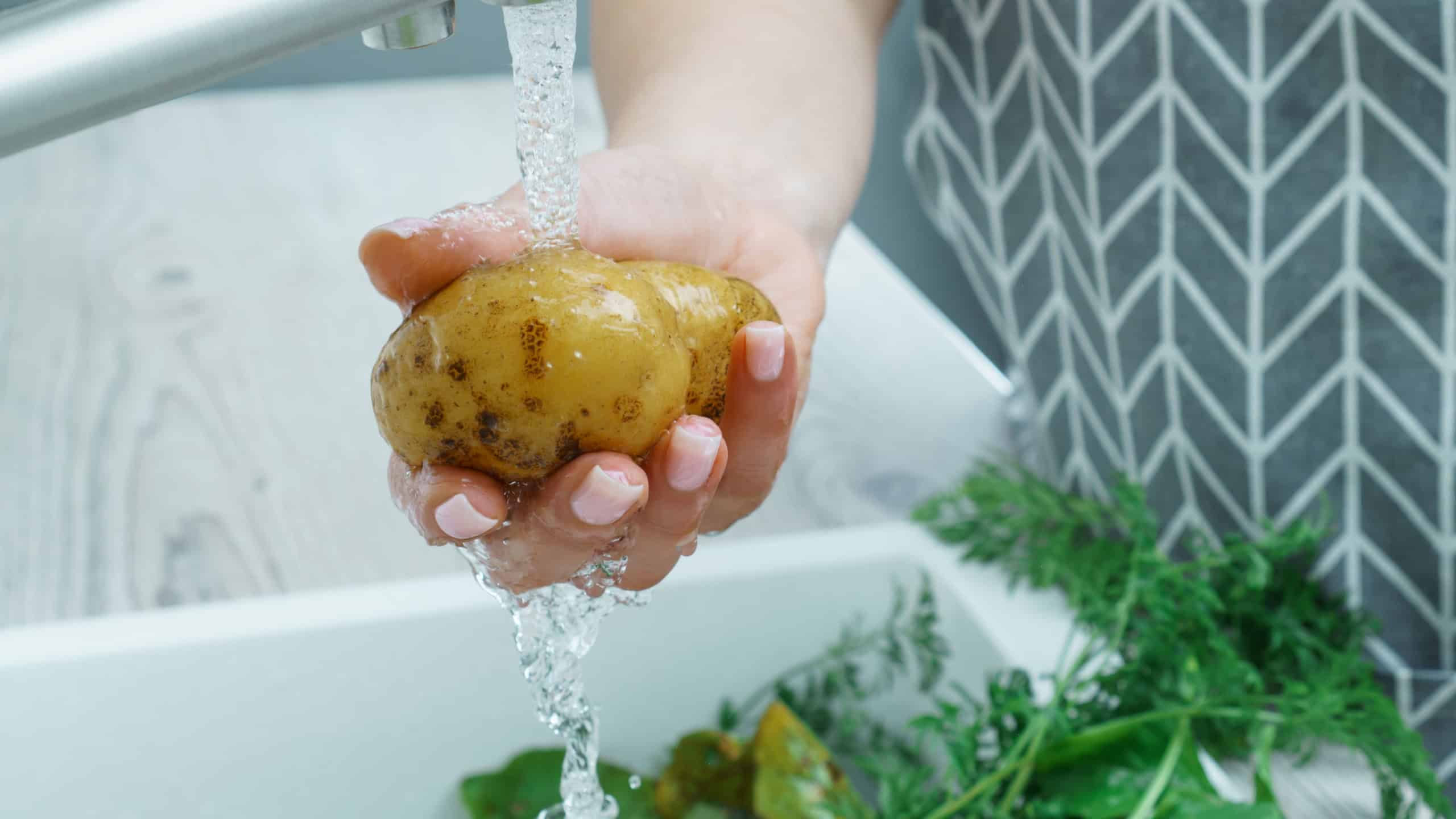
The smell shouldn’t change after you’ve washed it. It should stay neutral and a little earthy. But potatoes that have a chemical smell after they’ve been washed? They smell like chemicals for a reason.
It’s not something you’d expect from untreated spuds. Such a detail sounds small. But it’s easy enough to notice, so perhaps check it out for yourself.
Look at how the skin reacts to peeling
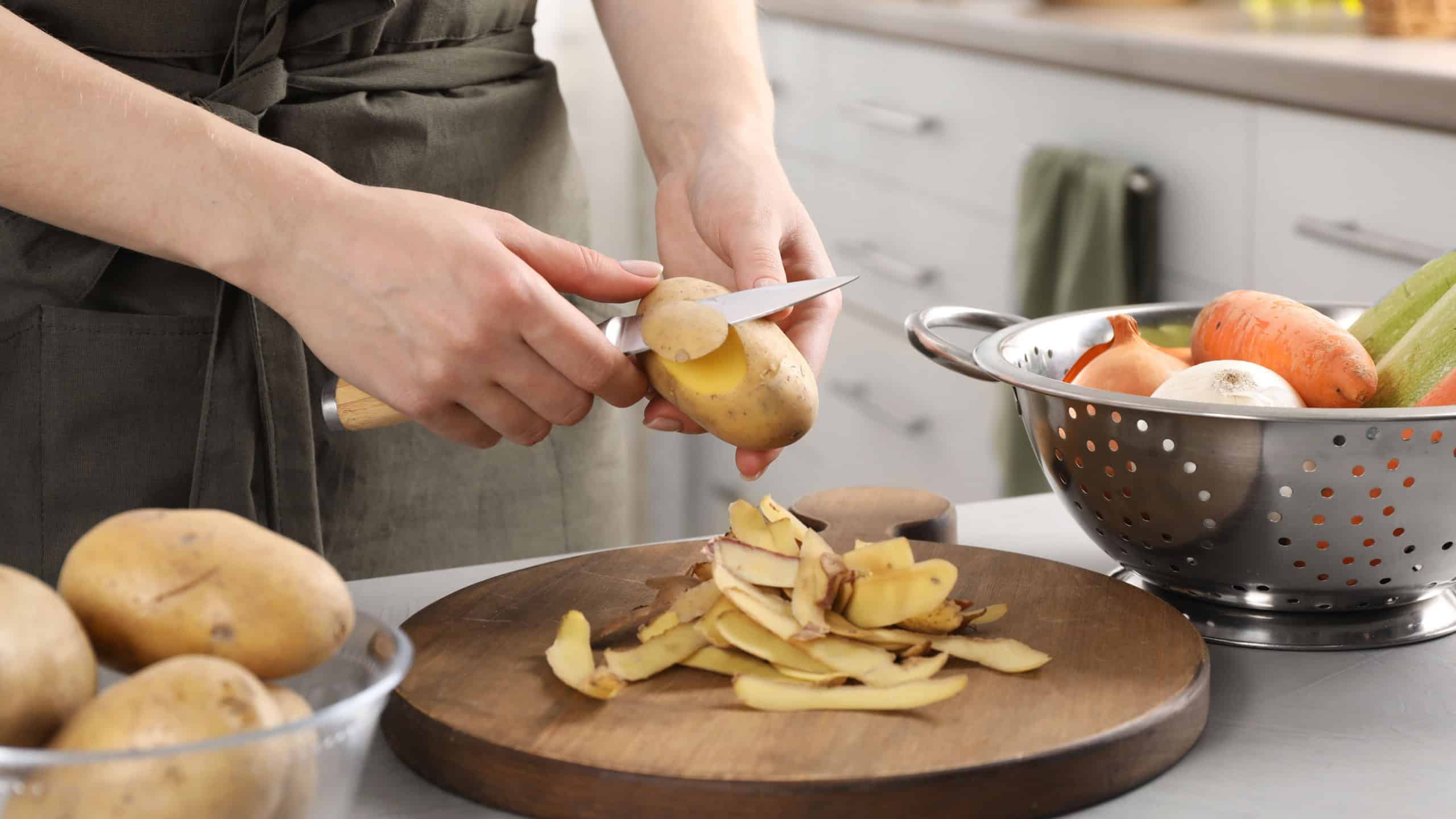
A normal potato peels a certain way. The skin should come away cleanly, and it should leave fresh flesh underneath. It should seem even. However, fake spuds have a slightly dull or uneven layer under the surface.
It’s caused by the potatoes sitting in storage for longer. Or, in some cases, it’s because they’ve been handled differently. That’s not a spud you really want to deal with.
Sources: Please see here for a complete listing of all sources that were consulted in the preparation of this article.