Here’s what Canadians say about the grocery store tricks that feel like a scam and how to spot them before they cost you extra.
Anchoring deal
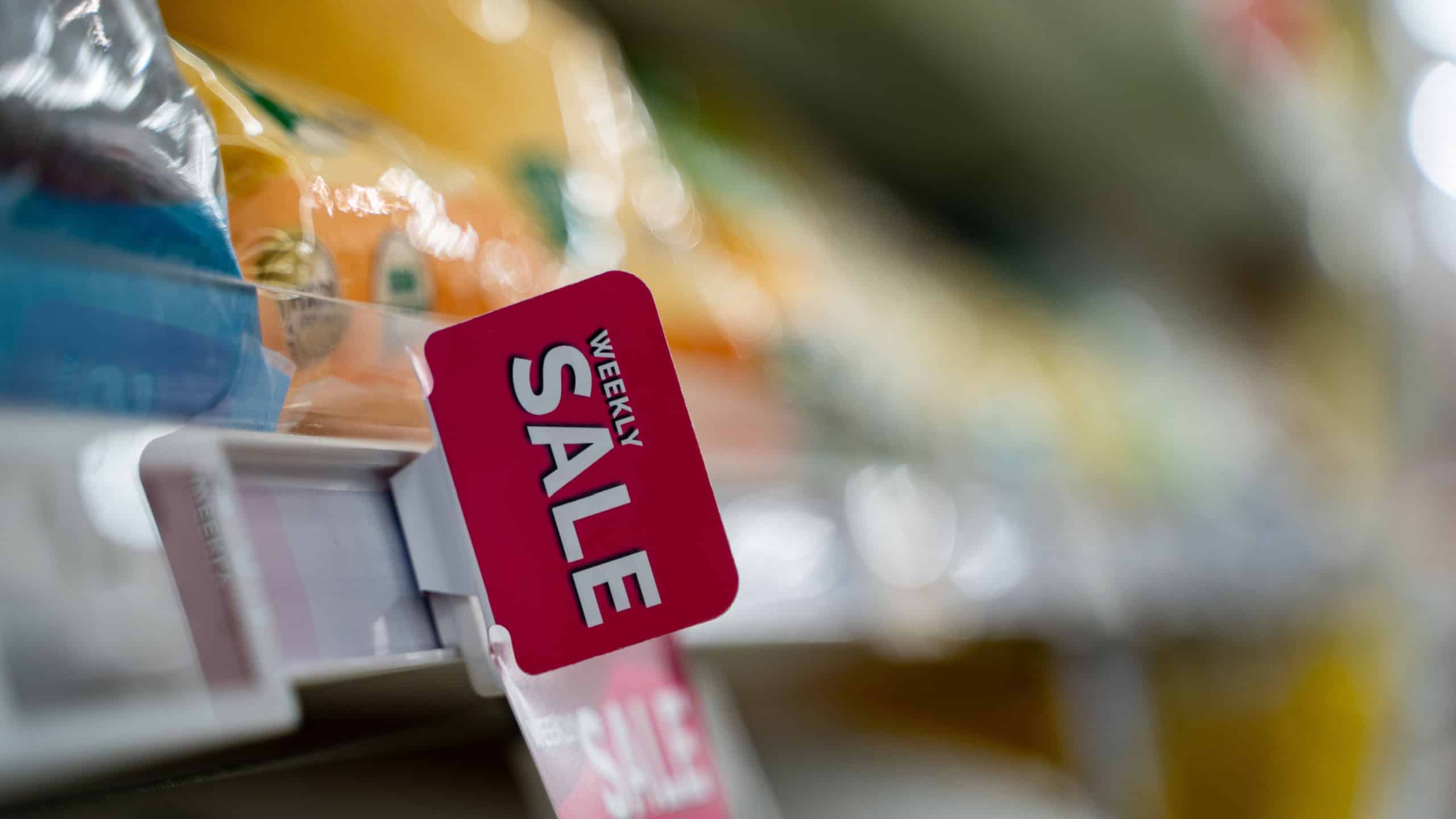
So many shoppers notice grocery stores love to put a bright yellow “Sale” or “Special” sticker on a shelf without actually changing the price.
It’s a psychological trick designed to stop you from price comparing and encourage you to throw that item in your cart because our brains associate the word “Sale” with buying.
Always counteract that cognitive bias by checking the tiny unit price label on the shelf. That will tell you the price-per-100g or price-per-100ml, allowing you to know for certain whether that “on sale” box of cereal is cheaper than the store brand right next to it.
Multi-buying
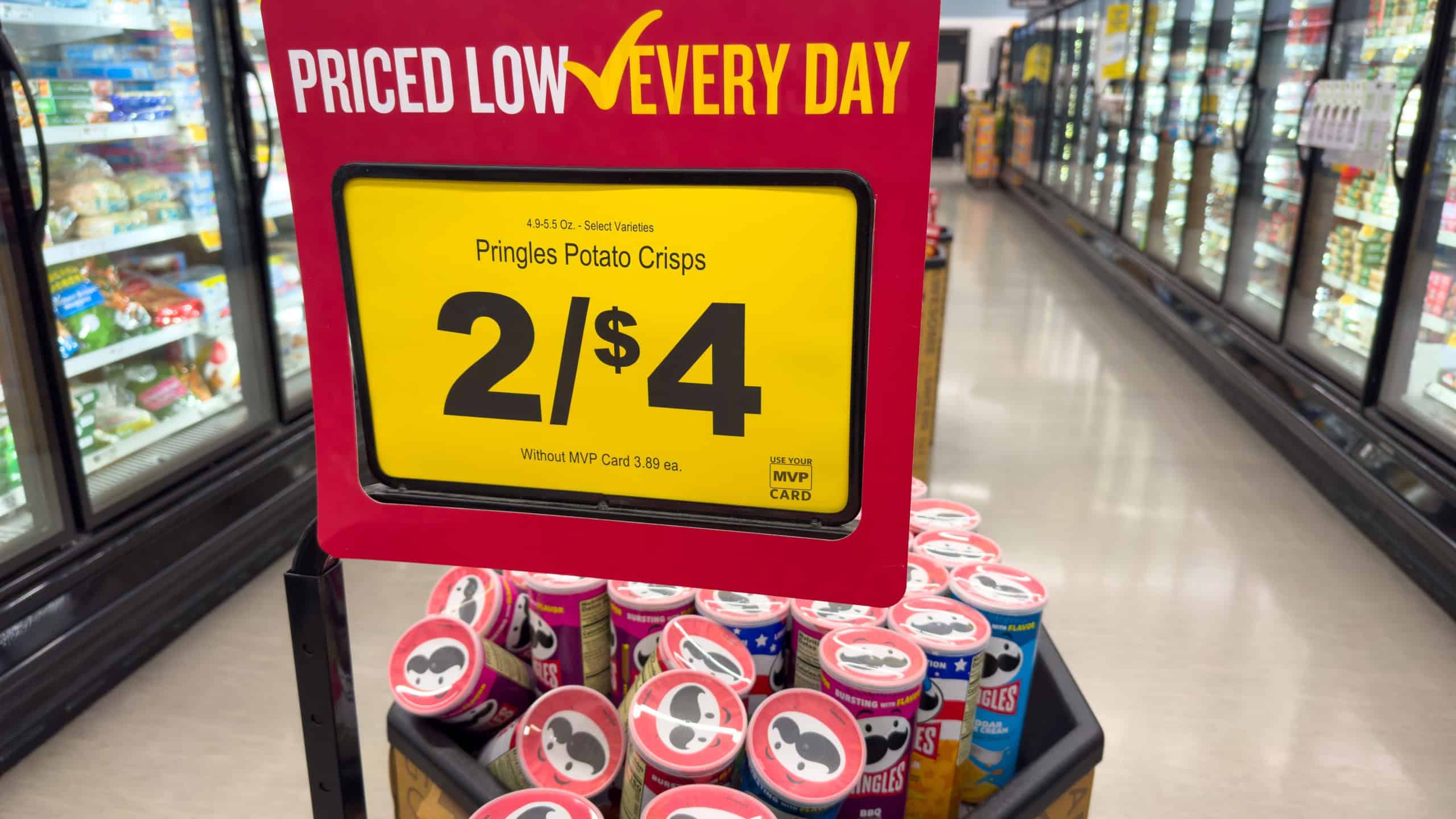
Ever see those “2/$6.00” signs and felt obligated to buy two just to receive that great offer? Unless it specifically says, “must buy 2,” you can most likely still buy one item at that price in almost every province in Canada (that one bag of chips will scan for $3.00, not $6.00).
Stores only require you to buy multiple if they’re desperate to move inventory. Take advantage and only get what you need; the cashier will automatically scan it for the lower price, anyway, saving you those three bucks.
Eye-level inflation
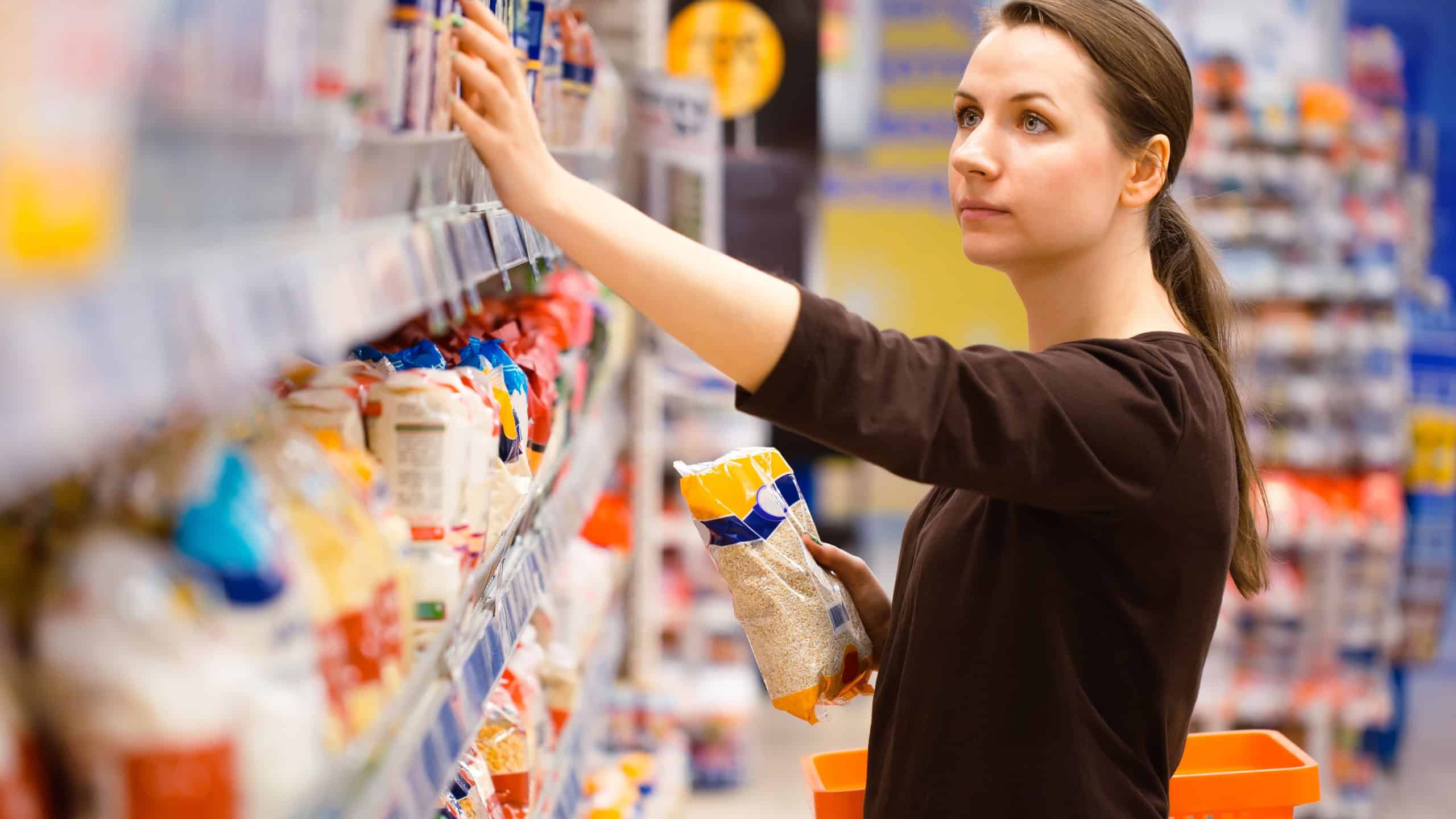
Customers have realized stores charge more for brands that pay for eye-level shelf placement. Items at eye-level are prime real estate because it’s literally the easiest place for you to reach. Don’t fall for this.
Instead, do some shelf gymnastics and hunt for the best deals on the very top shelf or the very bottom shelf, where store-brand products and large economy bags tend to hide.
Shrinkflation
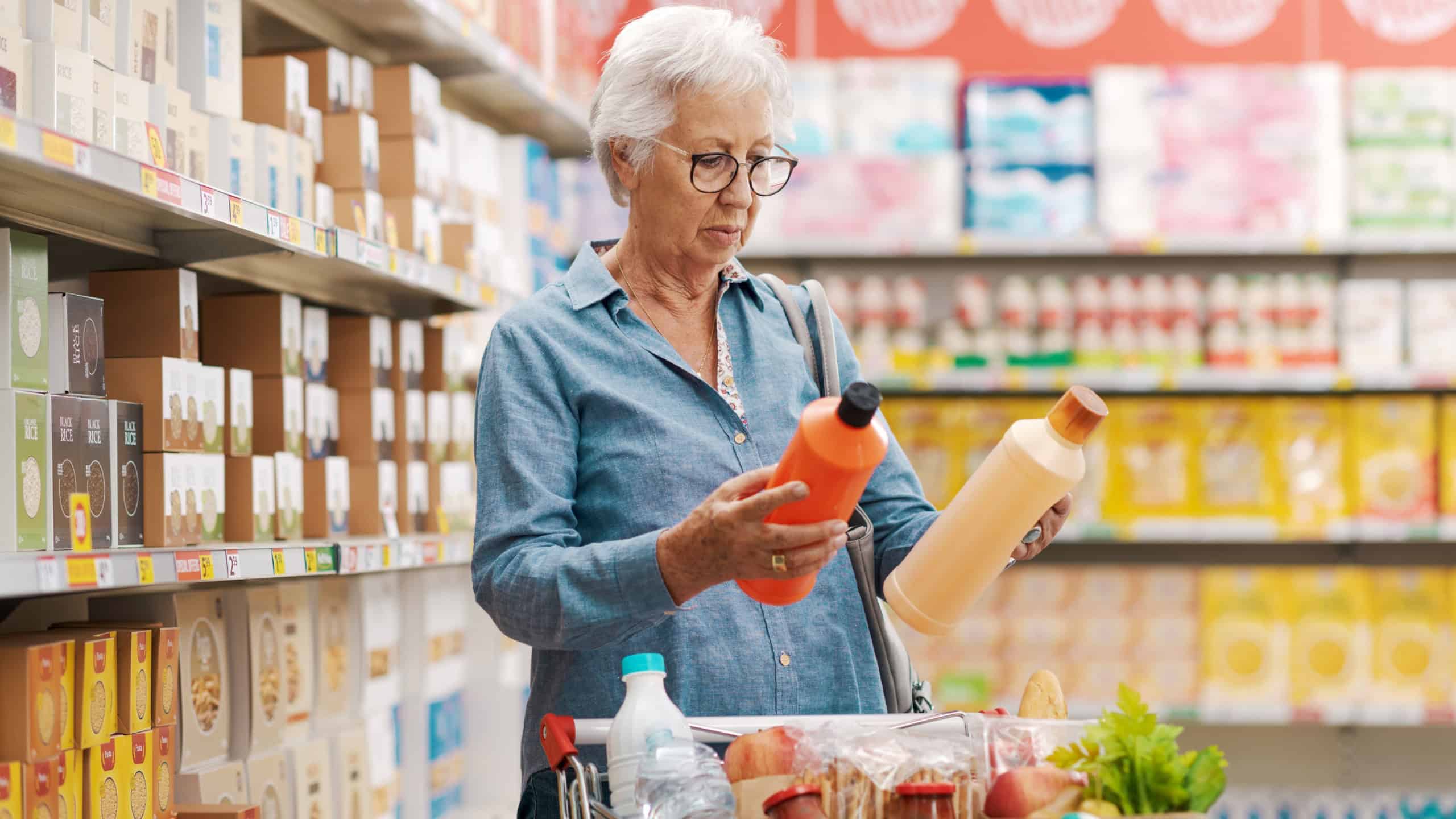
Canadians have noticed certain items are mysteriously giving you less without you even realizing it.
Chip bags have more air stuffed into them than before, yogurt containers have a larger “dimple” at the bottom where they’ve slashed the actual amount of yogurt, and so on.
Shrinkflation is when brands reduce the size or weight but keep prices the same or even raise them.
So instead of paying attention to how tall the box of pasta is from the bottom, take a peek at how many grams or ml the previous box said you were getting, and compare if you received less this month.
Fresh scent
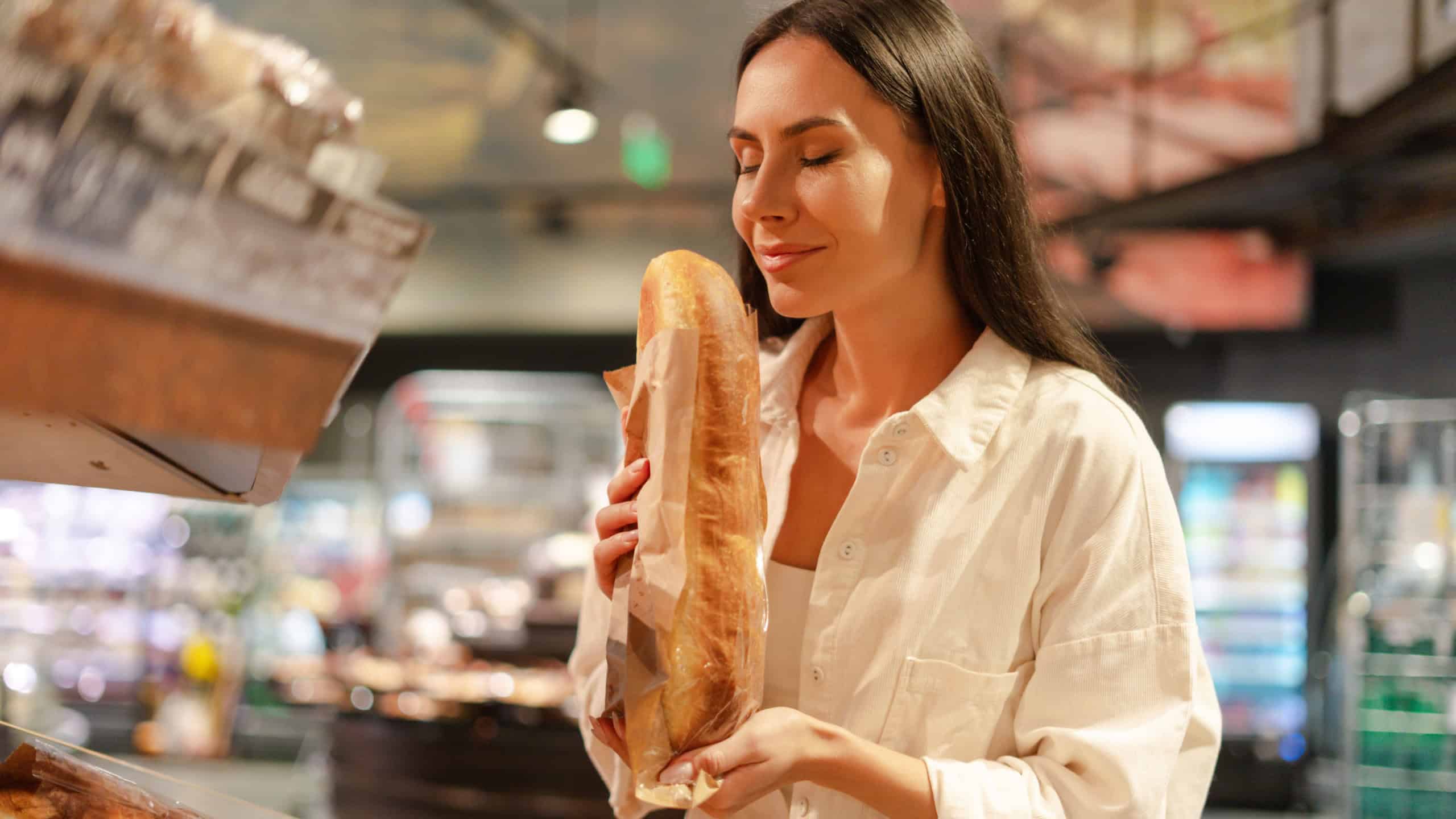
Ever wonder why you smell roaster chickens and freshly baked bread immediately upon entering? Some Canadians believe grocery stores pump those aromas through the vents to make us hungry while shopping.
Impulse control flies out the window when we shop hungry, so we’ll load up on junk food and not realize it until we’re home unpacking groceries with a never-ending trail of wrappers behind us.
Never, ever grocery shop hungry or on an empty stomach. If you’re not hungry, those smells won’t have nearly as strong an effect on your credit card.
Maze layout

Ever wondered why staple foods like milk, eggs, and bread are always in the furthest corner from the entrance?
It’s no coincidence; supermarkets are purposefully designed as a maze that forces you to walk past every single candy, cookie, magazine, and seasonal candy just to get the basics.
Always try to stick to the perimeter of the store where most fresh foods are located and get all of your essentials before browsing that center jungle of expensive processed foods.
Digital pricing
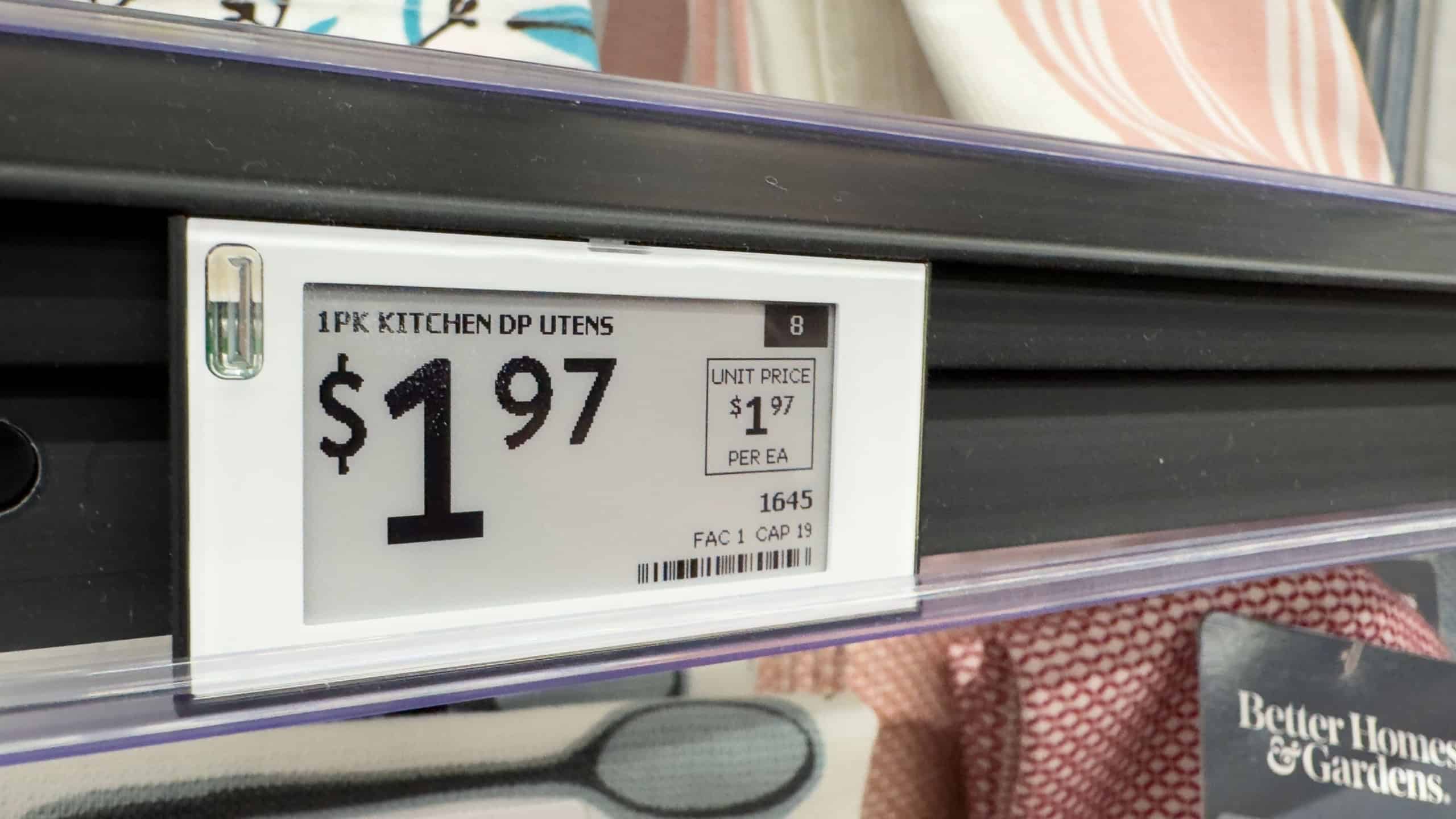
Those cute new digital shelf labels let supermarkets change prices faster than ever before. Some shoppers worry this will lead to dynamic pricing, where a loaf of bread could cost more during peak hours of the day.
Start keeping track of prices with a grocery store app if you feel like the price of certain staples jumps around during different times of the day. Or simply go shopping during low-traffic times (mid-afternoon or early mornings) when stores are less likely to be adjusting prices.
Underweighted meat
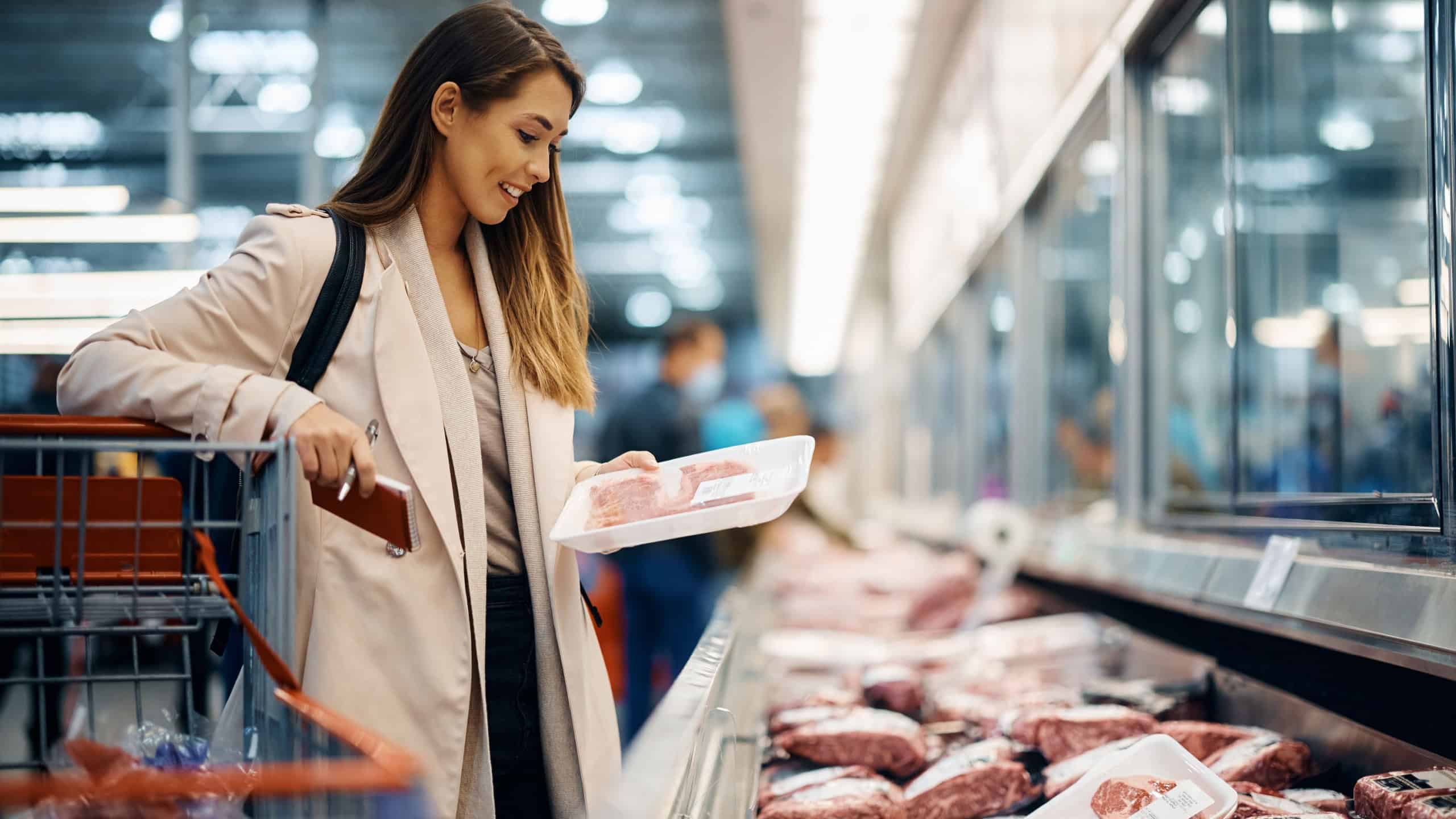
Canadian shoppers have begun to realize that packages of pre-cut meat aren’t actually weighing what the label says. Because price is dependent on weight (per kilogram), a missing half ounce costs you money.
If one half-pounder feels lighter than the one next to it, weigh it yourself at the produce scale before checking out. If the scale and the label disagree, you’re being scammed.
Convenient tax
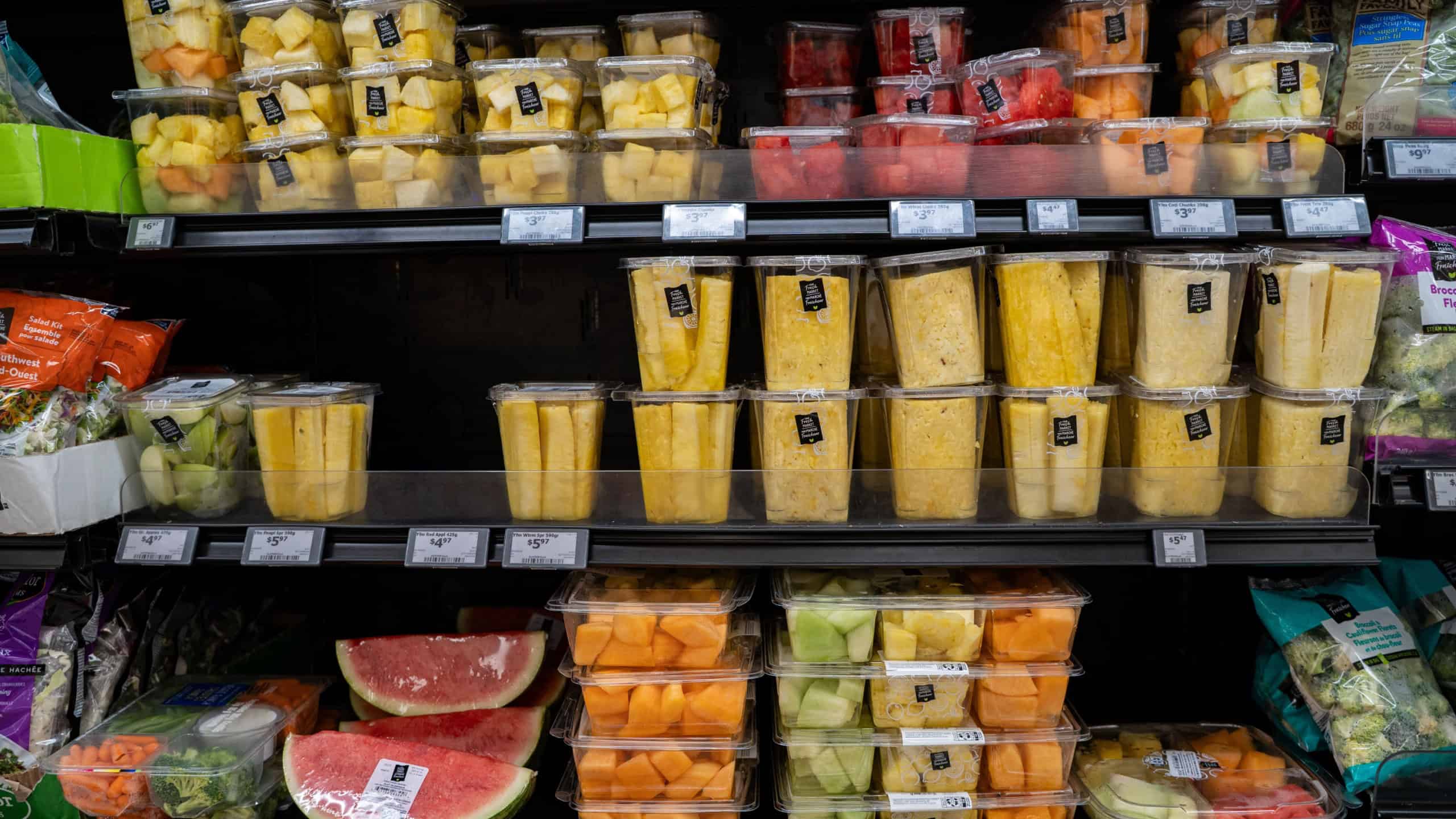
Buying pre-cut fruit, pre-washed salad, and pre-shredded cheese is so convenient, but Canadians are realizing there’s a huge tax for that convenience. Containers of pre-cut pineapple can cost three times as much as a whole pineapple.
If you’re not extremely short on time, opting for the whole version of fruits, vegetables, and cheese is one of the quickest ways to instantly slash your grocery bill in half.
Decoy brands
Stores strategically place premium brands next to other brands that are only slightly cheaper to make that second box look like a bargain.
The ultra-expensive premium version isn’t there to tempt you to buy it; it’s there to make you justify spending just a few dollars more on the cheaper option.
When judging if something is priced fairly, compare the brand to what you usually buy instead of comparing it to the overpriced neighbour the store strategically placed beside it.
Endcap illusions
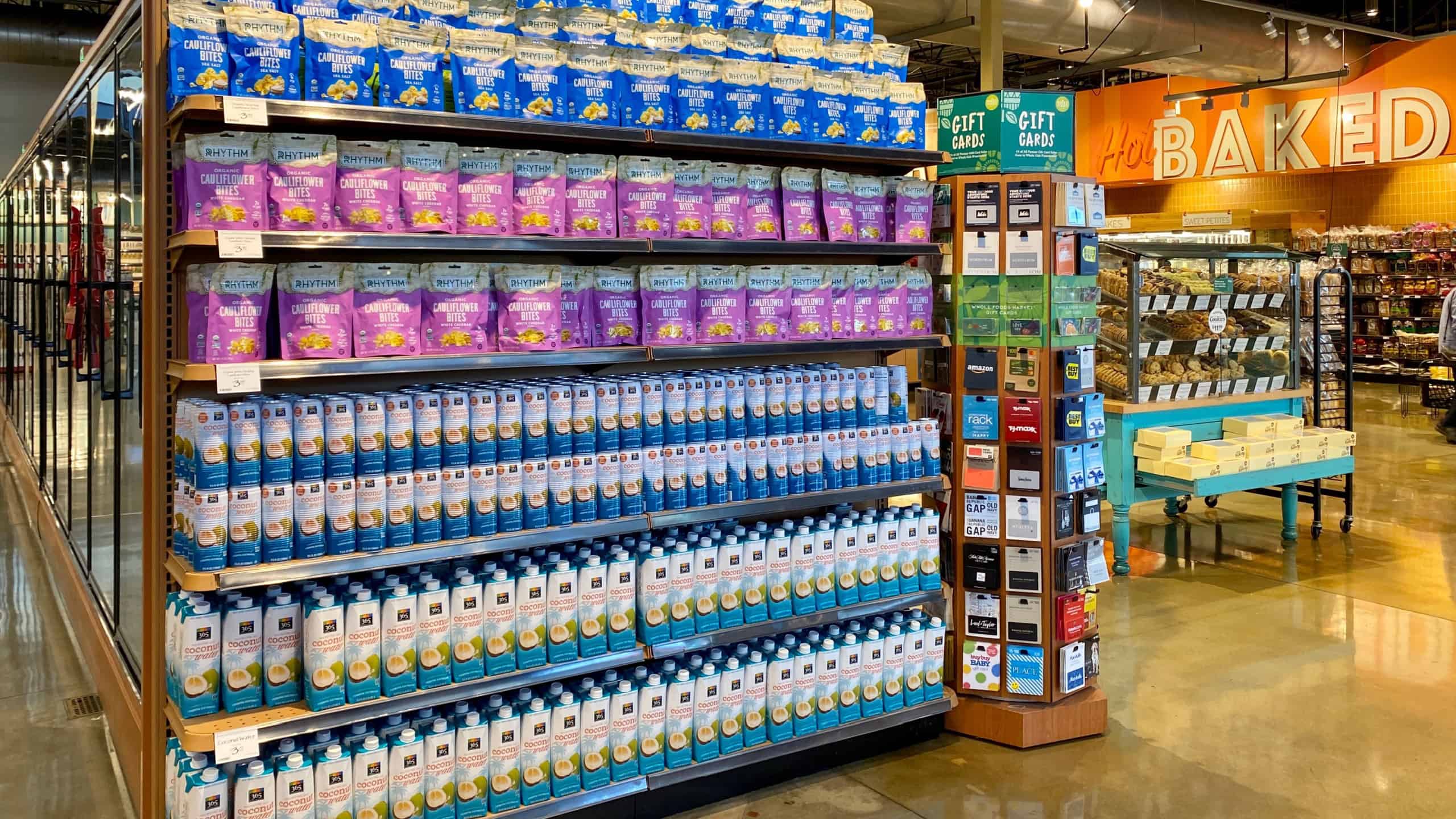
Items displayed at the end of each aisle look like clearance sales, but are often not. Items on endcaps tend to be full-priced stock that the store is trying to push because it has a high-profit margin.
Instead of grabbing that display item first, step into the actual aisle to compare if the store brand is cheaper or if the family size is a better deal.
Cart bloat
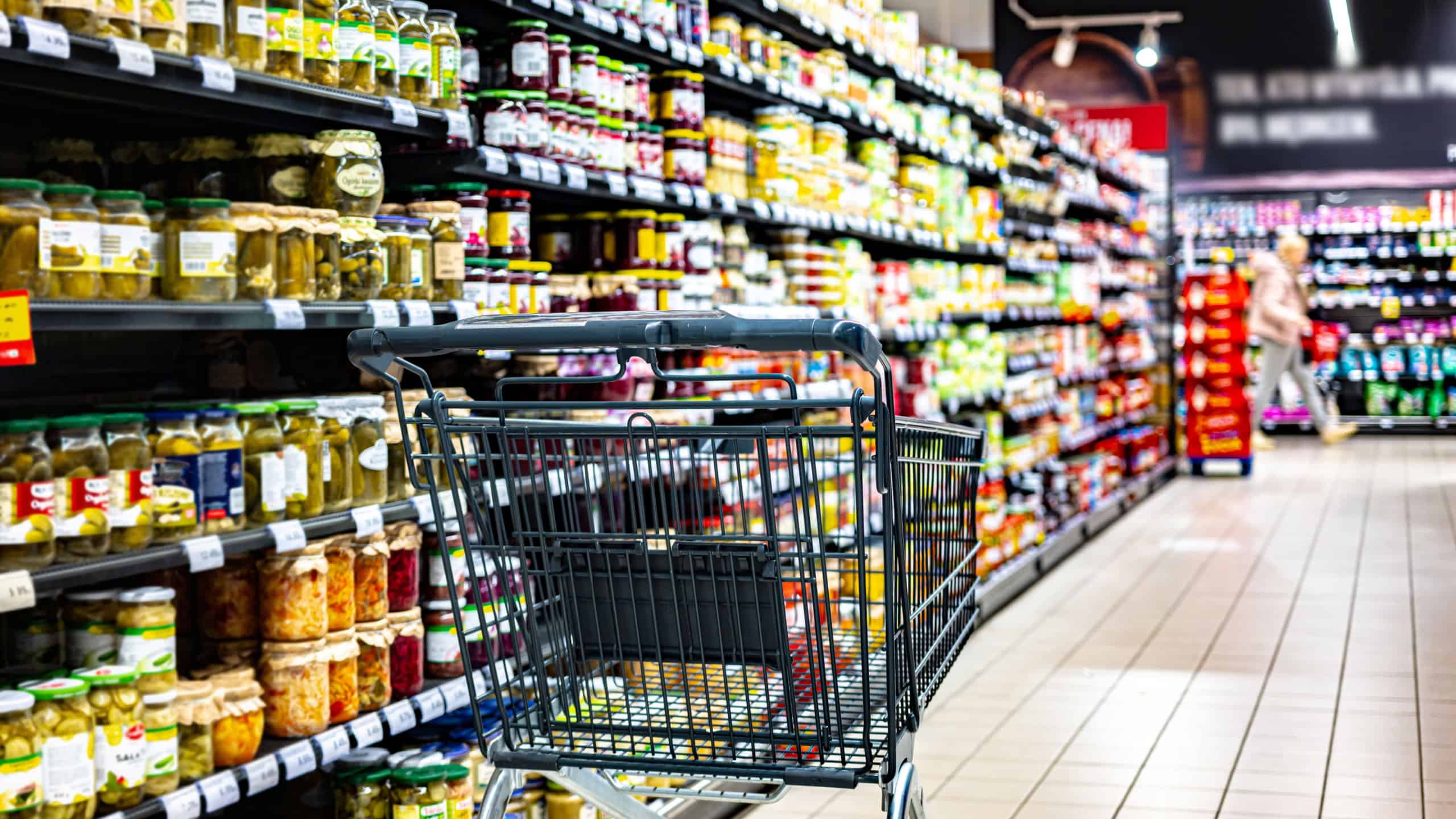
If you think grocery carts are getting bigger every year, you’re right. Empty carts subconsciously tell your brain you haven’t purchased enough, leading you to fill in the gaps with unnecessary extras.
Next time you only need a few things, use a handheld basket. If you have to carry all your groceries, you’ll be less inclined to buy junk food or silly items you don’t need and will make it to the register twice as fast.
Loyalty surveillance

The loyalty cards and apps they make us sign up for feel like they offer us special deals, but many Canadians believe the real cost is their privacy.
Tracking every purchase you make allows stores to send you personalized deals that slightly coerce you into buying things you don’t need.
Try your best to ONLY buy what’s on your grocery list. If a deal tempts you to buy an extra box of crackers just to save $0.50, the store is winning.
Skimpflation

Similar to shrinkflation, skimpflation is when brands change the quality of their contents without shoppers noticing. Stores are skimping by replacing ingredients (such as real butter with vegetable oil) while keeping the same high price.
If your favourite cookies suddenly don’t taste the same, take a look at the ingredients. Odds are they cut corners on ingredients in order to save costs.
Scanner “oops”

It happens more often than you think. The store updates the sale price on the aisle but forgets to change it in their system.
By the time you’re at the cashier scanning your items, your brain assumes it beeped at the right price and doesn’t question it because you’re busy bagging.
In Canada, most stores subscribe to something called the “Scanner Price Accuracy Code.” Basically, if an item scans higher than what’s on the shelf, you’re entitled to get that item for free (or up to $10 off, depending on the store).
So just keep your eyes peeled on that screen while the cashier scans.