
Many still believe things about climate change that just aren’t true. But these myths make it hard for us to understand the real problem and stop us from taking any action. The truth is climate change is happening and is accelerating much faster than expected.
With so much misinformation around, it’s hard to know what the truth is & what is not. Knowing the facts and freeing ourselves of these myths can help us do more to help the planet. Here are 10 climate change myths you should stop believing.
Climate Change Is Just a Natural Cycle
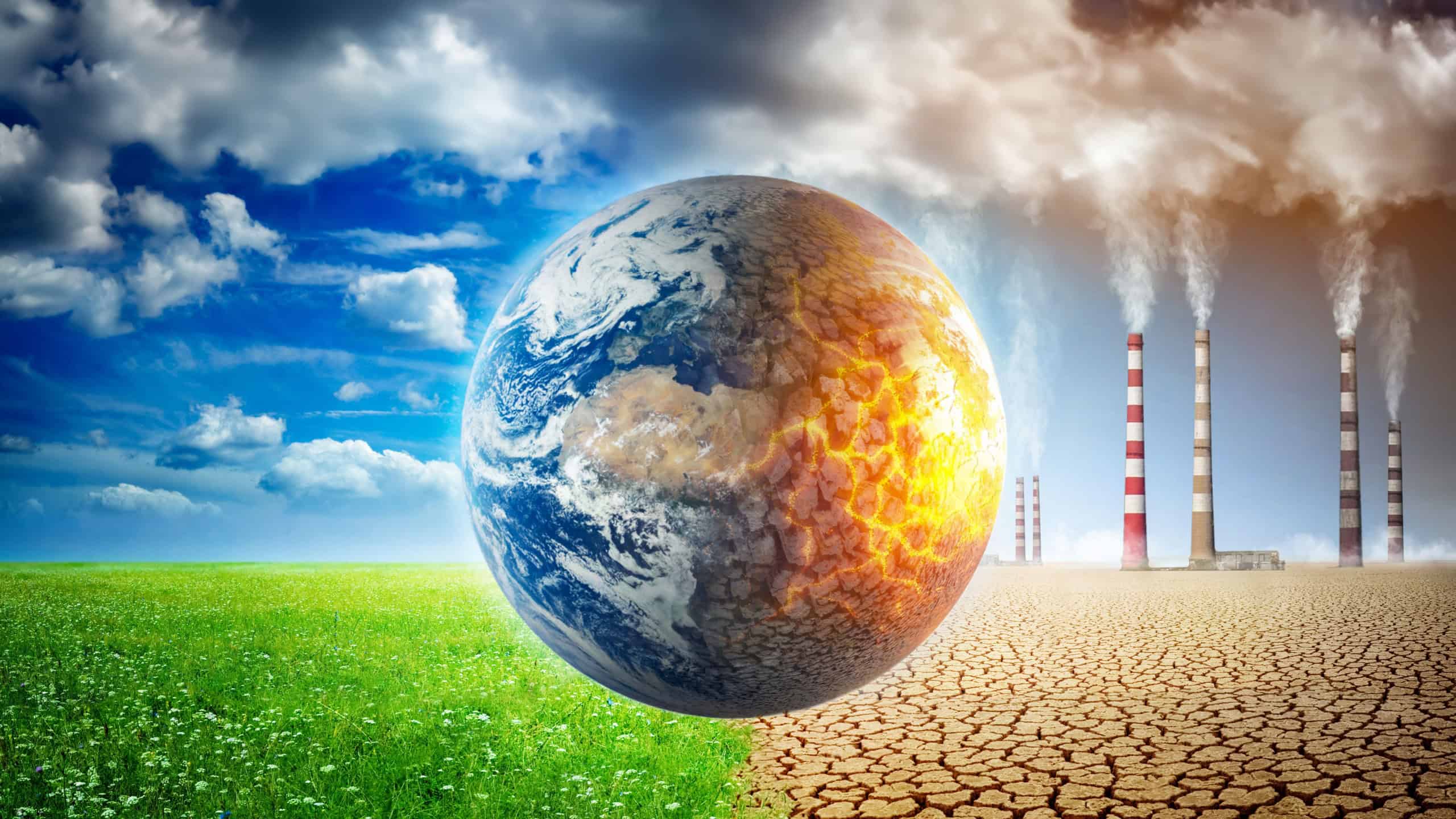
Some believe that climate change is natural ups and downs caused by the Earth. It’s true that our planet goes through natural changes but these changes are not natural. The speed of today’s warming is much faster than anything seen in natural cycles. Scientists mostly agree that what mostly caused global warming was the human destruction of nature to obtain resources, especially burning of fossil fuel.
Global Warming Is Good for Cold Regions
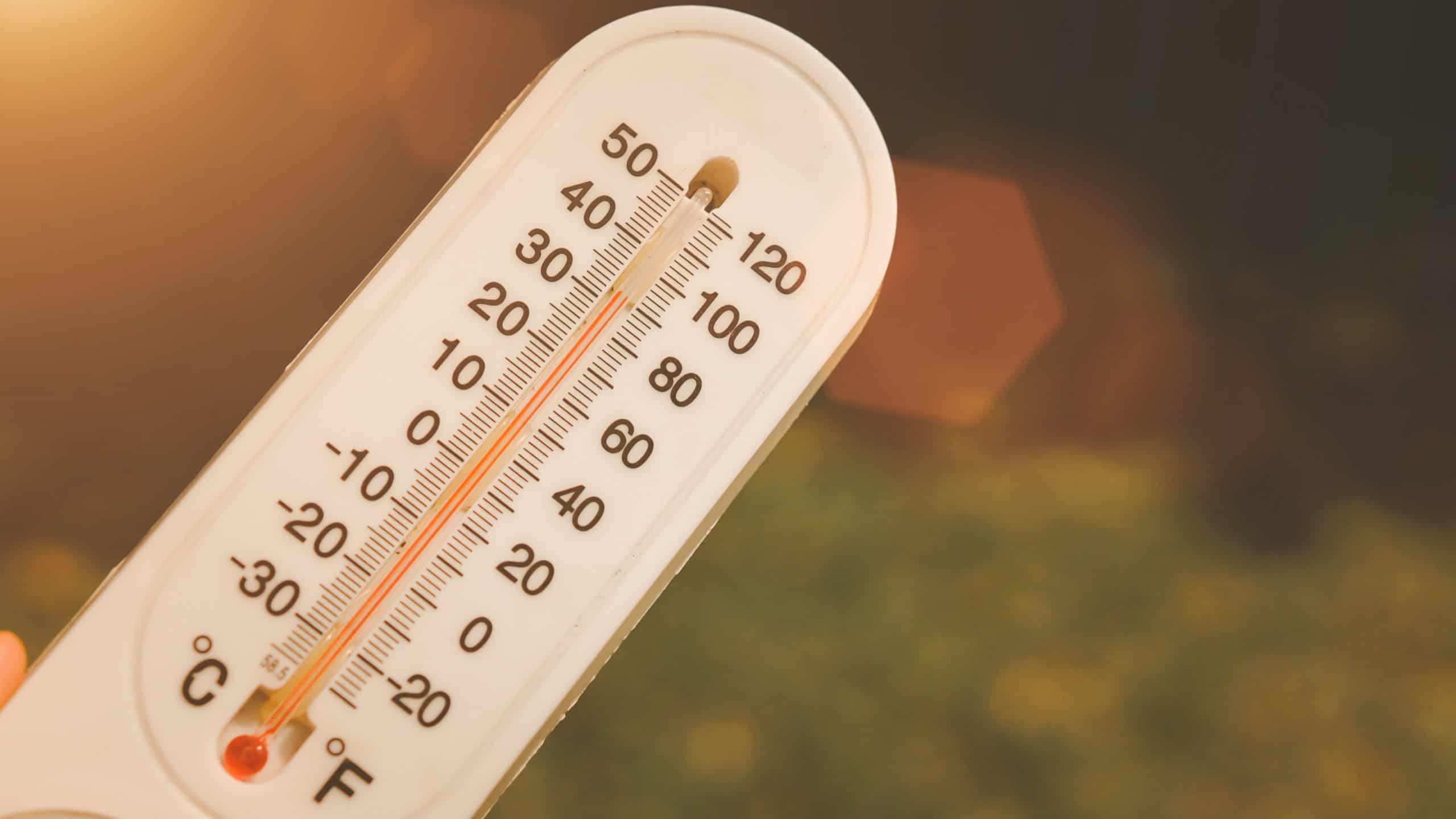
The warmer conditions might seem like a benefit for cold areas. Who wouldn’t prefer less severe winters? But temperatures are not the only things to rise.
Melted ice means rising sea levels and destroyed animal habitats in cold areas. These changes cause unpredictable weather & damage to agriculture, homes and infrastructure.
Overall, the risks of such a situation would far outweigh any potential benefits.
It’s Too Late to Do Anything

A lot of people feel like we’ve already messed up the planet so much that it’s hopeless; But this isn’t true. There is still time to turn things around. The planet can get back to normal again.
Switching to cleaner energy, reducing waste and planting more trees can help slow down the damage. Every little change counts. The more we do now the less damage we’ll face in the future.
Solar and Wind Energy Aren’t Reliable

Some say that solar and wind power can’t be relied on as a long-term solution since they depend on the weather. Yet renewables have come a long way.
The latest developments use new technology to store power from sunny and windy days, so that even when the weather is unpredictable there is still enough energy. In fact, there are many countries that have already switched to renewables as their main source of energy.
Volcanoes Emit More Carbon Dioxide Than Humans

You might think that natural sources like volcanoes spew out more carbon dioxide than we do; this is not correct. All the carbon dioxide produced by volcanoes would account for just a tenth of what we produce.
All the carbon dioxide spewing out of cars, factories, energy plants; these are the problem – not volcanoes.
We Need Fossil Fuels for Economic Growth

Some believe that a shift away from the use of fossil fuels would damage the economy. But the clean energy economy is booming – already employing hundreds of thousands of people worldwide – creating jobs much faster than the fossil fuel and nuclear industries.
A transition to renewable energy can actually increase the size of the economy, reduce healthcare costs as a result of pollution and safeguard local communities from economic impacts of climate change-induced disasters.
The Polar Ice Caps Will Bounce Back

Some claim it’s natural and that the ice will refreeze in the Arctic and in Antarctica. However, the truth is – once ice melts, it doesn’t just come back.
The loss of ice is speeding up and is permanent in many areas. This leads to higher sea levels and threatens animals like polar bears and seals that depend on the ice for survival. Coastal areas around the world are also at risk of being under water in the near future.
Climate Change Is Only a Problem for Future Generations

Many think that climate change relates only to far-off future generations, or that we can adapt to it slowly in the present. But we are already experiencing climate impacts today: more frequent and intense wildfires, hurricanes and periods of extreme heat stress.
Crops in agricultural regions are frequently impacted by unpredictable bursts of extreme and often lethal weather. Coastal cities face regular flooding. If we wait even longer things will only get much worse.
It’s All About Carbon Dioxide (CO2)

People often focus on carbon dioxide when talking about climate change, but other gases matter too. Methane – for example – is much more powerful at trapping heat in the atmosphere, even though there’s less of it.
Agriculture, human waste and livestock make up part of domesticated methane emissions. By only focusing on CO2, we’re missing part of the problem.
Scientists Are Still Debating Climate Change

A common myth is that scientists aren’t sure about climate change yet. This is false; A large majority of climate scientists agree that humans are causing global warming. The science is solid, and the debate is over. The focus now needs to be on how we can act to make a difference.
10 Countries That Climate Change Has Destroyed

Climate change has hit some countries hard, turning their worlds upside down in ways you wouldn’t believe. Even though the impact might be varied, one thing’s true—the consequences are severe.