
Canadian’s love American roads until they actually drive on them. Sure, highways look the same and cars look the same, but there are certain uniquely American driving customs that have many Canucks second-guessing themselves wherever they go.
From intersections to I-95, here are ten things Americans do on the road that totally confuse Canadians.
Using miles per hour (MPH)
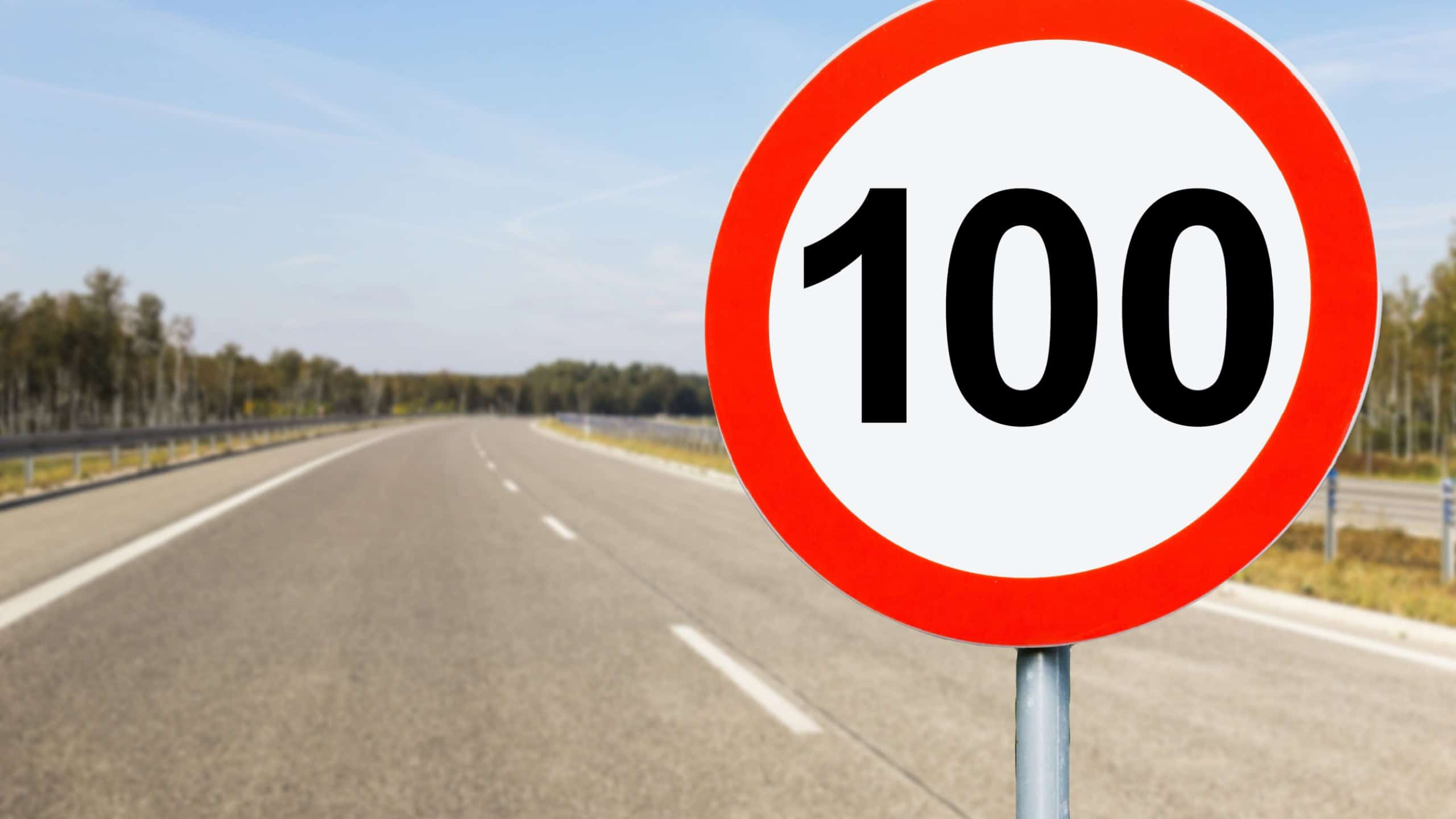
This can be very confusing for Canadians and usually causes either driving way too fast or way too slow. A car may have both KMH and MPH settings, but when the sign says “65”, it looks weird because they’re used to seeing 100.
Likewise, seeing an exit 5 miles away seems menacing because in a Canadian’s brain, 5 miles translates to 5 kilometers. 5 kilometers of distance would be nowhere near enough to exit, so inevitably, you’ll find Canadians changing lanes into the exit ramp way too early.
Pay at the pump before fueling up
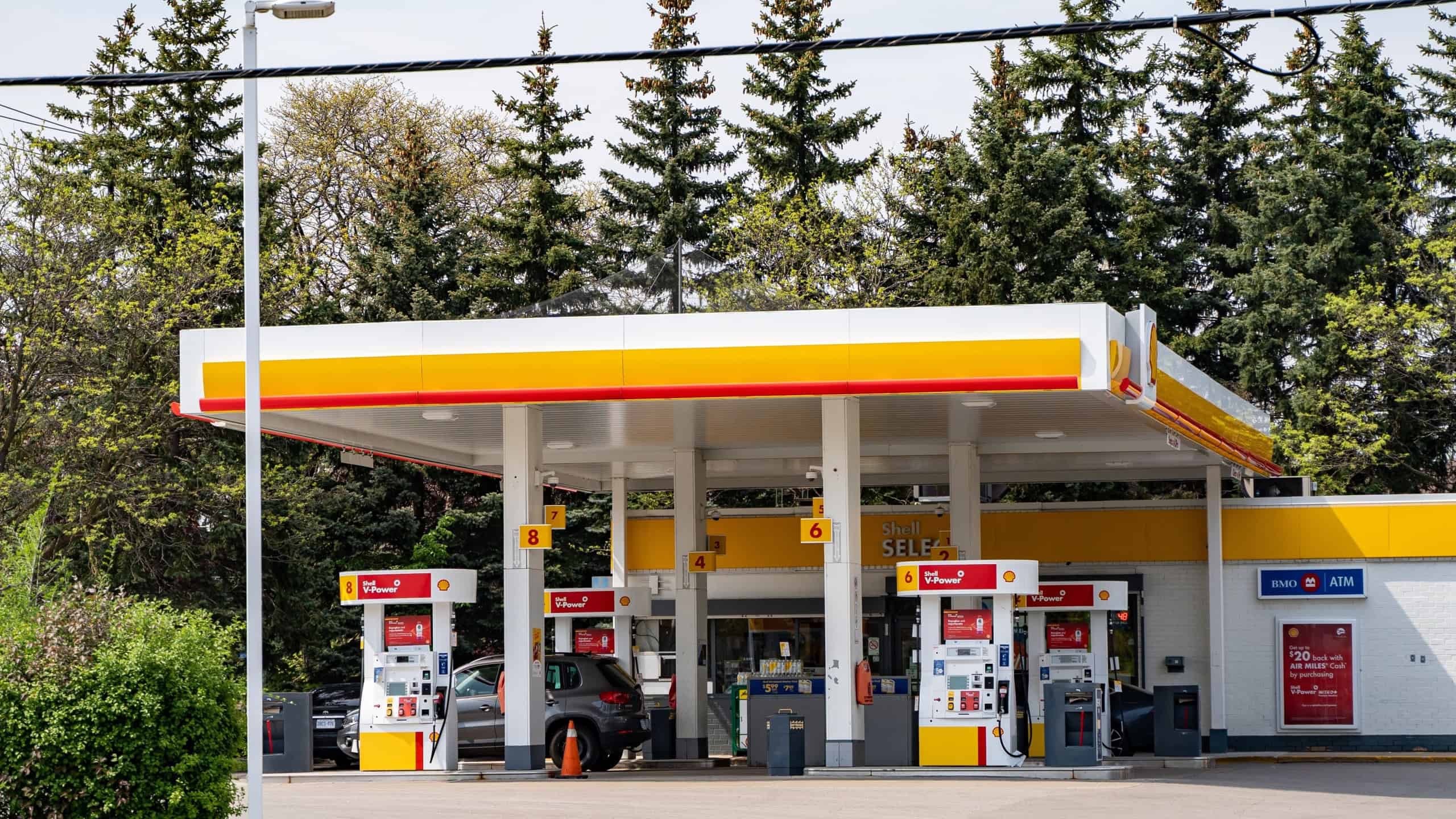
Did you know Canada has a “Pay-Before-You-Pump” rule? In fact, most provinces have made it illegal to pump gas before paying due to theft.
So when Canadians traverse rural/suburban America and see gas station signs that don’t expressly demand you pay before pumping, let alone watch locals grab the nozzle and fill up, it feels like stepping into a socialist utopia, where everyone trusts each other.
The high-speed “Jersey slide”
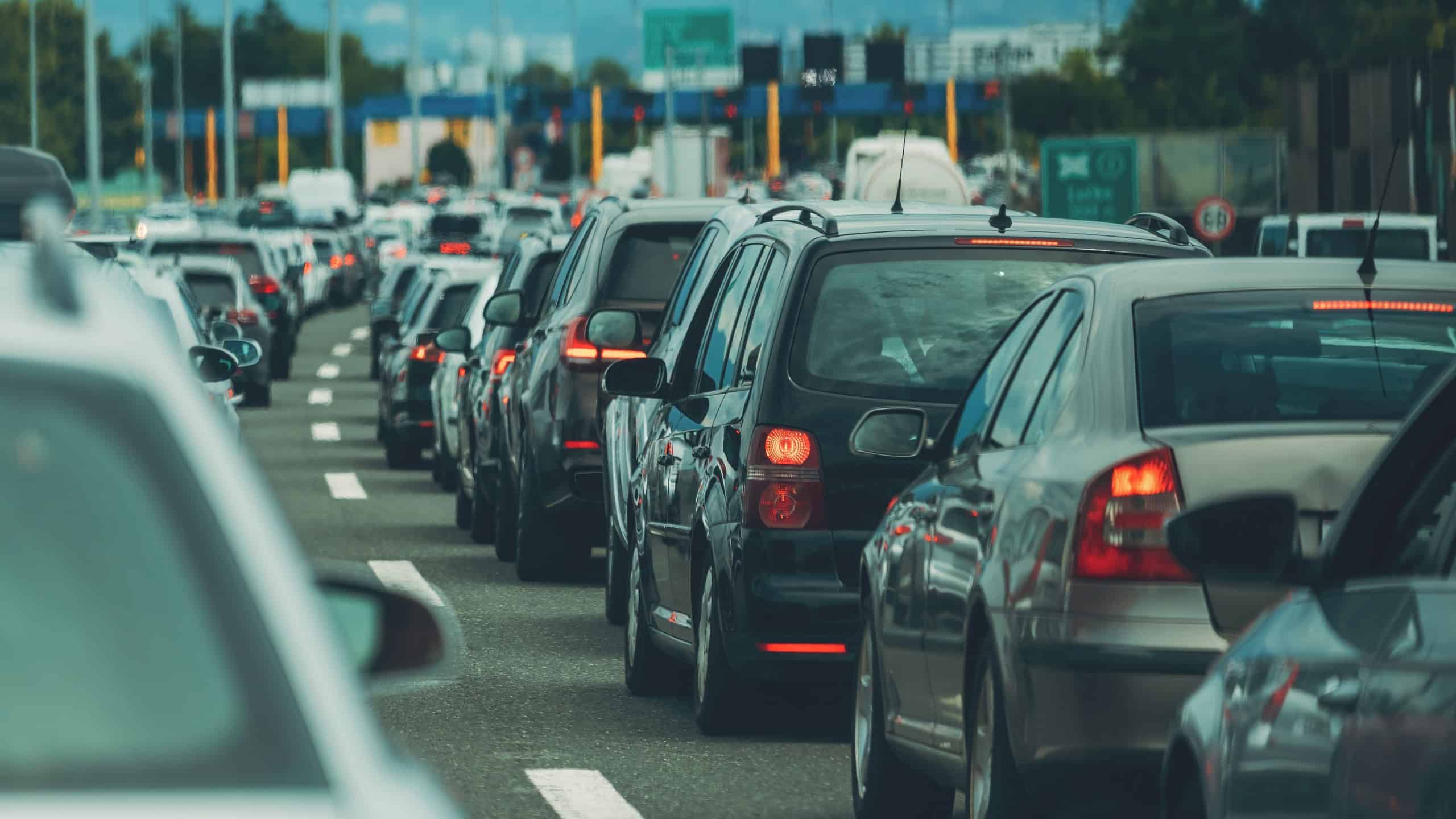
Changing lanes in America can feel terrifying compared to the polite “zipper merge” we Canadians are used to doing.
Many states, such as New Jersey or California, have drivers who will sometimes slide across three or four lanes of traffic to get into the right lane to take the exit they almost missed.
In Canada, most drivers signal WAY in advance and change one lane at a time. So many Canadian drivers hate it when an aggressive driver takes off across all the lines at once.
Different rules about “right on red”
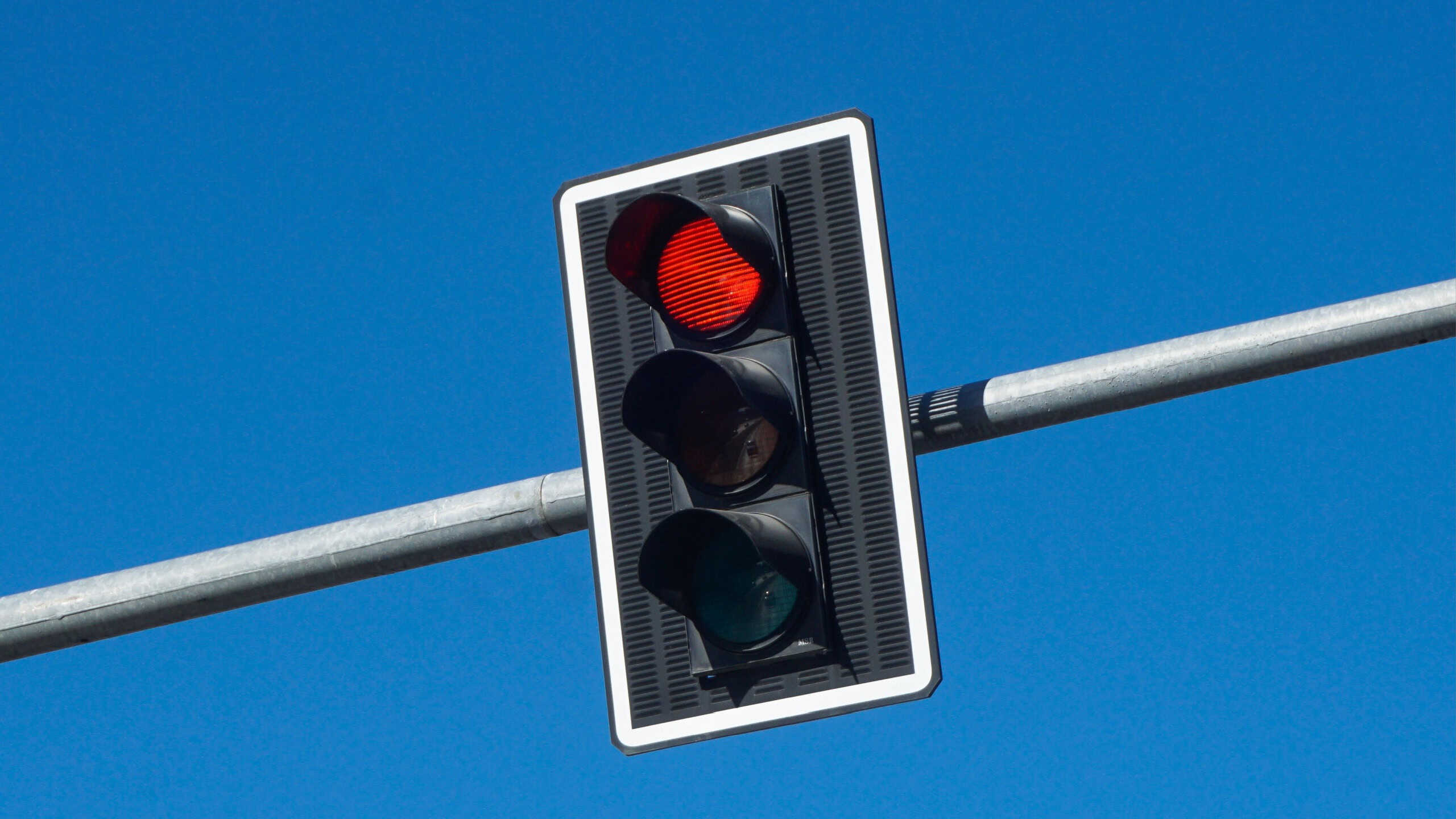
While you can turn right on red all throughout North America, Americans do it way more aggressively. In Montreal, it is technically illegal to turn right on red. So drivers from Quebec go into panic mode if they have to roll through a stop sign to turn right.
Over the border, however, if you hesitate for more than a second at a red light before turning right, the car behind you will honk angrily. To Canadians, it’s considered rude and rushed. They like to wait for a large enough gap in oncoming traffic to make the right turn.
No “flashing green”
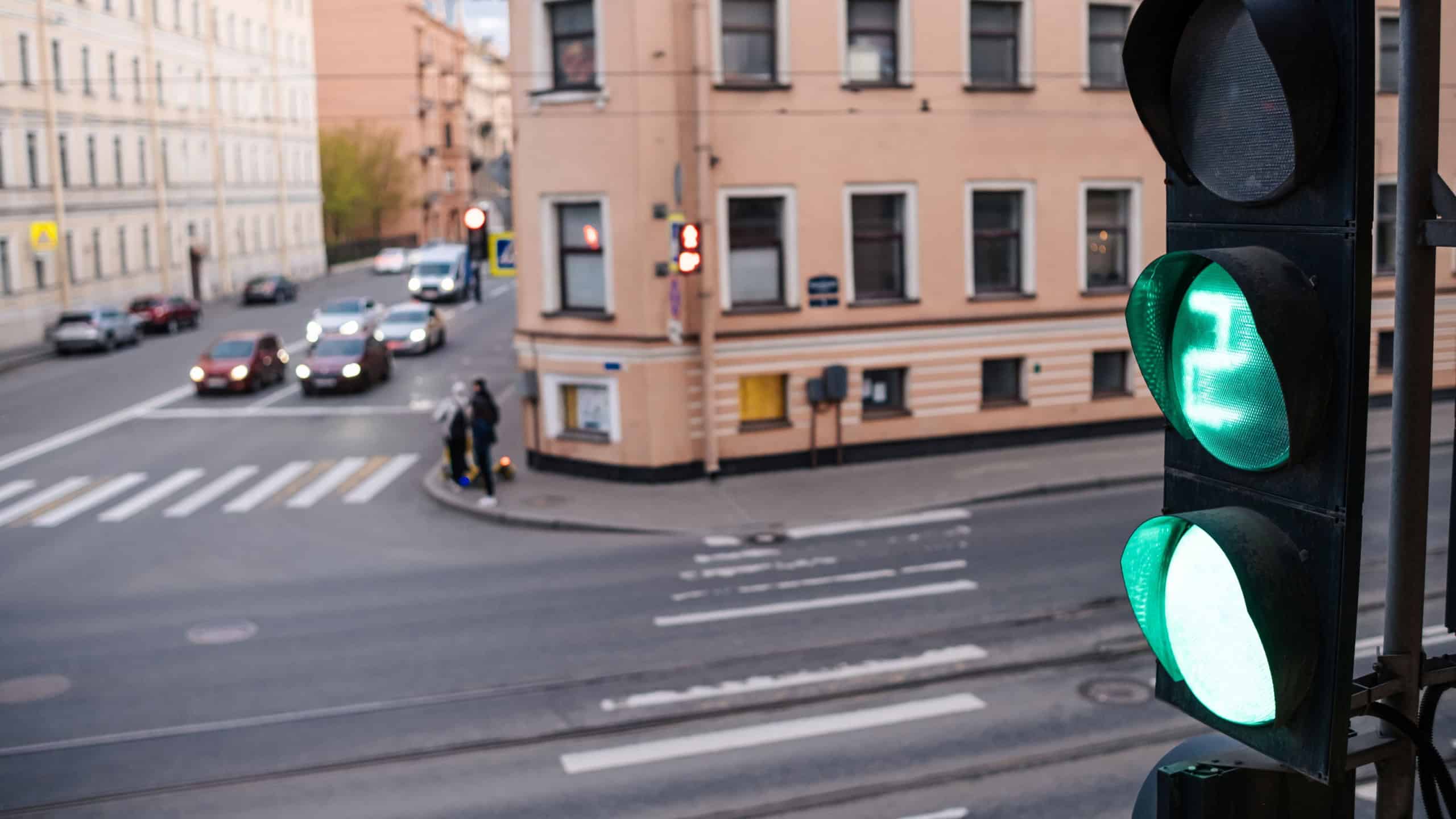
This is a big one that causes accidents. In British Columbia, a flashing green light means you’re at a pedestrian-controlled traffic light. In Saskatchewan and some other provinces, it could mean you have a protected left turn.
Neither of these, by the way, actually means you can just drive through an intersection in America. There’s no flashing green in America unless the light is broken.
Rolling through a flashing green light in Canada will cause Americans to slam on their brakes because they think your light is out. Canadians see one in America and will wait for oncoming traffic to stop, when there is no need for them to stop.
Allowed to blatantly use radar detectors
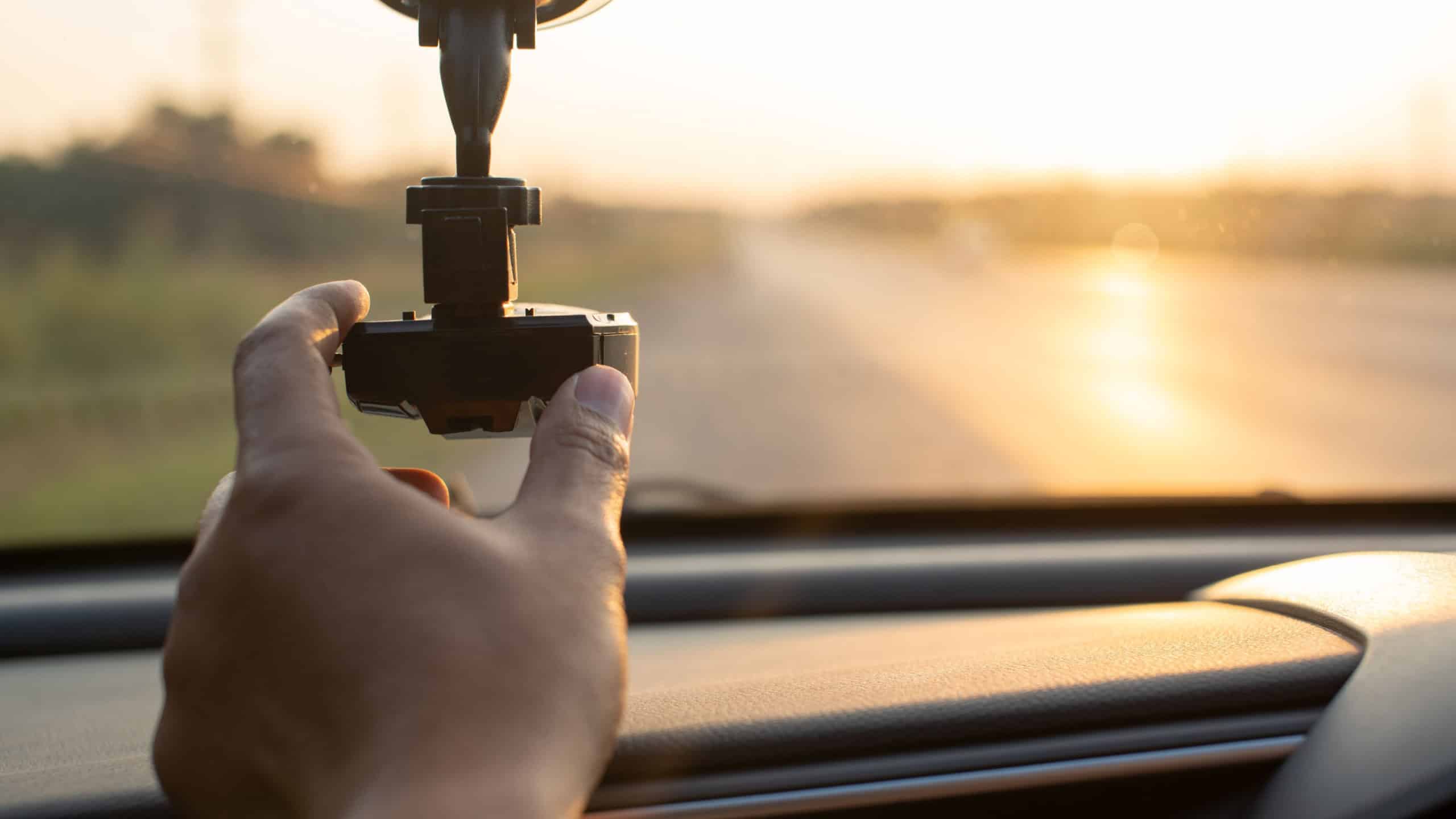
It’s a huge offense to drive with a radar detector in big provinces like Ontario and Quebec. Police can actually confiscate the device from your car and fine you thousands of dollars.
Because of this, Canadians are astonished to see Americans advertising them at every truck stop or dangling from their windshields. Radar detectors look like cheating equipment to Canadians and are grounds for getting pulled over.
Driving in the “fast lane” too slowly
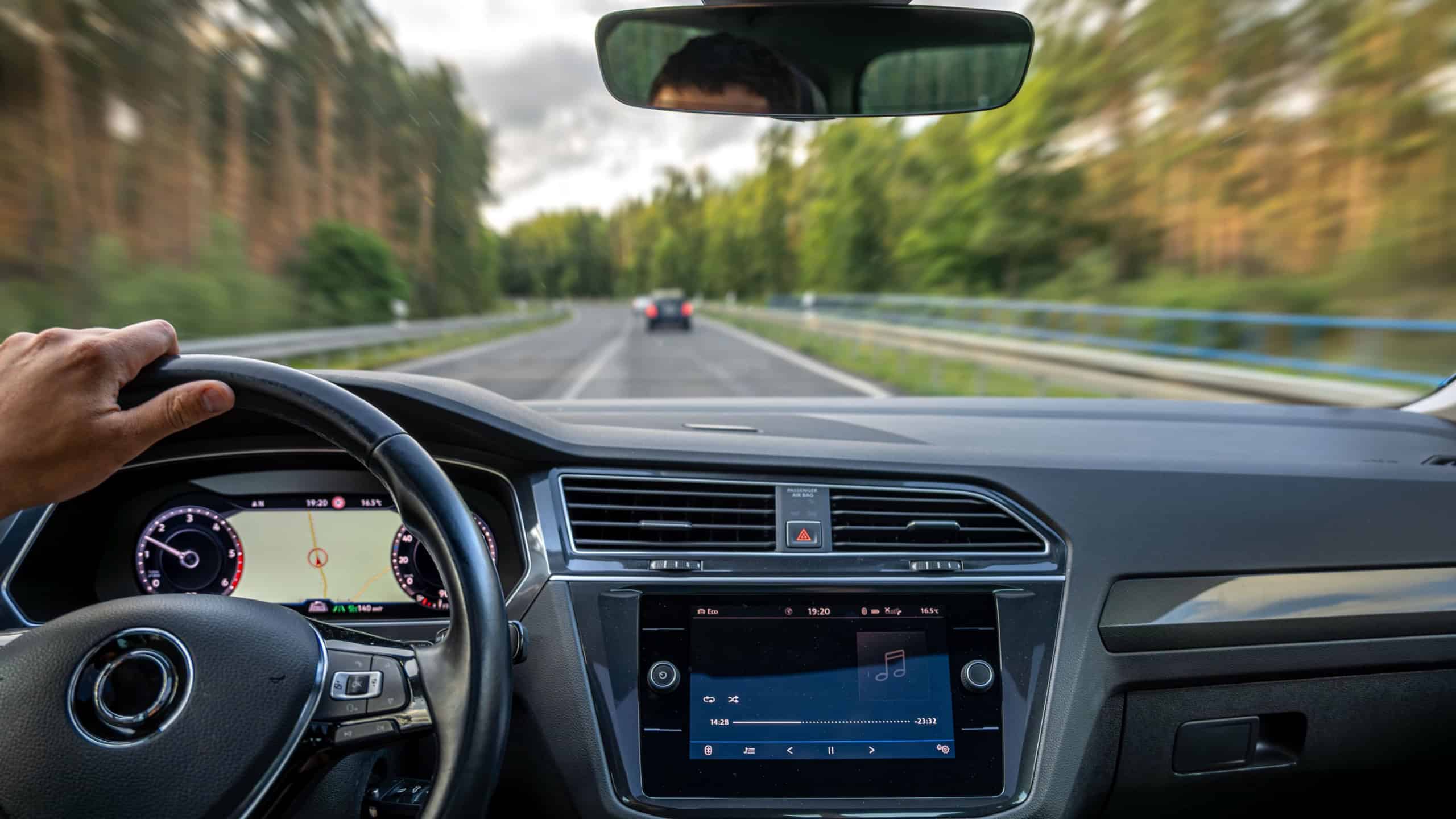
Lane hogging isn’t unique to one country, but Canadians will swear Americans love to fly barely over the speed limit in the left lane for no reason during long highway trips.
In Canada, there is a very strong “Keep Right Except to Pass” culture. Seeing an American car cruising at a normal speed in the passing lane while five cars are stuck behind it is a major source of frustration for Canadian drivers who are trying to follow the “pass and move back” rule.
Illegal window tint
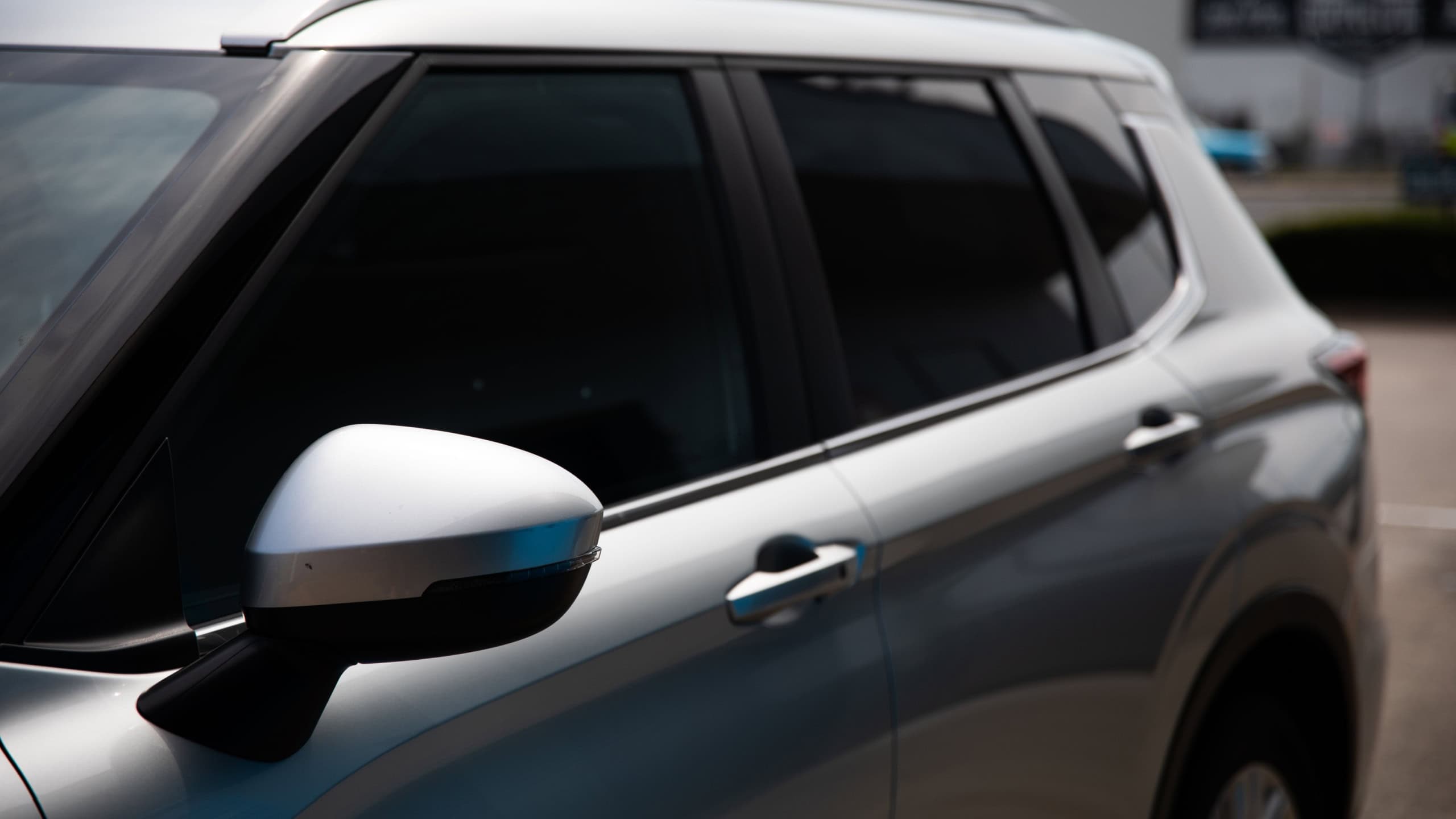
Canadian drivers are very confused by how dark Americans often tint their windows, particularly in hotter climates such as Florida or Arizona.
Canada has strict regulations on tinted windows, specifically the front windows. The police have to be able to see your face and hands for safety reasons.
So when Canadians see cars with front windows you literally cannot see through, it makes them extremely nervous, particularly at stop signs, where Canadians will often try to make eye contact with the other driver to establish who goes first.
Being extremely direct at four-way stops
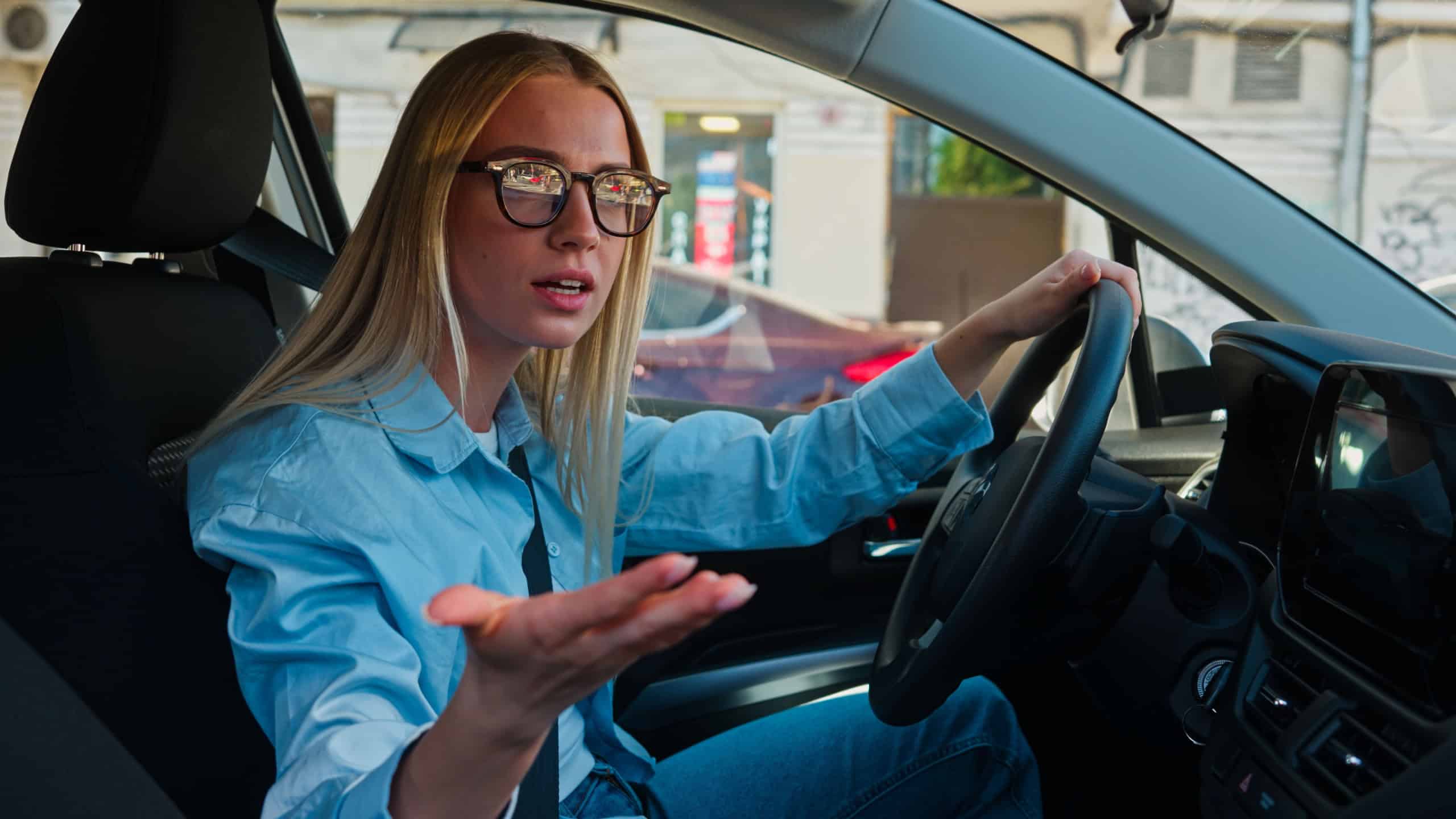
Four-way stops in Canada can be a bit of a polite mess. Often, two drivers will sit there waving at each other, saying, “No, you go,” “No, please, you go first.” Americans don’t usually do this.
They follow the rule of “whoever got here first goes first,” and if they think it’s their turn, they just go. A Canadian waiting for a polite wave will often find that the American driver has already driven through the intersection while they were still waiting to be invited.
Expect toll roads to cost ten bucks
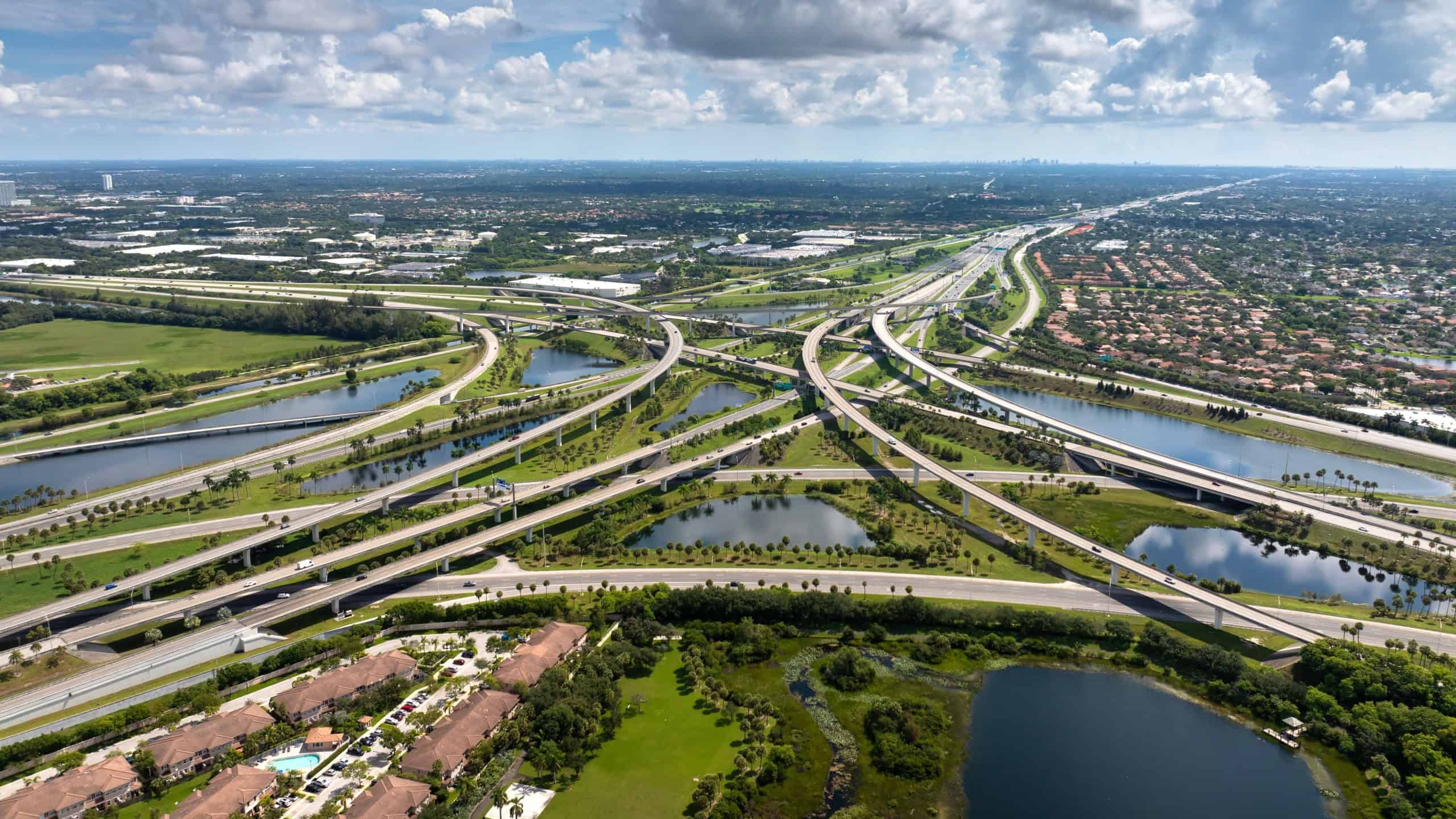
Canada doesn’t have many toll roads, and the ones they do have (such as Ontario’s 407) are super simple to understand.
Once you enter the United States, it’s like every state has its own brand new system, and they all have names like E-ZPass, SunPass, and Peach Pass.
For a Canadian tourist, trying to figure out which lane to be in or how to pay a bill that comes in the mail weeks later makes driving through states like New York or Florida feel like a confusing math test.
Sources: Please see here for a complete listing of all sources that were consulted in the preparation of this article.
Like our content? Be sure to follow us.