
Canada has a habit of putting some rather strange things into law. Some of these rules are at the federal level, and others are provincial, but all of them have one thing in common. They’re unusual to Americans.
Many people south of the border struggle to accept these laws as real because they’re so specific & unlike anything down there.
Here are twelve small Canadian laws Americans wouldn’t believe exist. Which one of these did you have to double-check?
Storefront signs in Quebec

Store owners are allowed to have English & other languages on their commercial signs. But the Charter of the French language states that they need to include French as the most prominent language on the sign.
It quite literally says that French must be “markedly predominant.”
Inspectors across the province check to make sure that retail stores are following the rules. It applies across cities & small towns alike.
Defacing coins

There’s a part of Canada’s Criminal Code that states it’s illegal to deface current coins or use a coin you know is defaced. Technically, flattening pennies to make souvenirs falls under such a law as well.
But it’s unlikely that you’ll find any police officers trying to enforce the rule. It’s officially on the books and surprises many Americans who assume that defacing coins is harmless fun.
Public nudity

Yes, America has public nudity rules. But Canadian law takes it one step further by making it illegal to be nude whenever you’re visible to the public, even on private property.
The law bans being partially dressed in a way that violates public decency.
It’s a law that shocks Americans because of how broad the ban is. They’re not used to having such strong restrictions apply on private property, as well as in public.
False information

Sending information that you know is false is a criminal offence under Canadian law, but only when you do so to injure or scare someone.
The law covers spreading false information via letters & phone calls, alongside emails and other forms of telecommunications.
What makes the law surprising to Americans is the fact that it doesn’t require any kind of loss to be illegal. Simply knowing it’s a lie & trying to hurt others means that you’re breaking the law.
Selling lock-picking tools
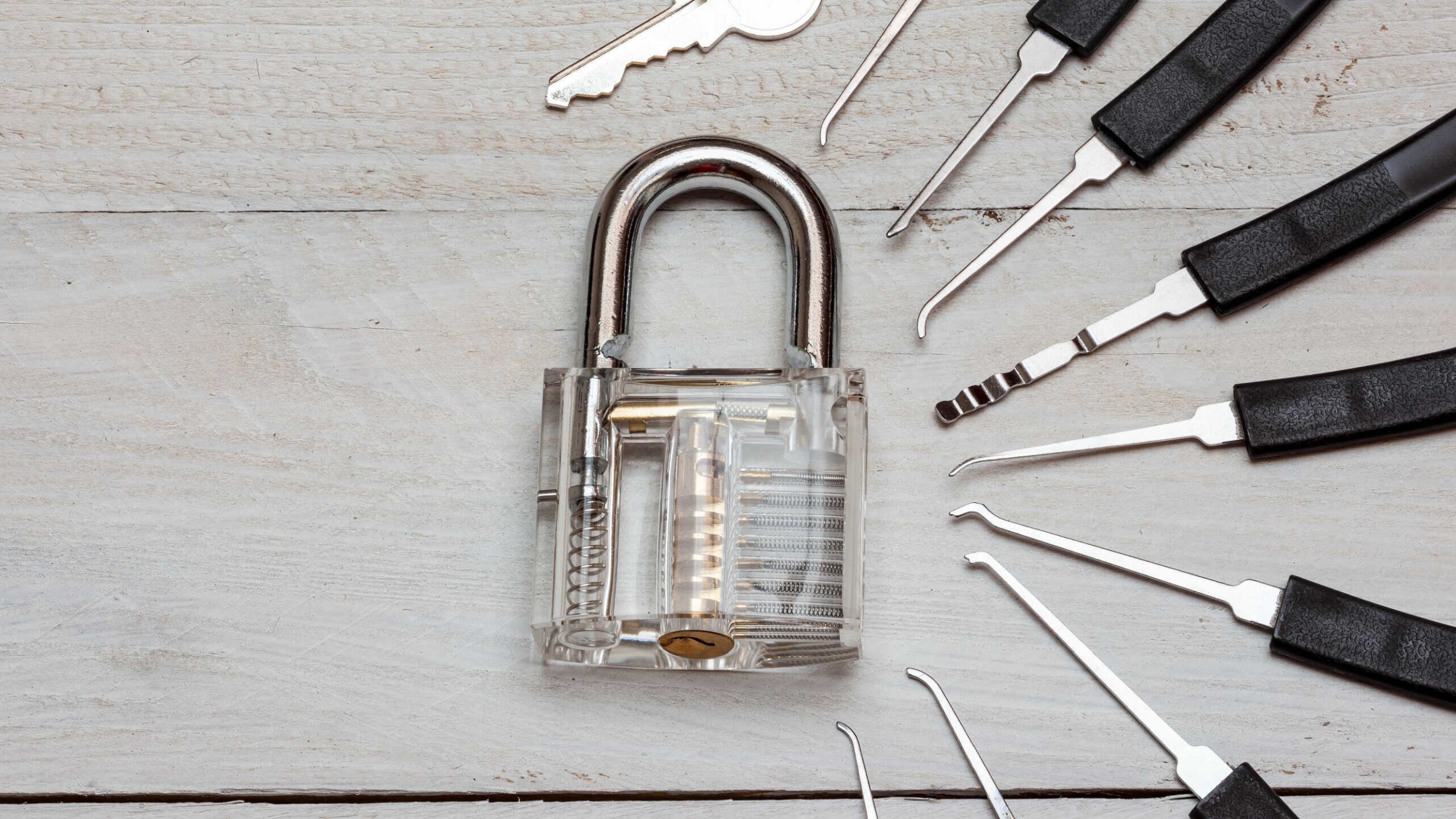
You may not need a license to sell lock-picking tools, but you do have to have reasons for selling them. Making or selling lock-picking tools without a clear, lawful reason is illegal.
In fact, you can actually be charged for doing so.
But the law does take context into consideration. They can infer your intentions from your circumstances, so you’re not going to get into trouble as long as you have a real reason for having these tools.
Yet many Americans are used to these tools being completely legal to own.
Canadian music requirements

American radio stations can play whatever they want, within reason, to fill the airtime. But not Canadian stations.
The CRTC requires stations to play a certain percentage of music from Canada each week in order for the station to qualify as Canadian.
The rules are part of broadcast licensing regulations. Many Americans would be surprised to learn that commercial stations have to follow such strict rules since it’s not the same over in the States.
Helping a police officer

Refusing to help a police officer who formally asks for help can actually be a criminal issue. It’s due to Section 129 of the Criminal Code.
The rules ban willful refusal when assistance is lawfully required, although it only applies when the officer is clearly asking for help.
Lots of Americans are surprised by such a rule because similar rules over there are focused more on doing what the police officer tells you, rather than helping them out.
Driving with pets

Provinces like Ontario & Nova Scotia make it entirely illegal to drive with a pet on your lap. You can actually get tickets for doing so.
There’s no explicit mention of animals themselves in the law, yet law enforcement treated pets in your lap as interfering with your control of the vehicle.
They might charge you under careless or distracted driving rules. It’s something that quite a few Americans are surprised by since they’d expect such a rule to be part of the law about animals.
The national anthem

Americans know that we don’t sing the same national anthem in Canada as they do over there. But what many of them don’t realize is that you’re not allowed to alter “O Canada” during performances, regardless of whether it’s for public or commercial use.
You’ll need to get official authorization from the government to do so, unless you’re singing casually. The law is quite strict on making sure people say the same words when singing.
Ads for kids

The rules around advertising to kids in Quebec are quite strict, as companies may not direct any ads to those under 13 years old.
The law applies to TV as well as social media. It’s something that officials do actively enforce, and even the Supreme Court has upheld it.
They take into account the content & intent of the advertisements before deciding whether to pursue action. Where the advertisement appears isn’t as important.
Disturbing a religious service

Religious protections in Canada go one step further than they do in America. It’s illegal to disturb a religious service, whether that’s a sermon or a rite, and it doesn’t even need to be a physical disruption. Willful interruption is banned.
The rule is meant to protect the clergy of every religion while they’re carrying out their religious duties. It’s a kind of religious rule that surprises many Americans.
Practicing magic

Pretending to use witchcraft or do magic for profit used to be illegal, according to Canada’s Criminal Code. But what made the rule unusual is that it was only illegal when you pretended to have supernatural powers that you knew you didn’t have.
The law was only repealed in 2018.
Sources: Please see here for a complete listing of all sources that were consulted in the preparation of this article.
Like our content? Be sure to follow us.