
Most people only notice accents when they hear them, instead of when they read menus. It’s one of the main reasons that Americans may make so many mistakes with Canadian food names. While these dishes look simple on paper, most Americans are unfamiliar with them.
French roots & Indigenous words only make things harder for them to read. Here are twelve surprising Canadian foods that Americans often mispronounce, backed by research. Which of these would you be most surprised to hear “wrong?”
Poutine
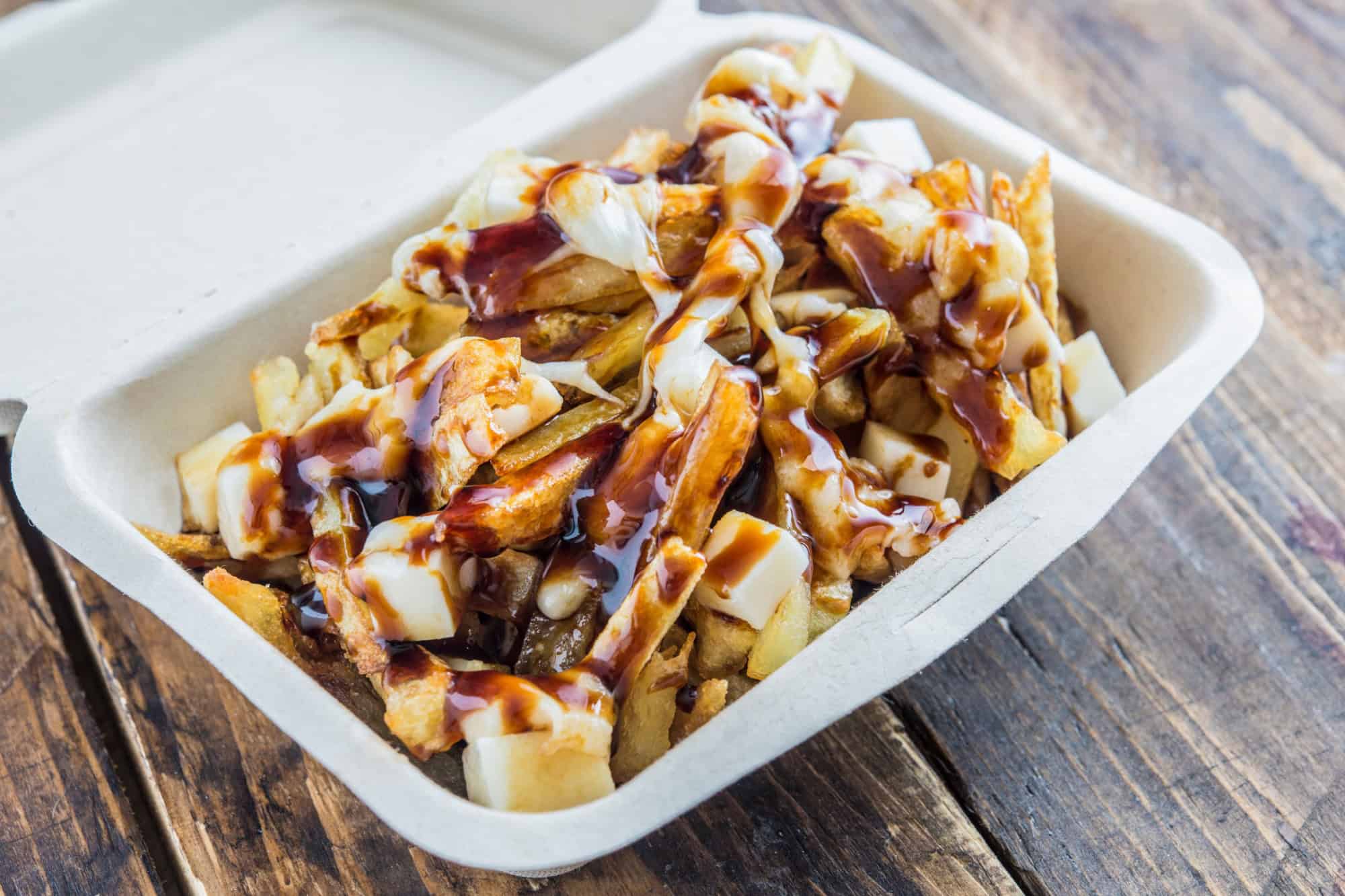
The majority of Americans see poutine on menus or viral videos. They don’t always open the dictionary to find out how to say it. Merriam-Webster does list the pronunciation as “poo-TEEN,” yet you’ll find that quite a few American diners that serve the dish call it “poo-tin.”
A few might even stretch the word out to become “poo-teeny.” They’re not usually very familiar with the dish, so they often use the wrong vowel sound when saying the word.
Tourtière

Tourtière is another word with French origins that Americans often struggle to pronounce. But you can forgive them for that, since most of the country doesn’t have the same French origins as we do above the border.
The pronunciation, according to Merriam-Webster, should be “tour-TYER” or “toor-TYAIR,” yet quite a few Americans say “tour-tee-AIR” or “tour-ti-ree” instead. It’s mostly because they ignore the accent in the word. That turns the ending into extra syllables that completely change the word’s pronunciation.
Nanaimo bar
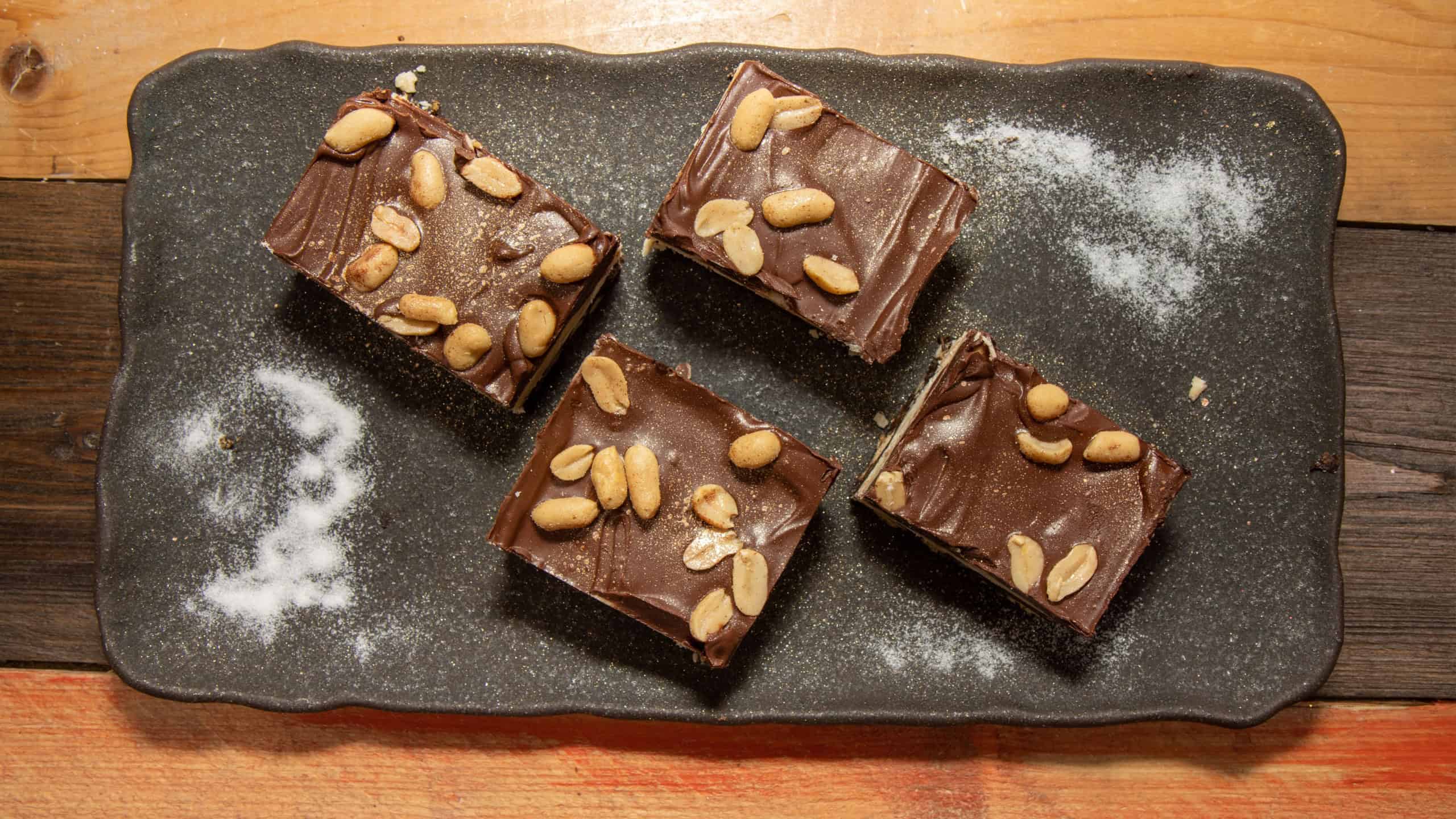
Practically every Canadian knows about Nanaimo bars & how to pronounce them since they’re named after the city in B.C. But many Americans haven’t heard of either one. They’ll pronounce it as “NAH-nuh-moh” instead of the correct “Na-NAAY-mo.”
The reason they get confused is because of the stressed middle syllable, a common feature in some Canadian words. It’s more natural for Americans to stress the first syllable.
Saskatoon berry
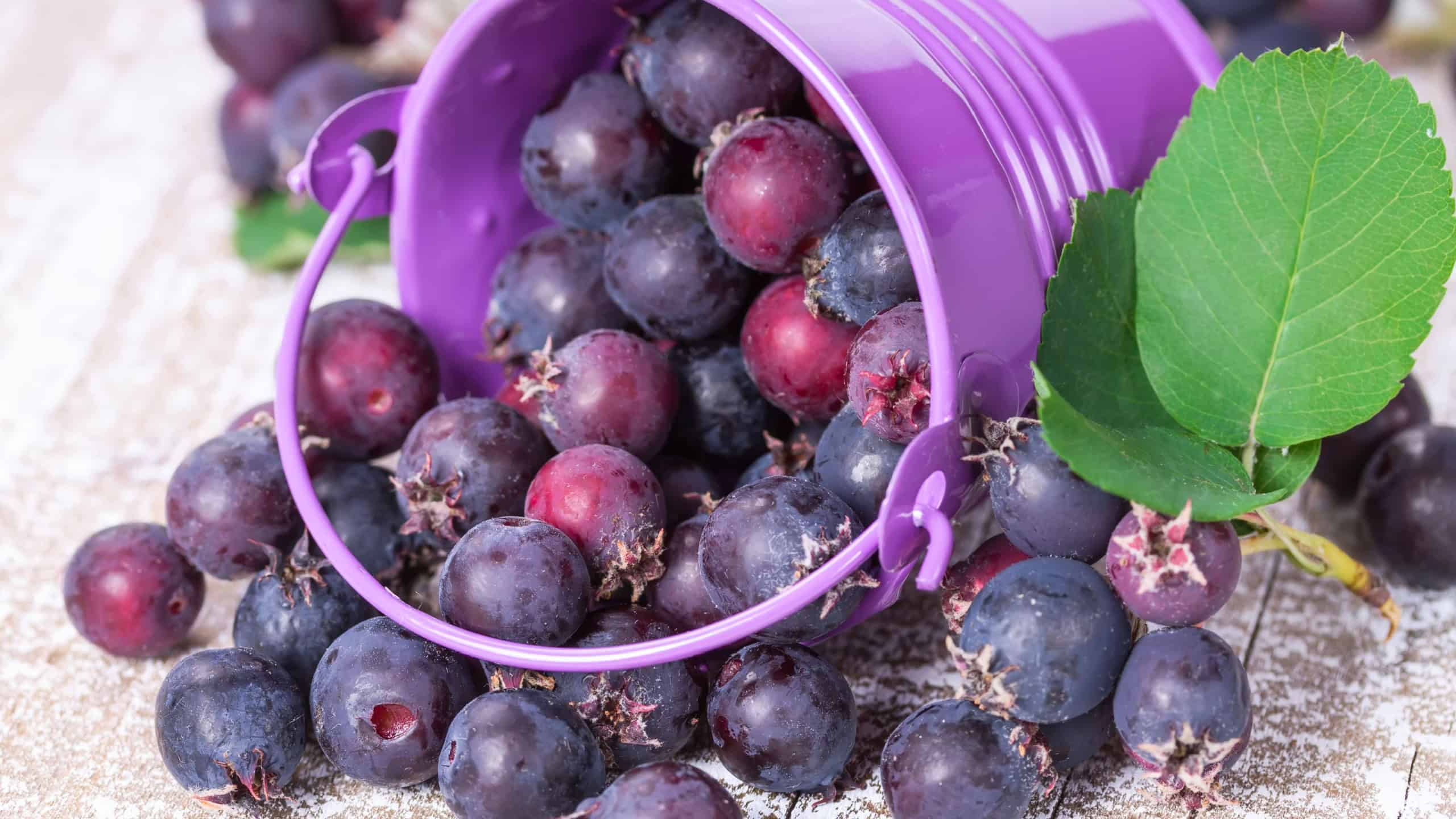
Another food named after a place is the Saskatoon berry, and it’s yet again something that many Americans haven’t heard of before. In fact, even Time magazine has written about how unfamiliar the name is for Americans.
Some American stores actually sell the dish as “serviceberry” because they want to make it easier for people down south to say. They have some difficulty with putting the stress in the right place in Sas-ka-TOON.
Bannock
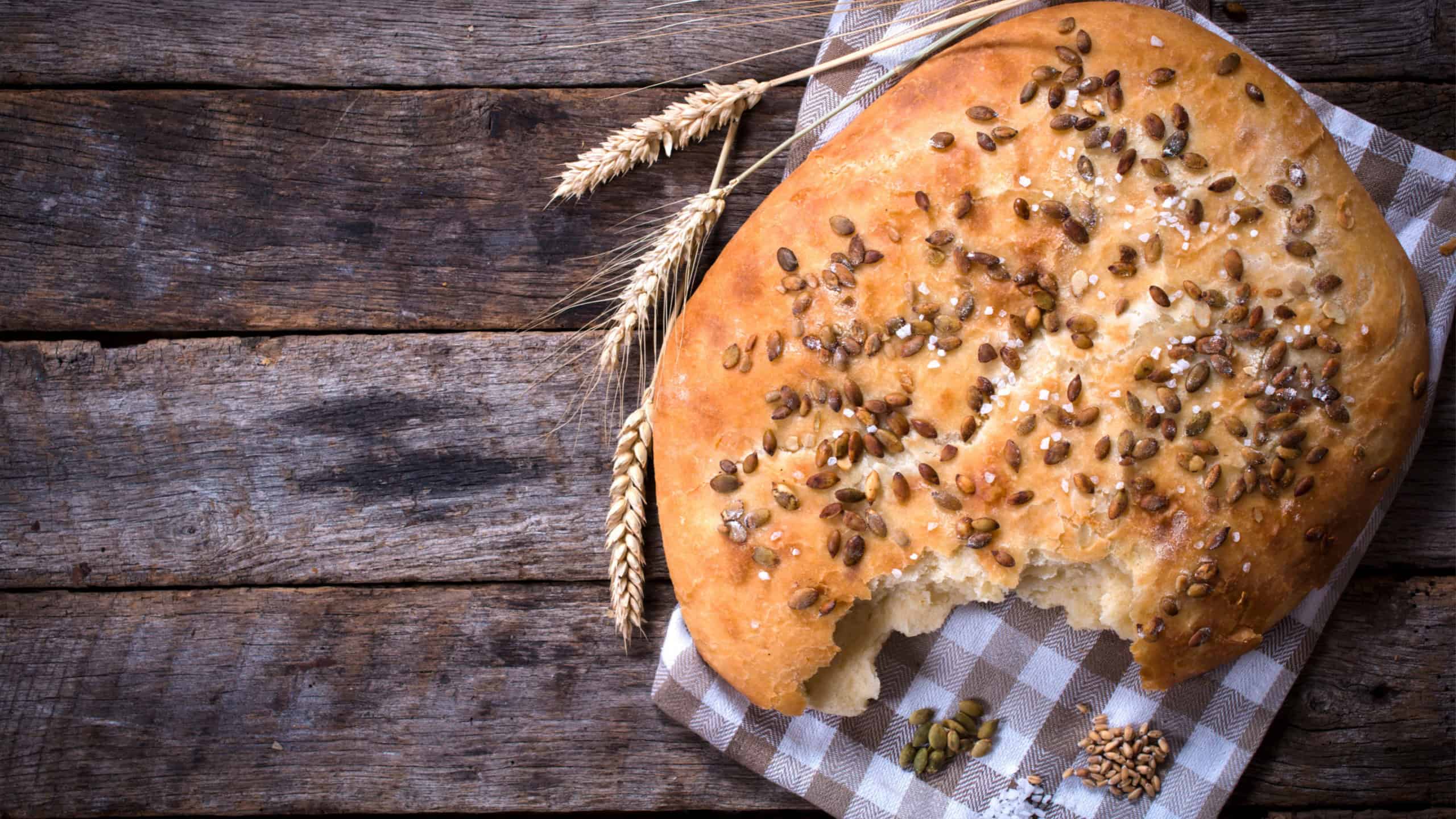
You’d be right in thinking that Bannock seems relatively straightforward. But quite a few Americans struggle saying it, and they’ll pronounce it as “BAN-knock” rather than “BAN-uk.” They have a tendency to harden the ending.
The word is rather common across Canada, and that’s why we can say it with ease. Yet many Americans have never heard of the word, and those who do will likely have only ever read it. They’ve never had to pronounce it before.
Cretons
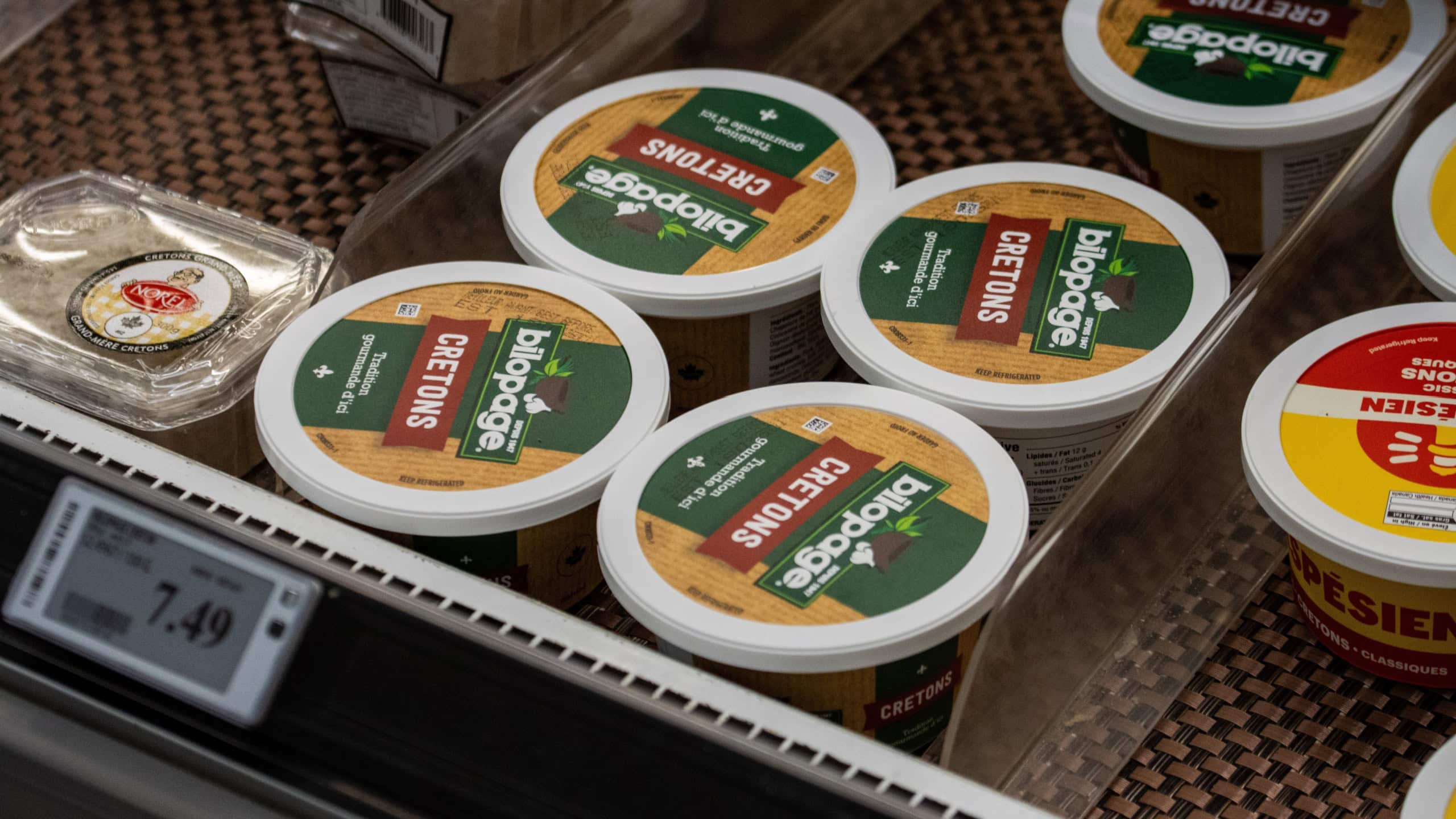
Cretons is a word that doesn’t work like most English plural nouns. That’s because it comes from French. Collins Dictionary states that it should be pronounced with French vowel rules as a result, like “kruh-TON” with a silent ‘s.’ However, many Americans struggle with that.
They’ll skip the French nasal sound and say “CRAY-tons” or “KREE-tons” instead. There are even those in New England who say “KOR-ton” or “GOR-ton.”
Donair
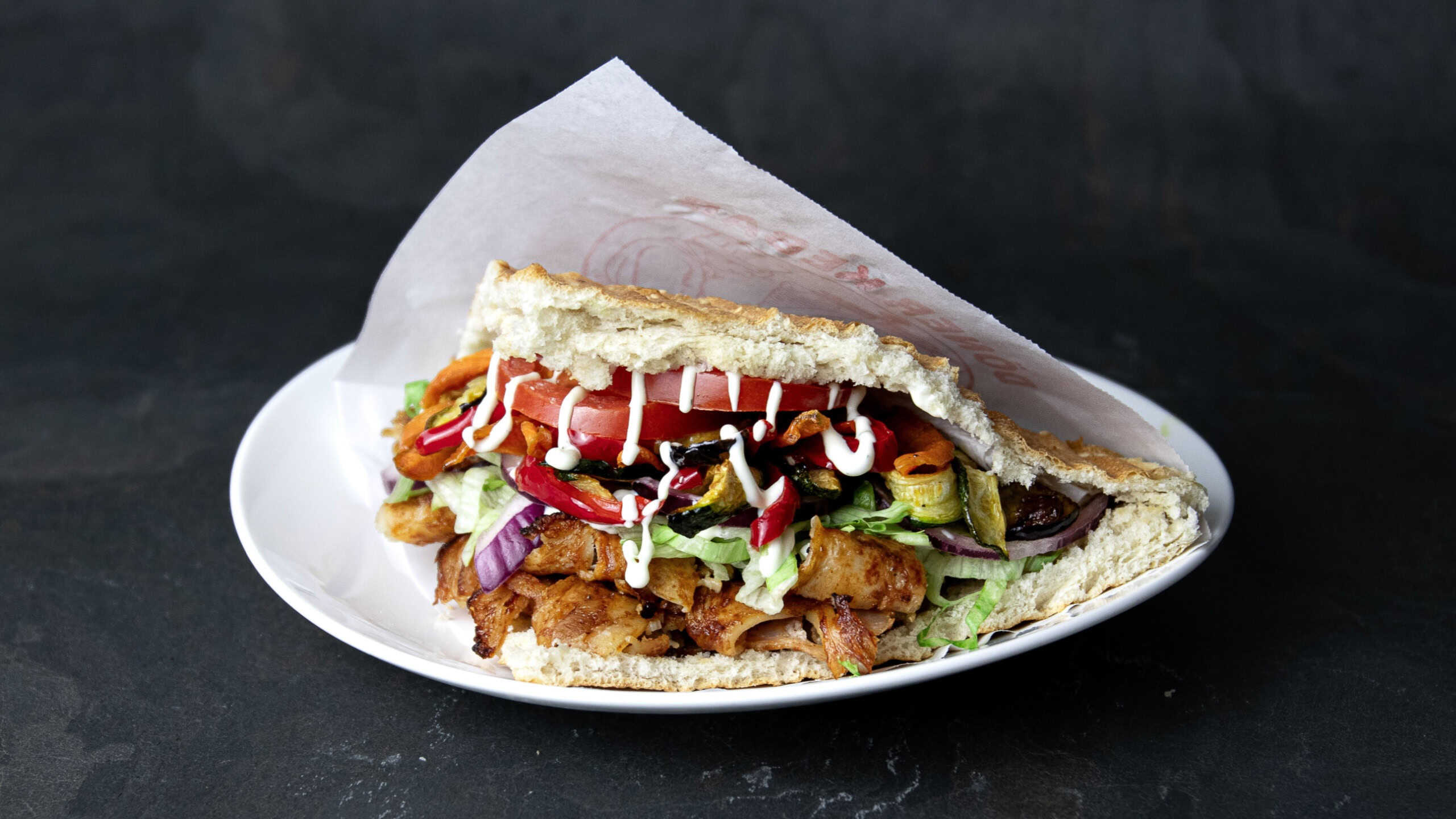
Donairs have become more popular south of the border, and lots of Americans read the word before they hear it. They can be forgiven for thinking it’s pronounced as “DON-er.” They’re familiar with “doner kebab,” so it figures that they think it’s pronounced the same way.
But Collins Dictionary says the stress should be on the second syllable, as in “doh-NAIR.” It’s not something you’d know unless you’ve heard it said before.
Toutons
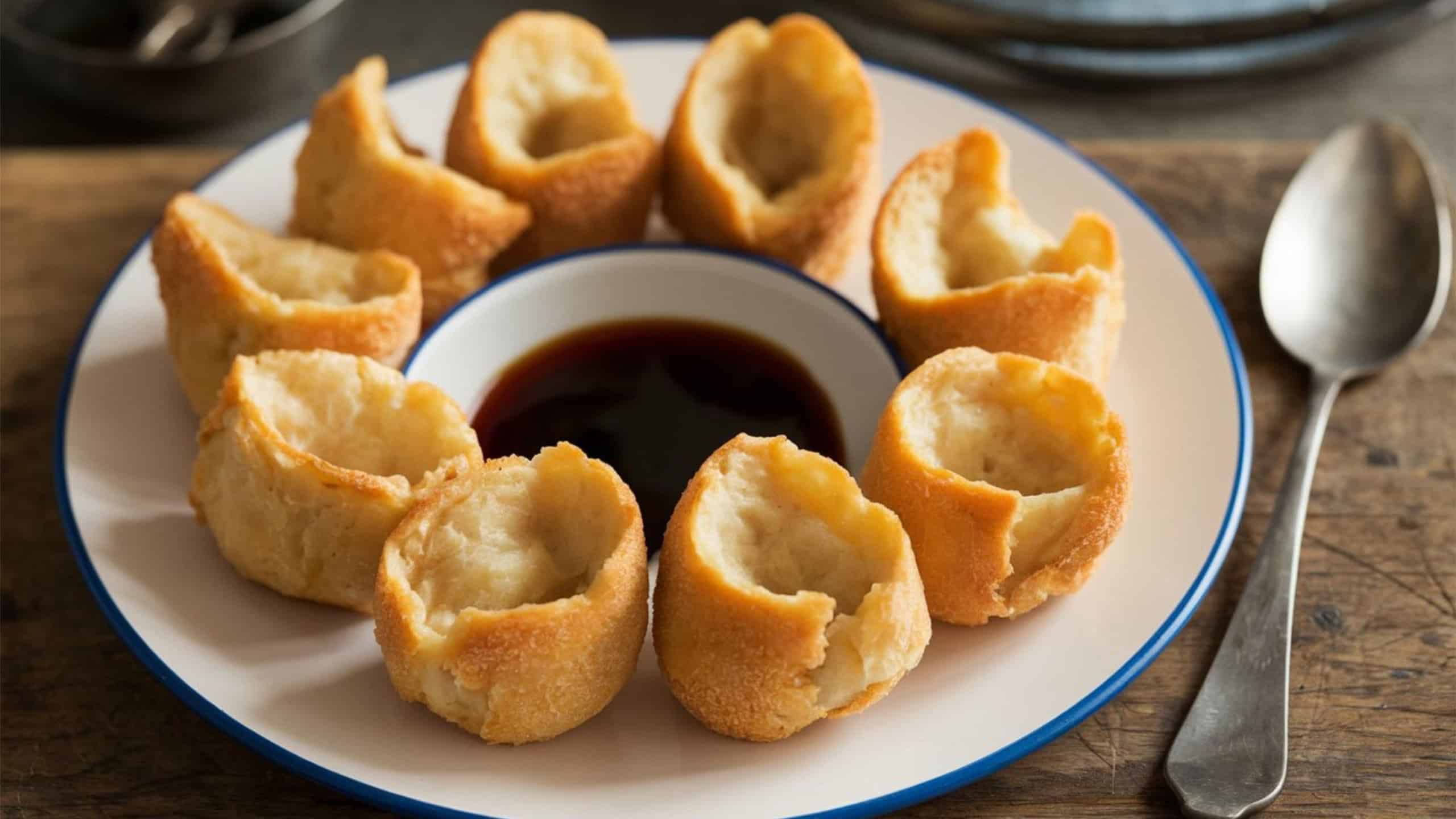
You’re unlikely to find many Americans who know what toutons even are, let alone how to even pronounce the word. Linguistic studies state that it’s a Newfoundland term. Quite a few Americans have to guess how to pronounce it, and they’ll say “TOO-tons” or “TOOT-ons.”
The correct pronunciation is “TOW-tens.” As you might’ve guessed, it’s yet another Canadian word with French origins, and that’s where the confusing pronunciation comes from.
Râpée pie
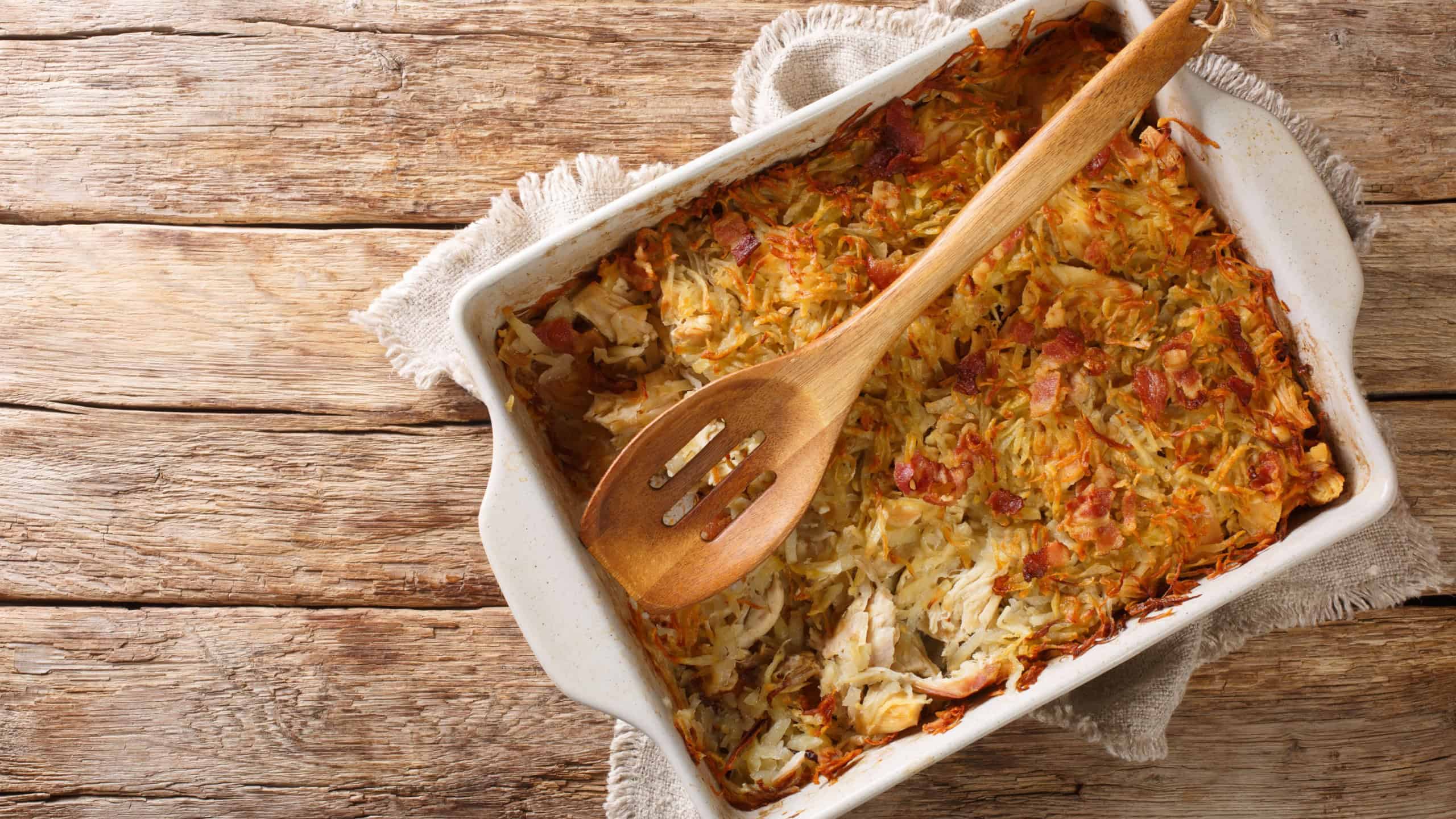
Linguists state that the right way to pronounce “râpée” in “râpée pie” is “RAP-ee,” or “RAH-pee.” Yet many Americans choose to say “ra-PAY.” The accent mark can get a little confusing for them, and you might even see that some of them pronounce it as “RAY-pee.”
But it’s hardly something that they’ll see very often down south. The dish is almost exclusive to Nova Scotia & New Brunswick, alongside parts of PEI.
Caribou

Many Americans don’t recognize “caribou” on a menu, and they probably don’t understand that it’s named after an animal. It’s meant to be pronounced with a “-boo” ending. But you’ll still hear several Americans saying it as “care-ih-BOW” since it has the same “bou” spelling as in “about.”
There are some Americans who may go as far as pronouncing the word as “CARE-bo.” It’s because they assume the word is French, so they try to change the ending to make it fit.
Acadian chicken fricot
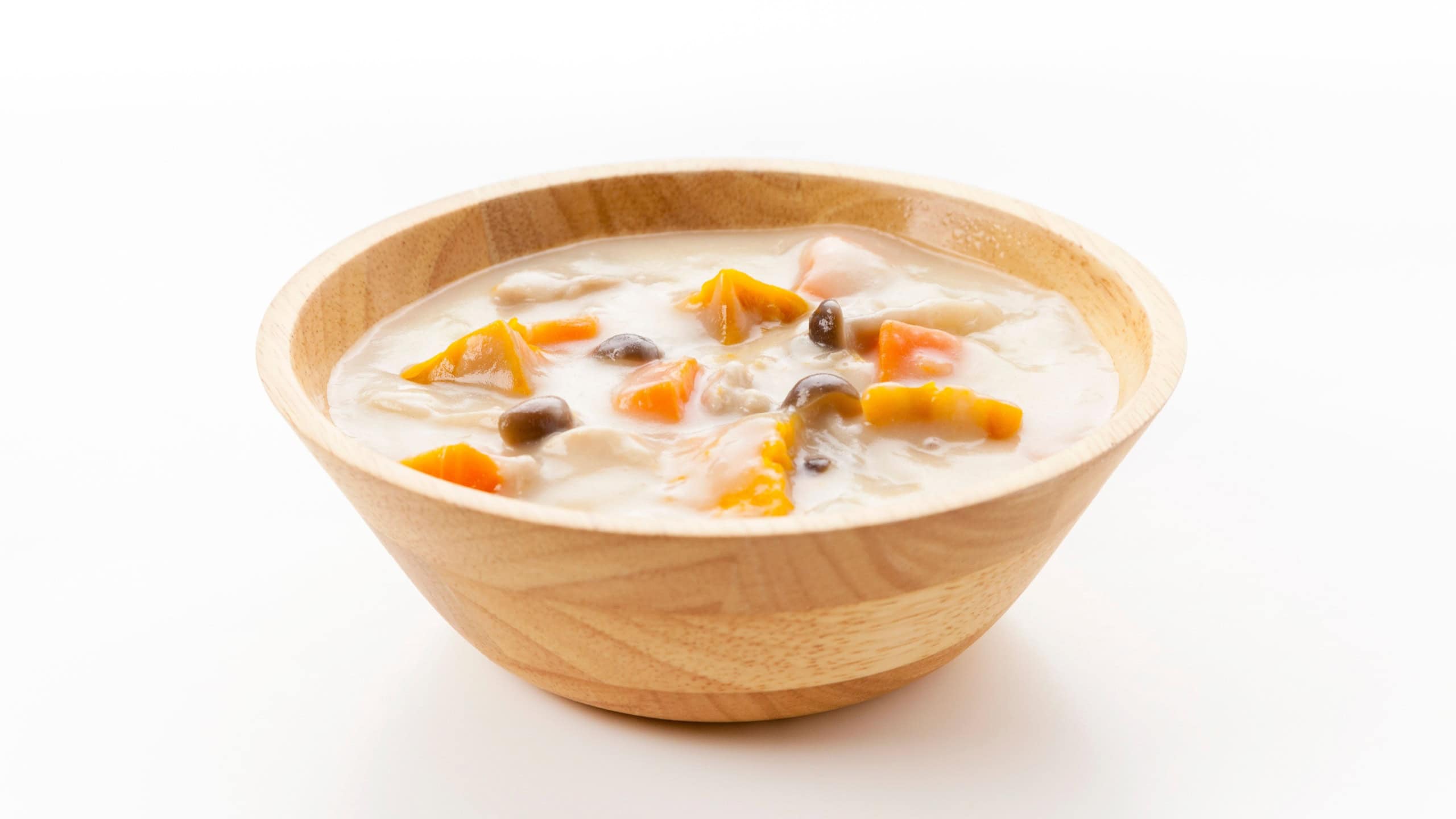
The word “fricot” is one that looks like it should follow English spelling rules. It’s a dish that’s quite popular in New Brunswick, and the majority of Americans will see the word in “fricot au poulet,” which is simply chicken fricot.
Without hearing it, they’ll often read “fricot” as “FRY-cot.” Yet the truth is that French pronunciation guides say that the “t” at the end should be silent, so it should be said as “free-KO” instead.
Cipaille
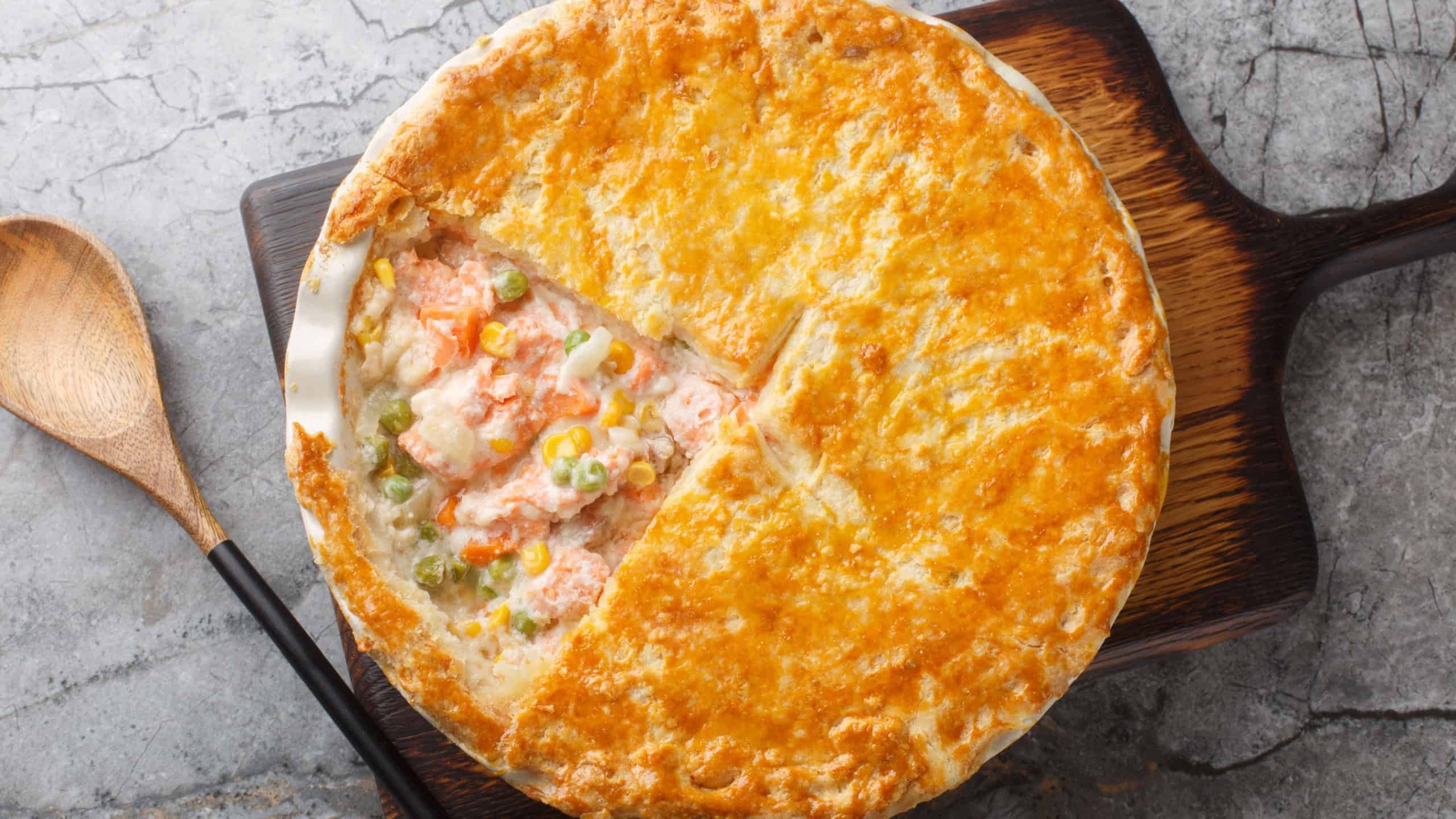
Québec French gave us the term “cipaille.” It’s pronounced as “see-pie.” You may also see it in other forms like “cipâtes” or “six-pâtes,” meaning that we Canadians aren’t even sure of its spelling. It makes sense that so many Americans can’t say it properly.
They’ll say “sip-AYL” or “sip-AL” because they’re trying to pronounce it the French way. At least, that’s what they think is the French way of saying it.
Sources: Please see here for a complete listing of all sources that were consulted in the preparation of this article.
Like our content? Be sure to follow us.