It’s easy to assume that the rules across America & Canada are the same. They do share a border, after all. But Canada has a lot of environmental rules that don’t exist in the United States, or at least they work differently.
Here are ten Canadian environmental rules that Americans tend to overlook. Do you think any of these would’ve surprised you?
Federal single-use plastics restrictions
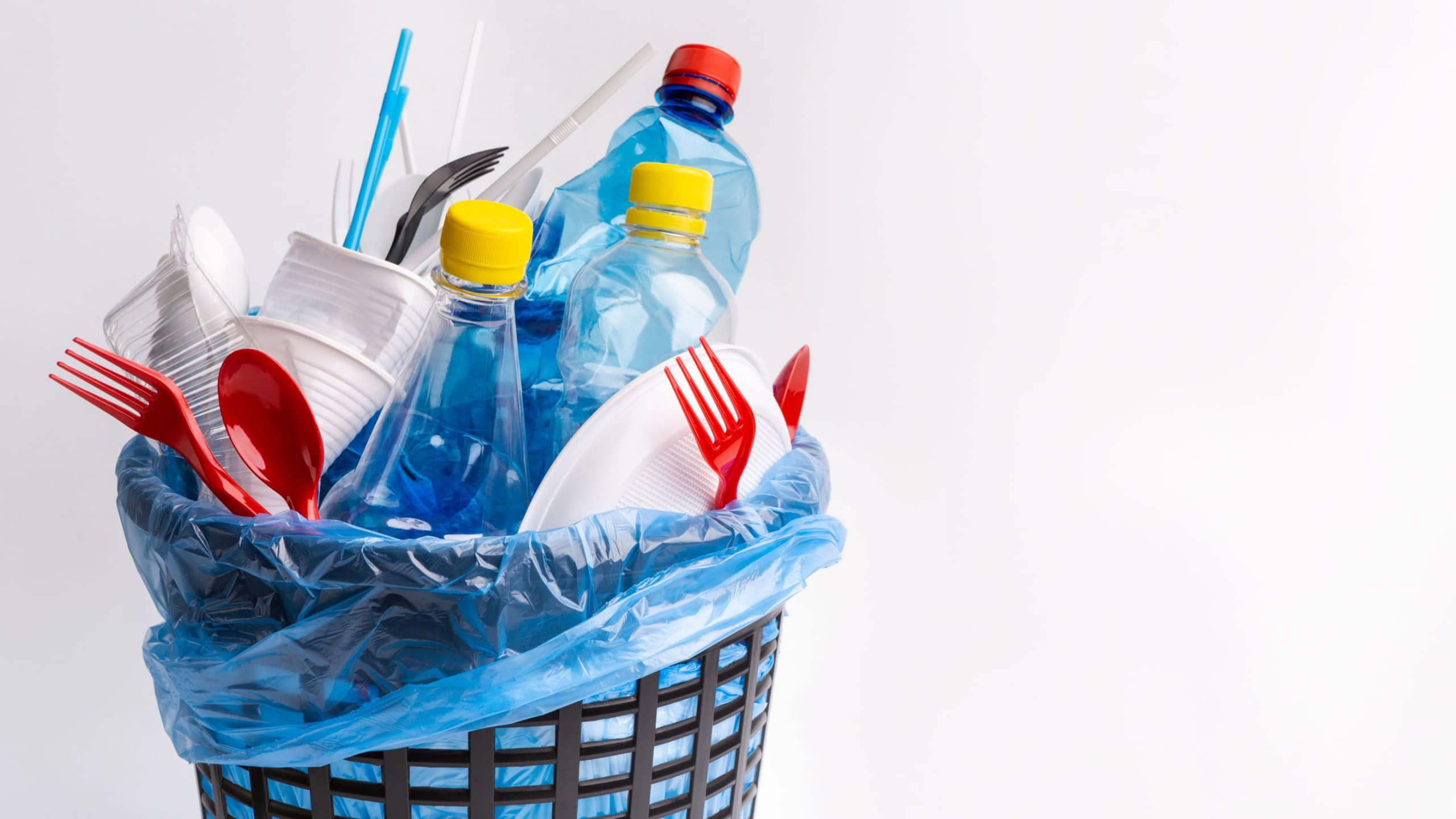
Canada has a ban on many single-use plastic items, and it’s part of federal law. The ban includes checkout bags & cutlery, as well as things like stir sticks, straws, and ring carriers. Even some foodservice wares fall under the rule.
There have been several court appeals. But the rules still stand, and in fact, they were increased to ban making or importing these items. You’re not even allowed to sell them for export. It’s quite a surprise for most Americans who don’t expect such harsh rules.
Firewood movement
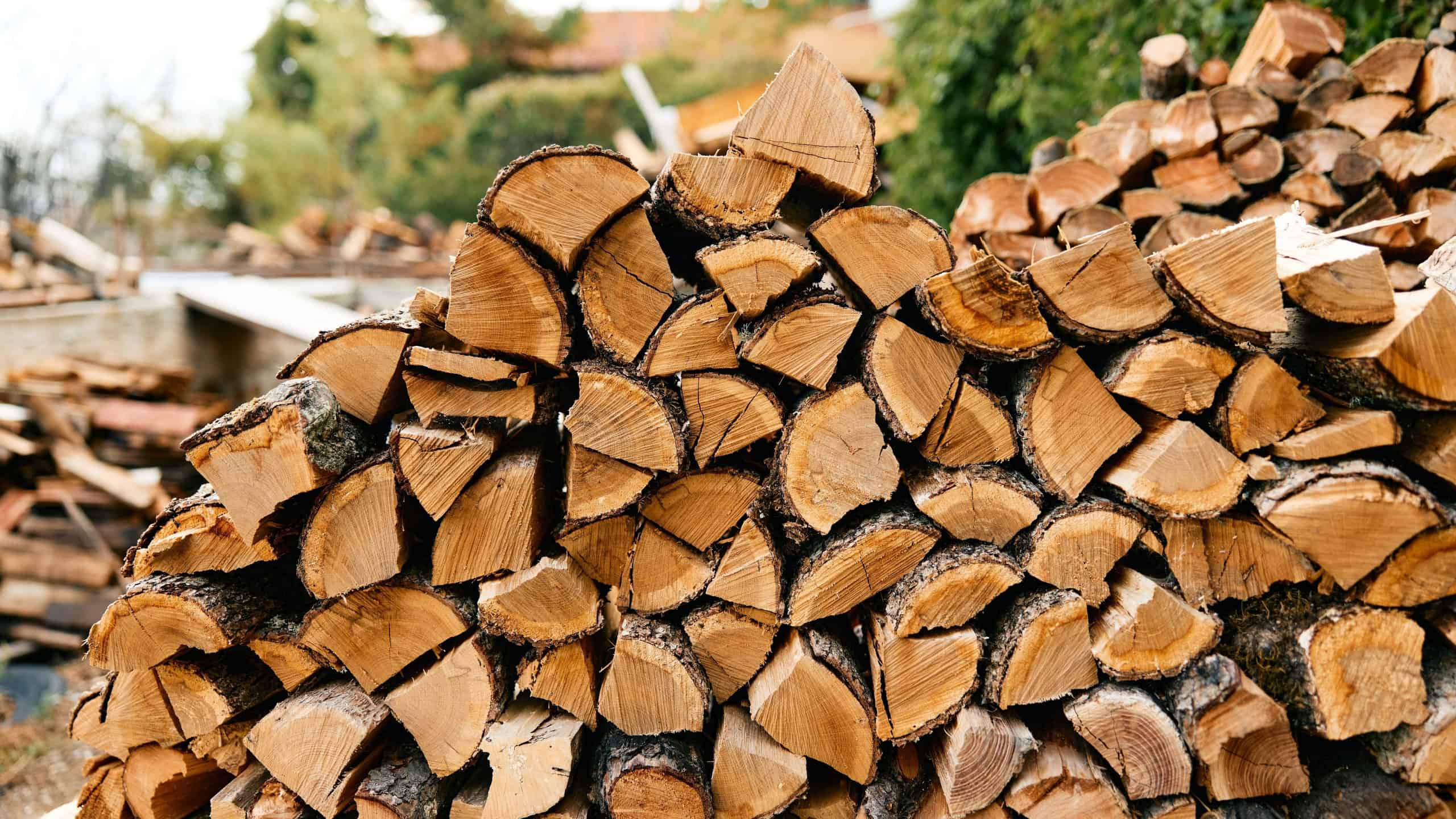
There are quite a few restrictions on moving firewood across Canada. It’s considered a possible carrier of invasive insects, and federal plant protection rules forbid moving firewood out of regular pest zones.
It doesn’t even matter that you might be doing it for personal camping trips. Many Americans miss such a rule because lugging firewood between different states is usually allowed. Only a few states have an outright ban on it.
Lead sinkers and jigs
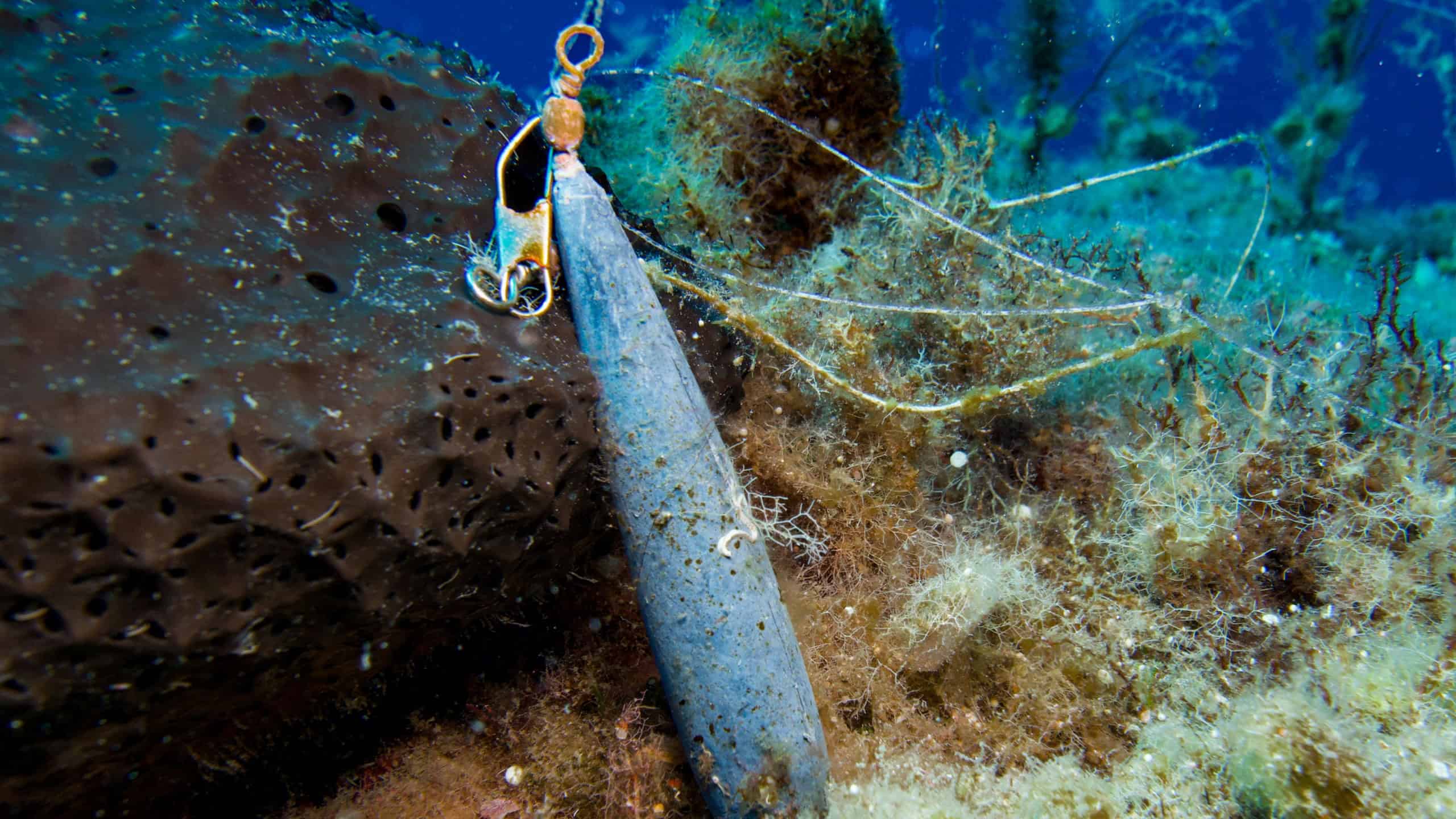
You’re not allowed to bring lead fishing sinkers or jigs to Canadian national parks, no matter how small they are. Simply owning one may turn out to be a problem.
The rule is in place to protect Canadian wildlife from lead poisoning, although it’s not something every American is familiar with. Lead tackle is still legal in the majority of U.S. fishing areas. There are some places with limits, but these limits change from state to state.
Kinds of bait
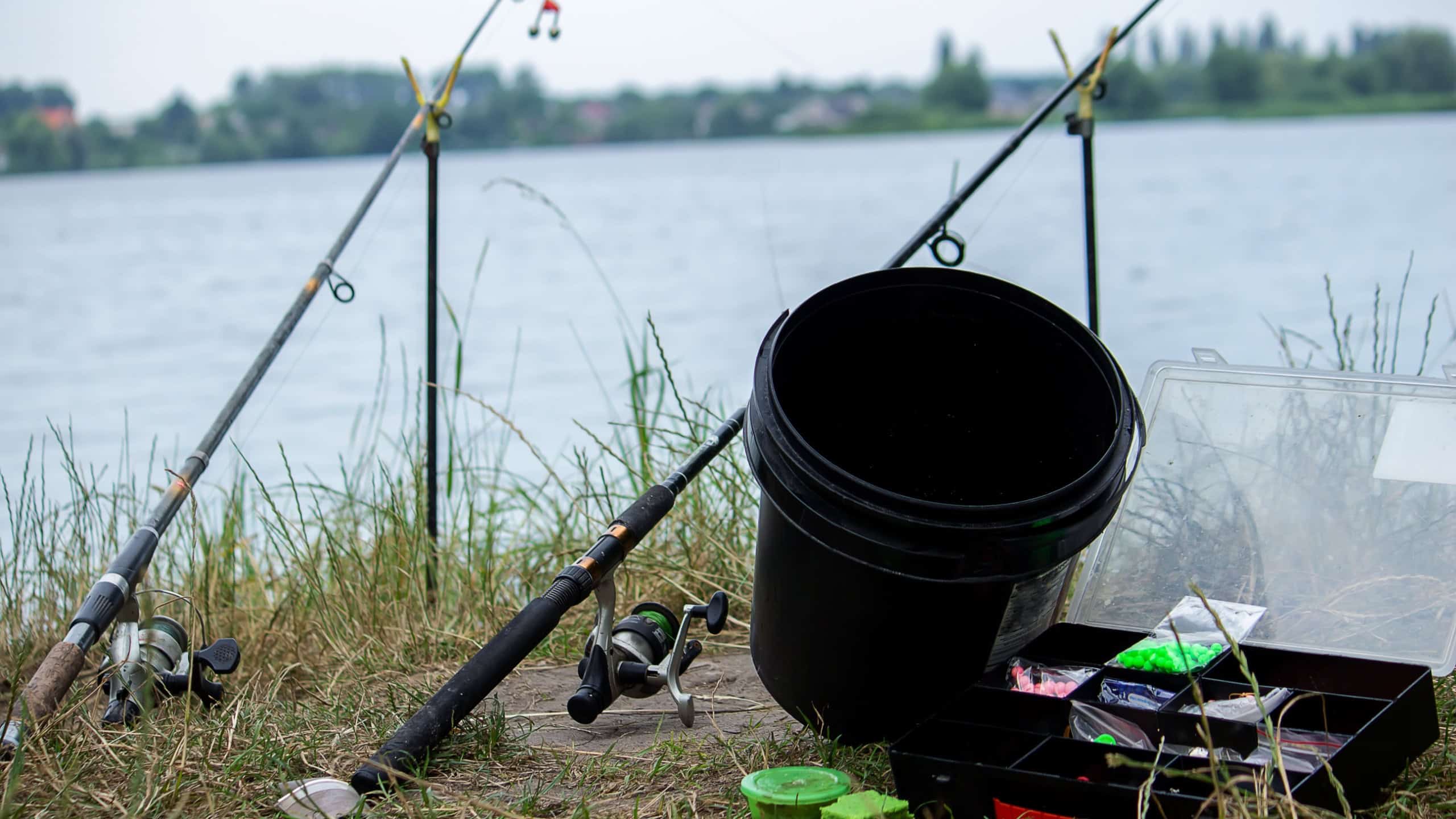
Fishermen in Ontario should know that they’re not allowed to bring live bait across borders or between bait management zones. Non-residents have to buy bait within the local area where they’re fishing.
It’s relatively easy for Americans to assume that there are no restrictions on bait because crossing state lines with live bait isn’t a huge issue in the United States. Most states allow you to do as you please.
Live bait storage
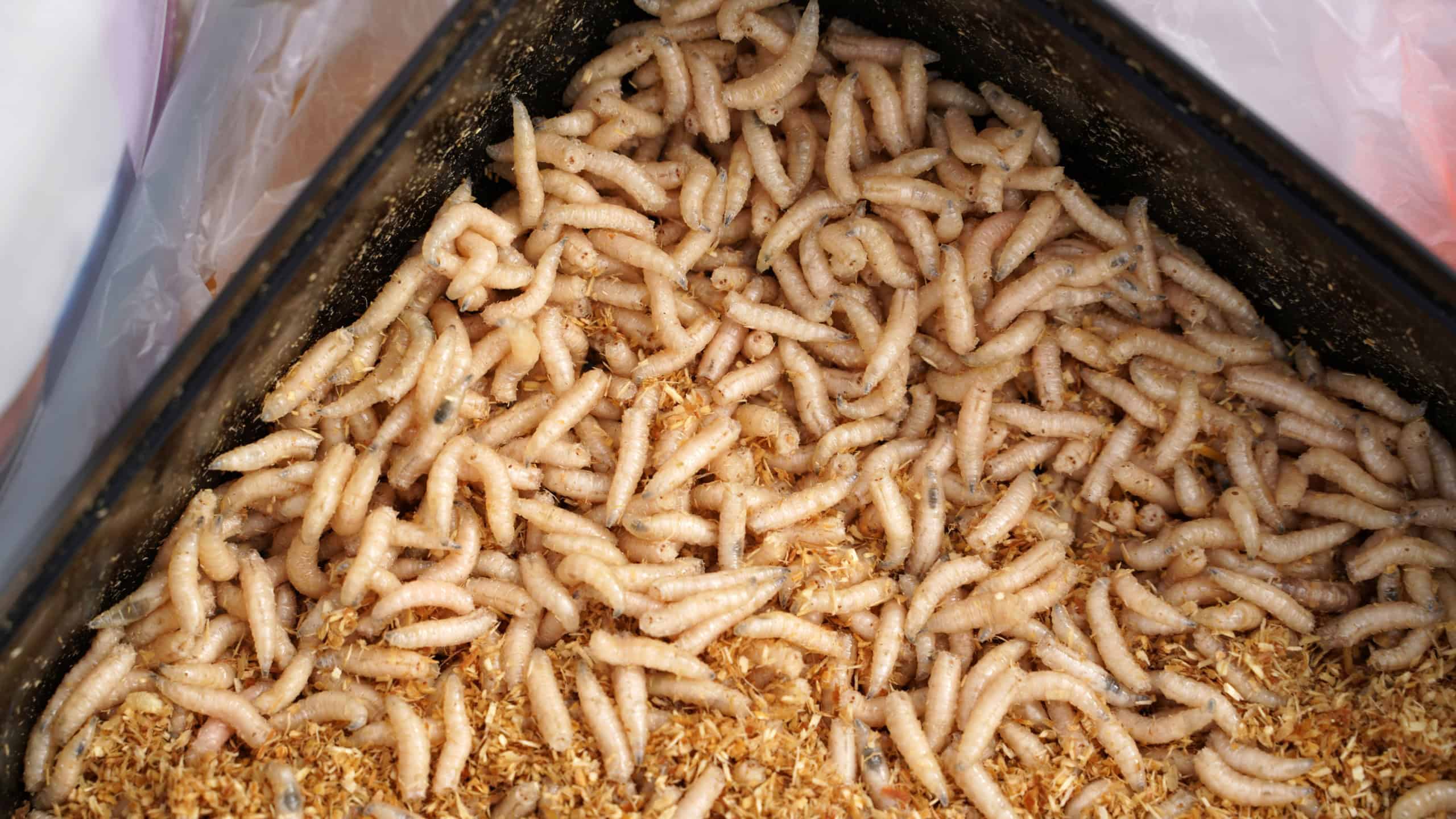
Manitoba takes the restrictions on live bait one step further. Any live bait that you harvest in the province must be stored & transported only in potable or groundwater. Lake water is a no-no.
It’s not the same in the United States. Many states restrict transporting live bait from other areas in potable water, and there’s no such regulation on keeping local bait in water.
Cosmetic lawn pesticides

Canadian law restricts the use of lawn pesticides for cosmetic purposes. You’re not allowed to use these pesticides on private property if you’re using them for non-agricultural reasons.
Such a regulation can be quite surprising for Americans because they’re used to label-based pesticide rules or local regulations. A couple of states ban cosmetic lawn pesticides, but they’re few and far between.
Backyard burning
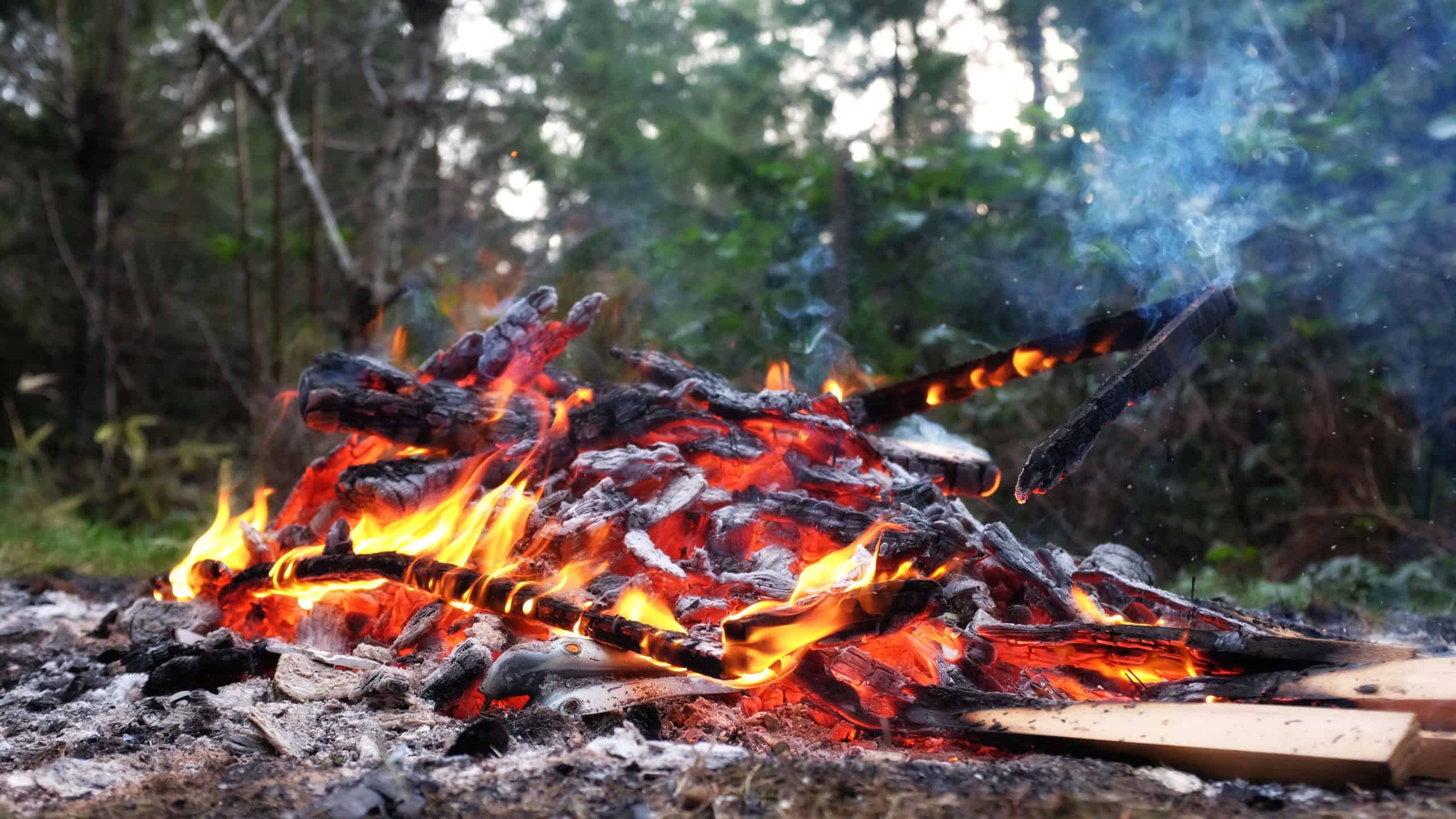
There are a few rules on backyard burning in America. But these rules are nowhere near as strict as the ones in Canada, as many provinces ban backyard burning outright. A few of them restrict residents to burning only within narrow timeframes or with approved materials & permits.
The rules are mainly there to protect air quality because burning garbage or treated lumber can cause serious issues. But lots of Americans overlook such a rule because regulations about burn rules don’t exist in the same way. Those that do are handled locally, rather than provincially.
Environmental handling fees on electronics
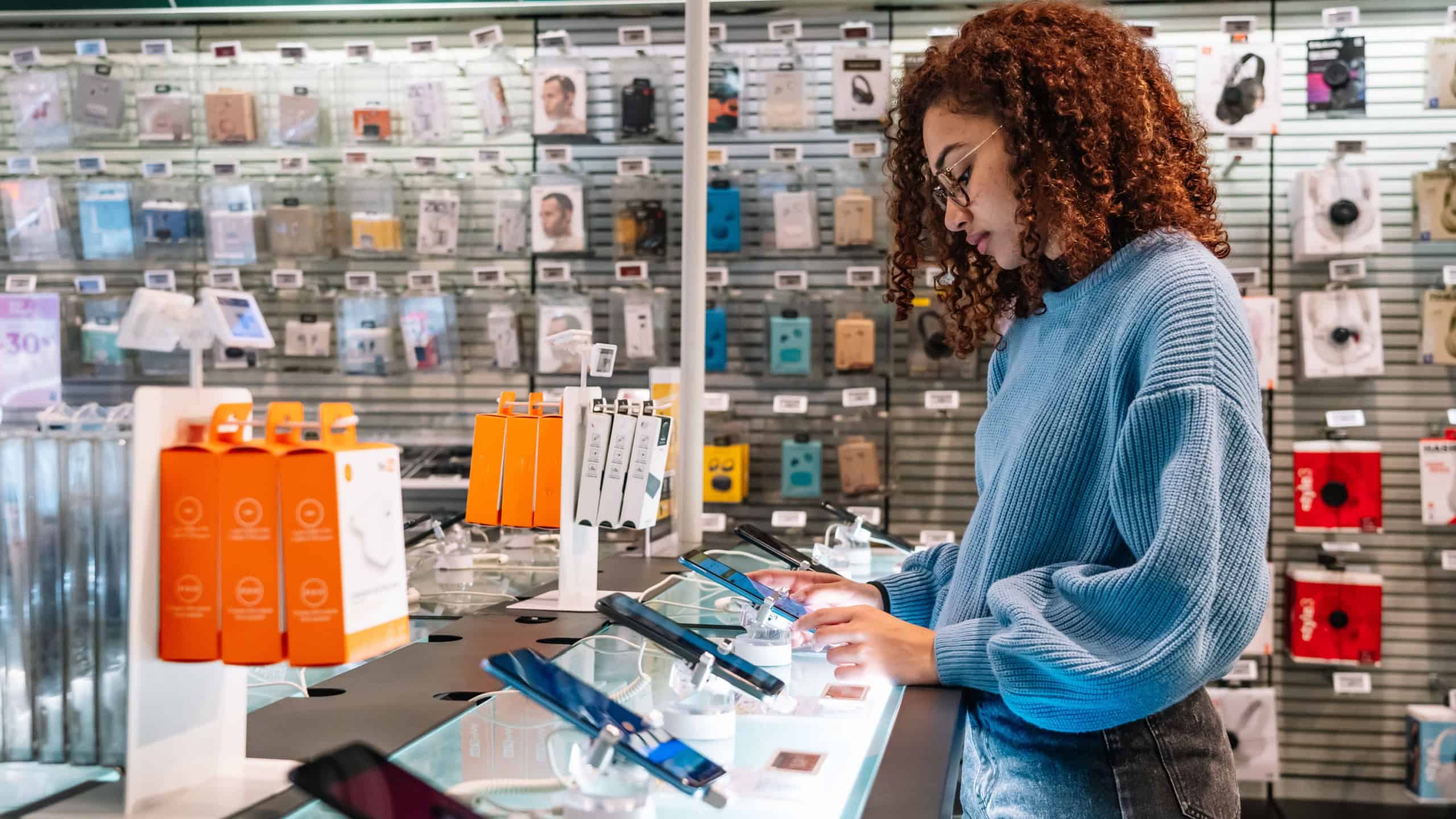
You may have an extra line on your receipt whenever you buy electronics in Canada. There are environmental handling fees that help to pay for recycling programs. Stores have to charge them when you buy certain electronics.
It’s something that might surprise a few Americans since it looks like a store add-on. They might not recognize that it’s an actual law.
Forever chemicals & flame retardants

The Canadian government has a federal list of chemicals, including PFOS & PFOA, that you’re point-blank not allowed to use or sell. You’re not allowed to import them either, from June 30th, 2026.
Only a few states have such restrictions on forever chemicals. There’s no federal law banning them across the country.
Large oil tankers off its west coast
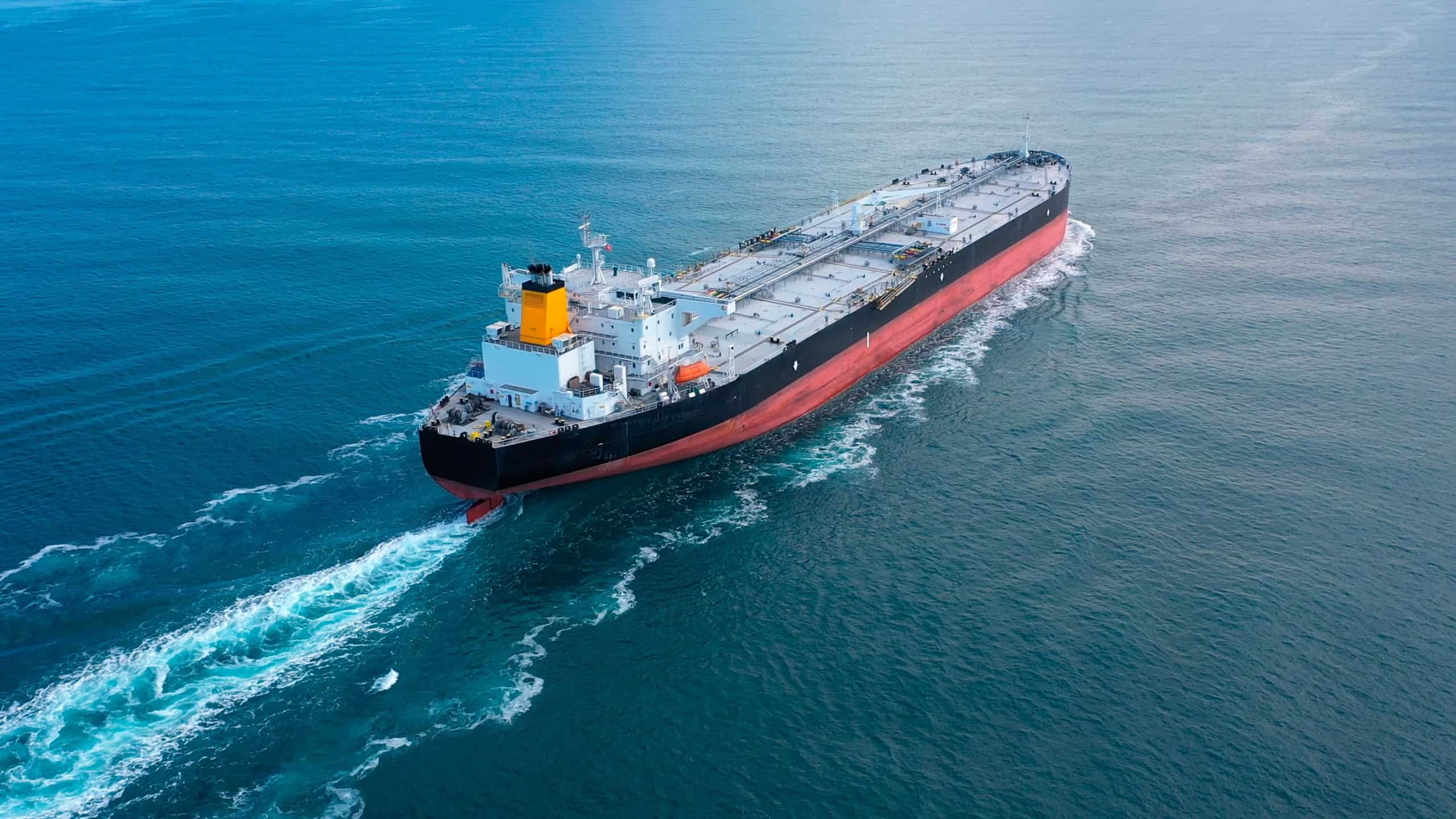
Canada bans large oil tankers outright along B.C.’s north coast. Any ships that have more than 12,500 tonnes of crude or persistent oil aren’t allowed to stop or load, nor are they allowed to unload.
Americans are used to port-by-port rules, and they’re often surprised by such a sweeping coastal ban. They’re unfamiliar with federal regulations over oil tankers.
Sources: Please see here for a complete listing of all sources that were consulted in the preparation of this article.
Like our content? Be sure to follow us.