
Rental agreements north and south of the border are more different than most people recognize. They’re built on entirely different rules. Some of these are based on government templates, while others are wide open.
Here are eleven differences in Canadian & U.S. rental agreements. Which of these would surprise you to see on your own lease?
Standard lease forms

The law in provinces like Quebec & Ontario states that private rentals have to use a government-issued layout for standard lease forms. These have a specific layout & wording with a fixed section order. Landlords aren’t allowed to change any of the core terms.
They are allowed to add other rules, but these must be included as an add-on. It’s quite different in America. Most of the leases are written by landlords there, and while they might be similar, there’s no rule saying they need to be written the same way.
Rent deposits

Some Canadian provinces, such as Ontario, don’t treat rent deposits the same way that most of America does. Landlords are allowed to take a rent deposit that’s limited to one rental period in Canada. The rent deposit replaces the damage or security deposit.
American leases tend to separate rent from the refundable security deposit. Canadian landlords may only use the rent deposit for the last month or week of the contract.
Condition inspection reports

Rentals in places like BC include move-in condition reports as part of the actual tenancy. Landlords have to complete a written inspection with the tenant during the move-in & move-out process. Most of them rely on Residential Tenancy Branch forms to do so.
That’s not to say that American landlords don’t complete inventory forms. They do. But the difference is that these are more likely to be checklists, and they’re also not a legal requirement anywhere in the country.
Fixed-term ending

The end of a rental lease doesn’t actually mean the end of a tenancy in Canada. The agreement can roll forward automatically once the fixed term finishes, and it usually becomes a month-to-month agreement.
The new agreement doesn’t even require a new signature. You’re unlikely to find the same policy in many American states because they state that the lease must end on the written date. Any renewals or conversions have to be properly done.
Rent receipts

Quite a few provinces in Canada have rules about rent receipts. The landlord must provide one to the tenant, should they ask for one, and they’re not allowed to charge for it.
There’s no single law in America that makes landlords do the same thing. A few states, like New York, do have similar rules, but it’s nowhere near as widespread as in Canada. It’s much more dependent on individual leases.
Application fees

You’ll find application fees across a lot of American rental listings. They’re usually due to screening & background checks, and each state or city sets its own rules about them. But they don’t exist in the same way in Canada.
A few provinces, including BC & Ontario, have much stricter rules limiting what application fees landlords may charge. They can only charge application fees for things like limited key deposits.
Signed copy deadlines

The rules in Saskatchewan state that tenants must receive a signed copy of their written tenancy agreement within 20 days of when the tenancy starts. There are no exceptions.
But the same rule doesn’t really exist in the United States. Landlord practice tends to dictate when or if tenants receive a signed copy of their agreement.
Bed bug disclosures

New York City has a rule that requires landlords to include bed bug disclosures. They must provide information on annual bed bug reporting at the start of a lease & during renewals.
Arizona’s rules require landlords to give tenants educational material on bed bugs. There’s no such law in Canada, and Canadian rental agreements are unlikely to have lease-attached disclosures like these.
Eviction paperwork
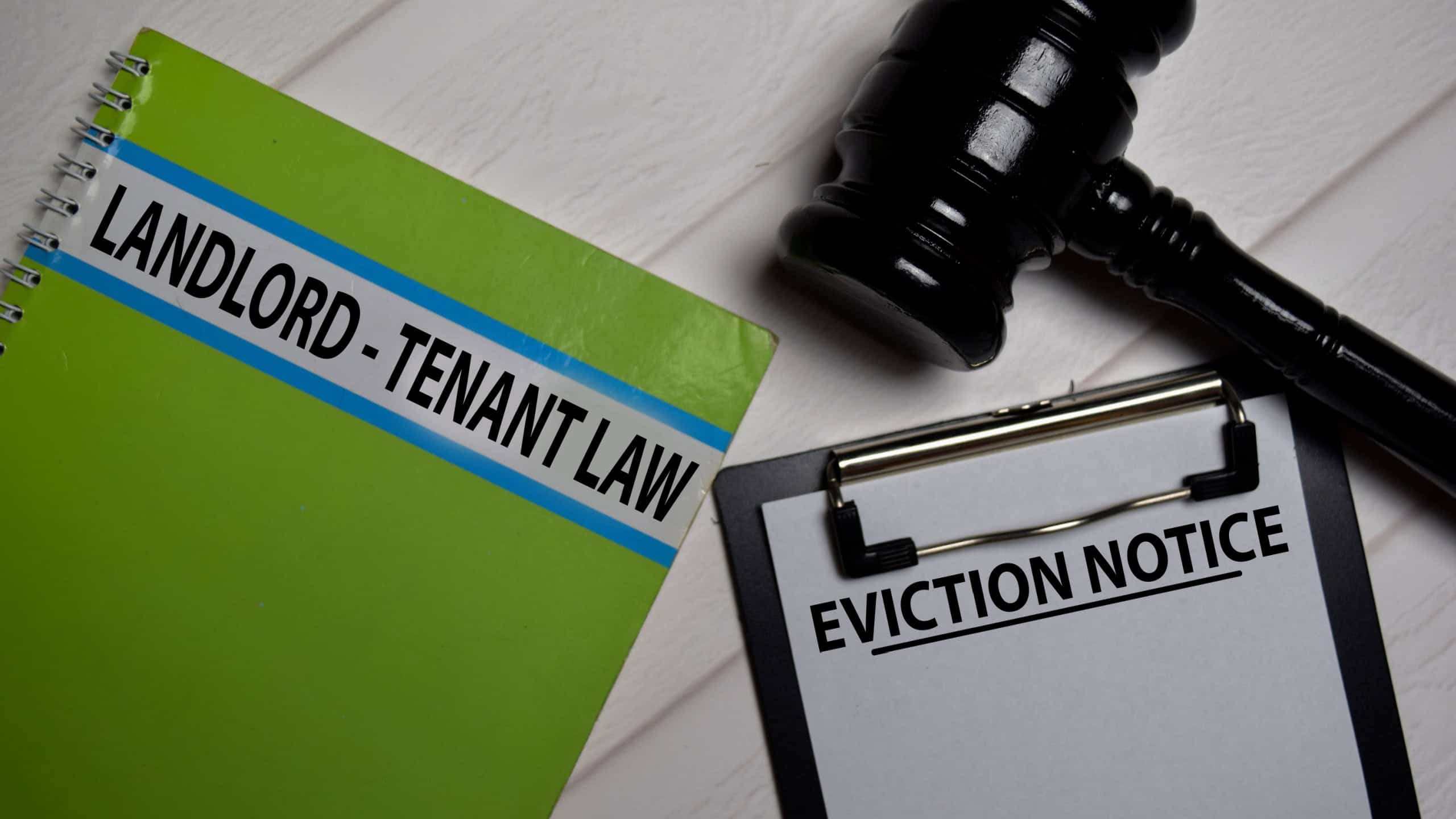
By far one of the worst parts of a rental agreement is the eviction notice. Most people don’t have to deal with it. The majority of Canadian leases follow the rule that a landlord must apply to a tenancy tribunal if a tenant doesn’t leave after proper notice.
It’s different in the United States. Eviction usually becomes a court filing instead, and that often leads to a lawsuit where the judge gets to decide possession.
Lease assignment rights

Lease assignment is more of a default option under Canadian tenancy law than American law. Canadian tenants can request to assign the lease & landlords have to respond. Making an unreasonable refusal may trigger termination rights.
Assignment in the United States is usually blocked in the lease itself. There are far fewer built-in ways for tenants to exit the agreement once they’ve signed.
Late rent fees

Both Canada and the United States give landlords the right to charge late rent fees. But there’s a difference in how much they can charge. Canadian landlords are capped at charging a fixed amount, depending on the province.
Most American leases include daily late fees & extra charges, along with interest. These fees continue to add up until the tenant has cleared their outstanding rent.
Sources: Please see here for a complete listing of all sources that were consulted in the preparation of this article.
Like our content? Be sure to follow us.