
Canada and the United States are similar in many ways, but there are some clear differences in the way homes are built and laid out in Canada versus the U.S. South. The vast majority of these differences are due to cold Canadian winters and the urban planning of Canadian cities. Some differences may even surprise Americans who live near the border and cross over into Canada. So here are some of those unique Canadian housing features that make a house across the border feel different.
Heat recovery ventilators (HRVs)

Air quality inside is a real concern in new Canadian houses, which is why many of them have HRV systems installed. It provides fresh air while not losing the heat you’ve already paid to create, which is critical when your windows don’t open for months at a time.
HRVs reduce moisture and condensation, as well as stale air. It’s even more critical in extremely air-tight, energy-efficient homes. In the U.S., HRVs are uncommon outside of the cold climate. Americans simply open windows year round more often.
Double- or triple-pane windows as standard

Double-pane windows are the minimum standard in Canada, and triple-pane windows are common in very cold areas. They limit heat loss, reduce drafts and lower heating bills. Triple-pane windows also reduce outside noise.
In much of the U.S., specifically warmer states, people still use single-pane windows or basic double-pane windows. In fact, many Americans view triple-pane windows as an unnecessary expense.
Electric baseboard heat
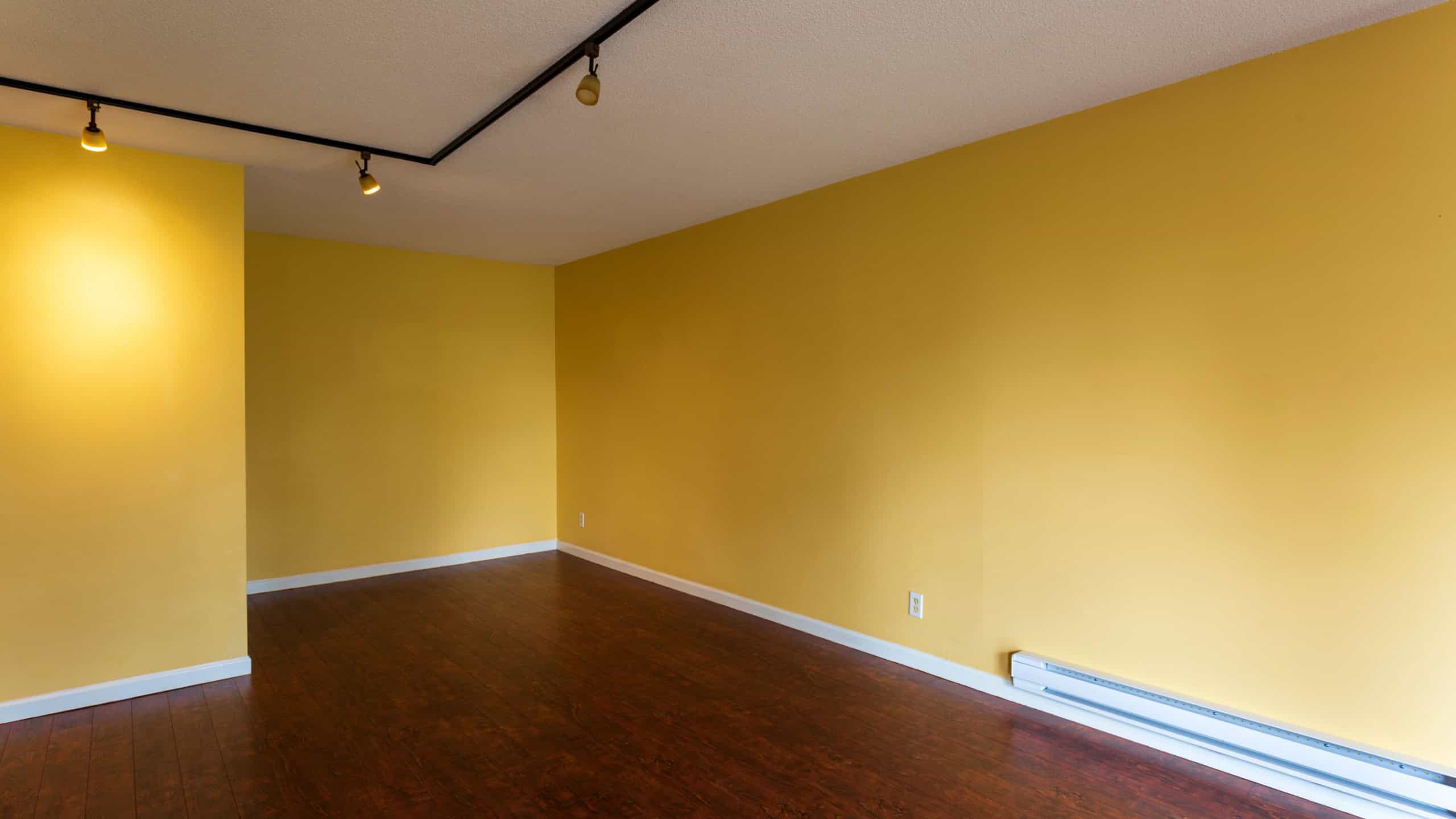
In parts of Canada like Quebec and British Columbia, electricity is often cheaper than oil or gas for heating a home. Because of this, it is common for homes to not have a central furnace with big vents and instead have long metal heaters on the bottom of the walls in every room.
This way, people can turn the heat up in their bedroom and keep it lower in the kitchen. Basically, this allows more control over energy consumption. Despite this, over half of Canadian households still have a central furnace.
In the U.S., central air and heating systems that blow air through the entire house are more common across the board.
Full basements
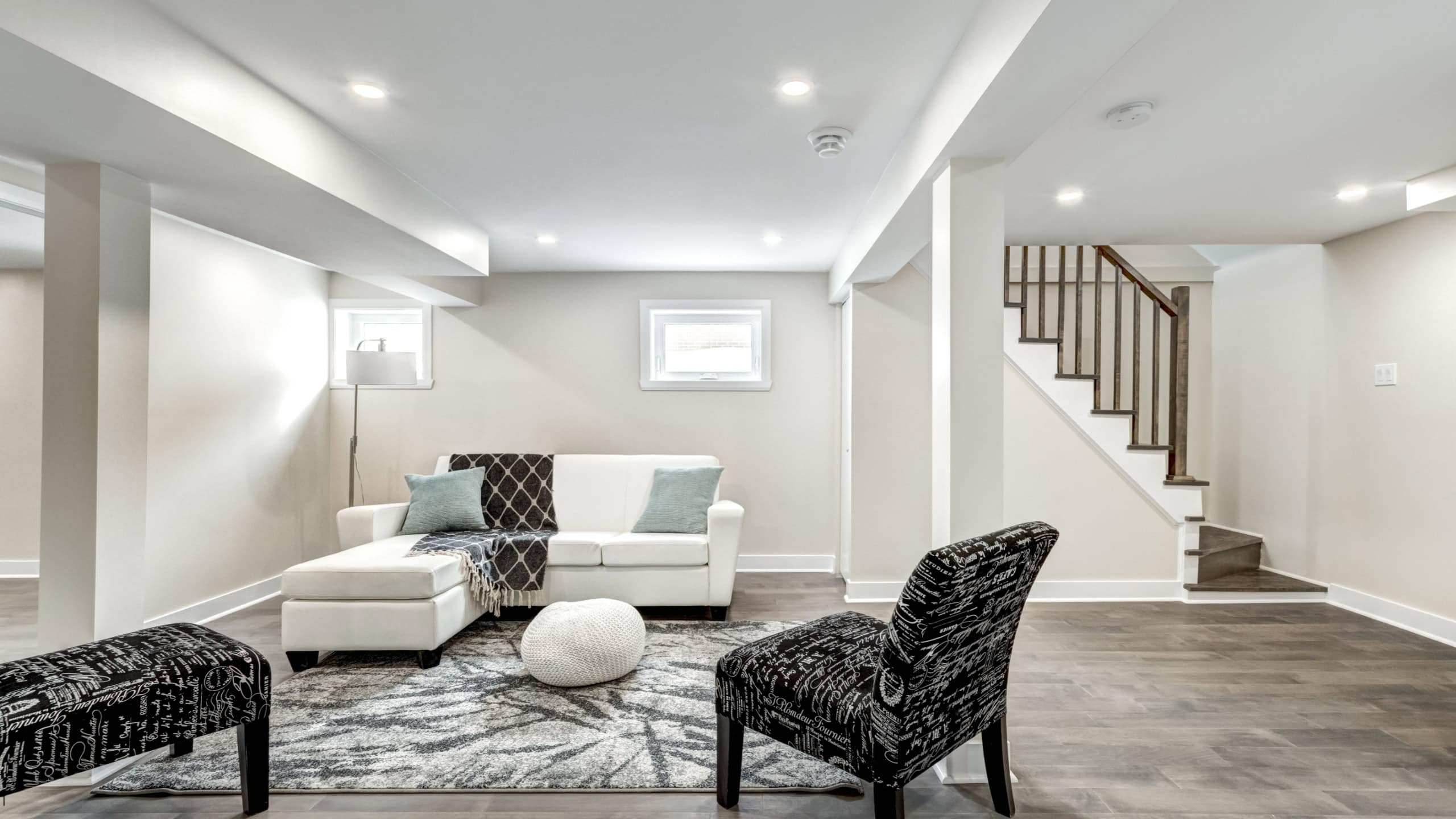
In Canada, the ground freezes much deeper than in the United States. This means that houses have to be built on very deep foundations to avoid shifting and cracking as the ground below expands and contracts with the seasons.
Since builders are already excavating deep holes in the ground, they almost always make a full basement instead of a crawlspace or flat concrete slab. Basements are usually finished into extra living space, bedrooms, or gyms and can provide a lot of extra square footage that is naturally cool in the summer.
In many warmer American states, houses are built directly on top of the ground, which is why basements are much more difficult to find.
Block heater outlets

If you look closely at the front of a Canadian house or near the driveway, you may notice a standard electrical outlet specifically designed for cars. During periods of extreme cold, a car engine can freeze up, so Canadians plug in an “engine block heater” to warm the motor overnight.
You plug a heavy-duty extension cord from the car into this outdoor house outlet, and your vehicle starts right up the next morning without any trouble. This is almost never seen in the U.S. except in the states that border Canada.
Mudrooms and shoe trays
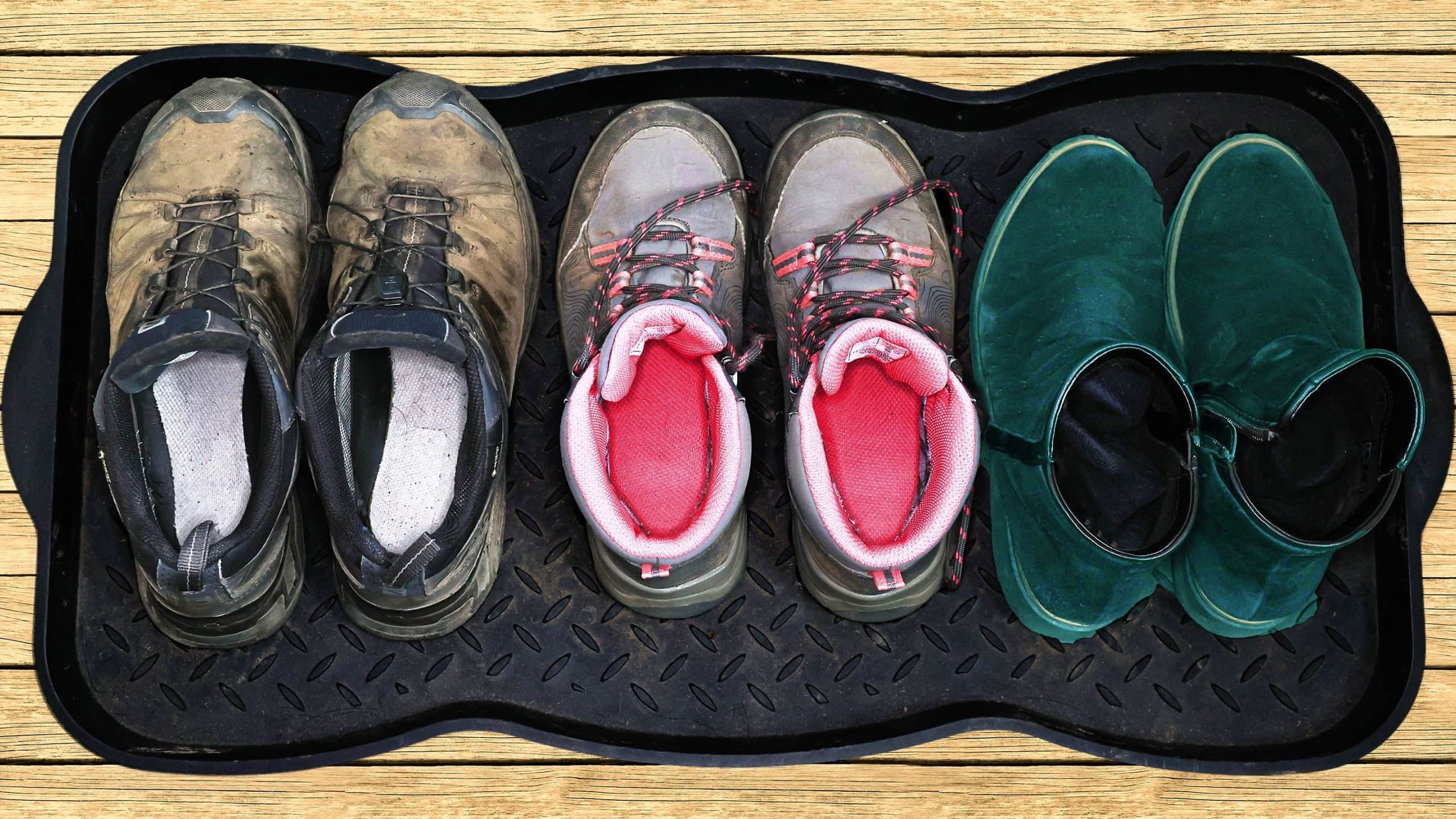
Canadians have to deal with snow, slush, and salt for many months of the year. All this wet, dirty material can do a real number on flooring and carpet. That’s why you’ll find that almost every Canadian home has a “no shoes” policy and a mudroom or shoe tray by the door.
This is a waterproof space where wet, muddy boots are immediately placed when entering the house. In the U.S., especially in warmer parts of the country, houses often have living spaces open immediately to the front door with no real separation. It can feel surprisingly impractical to Canadians.
Backlanes
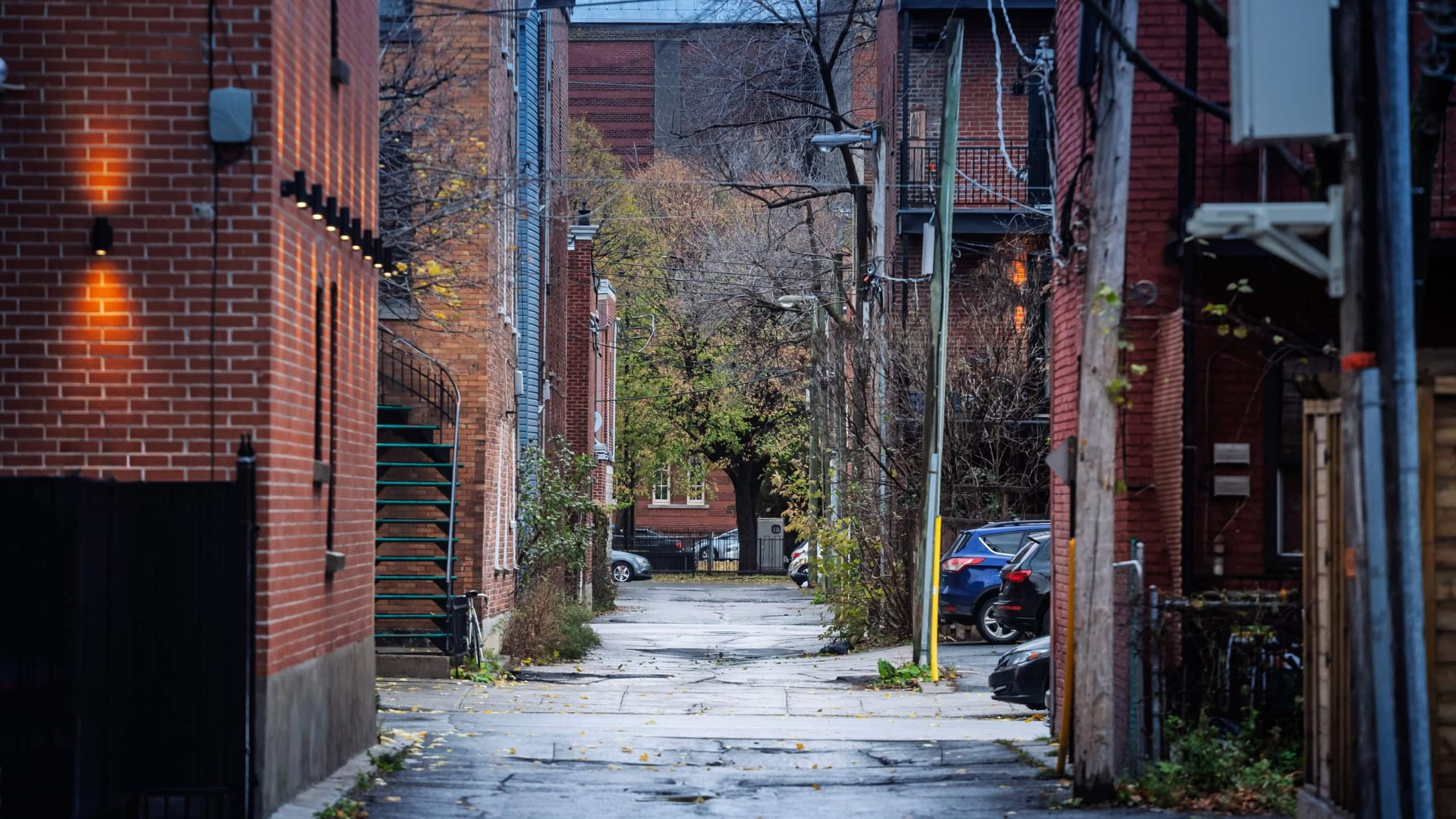
Busy Canadian cities are often built so that neighborhoods have a small secondary road, or “lane,” that runs directly behind the houses. This is where the garage is located, and where the city collects the trash and recycling. This helps to add more space for trees and sidewalks instead of big driveways.
This isn’t seen as often in the U.S.
Snow load roofs
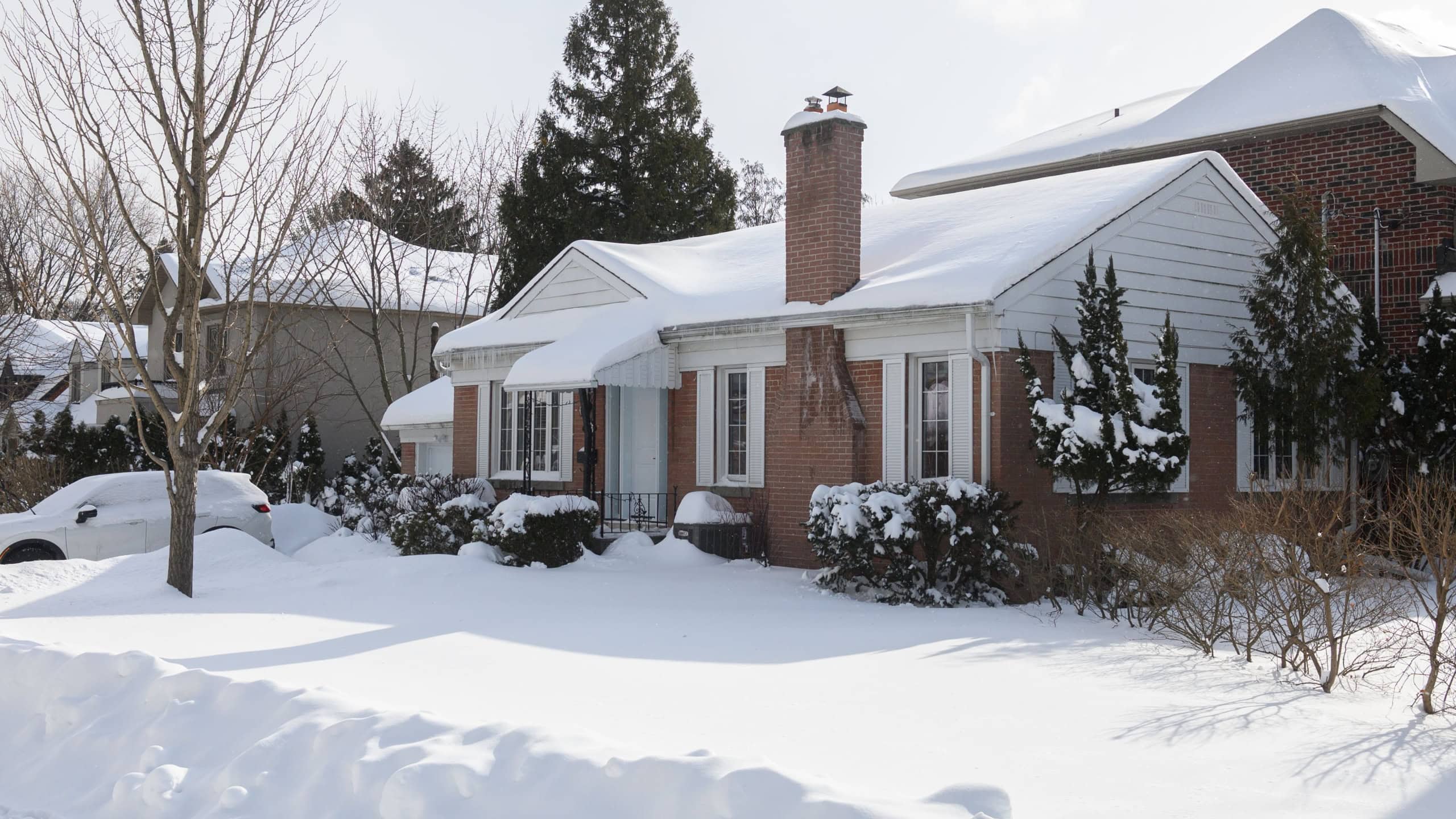
Canadian roofs are built to support an incredible amount of weight that southern American roofs will never have to contend with. Builders use extra-strong wood supports and certain angles to make sure the roof will not collapse under several feet of heavy, wet snow or thick ice. T
here are also “snow guards” on metal roofs, which are small metal tabs that prevent giant sheets of ice from sliding off all at once and hitting someone below.
Small garages with practical use
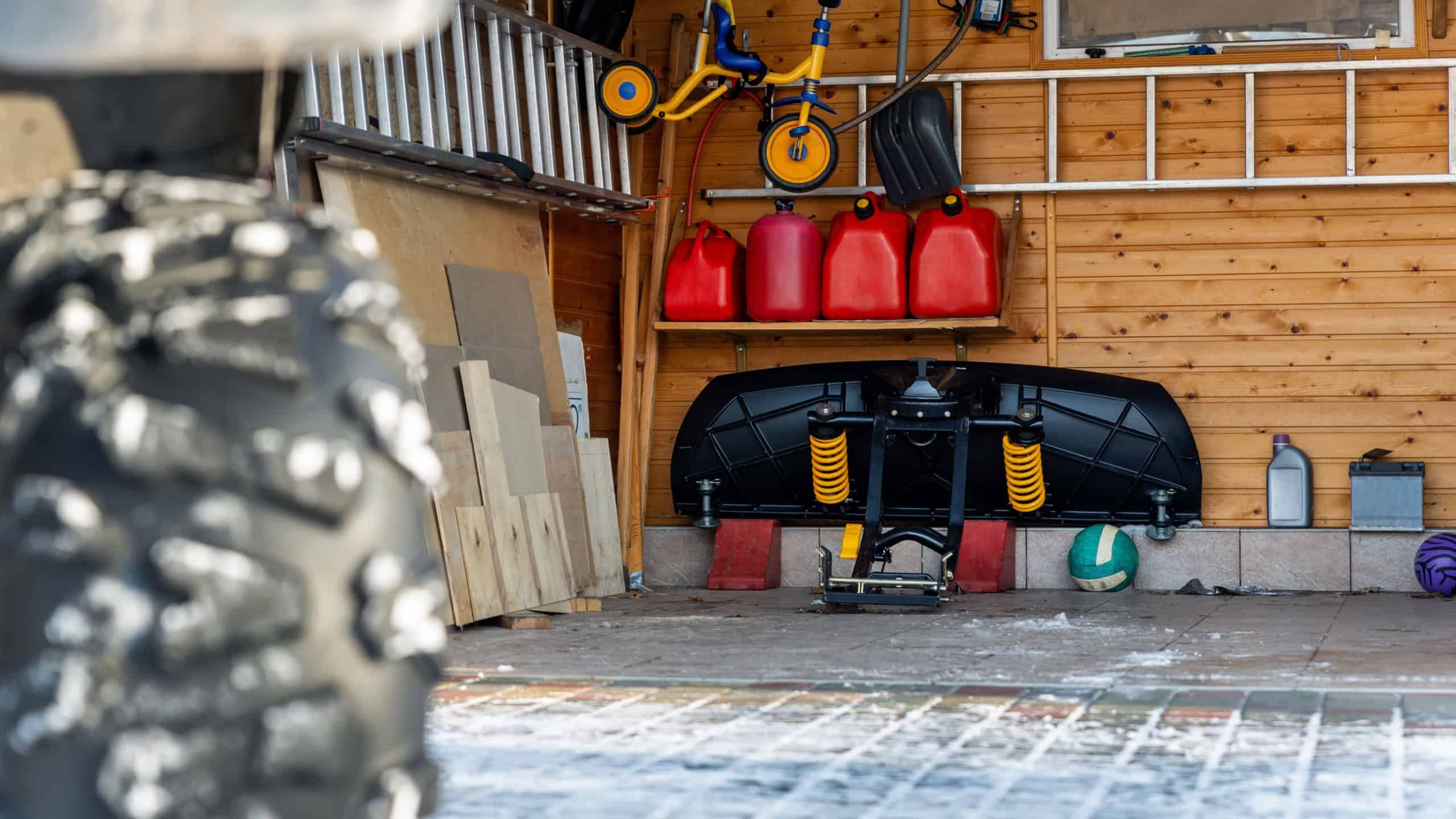
Garages in Canada are mainly used for protecting vehicles from snow, ice, and bitter cold. They also keep shovels, snow blower, and bags of salt in the garage during the winter.
In the U.S., garages are more commonly a place to put a gym, workshop, or even another living space. Canadians will sacrifice garage space less often, as winter really does make it useful.
Air conditioning differences

In many U.S. states, especially in the South, air conditioning is considered to be a basic necessity that must be built into every home. In Canada, many older houses and even newer apartments were built without central air conditioning because the summers were historically so short and mild.
This is starting to change as summers get hotter. But many Canadian homes still use portable window units or “split systems” instead of a large central cooling unit.
Sources: Please see here for a complete listing of all sources that were consulted in the preparation of this article.
Like our content? Be sure to follow us.