
Healthcare is a complex system. And like all systems, it shapes people’s lives in often subtle, even invisible ways.
Canada and the United States have very different healthcare systems. So here are 10 ways daily healthcare access looks, feels, and acts differently for people in Canada.
Payment worries

Routine visits and primary care are included under the public system in Canada, so you don’t reach for your credit card when you arrive at your doctor’s office. You just present your provincial health card and the visit is billed through your taxes and public premiums.
In the United States, most people with insurance are required to pay a copay or deductible at the time of service, and the uninsured pay in full.
Wait times vs. cost

Canadian patients often talk about the wait time it may take to get a specialist visit or diagnostic test scheduled. They even wait months for non-urgent care like specialist referrals or MRI appointments and mentally prepare for it at the time of booking.
U.S. patients are more likely to worry first about the cost of a specialist visit or test, and how much it will mean out of pocket for their family. When people face extra cost or a deductible, they may choose to delay a visit or test altogether.
Employment dependence

In the U.S., the vast majority of people get health insurance tied to their place of employment. If an American loses their job, they almost certainly lose their health insurance as well. The current system discourages people from changing jobs, starting their own businesses or deciding to work independently.
The key to the Canadian system is that healthcare is based on residency, not employment. Whether Canadians work full-time, part-time, or are unemployed, their access to a doctor and hospital care does not change. And it is 100% guaranteed by the provincial government.
Choosing providers

When making a doctor’s appointment, Canadians rarely need to check if the doctor is in network with their insurance plan. The public system covers medically necessary services regardless of which provider they see as long as that provider is part of the provincial health system.
Americans often have to verify that a given provider is in their specific insurance network before booking. That can mean a lot of time on the phone, as well as unexpected and very high costs if a doctor or hospital is out of network.
Prescription costs

Drug prices are often significantly lower in Canada due to government negotiation and a price cap for medications. This eliminates the “price gouging” that Americans experience when drug companies charge exorbitant prices based on what the market will bear.
While most Canadians will still have private insurance to pay for prescriptions, the base cost of the medication is much more affordable than the retail price in U.S. pharmacies.
Emergency room visits
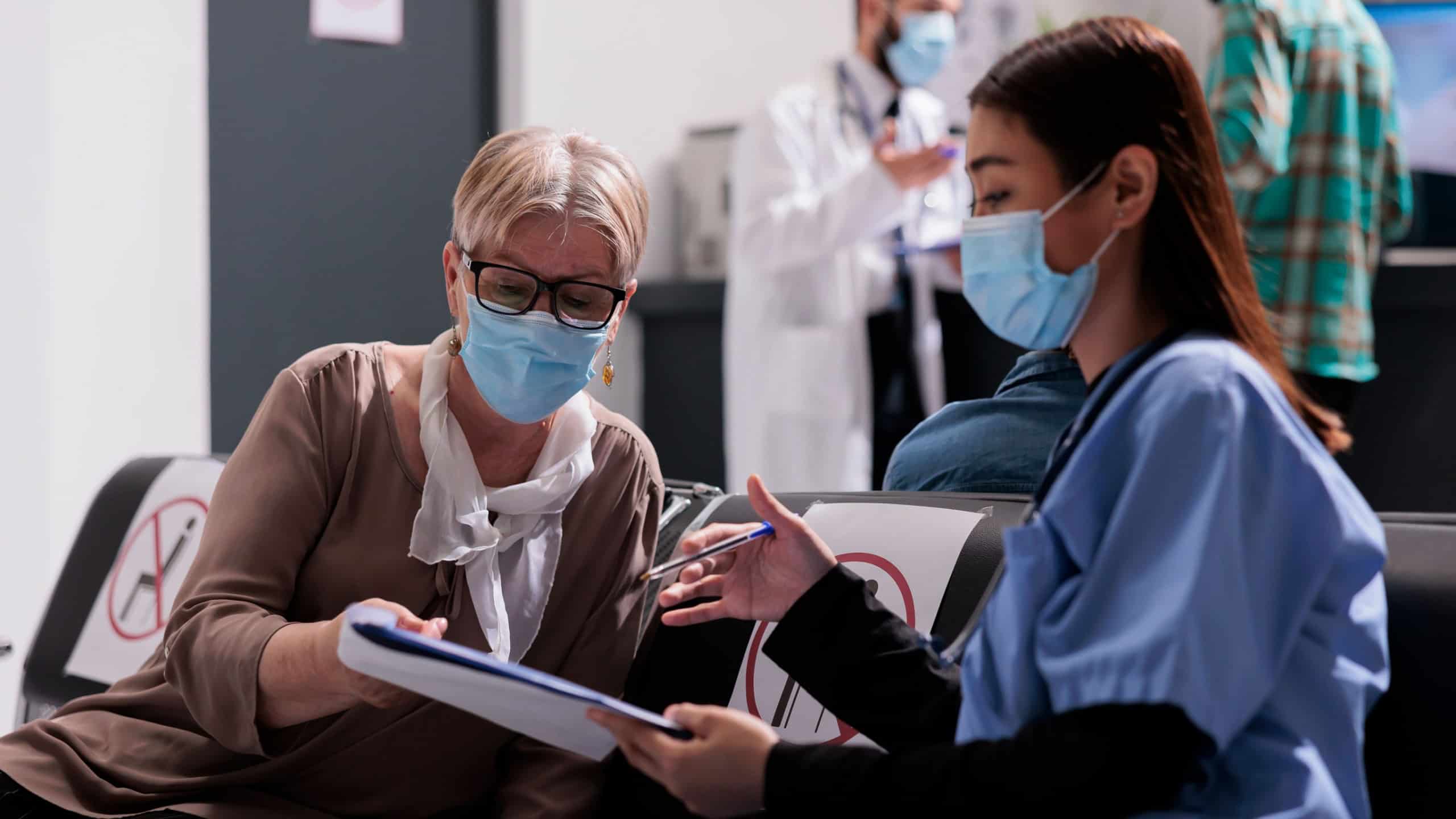
If you’re sick or hurt late at night or on the weekend in Canada, you can go to the emergency room without fear of being hit with an astronomical bill afterward. Canadians can visit an emergency room and receive treatment, confident that their care will be publicly funded.
In the U.S., the ER is often a last resort because a single visit can lead to huge charges. So while Canadian patients don’t hesitate to get care when they need it after hours or on the weekend, many Americans delay or avoid going altogether because of the fear of debt.
Complexity of paperwork

Administratively, the system is much simpler in Canada. Patients do not have to fill out long insurance claim forms or keep track of their deductibles after visiting the doctor.
By comparison, the U.S. system is a bureaucratic nightmare for both the patients and the providers. Doctors have to hire entire teams of people just to handle billing the various insurance companies. And patients can often spend hours on the phone arguing with their insurer over a denied claim or trying to decipher an “Explanation of Benefits” form.
Requirements for sick leave

In certain areas of Canada, including British Columbia, there is a new legislation where an employer cannot request a doctor’s note for the first few instances of short-term sick leave. According to it, employers cannot ask for a sick note for a worker’s first two health-related absences of five consecutive days or fewer in a calendar year, even if they have the flu or need to stay home with a sick child.
Many American workers, especially in lower-wage jobs, say they have no choice but to show up for work sick or else risk losing their income and their jobs.
Healthcare mindset

Americans generally think of health care as a private service or “product” that is part of the free market. Competition should lead to better quality, higher standards, and innovation.
In contrast, Canadians think of healthcare as a basic human right and public service. A service like the police or fire department, with which most Canadians are willing to pay higher taxes and wait longer for their care in exchange for the “social equity” of knowing that every Canadian receives the exact same level of service, regardless of how much money they make.
The following sources were consulted in the preparation of this article: