Many foods in the U.S. are so normal to people there that they don’t think twice about them. Yet across the border in Canada, they can be confusing, surprising, or just unappetizing. While the two countries are neighbors, the foods and flavors of everyday life are often very different.
We asked Canadians of all ages and from across the country to tell us about U.S. foods they can’t relate to. Here are the ones they named most, with their comments.
Biscuits and gravy
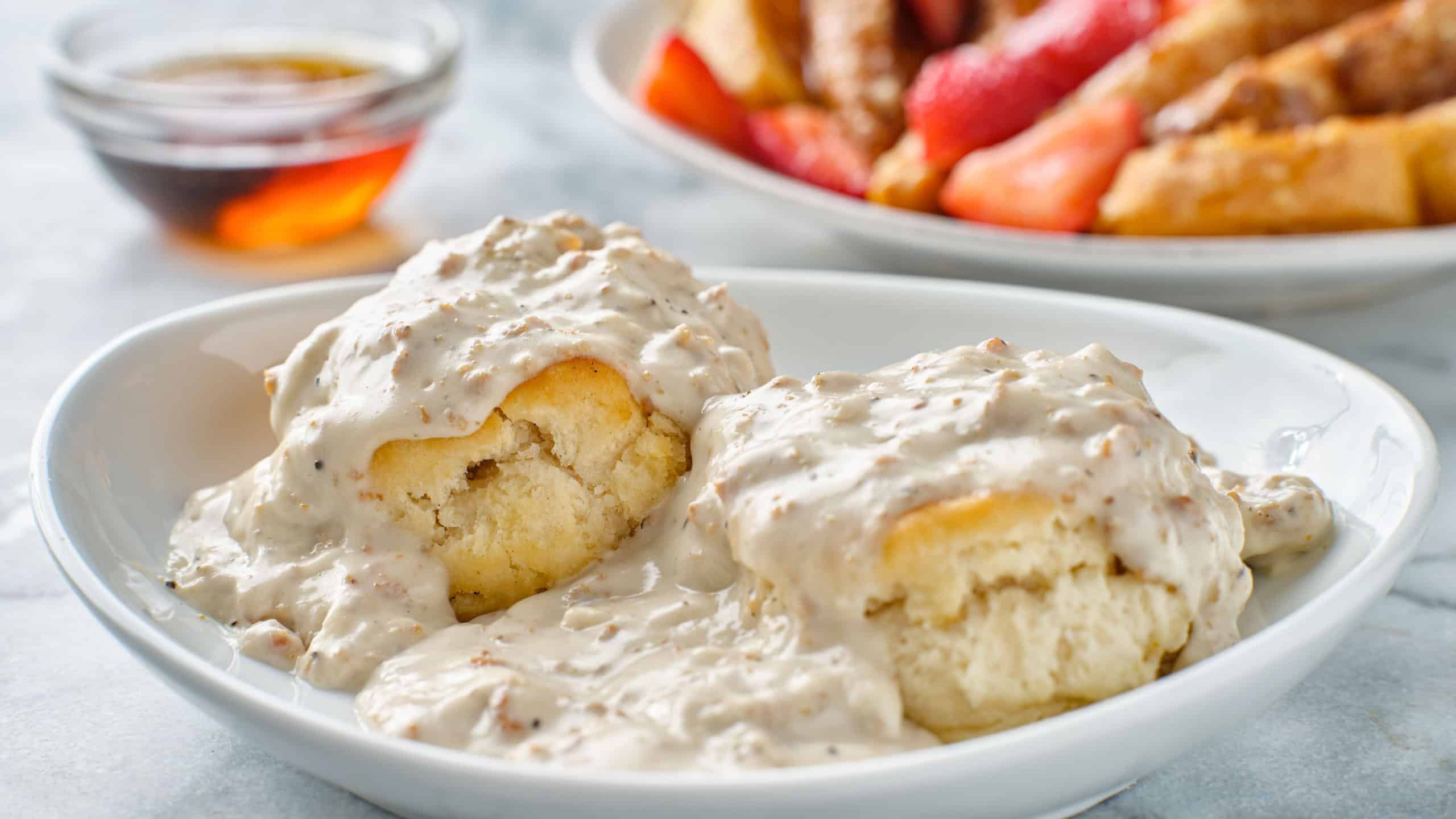
The word biscuit already has Canadians confused. Most said the term conjures up a sweet, hard cookie rather than soft bread. First of all, the word biscuit brings up images of something sweet, not soft bread. And then the gravy, which is a weirdly heavy, white paste that is meant to be eaten for breakfast. Many said it seemed like a dinner comfort food rather than a way to start the day.
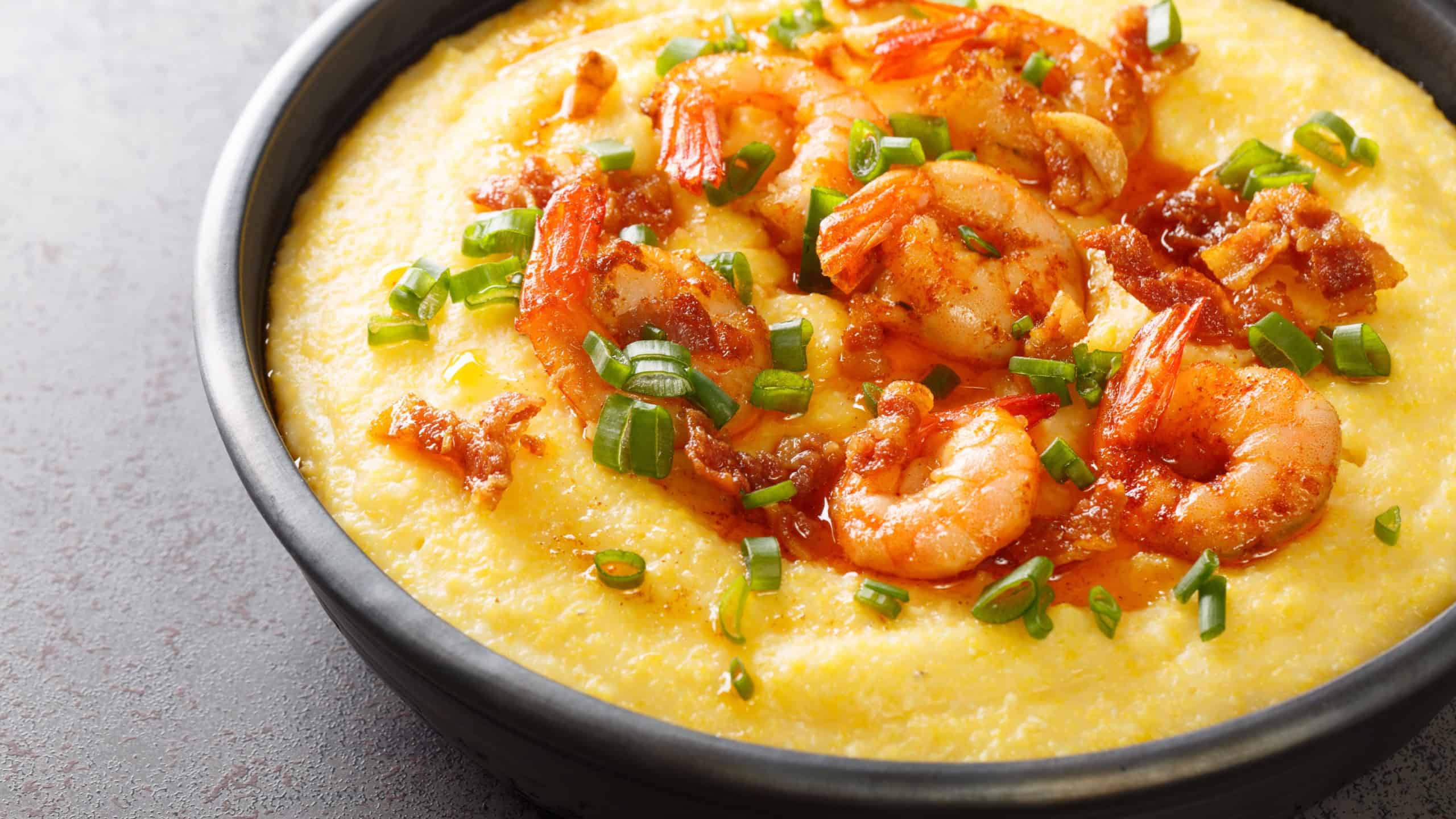
Grits

Most of our Canadian interviewees said they had never grown up with grits and rarely find them in Canada. A few had tried them while in the US and didn’t dislike them, but they still couldn’t relate to why grits are such a staple in the south. Cornmeal porridge isn’t part of most Canadians’ everyday meals, so it seems extremely regional and unfamiliar.
Sweet tea

Canadians were quick to mention the surprising sweetness of US sweet tea. Several of our interviewees said they ordered sweet tea thinking it would be similar to their iced tea at home and were not prepared for the level of sugar. To Canadians, it has a taste more similar to dessert than a drink.
Cheese in a can (spray cheese)

Spray cheese is one of those foods Canadians think of in the context of American movies, not everyday life. Canada has stricter dairy regulations, so the idea of cheese in aerosol form just seems completely unnatural and gimmicky, more of a novelty than an actual food.
Enormous fast-food portions
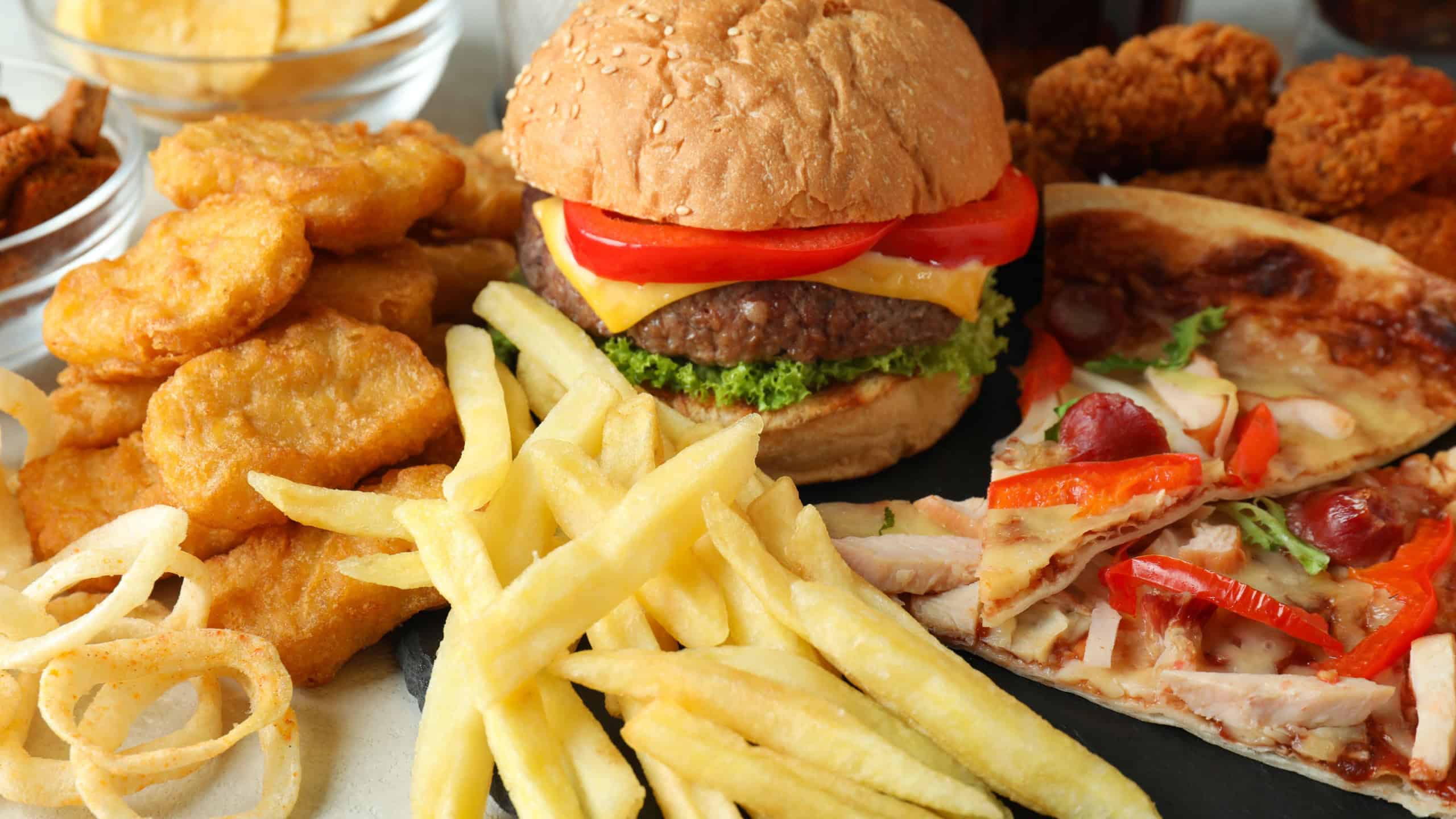
This one came up over and over in our interviews. Canadians will often try and order a “medium” when visiting the U.S., only to discover that it’s equivalent to a large or even an extra-large back home.
Burgers, fries, drinks, even milkshakes and desserts all tend to be on the larger side in American fast food places, and a lot of Canadians admit that they struggle to finish them.
Corn dogs

Canadians understand corn dogs, but they don’t have the same personal connection that Americans do. In the US, corn dogs are part of fairs, baseball games, and childhood memories. In Canada, people are more likely to find them in the frozen-food aisle than on the menu, so they don’t feel like a cultural staple.
Ranch dressing on everything
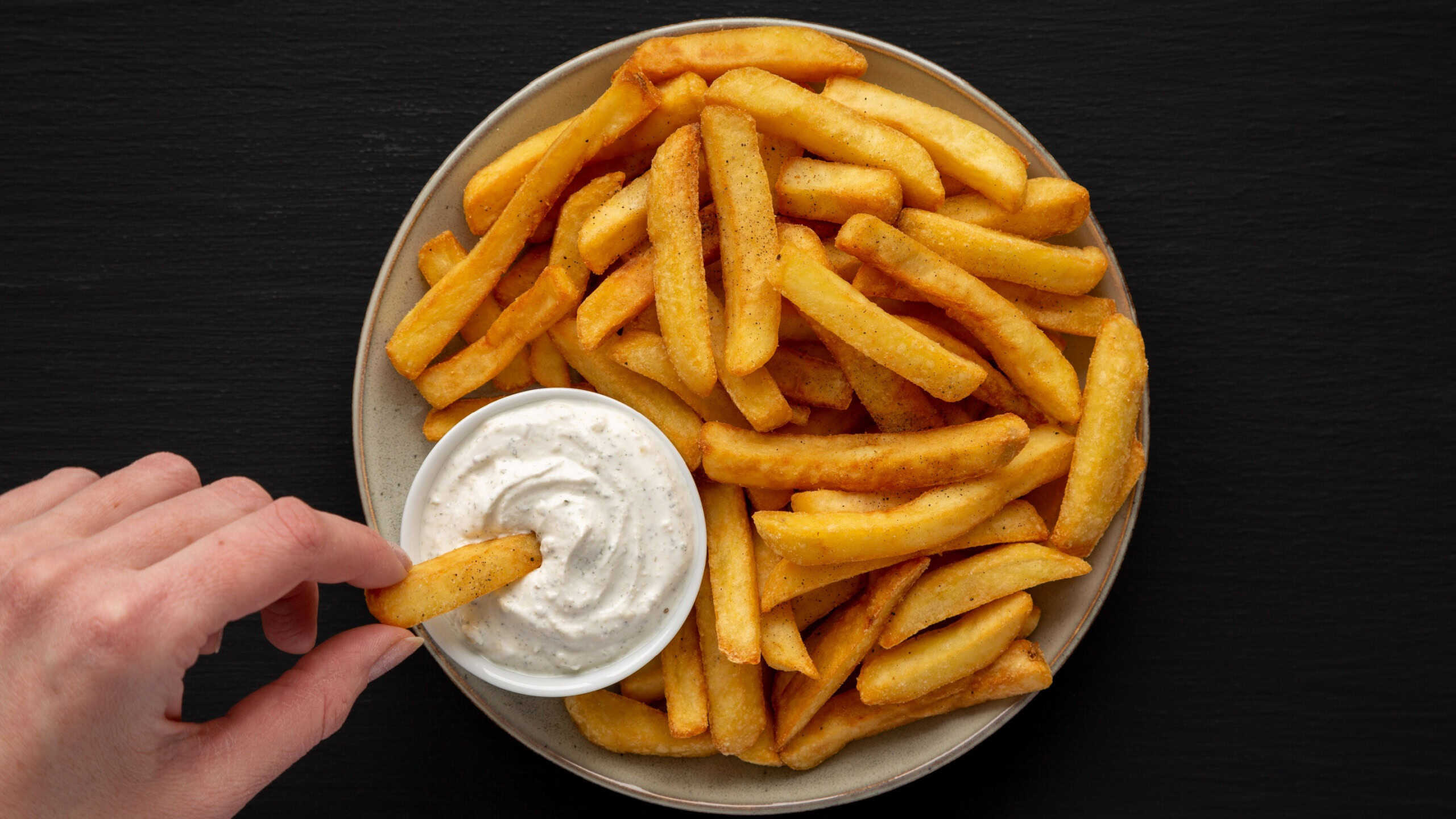
Several Canadians joked that Americans put ranch on pretty much everything, like it’s ketchup. While it’s true that Canadians do eat ranch, slathering it on pizza, fries, vegetables, wings, and snacks seems like overkill to Canadians. They feel like it’s “too much of a good thing.”
Pop-Tarts as breakfast
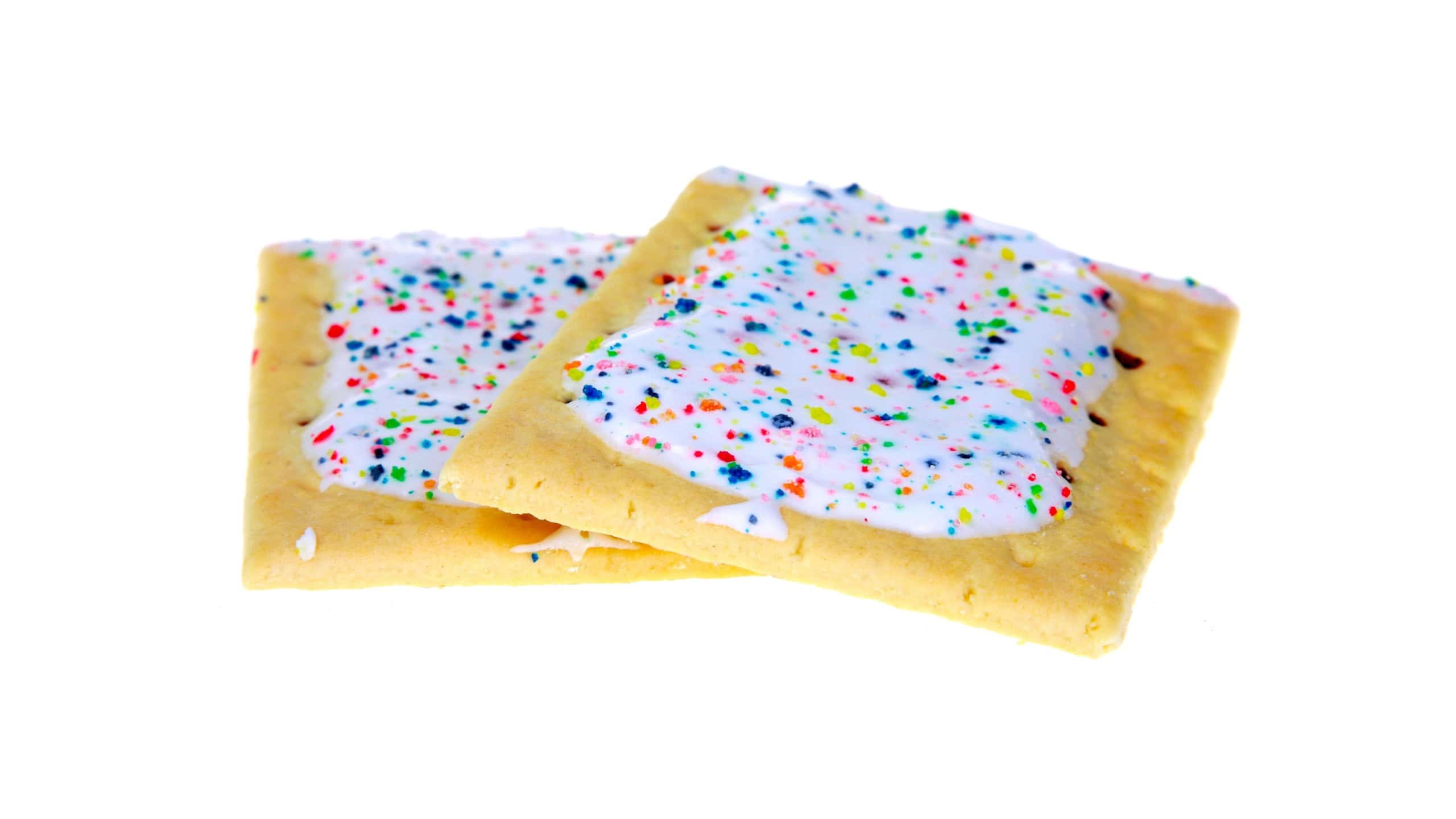
Many Canadians we spoke to view Pop-Tarts as a treat, not a breakfast food. Eating them in the morning, especially for children, seems like an odd and overly sweet way to start the day for Canadians, even though Americans see them as quick, convenient, and tasty.
Grape-flavored foods

Artificial grape flavor is one of those things that Canadians feel like they should love, but actually hate. It’s a flavor they feel is almost unrecognizably sweet, and nothing like real grapes at all. In fact, Canadians said it actually had a medicinal taste to it. Grape soda and candy have an especially American flavor to Canadians.
Breakfast sausage patties with syrup

For many Canadians, the idea of eating salty sausage and sweet syrup on the same plate at the same time was strange. Some Canadian dishes do pair sweet and savory foods together. But dousing meat in syrup at breakfast was uncommon. To many, it seemed like two separate meals mushed together.
American Thanksgiving food in November
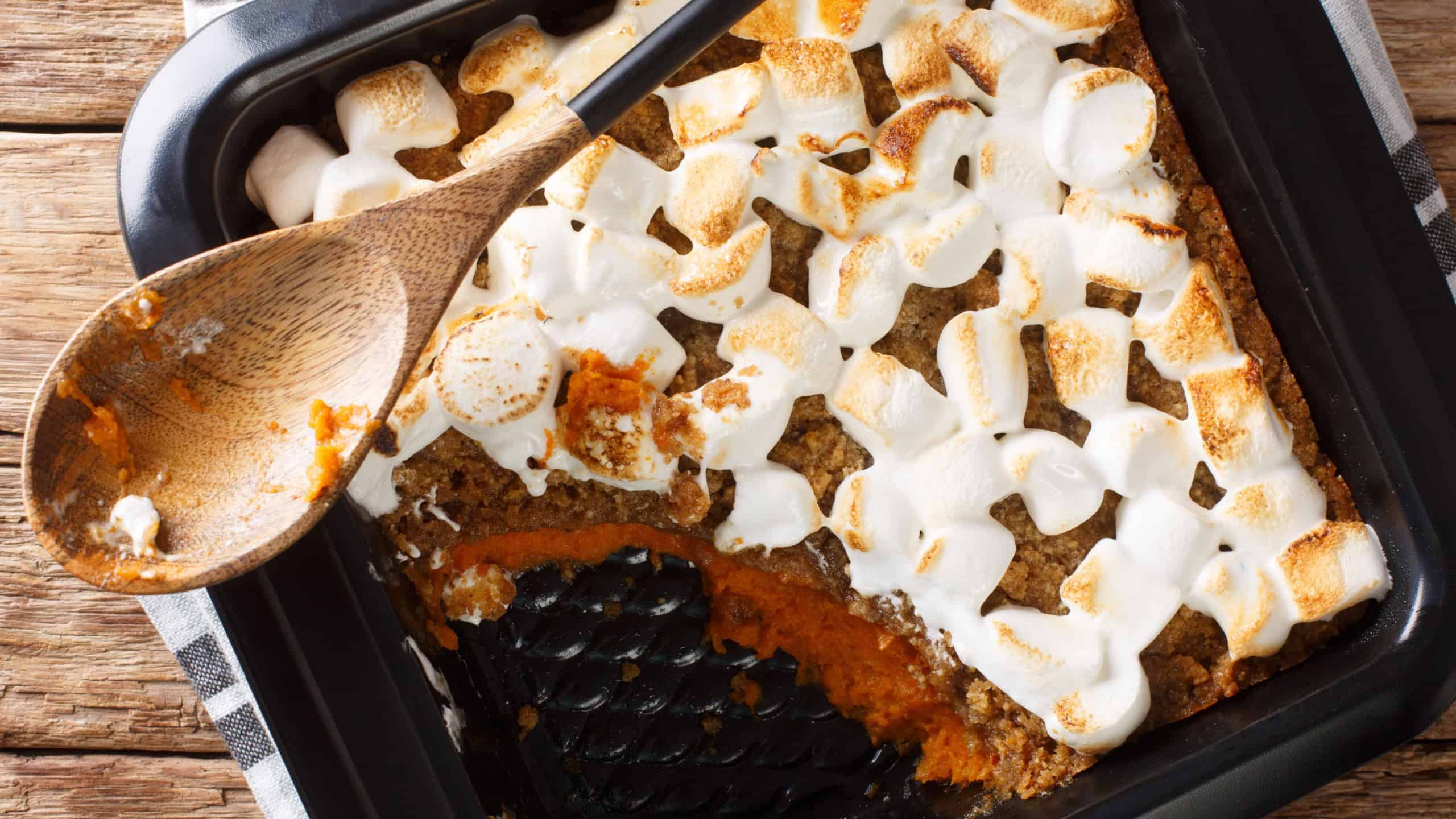
The timing is off to Canadians, who celebrate Thanksgiving in October. Canadians also see specific dishes as very American and unfamiliar, like candied sweet potatoes topped with marshmallows.