
Canadian & American schools seem rather similar on paper. They both have kids showing up and bells ringing, as well as students counting down to holidays around the same time.
But there are quite a few differences between the two. Here are ten ways school routines differ between Canada and the United States. Which one do you think is the biggest difference?
Second-language class

Both American & Canadian schools have a good number of bilingual students. But French isn’t merely an additional class in Ontario schools because English-language public schools must schedule Core French for Grades 4 to 8. It’s also a compulsory subject in New Brunswick & B.C.
Students must have at least one French credit in order to graduate in Ontario and a few other provinces. That’s quite different from America, where language classes depend more on district choices. They don’t have the same specifications around Spanish, for example.
Homecoming traditions
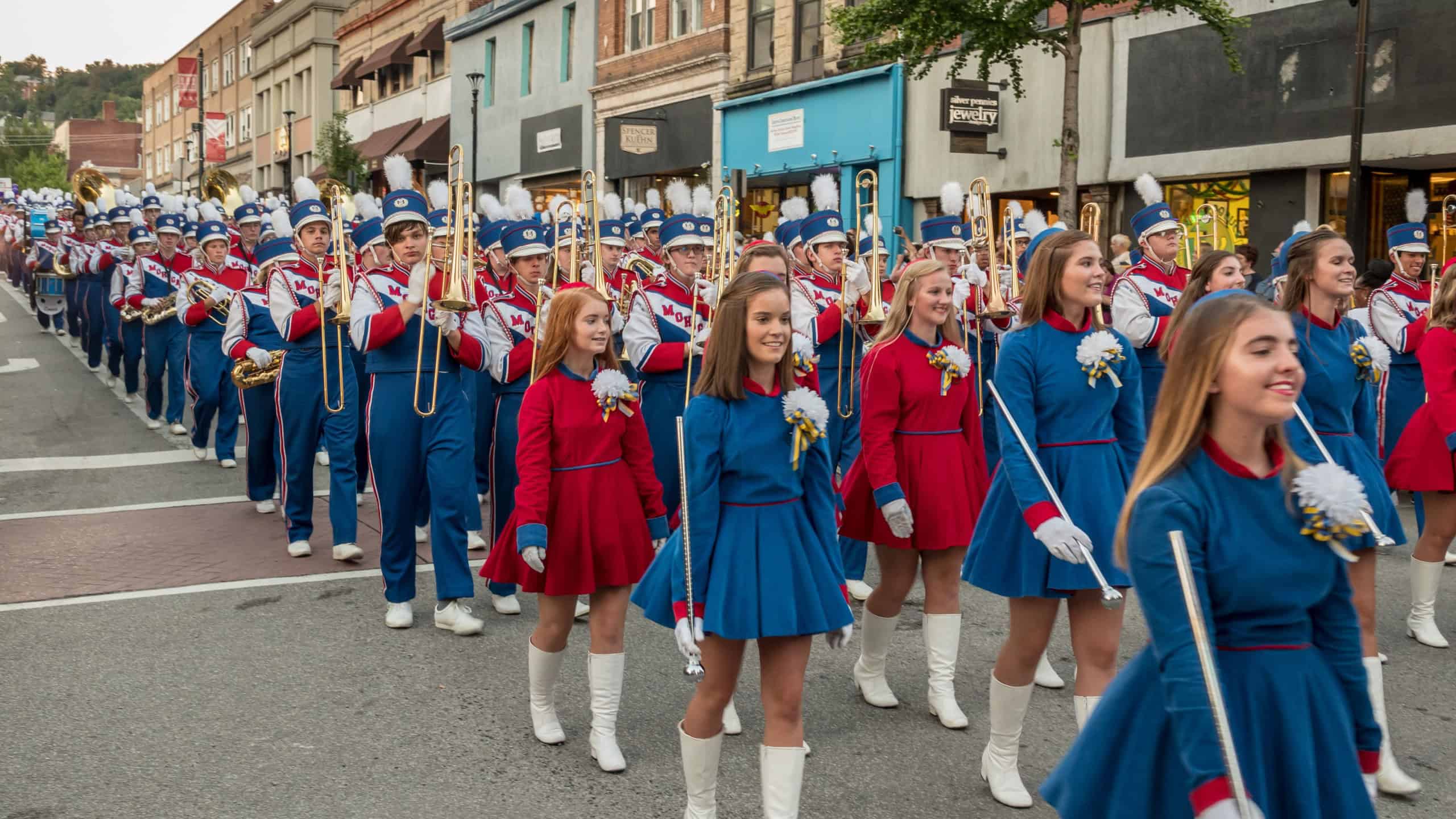
Homecoming is more than a simple event in most American high schools. They make it into a full week of celebrations that include dress-updates & assemblies, along with a football game. The whole thing ends with a dance, and students have come to expect all the festivities.
But homecoming doesn’t really exist at all in the majority of Canadian high schools. Those schools that do have homecoming usually have it on a much lower-key scale than American schools do. It’s far more local & easy to miss.
Fundraising

You’ll likely hear reminders selling you something anytime that you walk through an American school. It might be candy drives or read-a-thons, perhaps even coupon books. It’s practically everywhere in American schools.
Fundraising does still happen in Canadian schools. But the difference is that it’s a lot less common, and it’s usually parent councils who handle the fundraising. It’s not as much a part of regular school life as it is in the United States.
Hall monitors

There’s usually someone planted in the hallways of most American schools. They’re looking for passes & stopping kids who keep drifting through the corridors, as well as watching the traffic between the bells. It’s what’s known as a “hall monitor.”
Hallway supervision isn’t as strict in Canadian schools. It’s often teachers who have the role of doing so, perhaps principals, but it’s rare to see a staff member being stationed in the hallways for every single period.
Visitor check-in

Visitors can’t simply sign a clipboard to enter schools in America because they have to get scanned into a system instead. They’ll usually wear a printed badge the entire time they’re there.
That’s not to say you can come and go as you like in Canadian schools. They do still require you to sign in, but it’s usually a lot simpler & involves a paper log. Canadian schools tend to be more open than American ones.
Metal detector entry lines

It’s quite normal for mornings in American schools to involve lining up as you go through metal detectors. The staff will supervise you & they’ll check your bags while you wait, since it’s a regular part of national school safety programs.
It’s not as common in Canada, especially not in areas like Ontario. Boards have reviewed the idea & they generally don’t use metal detectors because they recognize how much they cause delays for students.
Competitive sports
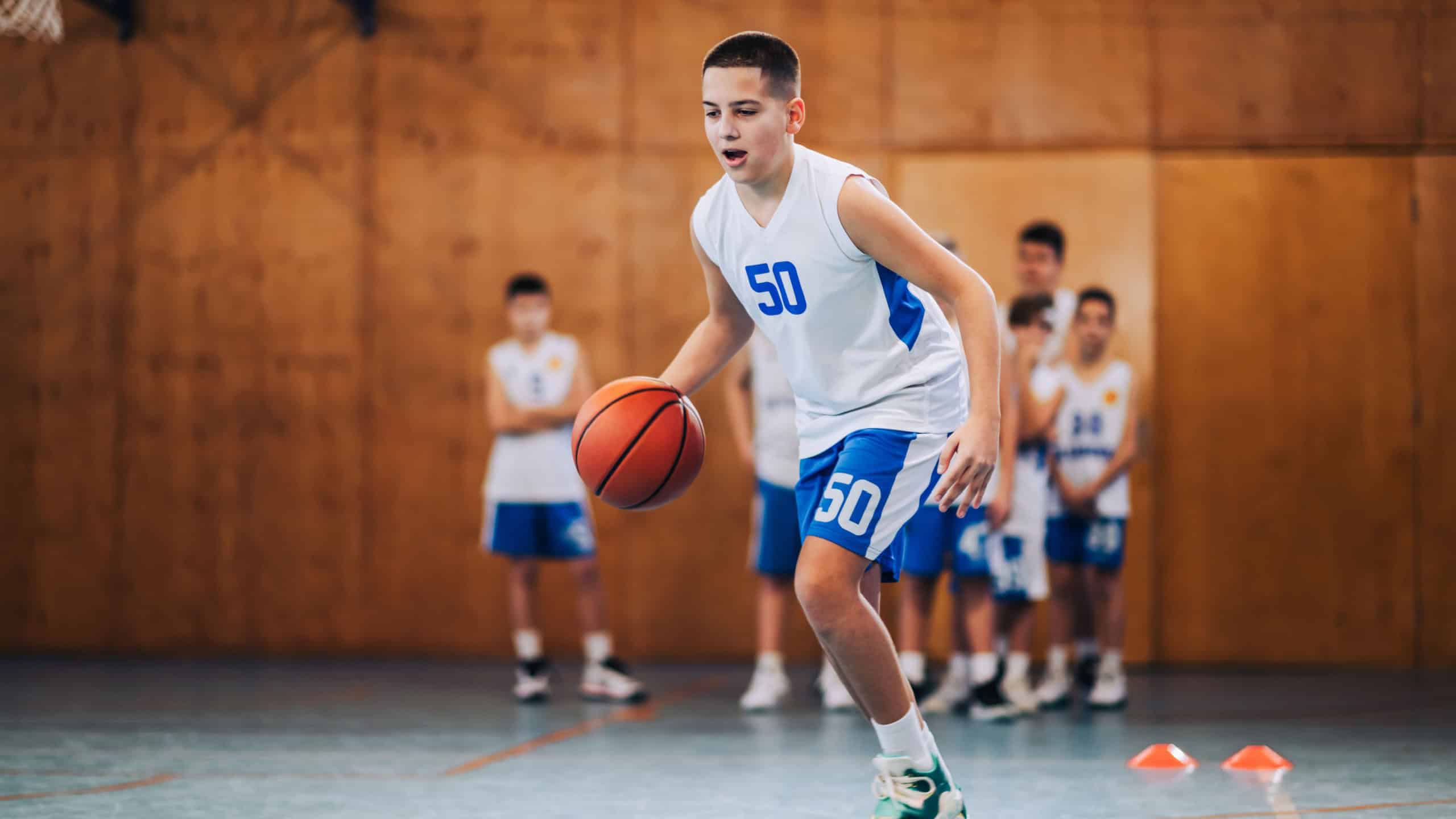
Competitive sports are a regular part of student life in American schools, and many of them have multiple competitive teams. The seasons are long & you’ll find that the games affect things like schedules and attendance for students. Canadian schools do it differently.
That’s not to say that school sports don’t exist. It’s simply that school sports tend to exist alongside regular classes, rather than affecting the whole week for practically all students.
Terry Fox Run day

You won’t find many people in America who know about the Terry Fox Run. It’s relatively standard in Canada & it’s such a popular event that classes stop so kids can go outside.
The whole school works together during the day, with teachers managing routes and timing. There are thousands of school teams taking part every year in Canada, and that’s why it’s on the school calendar there. But not in America.
Lockdown drills

It’s a sad fact that lockdown drills are a normal part of school life both above & below the border. But the frequency of them is different. American schools have lockdown drills as a recurring part of the year, and they’re sometimes directly referred to as “active shooter drills.” States set rules for how often they happen.
Lockdown drills happen at a much lower rate in Canada. They’re also framed more generally, and many boards have one or two drills in a year.
Armed police
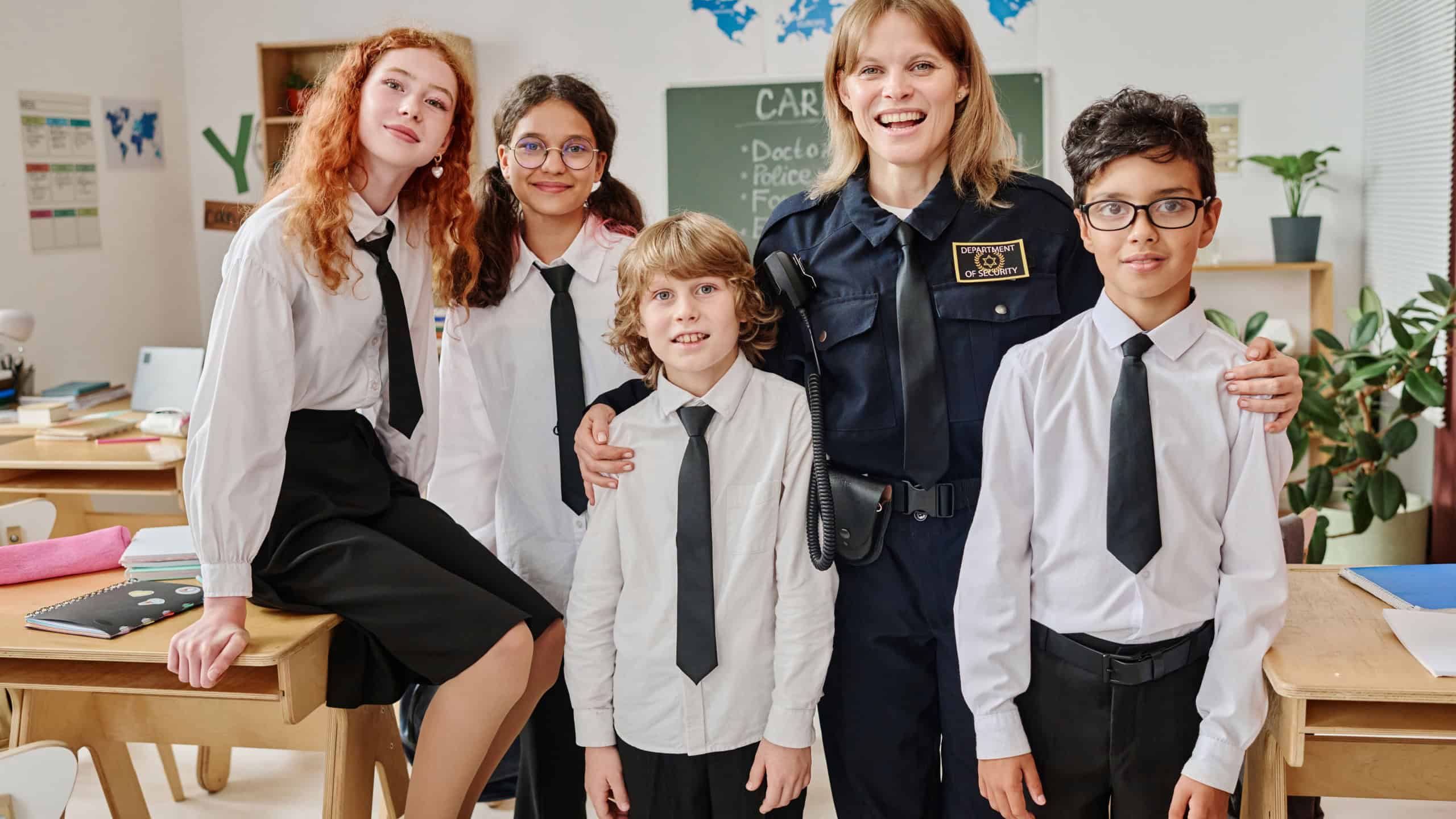
You’ll see police at U.S. and Canadian schools. The difference is that they usually carry firearms in American schools, but the police involved in school liaison programs in Canadian schools don’t carry firearms inside the building. They try to focus on relationship–building & classroom visits.
Canadian police forces usually try to do more support work. That’s why students won’t usually see them with weapons in school environments.
Sources: Please see here for a complete listing of all sources that were consulted in the preparation of this article.
Like our content? Be sure to follow us.