Every December, it seems like no one is immune to sickness. Offices are suddenly germ pools, kids are bringing home every illness from school and holiday gatherings mean less chance of avoiding illness. The good news? A few small changes to your routine can help you dodge getting sick, even in December.
Get enough sleep, even during busy days

One of the most effective things you can do is make sure you get enough sleep, as it’s one of the first things to suffer when you’re trying to do a little too much over the holidays. If you repeatedly sacrifice sleep, your body will have less ability to fight off viruses.
Hand hygiene still works, when you do it right

Handwashing is a simple practice, but it’s also one of the most effective ways to block illness. Many viruses enter your body through the mouth, nose, or eyes after you touch a contaminated surface. So wash your hands regularly after shopping, handling money or credit cards, using public transport, or before eating. Use hand sanitizer when soap isn’t available.
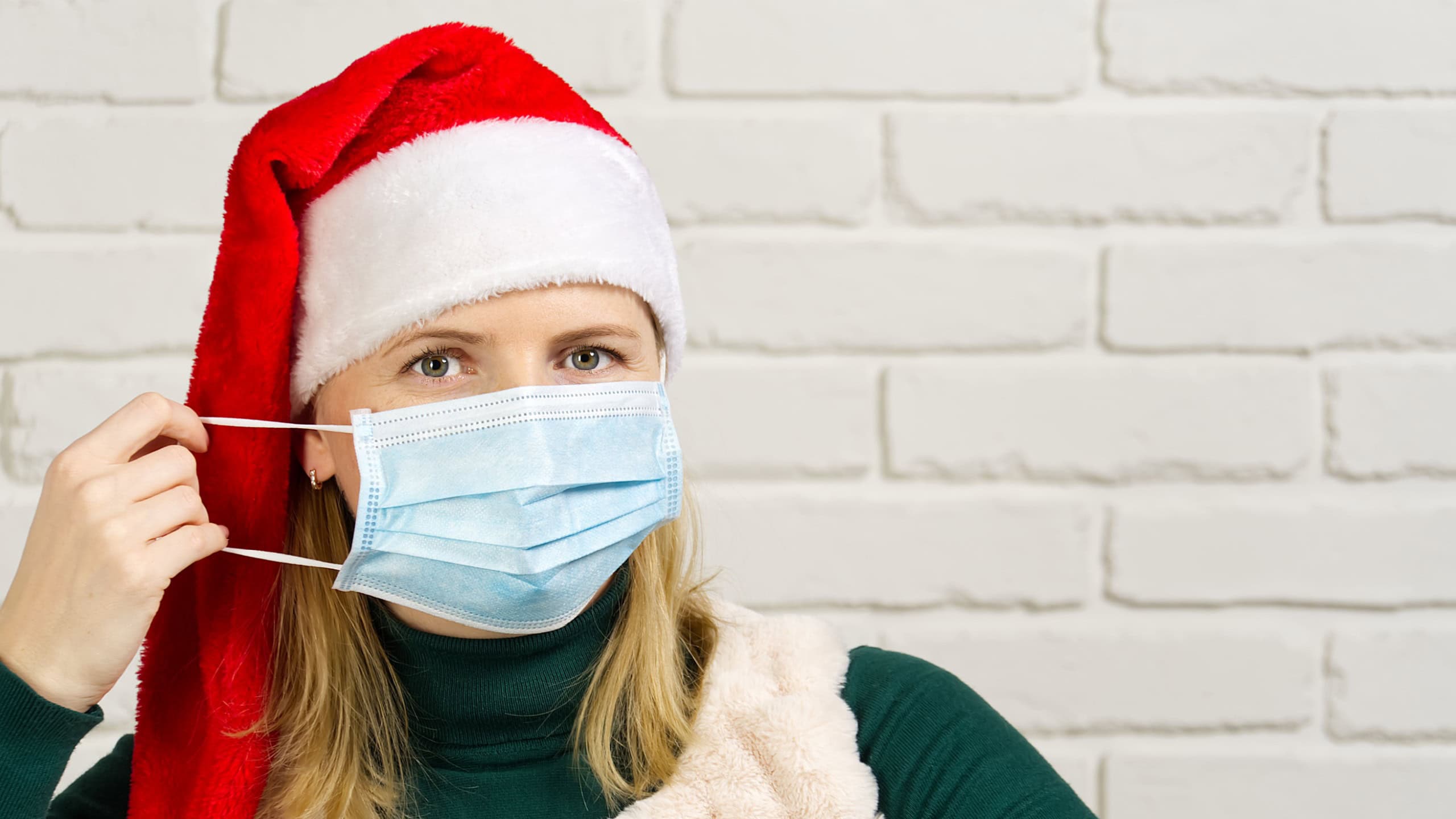
Use masks in high-risk settings

If flu and viral infections are circulating around, wearing a mask in crowded indoor places can actually be beneficial for everyone. It keeps you and the people around you safe, especially if you’re feeling run down, stressed, or not quite at 100%.
Support your immune system through food

Nutrients from foods like fruit, vegetables, dairy, and fish all help to maintain and regulate your immune system. Vitamins A, C, D, E, zinc, and probiotics are especially beneficial for immune cells. While no single food is proven to protect you from catching a cold or other virus, a healthy balanced diet can give you all the vitamins and minerals you need.
Stay physically active, but don’t overtrain

Regular exercise, such as brisk walking, cycling, or other activities you enjoy, can help keep your immune system in top shape. A moderate amount of exercise has been linked to a reduction in inflammation and better circulation and support for your immune cells.
But overtraining or extremely intense exercise can temporarily suppress your immune system if your body is under too much stress at the same time.
Manage stress to prevent immune suppression

Chronic stress increases cortisol, a hormone that can impair immune function over time. Taking regular stress breaks, and using breathwork, meditation, and other stress management tools, can help maintain a healthy immune response.
Get seasonal vaccinations early

Flu vaccines and other seasonal immunizations can help protect against severe disease. In addition to reducing the odds of serious illness, vaccinations are a highly effective way to prevent the spread of viruses in the community.
Limit time spent in crowds during outbreaks

Colds, flu, and other viruses spread more easily when indoors and in close contact with other people. It may be helpful to minimize time in crowded indoor settings when respiratory viruses are prevalent. Improving air circulation at home and work can also help.
Stay hydrated and moderate alcohol intake

Drinking plenty of water thins mucus in your nose and throat, which can make it harder for viruses to enter your body. Alcohol impairs immune function, interferes with sleep, and causes inflammation in the body. Try to avoid or limit alcohol during cold and flu season.
Act early when symptoms first appear

As soon as you experience the first symptoms of illness, like a scratchy throat, runny nose, fatigue, and aches, reduce your activity level. Starting to rest as soon as you feel symptoms can help your immune system fight infections faster, and may even shorten the length of time you are sick.
Plus, staying home as soon as symptoms appear also helps keep the viruses you may have away from family members, coworkers, and vulnerable people. Trying to “power through” an illness usually results in prolonged sickness and secondary complications.
Disinfect high-touch surfaces frequently
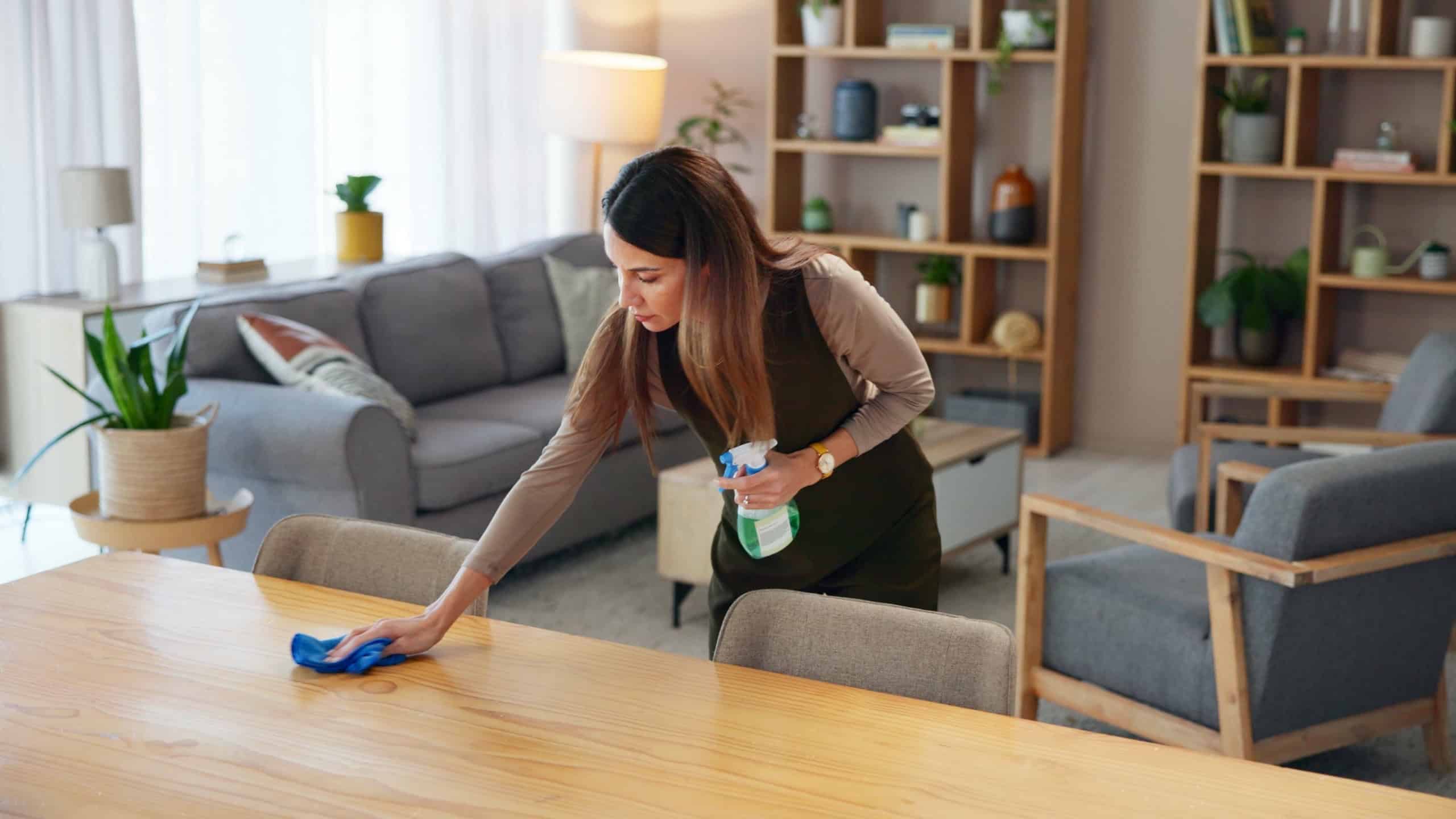
Viruses can live for hours, if not days, on hard surfaces and high-touch areas like phones, door handles, keyboards, remote controls, and light switches.
A quick clean of these surfaces every day, using antibacterial wipes and disinfectant, can help to lower the risk of catching something and is especially helpful in a shared house, office, or classroom.
Encourage healthy practices where you live, work, and play

Viruses can spread quickly if only one person in an environment is taking precautions. Encouraging your family, coworkers, and classmates to follow similar practices like handwashing, masking when sick, better ventilation, and staying home when unwell can lead to much lower infection rates. Leading by example is also often the best way to encourage others to do the same.
The following sources were consulted in the preparation of this article: