
Canadian weather has a way of pushing us into chores that we don’t think about until the forecast demands it. The snow shows up and causes us to stop chilling, leaving us with a list of things that we have to get done as soon as possible.
Here are twelve chores that Canadian weather necessitates, unlike in other countries. Which of these is a regular part of your routine this winter?
Shoveling sidewalks under tight local deadlines
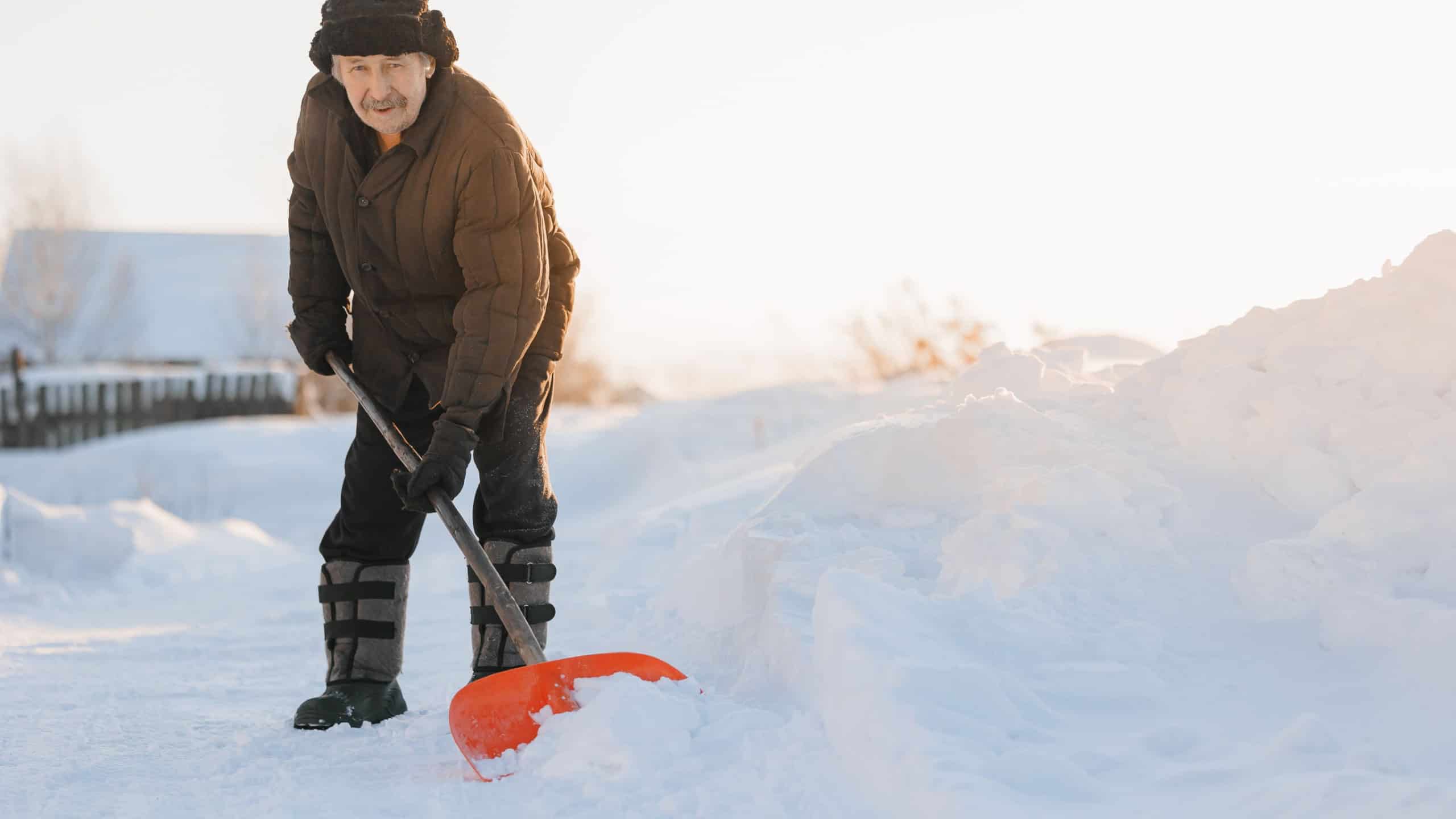
Some Canadian towns barely give you enough time to find your mitts before clearing the sidewalks. Waterloo & Clarington, as well as Hamilton, Ontario, for example, set strict windows for homeowners to clear the snow in the public areas by their homes. You have exactly 24 hours after snowfall.
There are also timed rules in Vancouver and Quebec.
Salting walkways because of liability laws
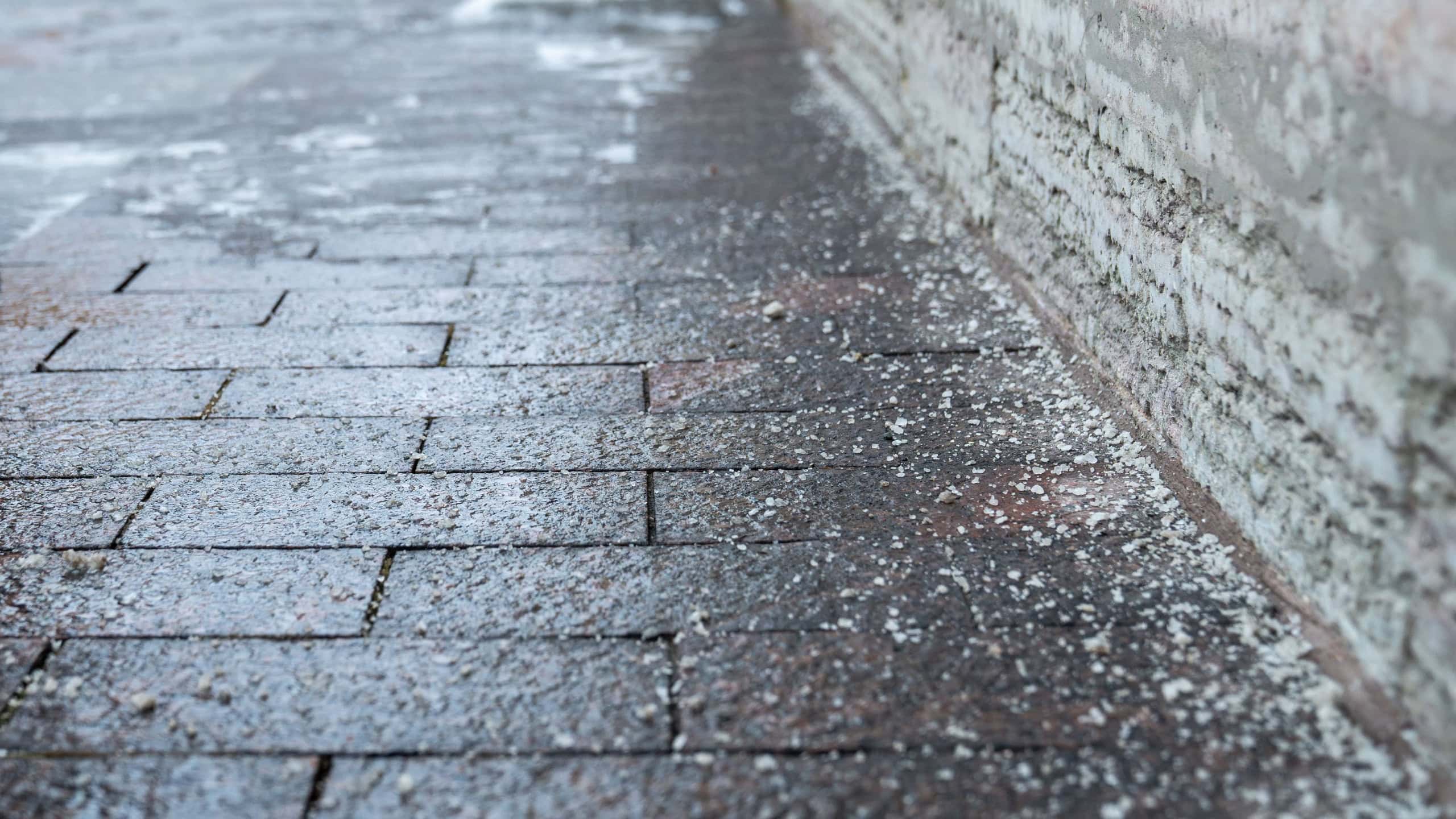
Canadians throw the salt down as soon as the snow’s gone. But it’s not out of habit. Occupiers’ liability laws across the country mean that homeowners are legally responsible for dealing with any icy hazards on their property.
The law actually warns against avoiding basic steps like salting after a refreeze. You could be responsible for paying out, should a visitor slip and hurt themselves on the ice.
Winterizing outdoor faucets and basement pipes
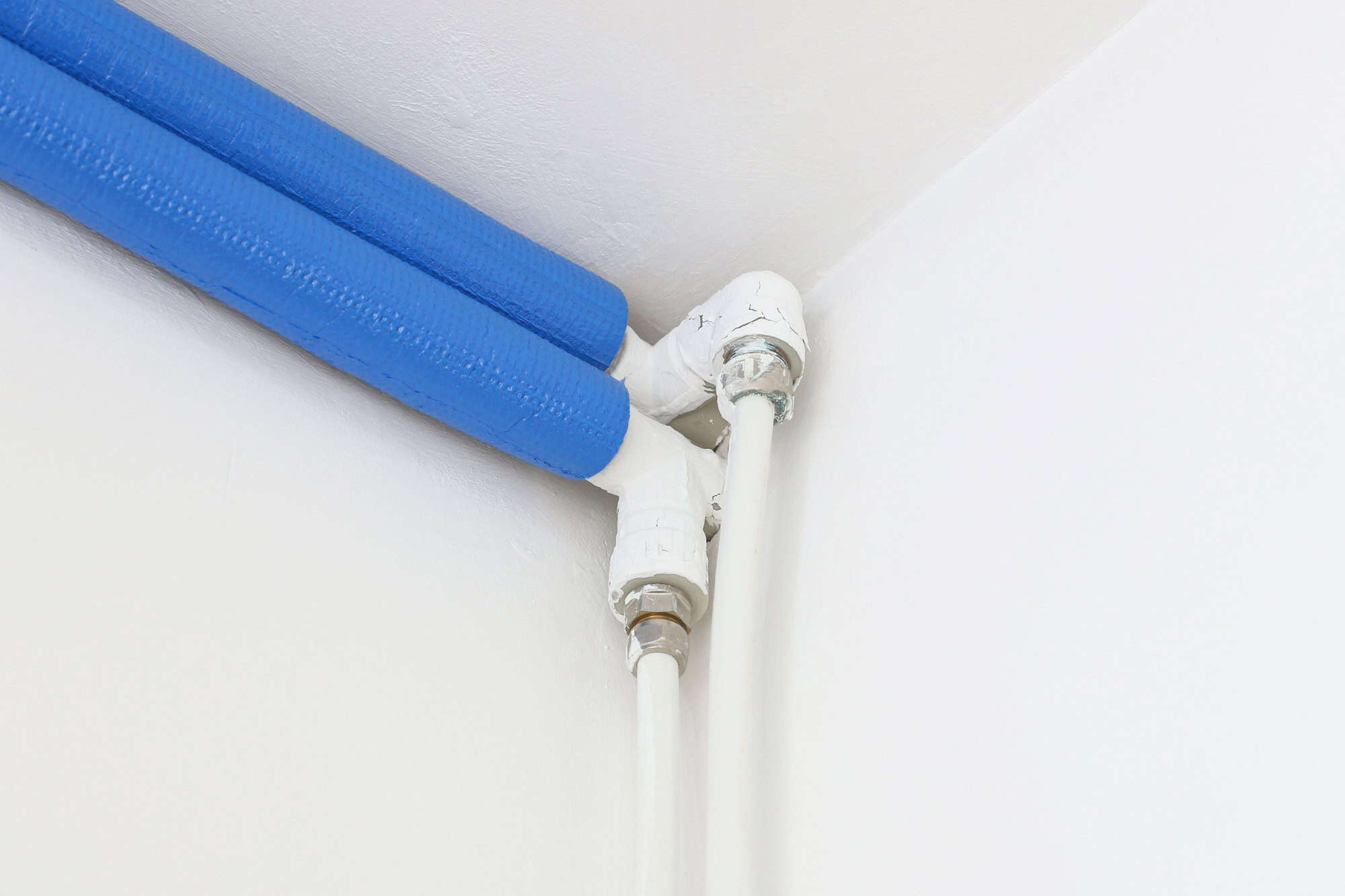
A deep freeze settling in makes many Canadians immediately start worrying about outdoor taps & exposed pipes. They don’t want them to freeze. It’s such a common issue that cities like Calgary and Vaughan remind their residents of what to do.
You have to shut off your hose bibs & drain the lines. You should also wrap any vulnerable pipes to stop them from bursting overnight after the temperature falls.
Preventing ice dams along eaves and gutters
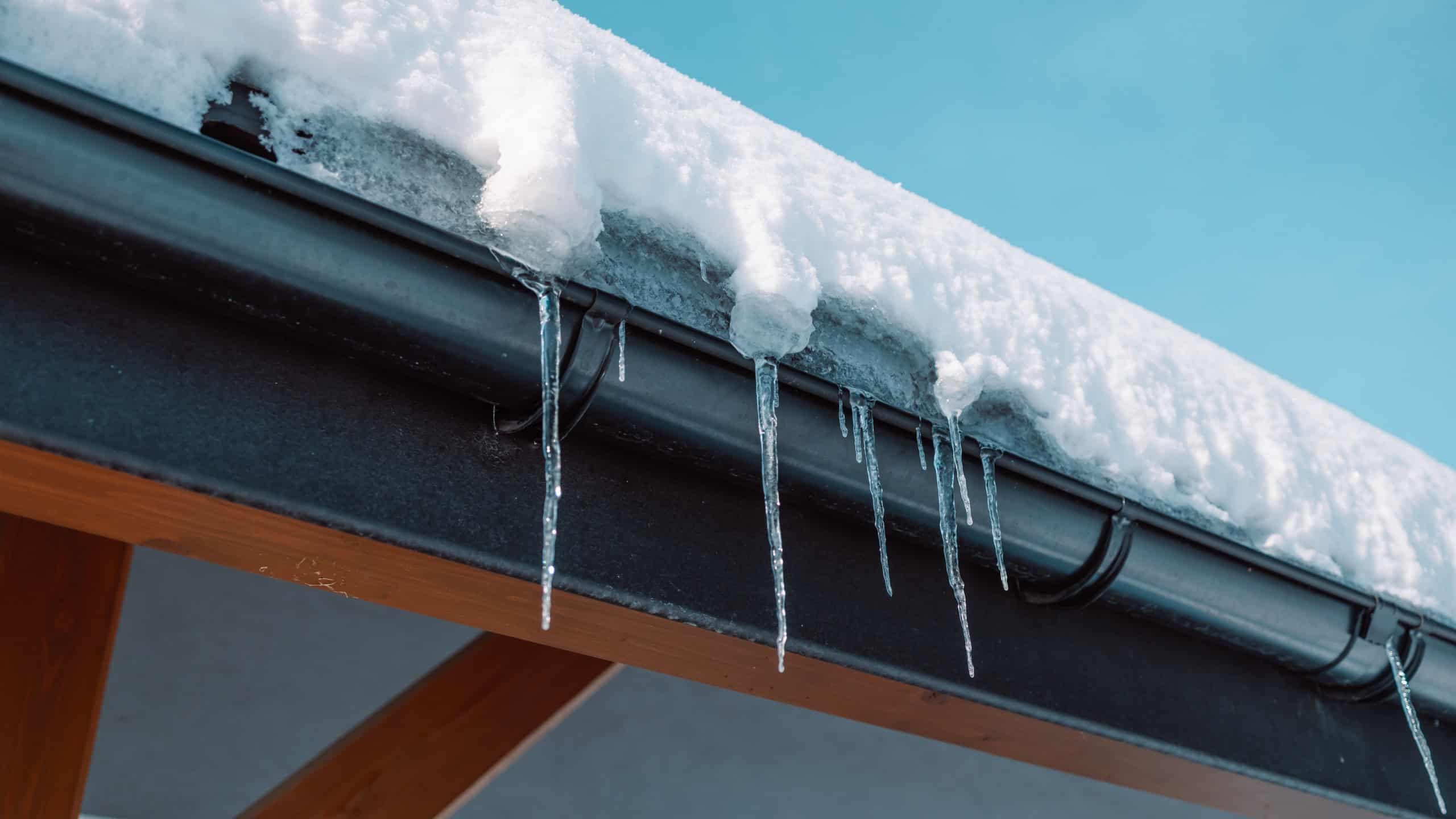
Ice dams are caused by roof snow melting & then freezing again, right on the edge. It usually happens due to poor airflow or insulation in the attic, and preventing it is a pain. You have to use a roof rake to stop the ice from building up.
You could also try putting heating cables along your eavestroughs. It should help the melted water to keep moving instead of backing up.
Doing pre-season snow blower maintenance

You’ll find most Canadians tuning up their snow blowers before the first real storm hits. It’s mostly because they don’t want to have to deal with any problems when it’s -20°C. Swapping the blower’s oil is the first step, followed by checking belts & shear pins.
Don’t forget about adding some fresh fuel with some stabilizer. Doing so will prevent the blower from coughing its way through the snow when you’re trying to clear it.
Spreading sand or grit over stubborn driveway ice
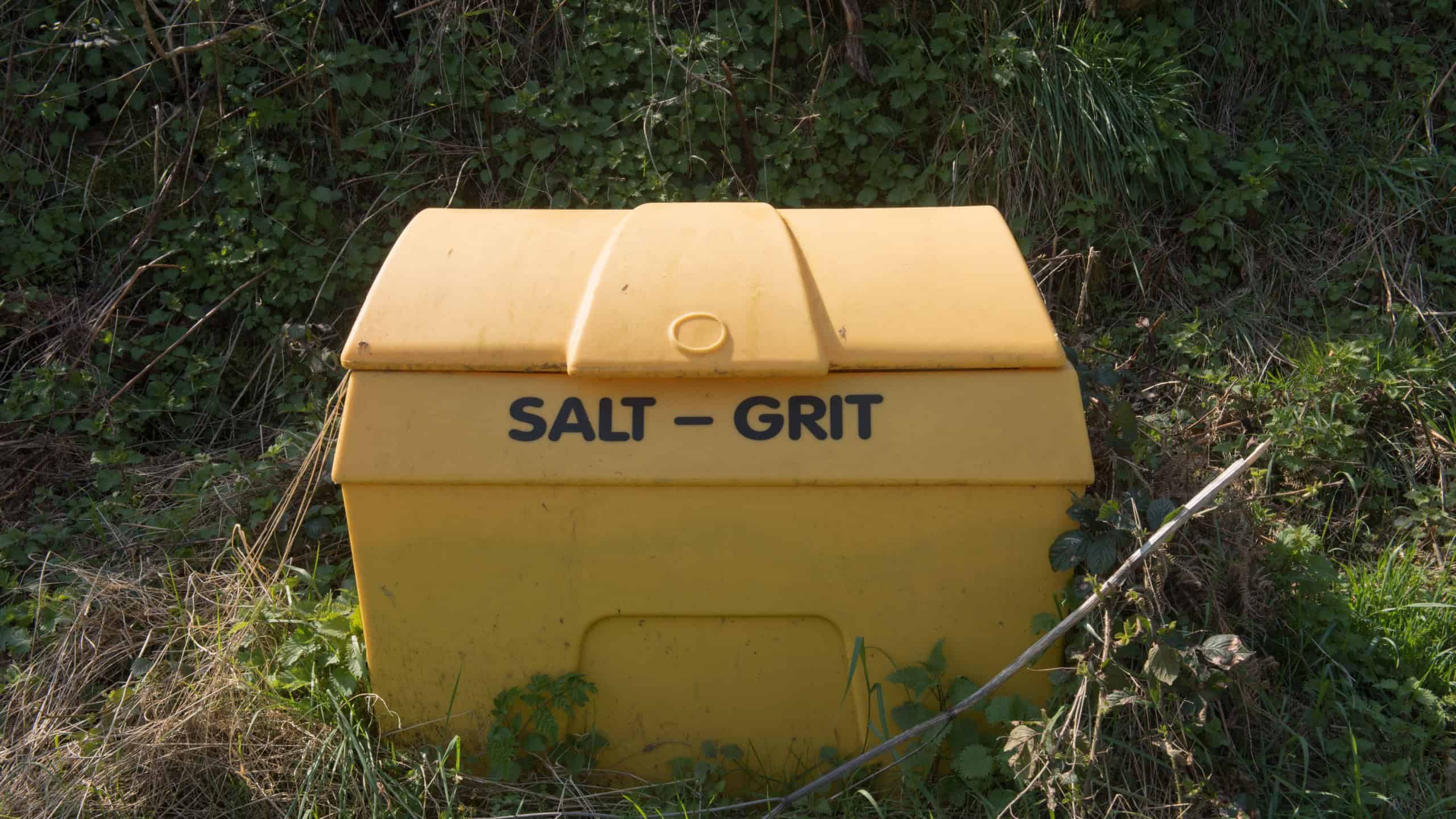
It’s relatively normal in Canada for driveways to become so glassy that salt doesn’t work on them. That’s why so many households here rely on using sand or grit, especially when the traction drops.
You may also want to try using coarse grit during spells of freezing rain. It’ll help your tires & boots actually catch on the surface so that you’re not slipping everywhere.
Clearing snow from car roofs to avoid tickets

Several provincial police forces warn us about the dangers of leaving snow on top of our cars. It can blow off & lead to dangerous whiteouts where you can’t see anything. You can be fined for that.
It’s because of the possible consequences that many Canadians make an effort to clean the slush on their roof. They don’t want to cause an accident or get a ticket.
Rearranging the garage for skis, boards and winter tires

Most Canadians start reorganizing their garages once they start requiring winter gear. They’ll make sure that their skis are correctly placed on the racks & the snowshoes are in a place that’s easy to grab them. They’ll also double-check that the snow tires are built for Canadian winters.
Some of us also use tire hotels to organize our winter equipment. It stops us from tripping over rubber stacks each time that we grab a shovel.
Checking sump pumps and sandbags before spring melt
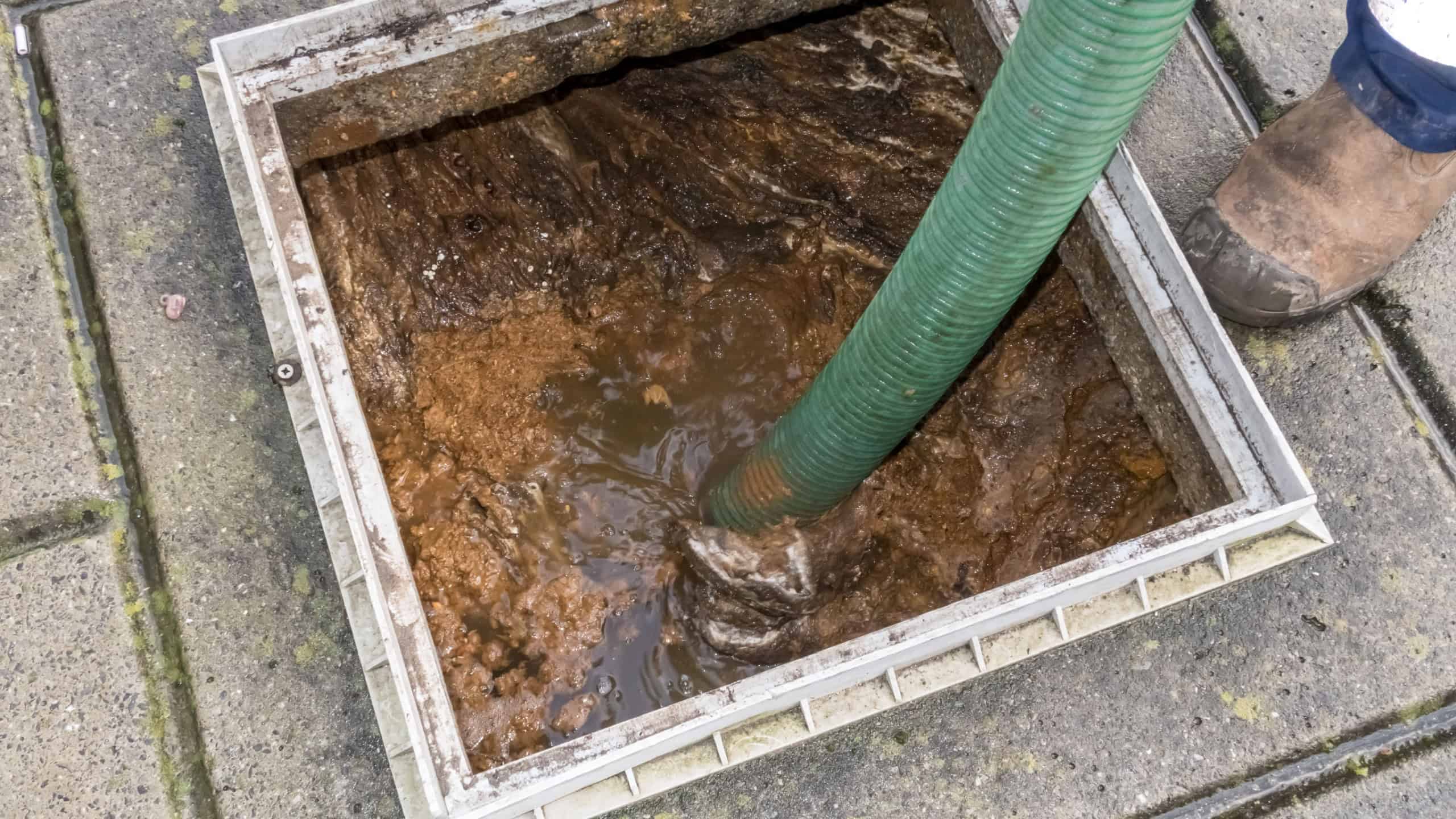
Spring melt may be an issue for the new year. But preparation usually starts in the middle of winter in the parts of Canada that are particularly prone to floods, and it involves testing sump pumps & clearing downspouts.
You also have to make sure you have enough sandbags nearby. Anybody who lives near a river or flat prairie basin knows just how useful early preparation is during the melt season.
Grooming backyard and community outdoor rinks

Those who love a backyard rink know the drill. You have to shovel after snowfall & flood the surface when the temperature falls. Municipal rules in Quebec & Ontario actually state that you’re not allowed to flood any areas when there’s still loose snow lying around.
You need to work hard to make the ice smooth enough for an evening of skating. But it’s well worth it.
Stashing summer tools and patio gear before deep cold
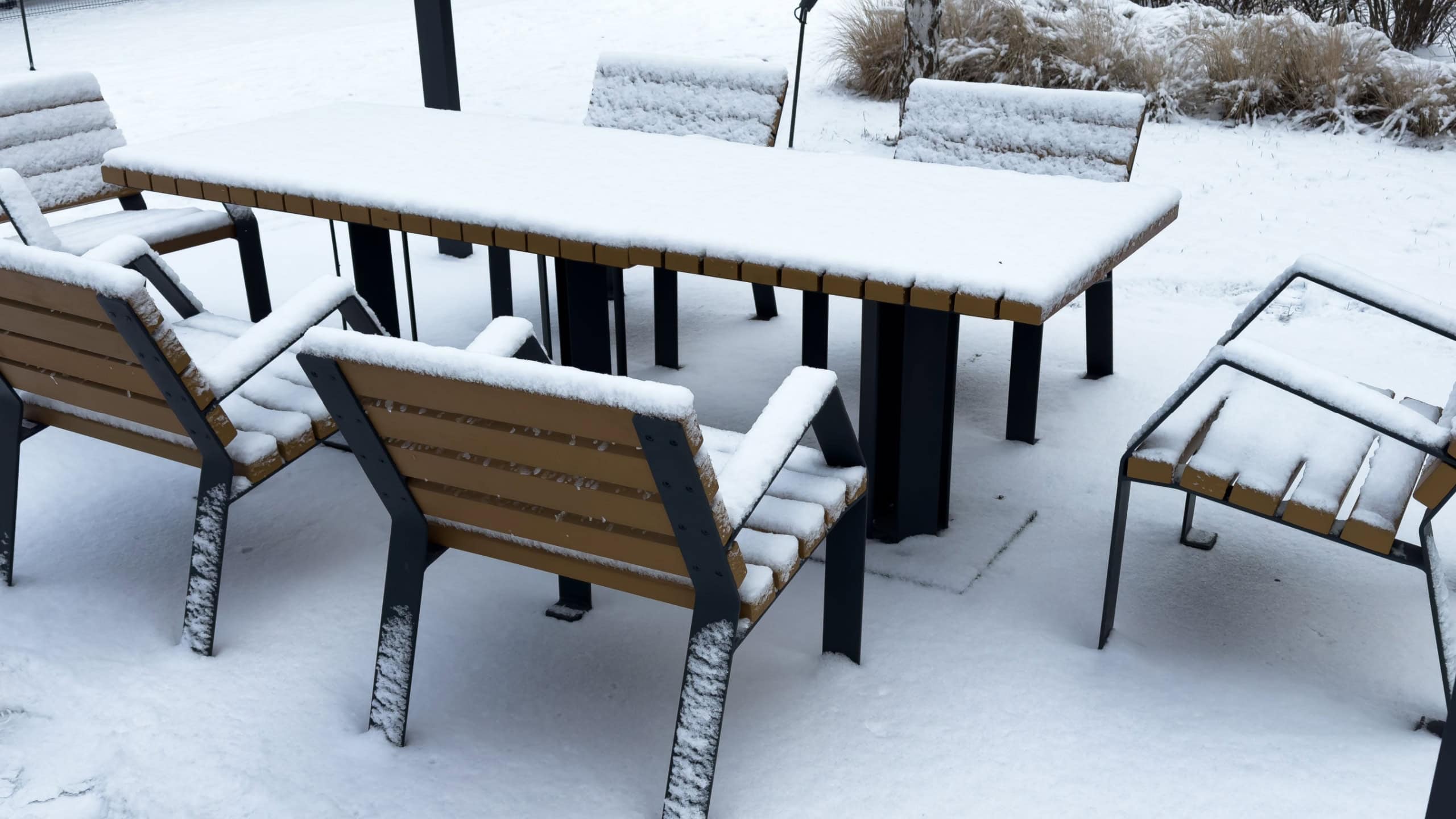
You can’t wait until winter to put away your lawnmowers or hoses. Even the patio furniture needs to come in before that first cold because freezing moisture can crack plastic. It can also rust metal.
Your best bet is to keep your things dry in the shed or garage, underneath a cover. Salt spray & cycles of freezing and thawing can wear out your summer stuff relatively quickly.
Sealing window and door drafts

It’s during late fall that many Canadians begin to use weatherstripping & caulk. They’ll do whatever they can to stop cold air from getting inside their house, including sealing gaps around windows.
Making sure that your door is properly sealed is also a great way to save some energy. It’s also one of the easiest ways to qualify for home efficiency incentives.
Sources: Please see here for a complete listing of all sources that were consulted in the preparation of this article.