Cooking can make many vegetables taste better, but heat can diminish certain nutrients right when you need them most.
Broccoli
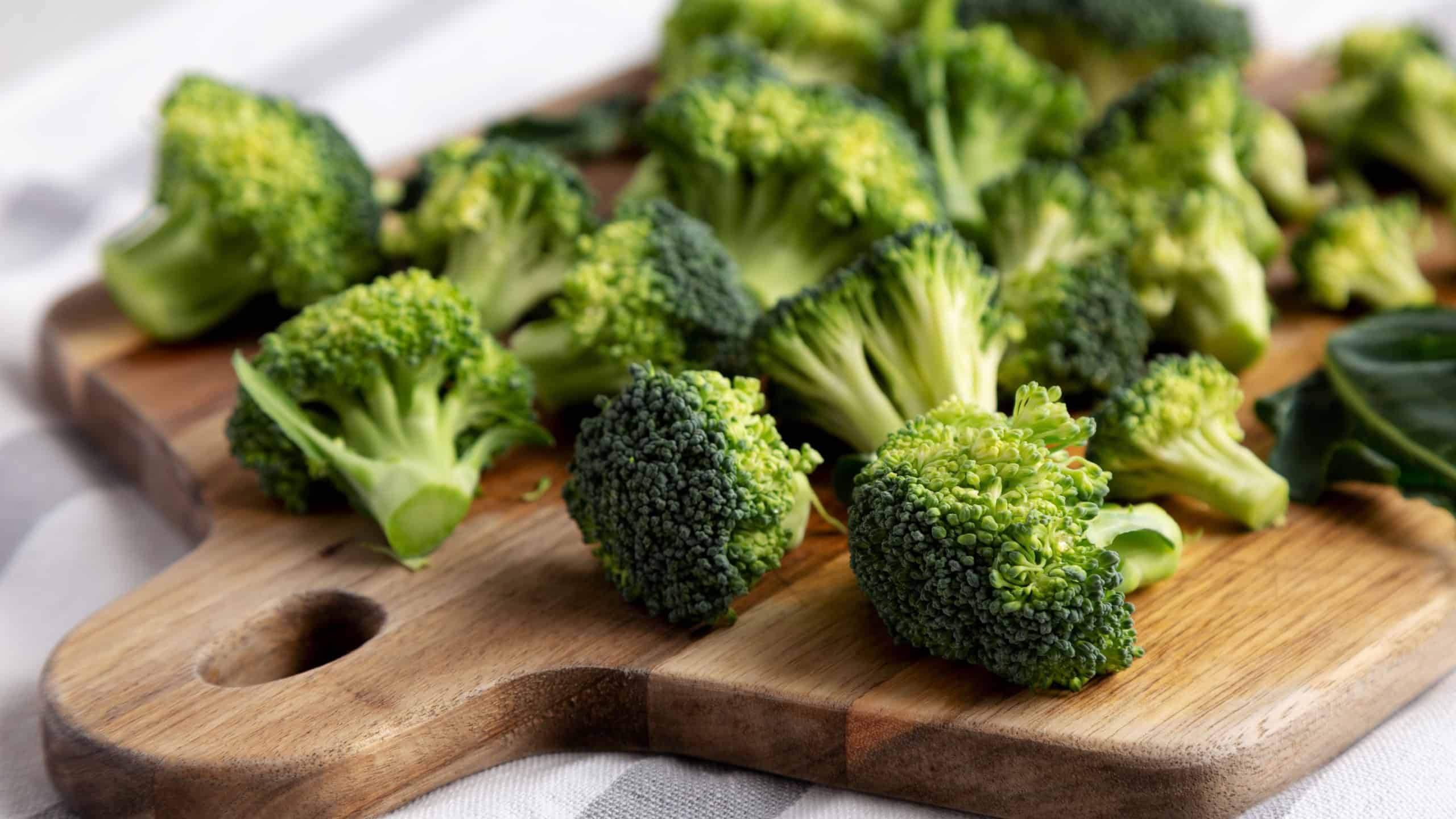
Broccoli contains glucoraphanin, which can potentially boost levels of sulforaphane, a plant compound that has been widely studied for its potential ability to protect your health. However, this is dependent on the enzyme myrosinase not being destroyed by overcooking or cooking at high temperatures for long periods.
Eating broccoli raw or very lightly steamed allows greater amounts of myrosinase to remain, boosting levels of sulforaphane more than if the broccoli was cooked thoroughly. If you prefer your broccoli cooked, adding a small amount of mustard powder can give additional myrosinase.
Garlic
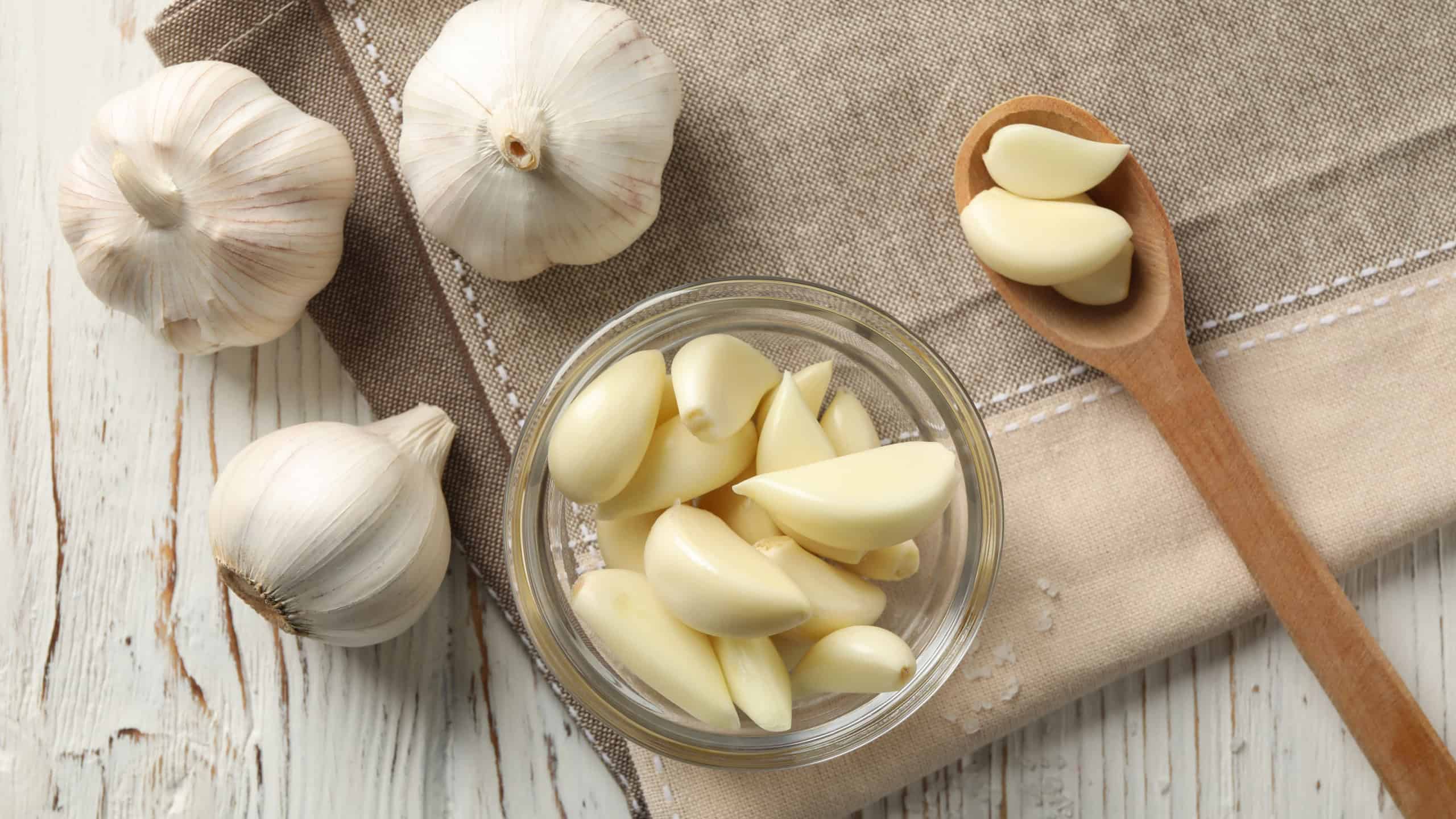
When you crush or chop garlic, an enzyme called alliinase reacts with a compound called alliin to produce allicin, which is responsible for much of garlic’s smell. Allicin has been researched for its antimicrobial properties and possible effects on heart health. Heat can deactivate alliinase, preventing allicin from forming.
To get the most allicin, crush or chop garlic and wait about 10 minutes before adding it to a dish you’ll eat raw (such as a dressing, dip, or salsa) or before adding it to a cooking dish.
Red bell peppers
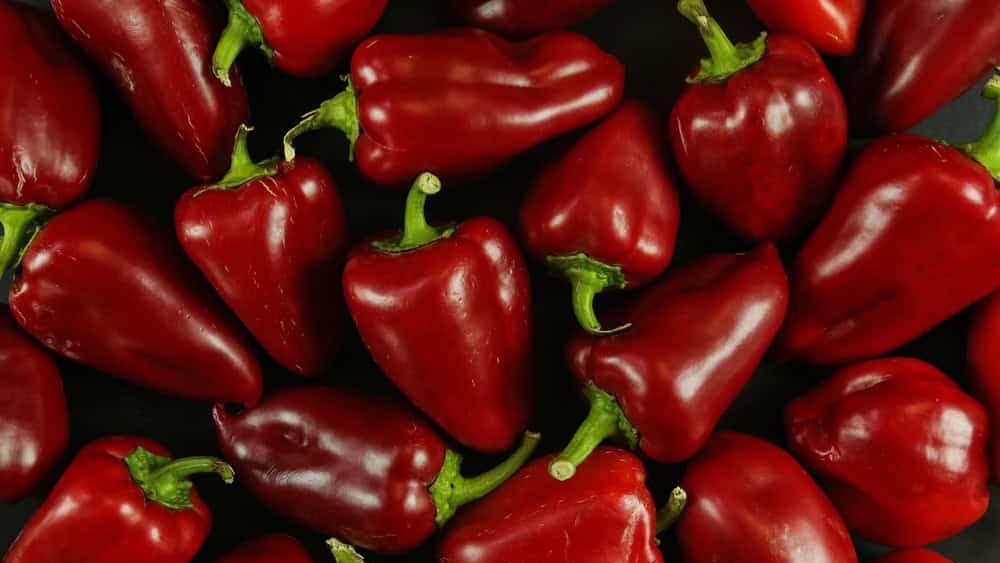
Bell peppers are very high in vitamin C content, often cited as having higher content per gram than oranges. However, since vitamin C leaches out of foods when cooked for long periods of time and is water-soluble, some loss occurs, especially when boiling, as Vitamin C is heat-sensitive.
By consuming bell peppers raw in salads or sandwiches or with hummus, you can maximize vitamin C intake from peppers. Peppers also provide you with carotenoids and antioxidant compounds.
Watercress
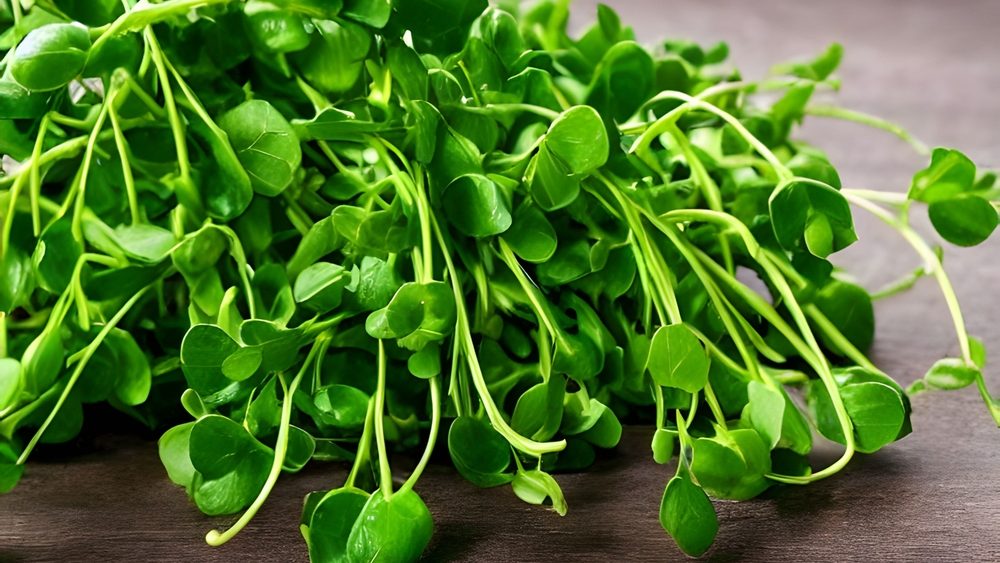
Watercress is in the cruciferous vegetable family. Like other crucifers, watercress contains glucosinolates which can be converted into isothiocyanates (including PEITC). The isothiocyanates may have a variety of beneficial effects, including potential cancer-preventing properties.
Formation of these chemicals is dependent on the enzyme myrosinase, which breaks down under heat. Thus, consuming watercress in its raw state (e.g., in salads and sandwiches) will provide higher levels of natural myrosinase and subsequently greater formation of these chemicals.
Red cabbage
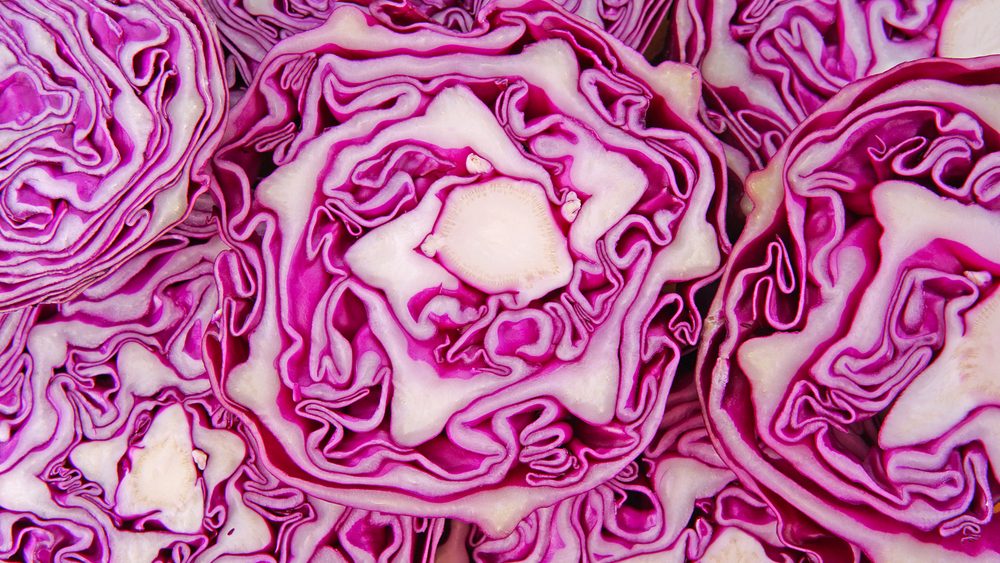
Red cabbage owes its vibrant purple-red color to anthocyanins, antioxidant pigments that are also found in blueberries and many other foods. It is also a very good source of vitamin C, and contains the glucosinolates found in all cruciferous vegetables.
Heating for extended periods of time and, especially, boiling will decrease vitamin C content and cause some water-soluble components to leach out. Eating red cabbage raw, such as shredded in salads or tacos/slaw, is a good way to preserve heat-sensitive nutrients, though cabbage that is lightly steamed is still highly nutritious.
Beets
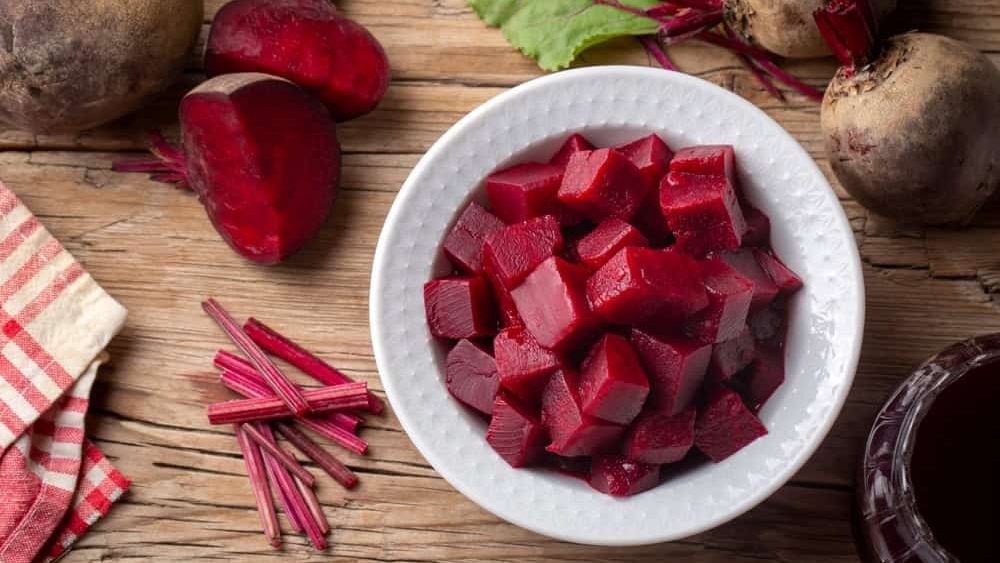
Beets contain natural dietary nitrates, which the body converts to nitric oxide. Nitric oxide helps blood vessels relax and aids in maintaining healthy blood pressure and blood flow. Beets are a good source of folate, a B vitamin that leaches out when cooked for too long or is boiled away in water.
Raw beetroot eaten grated or sliced very thinly avoids cooking losses, but cooked beets are also highly nutritious. Beetroot juice has also been studied for its dietary nitrate content.
Arugula
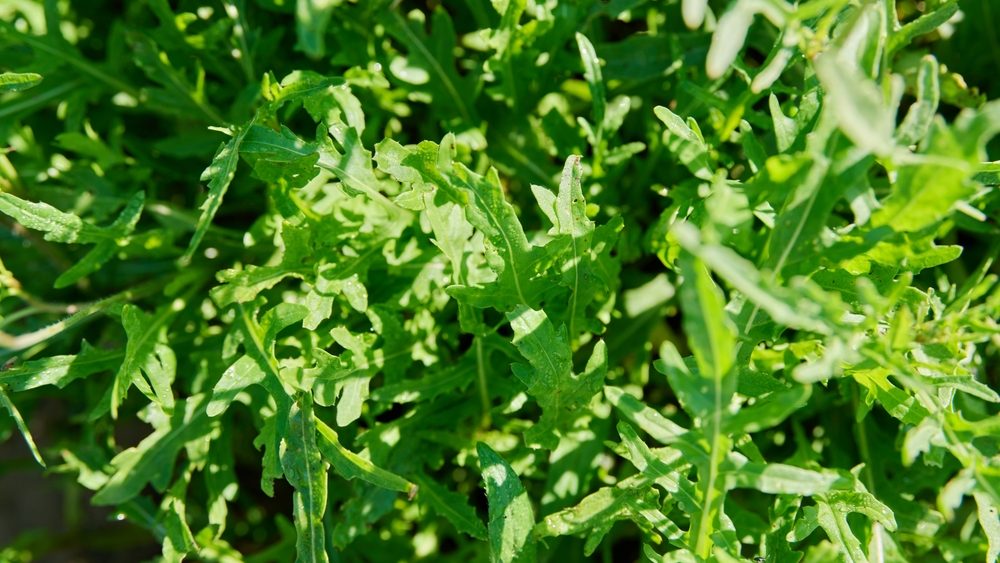
Arugula’s peppery flavor is attributed in part to certain compounds produced from glucosinolates upon degradation. As with other cruciferous vegetables, raw arugula contains the enzyme myrosinase, which forms potentially beneficial compounds known as isothiocyanates when broken down; this enzyme may be deactivated by significant heat application.
Arugula is naturally rich in dietary nitrate and vitamin K. Raw consumption in salads or adding to pizza and pasta just before serving allows consumption with higher levels of these heat-labile compounds.
Radishes
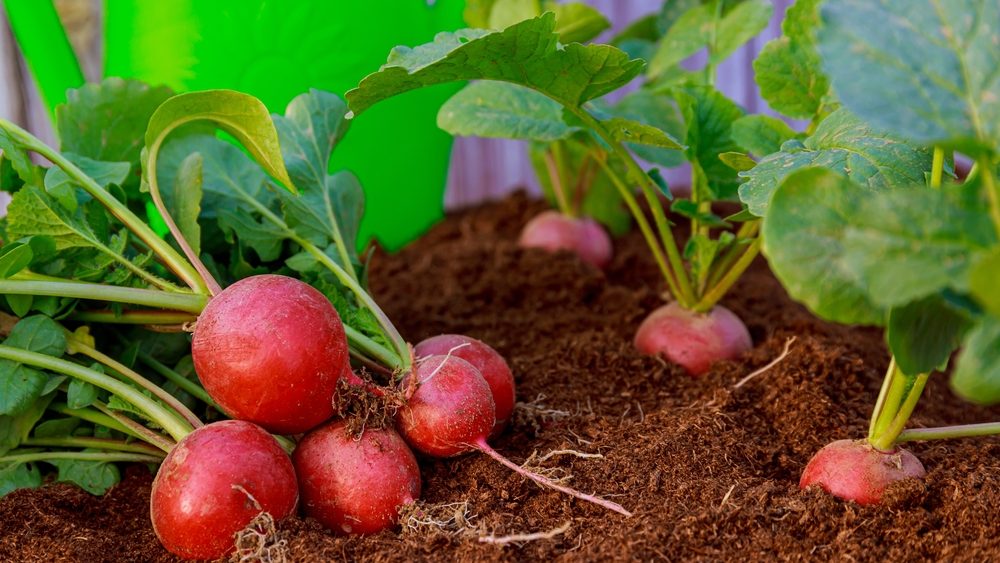
Radishes are also cruciferous and another source of vitamin C, glucosinolates and active myrosinase. Chewing or cutting a raw radish triggers myrosinase to convert glucosinolates into pungent chemicals known as isothiocyanates that are largely responsible for the peppery taste when eating radishes.
Heat inactivates the myrosinase. Cooked radishes will form different compounds. Radishes consumed raw in salads, sandwiches or as a crunchy snack retain their vitamin C and provide intact myrosinase.
Kale
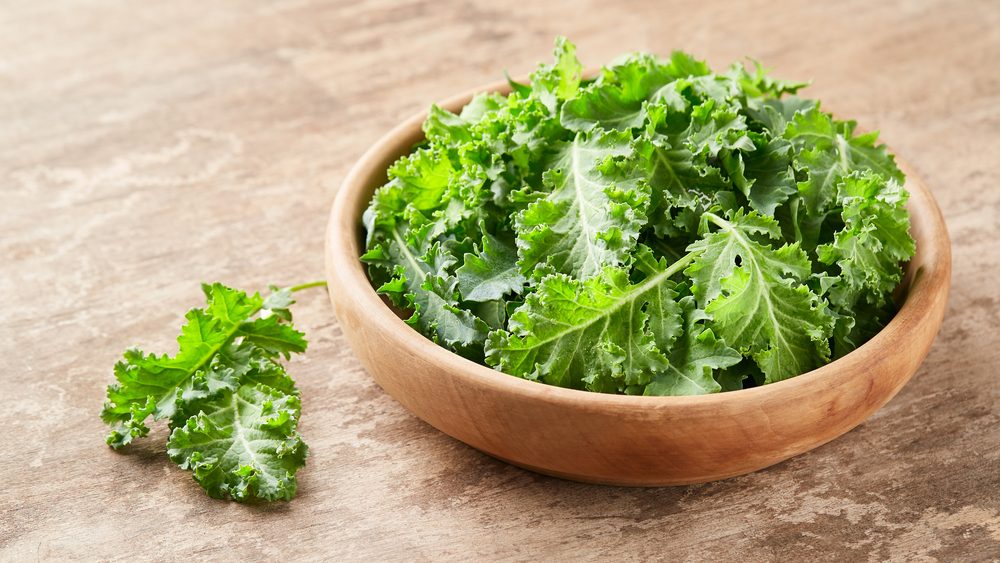
Raw kale is a rich source of vitamin C, vitamin K, carotenoids and glucosinolates. As in broccoli and other cruciferous vegetables, extended cooking can deactivate myrosinase and lessen vitamin C content, and boiling can cause water-soluble vitamins and other compounds to leach out of kale and go into the cooking water.
Consumption of raw kale that has been finely chopped or rubbed/massaged helps retain these heat-labile constituents.
Sources: Please see here for a complete listing of all sources that were consulted in the preparation of this article.
Like our content? Be sure to follow us.