
Canadians are more accepting than Americans of the concept of renting, borrowing, or sharing goods they only need a few times per year. It’s a lifestyle choice influenced by space, cost, weather, and urban living. In the United States, the same things are typically items purchased and stored at home, even if they are used only rarely. So here are some items Canadians generally rent but Americans buy outright:
Seasonal tire storage (“tire hotels”)
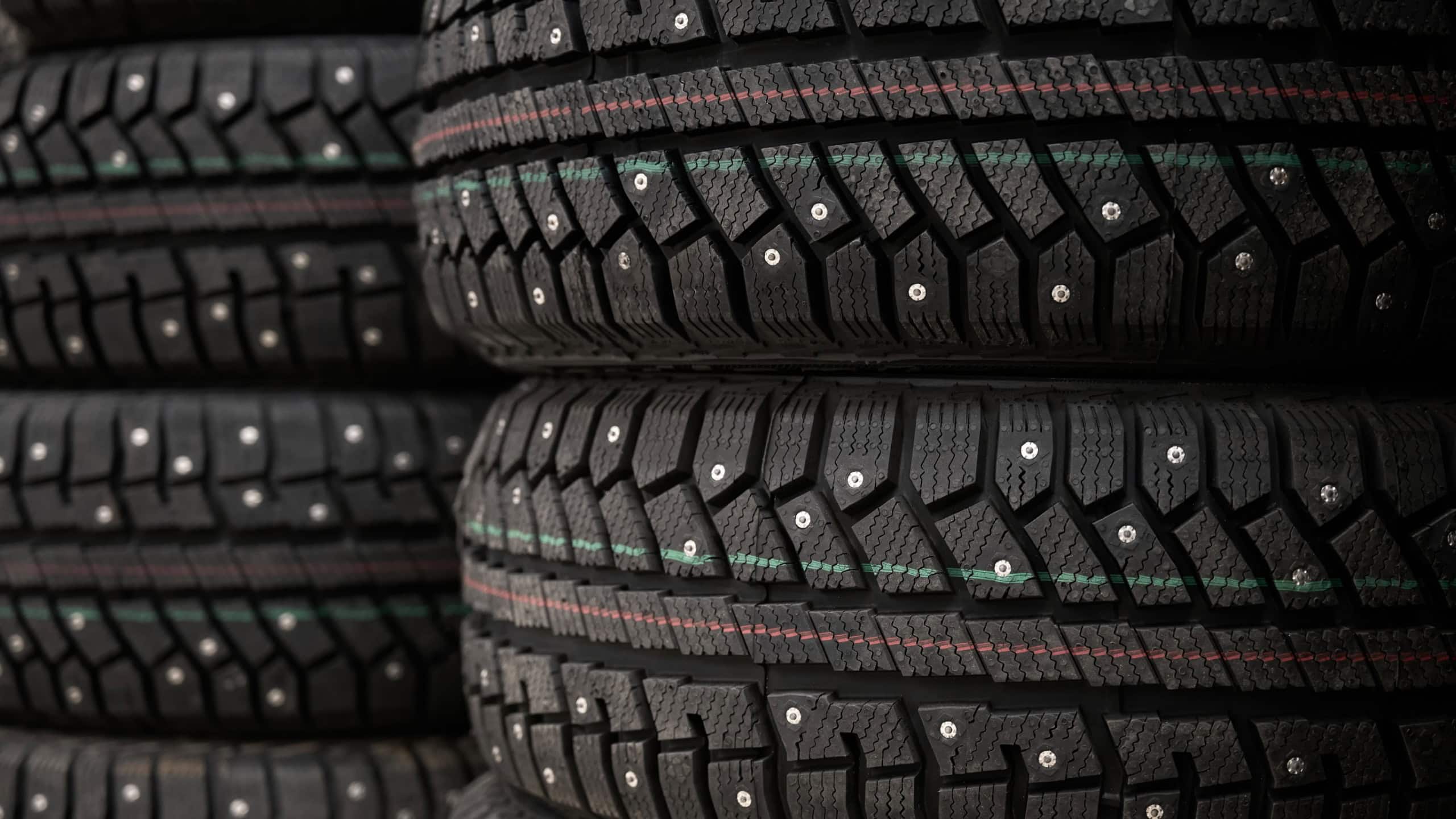
Americans tend to own one set of tires and keep them on their car year-round. In Canada, people are often legally obligated or strongly encouraged to switch between a summer and winter set. Instead of keeping spare tires at home, many Canadians pay a fee every six months to have a dealership store their off-season set and swap them out when the snow flies.
Serious cold-weather parkas

Canadians are big fans of a “status” jacket and labels like Canada Goose or Moose Knuckles easily cost $1,200+. Since the average Canadian lives in a city where it’s only seriously cold for a few weeks of the year or only travels to the mountains for a quick ski trip, renting premium parkas has become a business. So rather than spend a whole paycheck on a coat that will take up half their closet for the remainder of the year, they’ll just rent a pro-grade parka for a weekend in Quebec City or Banff.
Public “Library of Things”

In Canada, the local library has evolved well past books. It’s basically a community rental store. Retail prices for hobby gear are often much more inflated in Canada than in the U.S., so libraries have begun lending out everything from professional-grade telescopes and GoPro cameras to snowshoes and birdwatching kits. This means an American might just head to a big-box store and buy a cheap knockoff of an item, whereas a Canadian might borrow the high-quality version from the city.
Rented water heater

If an American hears a Canadian say that they “rent” their water heater, they’ll likely respond with raised eyebrows. But in Canada, especially Ontario, it is a generational tradition. Rather than buy a tank for $1,500 and pay a plumber to install it, millions of Canadians simply pay a monthly fee on their utility bill. It’s essentially a subscription service for hot water.
If it begins to malfunction, leak, or stop working on a holiday weekend, they don’t freak out at the extra cost. They simply call the rental company, and they’ll have someone out to repair or replace it at no extra cost.
Heavy-duty kitchen appliances
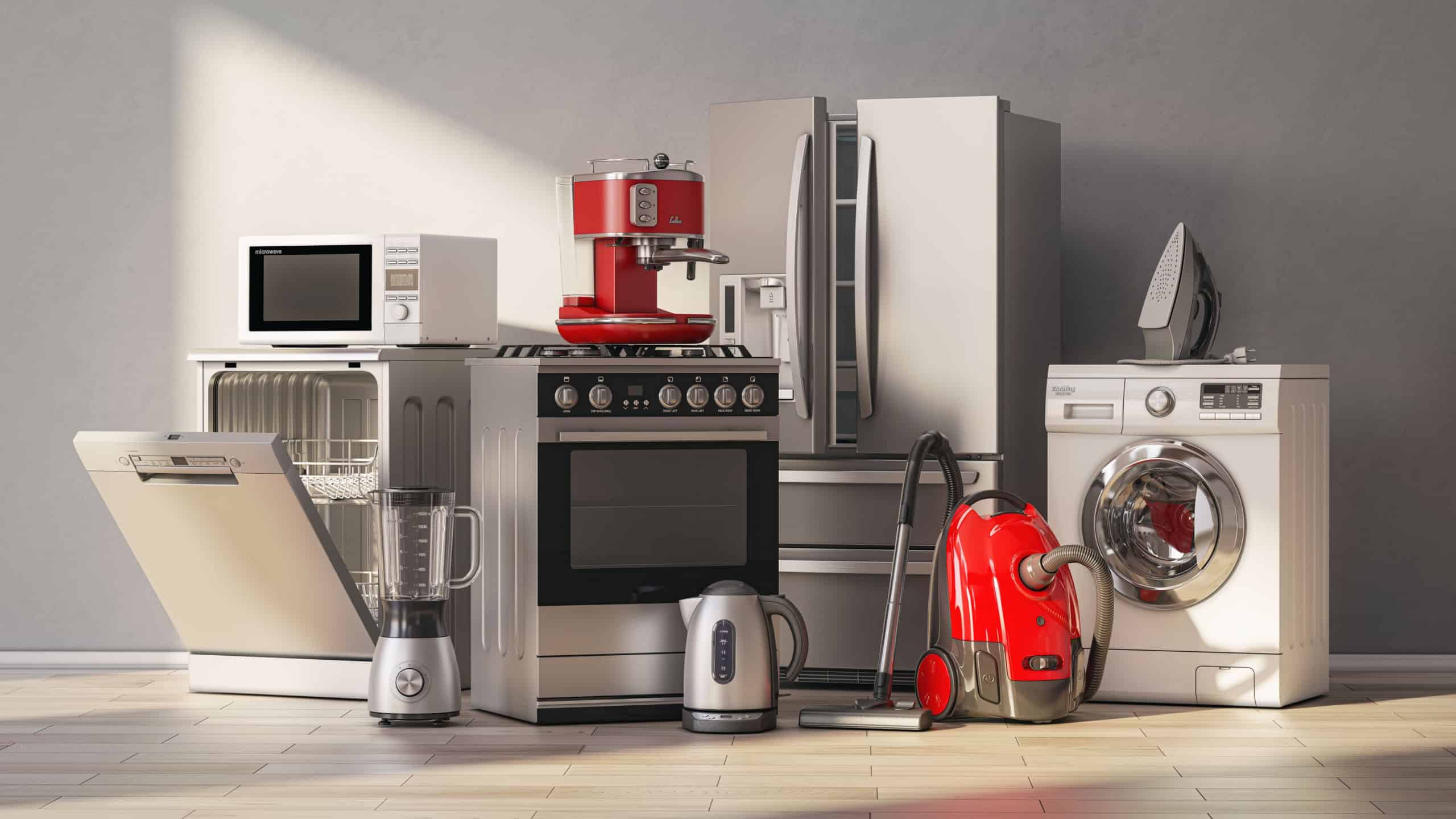
Canadian kitchens, particularly in older Montreal or Toronto apartments, are famously small. There is zero space for a giant pressure canner, a dehydrator, or a $200+ stand mixer you only use once a year. This has led to the emergence of “Kitchen Libraries”.
During the fall harvest, some Canadians will rent professional-grade canning equipment to make their jams and pickles, then return it a week later. A way to take part in that quintessential “homesteading” lifestyle without having to find a place to store a 20-quart pot for the other 360 days of the year.
High-fashion “everyday” wear

Although Americans are accustomed to renting tuxedos and formal wear for proms and weddings, the Canadians have extended this to their everyday social life. Renting services like The Fitzroy or Spina are huge in Canada.
If a Canadian woman has a work gala, a fancy holiday party, or even just a nice wedding to attend, she’s more likely to rent a $700 designer gown for $80 than buy one. It fits into a larger Canadian trend of “sustainable fashion.”
City-wide bicycle fleets

Bike-sharing exists in some major U.S. hubs. However, it has become a massive, integrated component of public transit in Canadian cities. Montreal’s BIXI system is used by almost everyone, and every street has a bike station. Instead of having to own a personal bike that might get stolen or take up valuable space in a small condo, Canadians pay for an annual membership and use the city’s fleet of thousands of bikes for their daily commute or grocery runs.
Fully furnished “executive” suites

Canada has a huge market in what’s known as “Executive Rentals.” The country is so spread out that people taking six-month contracts or temporary work assignments don’t want to deal with the hassle of moving furniture across the Canadian Shield. Instead, they rent apartments that come fully equipped with absolutely everything, down to the bedsheets, the toaster, the artwork on the walls. An American would go to a place like CORT to rent furniture for an empty apartment.
High-efficiency furnaces and HVAC systems

A rental furnace/AC is common in many Canadian provinces. In exchange for a flat fee (usually $60–100/mo), a utility provider will install a new high-efficiency furnace/AC and take full responsibility for its maintenance for the lifetime of the unit. It’s popular in Canada because a furnace going out in the dead of winter is a life-threatening emergency and by renting, the homeowner gets top-priority for repairs without having to pay for parts/labor.
The following sources were consulted in the preparation of this article: