
You can forget all about Toronto. Recently, the topic of conversation has been the smaller Canadian places that are picking up new residents and new projects, as well as new job paths.
These aren’t exactly big cities, either. While Toronto, Montréal, and Vancouver haven’t seen huge population changes, a few smaller communities have experienced significant growth.
So what’s causing people to flock to these places? And what exactly are they? Let’s find out exactly which seven Canadian micro-cities are growing faster than the big three, and the factors causing this growth.
Would you like to move to any of these?
Cochrane, Alberta
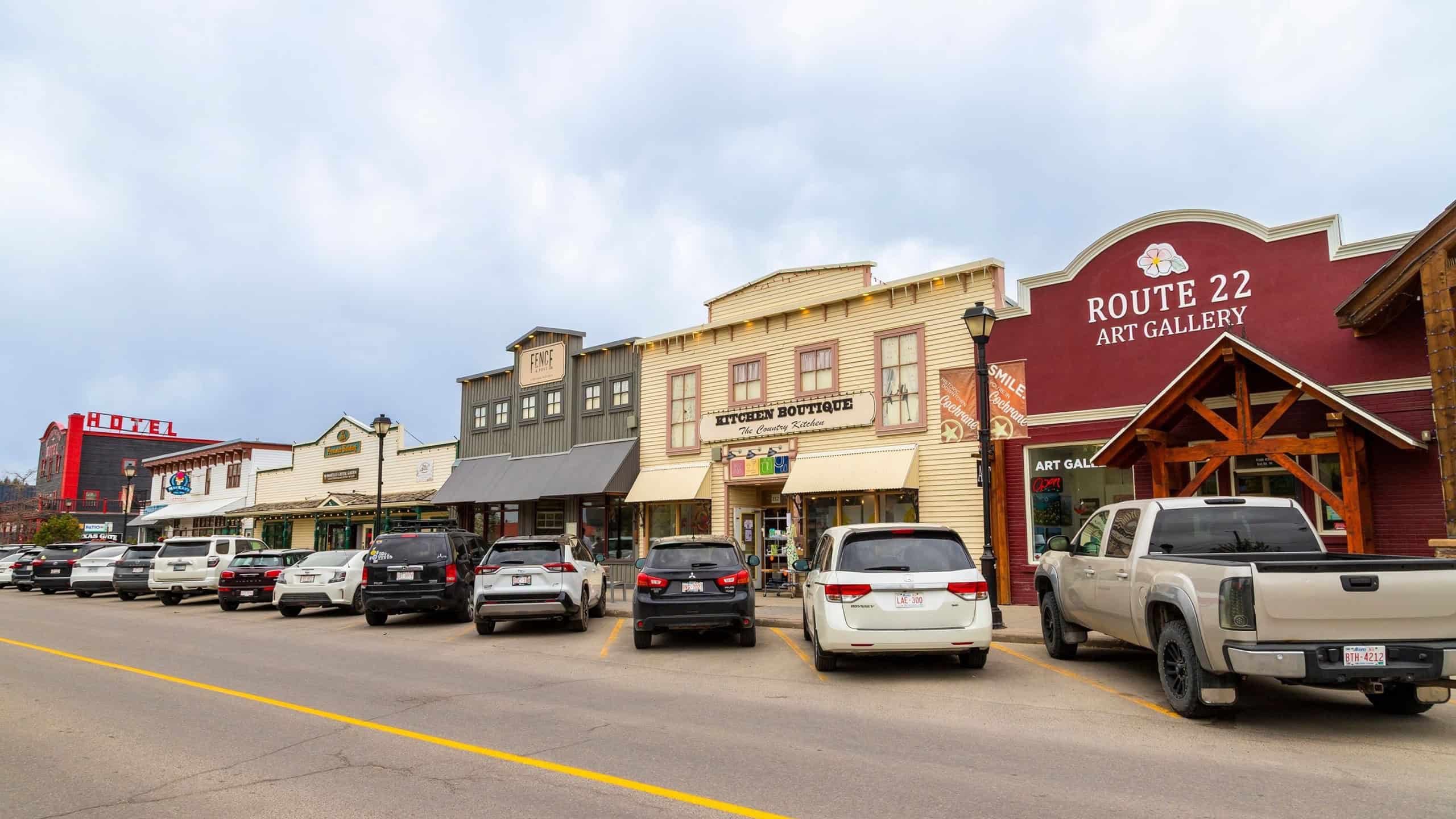
You’ll find Cochrane slightly outside of Calgary, and it’s a city that keeps appearing on Alberta’s Regional Dashboard. It had approximately 39,397 residents in 2025.
Sure, that might not seem like a lot, but it’s a yearly increase of around 3.40% and approximately 22.8% growth across five years. People really are flocking to the city.
The census also found that the city’s population increased by around 43% from 2016 to 2024. Why is it so attractive to newcomers? It’s mostly because they can still work in Calgary while benefiting from Cochrane’s lower home prices and new subdivisions.
Warman, Saskatchewan

Warman is north of Saskatoon, and it has changed quite a bit from a small town to become a popular place for commuters. Provincial population estimates from 2024 show that the city had over 13,000 residents, far above the figures from 2021.
Some of the reasons for the change include the sheer number of new schools and greater highway access. The fact that it’s so close to Saskatoon’s tech companies doesn’t hurt, either, since newcomers won’t have to travel too far for work. That’s always a good thing.
Innisfil, Ontario

Innisfil, Ontario, is a place that saw an 18.5% increase in population between 2016 and 2021, reaching roughly 43,326 residents. However, it’s not necessarily for the reasons you might think.
Sure, local workers still work in Toronto and commute from Innisfil, but it’s the smart infrastructure that really gets people.
Rogers ran real-world 5G trials in the city, and they really helped bring Innisfil into the twenty-first century. It’s also not the only city near Toronto that’s expanding, as we’ll find out later.
Bradford West Gwillimbury, Ontario

Even the area around Toronto is becoming more popular than the city itself, with Bradford West Gwillimbury being a great example of that. It has grown in population by roughly 3.5% each year since 2016, reaching an estimated 48,600 residents in 2024.
So what makes people so interested in moving here? It’s mostly due to the sheer number of new housing developments near Highway 400, along with greater logistics and food-processing employers in the Holland Marsh.
People are looking for more jobs. Employers in Bradford West Gwillimbury are providing them. It’s as simple as that.
Olds, Alberta

Olds, Alberta, is a far more attractive city for young people than the name might suggest. After all, this is a city that has a locally-owned fibre network, called O-NET, that delivers the kind of high-speed internet across town that young professionals are craving.
Let’s not forget about the success of Olds College’s Smart Farm projects, too, like their AI-powered agricultural research. Yes, AI in agriculture is a thing now.
The 9,679, and growing, residents in Olds know all about that, and so do the newcomers who are coming to be part of this new ag-tech field. Beyond futuristic farming, many people are moving to Olds for the educational and digital business opportunities, too.
Fredericton, New Brunswick

All it takes is a look at the numbers to see how big Fredericton is becoming. They had approximately 122,500 residents in 2024, and received over 2,100 newcomers in a single year, and it’s all thanks to the Canadian Institute for Cybersecurity at UNB.
Sure, it might not sound that exciting. But UNB has a bunch of research labs and startup offices that have pulled all sorts of people into the city, while the number of new tech hires in the downtown area doesn’t exactly hurt, either.
Windsor, Ontario

It’s no surprise that Windsor, Ontario, is becoming so popular. After all, the average rent for a two-bedroom property was around $1,451 in 2025, far cheaper than Toronto’s average of $2,045. Energy companies are also investing heavily in the city.
Stellantis and LG Energy Solution’s NextStar Energy battery plant invested over $5 billion in the city and had hiring targets that reached nearly 2,500 workers. It’s a great place for anyone in the energy field.
Sources: Please see here for a complete listing of all sources that were consulted in the preparation of this article.
Like our content? Be sure to follow us.