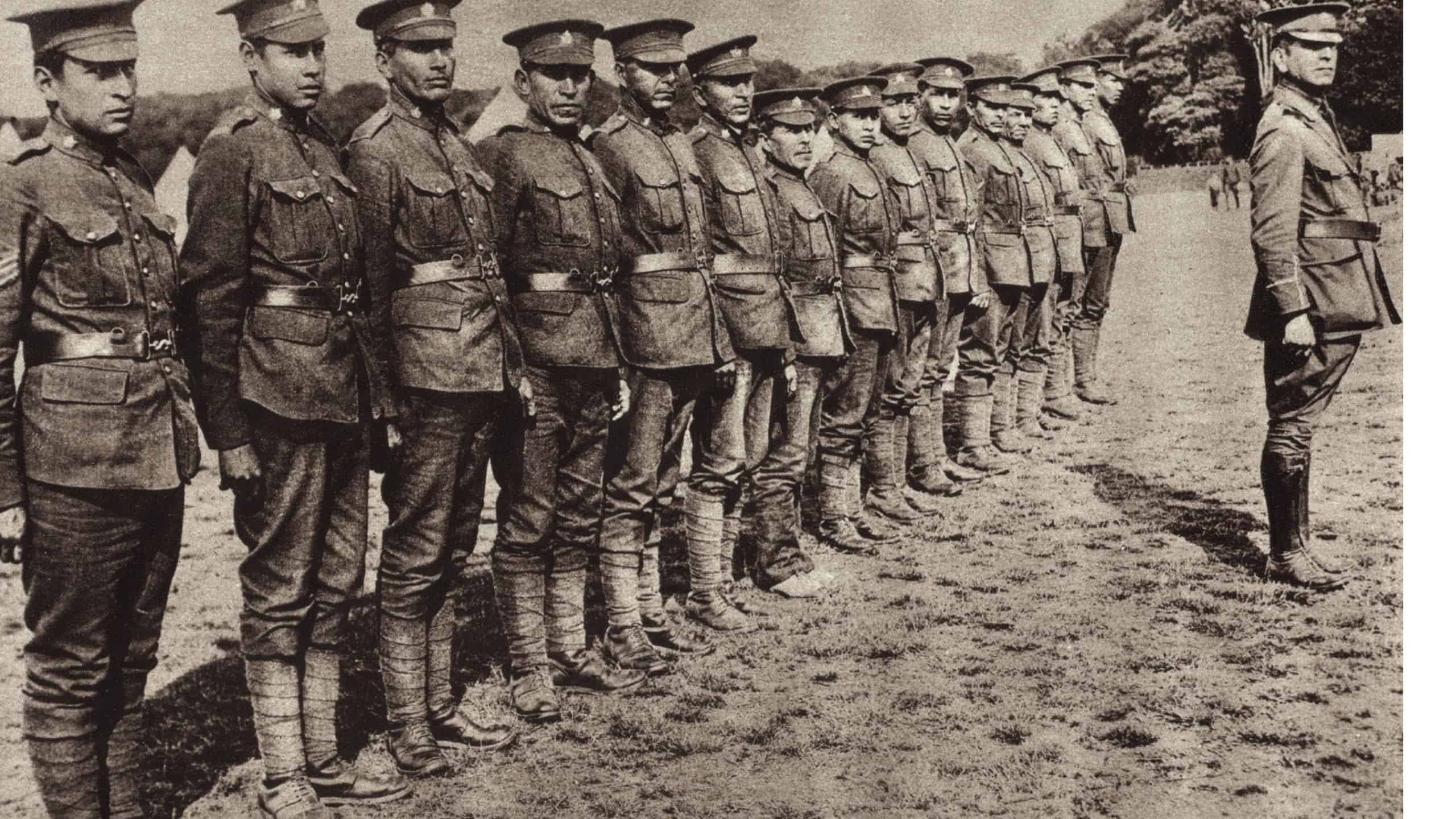
Underneath their polite veneers and constant apologies, Canadians have centuries of history showing the world that it is a force to be reckoned with when the stakes are high.
Vimy Ridge
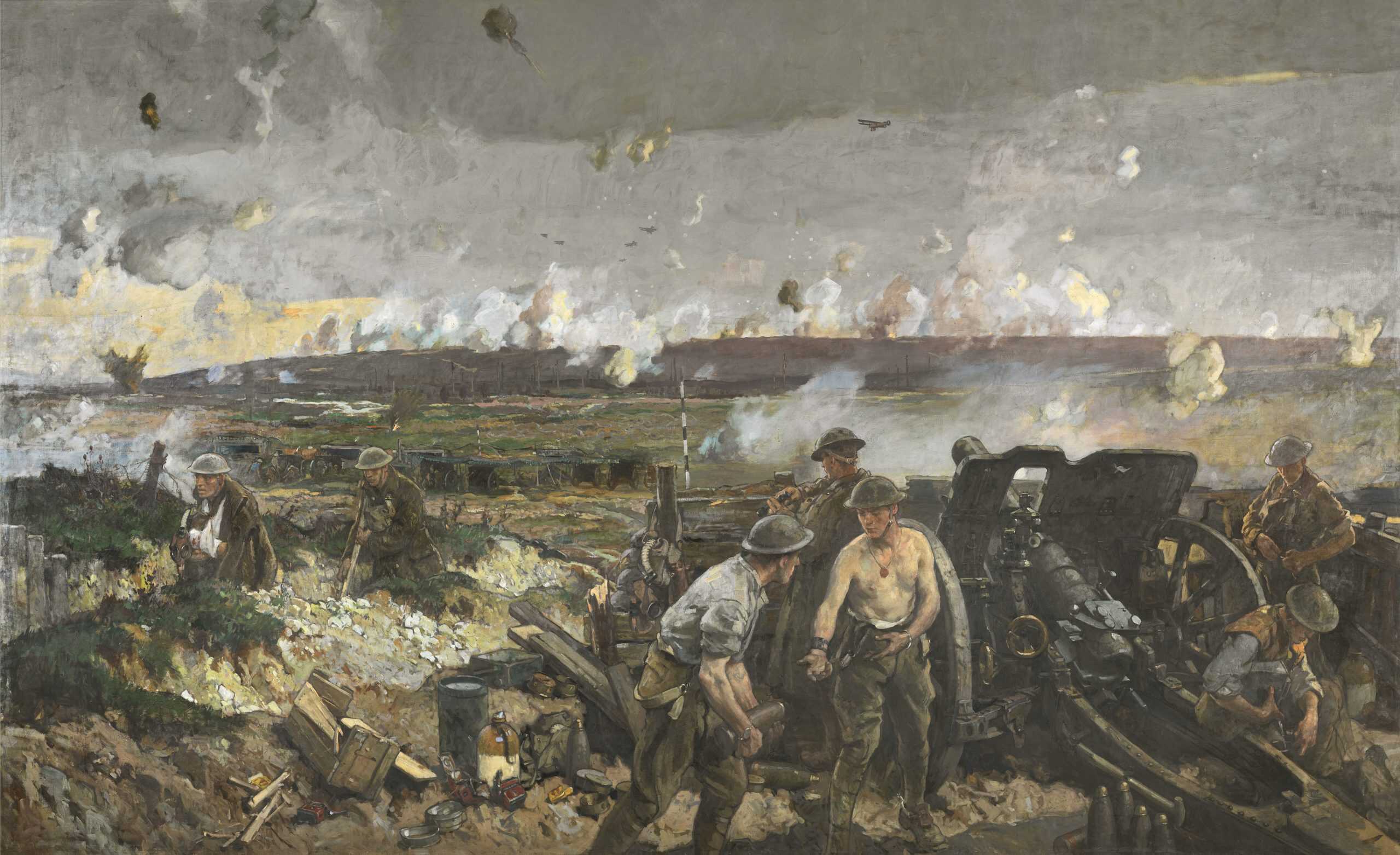
In 1917, French and British troops had tried and failed to take a heavily fortified German position called Vimy Ridge during World War I. Canada took over, and after extensive planning and precise artillery strikes, attacked the ridge with a creeping barrage in a matter of days.
It was the first time the four divisions of Canada fought together, and cemented Canada’s reputation as one of the most lethal fighting forces in existence.
Junkers and Juno
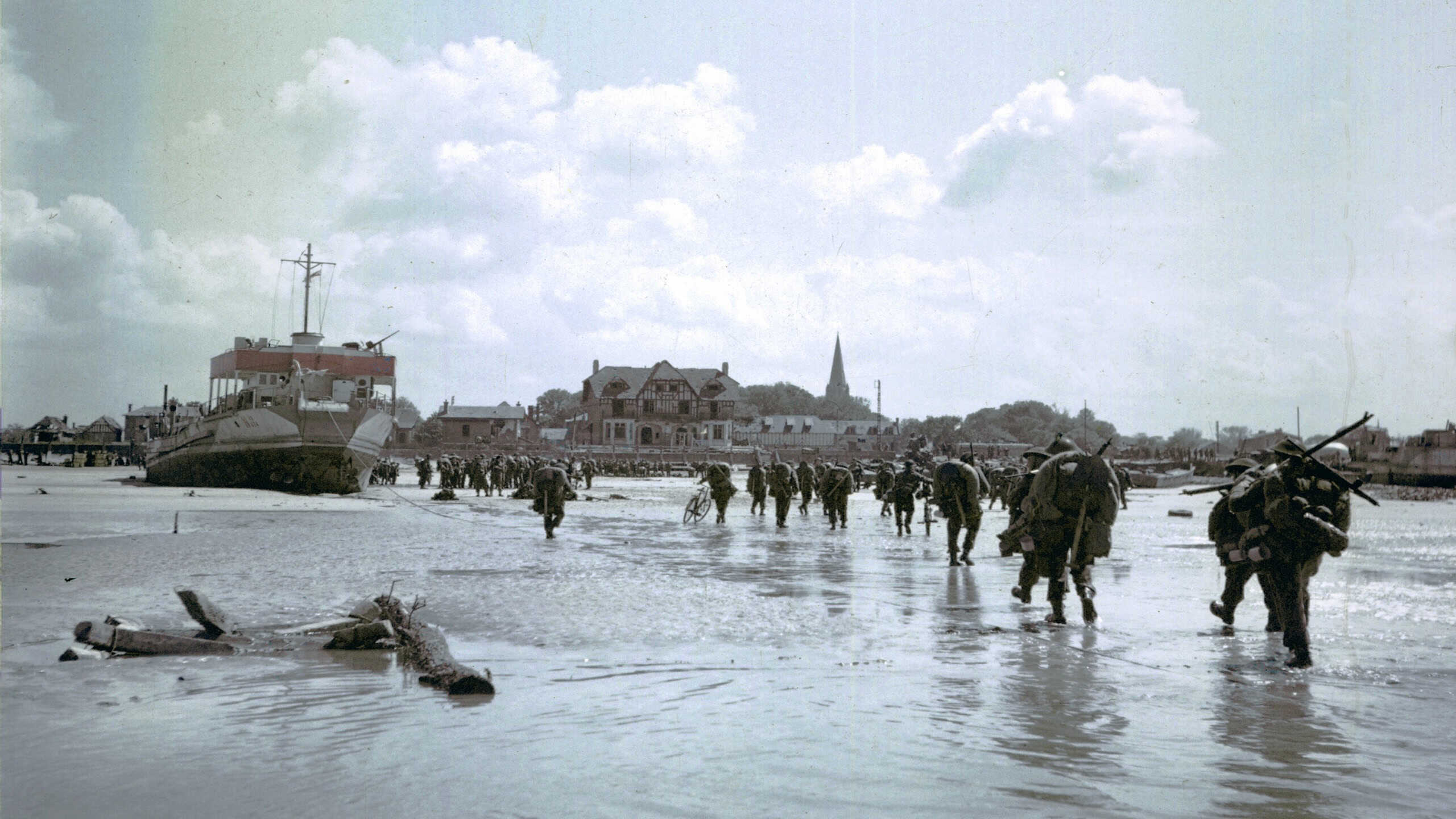
When it came time to assign attack positions on D-Day in 1944, Canadians drew the short straw. Juno Beach was one of the most fortified sections of the Normandy coast.
Outnumbered and outgunned by bunkers, deadly landmines, and fearsome German infantry hiding inside, the Canadians advanced further inland than any other Allied division that day.
Liberation of Netherlands

As everyone else’s army raced to Berlin, Canada took on the arduous job of freeing the Netherlands from Nazi oppression. Canadian forces fought house-to-house and through flooded countryside villages to end starvation and oppression for the Dutch.
To this day, Canada receives thousands of tulips from the Netherlands every year as thanks.
The Summit Series

When Canada went up against the seemingly undefeatable Soviet hockey team in 1972, most predicted the Russians would beat Canada’s pro team.
The Summit Series was a Cold War battle between the countries, fought on ice. In the final seconds of the last game, Paul Henderson scored the winning goal, proving that when it comes to their national sport, Canadians will fight until the very last second to win.
The “Canadian Caper”
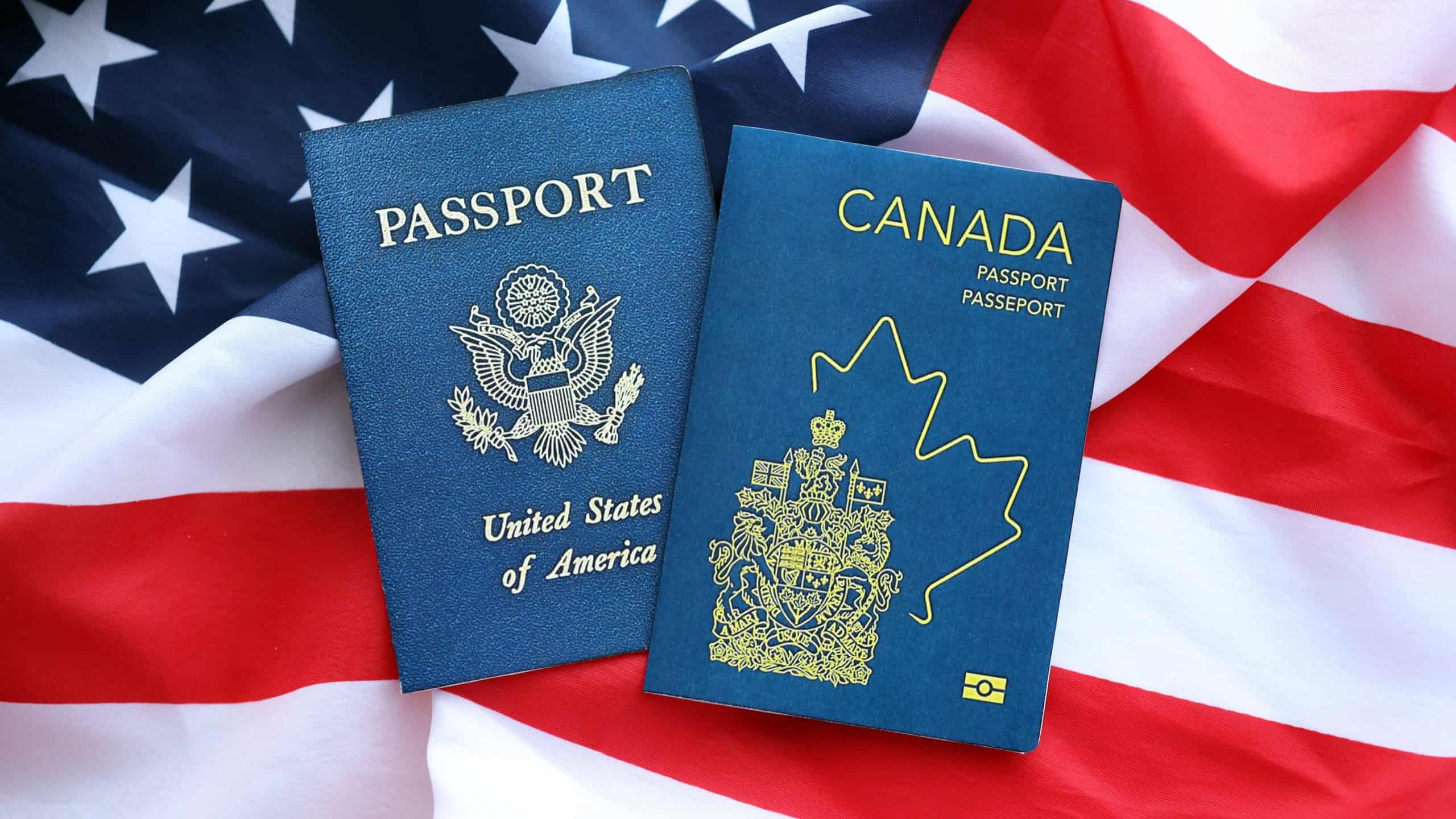
When 6 Americans fled the U.S. Embassy during the Iran Hostage Crisis, they were secretly sheltered by Canadian diplomats.
Led by Ambassador Ken Taylor, Canada placed the lives of these Americans before potential political strife by issuing fake Canadian passports and sneaking them out of Iran as a film crew.
It was a bold and brave act that went unknown for decades.
Suez peacekeeping

While other countries were ready to go to war with Egypt over control of the Suez Canal in 1956, Canadian diplomat Lester B. Pearson stepped in with an idea.
He convinced the newly formed United Nations to form its own “United Nations Emergency Force” to act as peacekeepers between the two sides. Pearson literally created peacekeeping and changed global diplomacy forever. He won the Nobel Peace Prize for his efforts.
Resisting prohibition

While America joined the dry trend in the 1920s, Canada refused to follow suit.
A booming illegal trade of Canadian rumrunners popped up in secret docks throughout Nova Scotia and British Columbia to service lucrative American markets. It proved to the world that Canada has a rebellious streak.
Insulin

Diabetes was a death sentence until two Canadians made a discovery in a cramped Toronto lab. Doctors Frederick Banting and Charles Best found insulin, letting diabetics all over the world finally breathe easy.
They sold the patent for $1 because they believed insulin should belong to everyone, not just those who could afford it.
War of 1812
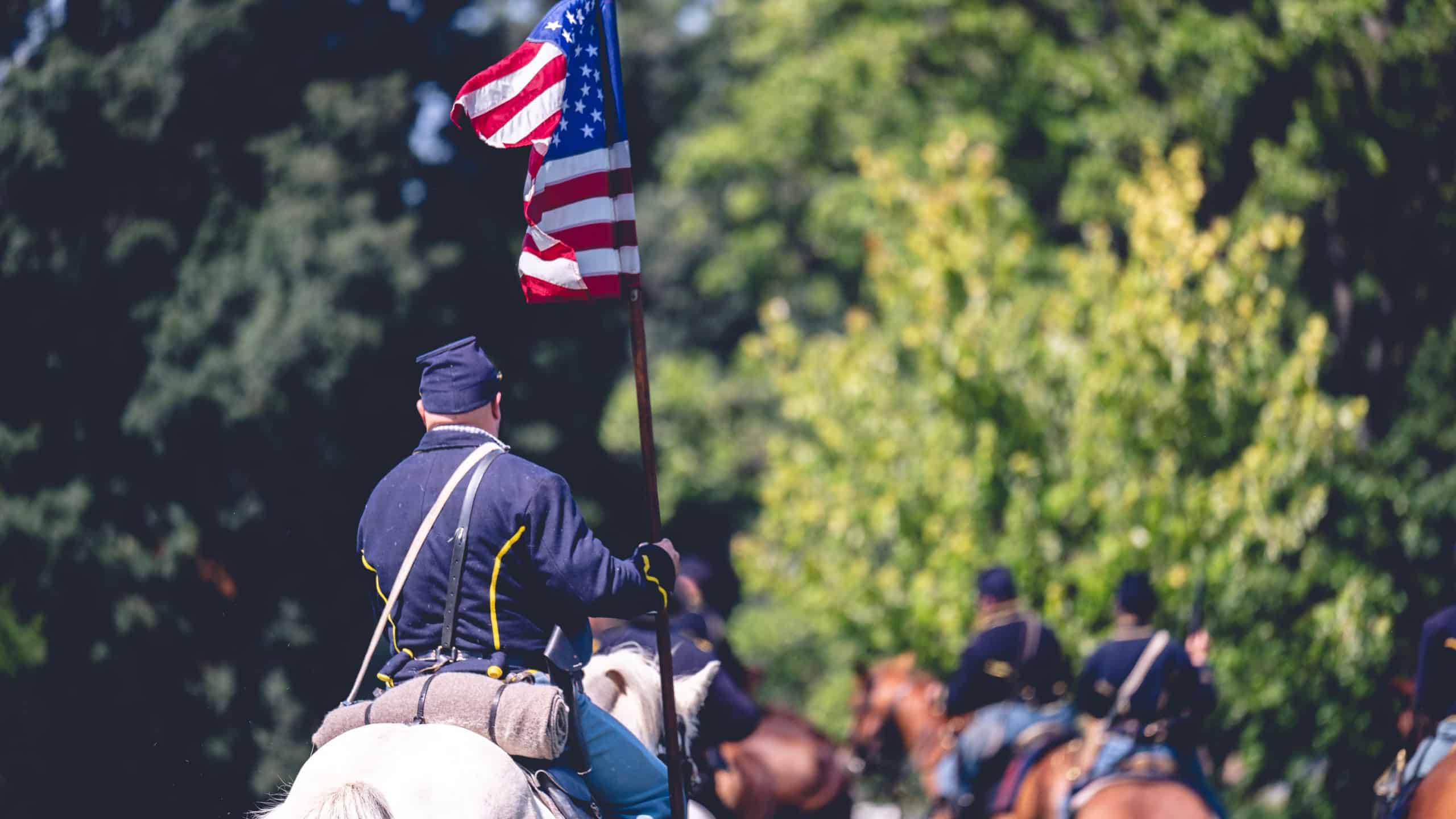
The Americans didn’t think twice when they decided to invade Canada in 1812. They wanted territory, port access, and thought they’d win easily.
Instead, militia and Indigenous warriors like Tecumseh stopped the Americans and eventually set Washington D.C., on fire. Americans learned never to underestimate their warriors and not to mess with Canada.
The Turbot war

In 1995, Canada had had enough of Europeans catching all the fish just outside Canada’s maritime border. In an unprecedented show of force, the Canadian Coast Guard chased down and boarded a Spanish fishing trawler in international waters and arrested its crew.
This led to a massive international dispute between Canada and the EU, but Ottawa held firm until new conservation rules were put in place.
Terry Fox’s Run

In 1980, a young Canadian man decided to run across Canada on one leg to raise money for cancer research. He ran an average of a marathon per day for 143 consecutive days.
The “Marathon of Hope” went on to inspire the world and proved Canadians have some of the most giving spirits and capacity for self-sacrifice on Earth.
Hundred days
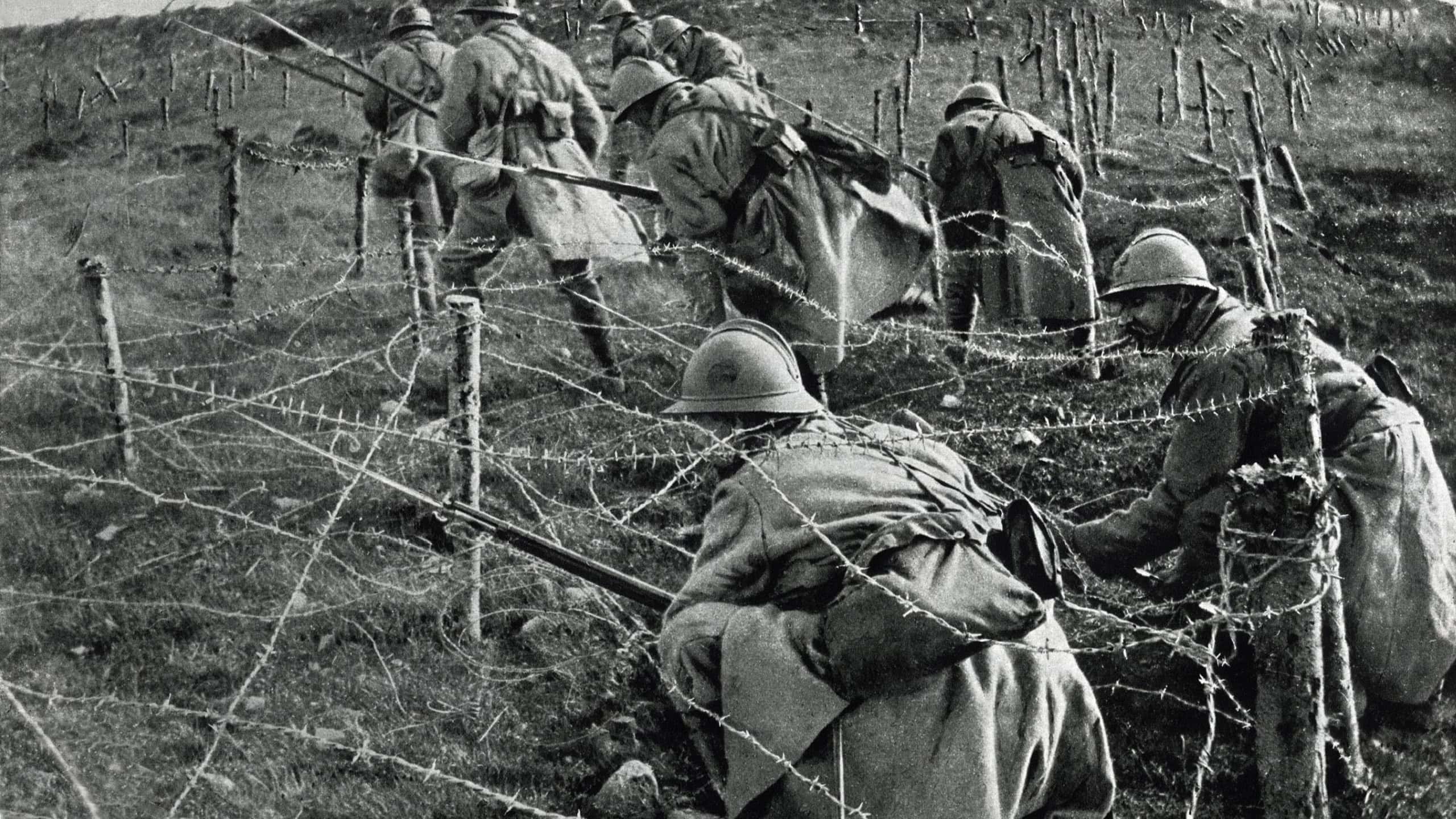
In just under four months, the Canadian Corps defeated over one-quarter of the entire German army fighting on the Western Front in World War I. In what’s called Canada’s Hundred Days, Canadian divisions became the hammer of the Allied offense.
German generals started fearing the sight of maple leaf patches because they knew an army of Canadian knights was coming to fight them.
The Canadarm

As NASA was designing the Space Shuttle in the 1970s, they realized they needed a way to maneuver supplies in orbit. They used a Canadian-built robotic arm, dubbed the Canadarm.
Canadian robotics are responsible for some of humanity’s greatest accomplishments in space and prove that Canada isn’t afraid to lead when it comes to technology and innovation.
Iraq war
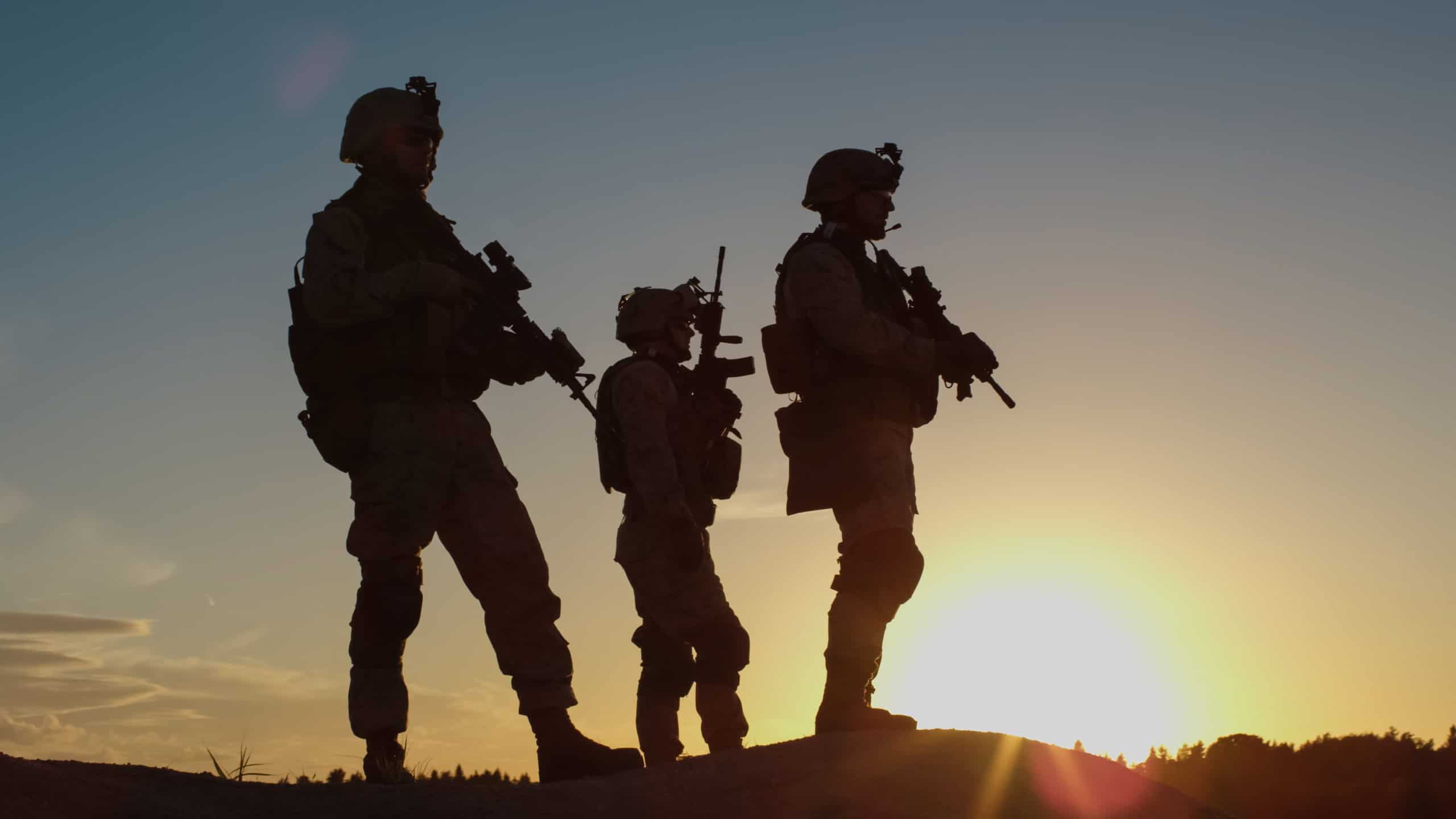
When asked to help the US invade Iraq in 2003, Canada said no. Even after America put intense pressure on its oldest ally to help launch a war, Canadians refused.
Why? Because Saddam had not been legally declared in violation of the UN code by the Security Council. Canada will sometimes stand up for what is right, even if it means opposing America.
Standard time

Before standard time zones were invented, every city you travelled to had a different time. If you were late for a train connection, it wasn’t your fault. The city was just telling a different time.
Canadians had the idea to divide the world into 24 time zones and pushed the idea tirelessly until everyone else agreed.
Sources: Please see here for a complete listing of all sources that were consulted in the preparation of this article.