
Canadians aren’t necessarily talking about it, but the way middle-class families spend their money is changing.
The annual cross-border shopping run
Crossing into Buffalo, Detroit or Bellingham for a weekend of outlet malls, TJ’s runs and Target hauls was once a middle-class staple. But with exchange rates staying low, customs exemptions staying stubbornly high and prices rising fast north of the border too, the time-honoured tradition of the cross-border deal hunt simply doesn’t make sense anymore.
Upgrading vehicles every four to five years

Some Canadians would trade in their car for a brand new one every four years when they finished paying their loans. That trend is rapidly disappearing.
New cars are expensive, and loan rates are steep. Average consumers are holding onto their cars longer than ever. Driving around in an older paid-off car used to mean you were cheap; now it’s just being frugal.
Holding onto the “cottage country” dream
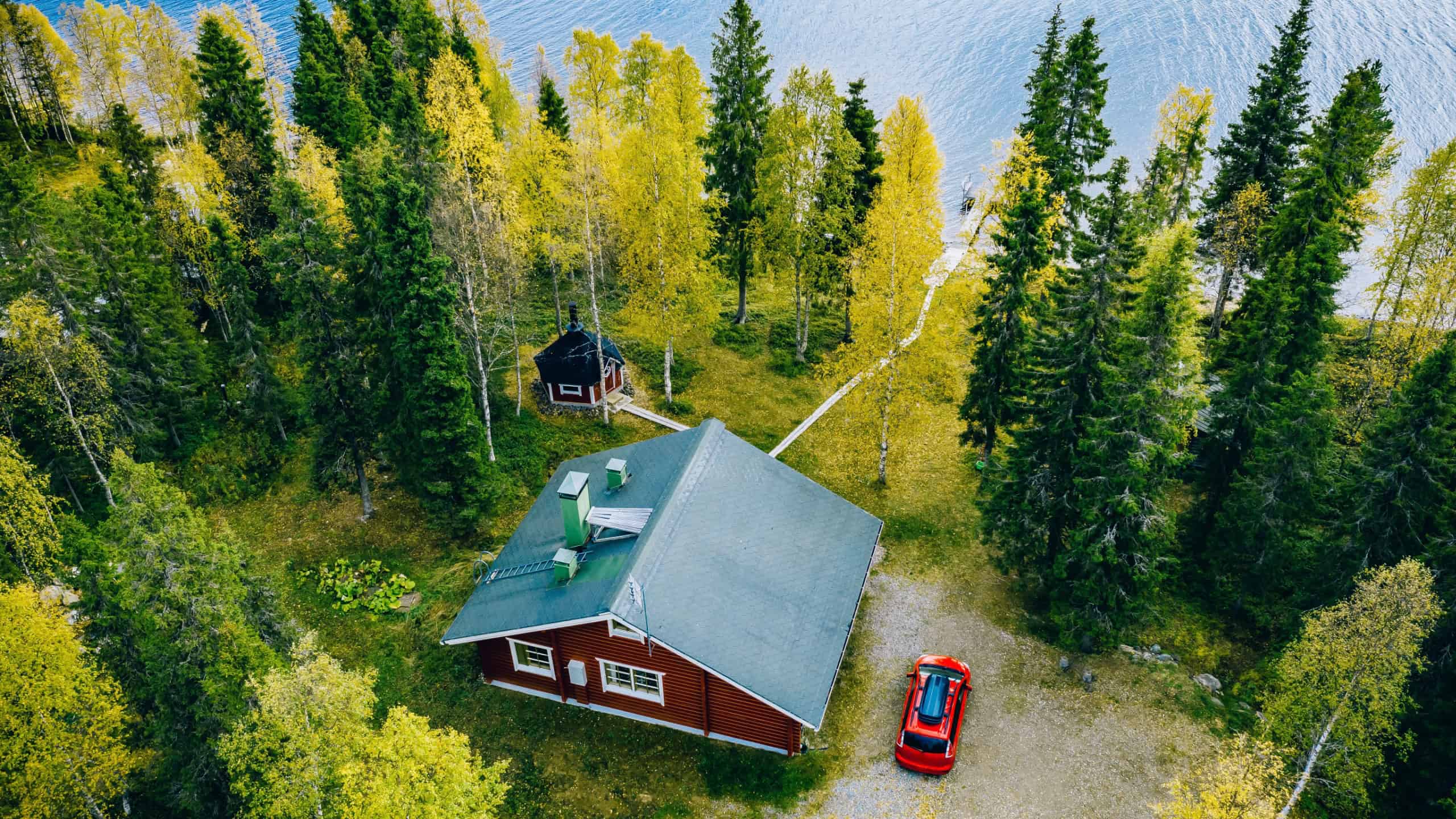
A cabin in B.C., a cottage in Northern Ontario or a chalet in Quebec was once considered the pinnacle of middle-class achievement. Today, with astronomical waterfront prices, skyrocketing municipal taxes and high interest rates, vacation homes are financially beyond the reach of most young and mid-career families.
Default 20% tipping at counter service

Pop-up card payment screens demanding large tips have sprung up at every store offering food services, from cafes to bakeries to counter service restaurants. Canadians still tip well at sit-down restaurants, but we no longer feel obligated to tip 18% or 20% for someone delivering us a simple cup of coffee. People are entering “Custom Amount” or declining to tip altogether, and they no longer feel guilty about it.
Shopping at one supermarket without price-matching

Doing all your weekly shopping at one upscale or mid-level grocery store because you can is a luxury few can afford anymore. Going to multiple stores for groceries, using flyer apps like Flipp, price matching at the register, and generic discount banners like No Frills, Food Basics or FreshCo have all been adopted by the middle class. Being loyal to one brand of grocer has been substituted with militant unit-price comparison.
The “detached starter home” pipeline

The traditional path of living in the suburbs has been shattered across our major metros. Once people planned on starting in a condo, then transitioning to a townhome, and finally graduating to a single-family home with a yard to raise kids.
Now families are readjusting their expectations and making homes for themselves in townhomes or two-bedroom apartments long-term.
Buying a backyard rink setup every winter
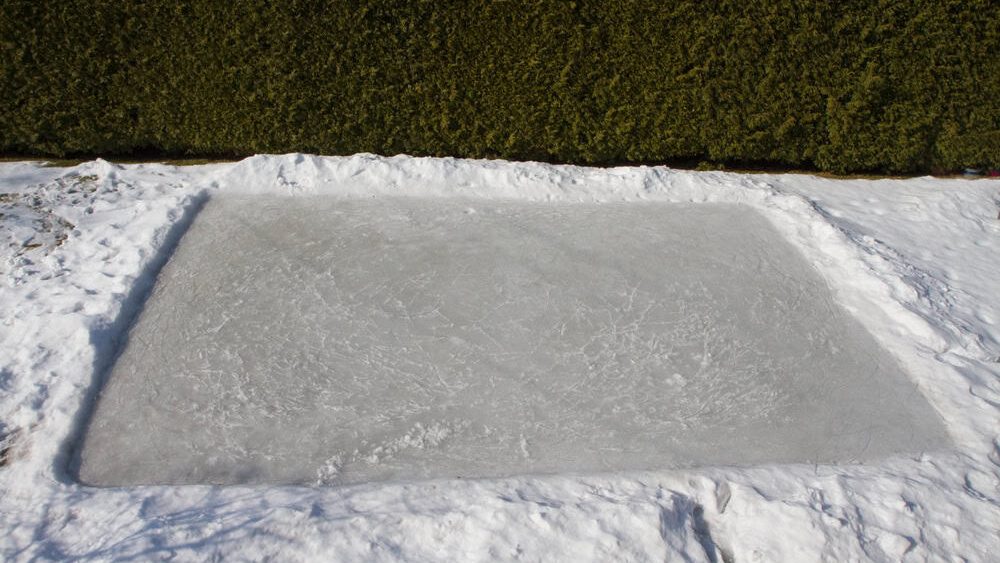
Typically, for some families in Canada, winters meant flooding a section of your backyard or having an outdoor ice surface ready for your kids.
Unpredictable and warmer winters in southern Canadian regions make natural outdoor ice patch upkeep aggravating. Additionally, it costs money for rink building equipment and water.
Spontaneous winter sun trips

Heading south for a spontaneous week in Mexico or the Caribbean to escape grey Canadian Februarys was once every working family’s annual vacation tradition. Rising airline prices, resort increases and hotel taxes have made yearly tropical vacations into logistical endeavours that need months, if not years, of point earning ahead of time.
Keeping two vehicles per suburban household
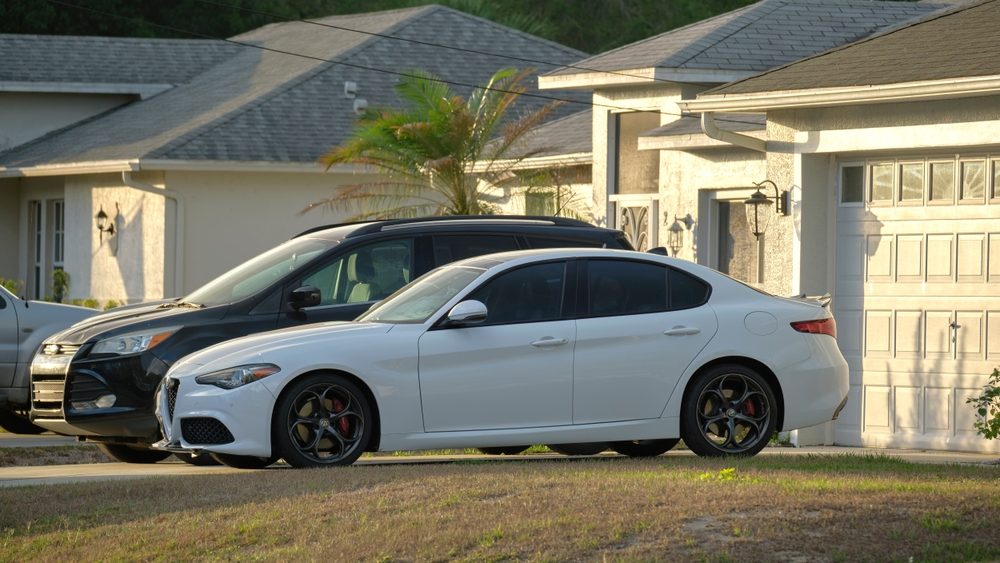
Two cars in the driveway was long considered a suburban living requirement. But between insurance, maintenance, gas, and car payments, many households are having to rethink.
Instead of two cars that can take anybody anywhere at any time, many families are choosing one dependable ride and supplementing with transit, e-bikes, flexible work hours, or the occasional car share.
Putting every child into organized hockey
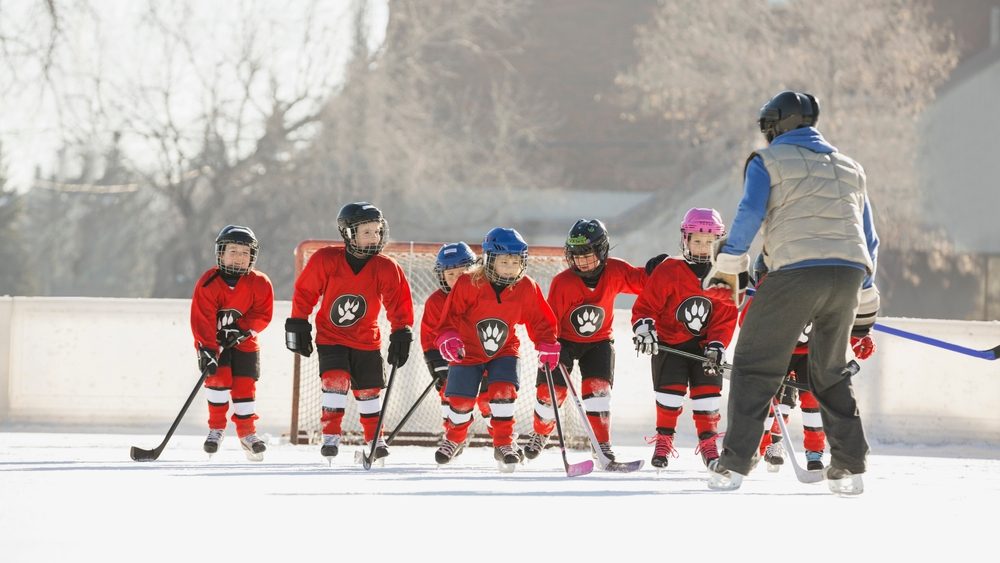
Hockey is still very Canadian, but when families consider registration fees, equipment, tournament fees, travel, and other expenses, youth hockey can become pricey.
Competitive hockey also requires serious time and dedication from families, especially those with multiple kids. Some parents are opting for rec leagues, cheaper sports or even limiting how competitively their kids play instead of simply enrolling them in the traditional hockey pipeline.
Staying with the same big five bank out of habit

Undivided allegiance to the big banks is slowly crumbling. Canadians seeking better returns on their savings and lower fees on banking accounts are transitioning daily banking activities and high-interest savings accounts.
Neobanks, credit unions, and other wealth companies that provide better returns without $16/month account fees are taking over.
Making frequent runs to Canadian Tire for every household project
Running to Canadian Tire on the weekend for tools, automotive products, barbecues, lawn care supplies, or some other household improvement staple is nearly a suburban Canadian rite of passage.
However, families attempting to save money may delay discretionary projects, fix what they currently have, borrow a neighbour’s tools, or simply wait for one of Canadian Tire’s famous sales instead of making the purchase right away.
Buying coffee at Tim Hortons every morning
Your daily Tim Hortons run is about as cliché Canadian as consumerism becomes. But even small daily expenditures become significant over the course of a year, especially when factoring in breakfast and snacks.
Savvy budget commuters are trading travel mugs and coffee machines instead of take-away as they ditch their habit of swinging through drive-thrus each day.
Taking the whole family to an NHL game

Going to a professional hockey game used to be within reach as a family outing for middle-class hockey fans. Tickets, parking, food, drinks, and team merchandise at fan-friendly Canadian teams can add up to one pricey night. Catching a game from home, or even watching junior, university, or minor-league hockey is a great alternative.
Owning a boat simply because you own a cottage

For some cottage-owning families, there was another expectation that came with cottage ownership: eventually they’d buy a boat. But beyond purchase prices, there’s fuel, storage, winterization, upkeep, insurance, and repairs.
Renting, sharing, keeping an old reliable boat, or just paddling a canoe or kayak can make much more financial sense.
Like our content? Be sure to follow us.