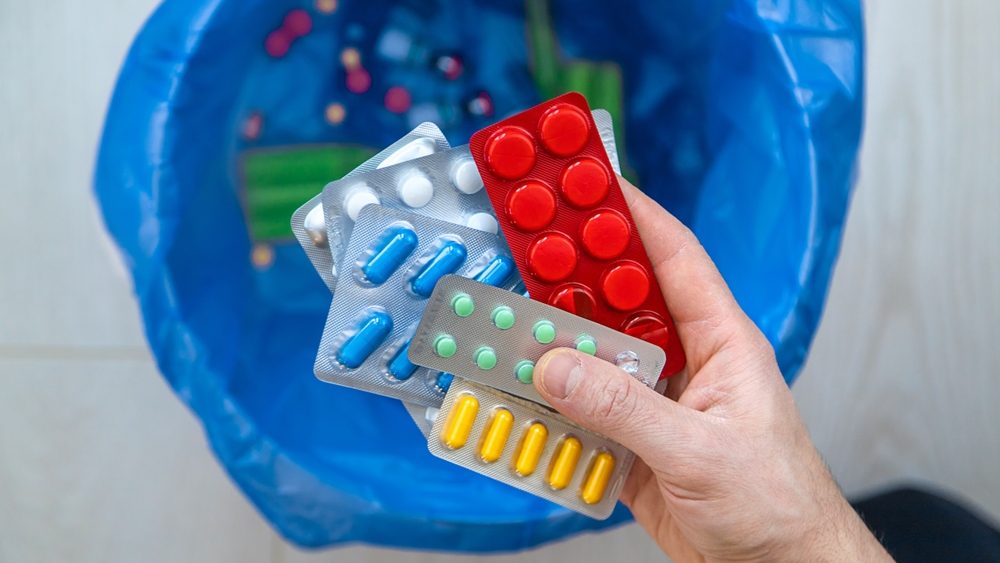
We hold onto an astonishing amount of junk simply because we convince ourselves it might become useful again someday.
Expired sunscreen and skincare products
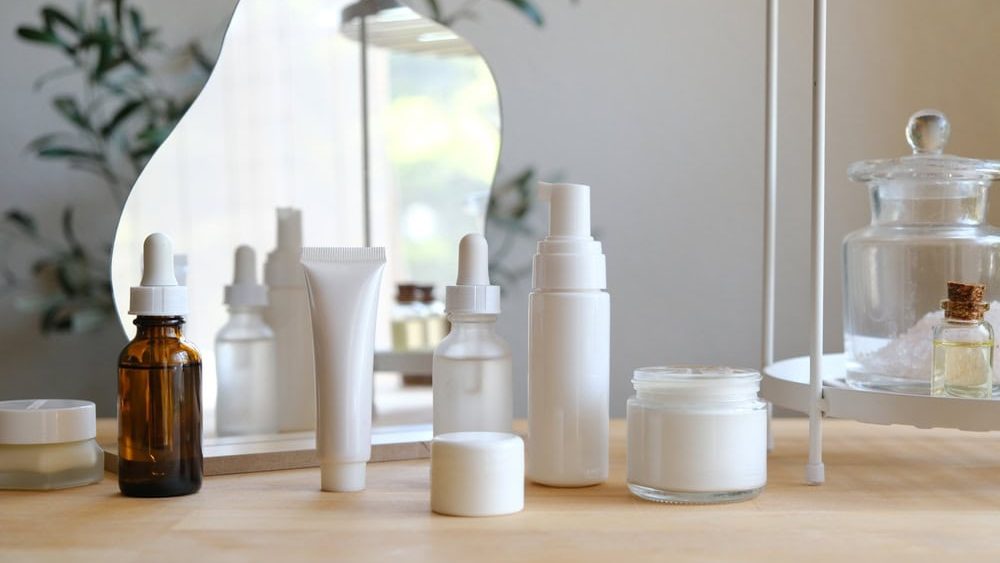
Sunscreen ingredients that degrade upon exposure, such as avobenzone and octisalate, deteriorate quickly. As soon as they’ve decomposed, your sunscreen will no longer protect you from harmful UV rays. Lotions and serums that have been sitting open for months can develop harmful bacteria that cause breakouts, inflammation, and infection. There is no advantage to keeping old skincare products. It only harms your skin.
Outdated cables and proprietary charging adapters

A drawer full of outdated VGA cables, weird flip-phone chargers, S-Video cords, and 30-pin connectors isn’t doing you any favors. Most electronics now use near-universal standards like USB-C or wireless charging pads. These old cords won’t be used again. Throw them out and free up valuable drawer space immediately without affecting your tech life.
Old paint cans with dried or separated contents
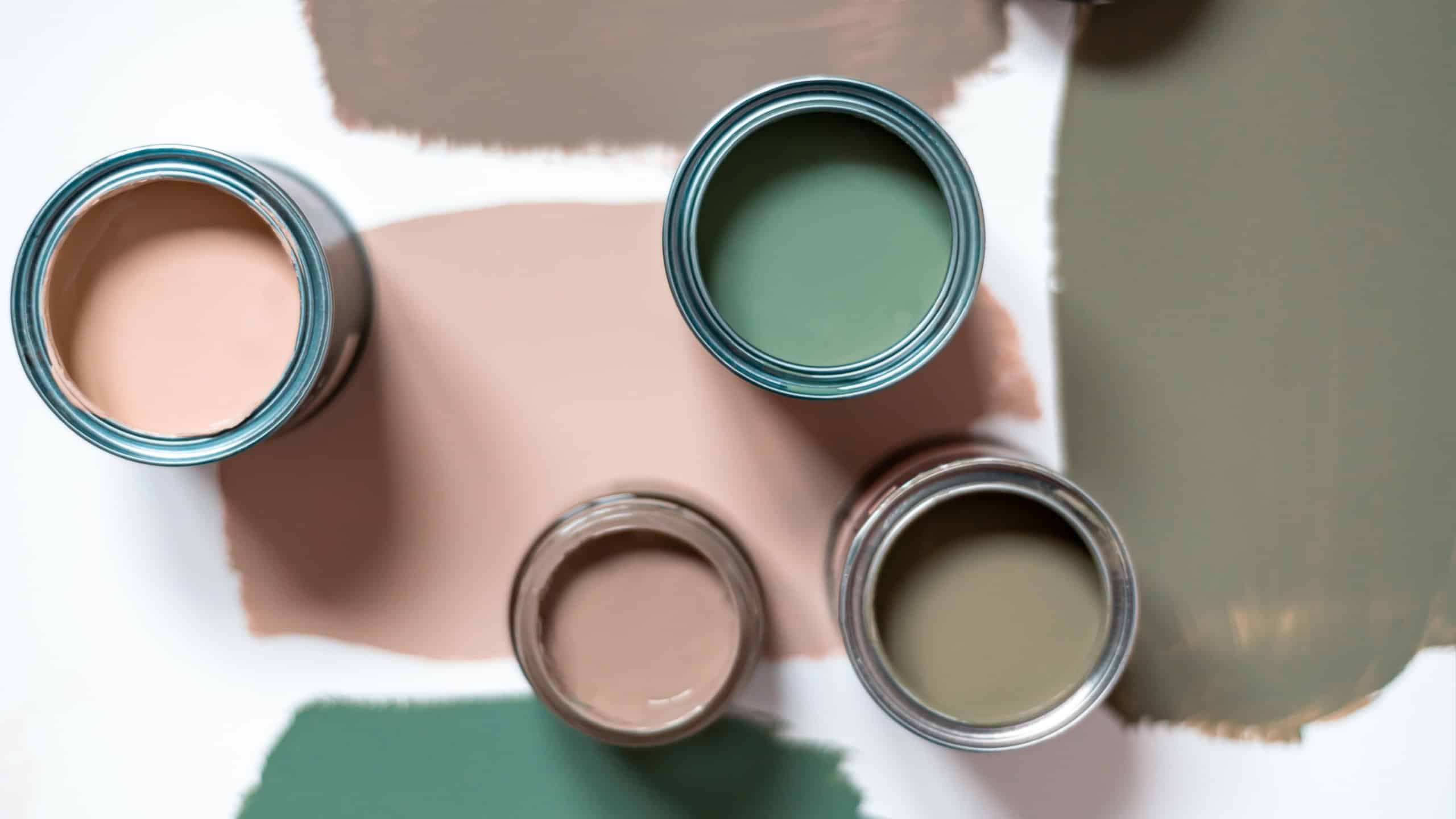
Paint left in the basement or garage ages until it becomes a solid brick that cannot be used, or it separates into a gloppy chemical mess that cannot be mixed together. When paint has dried out or smells sour and rancid, it’s unusable for DIY jobs or touch-ups.
Throw away old cans of paint that are ruined and follow your municipality’s hazardous waste disposal directions. You’ll clear up shelf space and get rid of harsh chemical odors.
Scratched non-stick cookware
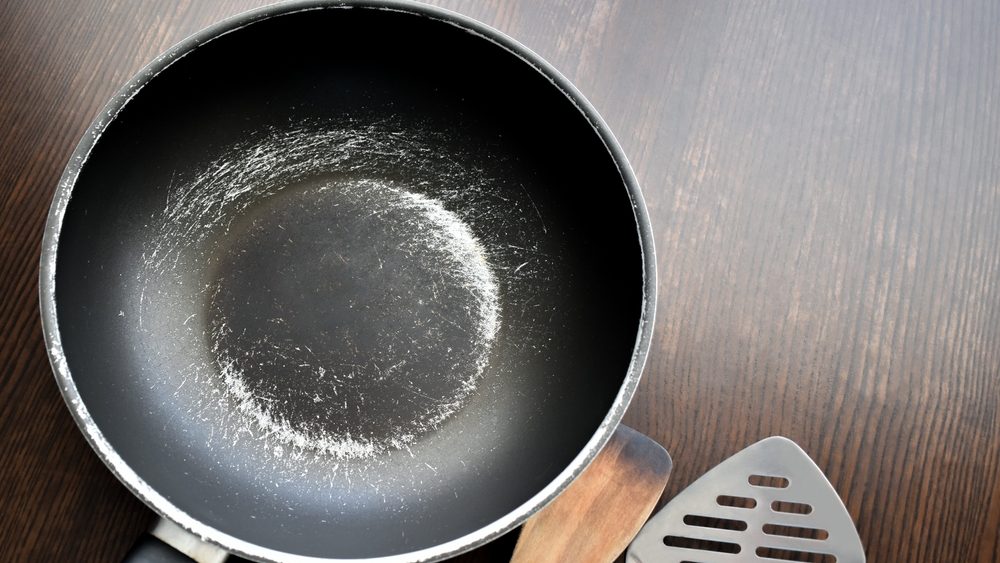
If your Teflon or ceramic-coated pans become heavily scratched or start peeling, you will need to throw them away. Using pans with those types of damage will cause micro bits of the coating to end up in your food and cause food to stick aggressively to the pan. Stainless steel or cast iron pans are a great replacement as they won’t give you any problems.
Stray keys to unknown locks
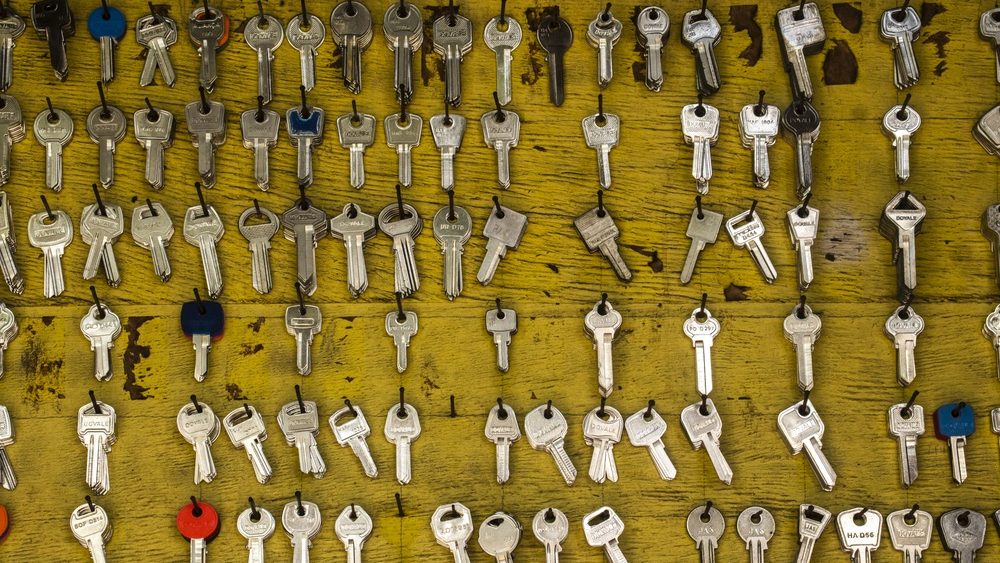
Keys that you’ve collected from unknown padlocks over the years, old apartments you once rented, or from cars you sold ages ago will most likely never need to open anything again. Unidentified keys are just junk taking up space and serving no real purpose as an emergency key. Remove mystery keys from your key rings for instant decluttering.
Outdated textbooks and technical reference manuals
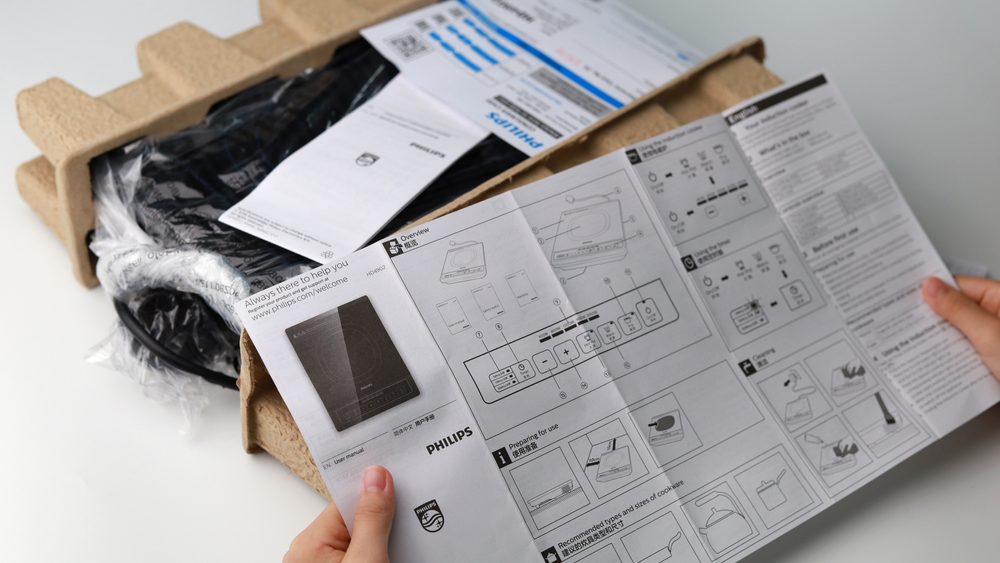
Programming manuals for old operating systems, obsolete codebooks, and travel guidebooks from ten years ago are filled with entirely useless information. Software updates daily, and you can verify current tax rules/travel logistics much more reliably online. Recycling these bulky tomes frees up massive amounts of shelf space.
Unmatched plastic containers and stray lids
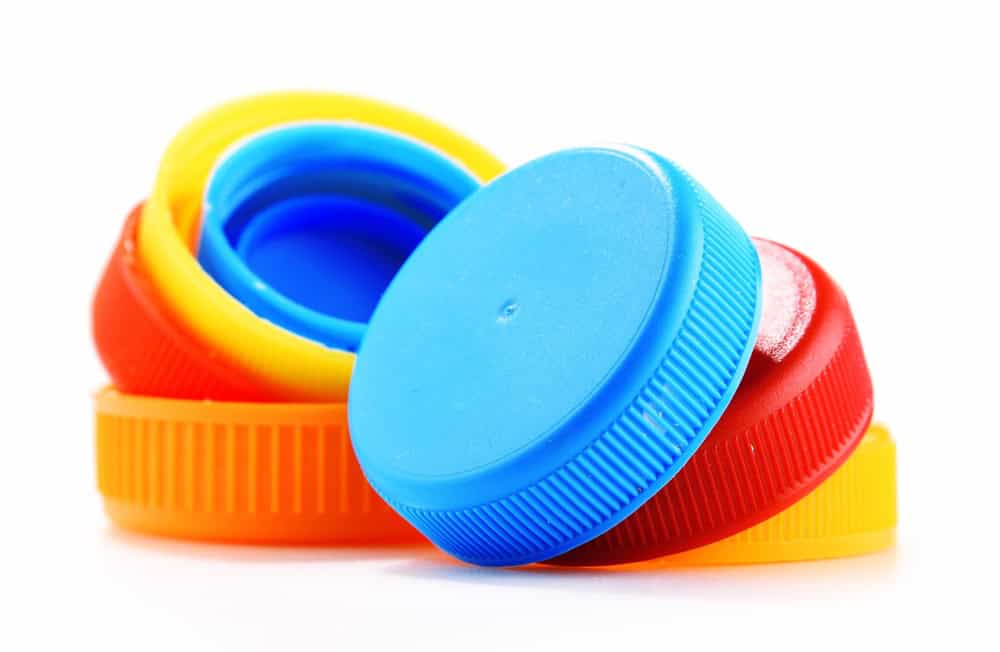
Containers without their lids or lids without containers occupy cabinet space without actually sealing shut. When food containers don’t seal tightly, leftovers spoil. Also, they tend to spill all over the refrigerator. By reducing your container supply to only those that have mates, food preparation in the kitchen becomes quicker and easier.
Expired spices and dried herbs

Expired spices don’t make you sick, but ground spices are past their prime and lose their essential oils and flavorful compounds after two to three years. When you cook with faded, dusty spices, they won’t enhance the flavor of your food; they will dilute it. Throw away spices that have faded and buy new ones that will complement your dishes.
Stretched-out hair elastics and broken hair clips
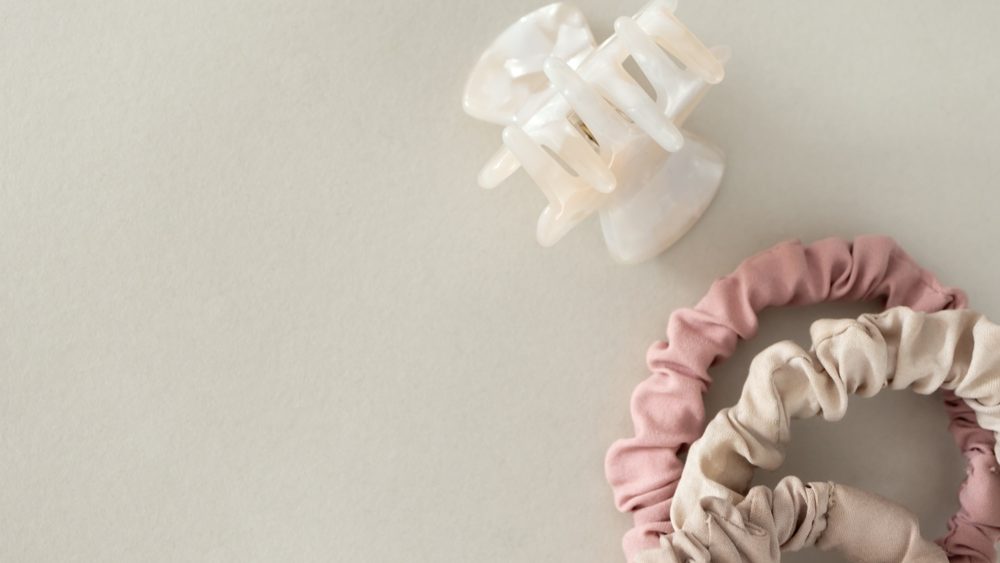
Hair bands that no longer have elasticity on the inside and plastic claw clips with broken teeth don’t grip hair well. When you keep using old hair accessories, it creates annoying slip-outs and hair gets caught. By tossing worn clips and changing to new strong hair ties, your vanity will stay neat.
Old receipts and thermal paper statements
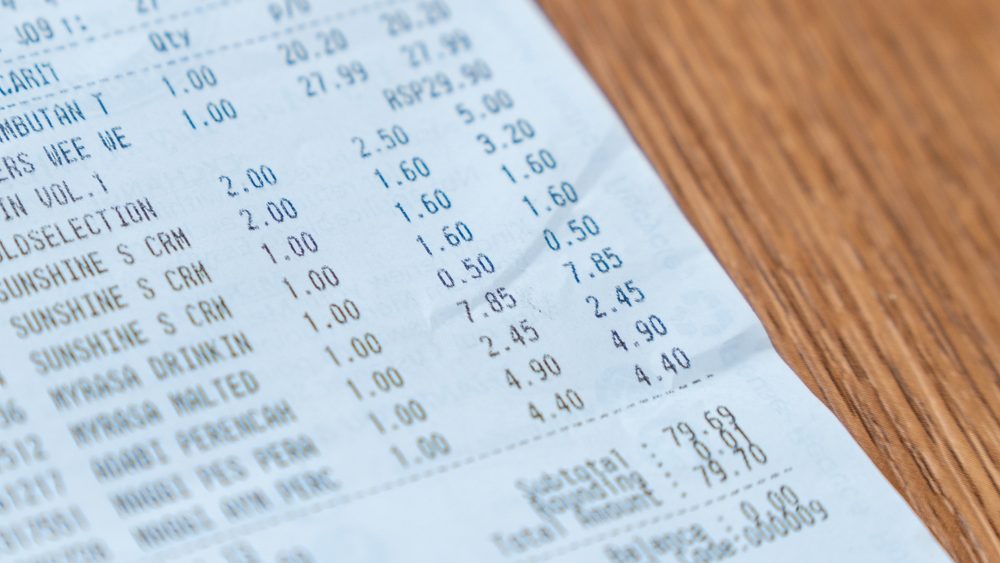
Receipts printed on thermal paper gradually turn into white, useless strips of paper. Thermal paper often contains chemical compounds called BPA. If you don’t need a receipt for open warranties, tax purposes, or returns for refunds, don’t hang onto piles of old paper. Scan important financial documents so you can toss the piles of paper.
Dead batteries and corroded rechargeable packs
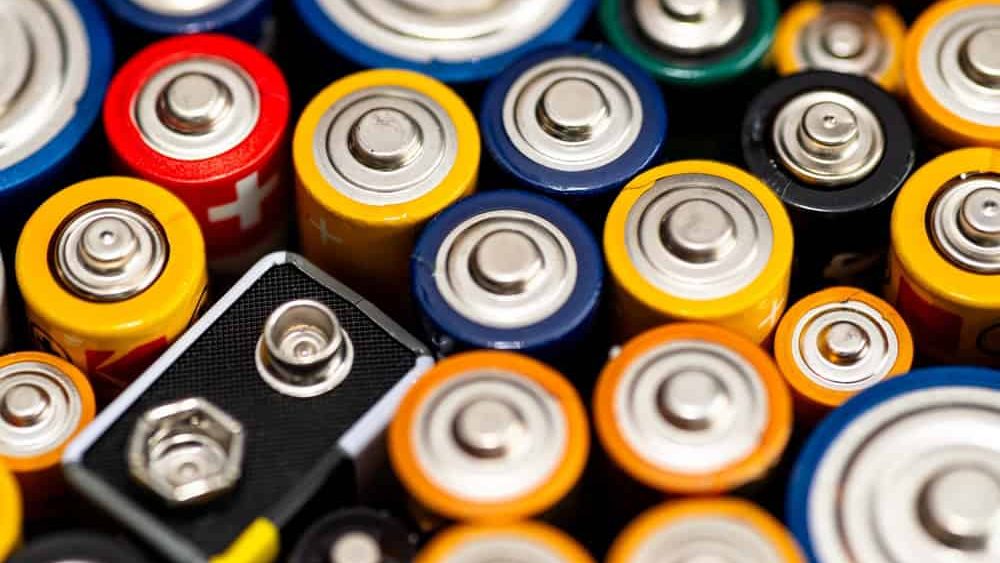
Expired batteries, even rechargeable ones that won’t recharge anymore, present an ecological and chemical risk if tossed in a drawer. Battery corrosion spills acidic chemicals that will ruin any electronics nearby for good. Recycling your dead batteries at a collection site eliminates this danger inside your home.
Flimsy wire hangers from dry cleaners
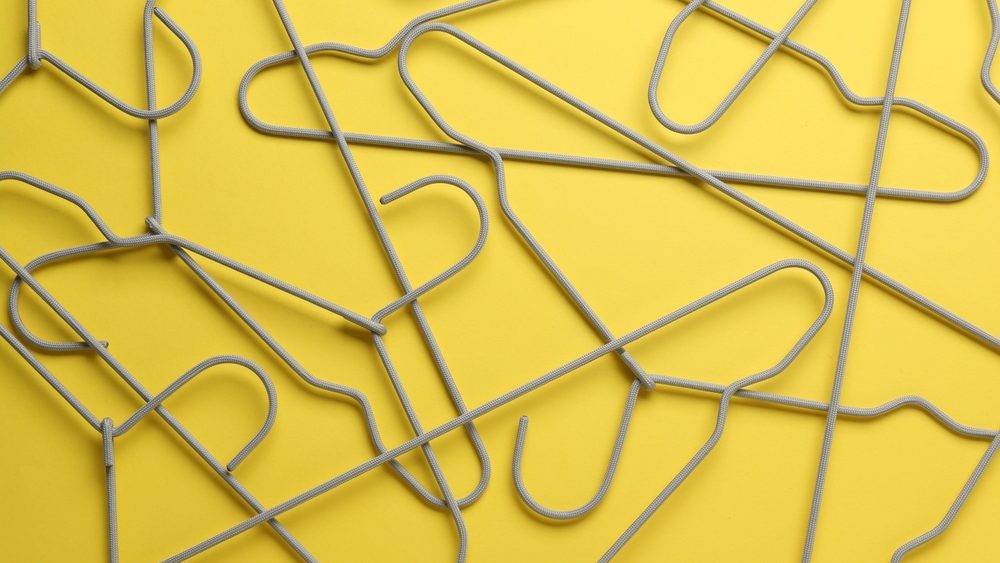
Thin wire hangers sag from the weight of clothes, creating unsightly and permanent “shoulder puckers” in lightweight garments. Eventually, inexpensive metal wire will rust and stain lighter colored clothes in damp closets. Improved sturdy wooden or non-slip velvet hangers preserve garment tailoring and help create a unified closet appearance.
Ancient promotional catalogs and paper takeout menus
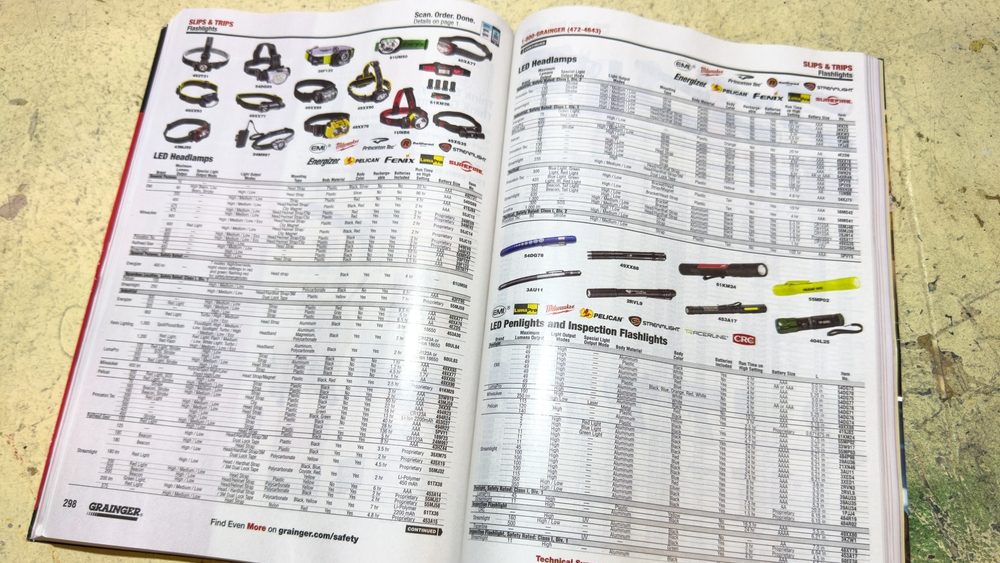
Paper takeout menus quickly become outdated as restaurants change their offerings, hours, and prices online. Heaps of direct-mail catalogs and coupons gather dust on your porch and kitchen table. Digital menus and opting out of physical junk mail keep your home clutter-free and up-to-date.
Worn-out dish sponges and scrubbers
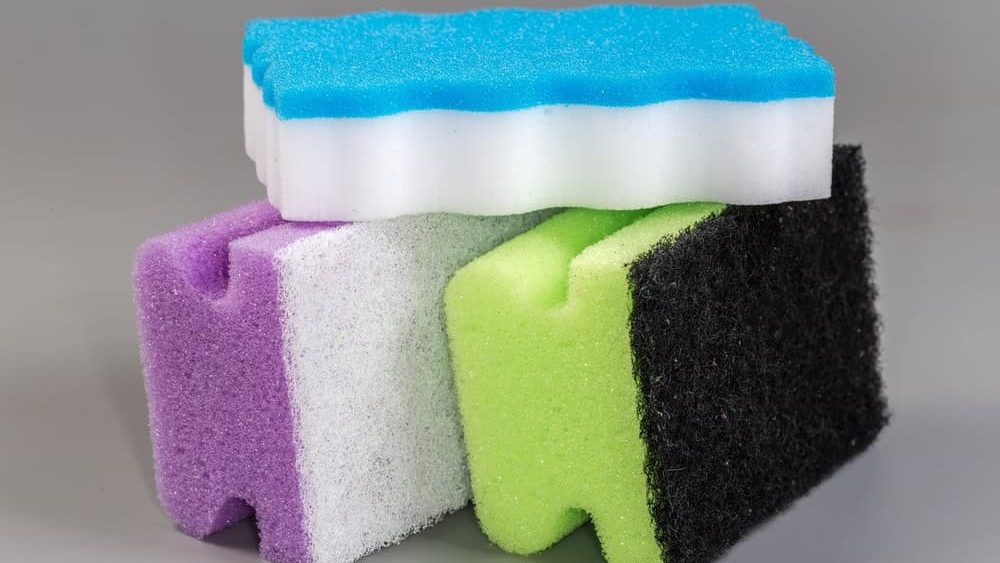
Did you know that old and stringy dish sponges can harbor dangerous bacteria such as E. coli and Salmonella? When a sponge starts breaking down or holding onto funky smells, chances are microwaving or running it through the dishwasher to sanitize it won’t work. By switching out your sponge often, you can avoid spreading bacteria onto countertops and cooking surfaces.
Like our content? Be sure to follow us.