You can usually predict what’s going to happen with most deaths, but with a few famous deaths, it was surprising just how celebratory some people got about them.
Fidel Castro
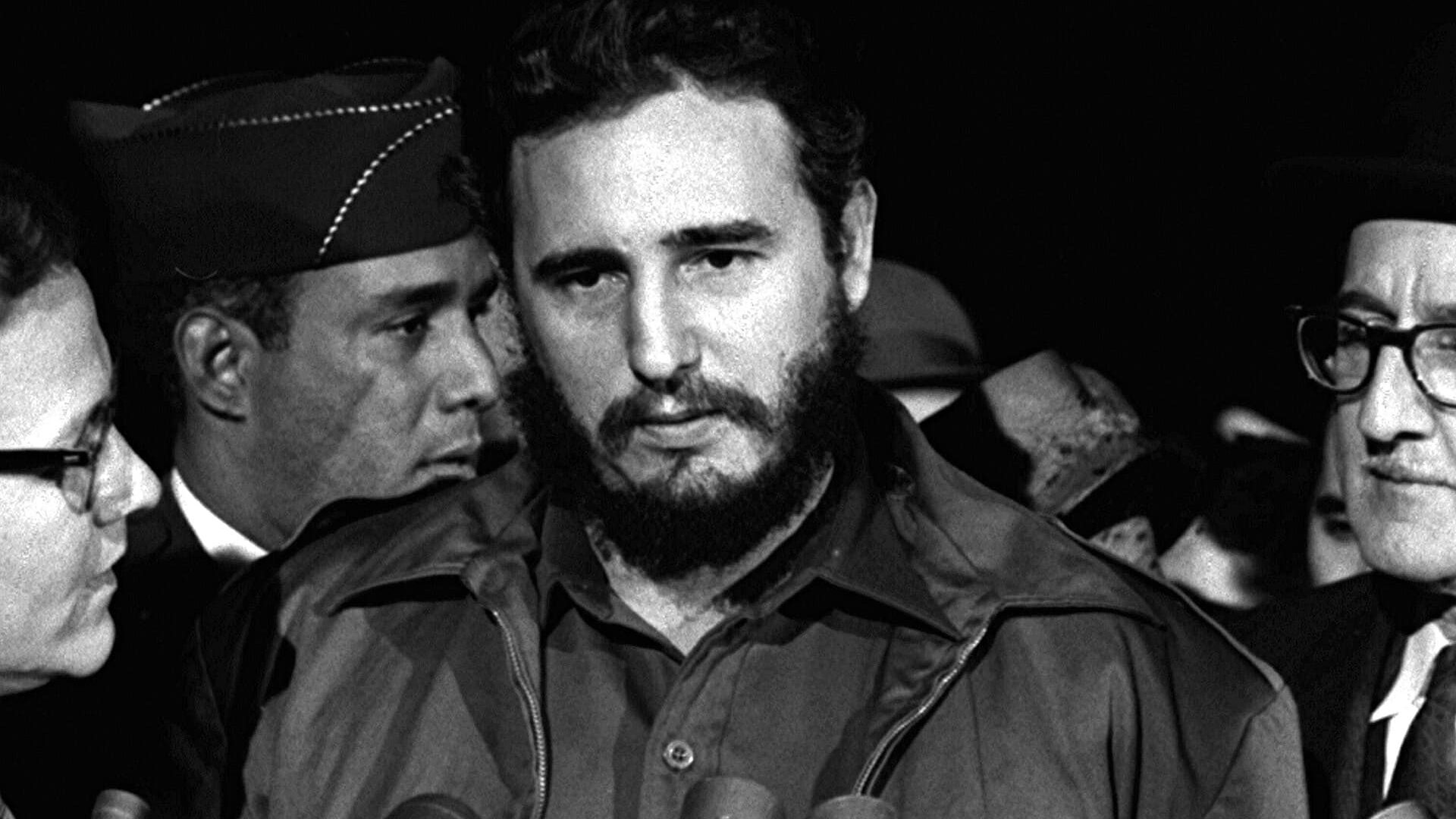
It’s not like you had to wait long to see the reaction to Fidel Castro’s death. The former Cuban dictator died on November 25, 2016, and Cuban exiles around the world started celebrating. That includes Miami. Yes, they started gathering in Little Havana within half an hour of the announcement.
Thousands of people banged pots and waved Cuban flags to celebrate Castro’s death. Some played music, and some danced well into the night. Cuba, however, went in completely the other direction and announced nine days of mourning. It was a very different kind of reaction.
John Wayne Gacy
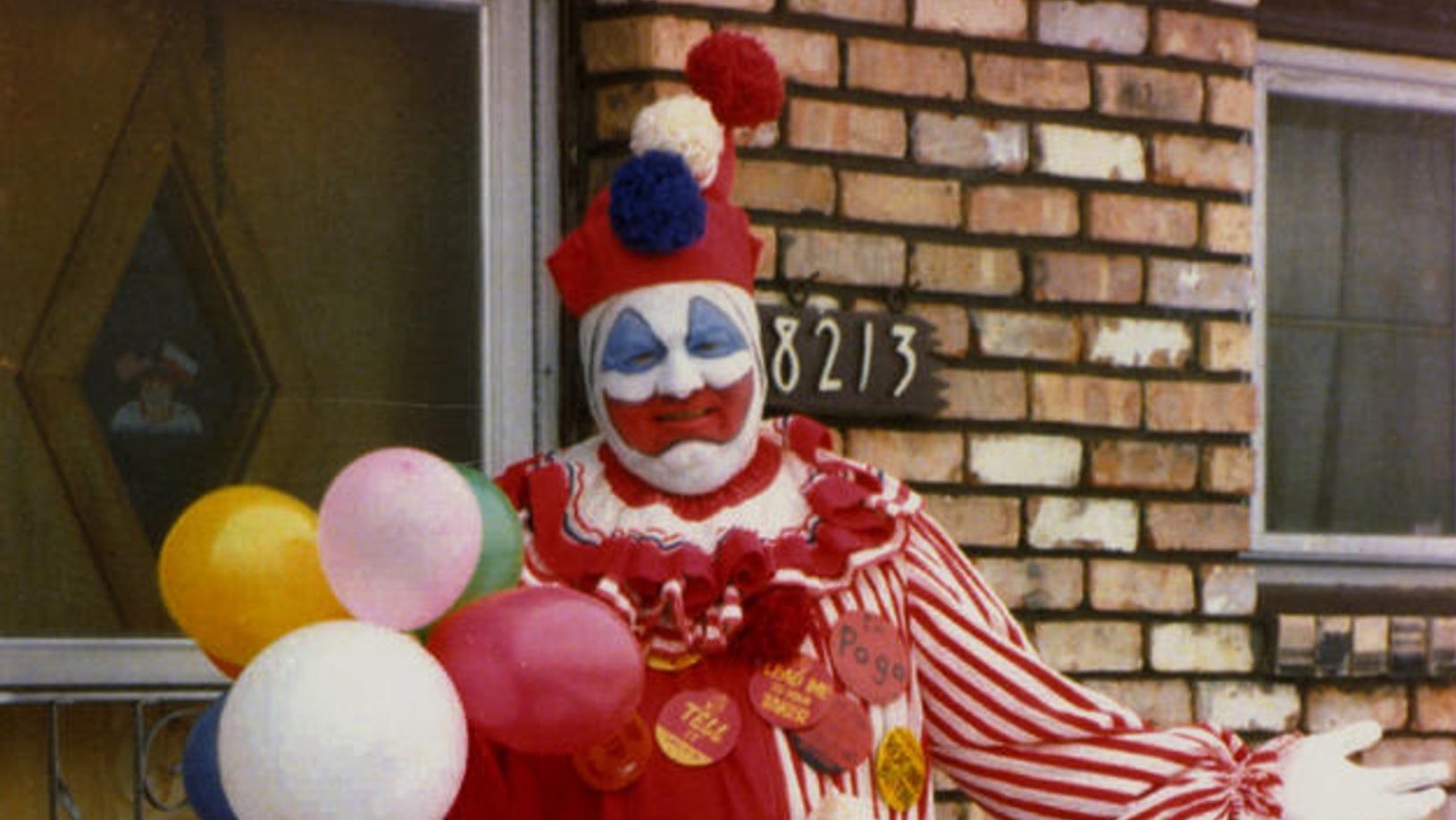
Hundreds of people gathered outside Stateville Correctional Center on May 10, 1994. They were there for the execution of serial killer John Wayne Gacy. They had signs and were playing songs, with some reports claiming people were cheering, too.
Gacy had murdered 33 boys and young men. He’d then buried many of them under his house. Gacy’s execution didn’t exactly go smoothly, though, as equipment trouble caused a delay, but then he was finally pronounced dead at 12:58 a.m. The crowd definitely noticed.
Pablo Escobar
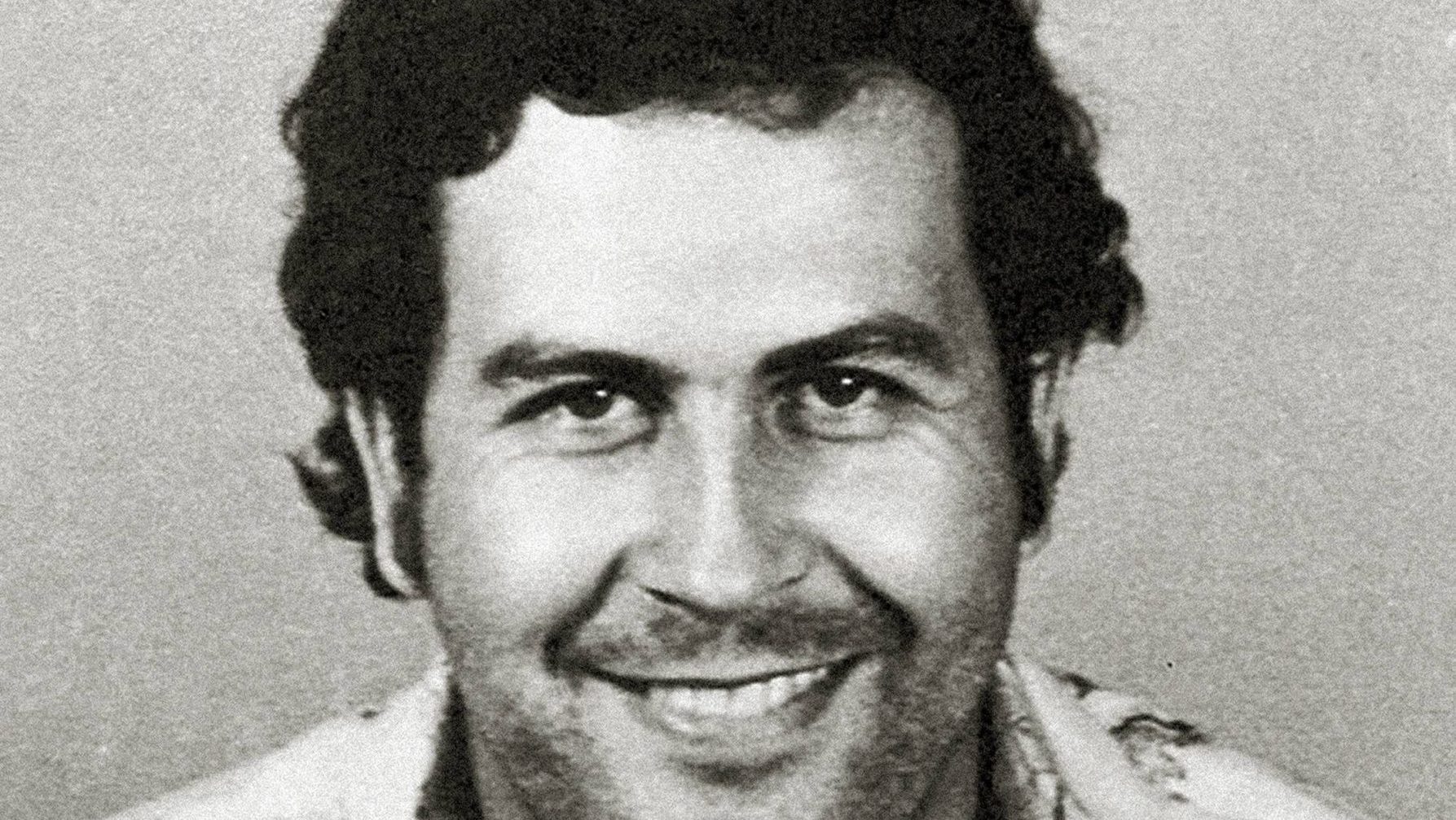
Pablo Escobar’s death was something like a movie scene. Colombian forces tracked down the cartel boss and eventually found him, shooting Escobar dead on a Medellín rooftop on December 2, 1993. Then the celebrations began.
Members of the Search Bloc posed beside his body and smiled for the camera because they’d spent months tracking him down. Even the Colombian government treated the killing as a victory, it was that big of a deal. His funeral was more like a big national party in Medellin than a time for mourning.
Abu Musab al-Zarqawi
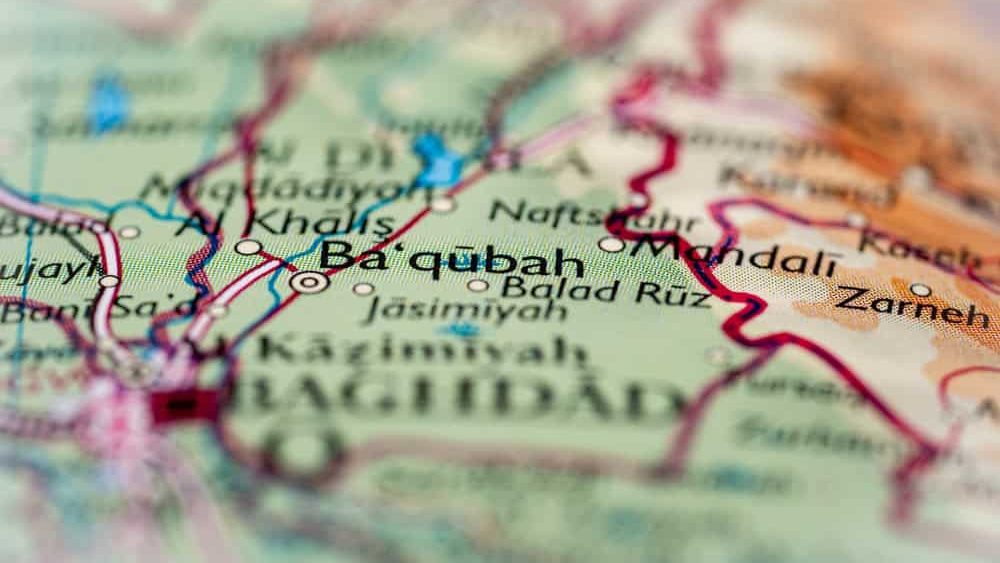
On June 7, 2006, two 500-pound bombs hit a house near Baqubah, Iraq, ending the hunt for Abu Musab al-Zarqawi. He was now dead. Al-Zarqawi was the former leader of the terrorist group al-Qaeda in Iraq, and he was having a meeting with associates at the time.
He’d been linked to bombings and kidnappings, along with filmed beheadings. So it’s no surprise that American and Iraqi officials were quite happy about his death. There wasn’t a street party or anything, but there sure was a lot of open happiness.
Timothy McVeigh
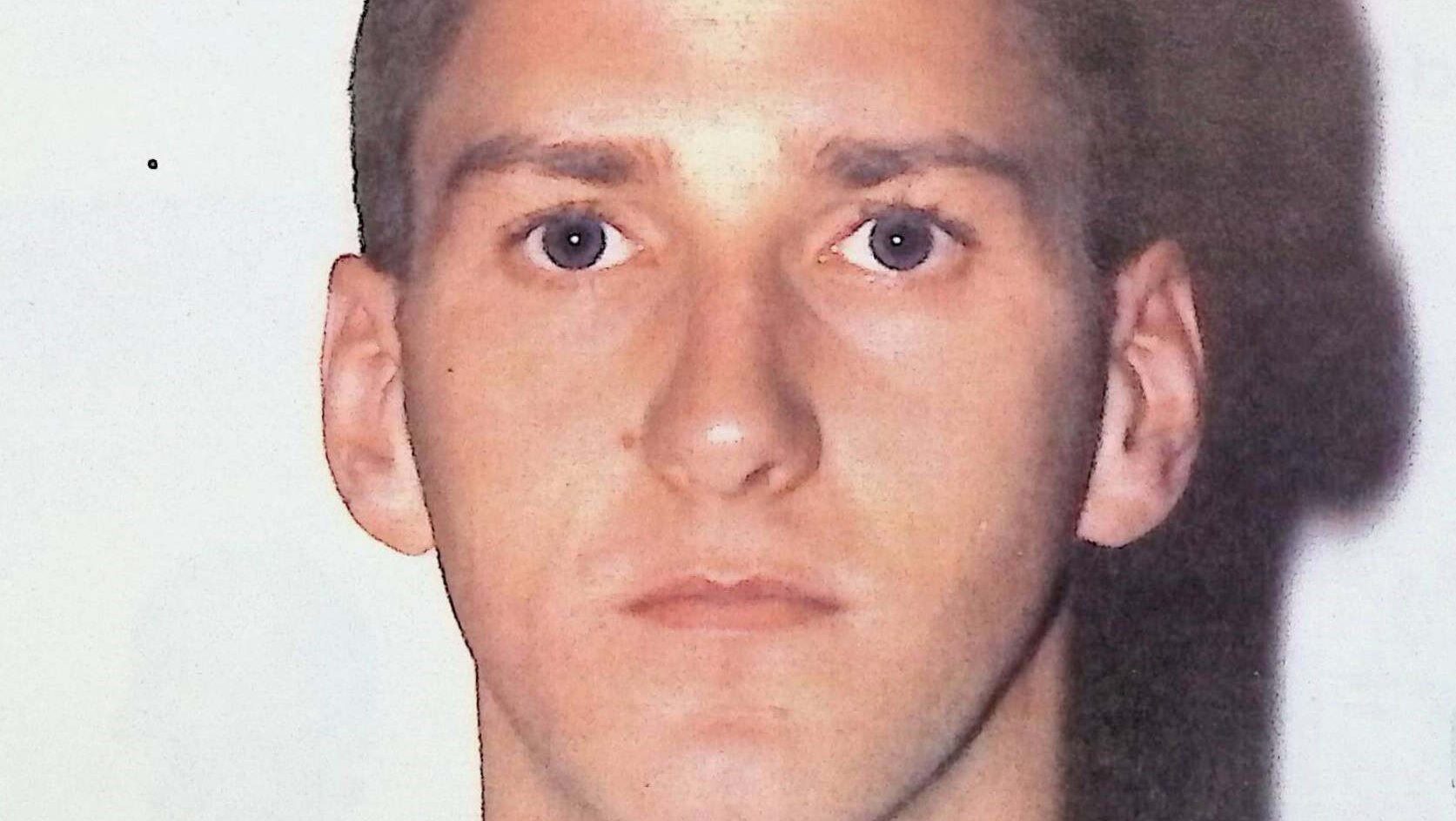
Things were a little strange in the city of Terre Haute, Indiana, on June 11, 2001. That was the day that the 1995 Oklahoma City bomber, Timothy McVeigh, was set to be executed. Vendors sold souvenirs, and people talked about parties as they counted down the minutes.
Crowds gathered around the federal prison where he was held, too. McVeigh had previously killed 168 people and was pronounced dead at 7:14 a.m. local time. Over in Oklahoma City itself, however, the mood was much quieter, with around 300 people watching remotely. It wasn’t as celebratory over there.
Jeffrey Dahmer
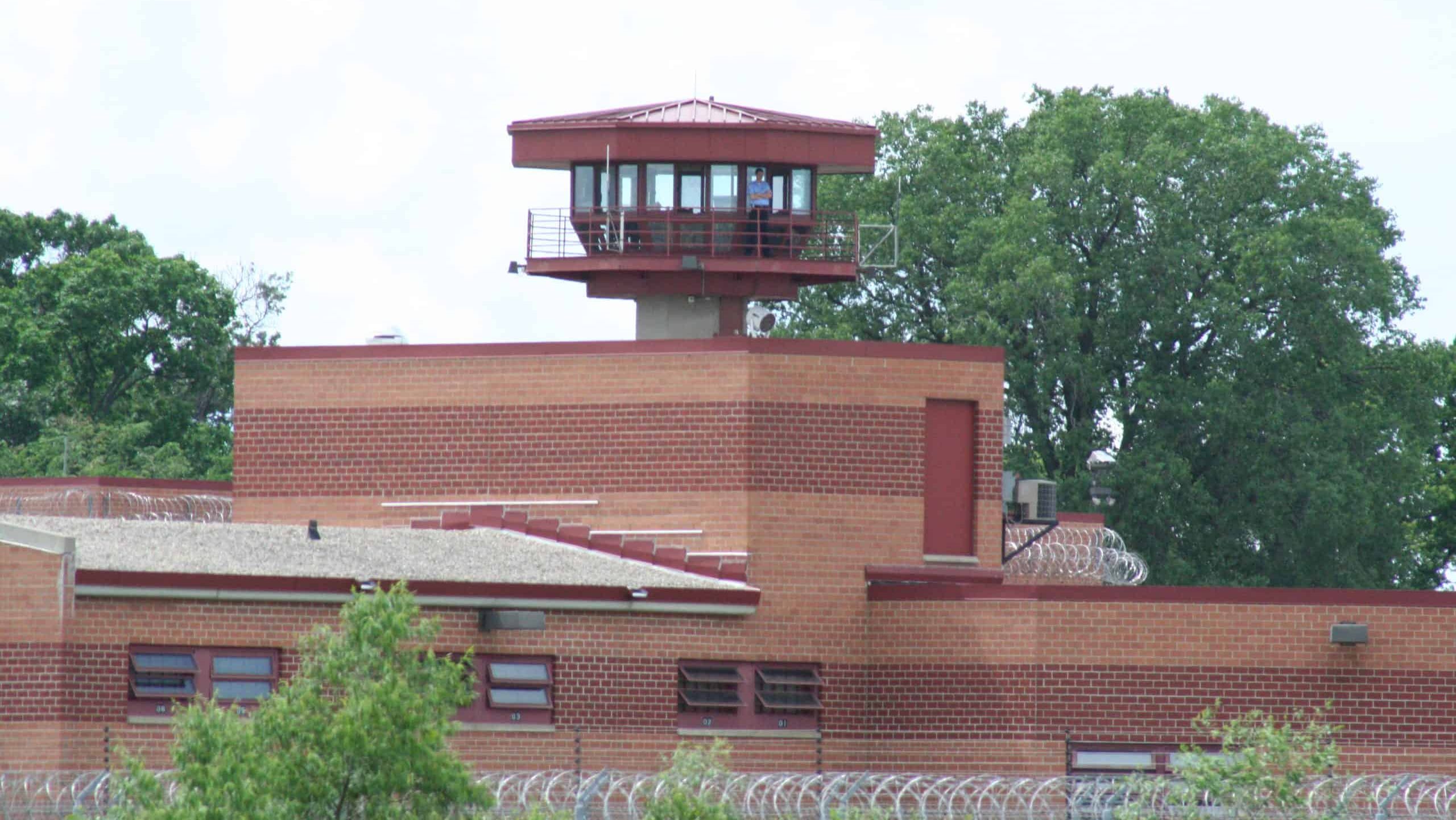
Jeffrey Dahmer’s death was different from the other ones on this list because it wasn’t something scheduled. No, he was attacked by fellow inmate Christopher Scarver on November 28, 1994, inside Columbia Correctional Institution in Wisconsin. Dahmer died roughly an hour after the attack.
He had been serving 16 consecutive life sentences for the murders of 17 boys and young men. Not everyone reacted to his death in the same way. Some of the victims’ families argued that death let him escape years of punishment. Still, there were many who openly welcomed the news or felt satisfied about it.
Che Guevara
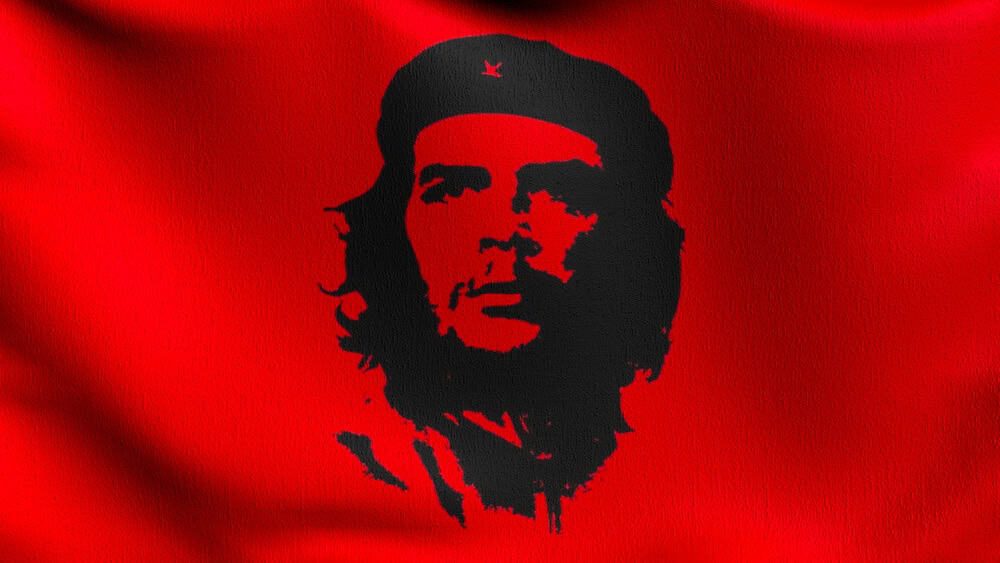
Che Guevara was captured in Bolivia on October 8, 1967, just as his guerrilla campaign was already collapsing. He was a leading figure in the Cuban Revolution. Bolivian soldiers executed him the day after capturing him, then they displayed his body to journalists.
That was mostly to prevent any arguments over whether he was really dead. Even so, the Bolivian authorities and many anti-Castro figures welcomed the result. Many American officials celebrated it, too, although in Cuba, the people were mostly in mourning.
Charles Manson
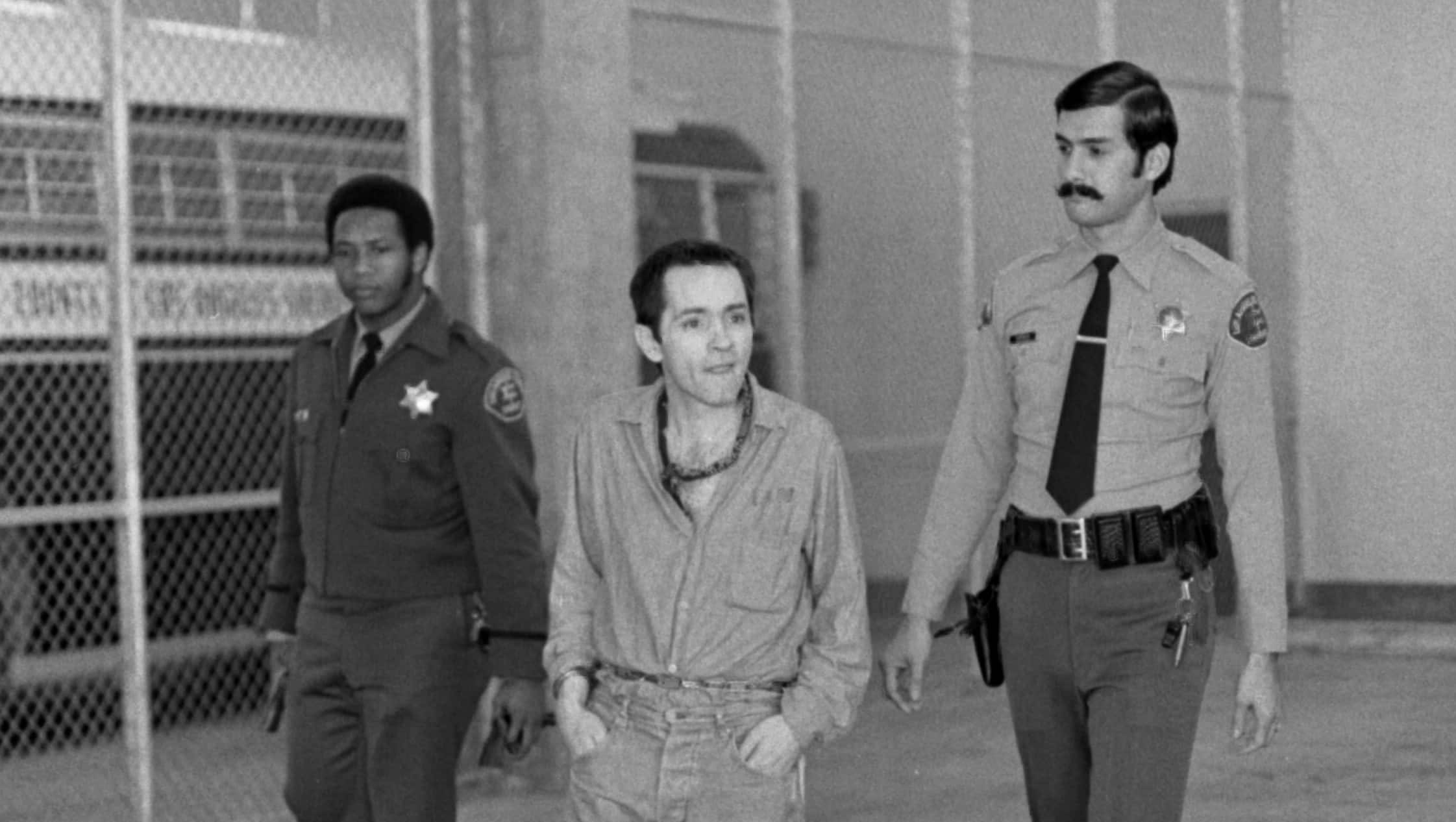
Murderer and cult leader Charles Manson died in 2017 after spending nearly half a century behind bars. He passed away due to numerous health issues in a California hospital on November 19 at age 83 after being transferred from Corcoran State Prison.
The news of his death soon brought a lot of celebration. Critics and public figures who remembered the 1969 murders carried out by his followers were happy. They said they felt free. Not everyone reacted the same way, though, as some said his death changed nothing. That’s fair enough.
Rush Limbaugh
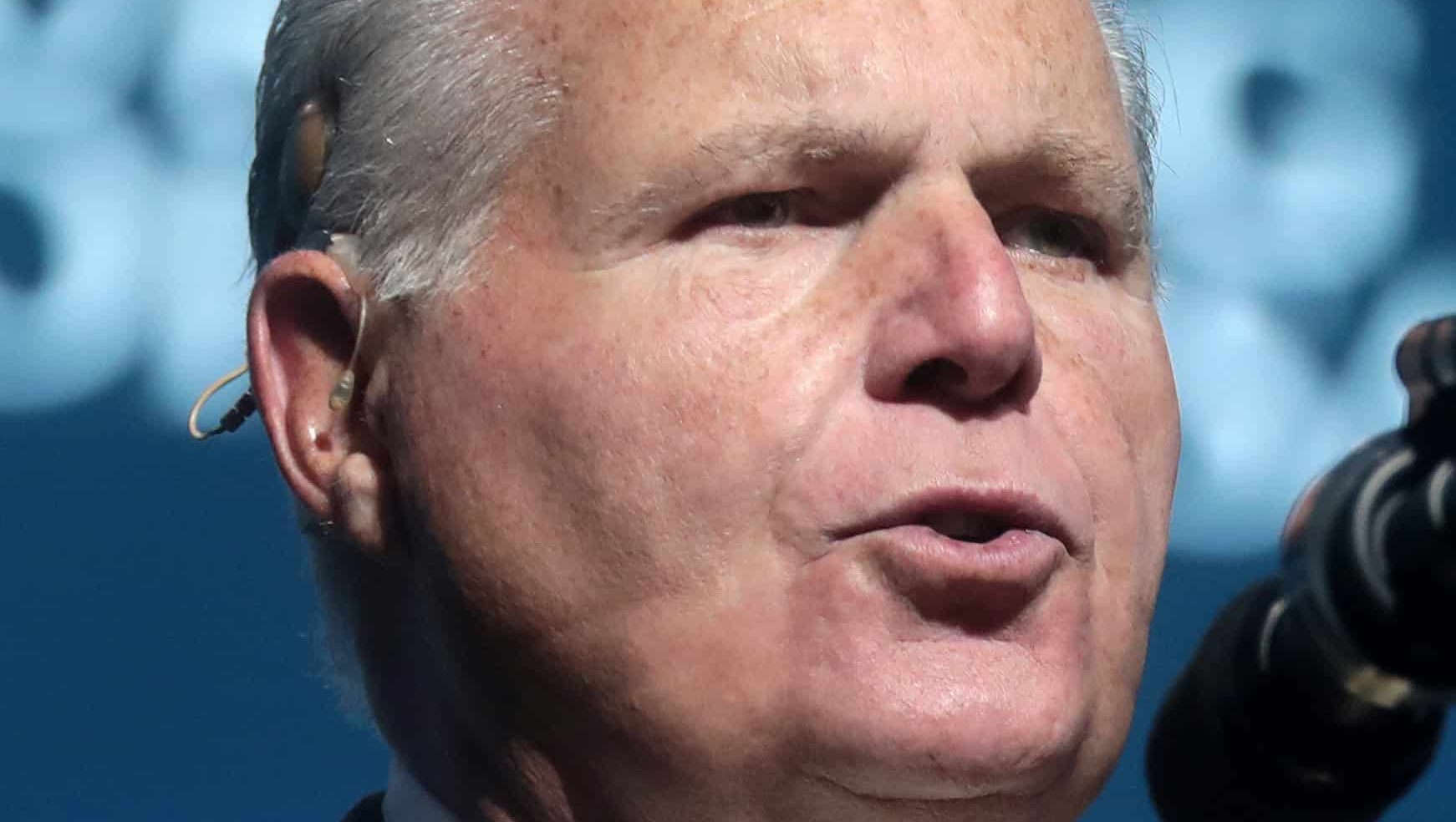
It’s no surprise that the reaction to radio host Rush Limbaugh’s death was so divisive. He sure was a controversial figure. He died on February 17, 2021, at age 70 after battling advanced lung cancer. His wife announced it during his own syndicated show.
There were many conservatives who paid tribute to him, but there were also many online critics who did the opposite. They brought up his comments about race, women, and gay people. They were hardly dancing downtown, but they sure were happy he was gone.
Ayatollah Ruhollah Khomeini
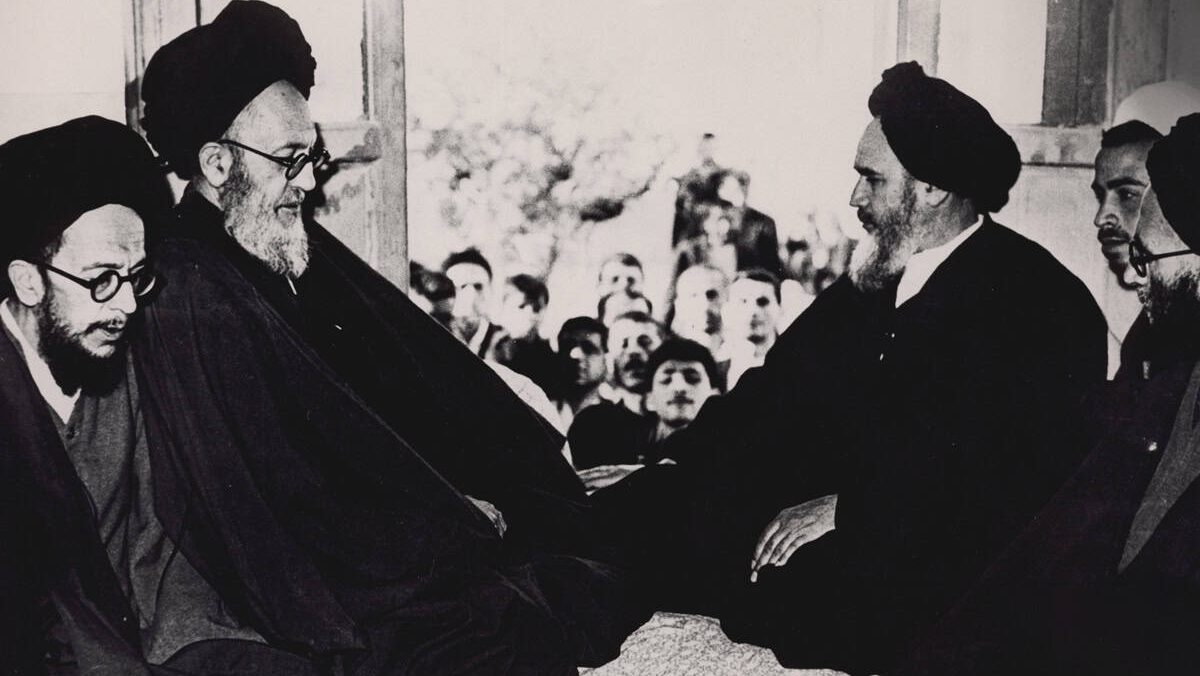
Ayatollah Ruhollah Khomeini died near Tehran on June 3, 1989, but the celebrations of his death were visible as far away as Los Angeles. Roughly 5,000 Iranian exiles gathered outside the federal building in Westwood the next day. They danced and sang. They also cheered.
Not just because they were happy he was dead, but also because they could actually sing and dance. Many of them had fled Iran’s oppressive regime after the 1979 revolution. They hated the government Khomeini created and the restrictions he’d placed on ordinary people.
Anita Bryant
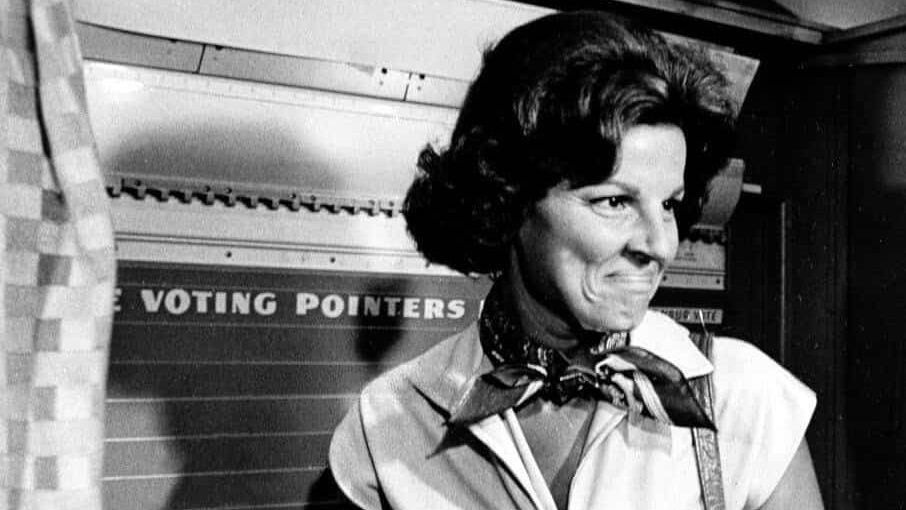
Most people didn’t think about Anita Bryant’s entertainment career when she died at 84 on December 16, 2024. No, they thought about her 1977 Save Our Children campaign against gay-rights protections in Miami instead.
A lot of LGBTQ activists and publications celebrated openly about her death because of her comments against LGBTQ people. She’d once been a singer and orange-juice spokesperson. The jokes about orange juice came back almost immediately once she passed away.
George Lincoln Rockwell
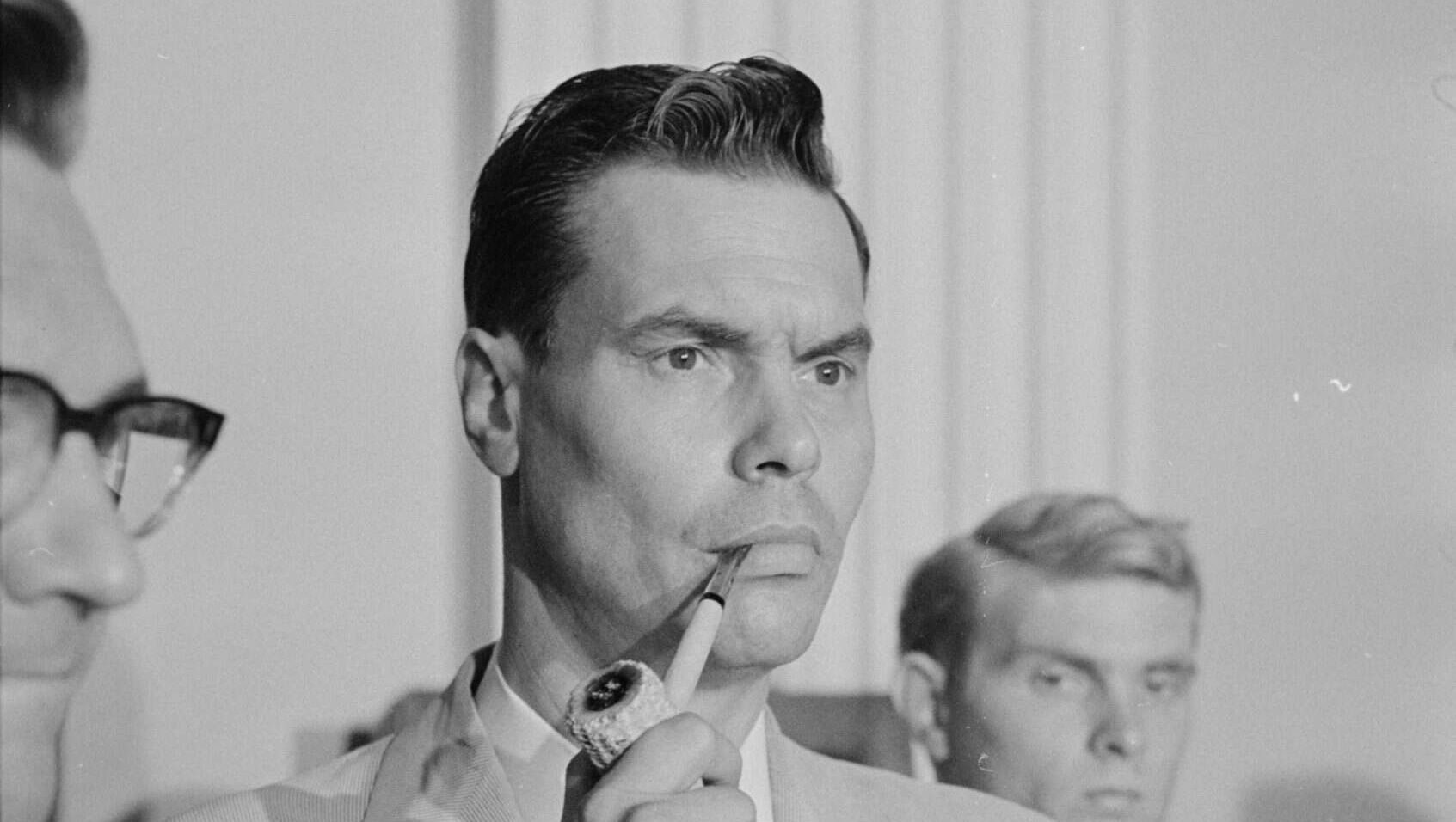
A laundromat parking lot. It’s an odd place for someone today, and especially for someone who’s a political extremist. But that’s exactly where American Nazi Party founder George Lincoln Rockwell was killed on August 25, 1967.
He walked out in Arlington, Virginia, and was shot by John Patler, a former member of Rockwell’s own group. Rockwell’s followers grieved, yes, but plenty of Americans were clearly relieved. They were happy that his years of Nazi rallies and antisemitic campaigning seemed to be over.
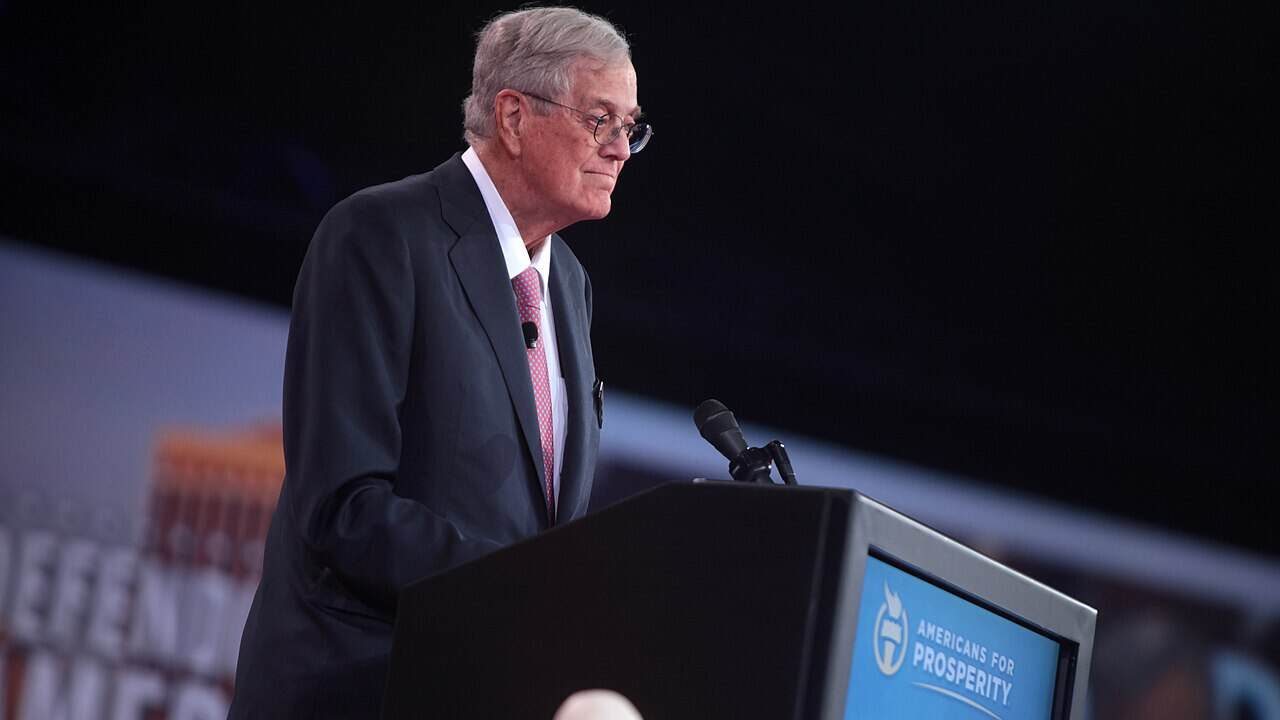
David Koch
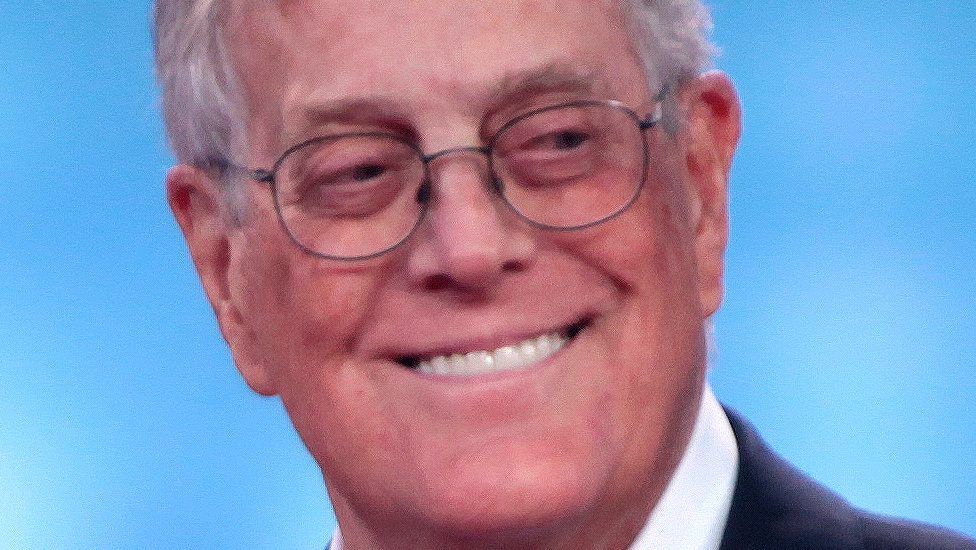
There were two very different reactions to the announcement of David Koch’s death on August 23, 2019. His supporters talked about his enormous donations to museums and hospitals. His critics went the other way.
They spoke about how Koch had spent huge sums supporting conservative and libertarian causes. These included groups that fought environmental regulations. So, some of Koch’s opponents celebrated online when the news broke, and they took their joy straight to social media.
Sources: Please see here for a complete listing of all sources that were consulted in the preparation of this article.