
American values and Canadian values differ in more ways than you might expect. The truth is, some of the debates that dominate the American news and conversations barely register north of the border.
It’s mostly due to the fact that Canada settled the question about them years ago. In other cases, the issues were never seen as something important here.
Here are twelve American moral debates that Canadians refuse to copy, along with the reasons why they feel this way. We’re not trying to say one is better or worse because it’s mostly a difference in priorities.
Which of these do you think is the most foreign to everyday Canadian life?
Capital punishment

The death penalty is something that Americans continue to argue about in courts & elections. Several states continue to execute prisoners, although that’d never happen in Canada because the law banned capital punishment decades ago. We haven’t looked back since.
You can even see it in the way that Canadian courts deal with extradition cases, as they avoid sending people to face execution abroad. Clearly, the issue of capital punishment is relatively settled in Canada.
Abortion law

The issue of abortion keeps coming up in the United States because the states are now free to set their own limits around it. That means the rules can be quite different across the country. But Canada doesn’t have such a fight because the Supreme Court completely struck down anti-abortion laws in 1988.
The Canadian Parliament never replaced these laws. Over here, the debate over abortion is more related to healthcare and criminal law than any kind of morality battle during election season.
Gun rights

The majority of gun debates in America revolve around constitutional identity & individual freedom, mostly because of the Second Amendment. But Canada has never treated firearms the same way.
Guns in Canada are regulated tools, rather than weapons of self-defence, and they’re certainly not the kind of identity symbol that they are in the United States. Some provinces have even tightened gun control because the same moral arguments about personal rights don’t really exist here.
Flag burning
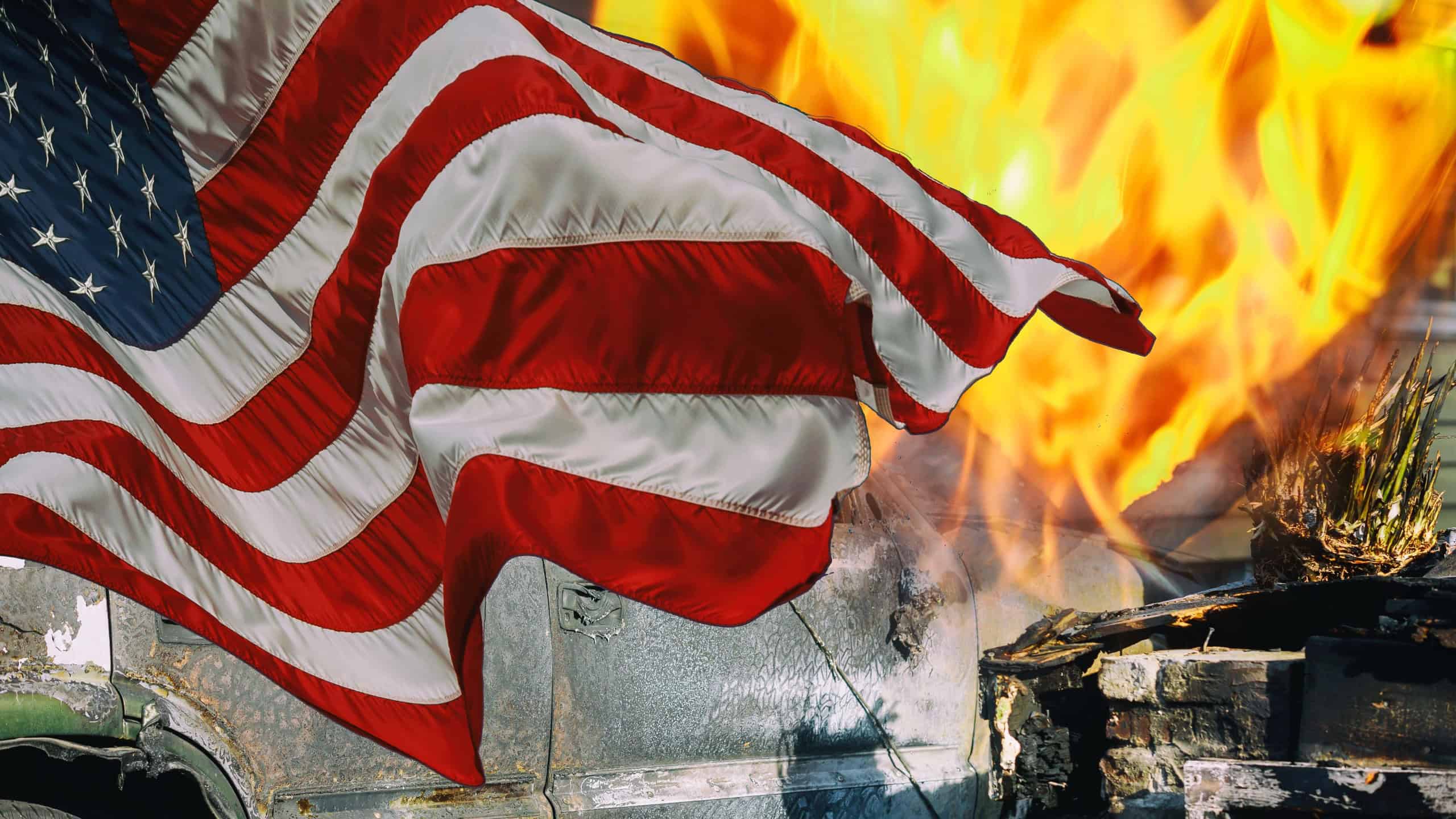
One of the reasons why flag burning keeps resurfacing as an issue in the United States is because of how it falls under the free speech law of the First Amendment. Canada doesn’t see things the same way. Our constitutional rights aren’t as obsessive about single symbols, although the law does protect political expression.
However, the courts focus on limiting harm instead of allowing for repetitive debates about what objects deserve absolute protection.
Government-linked prayer

Tradition versus freedom is easily one of the biggest debates in America. It’s practically been that way forever. The best example of this debate is with public prayer in U.S. schools & government meetings, a question that Canada cut off entirely.
The Supreme Court here ruled that state-led prayer goes against religious neutrality. With that ruling, the debate was settled, so there’s no ongoing moral tug-of-war in Canada over councils or assemblies. It’s quite a change from how things work in America.
Ten Commandments displays in government spaces
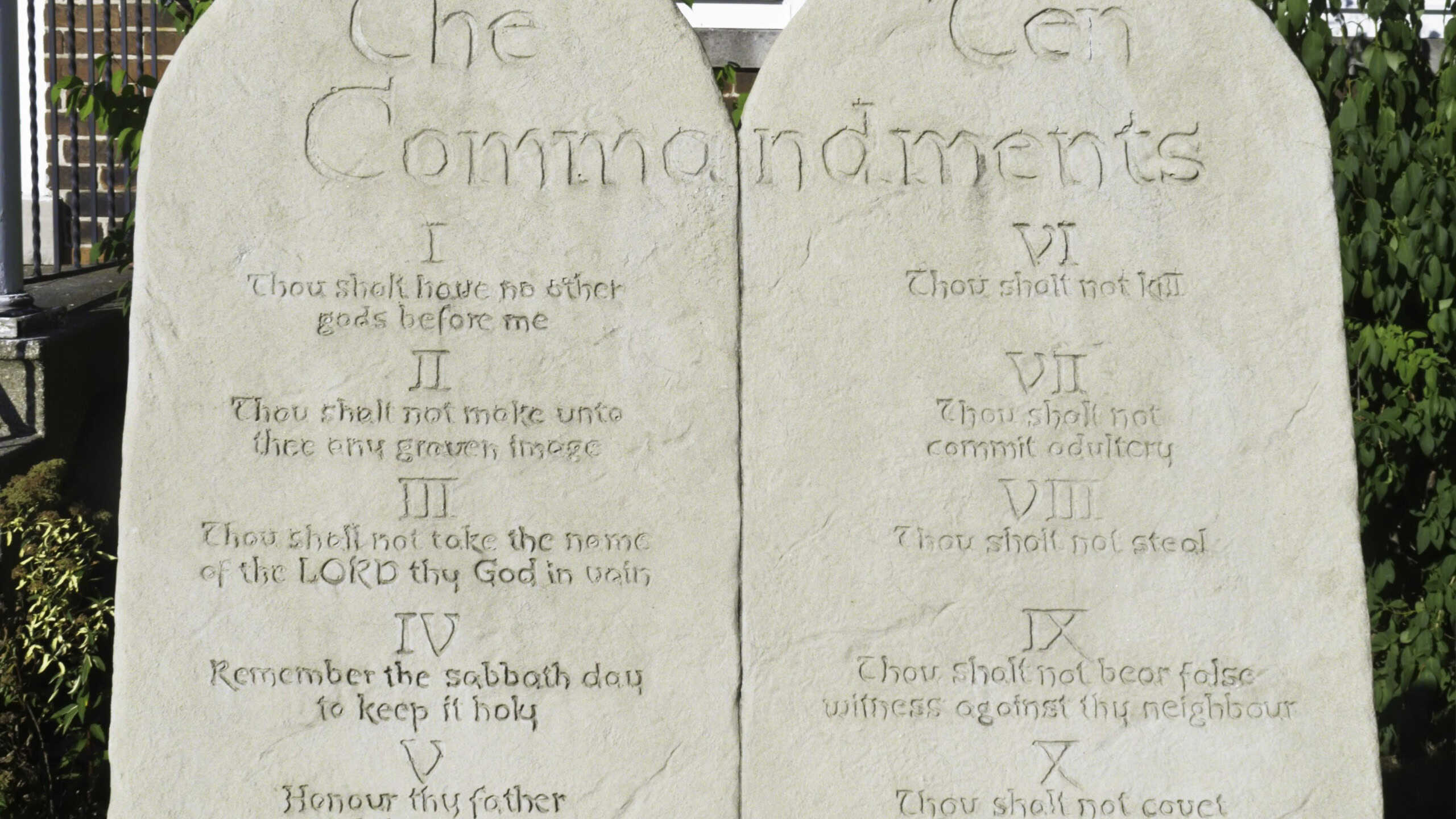
A similar issue to public prayer is that of religious monuments on public property. While American courts repeatedly revisit the issue, Canada has avoided the debate almost entirely because of the law.
We expect public institutions to remain neutral. There are very few debates over religious symbolism versus secular intent over here, and there certainly aren’t any exceptions for faith displays. The argument never became a national morality issue here.
Mandatory patriotism rituals in classrooms
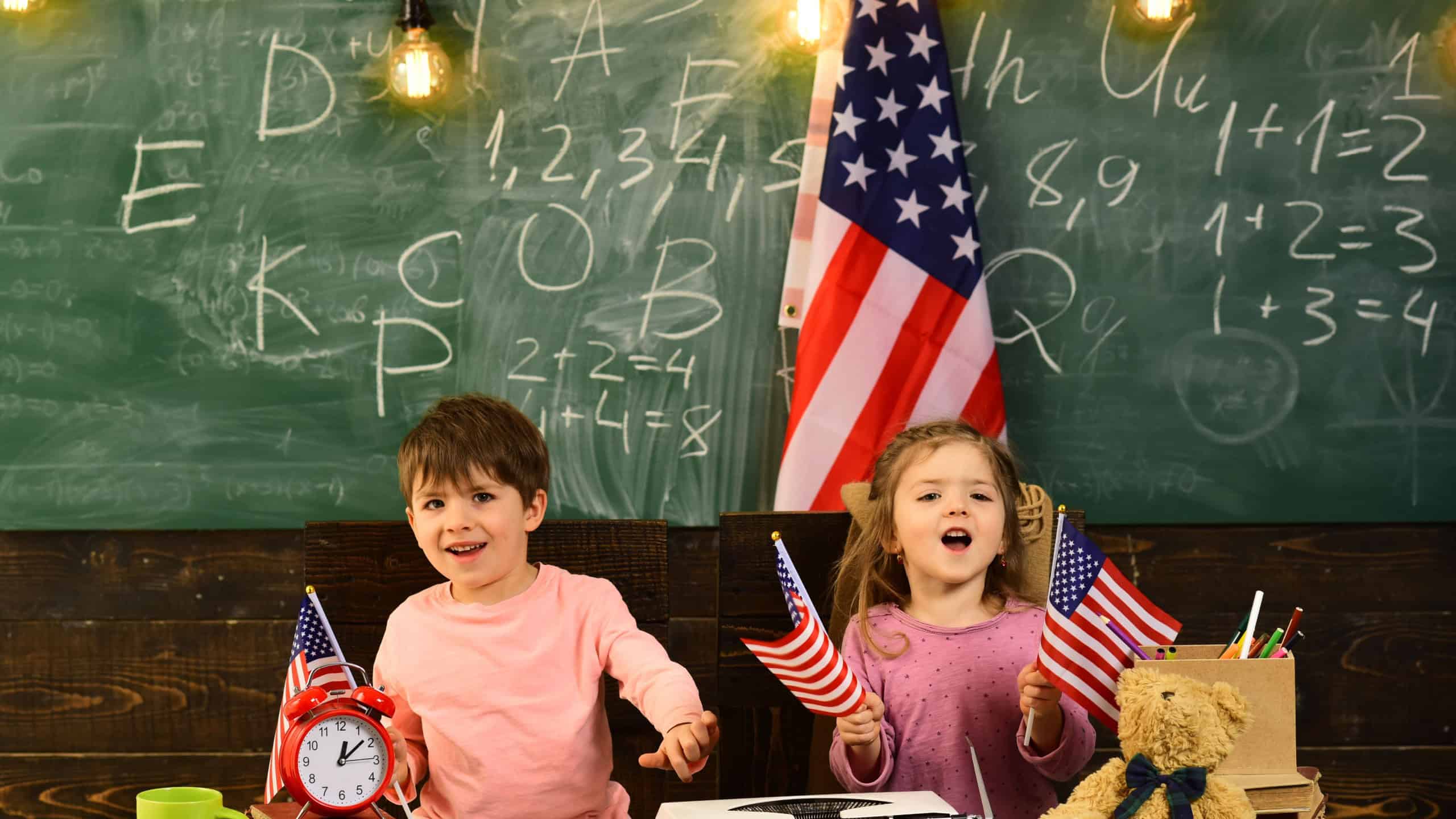
Lots of Americans are divided over the concept of daily pledges, with the argument around the topic centering on loyalty & student rights. That doesn’t really happen in Canada. The truth is, patriotism isn’t enforced in Canada in the same way, even though we still sing O Canada at the start of the school day.
The issue isn’t something that people take as seriously in Canada as they do in the United States. There’s very little reason for moral debates around it.
School book bans

Book bans became an organized campaign in the United States, with national groups encouraging formal removals from school libraries each year. Of course, there were those against these bans & Canadians had some complaints, too.
Yet Canadian school systems are run provincially. These aren’t as connected to party politics as they are in America, so without statewide bans, the disputes usually stop after a single board meeting.
Confederate monuments

Confederate statues in America have a controversial history, due to the Civil War and its aftermath, making these statues equally as divisive. But not in Canada. We don’t have the same history as Americans do, and there’s no single conflict supporting the debate over these statues.
This lack of history means that any questions over historical statues don’t become the kind of nationwide moral issues that are common in America.
Teaching evolution

In a few American districts, rulemakers keep revisiting the question of whether religious ideas belong in science class. The courts did try to solve this with the 2005 case, Kitzmiller v. Dover, yet it’s still an issue.
However, Canadian courses don’t tend to focus on the same issues. A few provinces even have curricula that clearly include evolution as a scientific fact.
Abstinence-only education

You won’t find many debates about abstinence-only sex ed in Canada because provinces control how they’re taught, so the disagreements are different here. They tend to be about lesson details & age levels for sex ed.
But in America, the issue of sex education keeps happening because federal funds have supported abstinence-only programs for years. These include strict content limits that keep the argument going.
Strict photo voter ID laws

American voter ID rules never really end. It’s mostly because every state has its own take on the rules, while lawsuits & rule changes emerge around elections to cause even more drama. One of the most common topics of conversation is about photo ID laws.
However, while Canada does require ID to vote, federal voting allows for people to prove their identities in many different ways. That cools the debate by quite a bit.
Sources: Please see here for a complete listing of all sources that were consulted in the preparation of this article.
Like our content? Be sure to follow us.