
You might be surprised to discover that some seemingly harmless things can get you into legal trouble.
Taking rocks from national parks
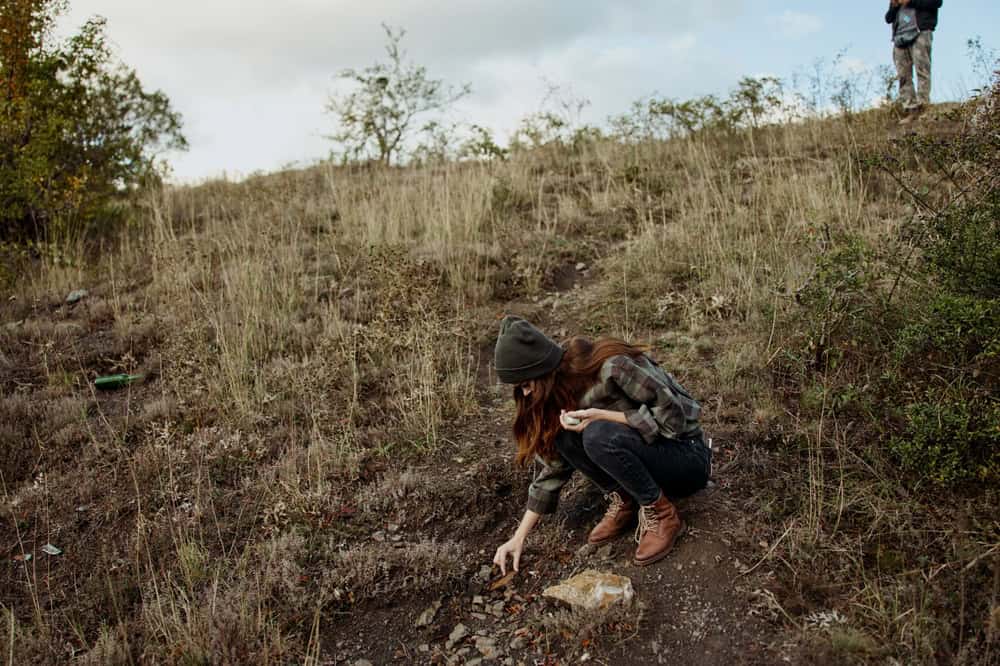
You might think it’s harmless to pick up an interesting rock during a hike to remember the trip. But removing any natural objects from Canada’s national parks without any authorization is actually illegal.
This applies to collecting shells, rocks, and fossils. These rules help to preserve the natural environment for future visitors. Even taking something small can result in a fine.
Phone at a red light

Many drivers mistakenly believe they can use their phone while stopped at a red light. In Ontario, this is still considered distracted driving. You can be fined if you read a text or hold up your phone to take a call. Being stopped at a light doesn’t give you the right to do these things. The safest approach is to pull your car off the road before reaching for your phone.
Feeding wild animals

It might be tempting to feed a hungry squirrel or deer, but doing so is actually against the rules in Canada’s National Parks. Not only can humans’ food cause disease in wildlife, but it will condition animals to come closer to visitors for easy meals. Over time, they may also develop hostile behaviour towards people.
Flying kites near trees

Kites are widely considered to be harmless fun. But if you live in Toronto, be careful when flying your kite in city parks: you cannot fly it closer than 25m to any trees or buildings. Nor can you use some hazardous types of string, nor fly your kite along paths. These rules exist to minimize risk of harm to people and destruction of public assets.
Coins as jewelry

Creating pendants and rings from coins can be an enjoyable hobby. However, under Canada’s Currency Act, melting or destroying any coins that circulate as legal tender is prohibited unless you have the proper license. As a result, some processes used to convert coins to jewellery may breach this federal legislation. Of course, this would apply whether the coin was owned by the jeweller or not.
Borrowing a car without permission
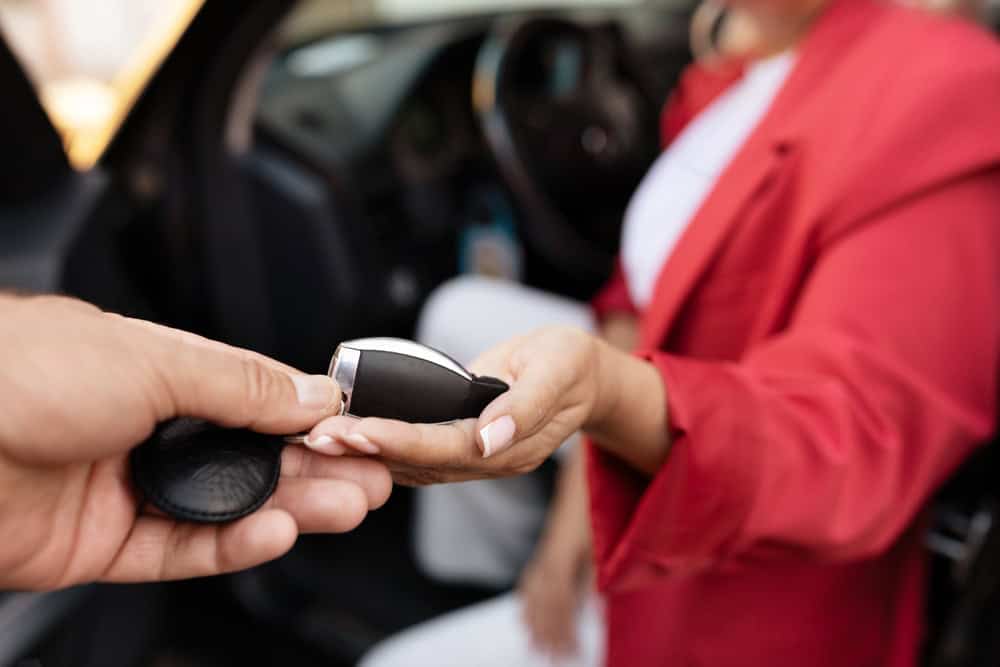
Taking a relative’s car for a quick trip without permission might seem like nothing more than a family matter. Under the Canadian Criminal Code, however, it is a crime to take a motor vehicle from another person (without their consent) for the purpose of driving or otherwise using the vehicle. Knowingly travelling in such a vehicle can also lead to prosecution.
Leaving your car running
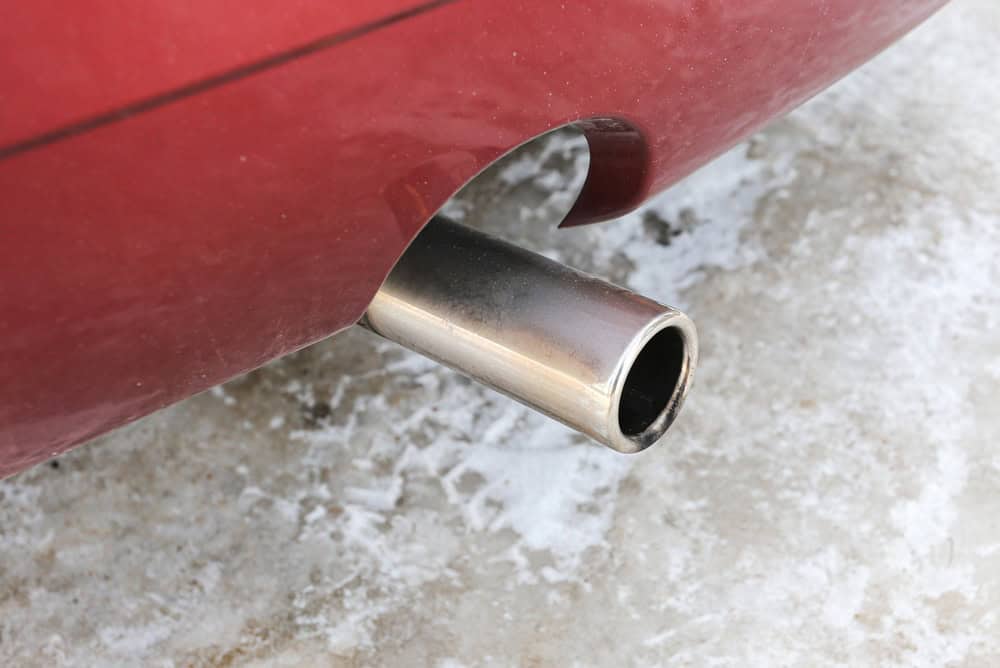
People often leave their cars running when picking someone up, or if they want to warm the vehicle before driving in winter. In Toronto, however, there is a bylaw which limits car idling to no longer than 1 minute per 60 minutes, subject to a number of exceptions (including certain high-temperature scenarios). This is aimed at minimizing excess vehicle emissions.
Transporting firewood

You may think you can avoid cost by carrying your own firewood when you go camping. However, the Canadian Food Inspection Agency prohibits firewood from being transported from some regions across Canada.
Transporting it without the necessary authorization can be illegal. Pests may live under the outer layer of firewood and can contaminate previously unaffected forests. Therefore, campers should buy firewood close to where they plan to camp.
Opening another’s mail

It may appear harmless to read through someone else’s mail, especially if they are a relative. The Canada Post Corporation Act states that it is an offence to intentionally open mail that does not bear your name. This will include any mail that is sent to your home. If mail arrives for a previous resident, it is better to return it rather than open it.
Large picnics in parks

Most people wouldn’t think to get a permit just to throw a birthday party at the local park. However, in Toronto, any picnic with over 25 attendees will need a permit. The parks department needs to be able to control these events and leave room for members of the general public to enjoy their space. Simply finding an available spot doesn’t mean a large gathering is permitted.
Drones in national parks

While drones can take beautiful images of mountain ranges and wooded areas, they are not allowed for leisure within Canadian National Parks. They can be disruptive to local fauna as well as detract from others’ experience. This applies even if you hold the appropriate drone license(s) and registration. You will need specific approval from Parks Canada to fly a drone.
Late-night sales calls

Calling potential customers in the evening might seem like a convenient way to reach people after work. In Canada, however, there are strict rules governing the time at which cold-calling can take place. The general rule is that this will only be allowed up to 9:30pm Monday to Friday and 6 pm on Saturday and Sunday (subject to further provincial legislation).
Sources: Please see here for a complete listing of all sources that were consulted in the preparation of this article.
Like our content? Be sure to follow us.
12 Canadian laws that often surprise U.S. visitors

Canada has a habit of putting some rather strange things into law. Some of these rules are at the federal level, and others are provincial, but all of them have one thing in common.