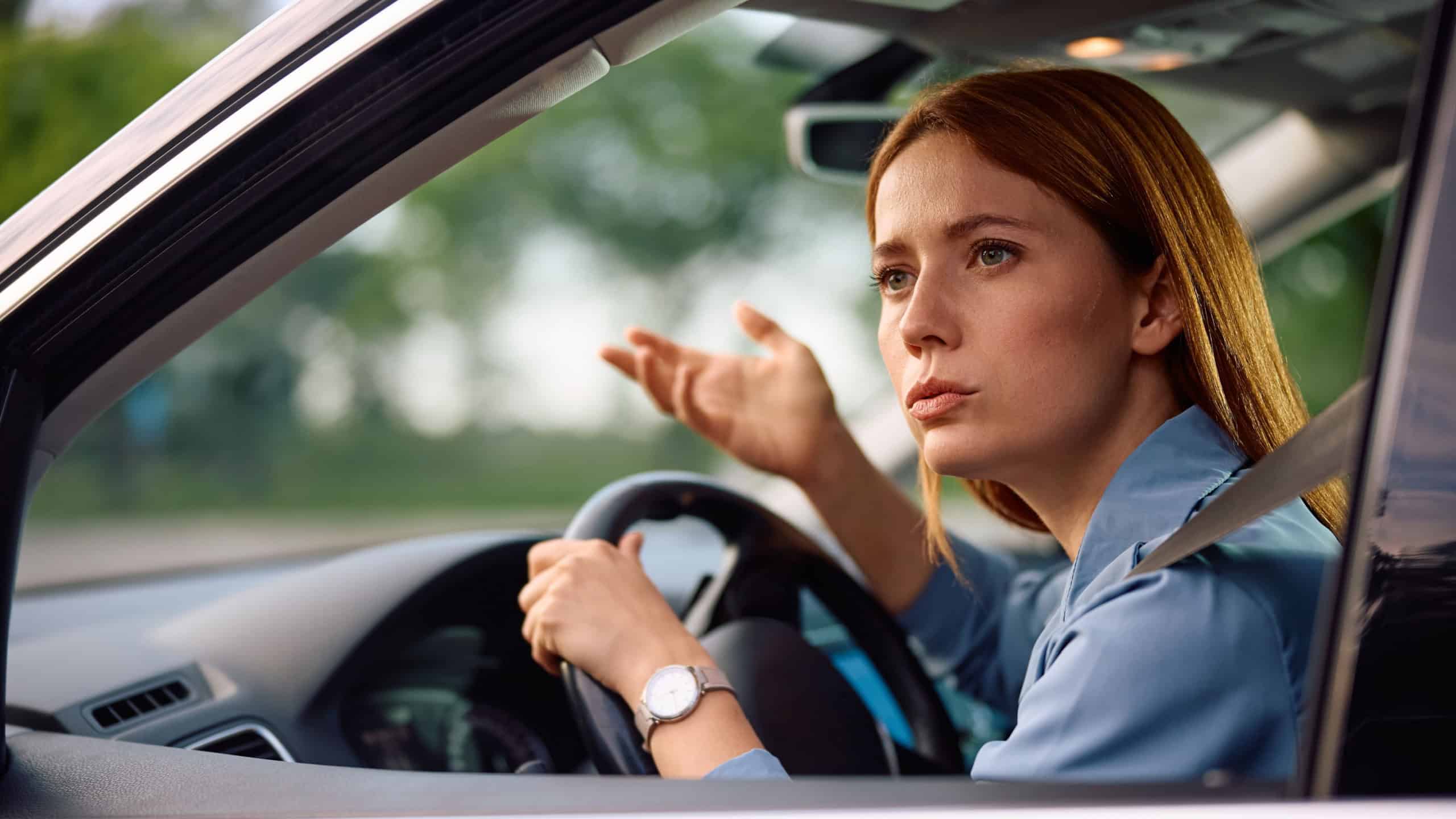
Canadians talk a lot about driving. It’s mostly because several bad habits pile up when we’re commuting, and some of these really get on other people’s nerves.
Surveys from groups like the CAA & the Traffic Injury Research Foundation show that Canadians are usually annoyed about the same things. Here are twelve driving habits that irritate Canadians the most. Which one annoys you the most?
Tailgating on highways
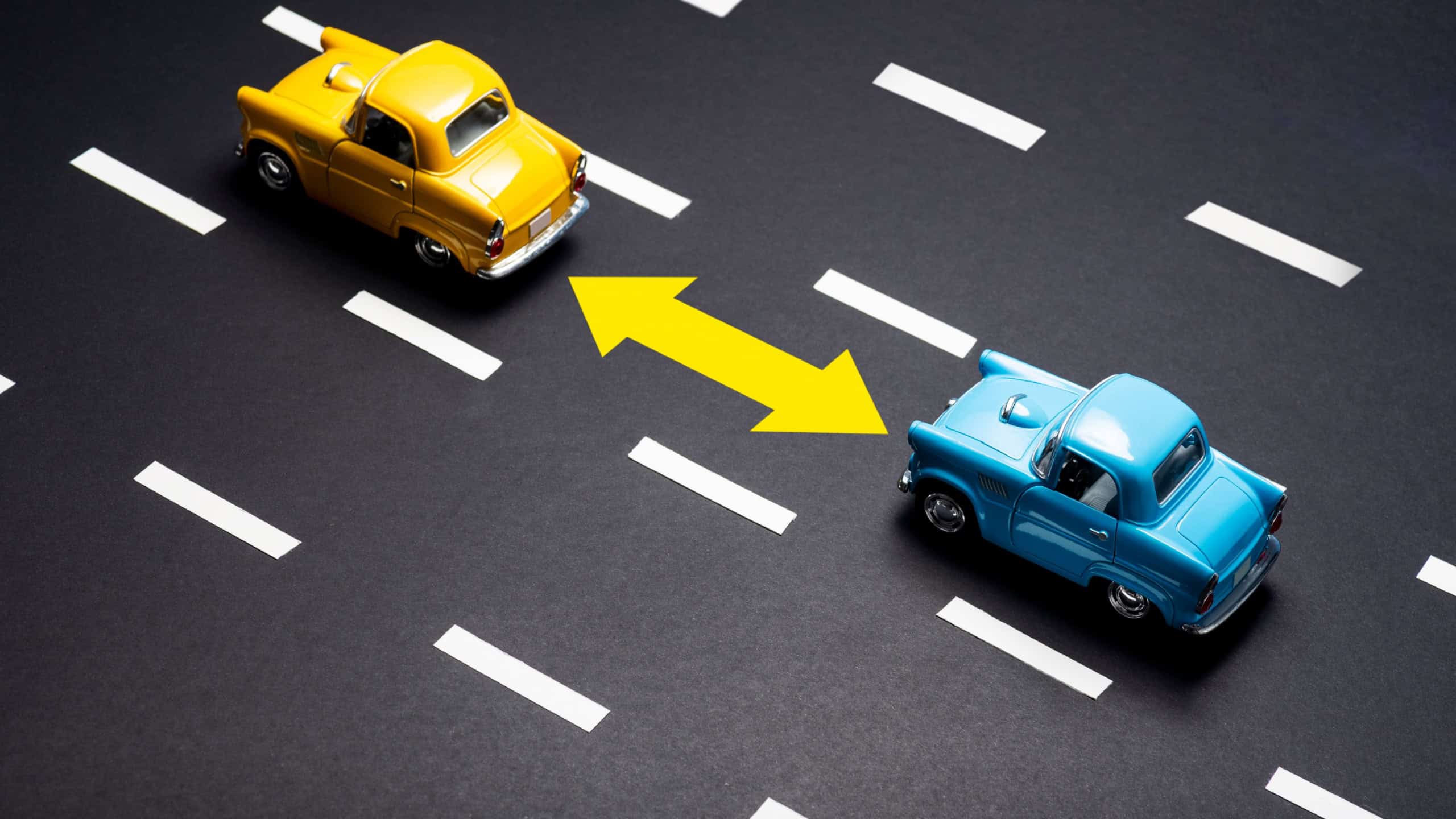
Having someone only a few feet off your bumper on the 401 is enough to make your shoulders tighten. Surveys from the Insurance Corporation of British Columbia have found that around 86% of B.C. drivers feel uneasy when they’re being tailgated.
It’s one of the most aggressive driving habits that Canadians notice. They simply want some breathing room when they’re on the road, but that’s apparently too much to ask from some people.
Ignoring turn signals

Nobody likes being behind a driver who swerves without any warning. But some people are determined to behave this way, even though Canadian driving manuals warn that you should use signals whenever you’re turning or changing lanes.
The Traffic Injury Research Foundation claims a lack of turn signals is a common aggressive behaviour. Anyone who commutes will tell you that it happens far too much. It might seem tiny, yet it’s something people skip frequently.
Blocking intersections
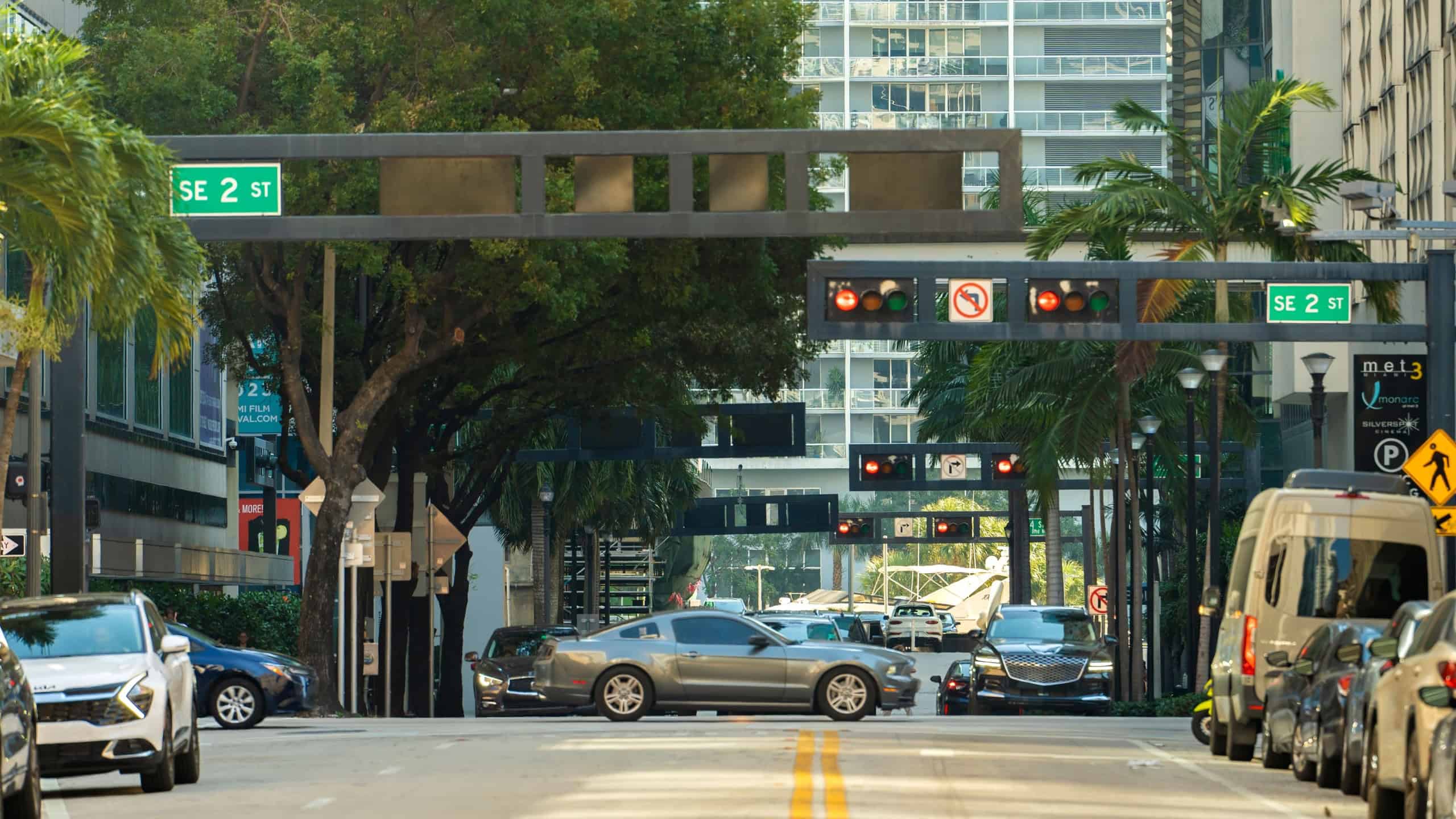
It’s never a good idea to block an intersection, especially not in a busy city. But there are always cars that do it. They’ll inch forward on a stale yellow & become stranded in the intersection when the light changes. It’s actually quite a dangerous habit.
Ontario safety studies have found that urban crashes happen relatively often in these junctions. It apparently doesn’t matter that municipal rules prevent people from stopping in intersections & crosswalks because it happens all the time, anyway.
Speeding in residential areas
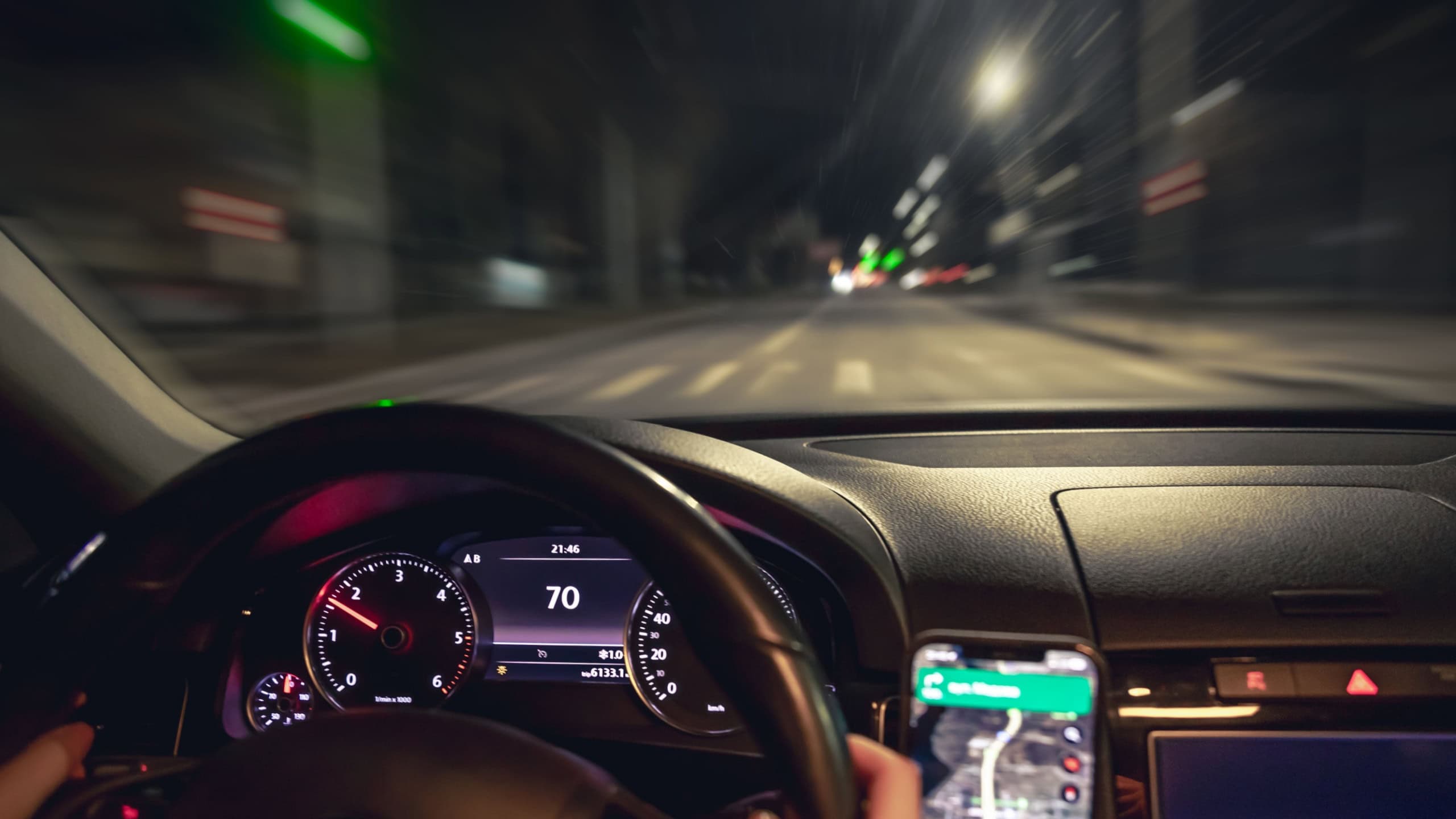
Parents & dog walkers are particularly frustrated by the number of cars that race through 30-50 km/h neighbourhoods. Polling from the CAA found that roughly 88% of Canadians feel worried about speeding happening on local streets & the fear was quite common near schools.
It’s something that national collision data shows is a problem. Speed is responsible for roughly one quarter of all fatal crashes in Canada, and it’s mostly due to us having small streets. Fast driving is rather obvious.
Running yellow lights

A late yellow light becomes a gamble in many Canadian cities. It’s no surprise that people feel irritated by the sheer number of people running these lights. Researchers have found that many collisions happen because vehicles enter intersections just after the light turns red.
That’s one of the main reasons engineers change yellow or all-red intervals, as they’re trying to stop drivers from attempting to squeeze through. But a few of them still do it. It makes things awkward for everybody else.
Improper use of roundabouts
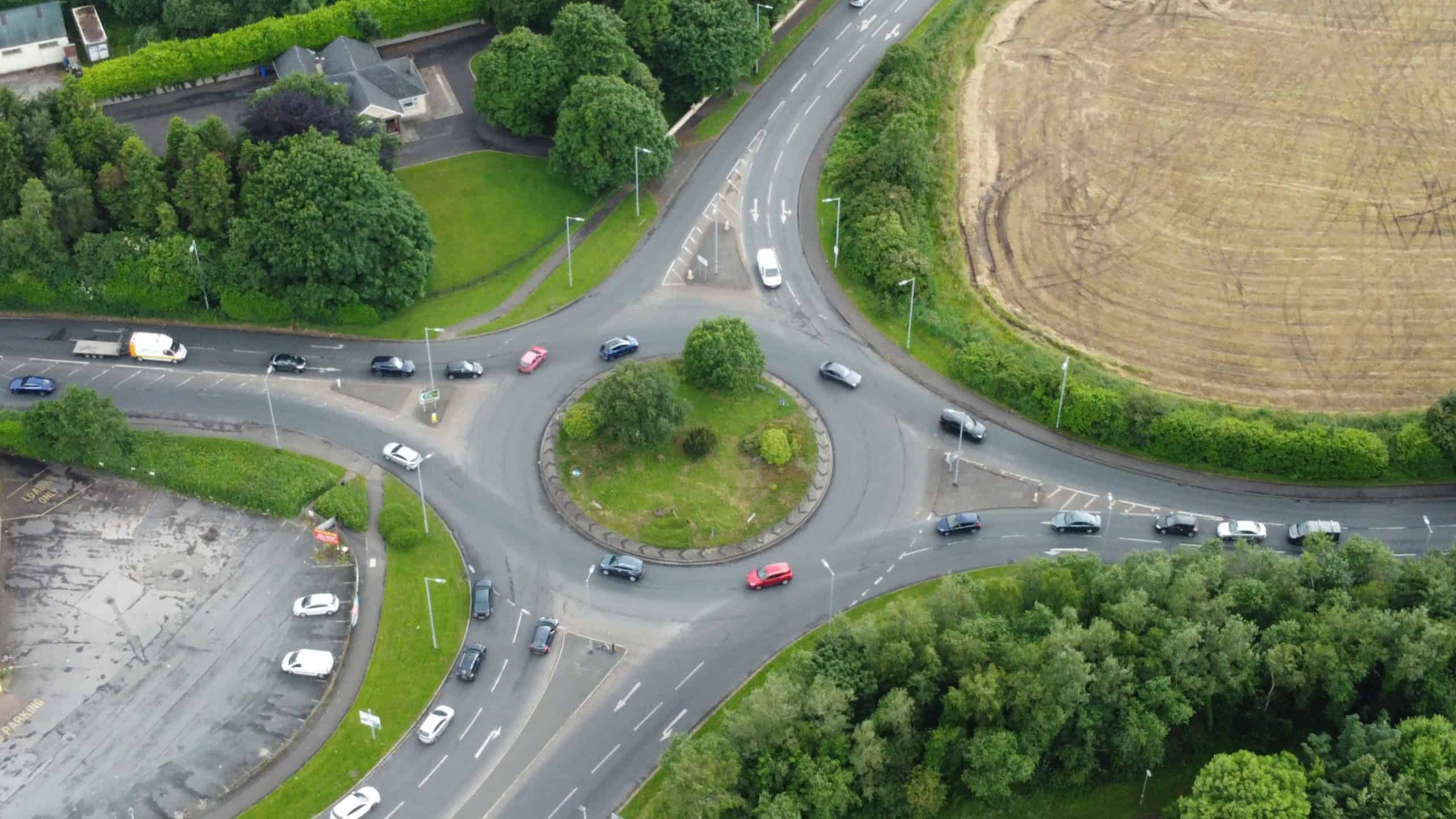
Roundabouts are hardly new in Canada. But you’d be forgiven for thinking that they are because of the number of drivers who hesitate at the entry or straddle lanes when they’re inside. Provincial guides across the country say that you should choose the correct lane first.
You should also signal before exiting. Failing to follow these basic steps means that other cars are forced into guessing what’s going to happen next. It slows them down at best. It causes accidents at worst.
Failing to yield to pedestrians

Safety reports have found that the majority of pedestrian injuries in Canada happen at crosswalks & intersections. There are more than 3,000 crashes involving pedestrians every year in B.C., and these crashes are usually caused by a failure to yield.
The rules are rather straightforward about these crossings. You should wait when someone’s crossing, no ifs & no buts. Yet so many Canadians seem to think that these rules don’t apply to them.
Parking issues
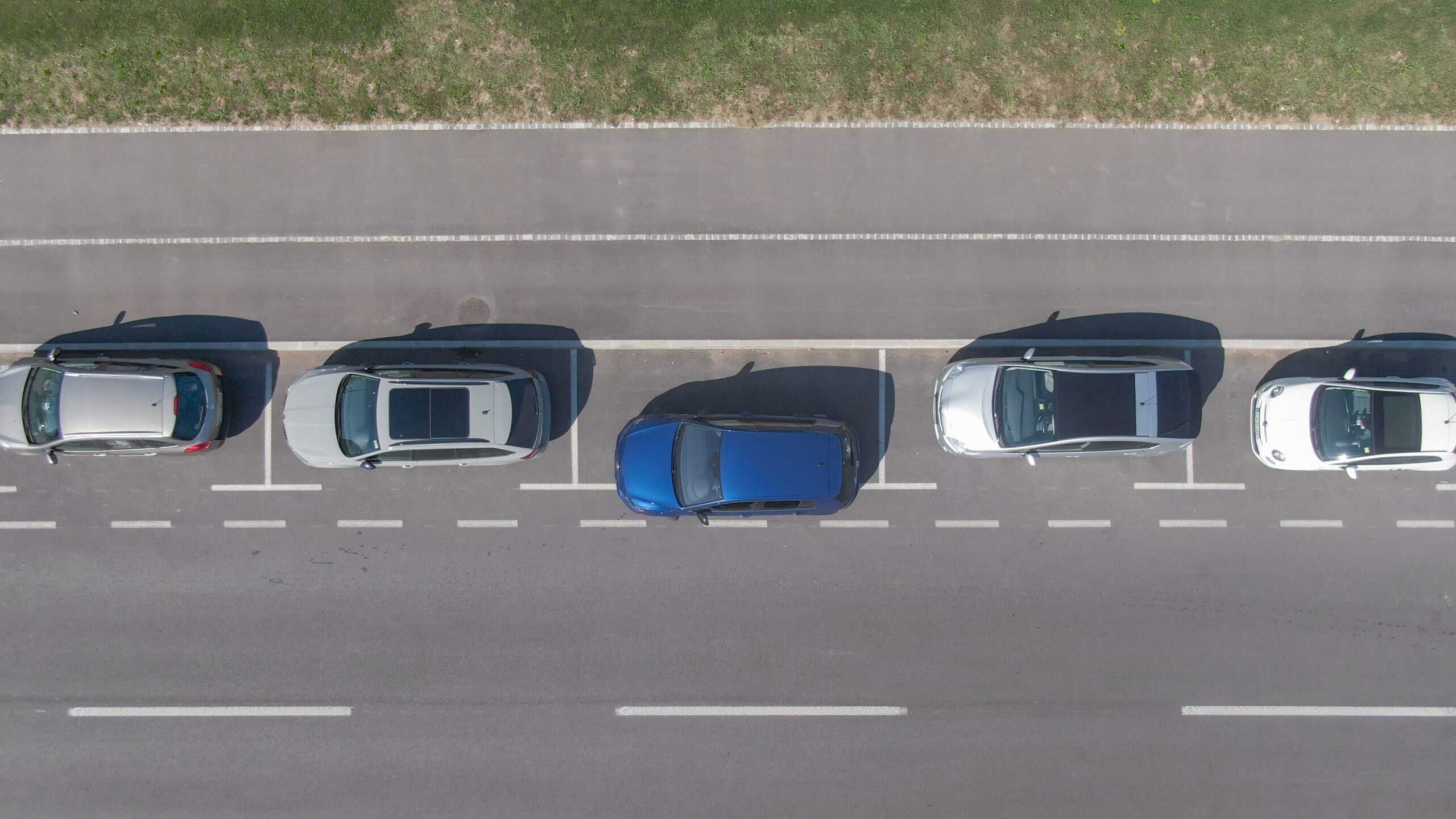
Municipal bylaws in Canada state that driveway blocking & double parking aren’t allowed. They also state that you shouldn’t go into no-parking zones. Cities like Toronto also allow ticketing and towing for cars that fail to follow these rules.
But there are quite a few Canadians who continue to obstruct driveways & stop over sidewalks. It’s a particularly irritating problem for those who live in neighbourhoods with tight street parking. Tempers flare quickly when someone squeezes into a space that isn’t really there.
Aggressive merging
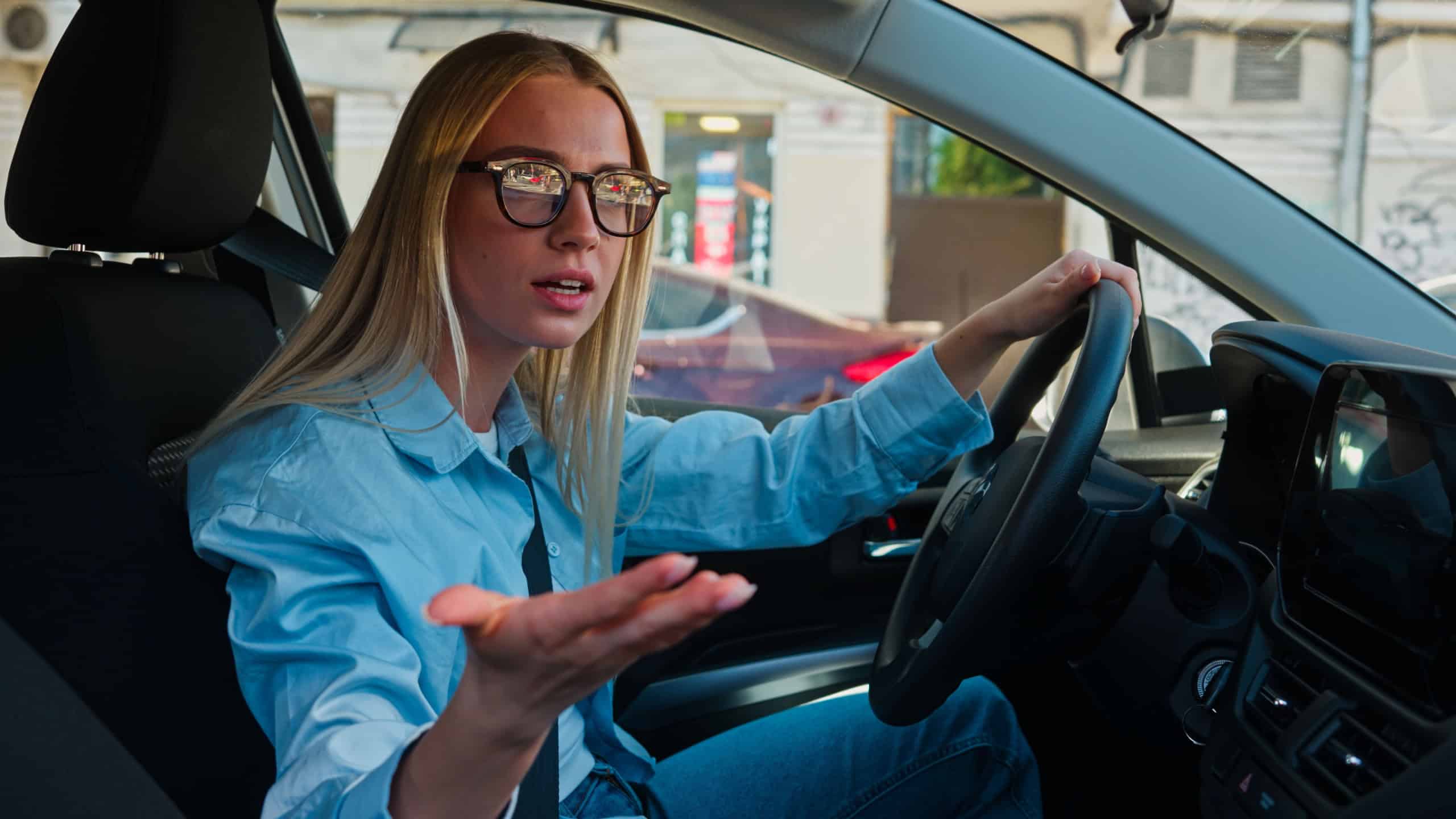
There’s something about busy on-ramps that brings out the worst side of some drivers. They’ll gun it down the ending lane & end up wedging their car in at the very last second. Such behaviour usually happens alongside rapid lane changes, according to research.
Ontario’s driving rules state that close cutting could actually lead to enforcement. It’s the highway version of line-cutting, but far more dangerous. That risk isn’t enough to stop some Canadians from trying it.
Slow drivers in the fast lane
The law says that left-lanes on multi-lane highways are meant for passing. But many people decide they’re going to settle in the lane at speeds well below the limit. It has become such a problem in places like B.C. that the government introduced “Keep Right, Let Others Pass” rules.
The goal is to remind drivers about the dangers of going too slow & how the passing lane should actually be used. Nobody likes being behind someone going ten kilometers below the speed limit in the passing lane.
Distracted driving

Driving should take all of your focus. Yet a few people have things competing for their attention, like phones & snacks, even dashboard taps, and it’s quite a serious problem. Data from Transport Canada found that distractions caused around 22% of fatal crashes in 2021.
But that’s not all. Surveys from CAA claim that many Canadians openly admit to texting at the wheel. That’s despite the fact that we have nationwide bans on using phones while driving. Quite a few Canadians think they manage this habit well. And then they don’t.
Unnecessary honking
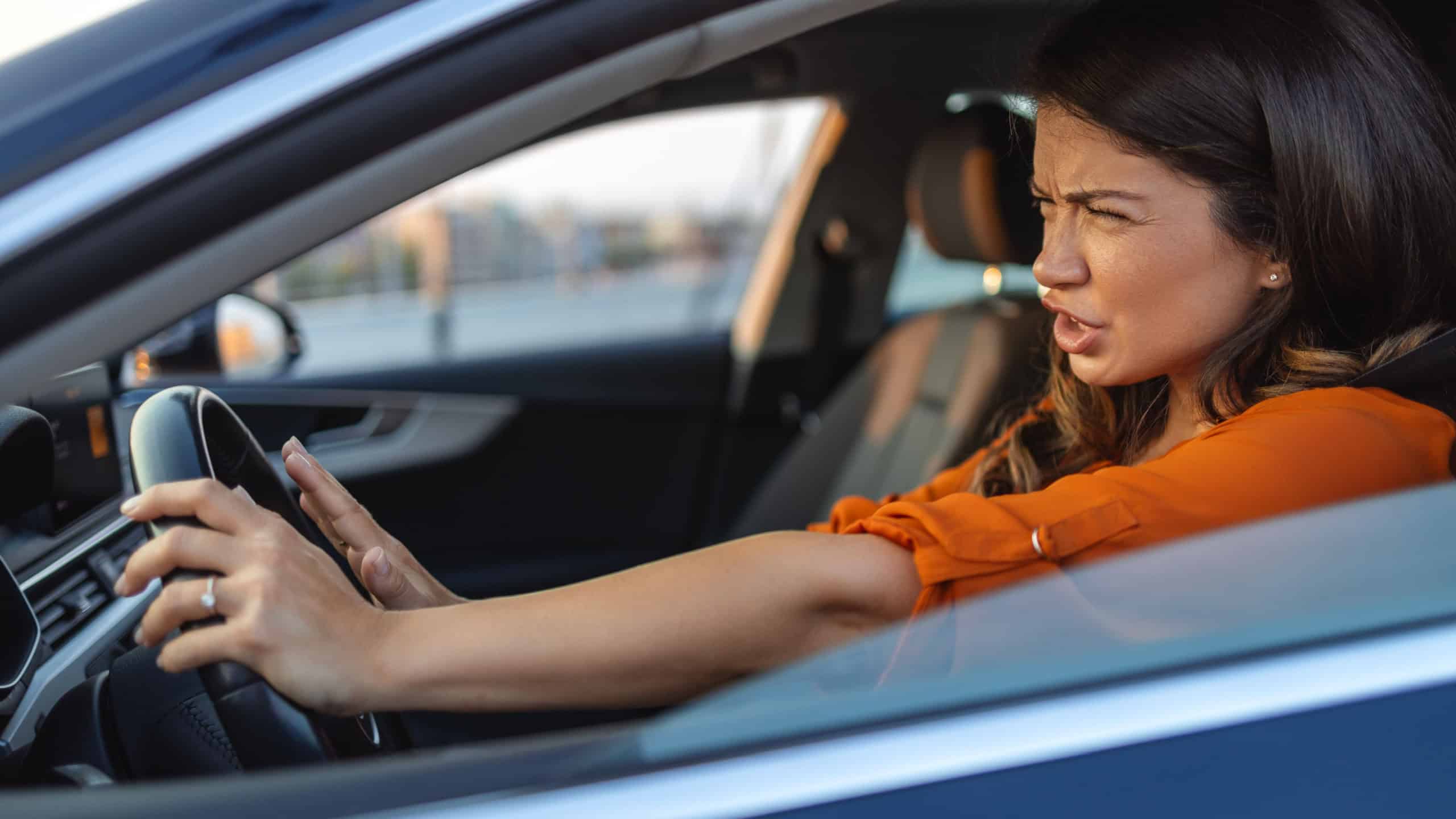
So many Canadians use their horn too freely. They’ll do short bursts & long bursts, anything they can to show that they feel impatient about being in line or stuck in traffic. But studies claim excessive honking is a strong sign of aggressive behaviour.
It makes sense why Canadians feel annoyed by it. The noise doesn’t fix anything most of the time & instead makes everyone around the honking car feel more tense.
Sources: Please see here for a complete listing of all sources that were consulted in the preparation of this article.