
Canadian condo rules don’t necessarily come from big ideas or long planning meetings. No, they usually start with a single complaint or fire inspection, and then over time, those moments become rather strange rules. A few of these involve something as simple as colors & others involve tiny details most people wouldn’t expect.
As soon as they’re written down, they’re enforceable, no matter how “off” they might feel. Here are twelve condo rules that really make no sense. Which of these do you think is the strangest condo rule?
White-only window coverings
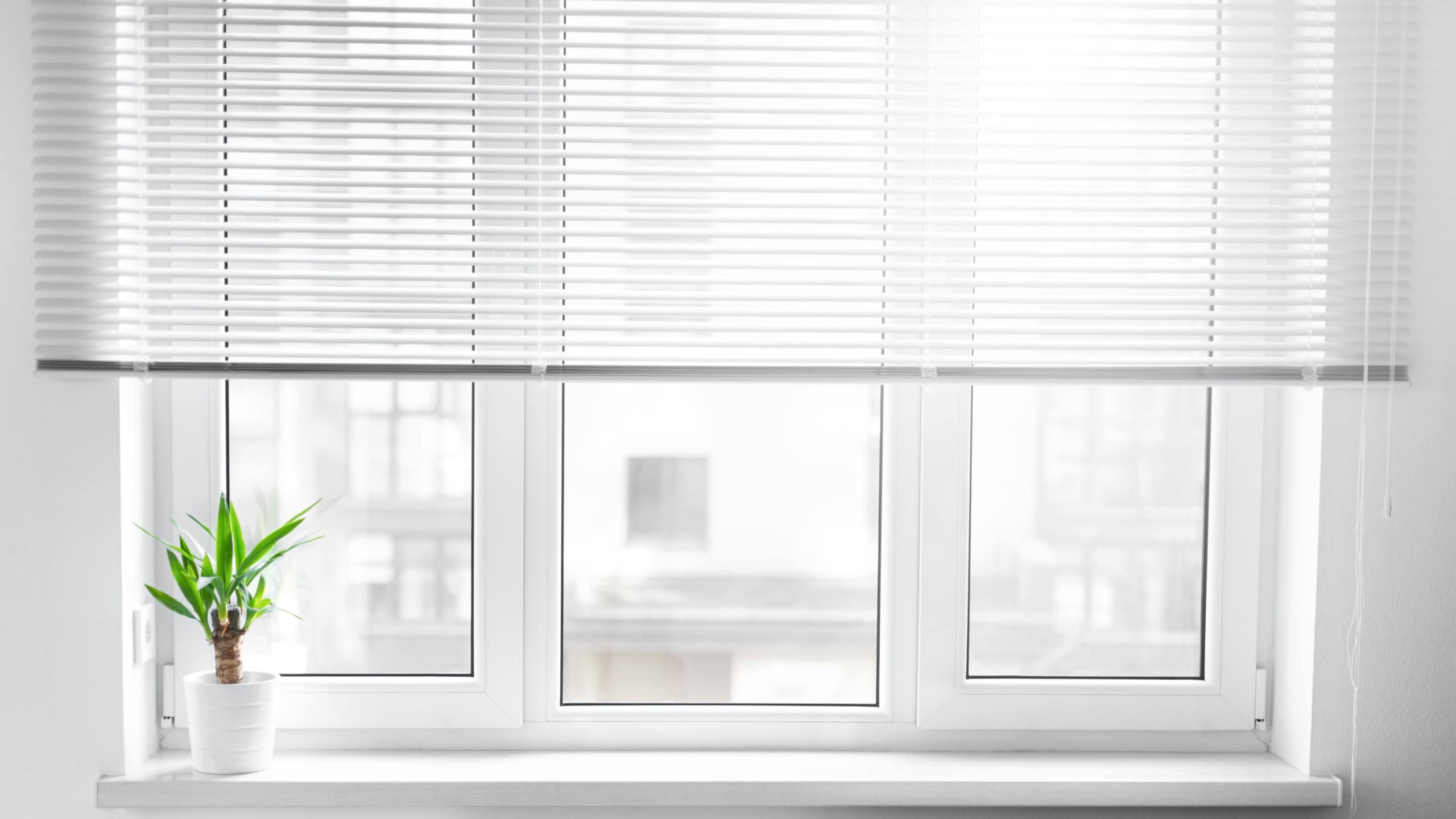
One strata dispute in B.C. involved curtains, although it wasn’t in the usual sense, as it was a brown exterior sunshade that caused all the problems. The strata’s rule said that anything that could be seen from the outside had to be white or off-white. No exceptions allowed.
Ultimately, though, the Civil Resolution Tribunal ruled that the sunshade didn’t count as a window covering, claiming that the sunshade law didn’t apply. They did take issue with the fact that the condo owner didn’t get permission for the coverings.
Doorbell cameras can’t “see” too much
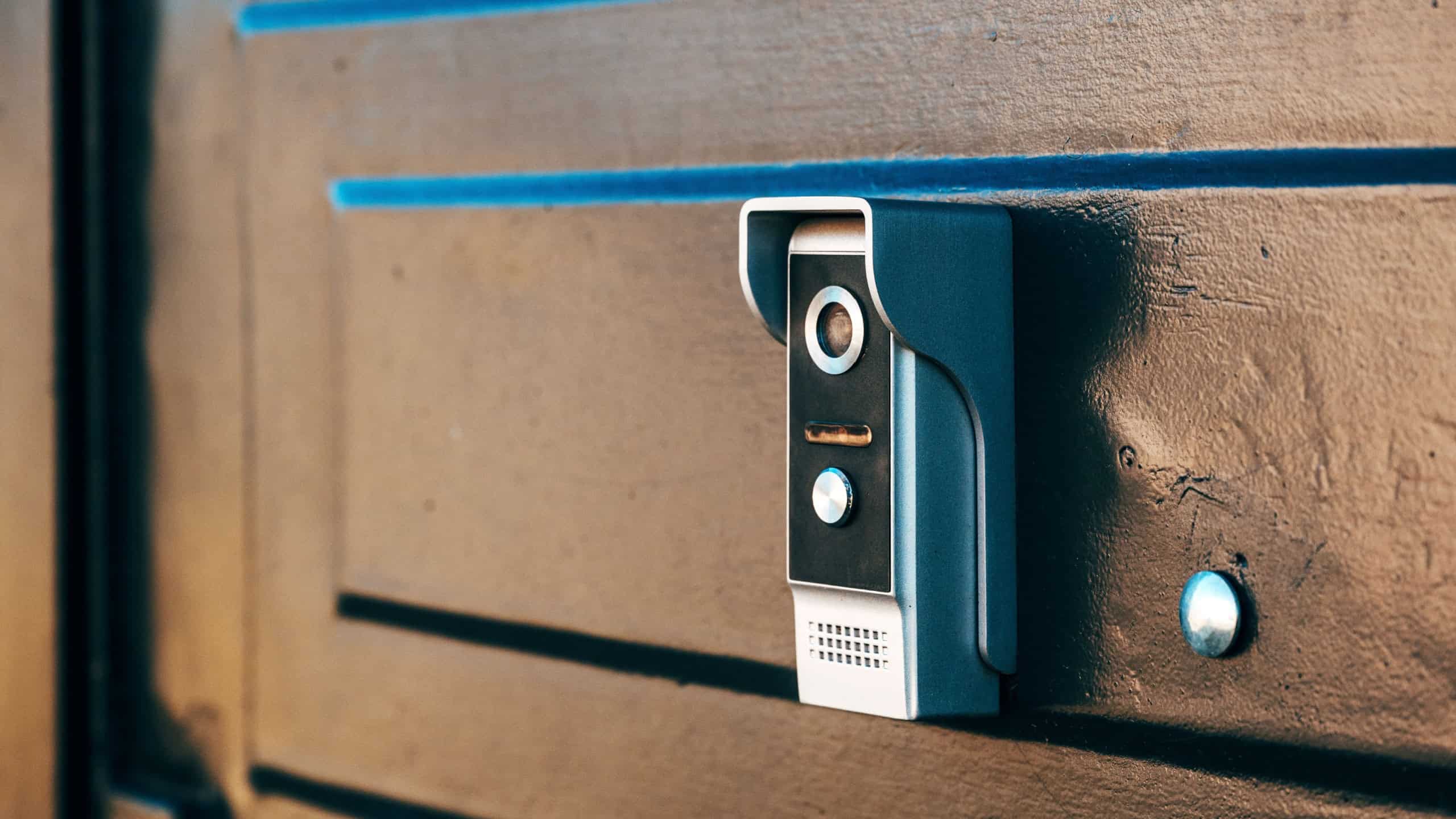
Speaking of B.C., a few strata buildings also treat doorbell cameras a little more seriously than many people expect. You have to apply before installing one, according to one tribunal ruling, and you have to make sure the camera doesn’t capture hallways or nearby doors.
The ruling also bans partial views of common areas. Condos are quite strict about exactly where you may place a doorbell camera, even on your own property.
Bird-feeding bans
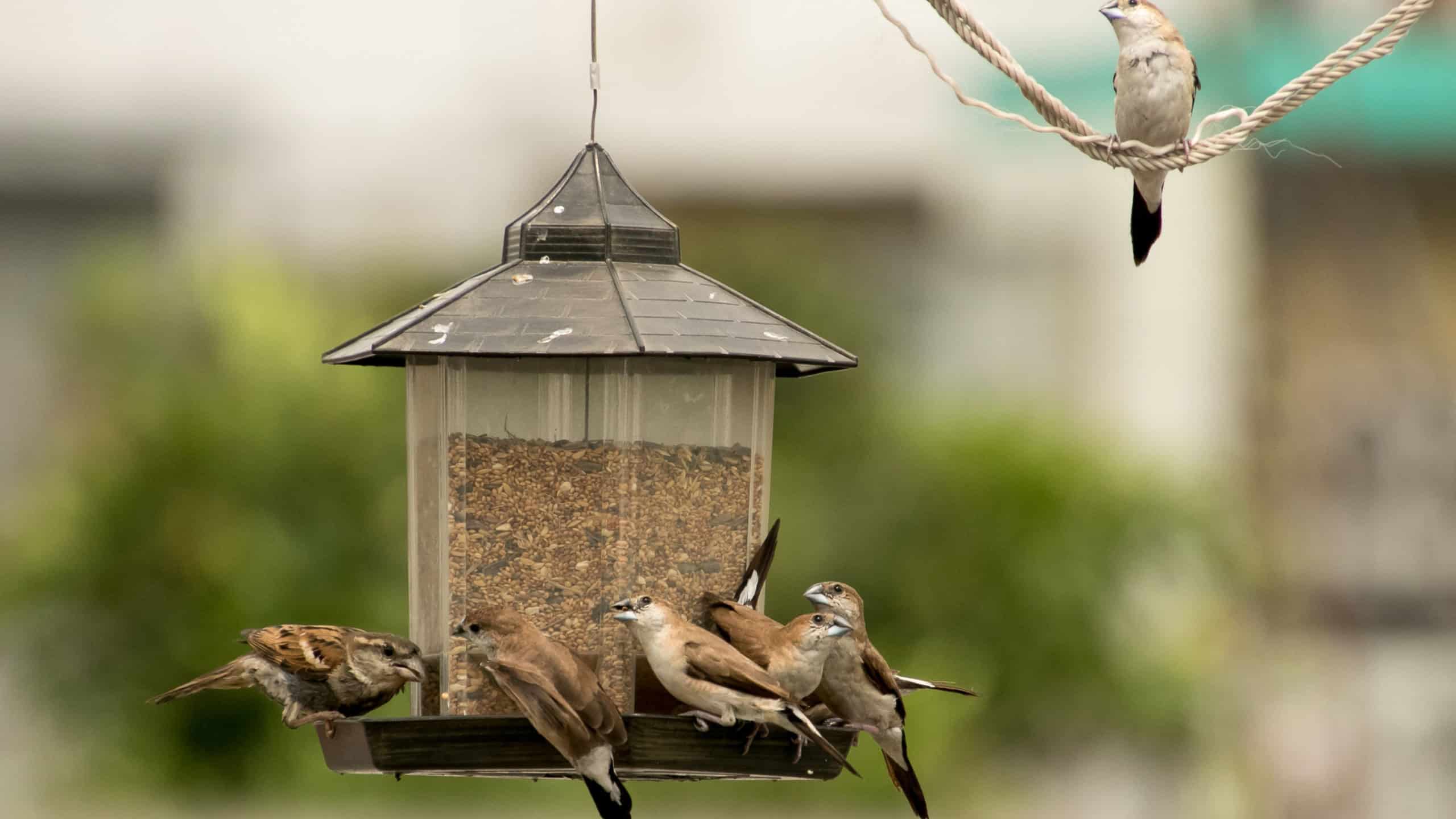
The condo rules in Ontario are equally as strange as in B.C. One of these involves banning bird feeding from balconies, and the rule appeared in a few tribunal decisions, where birds became regular visitors. Interestingly, the issue wasn’t actually with the birds in general.
It was more so with the birds being repeatedly fed from one unit. The rule then became that you’re not allowed to feed birds from your condo, even if you’re simply giving them crumbs.
No bikes in elevators

Quite a few condos in Ontario have rules that specifically restrict people from having bikes in elevators & hallways. It doesn’t matter that bike storage might be limited. According to the rules, bikes count as a vehicle, and you can only have vehicles in parking areas, so interior areas must stay clear.
Riding one through the lobby is a violation. The rule is supposed to protect the walls & traffic flow, although we’re not sure why anyone would want to ride a bike through a hallway anyway.
Door wreaths & hallway doormats are fire-code issues

A few Canadian condos have rules that completely ban hallway decor, including wreaths on doors & doormats outside units. Apparently, such decorations are an issue of fire safety.
They don’t make any exceptions, especially not during the holidays, so anyone looking to decorate their condo will need to be very careful.
No real Christmas trees

That’s not all for Christmas decor. Many Canadian condos have rules that outright ban Christmas trees, alongside other holiday décor, and a lot of them have different reasoning for the rule.
But the way that they enforce the rule is quite obvious. Anytime that a real tree shows up in an elevator or hallway, the condo residents get a notice relatively quickly to take it down.
Flooring rules because of noise standards

Sure, rules about flooring materials inside units make sense from a design perspective. But you might be surprised to know that a few provinces have rules on flooring materials because of noise transmission limits instead.
Owners have to meet certain acoustic standards when they’re replacing floors. While hardwood & laminate floorings aren’t explicitly banned, they do have to meet certain sound ratings. The rulemakers care more about decibel numbers than any decor trends.
Seasonal furniture only

There are a few provinces that get rather literal about what a balcony is for, as they have rules specifically stating that you’re only allowed “seasonal furniture” on the balcony. But they don’t clearly explain what counts as seasonal furniture.
It leads to some owners being told that their bench or storage box doesn’t qualify, perhaps a screen, as well. The tidiest of items may have to be removed because the condo doesn’t consider them acceptable furniture.
No drying clothes or towels on balconies
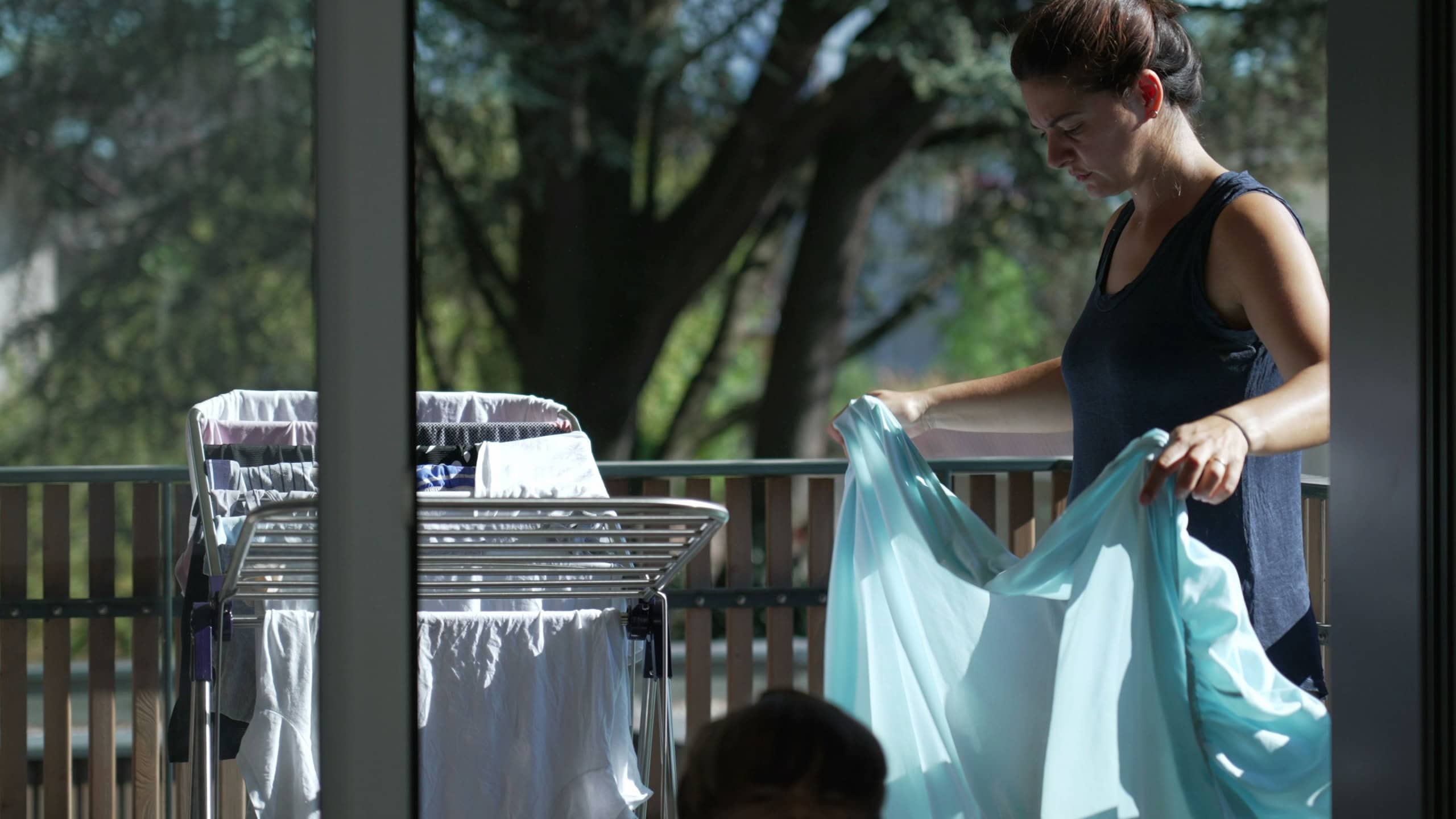
A few condos treat balconies as places that are only for display, meaning that you’re not allowed to hang towels or swimsuits. Something as harmless as a laundry rack is also completely banned.
Interestingly, most bans against these items focus on “items used for drying,” rather than trying to avoid mess or visibility. Simply having a single towel on your condo’s balcony after a swim could be enough for you to get a warning.
Wind chimes prohibited

It doesn’t matter how peaceful a wind chime might be, as there are a surprisingly large number of condo bylaws that ban them. They don’t care how small or light these decorations might be, or if they hang inside the balcony.
The rules are no chimes, period, and the rule applies 24/7, although there are some condos that only have restrictions on having wind chimes blowing at certain hours.
Indoor plants restrictions

You’d think that decorating your condo with plants would be relatively simple. However, several condo buildings limit how tall your plants can grow & what kind of pots you can use, as well as when you’re allowed to have plants outside.
Hanging plants & climbing plants are usually off-limits as well. Such a rule is meant to be for safety, as rulemakers are worried about what could tip or spill onto the areas below.
No moving or big deliveries on Sundays or statutory holidays

Certain condos in Toronto force new condo owners to move on a tight calendar. They prohibit moving or big deliveries on Sundays & statutory holidays. No exceptions. That means you’re not allowed to book elevators on these days, and you’ll have to plan around them.
Rules like these usually include deposits and inspections, along with time limits. Missing your slot will likely force you into rescheduling everything.
Sources: Please see here for a complete listing of all sources that were consulted in the preparation of this article.
Like our content? Be sure to follow us.