
Living in Canada for long enough means that a few sayings just roll off your tongue. You don’t even notice them. They’re a normal part of how we talk, and some of the words that sound completely normal here often confuse visitors.
We asked our readers about common expressions they’ve heard other Canadians use without realizing. Here are twelve that they told us about. How often do you use these?
Tuque / toque

Practically every Canadian owns at least one tuque/toque. A few people own even more. For those who don’t speak the lingo, it’s a knitted winter hat that you grab before heading out into a snowstorm. Some people spell it as “tuque,” & others spell it as “toque.” But everyone knows what it means. A “beanie”? That doesn’t really exist here.
Two-four

Whenever you’re headed to a cottage or a long weekend BBQ in Canada, someone’s probably going to say they’re getting a “two-four.” It’s just a 24-pack of beer. The word first became popular in Canada, but it soon spread everywhere across the nation. Everyone here imagines an LCBO run before a holiday Monday.
Garburator

You may have heard your plumber talk about your “garburator.” It’s not exactly a fancy term. No, it simply refers to the food grinder under your kitchen sink, something that Americans call a “garbage disposal.” It’s always a garburator over here. The name has been around for ages, similar to how every Kleenex is a tissue, but not every tissue is a Kleenex.
Bunnyhug
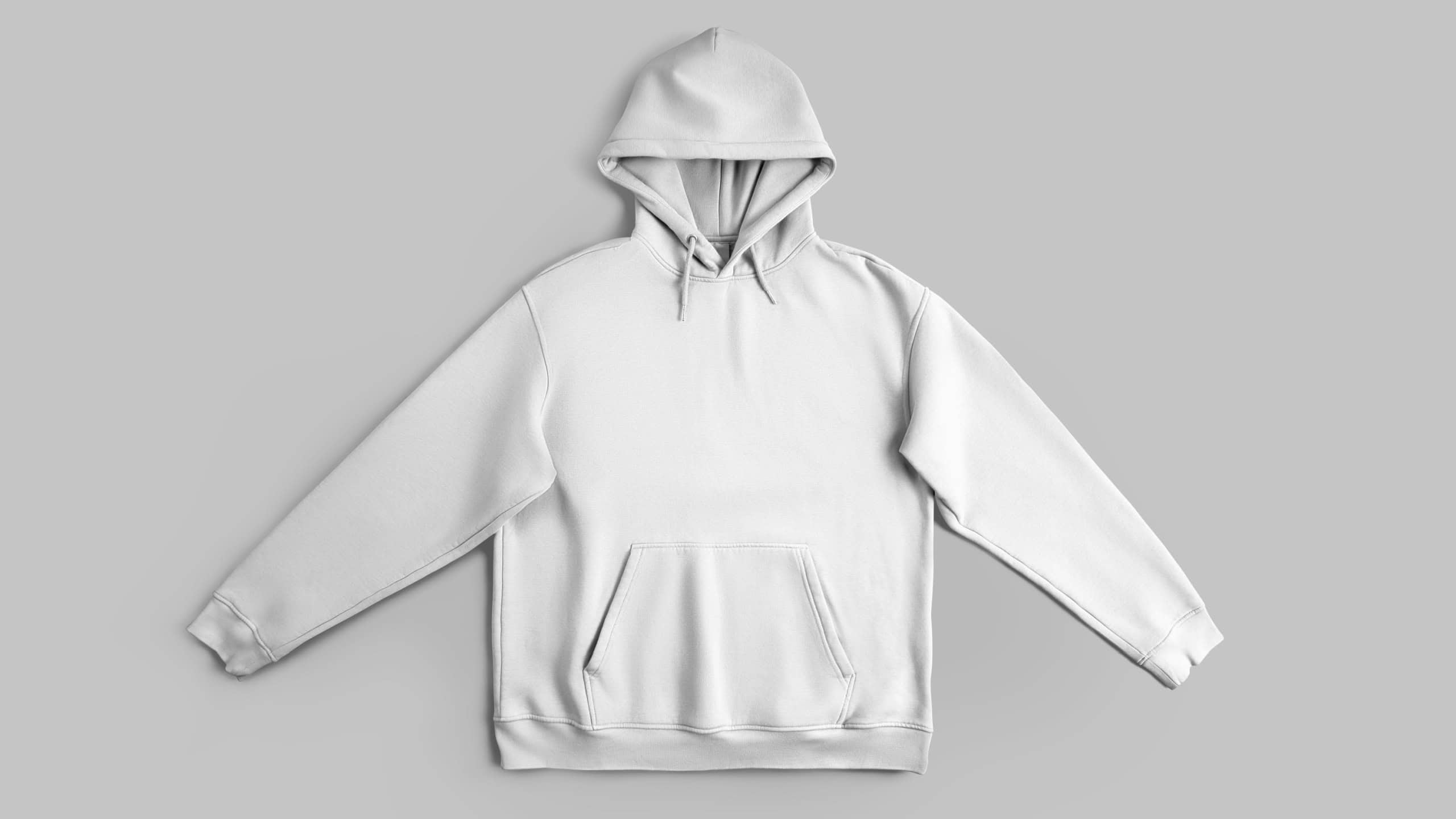
You’ll only find people in Saskatchewan calling a hoodie a “bunnyhug.” People in other places tease them for it. But it’s hard to deny that it’s so cute using such a word to talk about a sweatshirt with a pouch & hood. Using it outside the Prairies would make people think that you’re talking about an actual rabbit.
Washroom
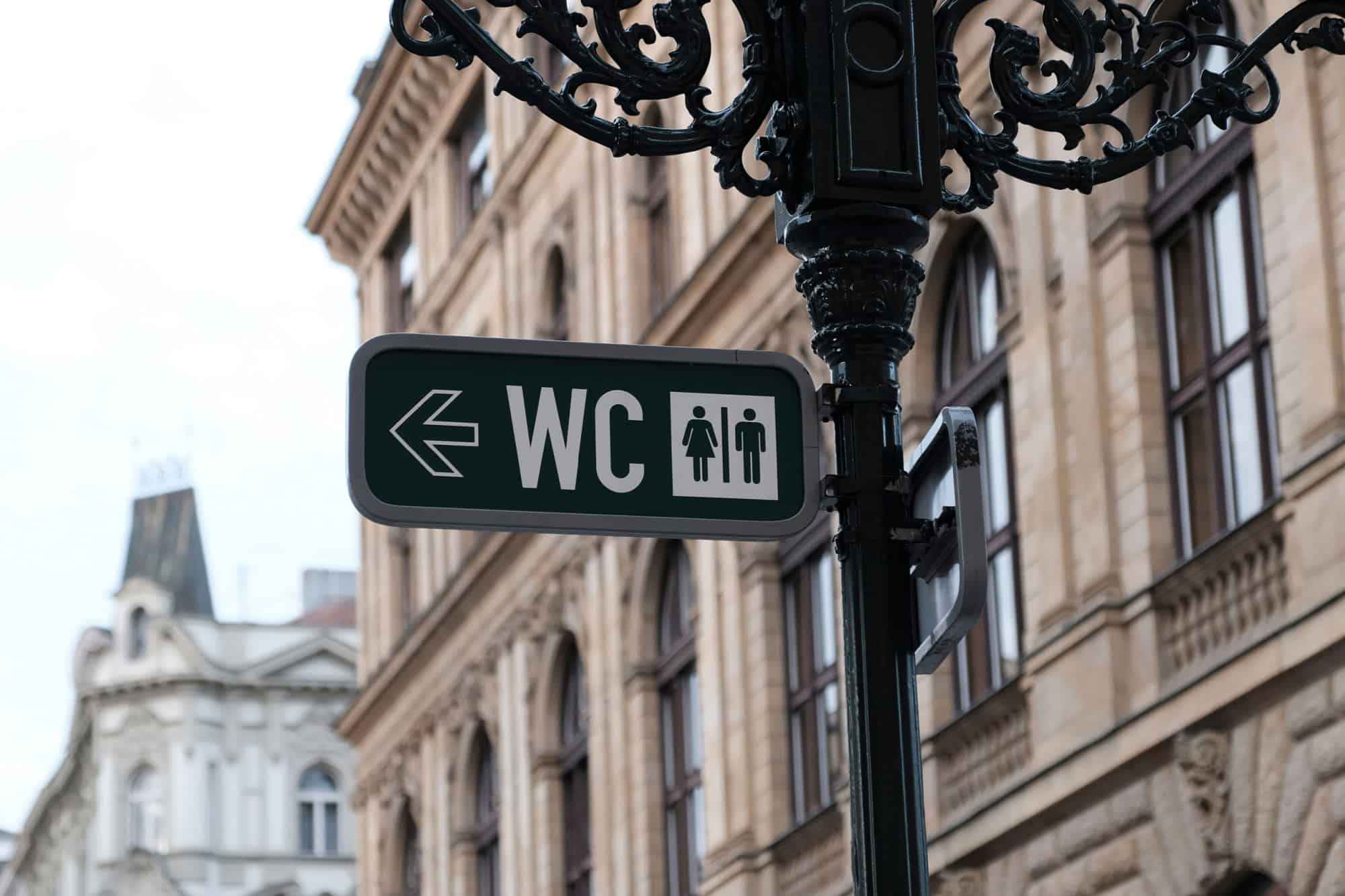
As Canadians, we rarely say “restroom” like the Americans do. We don’t usually say “toilet” either. Instead, we call it a washroom, whether it’s in a house, a mall, or even a highway stop. Can you blame us? It’s a lot gentler than the other two options & everyone knows we’re known for being quite polite.
Parkade

Try driving into any downtown in Alberta or B.C., and you’ll see the same thing. It’s a huge concrete building that’s marked “parkade.” Yes, it’s just a parking garage, but only Western Canadians seem to use the word. The word first appeared a few decades ago. Somehow, it never left our vocabulary.
Serviette
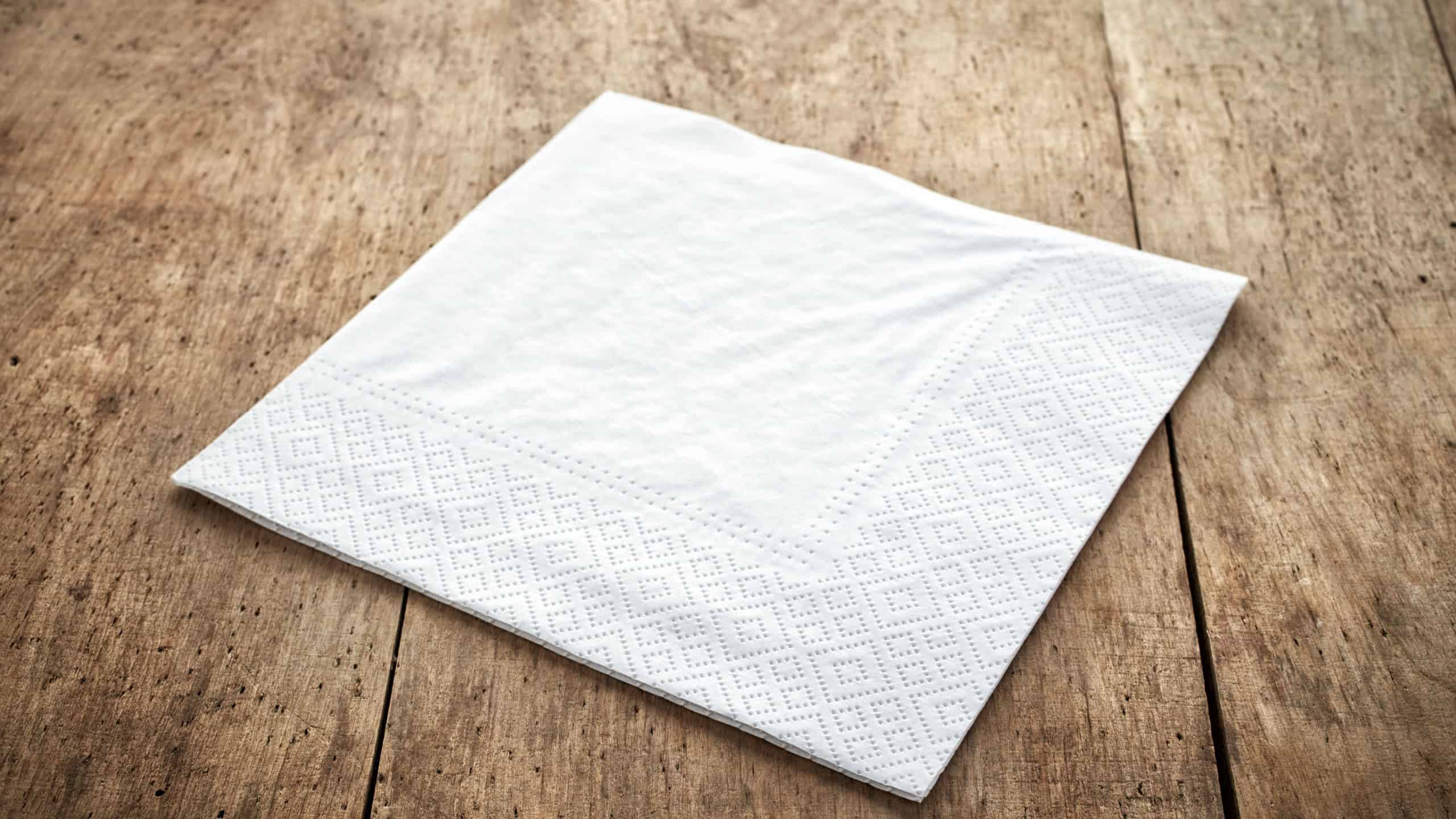
You don’t grab a napkin in most Canadian homes. You grab a serviette. It’s usually the paper kind that’s folded beside your plate, and the word comes from the French. That explains why it’s such a common word in Eastern Canada. In some restaurants, the servers might even correct you when you ask for a napkin because a serviette is the norm here.
Mickey

When the majority of people from other countries hear “mickey,” they likely assume you’re talking about the mouse. Not in Canada. We use it to talk about a small 375 mL bottle of liquor, something you can slip into your coat pocket. A mickey is perfect for a camping trip or hockey night. Let’s not forget about a “two-six,” a 750 mL bottle & a “Texas mickey.” It’s ridiculously big.
KD (Kraft Dinner)
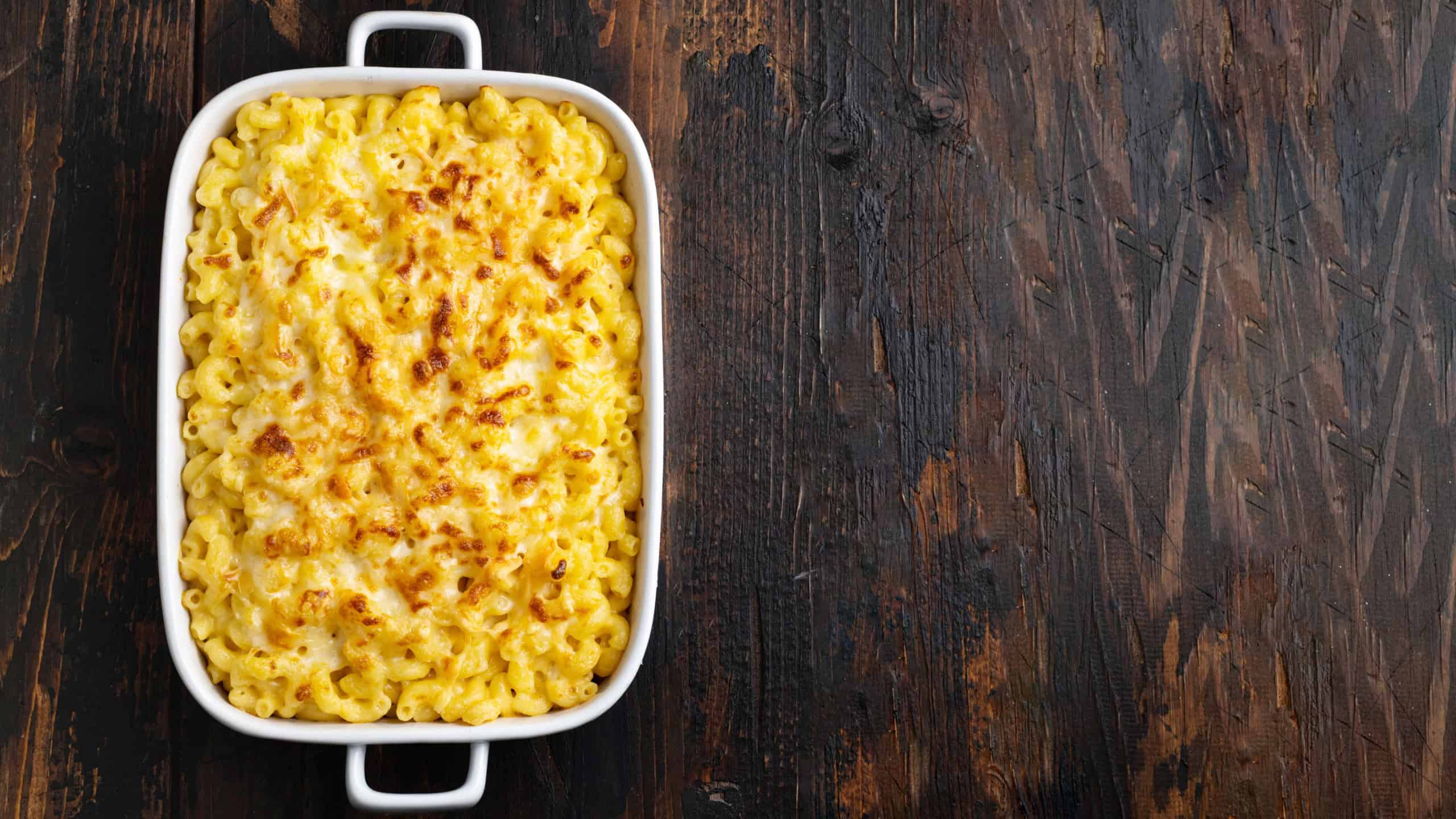
The only kind of mac & cheese is KD. At least, in Canada, it’s that way. We’ve called it KD for so long that Kraft actually changed its name on the box to match us, and nobody really calls it mac & cheese here. That is, unless you’re trying to sound fancy. But otherwise, we’d prefer to call it KD.
Eavestrough

Homeowners know the term “eavestrough” by heart. The word refers to the metal channels along roofs that are designed to catch rainwater, known in America as “gutters.” The word sounds a little off to most Canadians. You’ll find someone out there every fall with a ladder & leaf blower, complaining about needing to clean the eavestrough.
Loonie & toonie

Most Canadians use the words loonie & toonie without even thinking about it. The idea of a $1 coin being a “loonie” came from the loon on the back, and the $2 coin came later. They called it “toonie” soon after. It’s such a common term that banks & the media, even the Royal Canadian Mint, use these terms.
Chesterfield

Just what is a “Chesterfield,” anyway? It’s an older Canadian term for a sofa. Despite what some people believe, the Chesterfield doesn’t come from the name of a specific furniture store, and it’s simply an everyday word to talk about a couch. The word is still in some Canadian dictionaries.
Related Articles: