
When Americans go to Canada or see online pictures of the country, they often see one Canadian doing a particular thing and assume everyone does it. But most regional customs in Canada are intensely, even fiercely local.
They might be very common in a particular province or city, but not common at all across the country. However, all of them get mischaracterized in the rest of Canada (and the U.S.) as “Canadian habits,” even though most Canadians have zero connection to most of them.
The “Lumberjack” look
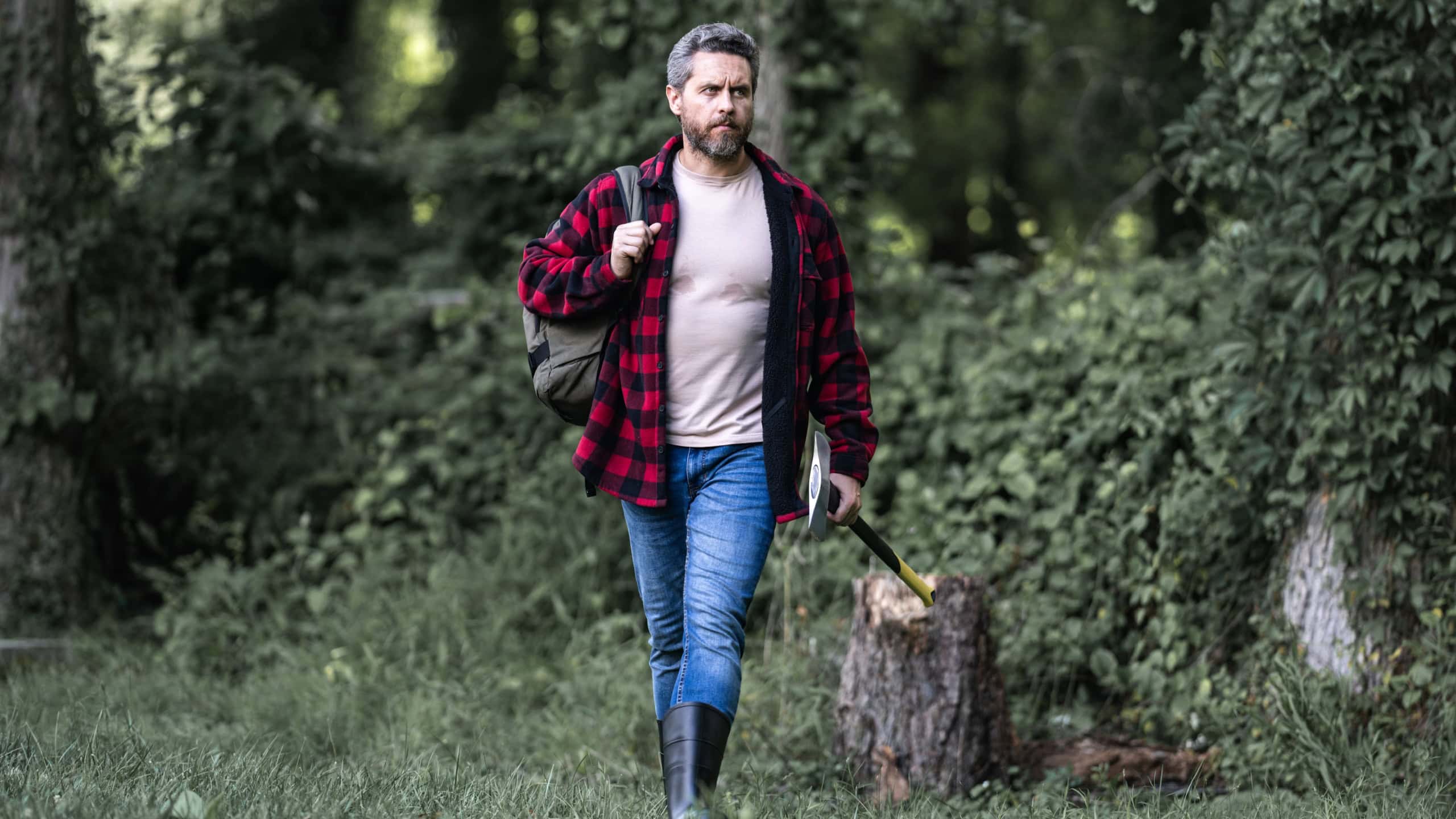
The plaid flannel and boots look is often mocked as a Canadian “costume.” But they are common in BC and the Maritimes and it’s just a practical habit. Because the weather is damp and life is lived outdoors, wearing wool and rugged boots is the only way to dress. It’s just a practical response to living in a rainforest or by the Atlantic ocean.
Milk in bags

Americans think every Canadian drinks milk from bags. This habit is almost exclusively limited to Ontario and Quebec. Drive into British Columbia or Alberta and you’ll see jugs and cartons just like you do in the U.S. The whole “bagged milk” thing is a packaging relic leftover from the 1970s that never caught on in most other provinces.
“Eh” vs. “B’ye”

The word “eh” is the most famous Canadian stereotype, but its usage varies wildly. In the Maritimes (specifically Newfoundland), you are much more likely to hear “b’ye” (pronounced like “boy”). Each region has its own “tag” at the end of sentences; “eh” is more common in Central and Western Canada.
Hockey is religion

Americans may think every Canadian kid plays hockey, but growing up with this sport isn’t a national habit anymore. In places like Toronto, basketball is now culturally as important as hockey. In British Columbia, “mountain culture” and outdoor sports like skiing and hiking are the prevailing everyday habits. And more kids across the country are now registered for soccer than hockey because it’s easier to access and less expensive.
Living in a “Winter Wonderland”

The stereotype is that Canada is always cold. In reality, regions like the Okanagan Valley in B.C. or Southern Ontario have blistering hot summers (often exceeding 30°C or 86°F). Conversely, the “Winter” habit of plugging in cars (block heaters) is a Prairie necessity (Alberta/Saskatchewan) that many Canadians in Vancouver or Toronto have never even seen.
Poutine cravings

Americans see poutine (fries, gravy, and cheese curds) as a “Canadian” thing, but for people in Quebec, it’s a regional masterpiece. There are unwritten rules about it: the cheese curds have to be fresh enough to squeak when you bite them. While you can get it across Canada now, many Quebecers feel like the rest of the country is just copying their homework.
The coffee divide

The average American assumes every Canadian is a Tim Hortons aficionado. “Timmies” is huge in Ontario and the East Coast, but a very different story out West. In Vancouver or Calgary, people are often way more interested in local craft coffee shops or high-end espresso bars. For many people in the West, the “Double-Double” (two creams, two sugars) is more of a cliché than a daily habit.
Leaving doors unlocked

Popularized by documentaries like Bowling for Columbine, the idea that Canadians don’t lock their doors is a myth in big cities like Toronto. However, in Churchill, Manitoba, it is a legitimate habit, but not because of “niceness.” People leave car and house doors unlocked so pedestrians can quickly escape if a polar bear wanders into town.
The French-speaking assumption

Americans often assume every Canadian is bilingual, but in reality, outside Quebec (French primary) and New Brunswick (Canada’s only bilingual province), many Canadians are limited to what they learned from the back of a cereal box. Regional linguistic facts, not nation-wide competencies.
Rural Prairie Canadians

Americans think of Prairie Canadians as living on farms and small, rural towns, and assume that is the case across the Prairies. In fact, the Prairies include large, modern metropolises such as Calgary, Edmonton, Winnipeg, and Saskatoon.
Most people who live there live an urban or suburban lifestyle, work in offices, universities, hospitals, or high-tech. The rural nature of the landscape makes the stereotype easy to swallow, but day-to-day life for Prairie Canadians is more city than rural for most.
Measuring distance in “minutes”

When an American asks for directions and a Canadian says, “It’s about two hours away,” the American often assumes Canadians just don’t understand how to use kilometers or miles. In reality, this is a habit born from the massive, flat stretches of the Prairies and Southern Ontario. Because weather and traffic are so unpredictable, the “kilometers” don’t matter; only the time does.
Rapid-fire joking

A common stereotype of Canadians in the US is that they talk like Newfoundlanders; speaking quickly and with joking humour. Newfoundlanders and Labradorians talk this way in part because of their strong oral storytelling tradition and large Irish and English heritages.
Conversations there, especially among friends and family members, often involve rapid-fire jokes, teasing, and hyperbole. Canadians elsewhere typically speak more evenly and are less likely to joke with strangers.
Sources: Please see here for a complete listing of all sources that were consulted in the preparation of this article.
Like our content? Be sure to follow us.