
In many ways, shopping in the United States is not unlike shopping in Canada. The brands are very similar, the store layouts are familiar and comparable, and overall, the experience seems identical. It’s only when Canadians actually shop in the U.S. (or watch how Americans shop via travel, social media, and television) that the differences become impossible to ignore.
We asked Canadians about their shopping experiences in the United States: in person, online, and via anecdotes from friends and travel. And so here are the American shopping habits they said still surprise them most.
Not tapping your card at the table

Canada was a world leader in “Tap-to-Pay” and “Chip & PIN” payment technologies. For years, Canadians have been used to the system where you never actually hand your credit card to anyone.
Many Canadians are very nervous in U.S. restaurants when their waiter takes their actual plastic card away to a back room to “swipe” it, which they view as a huge security risk.
Extreme couponing
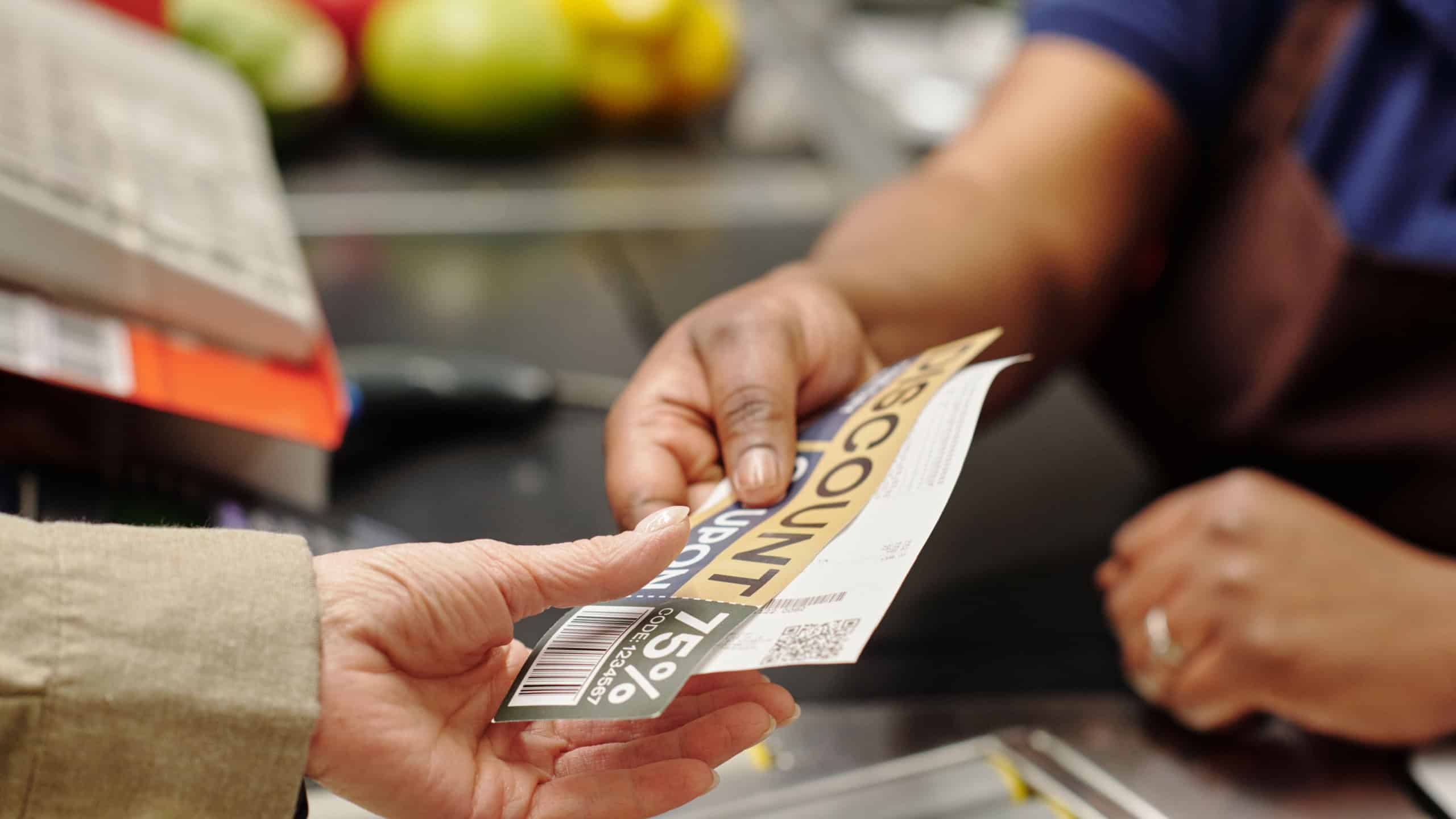
In the U.S., “Stacking” is perfectly legal, which means you can use both a store coupon plus a manufacturer coupon on the same item. In Canada, the fine print on almost all coupons says “cannot be combined with any other offer”. Canadians are fascinated (and just a little confused) by the American “sport” of spending hours clipping coupons to whittle a $100 bill down to $5.
Drug commercials

The U.S. and New Zealand are the only two countries in the world where drug companies can advertise directly to people. In Canada, an ad for a drug is not legally allowed to tell you both the name of the drug AND what it treats in the same commercial.
Canadian visitors are grossed out by the American practice of listing an entire 30-second list of scary side effects, like “sudden hair loss” and “nightmares”.
The 24/7 shopping culture
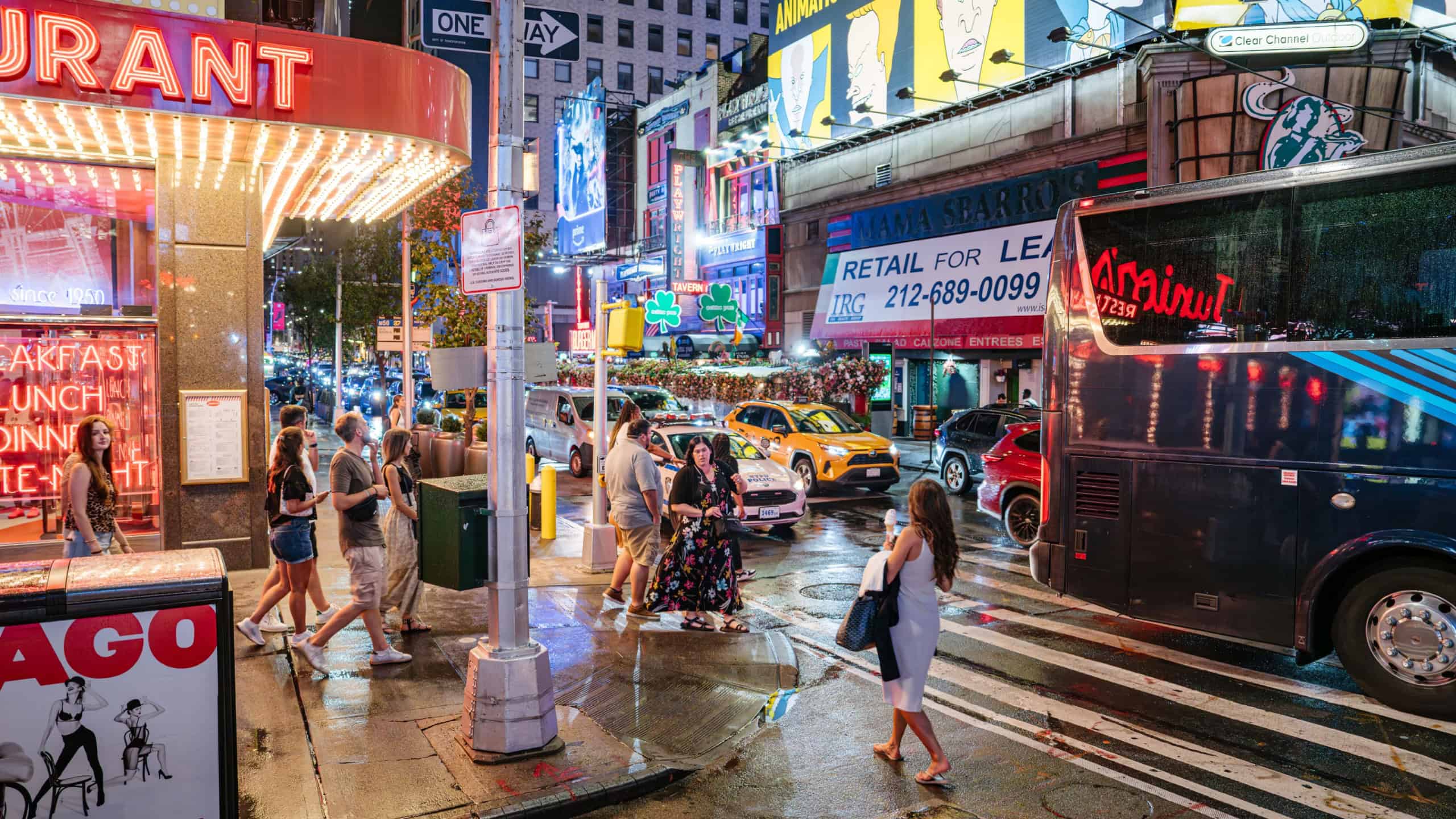
Canada has no laws on store hours. But most small and medium-sized stores do close by 9:00 PM on weekdays. And almost everything shuts down early on Sundays.
The American concept of “Midnight Shopping” for non-food items like clothes or electronics is often a culture shock. Canadians are surprised that in the U.S, you almost never really have to wait until tomorrow to buy something.
Mail-in rebate
Americans are used to the “Mail-In Rebate” (MIR), a form of rebate where you buy a laptop for $500, fill out a paper form, and send it away to get $50 back in 8 weeks.
In Canada, most people just ignore them. Canadians are used to instant rebates where the price is simply lower at the register. Paying now to save later is too much of an effort and chore for most Canadians.
Haggling in big stores

In Canada, if it says $10 on the tag, it’s $10. There’s no haggling in big stores.
In the US, it is far more common to ask the floor manager at a Best Buy or a furniture store, “Is this your best price?” Canadians find this social interaction cringe-worthy and are often shocked to find out they could have saved money just by asking.
Shopping on holidays

Many Canadian holidays are protected, meaning there are actual laws forcing most stores to close and have workers stay home. Days like Christmas or Good Friday, a whole Canadian city can be a ghost town, because 9 out of 10 stores are closed.
The idea of shopping on major holidays makes no sense to Canadians. Seeing a department store or a mall full of people on a day that is meant to be spent with family feels very odd to a Canadian visitor.
Extremely lenient return policies

American stores are known for their “no questions asked” returns where you can often return an item even if you’ve opened or used it. In Canada, stores are much stricter; there is no law that says a store has to take back a product just because you changed your mind.
Canadians are often too embarrassed to return things, and are amazed that Americans will return used items like a half-empty bottle of shampoo or a dress with no tags and get a full refund instantly.
The super-size options

Canadians are flabbergasted by the mega sizes available in the U.S. that simply do not exist in Canada. In many American gas stations and fast-food chains, you can buy “Jumbo” or “Double” drinks that hold 40 ounces (1.2 liters) or more of soda. To a Canadian, seeing someone carry around a cup the size of a small bucket as a normal afternoon snack is a major culture shock.
The great milk bag controversy

Ontario and Quebec have milk in three separate 1.3L plastic bags (each inside one larger bag). It’s cheaper to produce, and uses 75% less plastic than jugs.
When these Canadians see the huge, heavy 4-liter plastic milk jug that takes up half your fridge in the U.S., they think they are awkward to pour, wasteful of fridge space and just plain ugly.
Buying alcohol at grocery stores

In some parts of Canada, liquor is only sold at dedicated stores like the “LCBO” or “The Beer Store”. Canadians are used to very strict government control on where spirits can be sold. So for them, walking into a U.S. grocery store and finding a wall 10-feet high of bourbon or tequila right next to the pharmacy or the baby food is like stepping into the “Wild West”.
No plastic policy

In Canada, thin plastic shopping bags have now been banned across the whole country. This means that if you go to any store in Canada, you must bring your own cloth bags with you, or pay for a paper one.
Many Canadians are very surprised to visit the U.S. and find that many states still give plastic bags for everything. They are especially baffled when a cashier starts “double-bagging” their groceries, without even asking.