
Canada and the United States have a lot of similar-looking homes. But how those homes are maintained can be extremely different, especially as compared to warmer U.S. states. Local climate, building codes, and regional customs all influence how Canadians take care of their houses. Many of these home maintenance rituals may feel normal in Canada but they stand out to many Americans, especially when you consider winterization, insulation, and seasonal home chores.
“Blowing out” the pipes
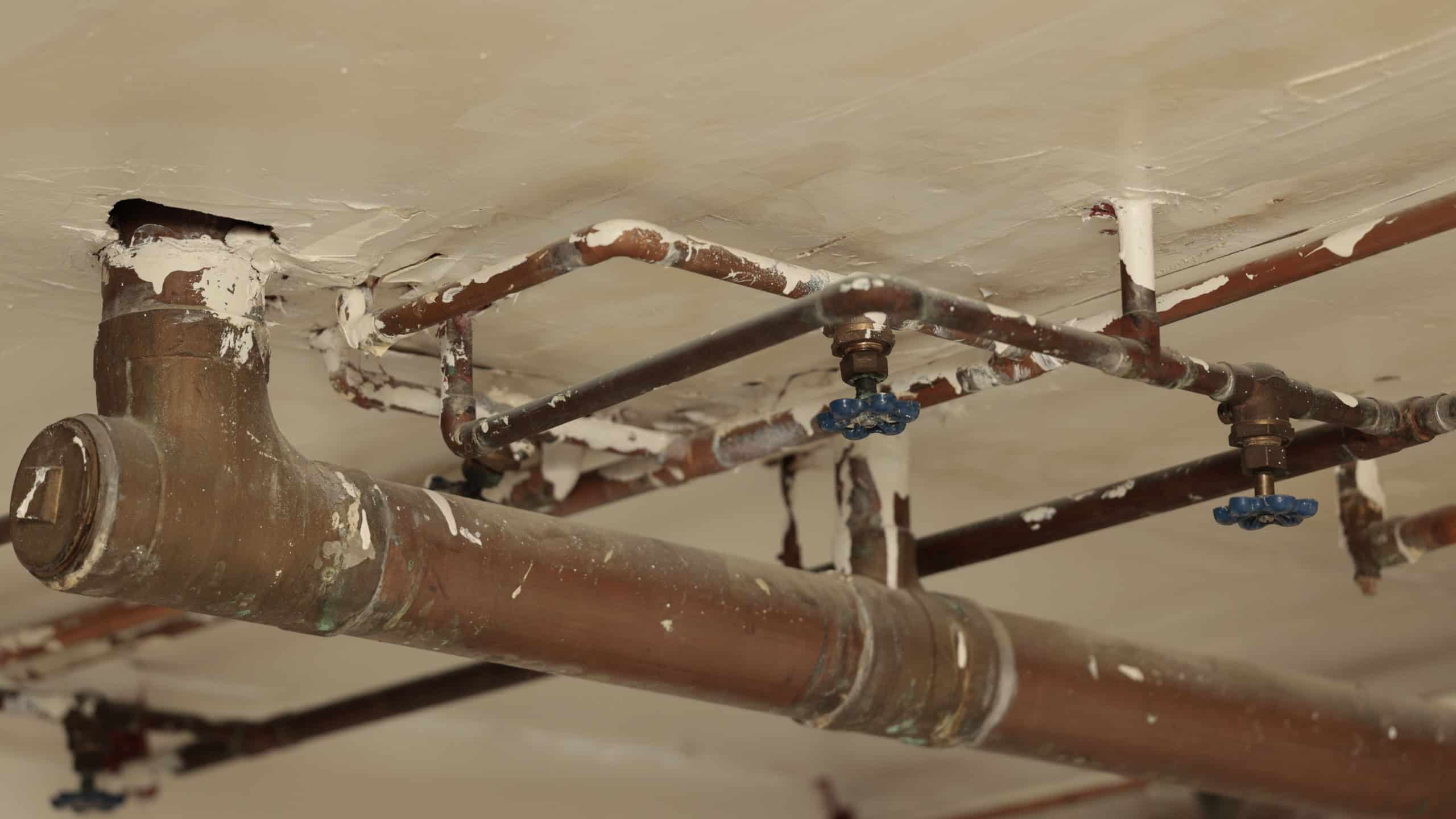
In most of Canada, winterizing the plumbing is an official autumn chore. Canadian homeowners shut off their outside water valve in October or November, but they don’t just shut off the water. Most run the taps to ensure the lines are clear of water. Some also connect a hose and an air compressor to “blow out” all the lines of their underground sprinkler system.
If even a tiny amount of water is left inside those plastic pipes, it will freeze, expand into ice, and burst the pipe underground. Come spring, you’d wake up to a flooded backyard and a massive repair bill.
Roof raking to prevent “ice dams”
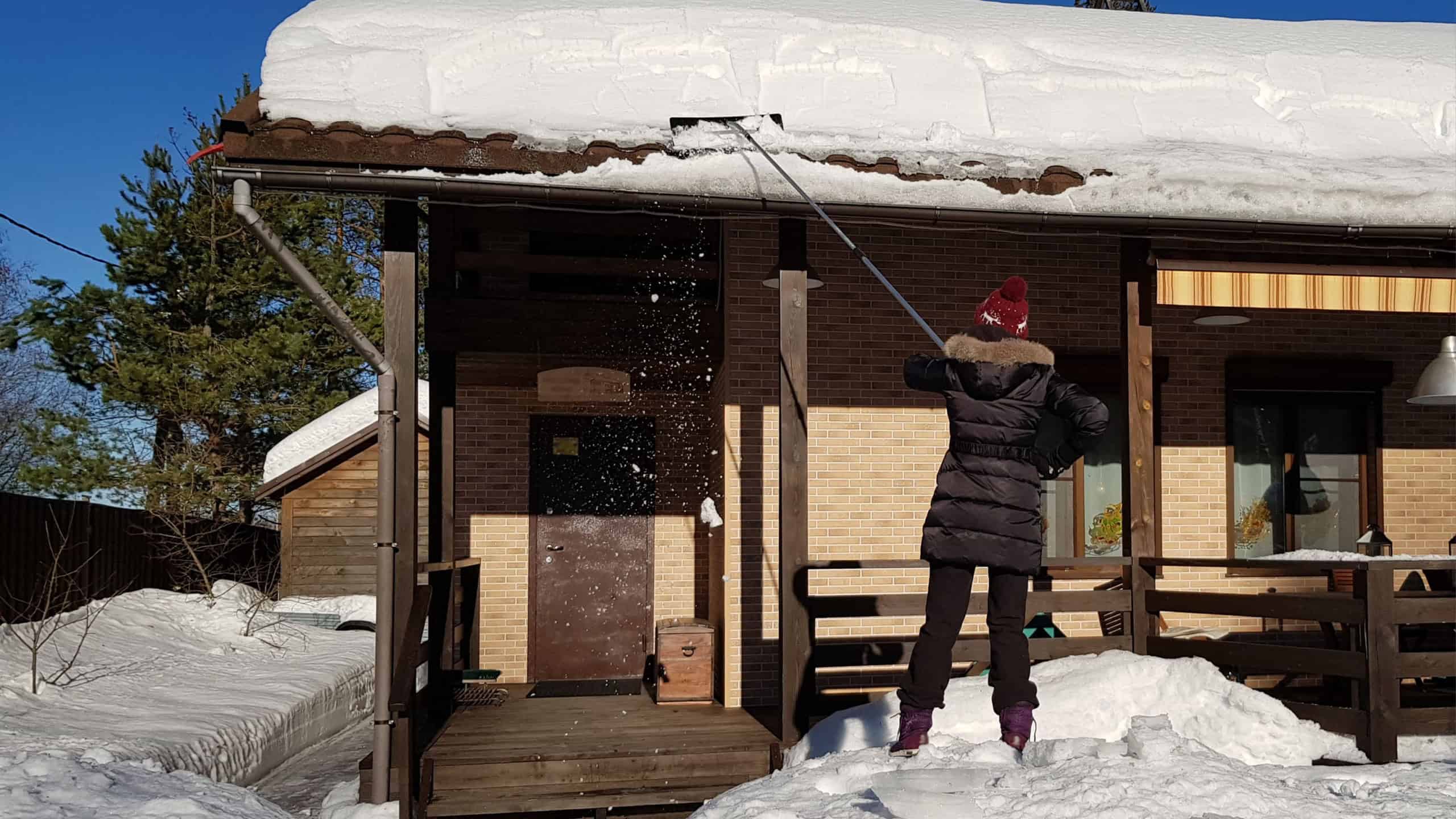
In most of the U.S., snow just sits on the roof until it melts. In many parts of Canada, homeowners get a long “roof rake” to pull snow off the edges of their house. They do this to avoid the formation of “ice dams.”
Heat escaping from the house melts the snow from below, so all that water runs down to the gutter, where it freezes into a solid wall of ice. This wall of ice traps water on the roof, which will eventually leak through the shingles and into the ceiling.
The “furnace stress” strategy

If your furnace dies in a warm climate, you just wear a sweater. In Canada, if the furnace kicks the bucket during a “cold snap,” your house can be damaged in as little as four hours as frozen pipes burst all over the property.
That’s why Canadians are much more likely to pay for “Protection Plans” or “Service Contracts.” These are monthly fees that you pay to heating companies to guarantee that a technician will come out immediately, on a holiday if necessary. Canadians also change their furnace filters much more often, usually every 3 months, to prevent the machine from working too hard and breaking.
The science of winter humidity

Winter air in Canada is incredibly dry. This causes hardwood floors to shrink and crack. To combat this, Canadian homes are equipped with a “whole-home humidifier” attached to the furnace. But Canadians have to be careful. If they put the humidity too high, water will form a thick ice sheet on the inside of the window glass. When that ice melts, it rots the wooden window frames.
Many Canadians spend the winter constantly adjusting a dial called a “hygrometer” to keep the air perfectly balanced: moist enough for the floors, but dry enough for the windows.
Mudrooms and the “no-shoes” rule
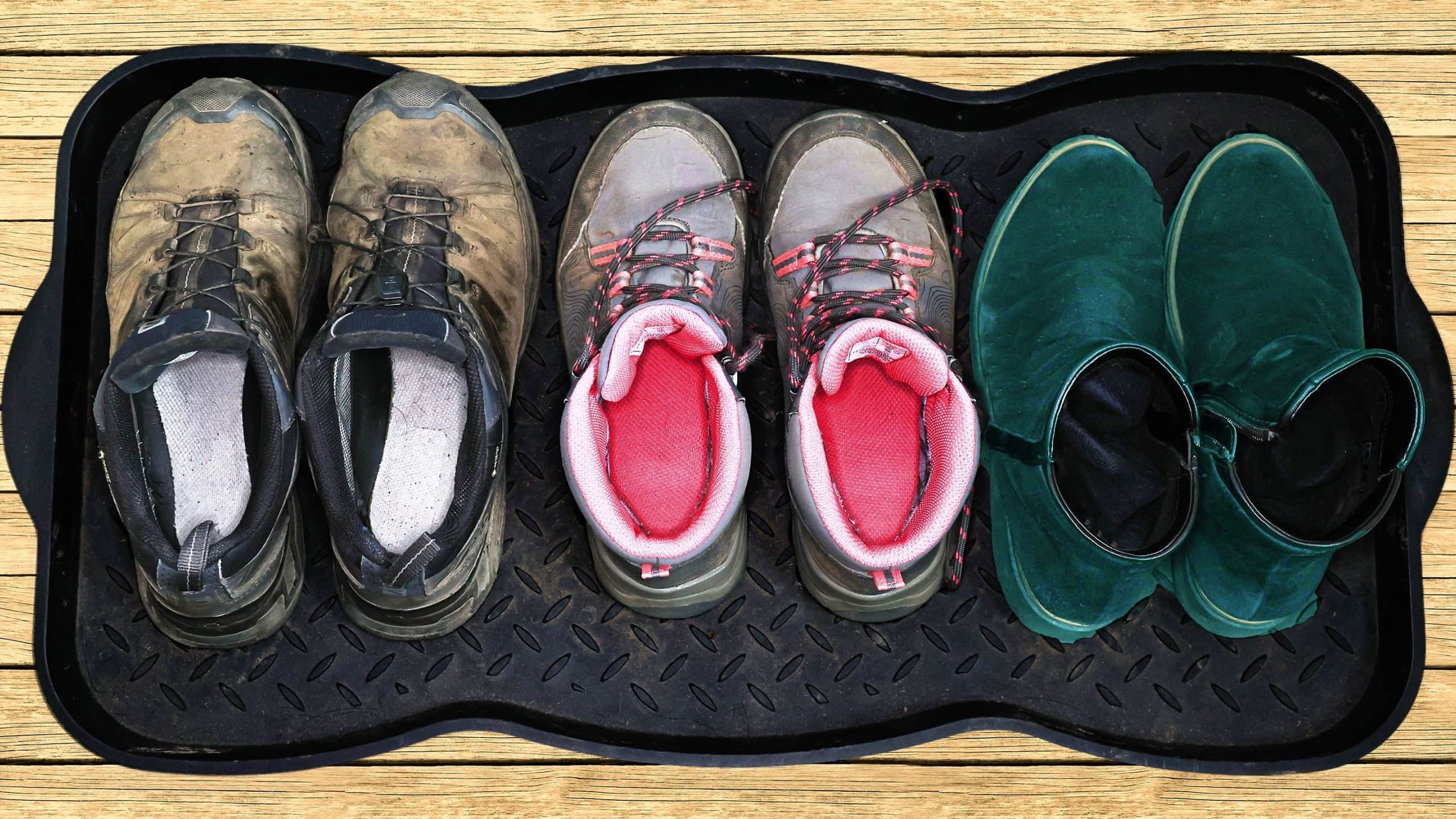
While many Americans wear shoes inside their homes, this is almost a “social sin” in Canada. Because Canadian roads are coated in salt and grey slush for five months out of the year, the entrance to your home is a high-traffic cleaning zone.
Most Canadian houses have a “mudroom” or tiled entryway with large rubber trays. These trays catch all the melting “muck” from boots. If you wore your shoes inside, the road salt would leave white chemical stains on the carpet and scratch the finish off the wood floors.
Preparing for the “spring runoff”

In the warmer parts of the U.S., rain usually soaks into the dirt. In Canada, the ground freezes solid like concrete in the winter. In the spring, when all the snow melts at once, the water has nowhere to go because it can’t soak into the frozen ground. This is called the “Spring Runoff.”
Canadians have to spend time in March shoveling snow away from their house foundation and testing their “sump pump” (basically a pump in the basement floor). If that pump fails during the big melt, the basement will flood.
Choosing flexible asphalt over concrete

If you look at driveways in Canada, most of them are black asphalt instead of white concrete. This is a deliberate maintenance choice. When water in the ground freezes, it expands and lifts up the ground (this is called “heaving”).
Concrete is very stiff, and it will crack and break when the ground moves. Asphalt is flexible and can “bend” as the ground rises and falls. To prevent the asphalt from drying out and crumbling, Canadians have to paint a black “sealer” over their driveway every two or three years.
Investing in triple-pane windows

In much of the U.S., double-pane windows are enough to keep the heat in. In Canada, where the temperature outside can be 40 degrees colder than inside, many homeowners upgrade to “triple-pane” windows.
These have three layers of glass with special gas trapped between them. The maintenance for these windows involves checking the “seals” regularly. If the seal breaks, the window loses its heat-trapping ability and the homeowner’s heating bill will go up significantly.
Scrubbing away “salt damage”
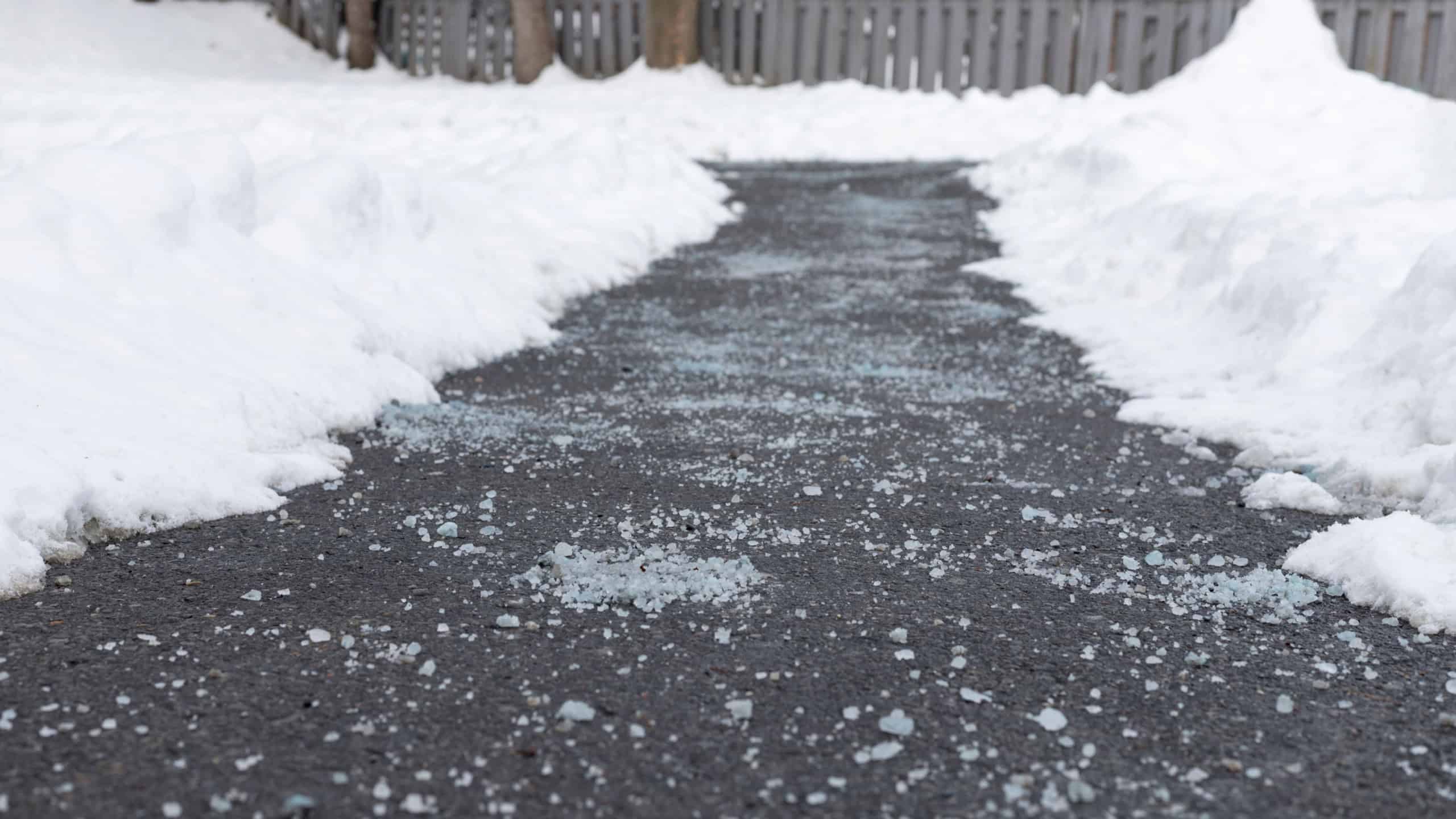
Canada uses lots of salt to keep its roads safe in winter. This salt is very “corrosive,” meaning it dissolves and eats away at stone, concrete, and metal. A strange Canadian spring chore is “de-salting” the property.
Homeowners use power washers to scrub the white salt crust off their garage floors, front steps, and even their cars. If they don’t wash the salt away every spring, the concrete will start to chip and turn to dust (a process called “spalling”).
Maintaining the HRV (fresh air machine)

Because Canadian homes are built to be “airtight” in order to save on heating costs, they don’t get much fresh air. To fix this, modern Canadian homes are required to have a machine called an HRV (Heat Recovery Ventilator). It swaps out stale indoor air for fresh outdoor air without letting go of the heat.
Canadians have a unique home maintenance task: they must open this machine and clean the filters and the “core” every few months. If they don’t, the house becomes stuffy and moisture collects on the walls. Funny part is that many people don’t realize they have a HRV and need to clean it.
Frequent deck sealing

The Canadian “freeze-thaw” cycle is brutal on wooden decks. During the day, snow melts and water gets into the wood grain. At night, the water freezes into ice that expands and rips the wood fibers apart. This happens hundreds of times every winter.
While an American in a warmer state might only seal their deck every five years, a Canadian often has to sand and restain their deck every two years to prevent the wood from rotting or becoming covered in splinters.
Sources: Please see here for a complete listing of all sources that were consulted in the preparation of this article.
Like our content? Be sure to follow us.