Many visitors who rent a car in Canada assume that the driving rules will be relatively the same. They’re not. A lot of our road rules and the way we drive aren’t like those in other countries, and the differences are enough to get tourists in trouble if they don’t know what they’re doing.
Here are eleven road rules any visitors to Canada should know about before arriving. Which one do you think would’ve confused you?
Turning right on red
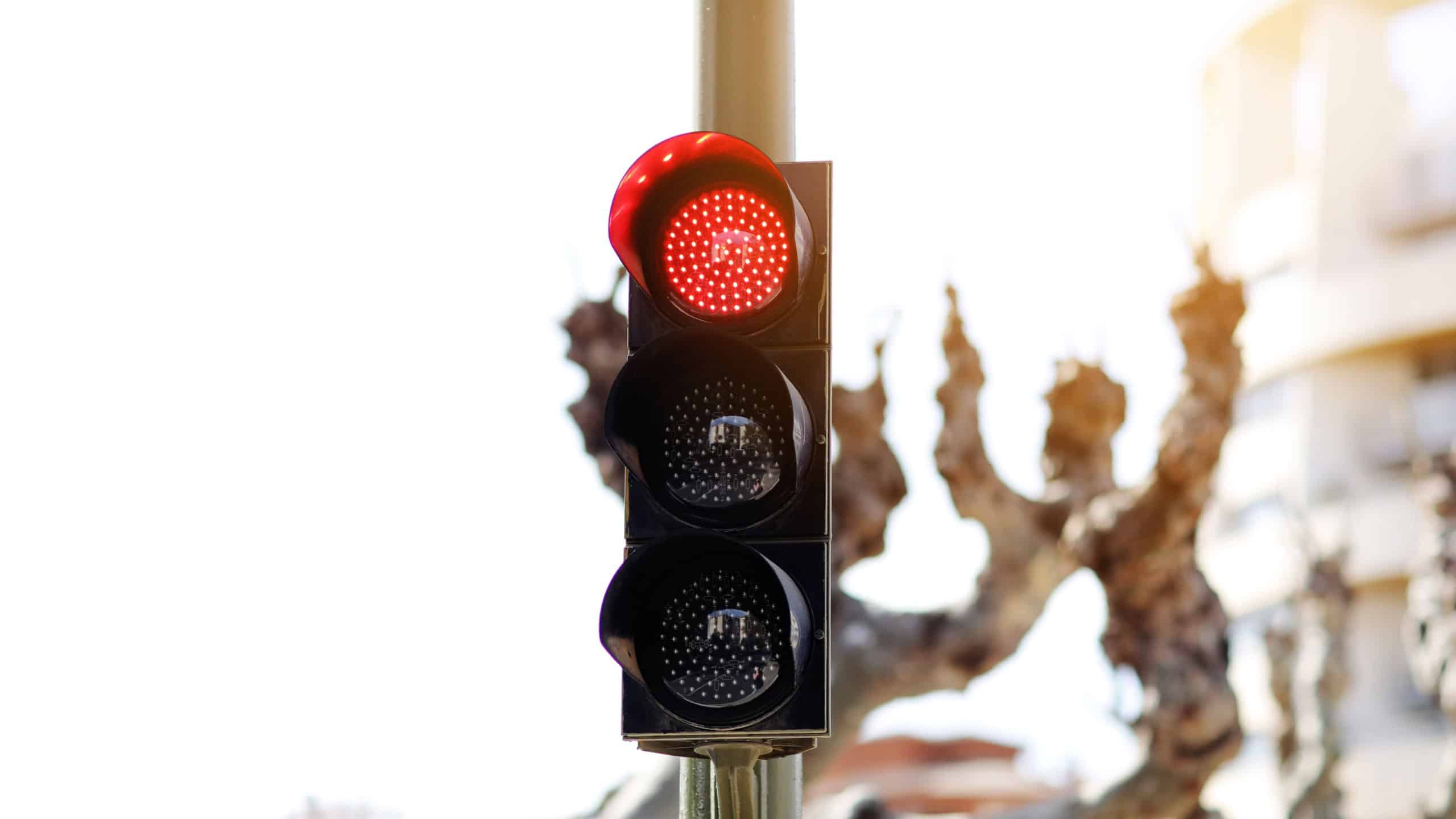
All Canadian provinces allow turning right on a red light after yielding to oncoming traffic.
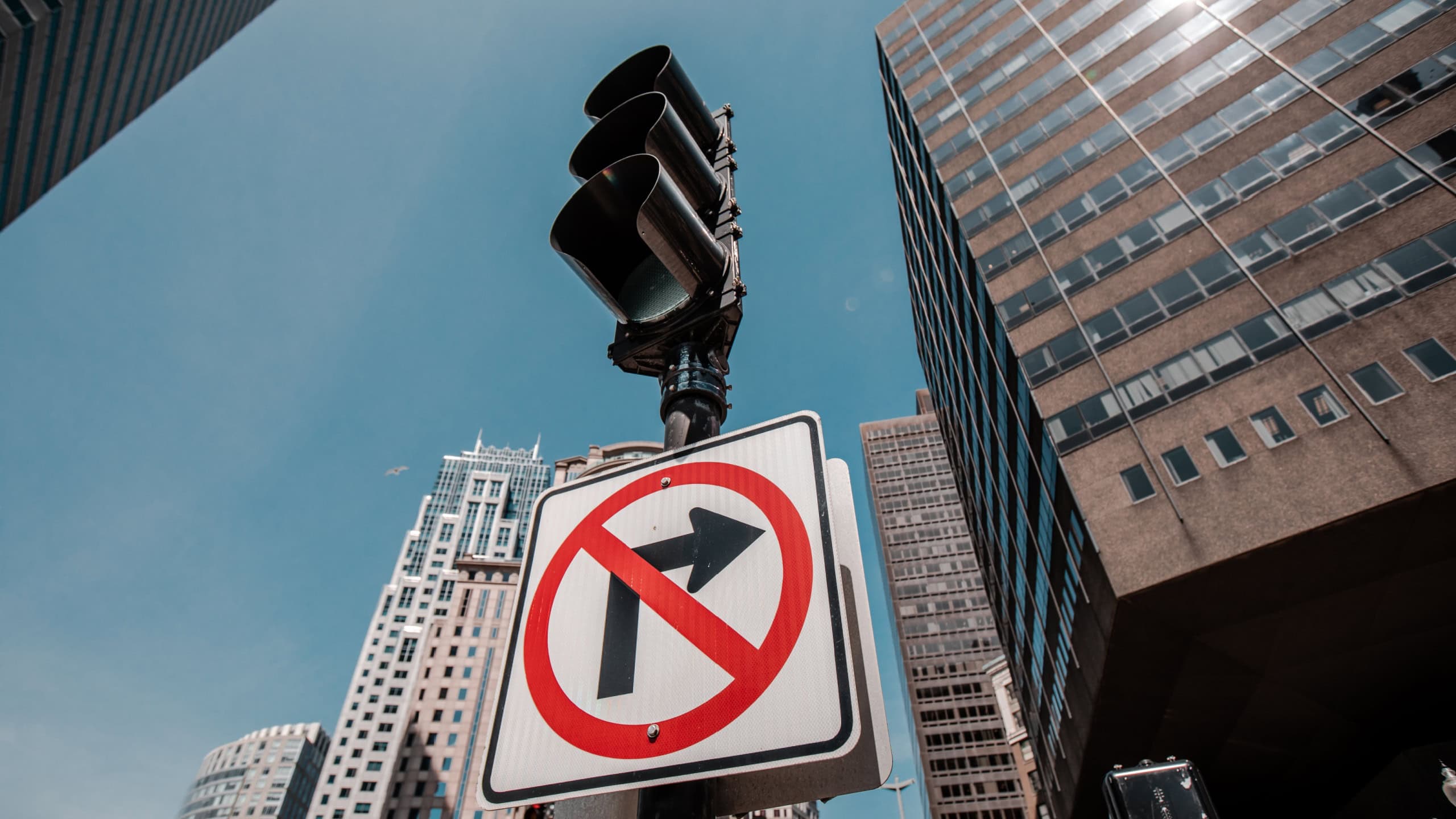
Quebec has specific rules about how to deal with red lights. You’re allowed to turn right on red unless a sign says otherwise, and the rule applies everywhere except on the island of Montréal. Right turns on red are completely banned there.
Flashing green in Quebec
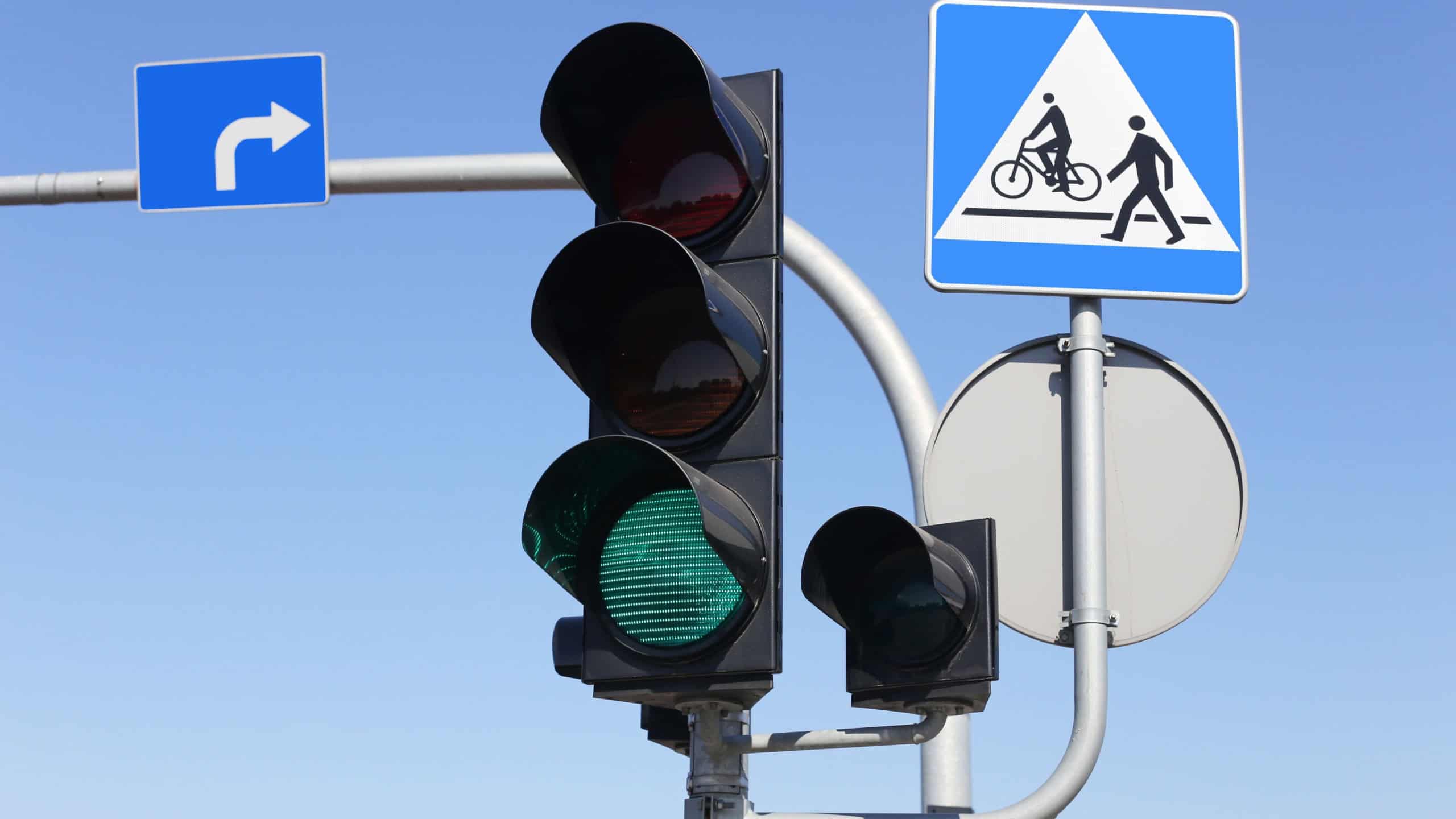
Another rule about traffic lights in Quebec involves green lights. A flashing green light doesn’t mean you can go ahead, but instead gives anyone turning left the right of way to make a turn. All other traffic has to wait until the green light becomes solid.
It behaves like any other green light once the flashing stops. That means that all drivers, including left-turners, have to watch out for oncoming cars again.
No passing stopped streetcars in Toronto
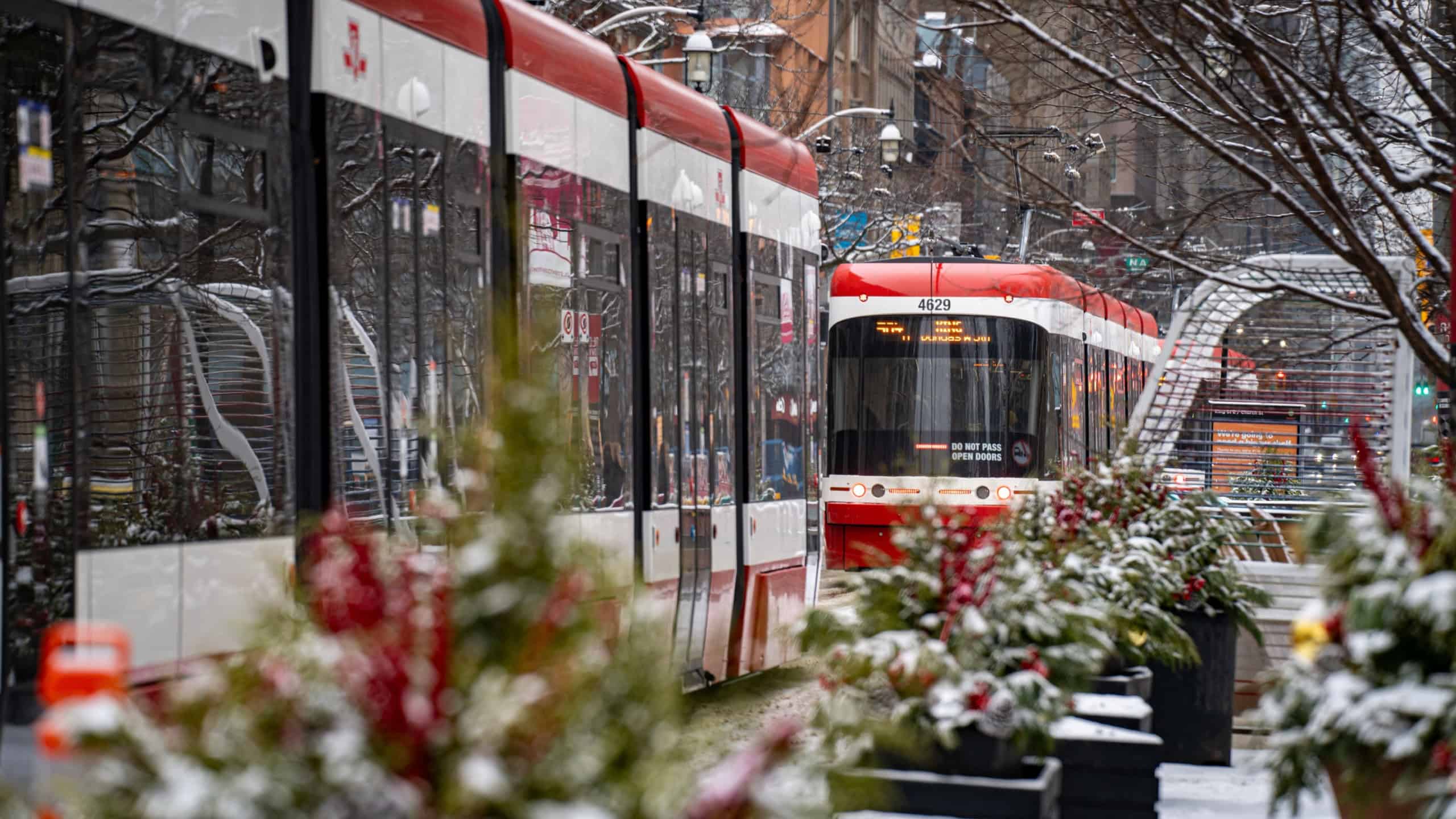
Streetcars essentially have their own rules to follow in Toronto, and these affect regular drivers, too. Ontario law states that cars must stop two metres behind any streetcar that stops & opens its doors. The rule applies across the whole city unless there’s a safety island for pedestrians.
Failure to do so could lead to you receiving a fine of up to $184, as well as demerit points. There are automated cameras in some areas to catch drivers breaking the law.
Mandatory winter tires in Quebec
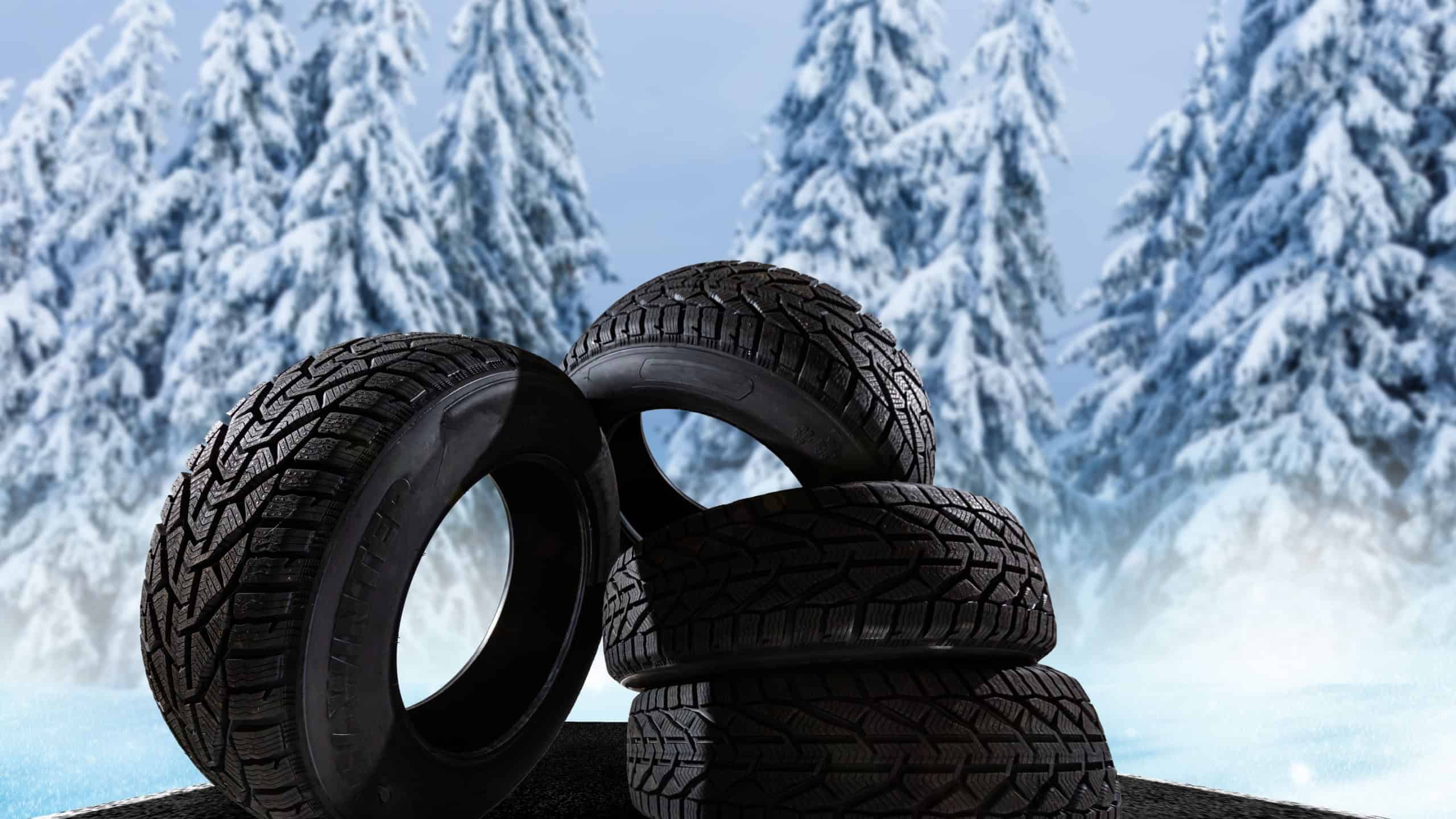
Staying safe in winter is part of the law in Quebec. Most vehicles require mountain-mud-snow winter tires from December 1st to March 15th, and the law covers rental vehicles as well. Those who don’t comply with the law may receive a fine between $200 to $300. It’s simply not worth risking your safety.
Similarly, winter tires are mandatory on certain highways in British Columbia. Elsewhere in Canada, winter tires are recommended but not mandated by law.
School bus stop laws extend across all lanes
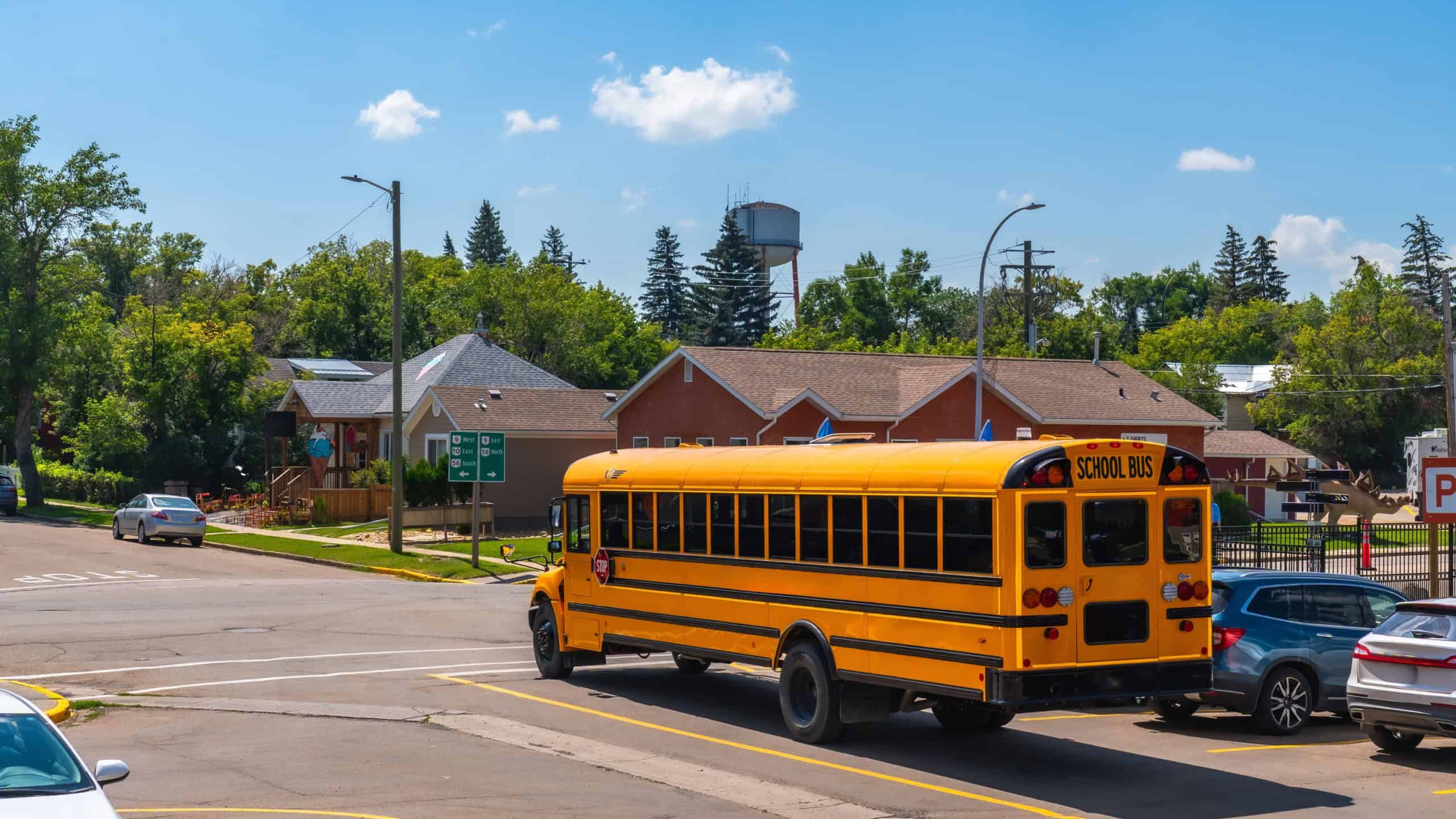
There are laws about school bus stops in almost every country, and Canada is no different. Several provinces have rules that state a flashing-red school bus affects traffic in both directions. These rules apply even on rural two-lane roads.
Every driver has to stop for the school bus unless there’s a median dividing the highway. Those who don’t stop could get a fine of anywhere between $400 & $2,000. You’ll also receive six demerit points for a first offence.
Ice and snow removal laws for vehicles

Clearing a small patch of snow on your windshield might cut it in other places. But not in Canada. Transport Canada rules about winter driving state that you can be fined for having ice or snow covering your windows or roof. You may also be fined for loose chunks blowing off your car.
Fines range from around $60 to $200, depending on the offence. Any visitors should make sure their vehicles are completely snow & ice-free before setting off on the road.
Roundabouts with yield-to-left rules
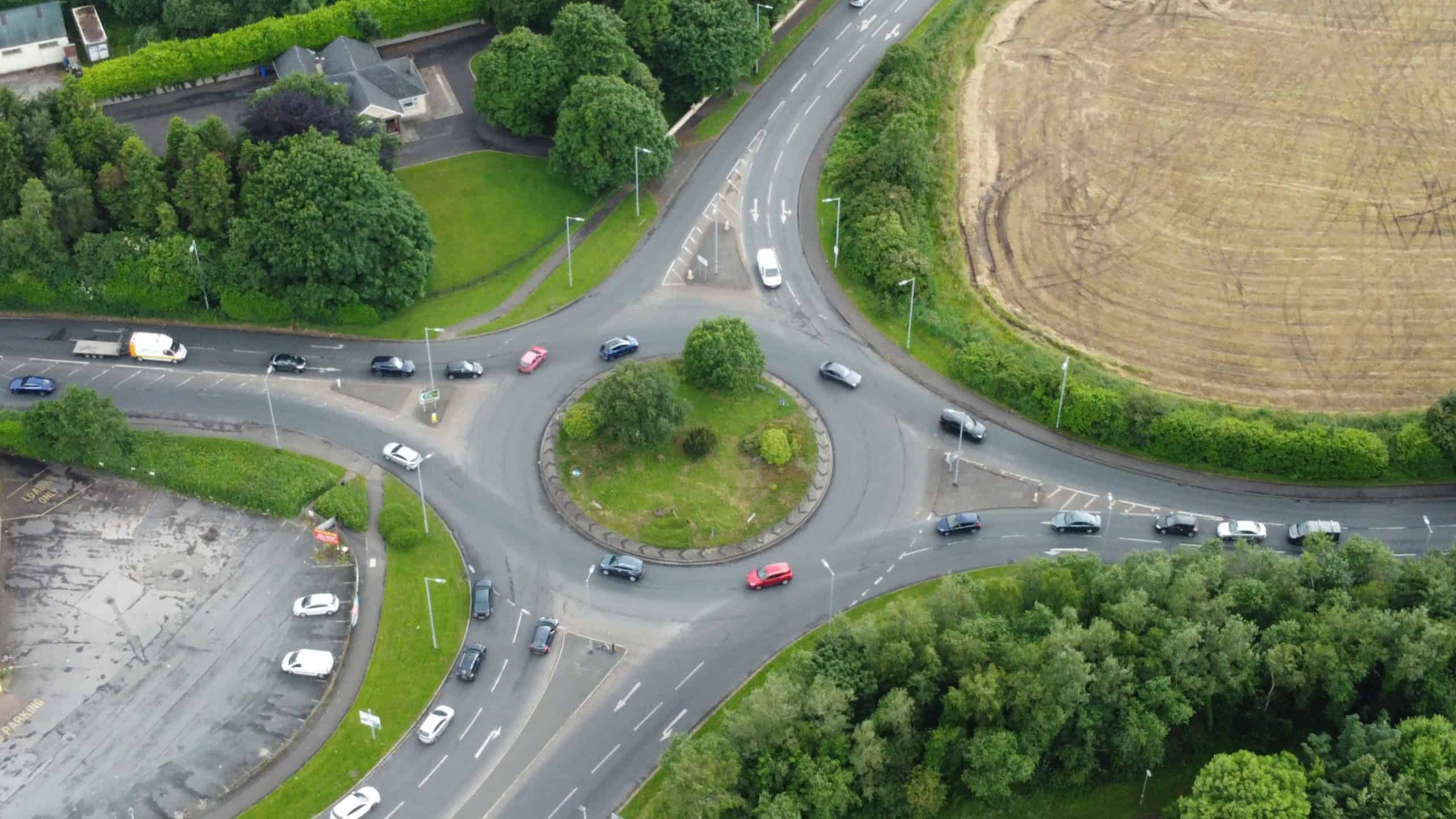
Roundabouts can be quite a challenge for anyone who’s not used to them, especially those visiting Canada for the first time. The rules are that whoever’s inside the roundabout gets priority. You should always slow down & wait for a gap from the left.
You should enter the lane you plan to stay in and keep to the right of the centre island. It’s important to signal before exiting a roundabout to make sure that other drivers know where you’re going, and you must also yield to any pedestrians who are waiting at the marked crossings.
Pedestrian crosswalks strictly enforced

The Canadian government takes marked crossovers quite seriously, even far away from busy cities. You could receive a fine of up to $1,000 in London, Ontario, for example, for failing to stop for pedestrians at a designated pedestrian crossover. You’ll also receive four demerit points.
The punishments here are much harsher than those in many U.S. states. Their fine ranges are usually between $150 & $300, depending on local laws, so it’s something any American visitors here should be aware of.
All-way stop first-come, first-served enforcement
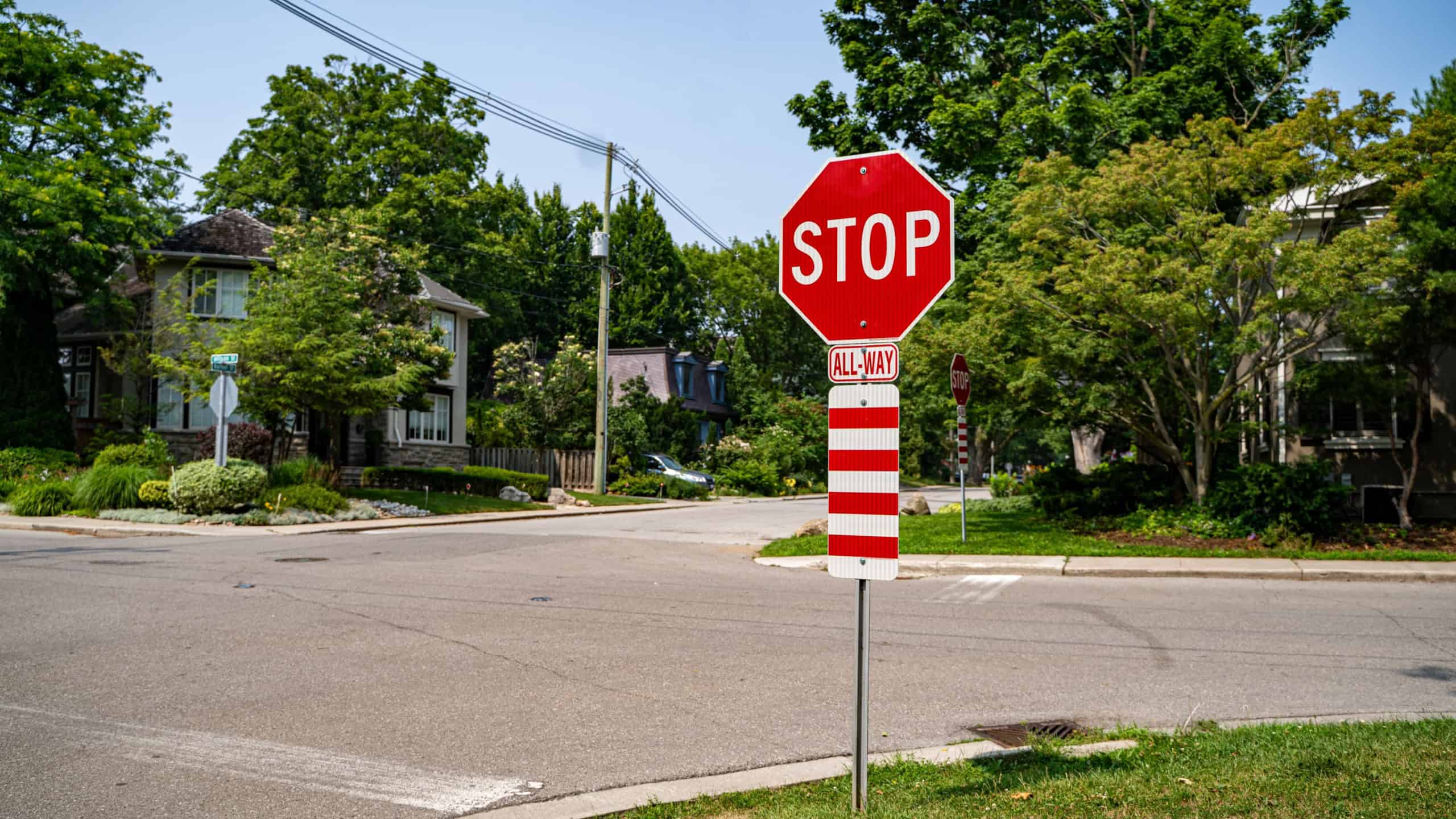
The rule on all-way stops in Canada is essentially that whoever arrives first, goes first. In situations where two or more cars stop together, the vehicle on the right-hand side goes first. It’s not simply a matter of politeness, though.
Many provincial laws in Canada treat mistakes at all-way stops as a failure-to-yield offence. It means you could receive a fine between $60 & $1,000 for not allowing the correct car to go, depending on the circumstances.
Use of studded tires regulated provincially
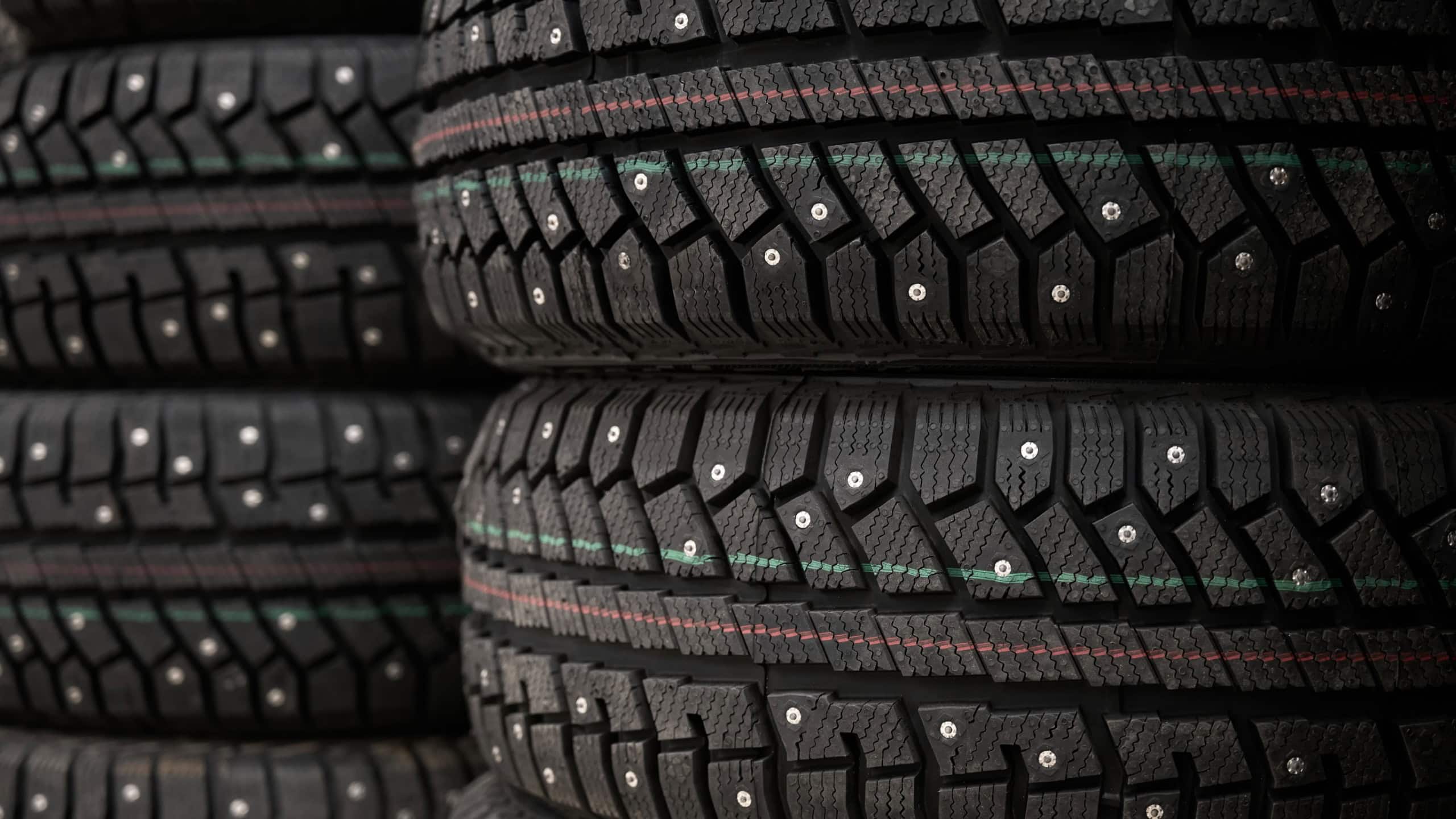
The rules about studded tires are different in each province. You’re allowed to use them from October 15th to May 1st in Quebec, according to the non-skid regulations. But Ontario only allows you to use them in Northern regions between September 1st and May 31st.
Alberta is more flexible with the rules. You may use studded tires there at any time of the year. Visitors should make sure to check the laws about these tires before driving.
Snow day parking bans
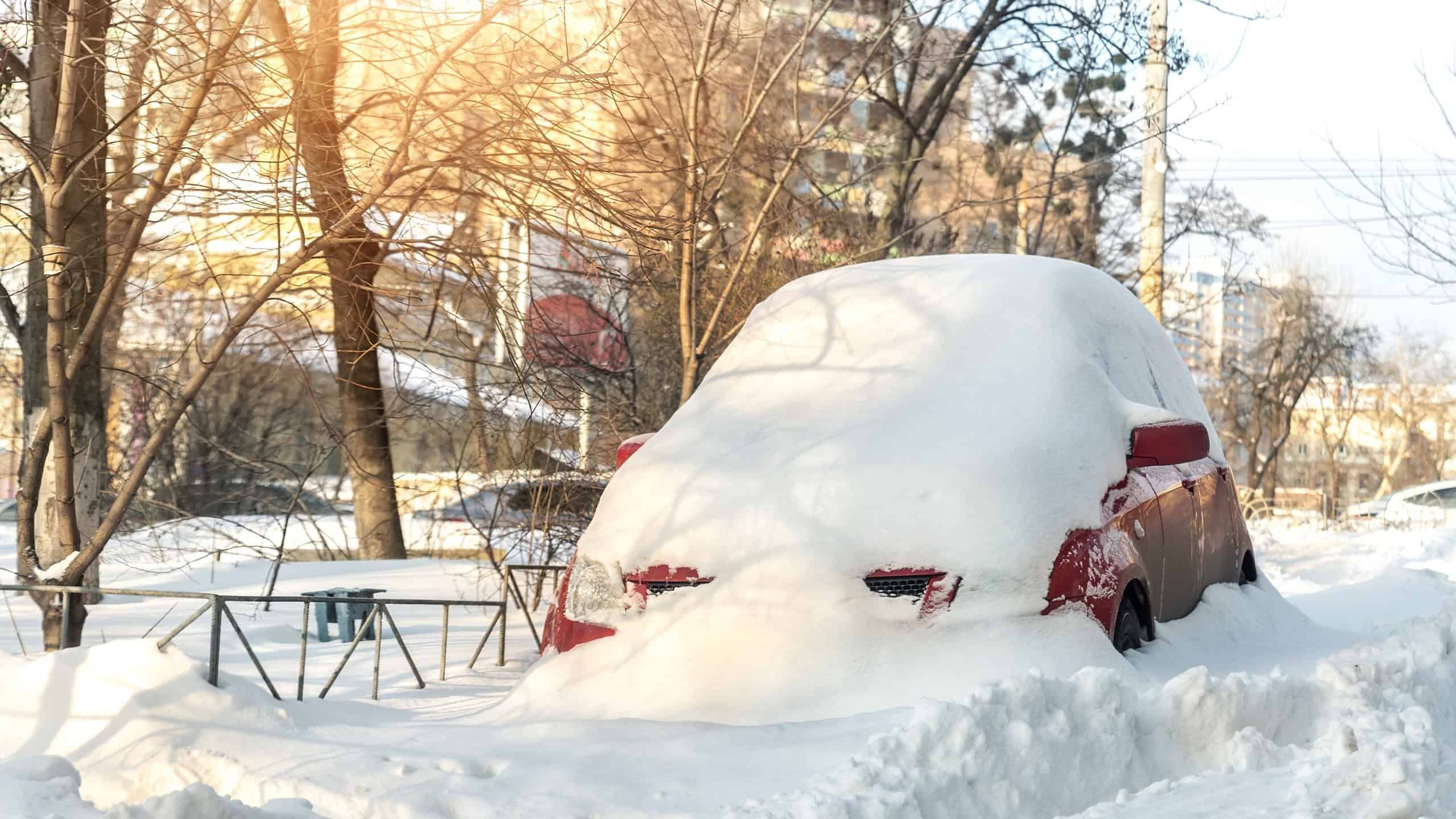
Huge snowfall causes all kinds of issues across Canada, and the law understands that fact. Several cities here have temporary parking bans after snowfall. The winter rules in Ottawa state that these overnight bans usually run between 7 PM & 7 AM to allow plows to clear the curbs.
Any vehicles left on signed streets may be ticketed or towed when there is a declared ban. There are similar rules in other municipalities.
Sources: Please see here for a complete listing of all sources that were consulted in the preparation of this article.