
When it comes to banking in their day-to-day lives, Canadians and Americans are in for some culture shock when they visit the other country or move north (or south) for an extended stay. Although the two countries have modern banks with similar technology, some rules, routines, and small details seem to be different.
What is the norm for Canadians is often strange or even an outright inconvenience for Americans. So here are 11 Canadian banking practices that are often unfamiliar to Americans:
“Big six” banks rule

Americans are used to banking with thousands of little community banks and credit unions. In Canada, 90% of all bank assets are held by just six banks (RBC, TD, BMO, Scotiabank, CIBC, and National Bank). This leads to a more standardized experience, but fewer options to find a “boutique” or local bank with different products.
Mortgage terms

The 30-year fixed-rate mortgage is an American staple. In Canada, it is virtually nonexistent.
Canadians renew their mortgage every 3 to 5 years. Yes, a mortgage might have a total amortization of 25 years, but the interest rate is only locked in for 3 to 5 years. This means Canadian homeowners are far more sensitive to interest rate changes.
Direct deposits via “void checks”
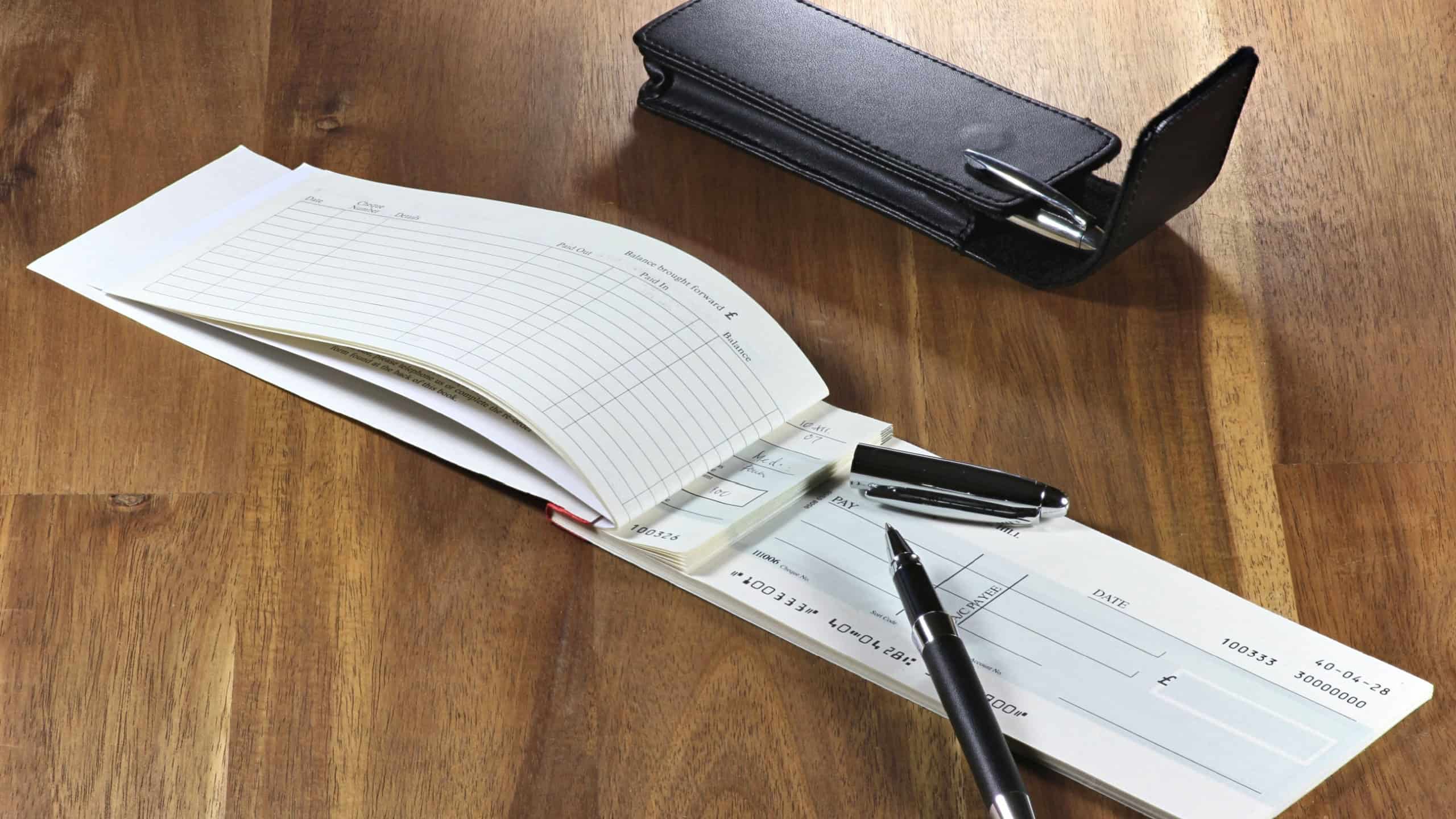
xIn the US, one usually only needs to give a routing number and an account number. In Canada, while one has those numbers, employers and government agencies will often ask for a void check or a standardized “Direct Deposit Form” that clearly lays out the transit Number (branch), institution number (bank), and account number in a particular order.
Tap-to-Pay limits are much higher
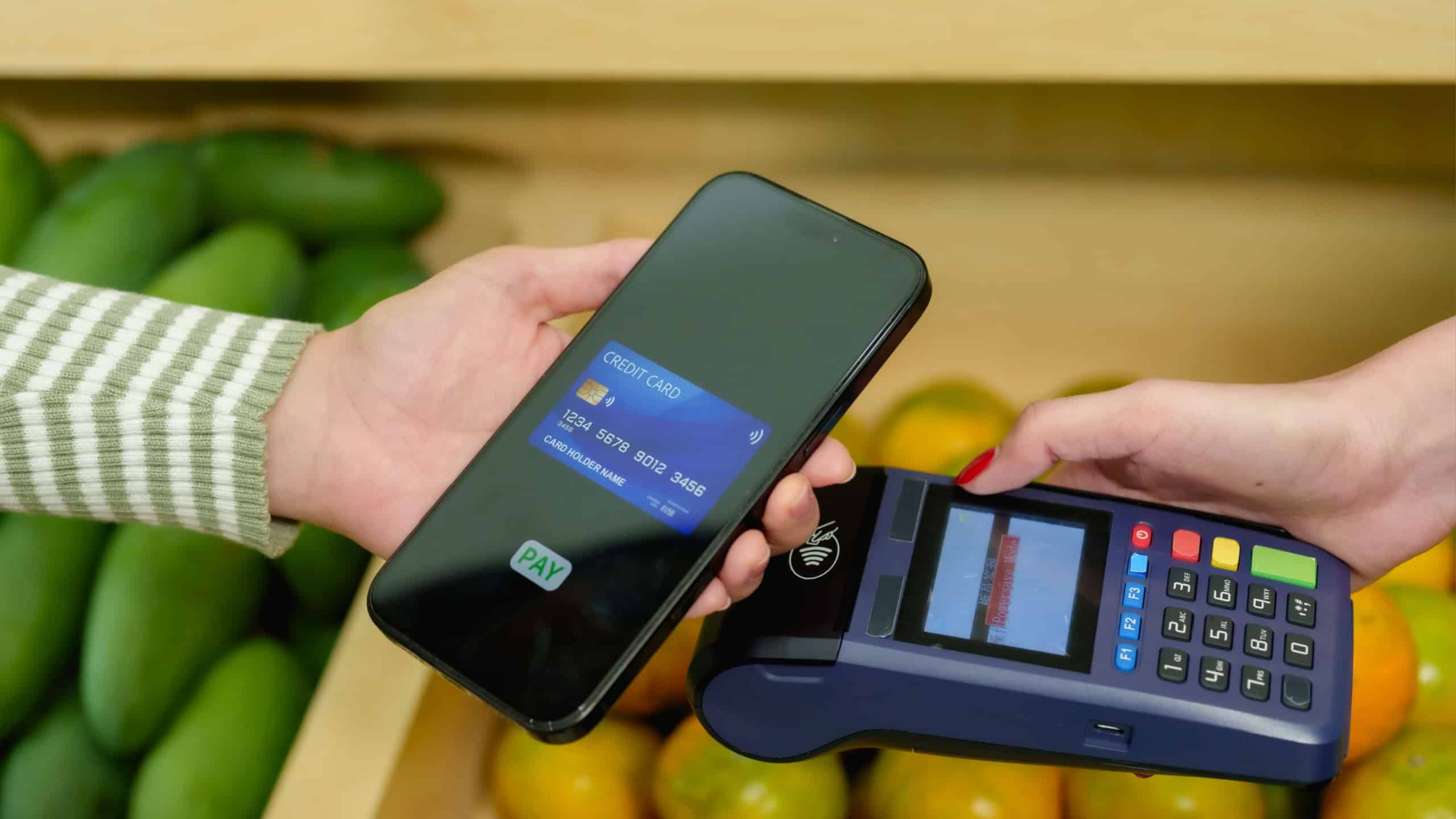
In Canada, it is standard practice to use your card or phone to tap for payment as the primary means of checkout for most purchases, including big grocery hauls or retail shopping trips.
Americans are used to much lower limits, or having to physically insert a card for any purchase over $50. Canadian banks will typically set taps at up to $250 CAD per transaction. This speeds up the checkout process immensely as Canadians almost never need to default to a PIN pad unless buying furniture or electronics.
Client cards vs. debit cards
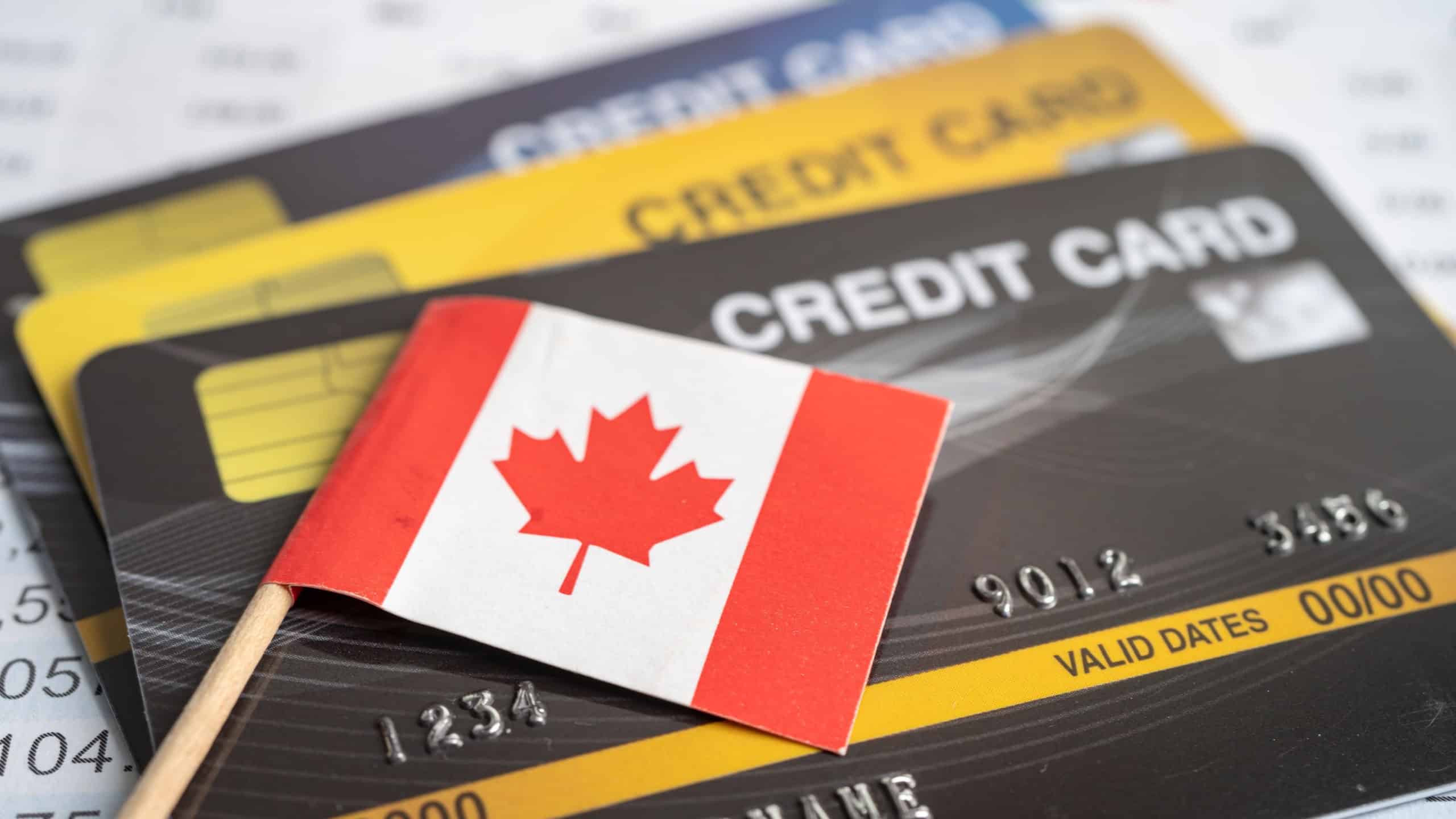
In the US, a debit card is virtually always a Visa or Mastercard debit that can be used for online shopping. In Canada, the traditional “Client Card” was strictly for ATM and in-person Interac PIN transactions. Although “Debit Mastercard/Visa” is on the rise in Canada, some older cards still cannot be used for online purchases without a 16-digit credit-style number.
Interac e-transfer is the norm

In the US, to make payments, people tend to use third-party apps like Venmo, CashApp, or even bank-integrated Zelle (which is not always universal).
However, Canadians have Interac e-Transfer built into the foundation of every single bank’s platform. You can send money to anyone using only an email or phone number, and it’s used for everything from rent and bills to splitting a dinner.
Lower deposit insurance limits

In the US, if your bank goes bankrupt, the FDIC insures deposits to the tune of $250,000 USD. In Canada, the CDIC (Canada Deposit Insurance Corporation) only insures deposits up to $100,000 CAD per category. Bank failures in Canada are vanishingly rare, though; the last time it happened was in 1996.
The mortgage stress test

To qualify for a mortgage in Canada, you don’t just have to be able to afford your current rate. Federal law requires that anyone getting a mortgage must pass a stress test in which you must prove that you could still afford to make your payments if interest rates went up to a specific benchmark rate (usually 2% higher than the rate you’re being offered).
This can make it far more difficult to qualify for a loan in Canada than in many US states.
Post-dated cheques are binding

In the US, if you write someone a cheque dated for the following month, they can deposit it right away and the bank may choose to honour it anyway. In Canada, the banking system is designed to technically reject any post-dated cheques presented before the date on the cheque. This makes it a common form of payment to pay a year’s worth of rent all at once.
Credit scores go up to 900

US FICO scores are typically in the range of 300 to 850, whereas Canadian credit scores (via Equifax and TransUnion Canada) range from 300 to 900. Furthermore, your US credit history does not follow you to Canada automatically; an American moving north typically starts their credit history from zero.
No tax-deductible mortgage interest

A huge perk of US homeownership is the ability to deduct mortgage interest from your federal taxes. In Canada, mortgage interest on a primary residence is not tax-deductible. Canadians are incentivized to pay off their homes as quickly as possible, rather than take out debt for the sake of the tax break.
The following sources were consulted in the preparation of this article: