
Winter is coming. Sadly, with the cold weather comes higher bills & dead batteries, as well as random expenses that somehow always appear when the temperature drops. But the good news is that you can get ahead.
Here are ten ways to weatherproof your finances this winter. Which one have you tried before & how did it go?
Just remember that this is not financial advice. You should always speak to a financial expert before making any decisions.
Enrol in equalized utility billing
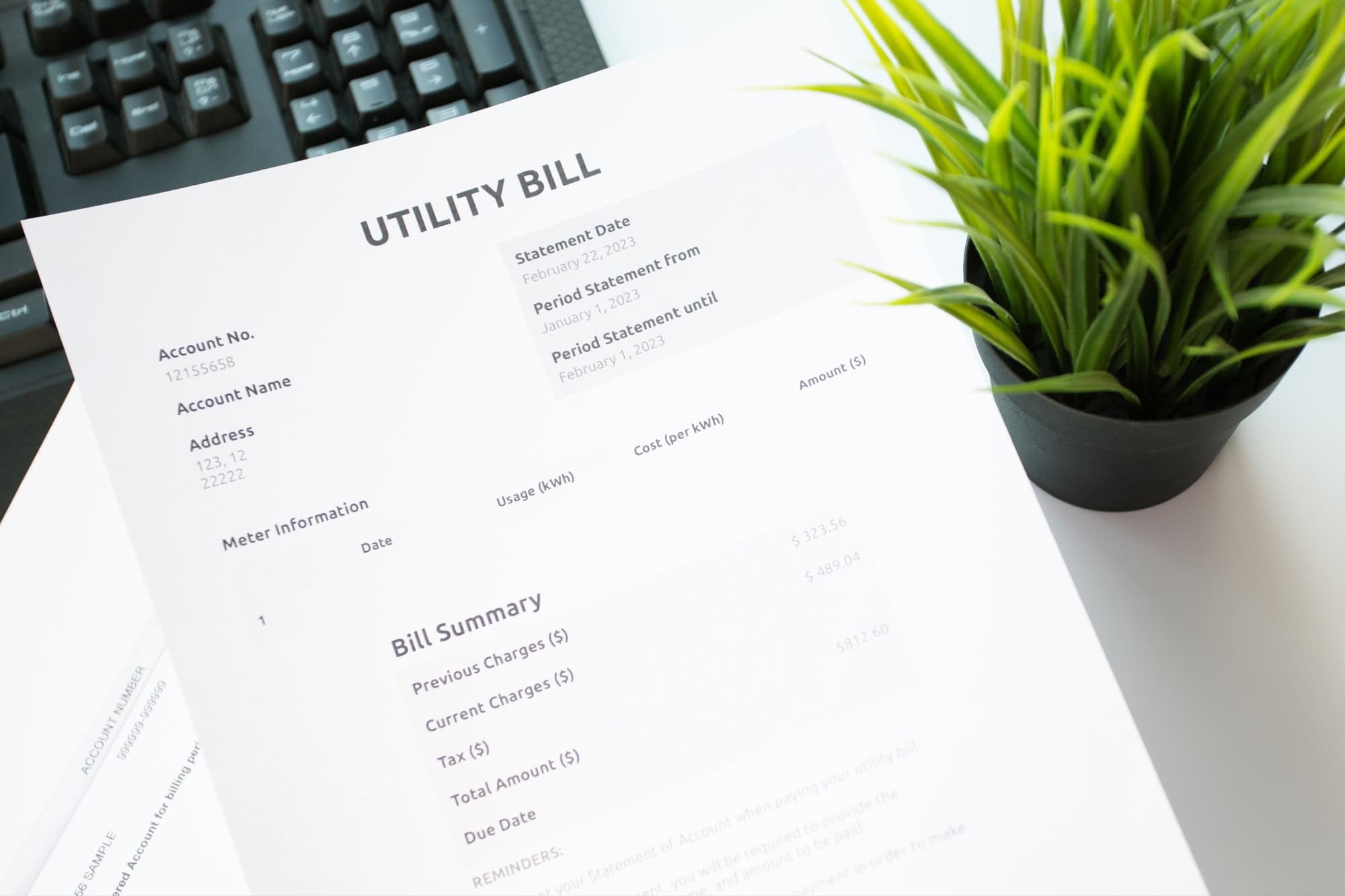
There’s no point in watching your gas or hydro bill shoot up every January. You should call your provider & ask about equalized billing instead, because this will spread last year’s energy costs across twelve months.
You’ll pay roughly the same amount each time. Best of all, it’s free & quick to set up, so you’ll be able to avoid all the budgeting issues that come when your furnace is running nonstop.
Pick the winter-friendly electricity price plan (Ontario)

Most Ontarians know that the winter rates shift in November. But some don’t. Keep an eye on any emails about this that come from your hydro company, because, for those who are mostly home at night, the Ultra-Low Overnight plan may be a better idea.
Daytime users might want to switch to tiered pricing. Whatever your schedule, log in to your account and compare your habits. You might save from a switch.
Set smart thermostat setbacks specific to winter nights

During the winter, avoid the hassle & buy yourself a smart thermostat because it does the thinking for you. Reduce the temperature a few degrees after bedtime or when you’re out. When you return, it’ll go back up slightly.
You’ll barely notice a difference once it matches your schedule. Except, maybe, on your bill. Another benefit is that you can adjust the temperature from your phone should your plans change.
Seal door and window leaks
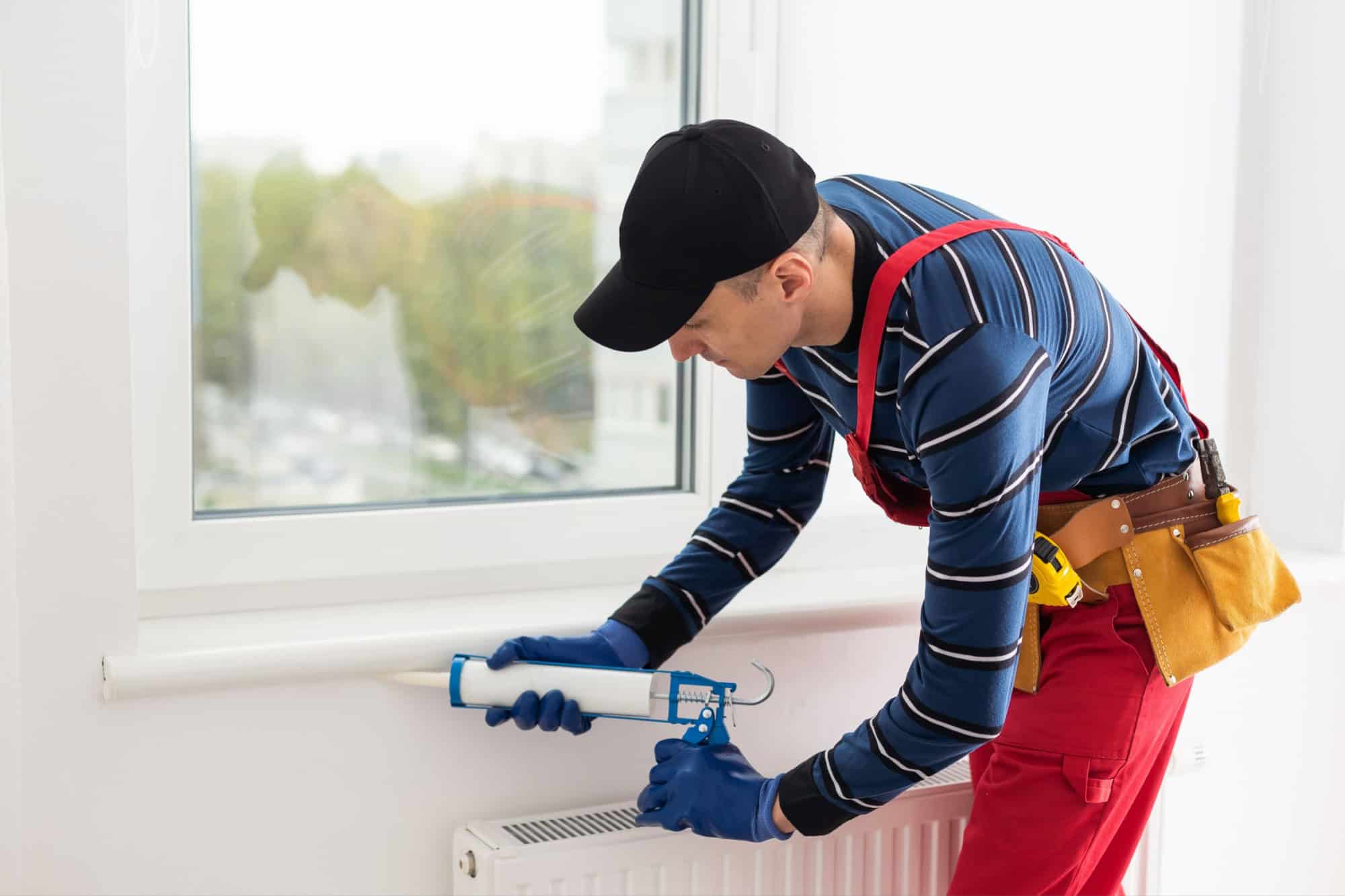
A curtain that moves when the wind blows is a sign that your money is practically leaking out of your house. You should get a caulking gun & some weatherstripping. Spend an hour or so over the weekend sealing around the doors & window frames.
Don’t forget the outlets on exterior walls. Plugging gaps will stop your furnace from having to fight to keep up & you’ll also feel fewer drafts.
Put your block heater on a timer
Why are you leaving your block heater plugged in from sunset to sunrise? There’s really no good reason. Get yourself a cheap $15 outdoor timer that’ll power up your heater two hours before you leave. Make sure it also turns off automatically.
Using an outdoor timer will help you start your car easily without burning electricity for no reason. It’s rather important when you’re going through a cold snap.
Swap furnace filters more often
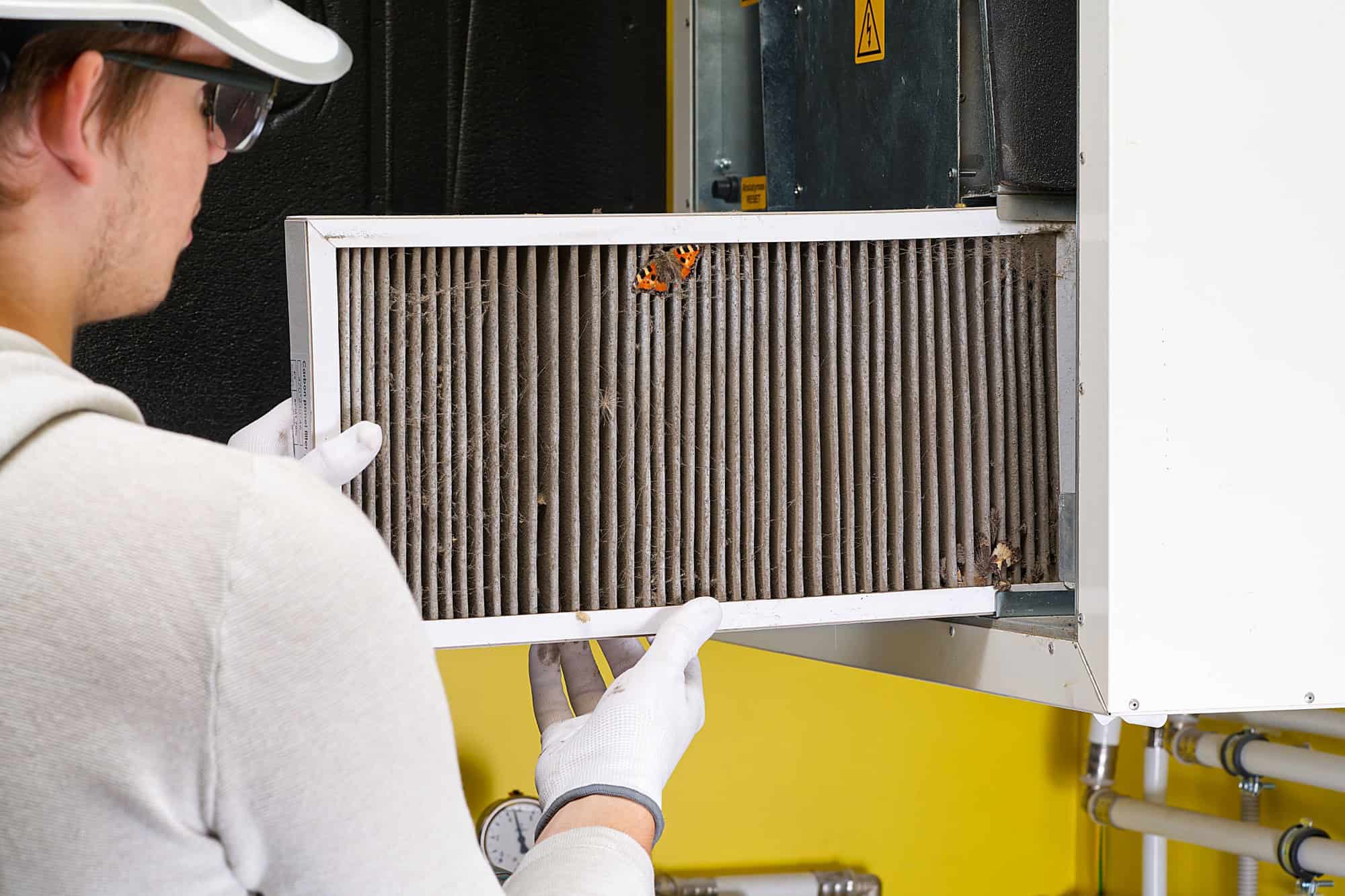
Your furnace filter is a lot like a lint trap. When it’s clogged, it’s just wasting energy. You should change the filter every couple of months during the times when you use the furnace every day. Don’t save it for “when you remember.”
Clean filters keep the air moving as it should, preventing your furnace from straining and causing accidents.
Mount winter tires
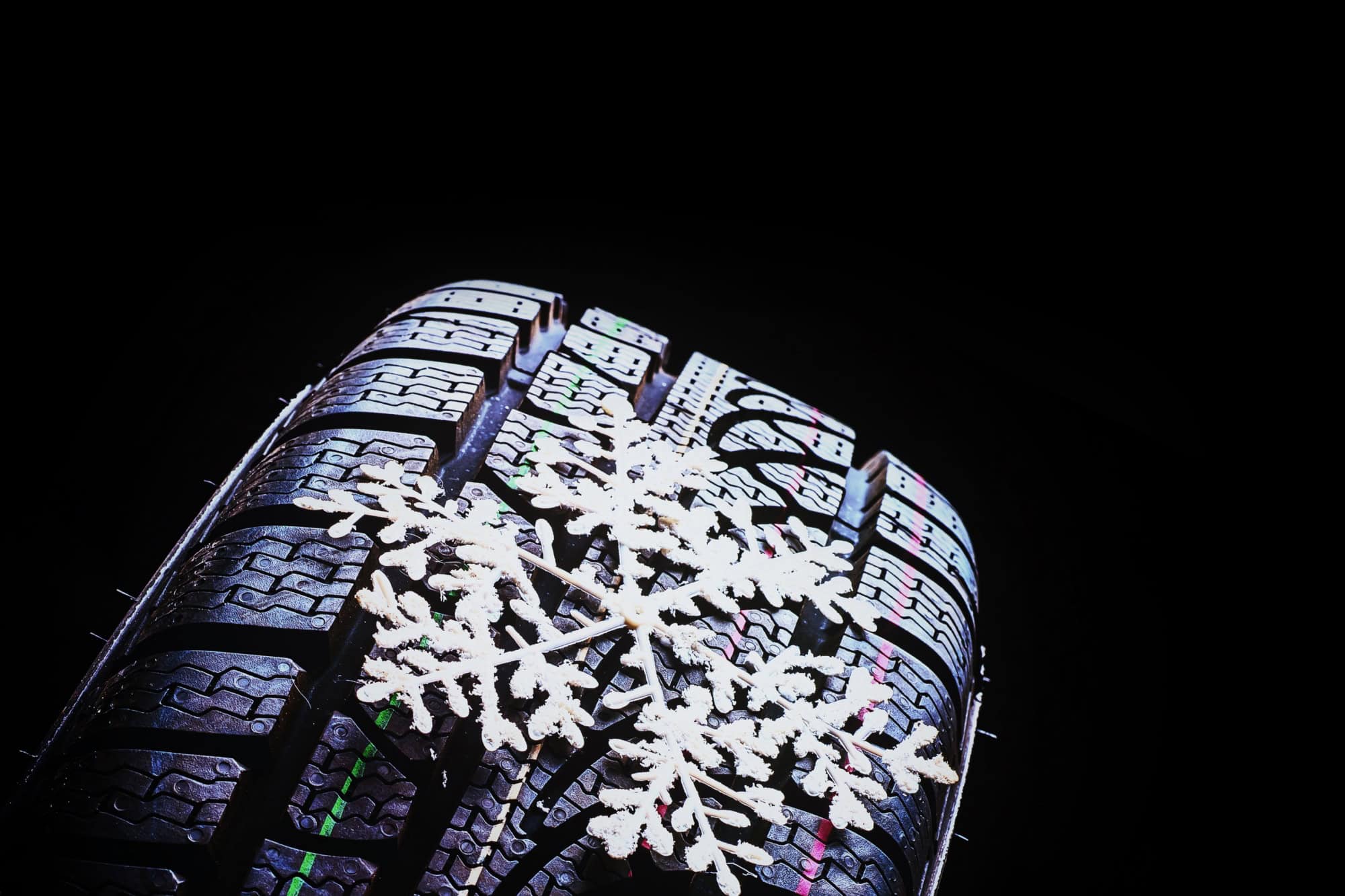
Oh, winter tires. There’s something almost every Canadian thinks about buying when it gets cold. Let’s make that decision easier for you. Once temperatures fall below 7°C, all-season rubber will start to harden, yet winter tires still maintain their grip. They’re able to stop shorter, too.
Buying winters will keep insurance claims off your record, and you don’t even need a fancy set. Just make sure you install them in time.
Insulate and monitor pipes
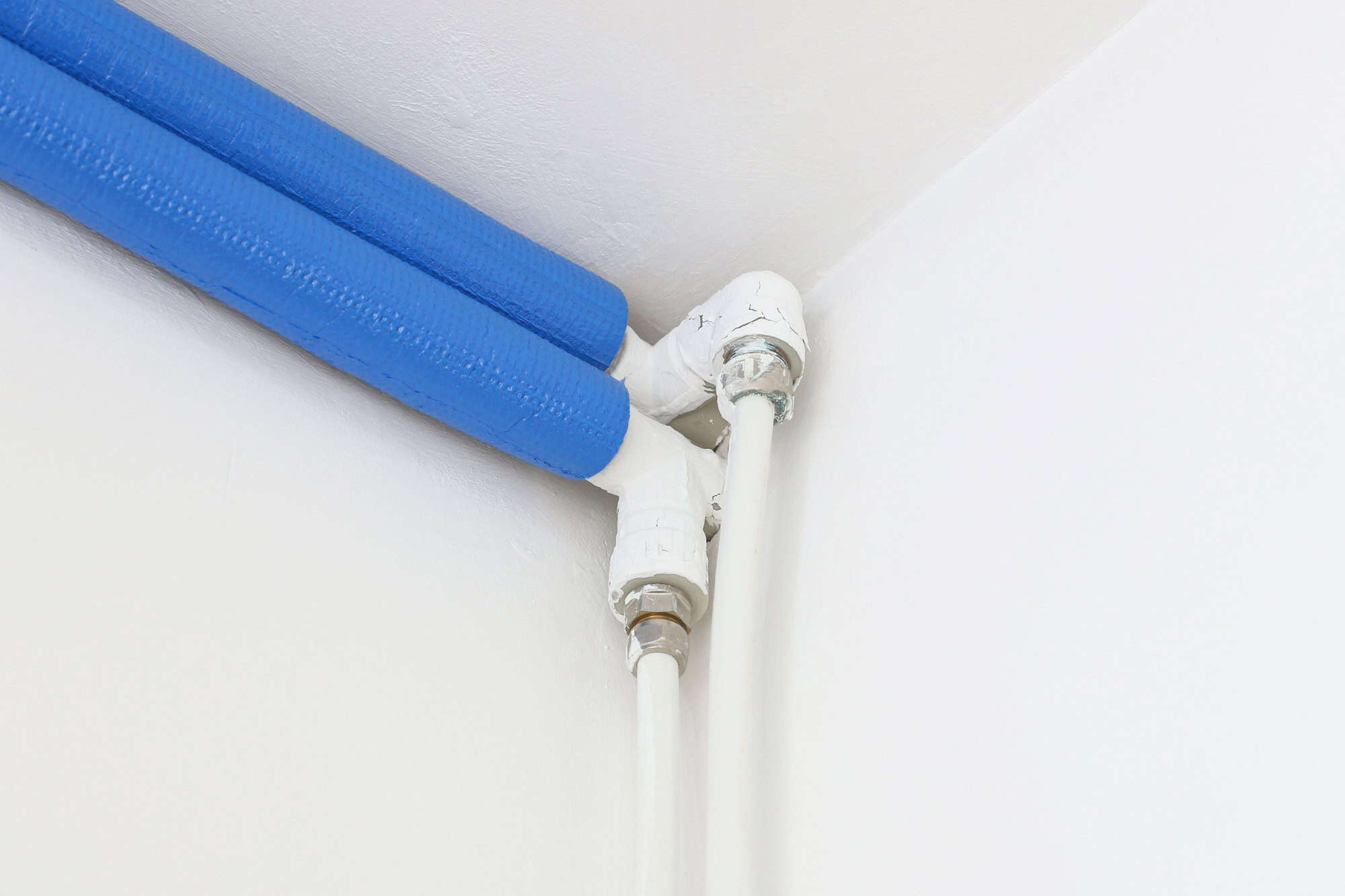
Burst pipes are messy, yes. But they’re also very expensive. Thankfully, you can avoid the cost of getting a repair by wrapping exposed pipes in foam sleeves, which cost a few bucks each.
Try sealing any cracks that allow cold air in & leave cabinet doors open on extremely cold nights. It helps warm air to circulate. Repairs cost hundreds, yet prevention is about twenty bucks.
Use heavy drapes at night
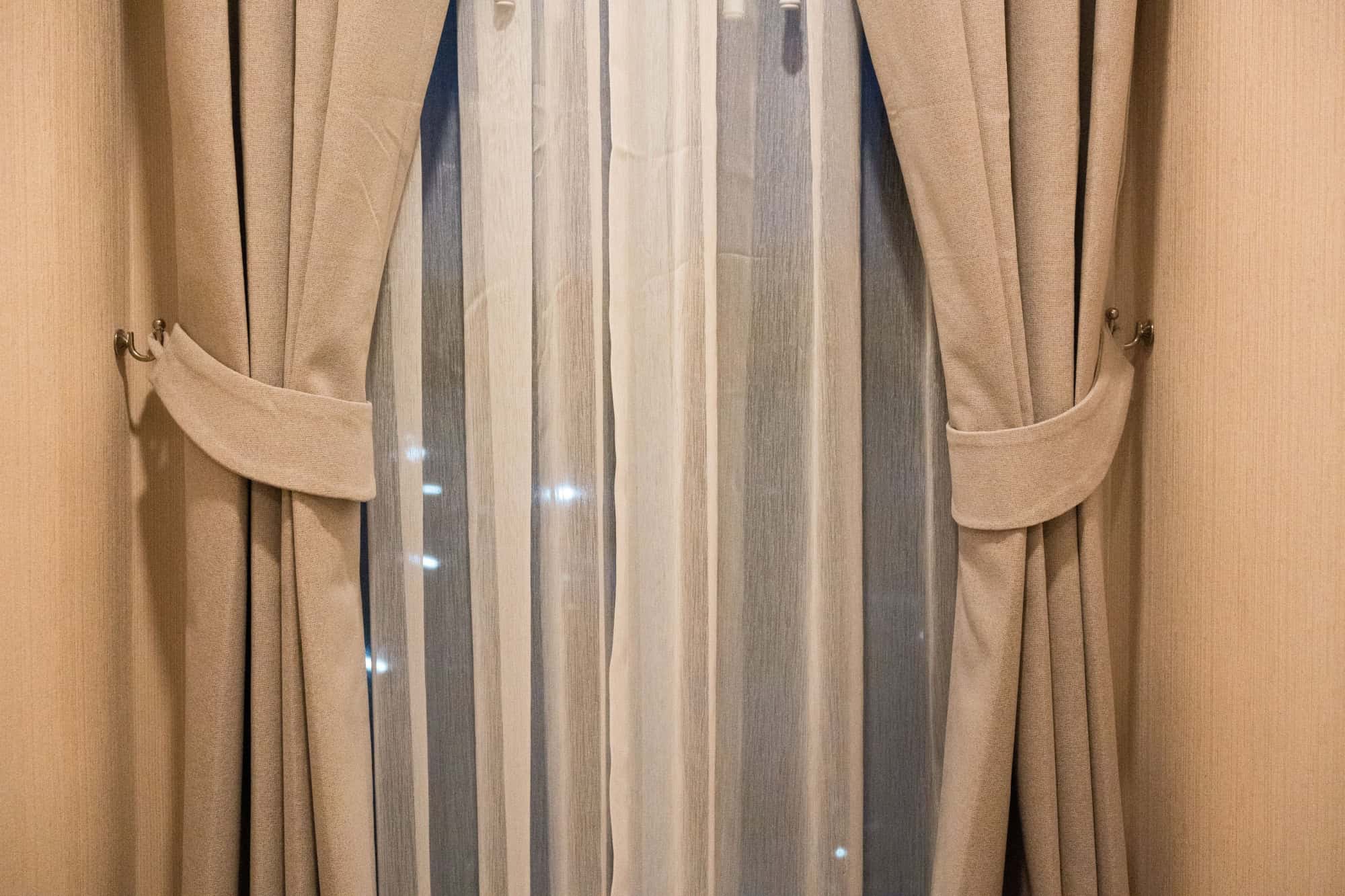
It’s an old-school trick, but it works. Keep your curtains open on sunny days during the winter. Then, close them when the sun’s gone because this extra sunlight will heat up your home for free.
Closed drapes stop the heat from escaping. You may still need to use your furnace at times, but using the sun will help to reduce your heating bill slightly.
Close dampers & seal unused fireplaces
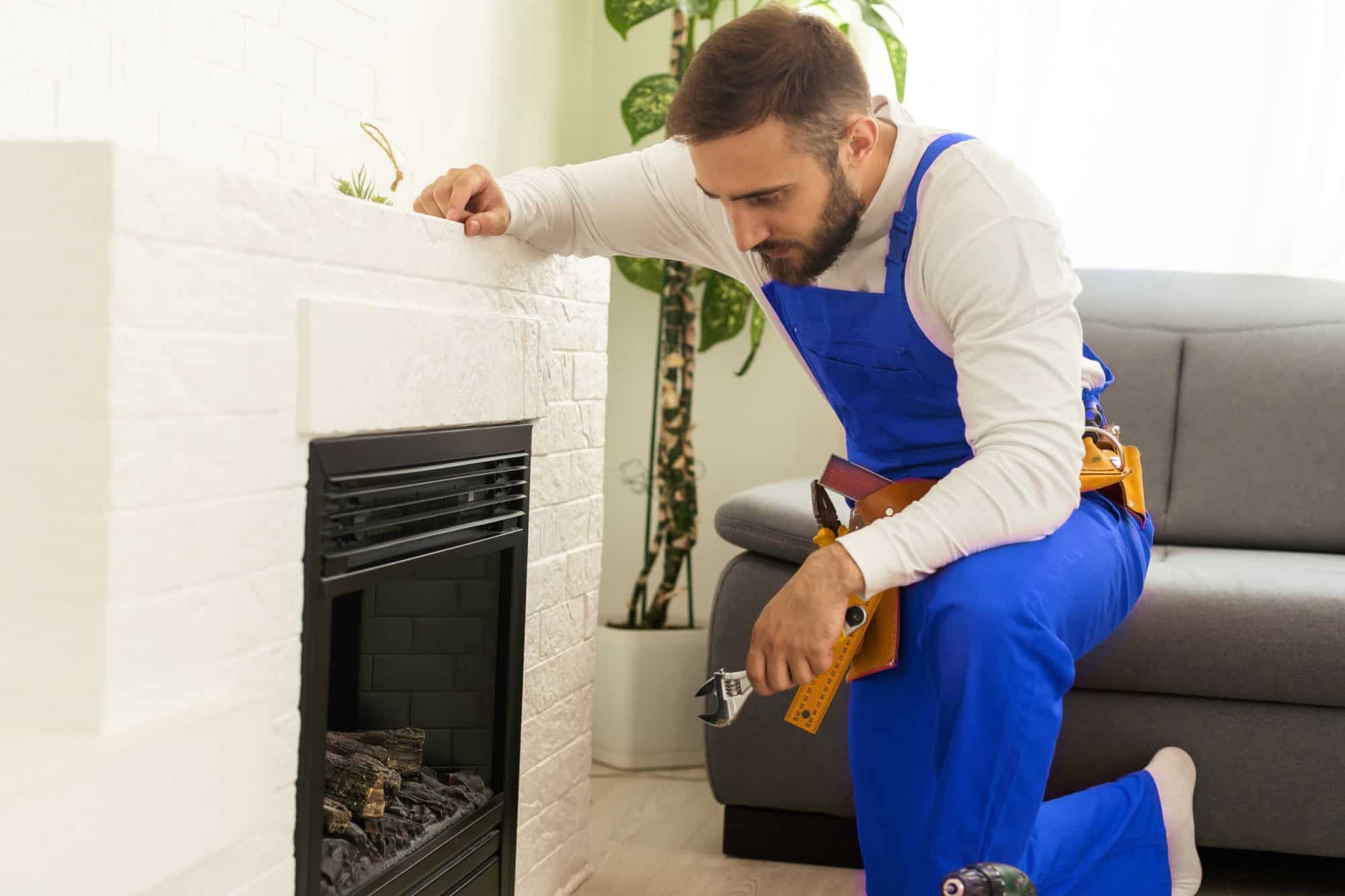
Unfortunately, an unused fireplace creates far more problems than most people recognize. It’s essentially a hole in the wall that allows warm air to escape. Don’t let that happen. Close the damper tight & double-check that it actually seals since many older dampers don’t.
You may also want to use an inflatable chimney plug. It should stop any drafts from getting in. Putting some fire-safe sealant around the firebox edge shouldn’t hurt, either.
Sources: Please see here for a complete listing of all sources that were consulted in the preparation of this article.
Like our content? Be sure to follow us on MSN.