That roll of aluminum foil may be perfect for many kitchen jobs, but there are a few situations where you should reach for something else.
The tomato problem
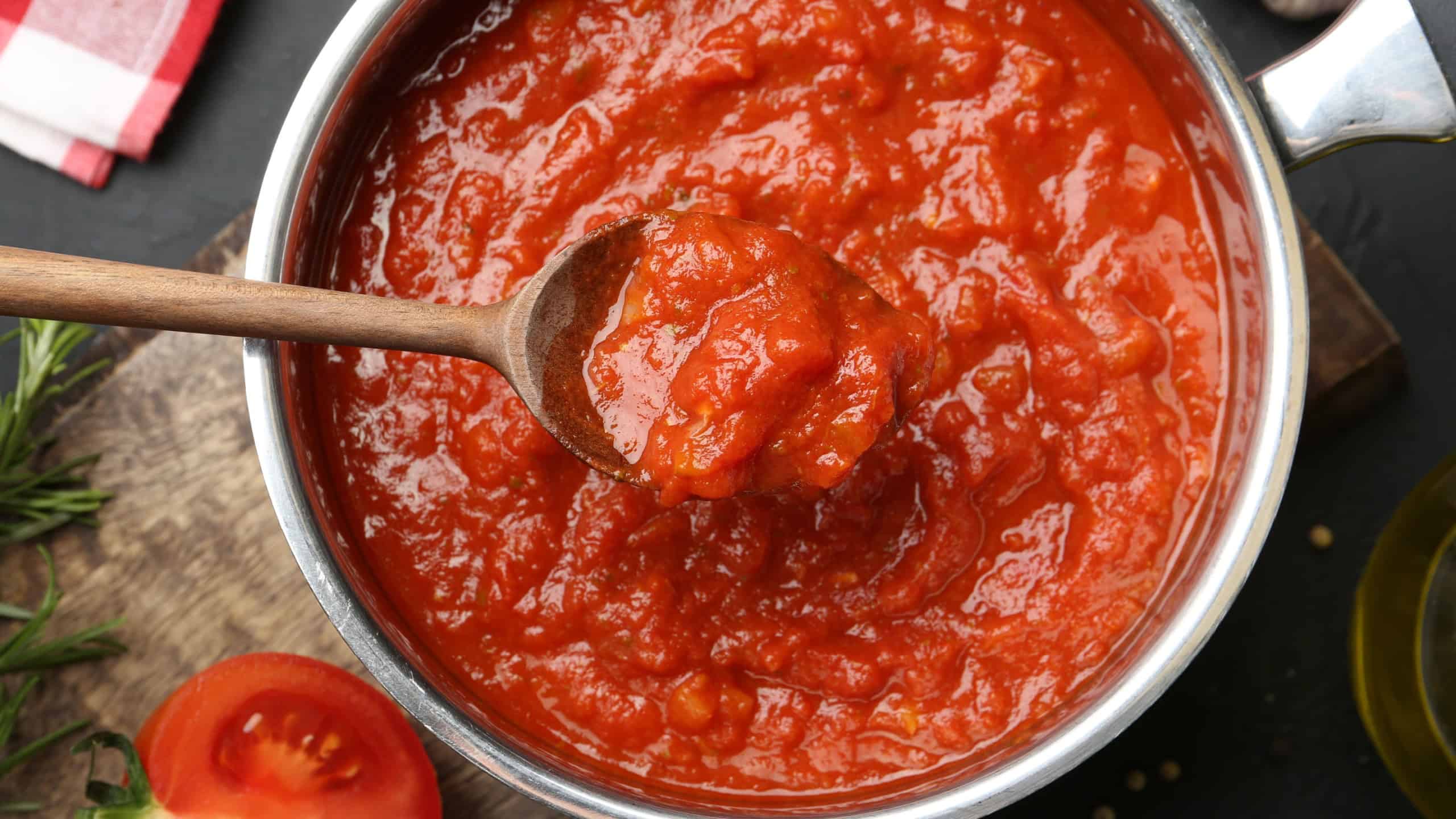
Try not to store highly acidic foods like tomato sauce, sliced tomatoes, or foods with lots of lemon juice or vinegar in foil. Acid causes a reaction with the aluminum that can allow more aluminum to leach into the food while creating tiny pits in the foil.
It can also sometimes cause an unpleasant metallic flavor. Glass or other food-safe containers work much better for acidic leftovers, particularly if you plan to store them for a while.
Oven lining
You might think putting aluminum foil on the bottom of your oven would catch drips and make clean-up easy. But in most ovens, this can disrupt heat distribution and damage the interior finish. Reflected heat can also impact heating elements or cooking performance in some models.
If you must catch spills, check with your manufacturer for instructions. Many allow you to safely use a baking sheet placed on the floor of a lower rack.
Heated food
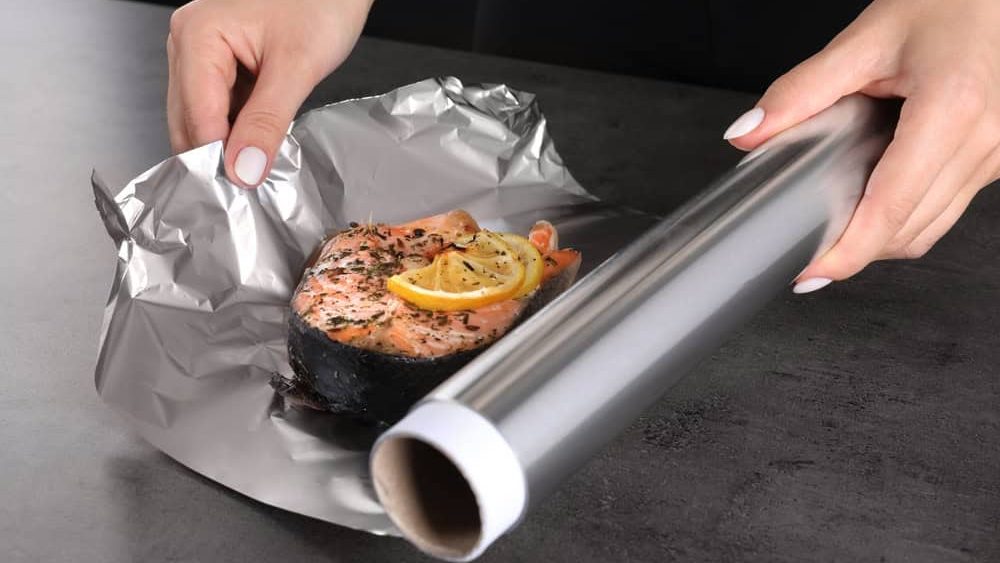
Wrapping steam-producing food (foods that are both very hot and very moist) too tightly in foil can trap steam and condensation. While this won’t suddenly make your food unsafe to eat, it will make crispy items soggy quickly and could even slow cooling if large quantities of hot food are wrapped tightly together. Instead, quickly cool and refrigerate perishable leftovers.
Don’t let your cooked food sit wrapped on the counter for hours. Divide large amounts of leftovers into shallow containers so they cool faster.
The wrong kind of storage
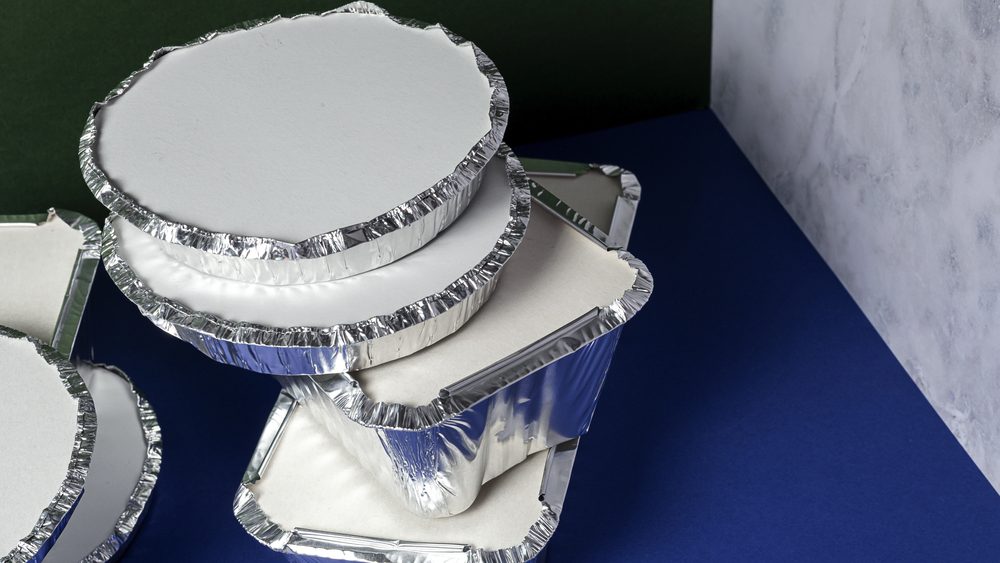
Tightly wrapping leftovers in foil and storing them in the refrigerator for days is not always ideal. Foil doesn’t magically become airtight when you loosely wrap it around a plate or bowl. Exposing food to air dries it out and decreases its quality.
Plus, perishable leftovers need to be refrigerated no matter how well they are wrapped. Use an airtight food-storage container for best results when storing food in the refrigerator for longer periods of time.
The microwave mistake
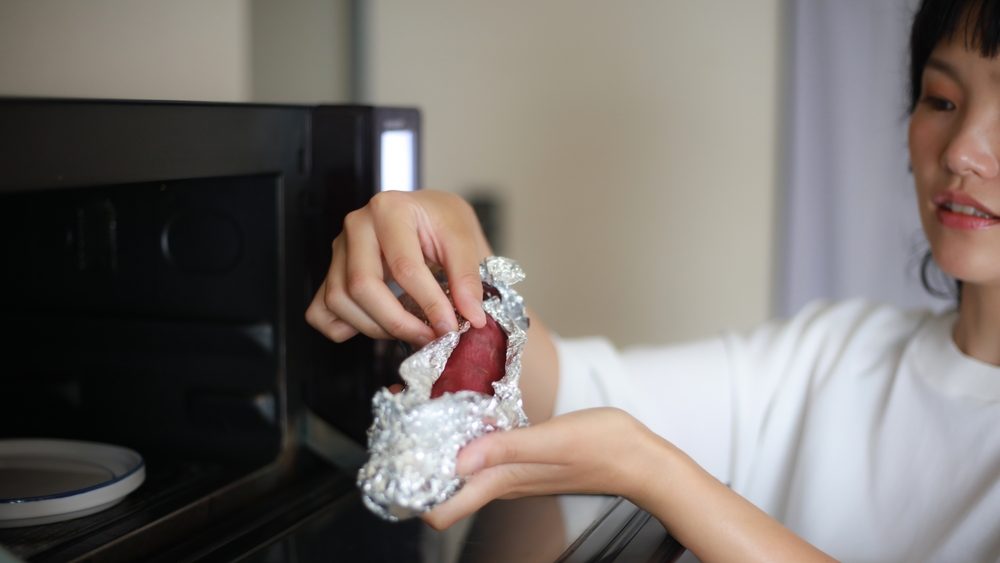
Never use regular aluminum foil in the microwave unless your microwave’s manufacturer specifically states that a small amount is acceptable and provides guidelines for how to use it.
Aluminum and other metals reflect microwaves. Wrinkled foil or foil near walls can cause electrical arcing: the sparks you see inside a microwave oven. This can damage your microwave oven and maybe even start a fire.
When salt causes trouble
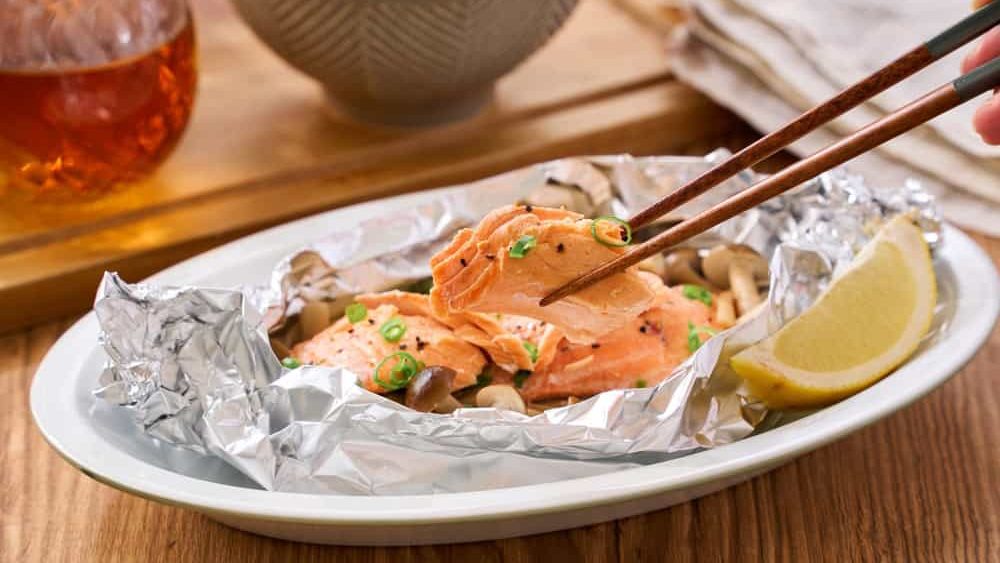
Extremely salty foods can also react with aluminum when they’re wet and left on foil for extended periods of time. Brines, marinades or sauces with a lot of salt should be stored in glass or another nonreactive food-safe container.
However, this doesn’t mean that quickly cooking salt-seasoned food on foil will react. Prolonged contact is the real issue, especially salt that’s mixed with acidic ingredients.
The silver-polish shortcut
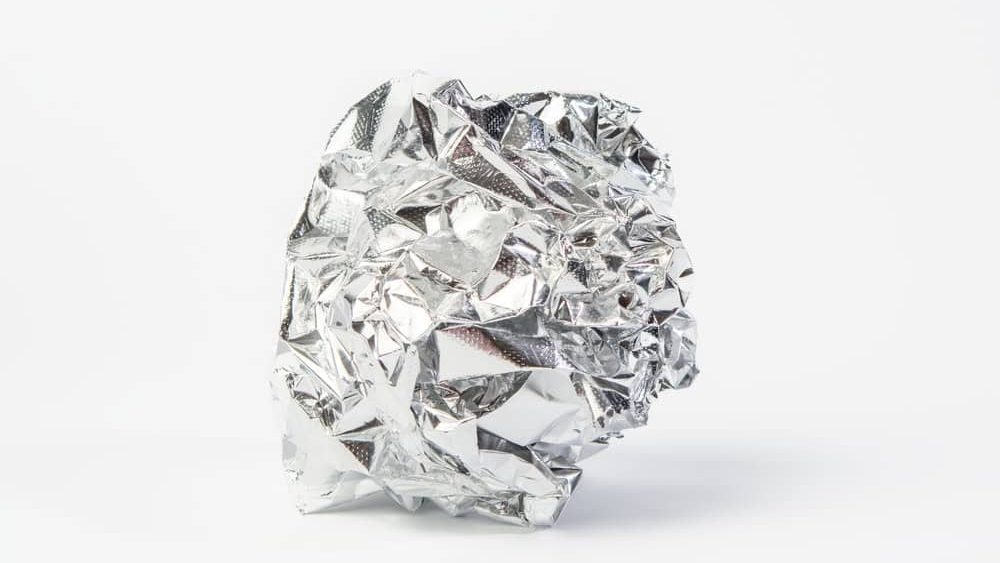
Another household use for aluminum foil is mixing baking soda and hot water to chemically polish tarnished silver. This does work with certain types of bare silver, but should not be considered an all-purpose silver cleaner.
It will harm silver pieces with intentionally oxidized finishes, antique silver, glued pieces, or stones in jewelry. Whenever possible, use the method of cleaning specified for that item rather than instinctively grabbing the foil.
The grill problem
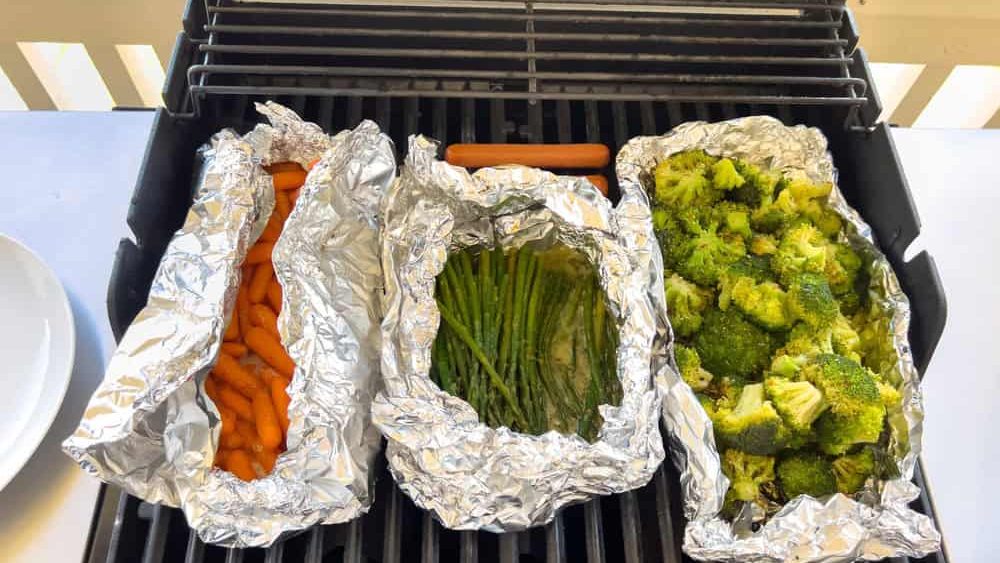
Wrapping your entire grill grate with aluminum foil might seem like a good idea for easy cleanup, but it can negatively affect your grill’s functionality. Aluminum foil large enough to cover the entire grill will trap grease and limit airflow, and may cause your heat to be redirected to areas you don’t want it. It also increases your chances of flare-ups from grease buildup.
Foil packets work well with some foods, but encasing all of the cooking surface is another matter. So consult your grill’s manual before using foil extensively.
The expensive scrubbing mistake
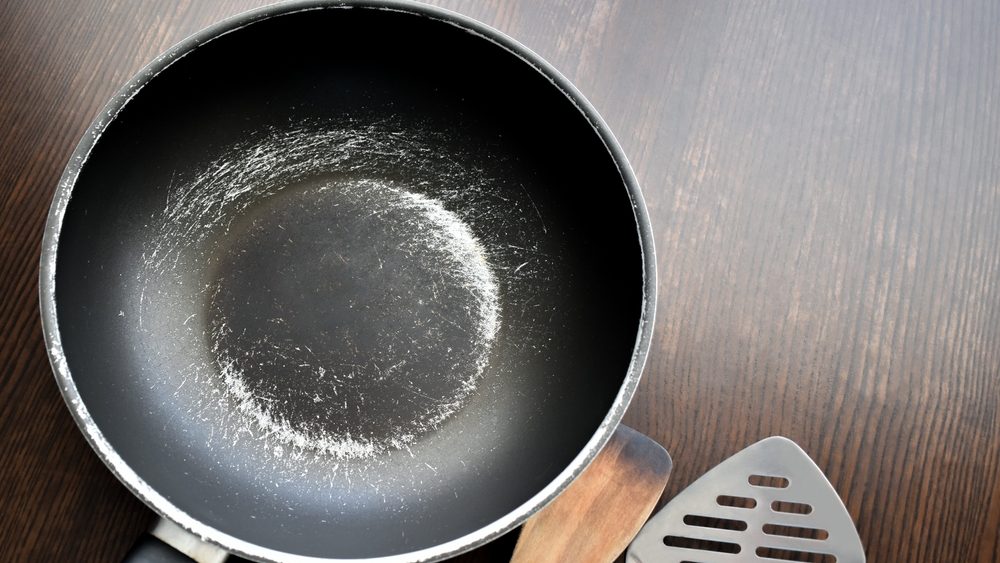
A ball of aluminum foil can sometimes be used as an impromptu scrubber on some sturdy, uncoated metals. But do not use it on nonstick or ceramic-coated pans. Aluminum will scratch right through these coatings, especially when used aggressively.
If your nonstick surface becomes scratched or damaged, food will start sticking to it, and the coating will further degrade. Opt for a soft sponge or another recommended tool.
The air-fryer airflow problem
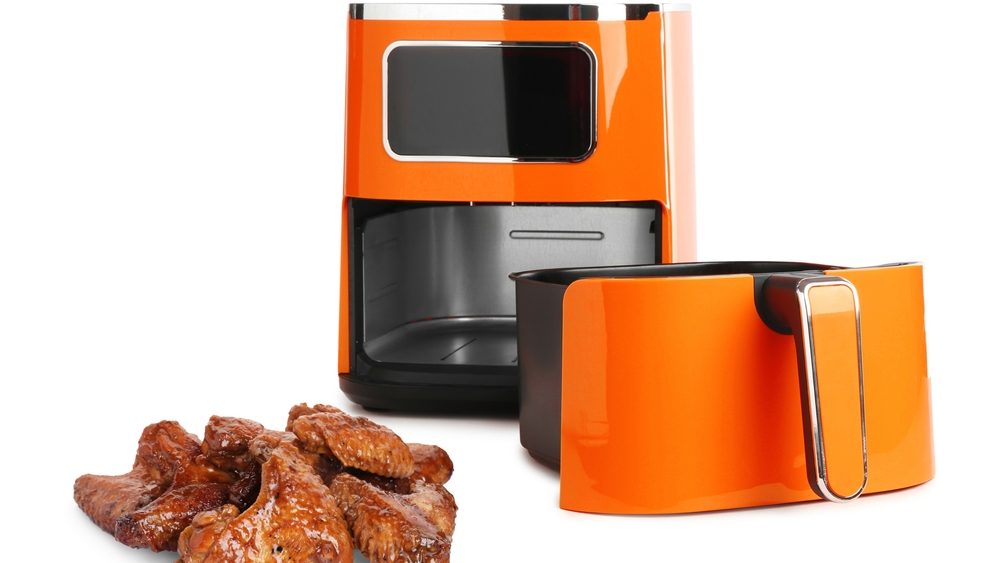
You can sometimes use foil in an air fryer, but don’t allow it to block airflow through the appliance. Air fryers work by blowing hot air around food quickly, so covering the basket hinders their performance.
Loose foil may even shift towards the heating element. If your air fryer allows foil, then keep it pushed down under the food and use only a small amount. Don’t assume all brands have the same rules.
Like our content? Be sure to follow us.