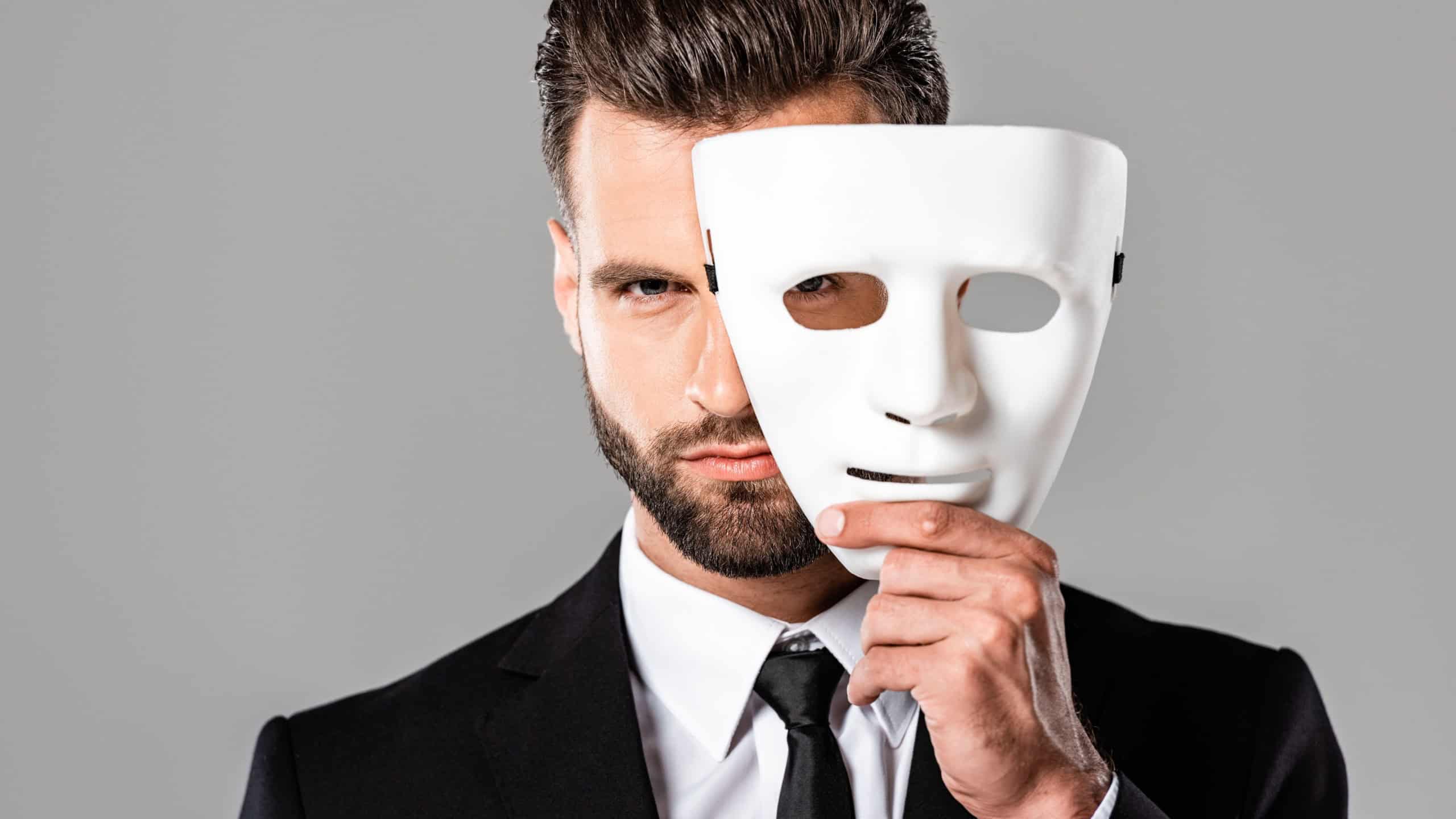
People who lie often slip into habits that the rest of us don’t notice. Even when they’re dodging the truth, they usually speak or write in a particular way that may show you that they’re being dishonest. Here are ten subtle things people do when they’re lying. Have you ever picked up on these things before?
Pausing a little longer before answering

The other person may answer a simple question with a slight delay that’s enough to feel a little wrong, more so than a big pause would be.
Researchers have compared truthful & untruthful replies to find that such a difference in timing is quite common when someone’s not telling the truth. There shouldn’t be any need to subtly pause when they’re being honest with you.
Reusing the same simple words in their story

A person who is stretching the truth is likely to make sure their wording goes back to the same handful of easy phrases, avoiding different terms entirely. It makes the language rather repetitive.
Large studies on lying have found that people stick to a safer script when they’re hiding the truth, and it’s something you’ll notice in both speech & writing.
Swapping out “I” for other ways of saying things

Pay careful attention to how the other person refers to the situation because you might notice that they stop using “I” statements. That’s a sign that the story isn’t completely genuine.
Text-analysis studies claim that over-reliance on words like “you” or “they” is a way for a liar to create distance in how they talk, even when the message seems to be completely normal.
Leaving out little contrast words like “but” or “except”

Some more missing words include contrast phrases like “but” or “except,” which are usually common in truthful stories because they help people find the small differences more naturally.
Researchers have found that deceptive stories avoid such phrases. Stories seem cleaner & simpler when people are describing real events with these words.
Giving fewer concrete, sensory details overall

Interviews involving lies tend to have fewer small details in them, including information about what things looked or sounded like.
Studies found that invented memories lack sensory aspects & small object details that real ones actually have. Such a gap may seem like nothing, but you should pay careful attention to how many little details they offer you themselves.
Having a slightly different pitch or pace in their voice

One of the clearest signs of a liar is how they change their vocal rhythm, often without realizing it, as their vocal pitch tends to go a little higher. You may also notice that their pacing becomes uneven or they stretch out words more than they usually do.
Researchers have noticed these same signs, time & time again in controlled experiments.
Holding back normal hand and finger movements

Researchers compared videos of real & false statements, finding that people tend to use fewer regular hand motions when they’re lying.
The majority of people do gestures without thinking about them, but liars will stiffen a little. They keep their hands more still, and you can clearly see that they’ve become less lively than their usual style when they’re lying.
Slipping in more negative emotion words than usual

Certain language studies found that people telling lies also use more negative words, including mentions of being annoyed or frustrated with a situation. Yes, it may not seem all that obvious, but there’s a greater frequency of negativity in the datasets.
Truthful speech usually balances out the emotions instead of relying just on one tone or emotional style.
Telling the story in almost exactly the same way every time

There’s an odd sense of consistency around fake stories, and you may notice that the person seems to retell stories as though they’ve completely memorized the lies.
Real memories usually shift a little whenever someone retells the story, at least according to the research. But these small, natural changes are lacking when someone has a fabricated story to tell.
Cutting down on their usual “um” and “uh” fillers

Someone who’s lying is going to hesitate more. At least, you would think so, but speech researchers have found that people usually use more fillers like “um” & “uh” when they’re telling the truth.
They usually avoid them when they’re lying, almost as though they’re paying close attention to how they say every sentence in case their deception seems obvious.
Sources: Please see here for a complete listing of all sources that were consulted in the preparation of this article.