Most people don’t think twice about souvenirs until they’re standing at the border. Here are ten souvenirs you absolutely can’t bring into Canada.
That little carving
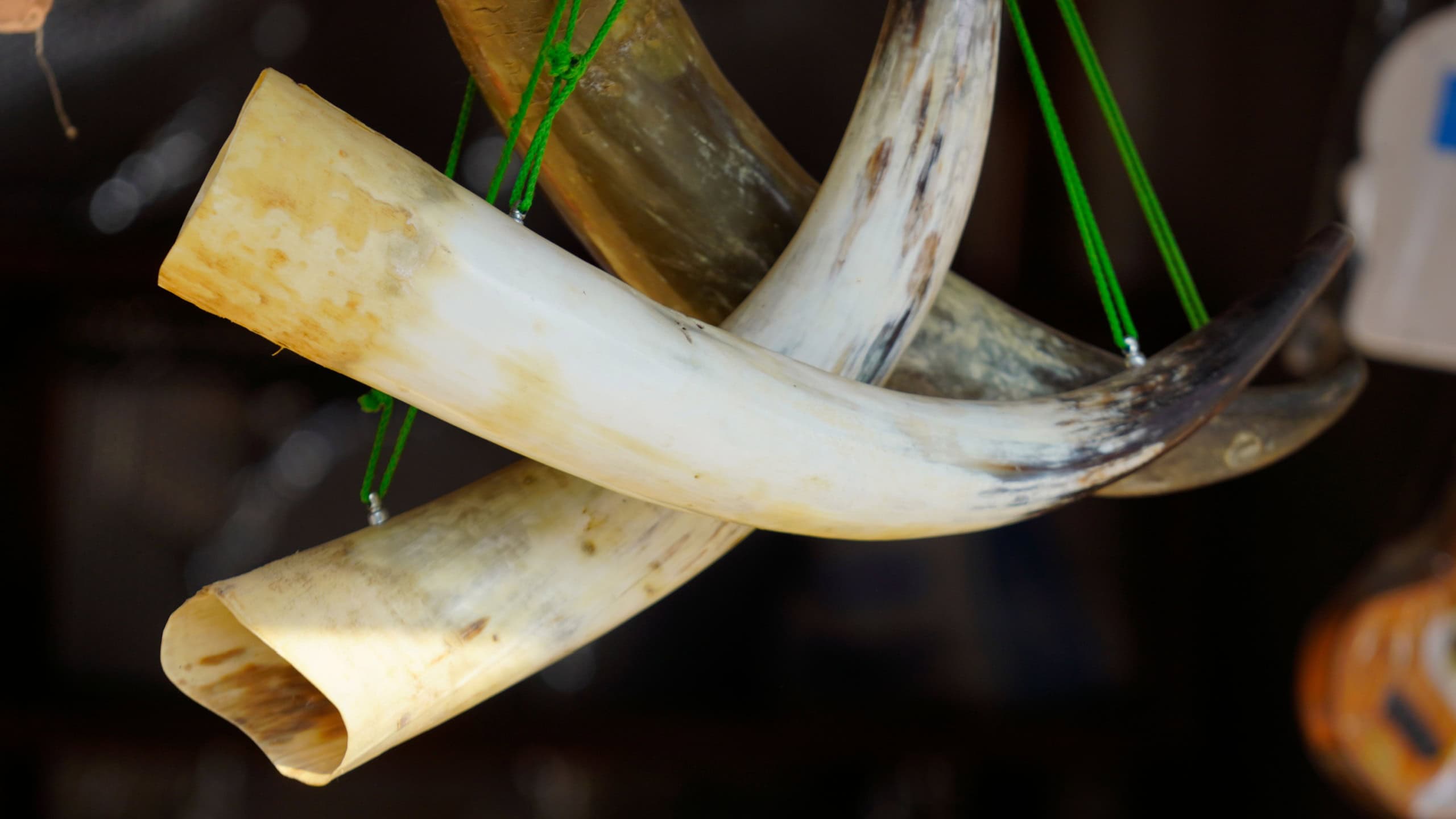
It’s easy to assume that any small ivory figurines you see at the market are no different from other handmade souvenirs. Unfortunately, that’s not how the Canadian government sees things.
You’re not allowed to bring raw elephant ivory in without a permit, and even then, only museum workers or those using the ivory for scientific purposes are allowed.
The rule applies to carved items as well, including jewelry and decorative pieces. You’ll need to have export paperwork and a Canadian import permit before bringing them across the border, no matter how small these pieces might be or how old they are.
The polished version
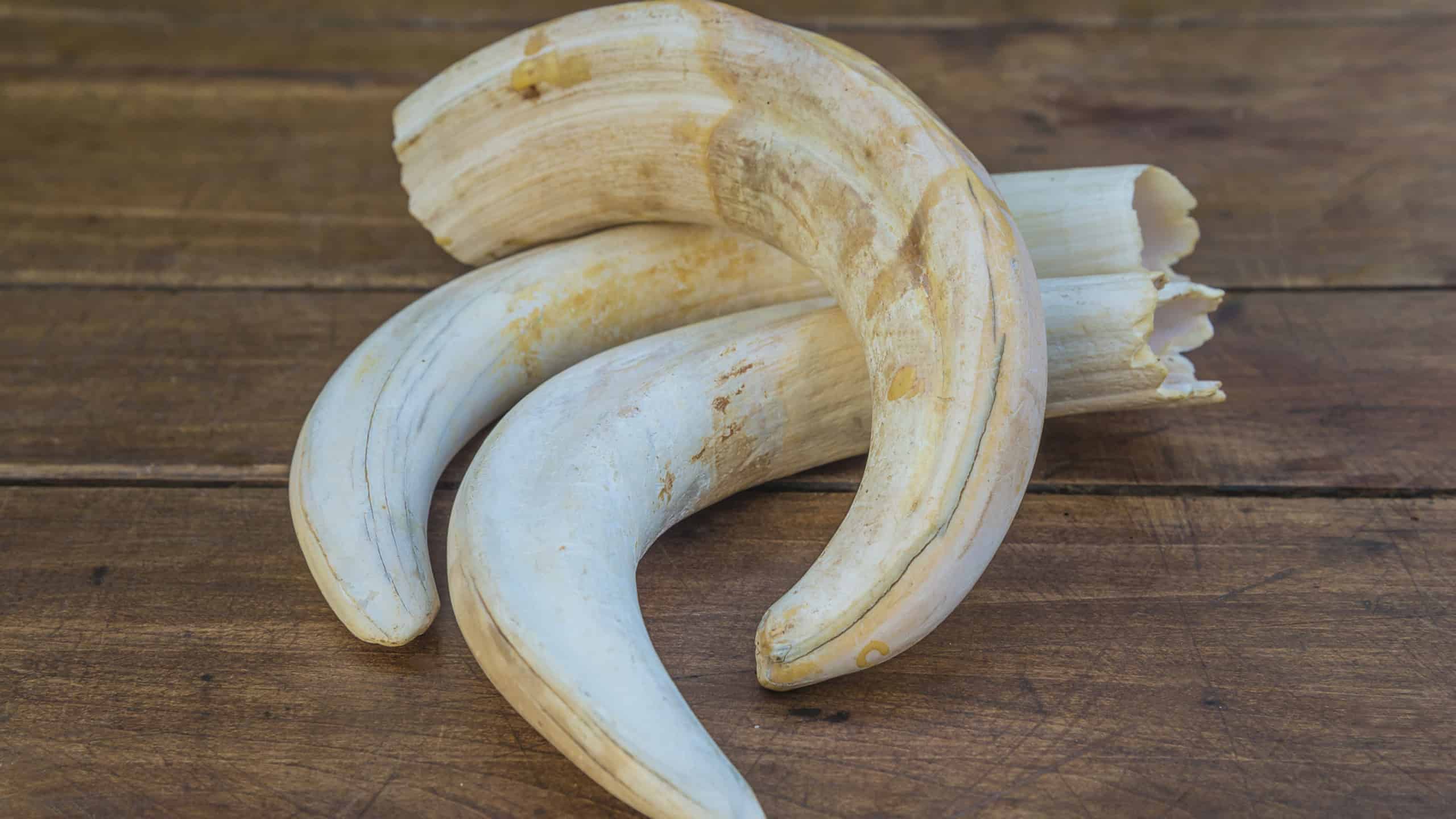
Another similar banned animal product is rhino horn, although it’s less common than elephant ivory. Still, no polished or shaped form is allowed into Canada because the rules state that raw rhino horn is prohibited without a permit.
Those with worked items will still need to get full documentation from the Convention on International Trade in Endangered Species of Wild Fauna and Flora (CITES). Sure, you might simply have a small rhino horn keepsake, but that still falls under the same regulations as raw material.
The beach-market pickup

So many people see sea turtle shell products being sold openly on holiday as combs or bracelets, and they see them as everyday souvenirs. But that’s not how things work in Canada.
Under official regulations, sea turtle shells and leather are products that require permits.
There’s no exemption for travelers, and especially not for the species that fall under stricter categories. Even a single bracelet or wallet made from turtle materials could be enough to cause you trouble at the border. You’re better off leaving it at the beach.
The fancy scarf
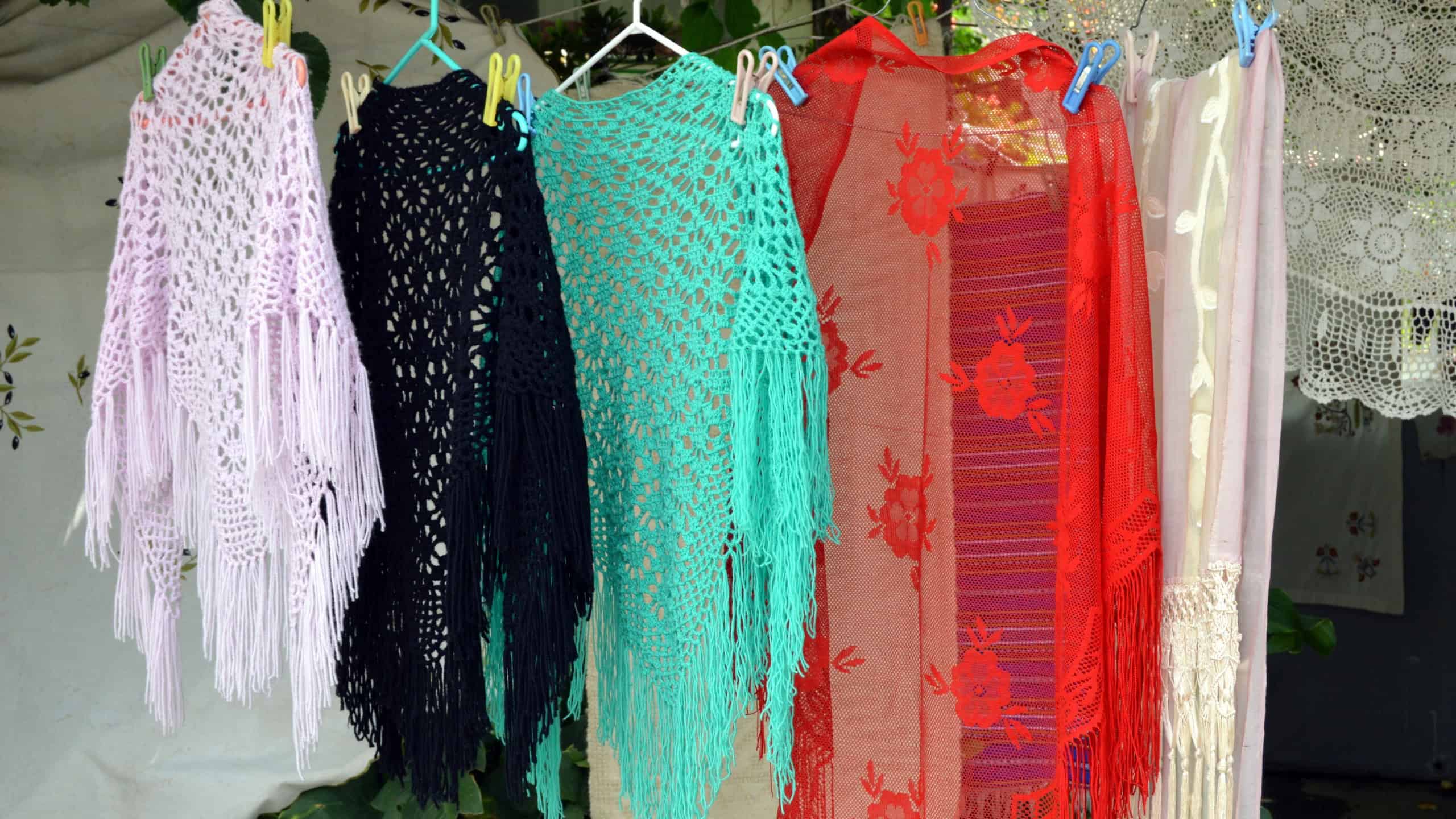
There are a lot of places that sell shahtoosh shawls as a luxury textile, and they come from the Tibetan antelope. As you might’ve guessed, the antelope is protected, and the Canadian government specifically lists shahtoosh shawls as banned items.
The simple tourist exemptions don’t apply here.
Those who want to bring one in will need to get a permit, and that’s pretty difficult to get. It’s more likely that you won’t be allowed to bring it in at all, despite the fact that it might look like a piece of regular clothing.
The deli counter favorite
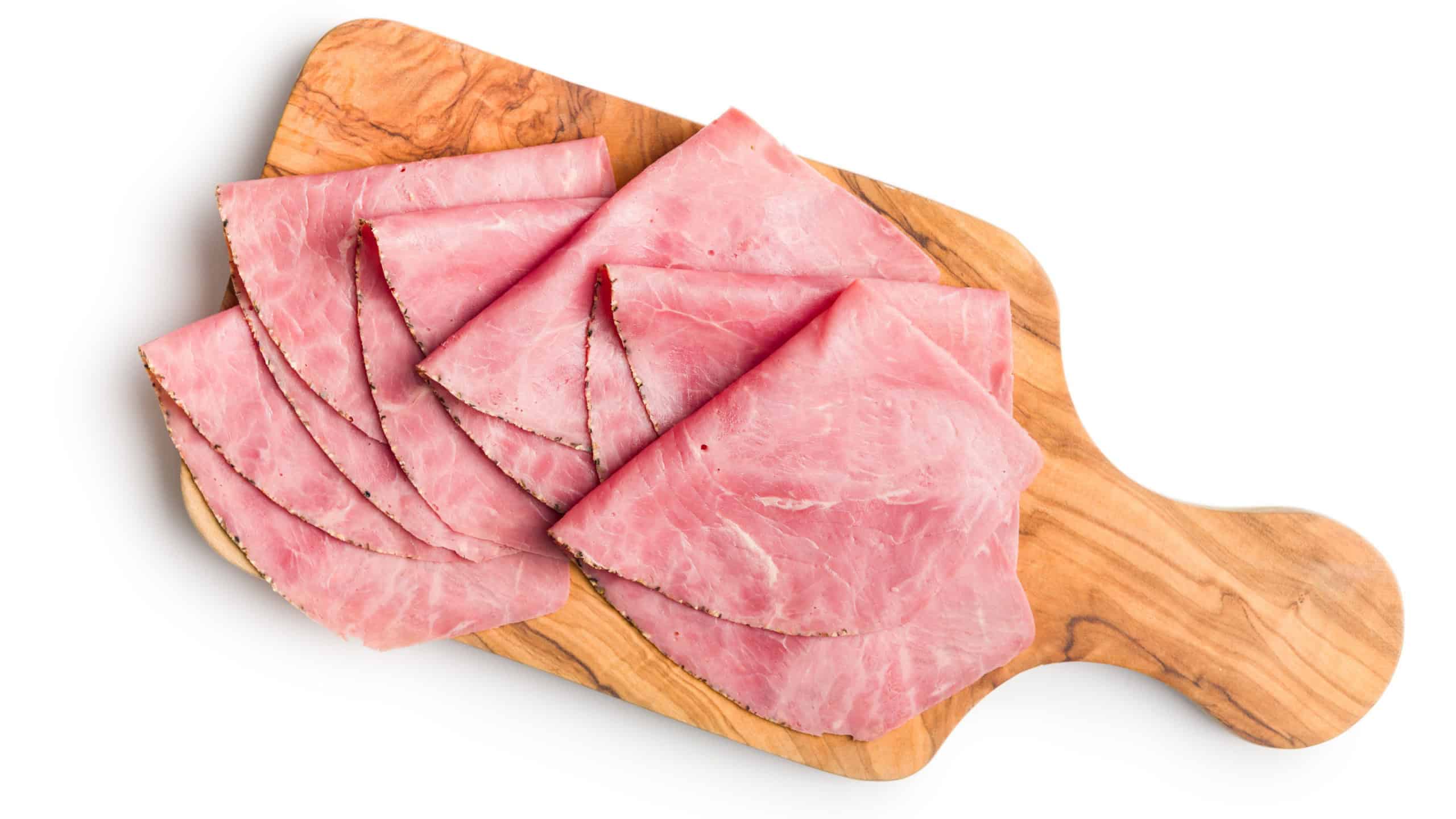
What could be wrong with cured meats? After all, they’re sealed and portable. They’re also sold practically everywhere.
However, the Canadian food import rules state that fresh, dried, and cured meats don’t fall under the personal-use rules, including meats like salami and jamón. Chorizo is also banned.
You’re only allowed to bring in commercially prepared items that are fully cooked and shelf-stable. They’ll also need to be sealed in specific ways, meaning that even the most professionally packaged cured meats may not meet the requirements.
The flower-market idea

Any bulbs or plant kits that you pick up at a flower market aren’t as harmless as they seem.
These are classified under Canadian regulations as plants for planting, meaning that you’ll need to have an import permit as well as a phytosanitary certificate for plants coming from outside of the continental U.S. and Canada.
Yes, the rules also apply when the bulbs are cleaned and boxed. You’ll need the paperwork to bring them in, despite the fact that the bulbs might seem as though they’re ready to gift immediately.
The holiday decoration
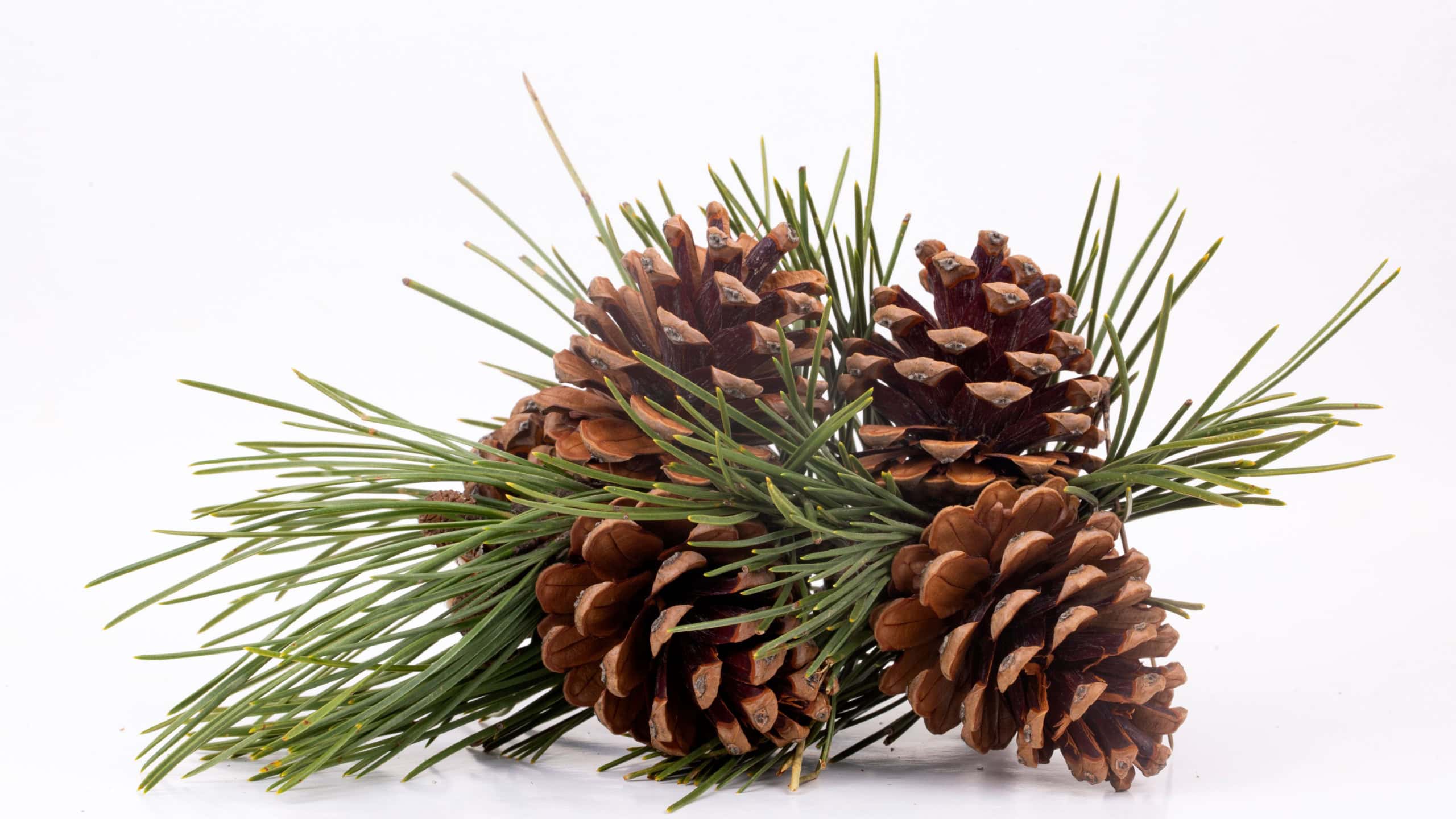
It’s a similar issue with decorative plant items, although they might be dry and appear fine. Pine cones and wreaths, as well as dried branches, are still heavily regulated because they can carry pests.
The rules state that any untreated cones will need to be properly processed before coming into Canada.
You’ll also need to bring some documentation. Essentially, any natural holiday decorations you might’ve picked up abroad are going to be a lot more than simple décor at the Canadian border.
The hand-carved mask
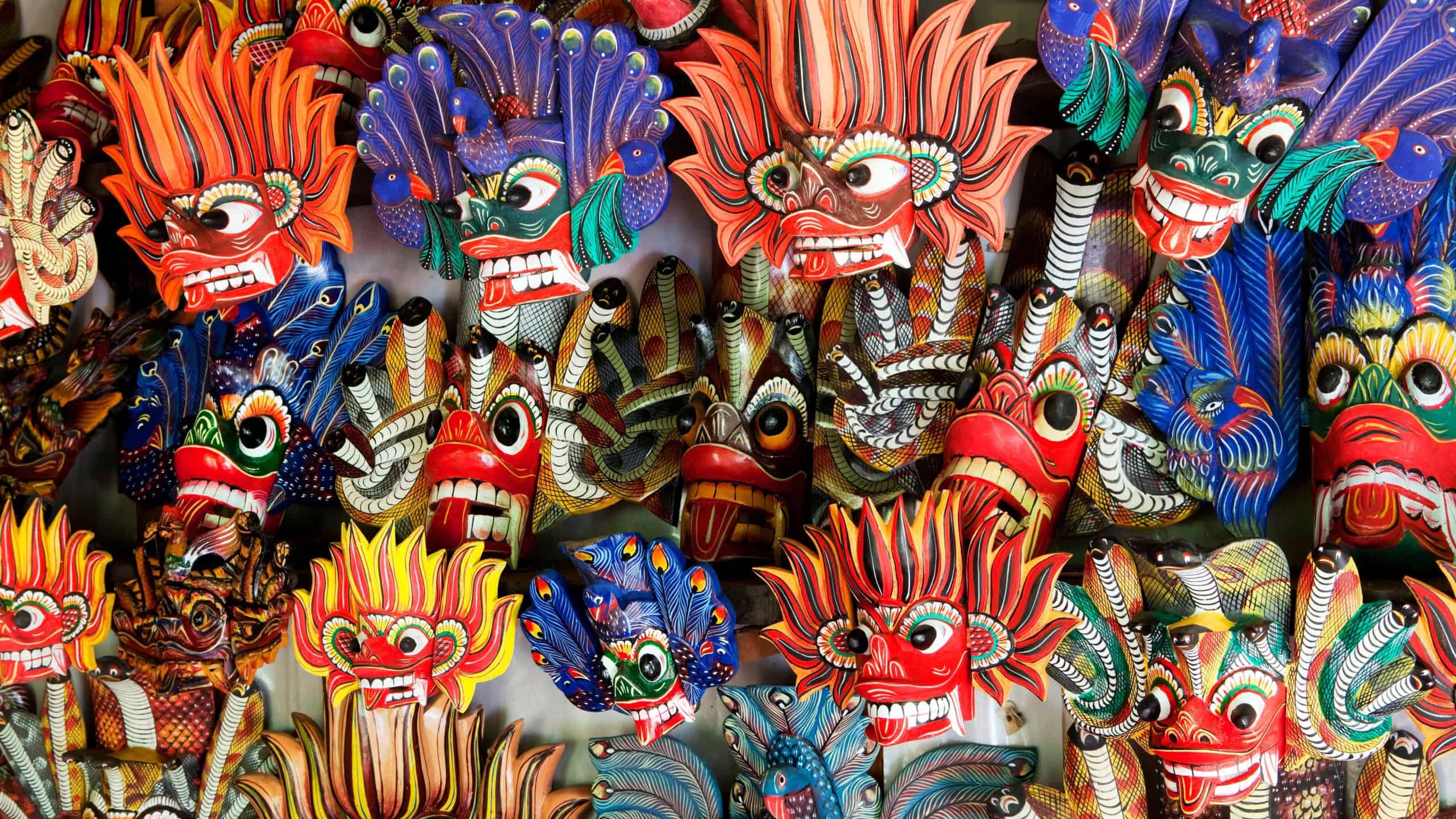
You might expect a wooden mask or bamboo carving to be something that you can bring home without any issues. Sadly not.
In fact, the Canadian government looks quite closely at how such items are made, and pieces with untreated wood or bark are a problem.
These items can carry pests, including larvae or eggs, that could potentially cause major problems for Canadian agriculture.
While heavily processed items tend to be okay, handmade pieces don’t always meet the standard. You should get them checked out before trying to bring them home.
The shore necklace
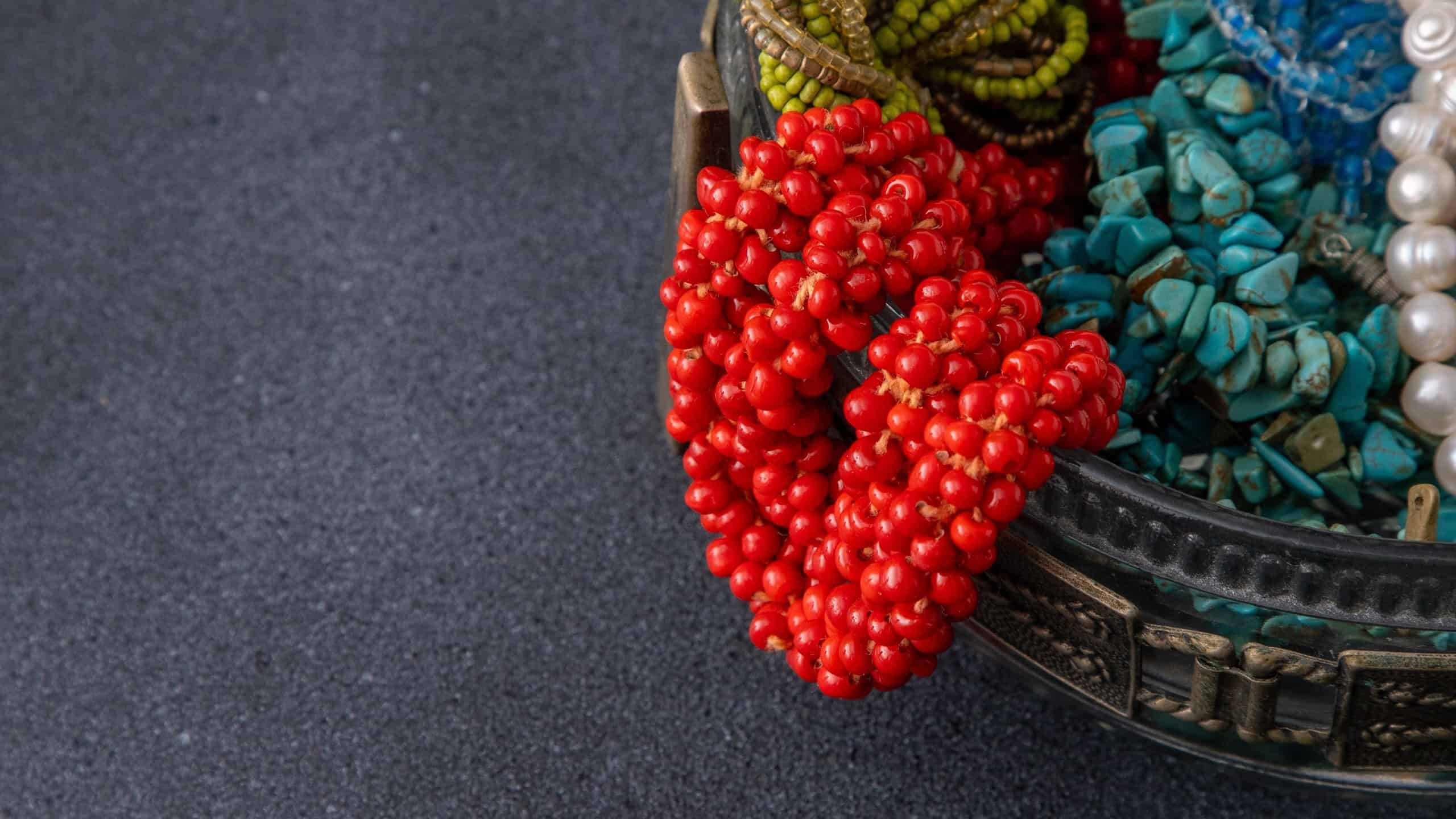
Practically every seaside jewelry shop in southern Europe sells strands of red coral beads, which are often described as local heritage items. That’s why they’re such a problem.
Most travelers don’t realize that such coral falls under international wildlife trade rules, and you’ll need CITES permits to bring them into Canada.
These permits are required for almost all coral items, including finished pieces like necklaces and bracelets. Border officials are able to confiscate any coral items that you bring if you haven’t got the proper paperwork. Don’t let that happen to you.
The star decoration
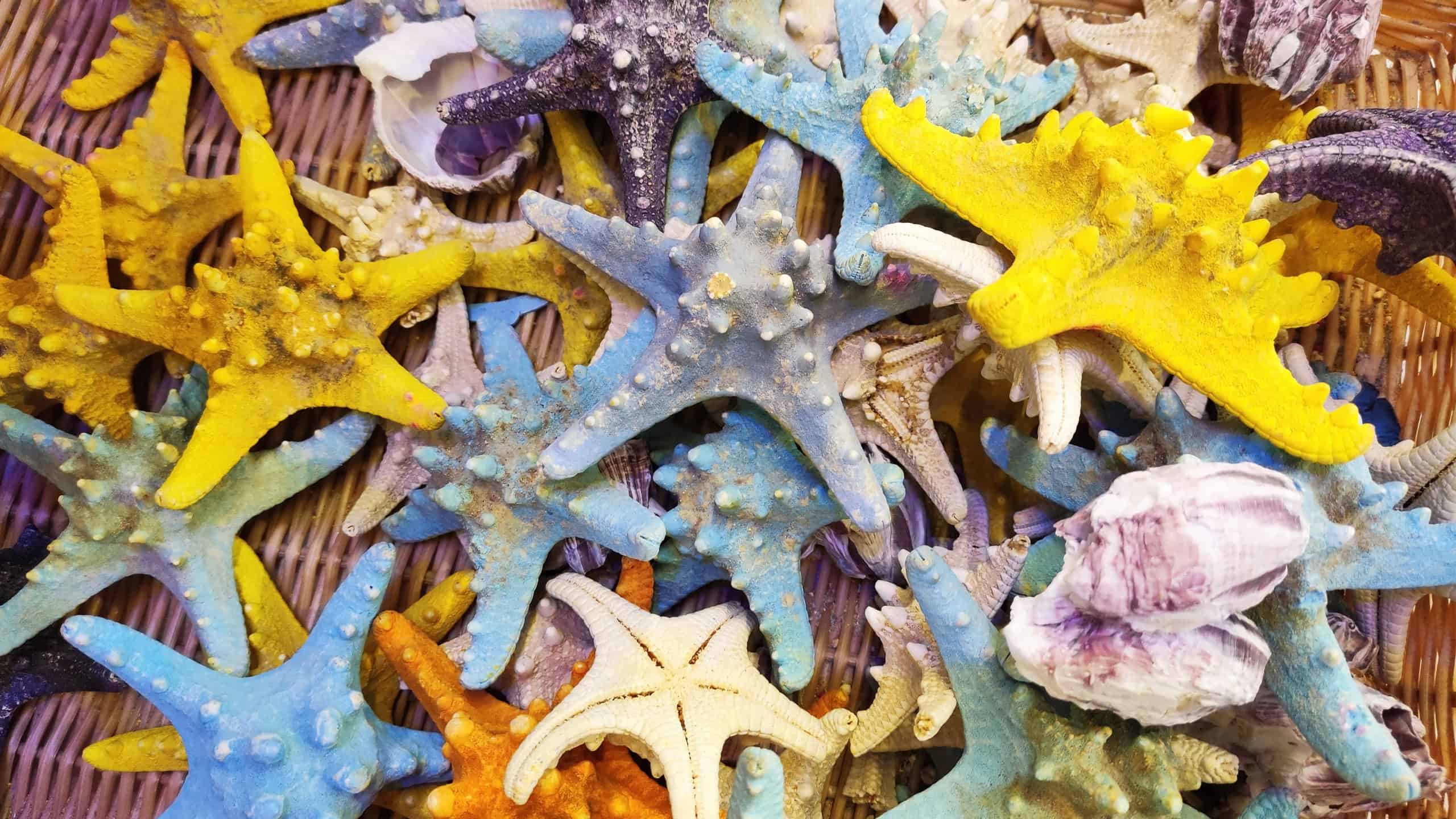
Many travelers don’t give dried starfish a second thought when they’re on holiday, and they’ll try to bring them back to Canada, thinking they’re mere decorations. Yet the government treats dried marine animals as more than harmless objects.
The wildlife rules still apply for dead animals. Really, it’s one of those cases where something that might look like a basic ornament is still enough to be stopped at the border, unless you have the right documentation for it.
Sources: Please see here for a complete listing of all sources that were consulted in the preparation of this article.