
Any Canadians who’ve spent time on both sides of the border will have noticed a few differences. One of the major ones is that everyday services feel rather different, such as mail delivery & returns working under different rules.
Here are ten services that are less convenient in Canada than in the United States. Which difference do you think is the hardest to deal with?
Postal services
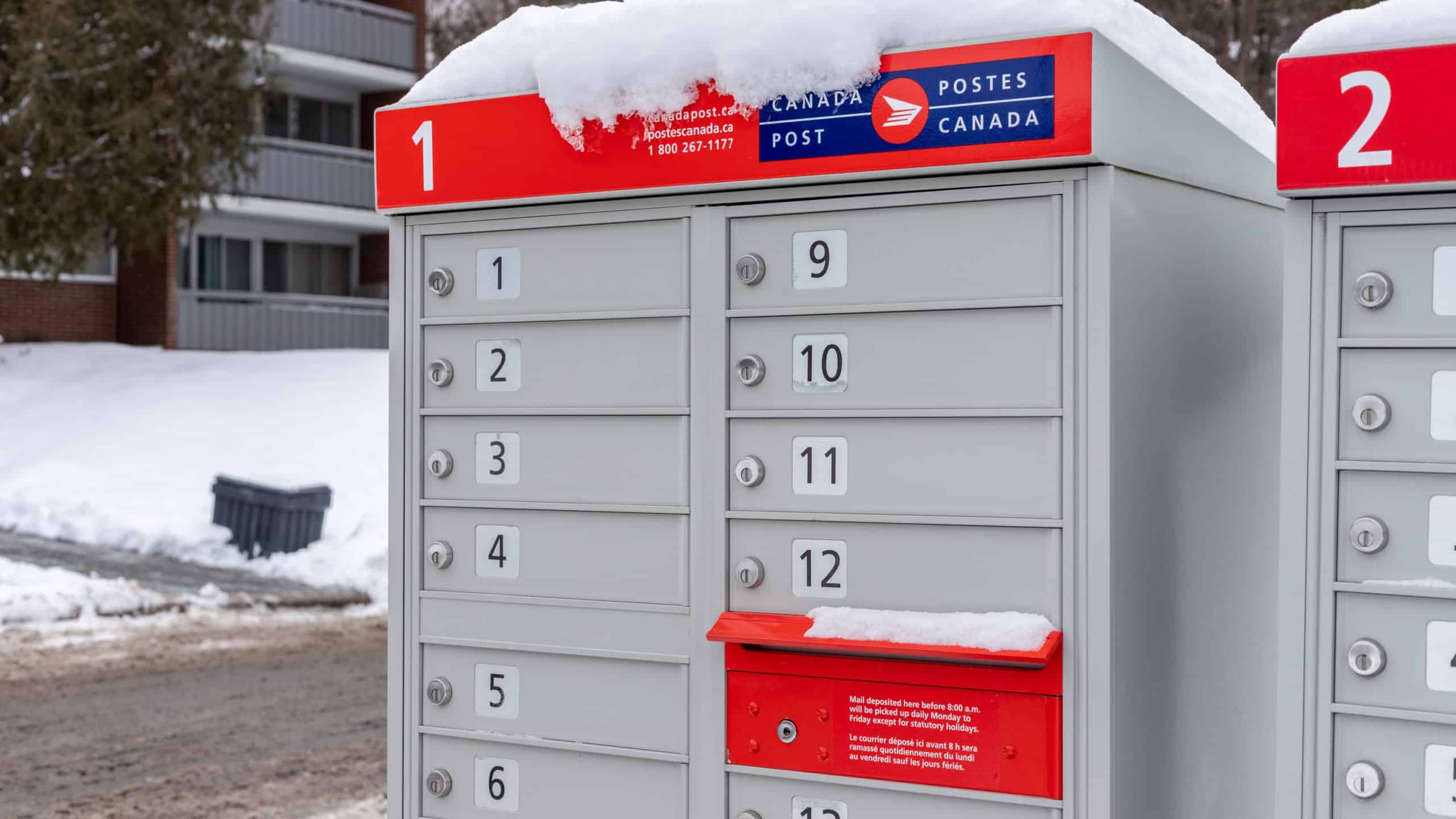
The average mail time for regular Lettermail is two business days within a city, according to Canada Post. It goes to three inside a province & four when it’s across the country. But USPS Priority Mail is almost guaranteed to get anywhere across the country in three days or less. Their First Class Mail is around the same speed as Canada Post, though.
The slowness makes sense. Canada has only 6,300 post offices, but there are over 33,000 in the United States. Such a difference has a huge impact on how many places you can physically drop something off at.
Banking hours

Try to visit a Canadian bank branch on Sunday. It’s nearly impossible. The majority of large banks stick to weekday opening hours only & very few open on Saturdays. They have limited hours at best on that day.
It’s quite the opposite in America. Chains offer longer evening hours & there are quite a few branches that are open on Sundays. It makes weekdays feel rather different in America since you can go to the bank almost any day of the week.
Healthcare appointments for specialists

National wait time tracking in Canada makes the numerous delays rather obvious. Reports have found that Canada has some of the longest wait times for patients to see specialists. The average in America is much shorter.
Less than 31% of Canadians see a specialist doctor within a month. But the rate is 57% in the United States. Canadians often need to wait weeks, perhaps even months, to get an MRI or CT scan in a few provinces.
Telecom services

Canadian telecom customers don’t have much choice. There are really only 3 players in the market. Canadian telecoms are part of the Commission for Complaints for Telecom-television Services (CCTS). It shares annual summaries of issues every year, including billing mistakes & trouble reaching agents, as well as poor handling of cancelled services.
Americans do have the same issues as Canadians. But the rate of complaints in Canada increased by around 38% between 2023 & 2024, according to the CCTS. The same kind of figures don’t seem to exist in the United States. Canadians also pay way more for telecom services than Americans; one of the highest rates in the world in fact.
Grocery delivery

Instacart is supposed to make shopping far easier. And it does, but only for those who have access to it. The network reaches about 85% of American households, yet just 70% of Canadian ones. There are also the higher express & delivery fees to worry about.
Walmart charges a $7.97 standard delivery fee in Canada. But Americans can purchase Walmart+ to get unlimited grocery delivery, and that gives them more opportunities to order last-minute items when required.
Ride-sharing
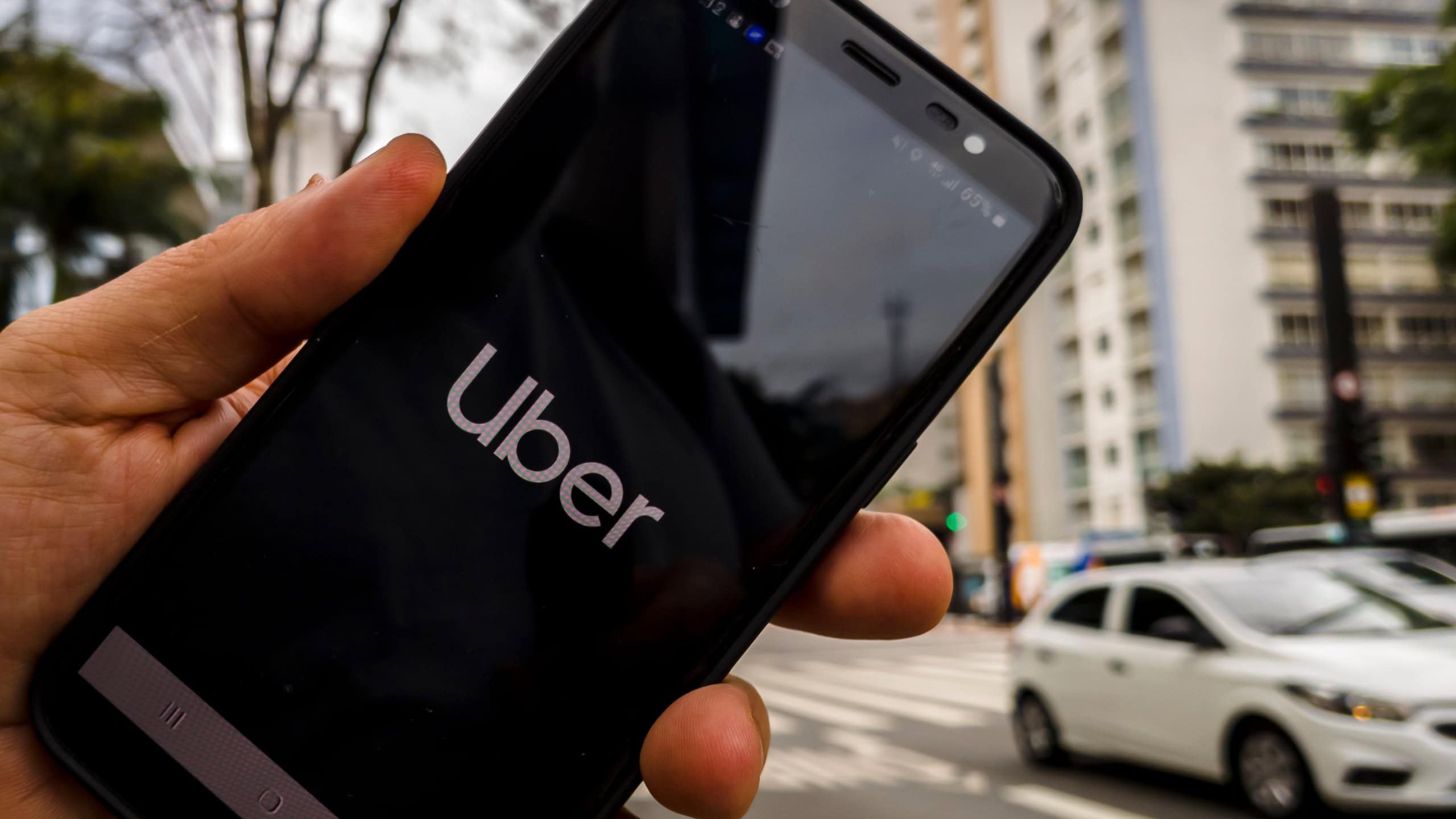
You’d think a ride-sharing app as popular as Lyft would work everywhere. But it’s only available in cities like Toronto, Ottawa, Vancouver, Calgary & Edmonton, among other areas. It’s certainly not blanket or near blanket coverage.
Uber operates in 10,000 cities globally, and its biggest market is America. That means the difference in availability is quite clear once you leave the major metro zones in Canada. It’s a lot easier to get one down south.
Streaming content

You can’t forget about how borders affect streaming rights & viewing catalogs. Sites like Netflix can have differences of up to 5,000 titles across countries. America gets services like Hulu & Max that launch domestically first, so they get to watch new stuff sooner.
But streaming rights are usually bundled into fewer platforms in Canada. You’re not able to watch as many shows or stream as many films when you’re scrolling at night. It sounds like nothing. But it does start to grate on you after a while.
Air travel

The majority of Canada’s biggest airlines run their flights through the same places. Air Canada has Toronto & Montréal, while WestJet has Calgary. There aren’t as many flights across other areas. It’s a different story in the United States.
The U.S. Department of Transportation has flights running across a much wider set of major & mid-sized locations. It allows travelers to access more direct routes without needing to zig-zag across particular cities. Flights are simply more convenient & easier over there; not to mention cheaper.
Passport services

That’s not all for travel. You’ll need to get a passport before you go anywhere, and applying in person for one at Service Canada means you’ll have to wait around 20 business days for the posted standard. With recent backlogs, wait times have been more than 10 weeks in some cases.
It’s four to six weeks for routine processing with the U.S. State Department. You can even get one quicker at two to three weeks with the expedited option & faster for emergency cases. It may not seem like much, yet those few extra days do start to add up.
Retail return and exchange

Returning items at the store shouldn’t be so difficult. But it is. There’s no rule in Canada stating that stores must take returns unless there’s something actually wrong with the product itself. Changing your mind isn’t enough to get your money back because stores set their own rules.
Yet so many American retailers have rather significant return windows with more generous policies. They’re quite wide-open and can make the situation in Canada feel rather unpredictable.
Sources: Please see here for a complete listing of all sources that were consulted in the preparation of this article.