
Forget what you’ve heard about one big secret making marriages last. The truth is, research indicates that certain personality traits are more important for couples who stay together for decades.
Here are ten partner traits linked to long-lasting marriages. Which of these traits do you think you have yourself?
Agreeableness
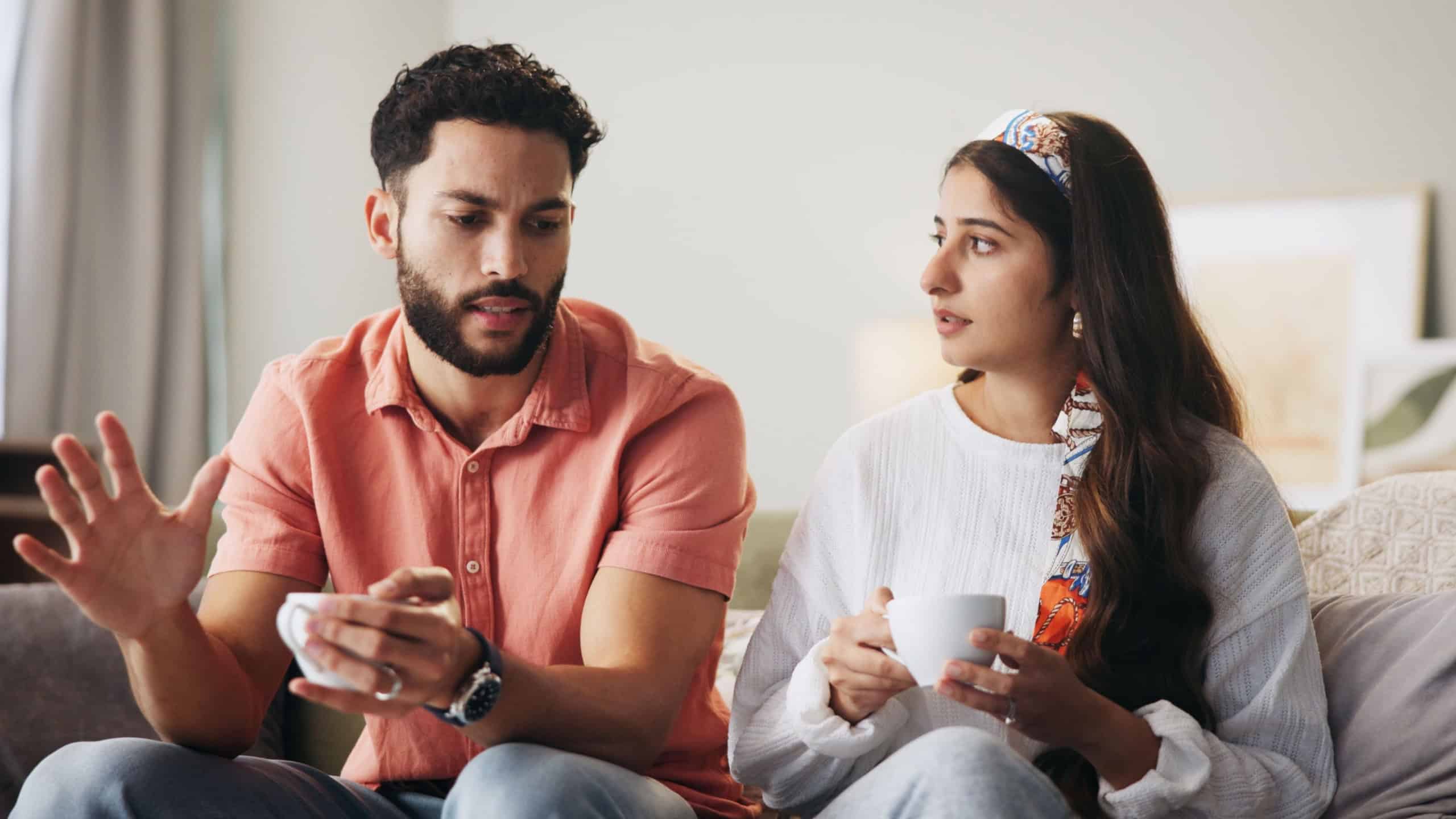
Agreeableness is to do with how cooperative & patient someone can be under pressure. Research on close relationships has found that agreeable partners tend to be more satisfied with how things are with their partner.
The opposite is true for couples with low agreeableness. They tend to be more suspicious or hostile toward the other person, creating more conflict & weaker relationship stability.
Dispositional gratitude

A few people are hard-wired to notice benefits & kindness more easily than others. It’s something that research refers to as “dispositional gratitude.” Couples who share this trait tend to last longer because they have a greater sense of marital satisfaction.
People with more gratitude are going to be more thankful for things in their relationship, even small things that other people might ignore. They’re consistently more positive throughout their daily lives.
Psychological flexibility

How well you adapt emotionally without getting stuck is known as psychological flexibility. Research shows that couples who are psychologically flexible are happier in their relationships since they can adapt more easily to issues.
Rigid thinking patterns are associated more with tension & poor relationship quality. It’s especially a problem during stressful moments or life transitions.
Secure attachment orientation

You won’t find couples with secure attachment panicking about closeness. They won’t pull away when things feel serious, either, because they’re comfortable with relying on each other & expecting support.
Relationship studies have found that anxious or avoidant attachment styles tend to be more common in marriages that end. But couples with secure attachment often go the distance.
Positive idealization tendency

It’s natural for some partners to see each other as being better than they might actually be, and it’s important for relationships that last. Studies of newlyweds found that couples who have an idealized version of each other often maintain their relationship satisfaction.
Such behavior, known as “positive idealization,” also appears to be connected with more stable feelings of love later in life. Seeing your partner in a positive way really does help.
Dispositional optimism

Dispositional optimism also revolves around staying positive, but it has more to do with expecting things to be okay. It happens even when there’s no guarantee. Research indicates that couples with dispositional optimism traits usually feel better about each other.
They tend to last longer because they believe their relationship is going to last. It’s such a belief that keeps their relationship going, almost like a self-fulfilling prophecy.
Empathic concern

Genuinely caring for someone when they’re struggling is called empathic concern. You don’t merely understand their feelings in theory. Couples who show such a trait usually have better relationship quality, according to research.
These couples truly care about the other person & want to make sure that they’re okay. You need that feeling to make sure that your relationship lasts.
Baseline trust tendency

Successful couples know that their partner means them well, unless proven otherwise. They enter their relationship with that fact & it’s what relationship researchers refer to as “baseline trust.”
Couples with such a trait have a default mindset of believing in their partner being there to help them, even when they feel stressed. It’s good for helping their relationship last in the long run.
Global self-esteem

To have global self-esteem means a lot more than being confident on a good day, as it actually involves having a good sense of self-worth over the years. Studies tracking couples’ self-esteem have found that changes in it tend to change relationship satisfaction.
How happy a person feels in themselves affects how they rate the relationship over time. It means that feeling happy about yourself makes you more likely to be happy with your partner.
Openness to experience

You have to want new things in a relationship. This includes wanting to hear new ideas & being flexible mentally, while also having a sense of curiosity about the world that keeps you open to new perspectives.
Research on healthy couples has found that more openness is connected to a more satisfying relationship. It’s this sort of couples that usually lasts.
Sources: Please see here for a complete listing of all sources that were consulted in the preparation of this article.
Like our content? Be sure to follow us.