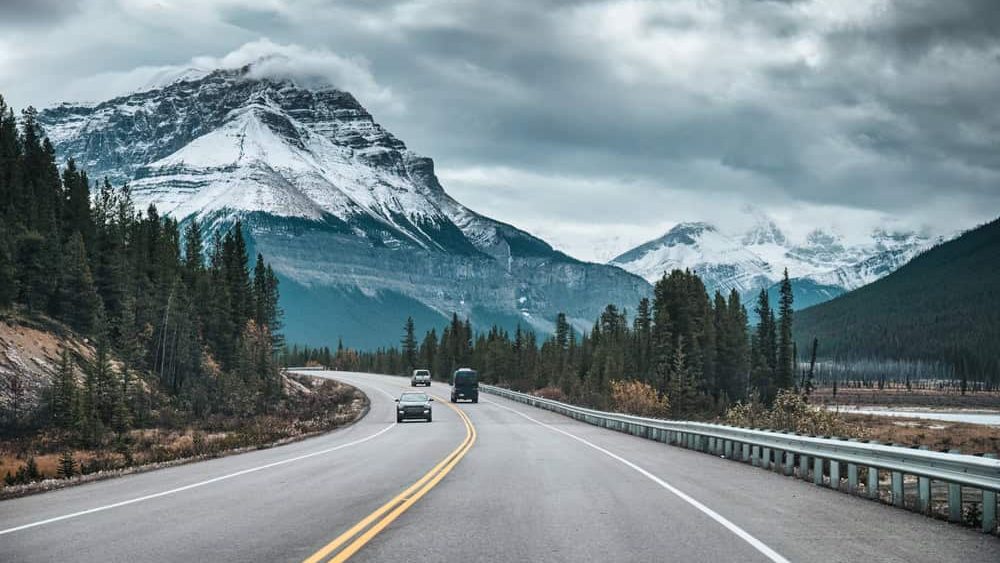
Even experienced American travelers can be caught off guard by these perfectly normal Canadian customs.
Buying fuel in liters instead of gallons
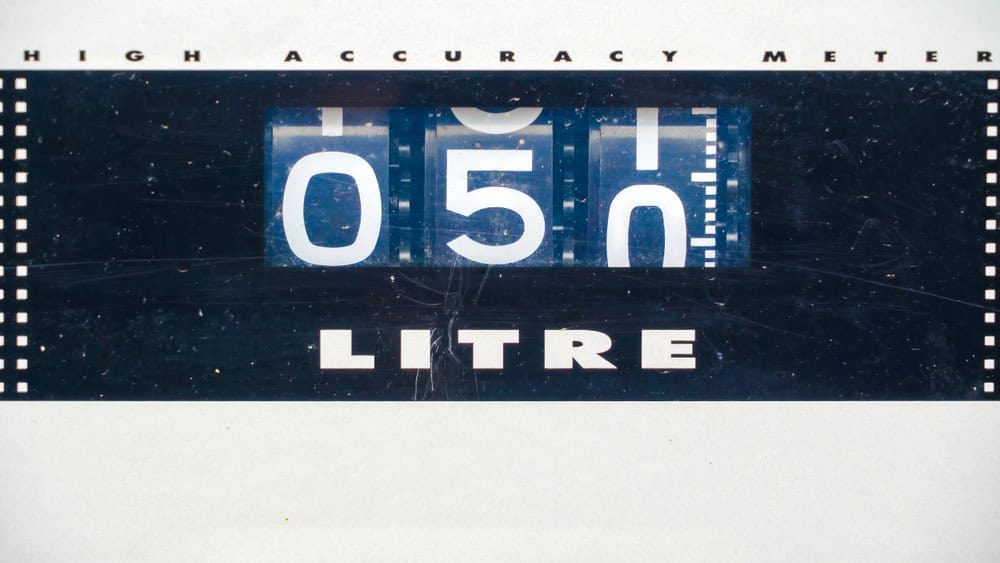
When filling up at the pump in Canada, Americans face an instant math equation. Gas prices are listed by the liter in cents, not by the gallon in dollars. So that price of “155.9” may seem baffling when they’re looking to spend $3.50.
Besides figuring out the exchange rate between Canadian dollars and U.S. dollars, they’ll then need to multiply by approximately 3.78 to see how much it will actually cost to fill up.
Translating speed limits and highway signs from kilometers
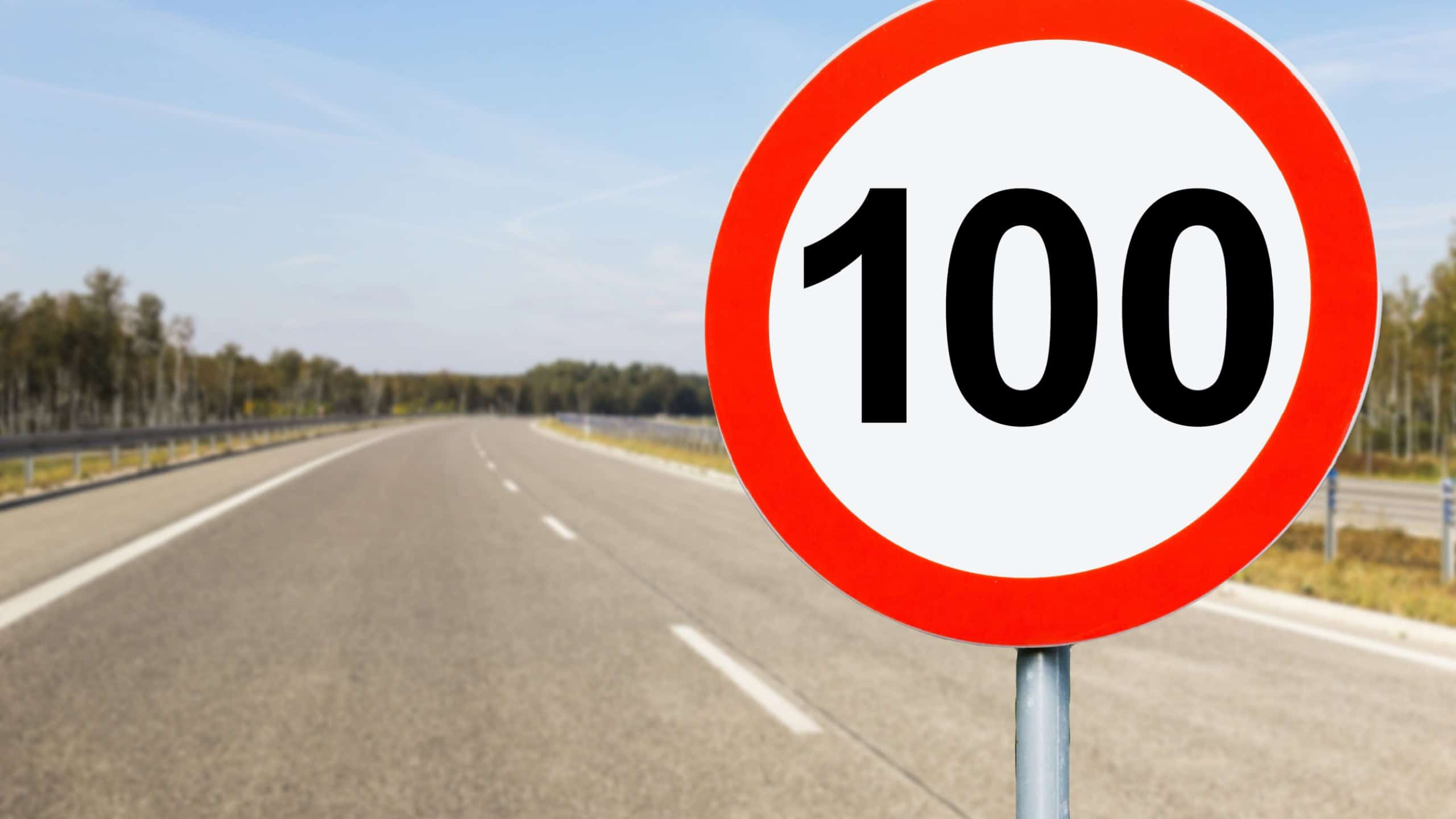
As soon as they pass a Canadian speed limit sign that says “100,” their first reaction may be to slam on the brakes. It takes a bit of time to realize that it’s kilometers per hour, which is about 62 mph.
Road distances on highway navigation signs are also in kilometers. This will make Americans believe their next hotel, bathroom break, or border crossing is farther away than it actually is.
Signs warning about polar bears
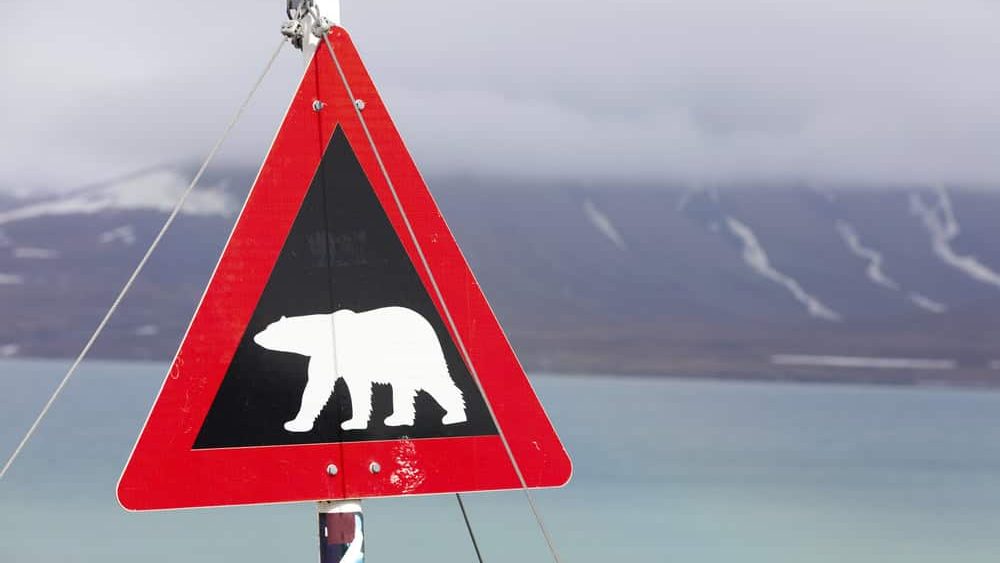
Warning signs about polar bears roaming town are not a tourist gimmick up North. In places like Churchill, Manitoba, polar bears wander the tundra around town and sometimes into town in search of food. There are town protocols to ensure safety from polar bears, such as a Polar Bear Holding Facility and a 24 hr. hotline.
Navigating provincial liquor stores instead of gas stations

When traveling across many states in the U.S., buying beer, wine, or spirits can be as easy as stopping at a gas station/convenience store, drug store, or grocery store. In Canada, regulation of alcohol sales occurs at the provincial level.
Tourists in search of a nightcap may find spirits and wine are sold virtually exclusively through stand-alone provincial government-owned retail stores (LCBO in Ontario, SAQ in Quebec, etc.), which typically close earlier than convenience stores.
Handling high-value pocket change

Americans carry cash in one-dollar and two-dollar bills. Canadians eliminated small-denomination paper bills years ago. They carry large coins instead: the one-dollar “loonie” and two-dollar “toonie.”
Americans who view pocket change as loose often find themselves astonished that coins forgotten in the cup holder of a rental car or on a hotel nightstand add up to thirty or forty dollars worth of actual money.
Ferries operating as essential highway links
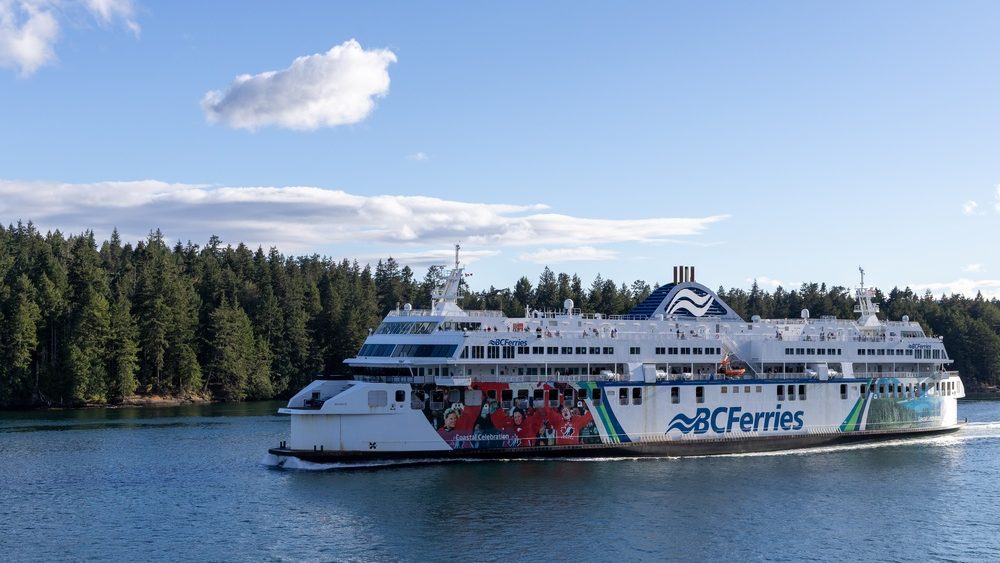
Ferry routes connecting coastal provinces are legally considered part of the highway system. For instance, BC Ferries operates between Vancouver and Vancouver Island and the Gulf Islands, and Marine Atlantic between Nova Scotia and Newfoundland is a constitutionally required ferry link.
Ferries regularly transport commercial transport trucks, commuters, and emergency vehicles. Reservations and staging through highway-style terminals are common.
The Trans-Canada Highway isn’t equivalent to an Interstate
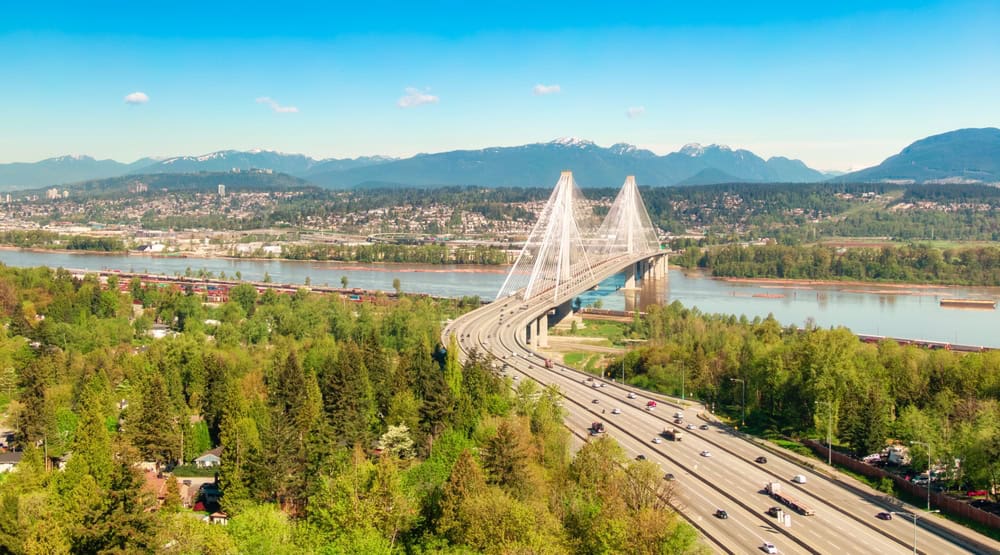
In contrast to the U. S. Interstate Highway System, which requires all highways in the system to be built to controlled-access, multi-lane divided freeway standards, the Trans-Canada Highway is provincially run and varies considerably from province to province.
Only select sections such as Ontario’s Highway 417 or Alberta’s Highway 1 near Calgary are all freeway. Large sections through northern Ontario, British Columbia, and Atlantic Canada consist of undivided two-lane roads with traffic lights, driveway access, and direct routes through small-town main streets.
Asking for the “washroom” instead of the “restroom”
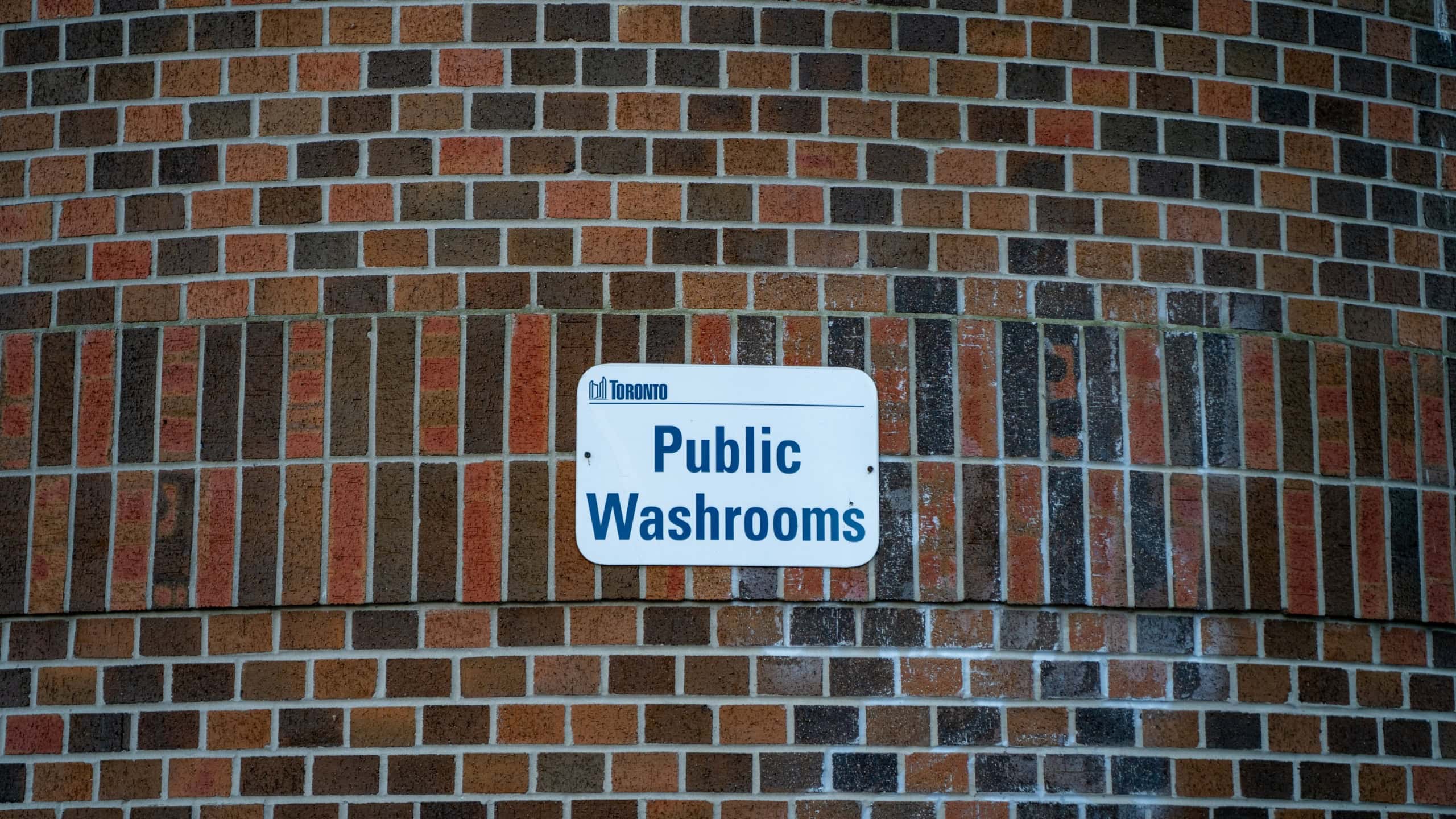
A North American asking how to locate the “restroom” will not be misinterpreted, but by and large Canadians call public facilities the “washroom.” Directional signage within restaurants, malls, airports, parks and attractions from coast to coast will proudly display “Washrooms.” It’s a small language difference, but one quickly detected by American visitors searching for somewhere to go.
Dual-language signs and tourism info
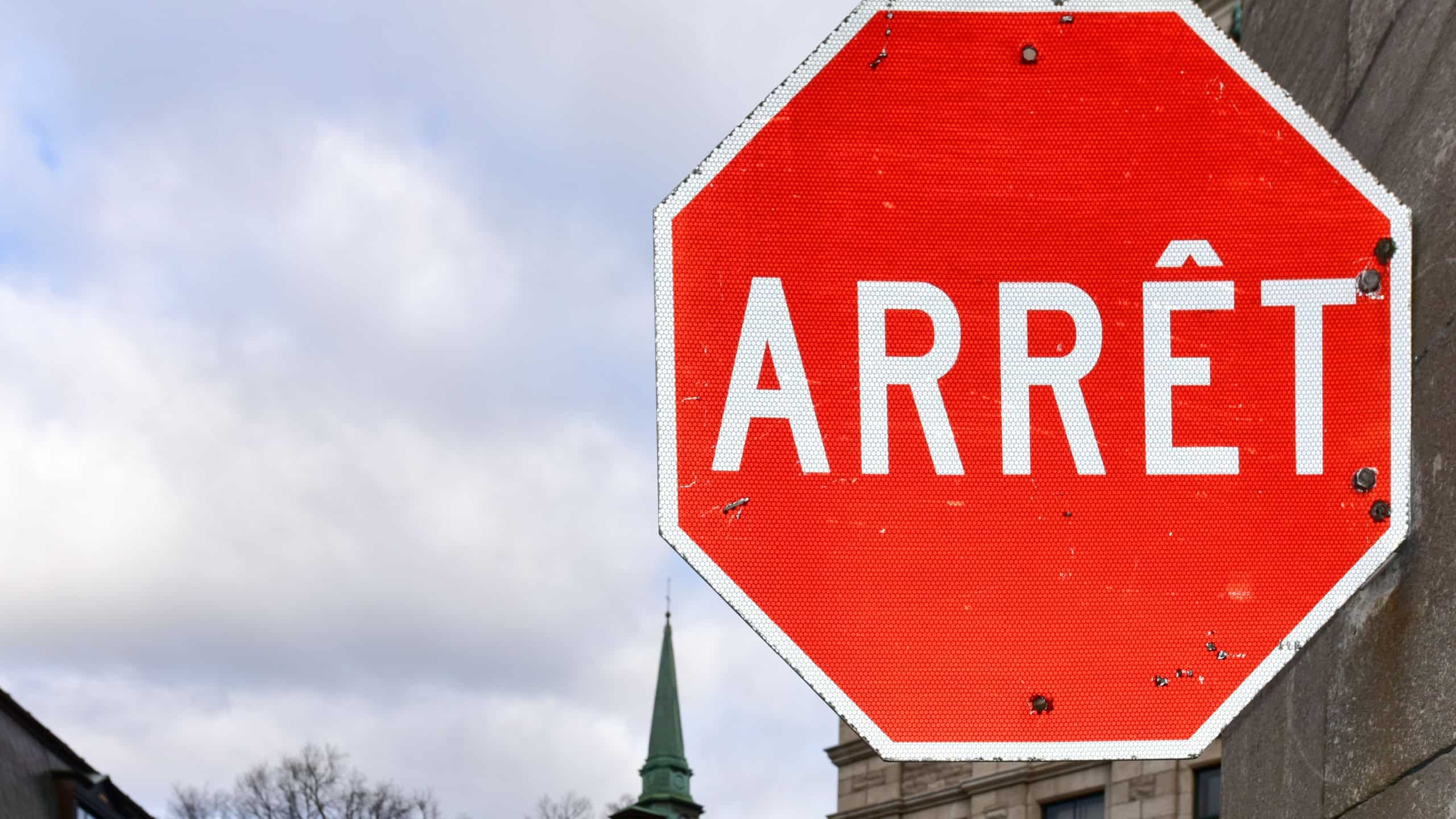
Federal legislation mandates bilingualism everywhere in Canada. Every sign in a national park, transit announcement, safety placard, and packaged good must include both English and French.
Tourists from the United States who venture through English-speaking provinces such as Ontario or Alberta are often astonished by French text everywhere on their tourist maps, on the uniforms of park rangers, and at visitor centres.
Taking winter driving conditions very seriously
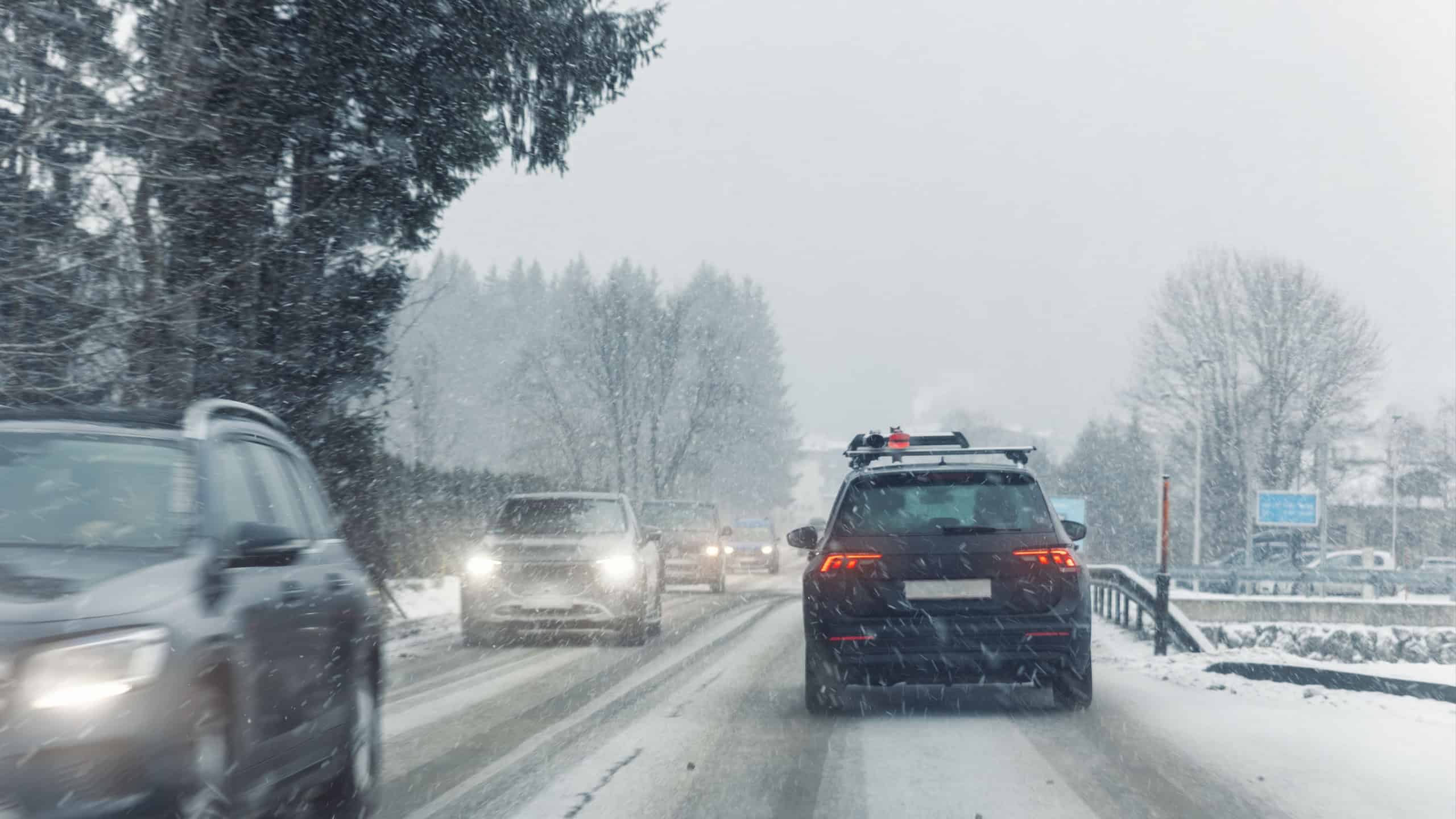
Rather than being seen as a seasonal inconvenience, winter weather drives commuters to routinely prepare their cars with winter tires, reinforced snow brushes and winter washer fluid, as well as keeping first aid kits and emergency blankets in their vehicles.
Winter tires are required by law in some Canadian provinces such as Quebec during the winter months, which often astonishes American drivers used to driving with all-season tires.
Like our content? Be sure to follow us.