
You’d be forgiven for thinking that Canadians and Americans speak the same language. Because they do. But what’s different is how parts of everyday language don’t work the same way on either side of the border, including some slang that’s used solely in Canada.
Some of these words come from our French history & others are from brands that didn’t have as big a presence down south. Here are ten Canadian slang words that many Americans (and some Canadians) may not know. Which of these do you think is the most confusing?
Dart

You don’t necessarily throw a dart in Canada because the word is something that we use to refer to cigarettes. It’s one of those slang phrases that has managed to last across the ages & in different regions across the country, but never really made it to the United States.
Americans who hear a Canadian say they’re “going out for a dart” likely imagine the other person going for a pub game. They don’t have the context to know that it refers to a smoke break.
Pogey

Many Canadians still refer to unemployment insurance benefits with the name “pogey.” The slang first emerged during the early 1900s, and it has stuck around ever since then. Yet the majority of Americans don’t use the word at all.
They’re going to be confused if you tell them that someone’s “on pogey” right now. They might even think that you’re talking about a person being on a pogo stick since “pogey” doesn’t exist as a slang term over there.
Freezie

We use “freezie” to talk about a frozen juice treat that comes in a clear plastic tube. You’ll find freezies stacked in most Canadians’ freezers all summer, and the name comes from the “Mr. Freeze” branding. The company’s name stuck around here.
Sure, some Americans may use the phrase “freeze pop.” Yet they’ll probably struggle to understand a Canadian talking about “grabbing a freezie.”
Hang a larry

You won’t hear many Americans saying they’re going to “hang a larry” because the term is a Canadian exclusive. It simply means to turn left. The phrase usually shows up when someone’s giving rushed directions & many Canadians understand exactly what it means.
Yet Americans are more used to plain directions. The phrase “hang a larry at the lights” can come across as rather unusual to them because they’re unlikely to have heard it before.
Hang a roger
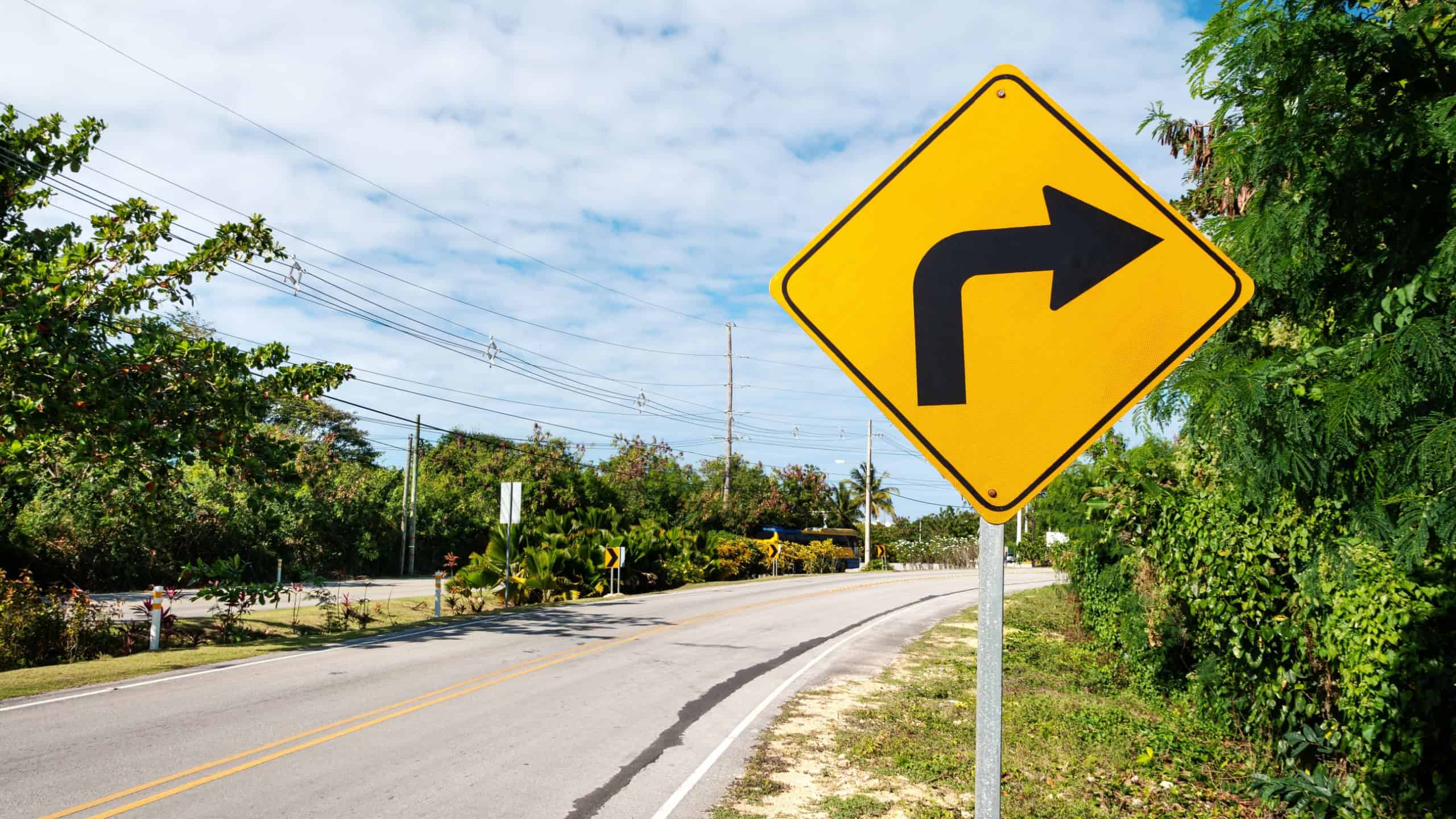
That’s not all for directions. The opposite of “hang a larry” is “hang a roger,” which means to turn right, and quite a few Canadians treat the two phrases as a pair during casual driving. It may take a little time for Americans to work out what exactly the phrase means.
They’ll only do so after understanding the context, and it’s confusing for them because “roger” already exists in radio speech. The phrase doesn’t suggest a direction on its own.
Give’r

To ‘give’r’ is to put in all the effort & push ahead. Sources like the Dictionary of Canadianisms have found that the term is quite popular in sports conversations, especially hockey. But you’re likely to hear it in all sorts of Canadian conversations.
Americans who are unfamiliar with the term might read it as being some sort of poor spelling, rather than a set slang phrase. You might want to explain when you tell them to “give’r.” They don’t have the shared context that we do.
Gas bar

A “gas bar” in Canada refers to a fuel station that lacks the mechanical service bays that you might find in repair shops or full service stations. Americans almost exclusively use the phrase “gas station,” so it’s hard for them to know what a gas bar is.
They might hear “bar” & imagine something entirely different from a place to get your car filled.
Stag and doe

It’s a common mistake to think that a bachelor/bachelorette party is the same as a stag & doe event. But they’re not. You raise money during a stag & doe party for the couple, and it often features games or raffles. Some Canadian regions also refer to it as a “buck and doe.”
These parties are often more like mixed events that both friends & neighbors can attend, rather than only the groom’s or bride’s loved ones. They can get as wild as bachelor/bachelorette parties, though.
Dep

It’s no secret that people in Quebec speak French, and one of their common words is “dépanneur,” which refers to the corner store. What makes the word confusing is when people shorten it. You’ll hear people using the phrase “dep” to talk about the same place, whether they’re going to get snacks or drinks.
Americans lack our context of Quebec French. As a result, it’s harder for them to recognize what a “dep” actually is, even though they have them in every town down south.
Gong show

It’s a little ironic that many Americans won’t know what “Gong show” means because the slang comes from the American TV show of the same name. It evolved to mean a messy or awkward situation in Canada.
There are a few Americans who might recognize the show’s name, but it’s rather unlikely that they’ll know how to use it to talk about everyday situations in the real world. It’s not that common over there.
Sources: Please see here for a complete listing of all sources that were consulted in the preparation of this article.
Like our content? Be sure to follow us.