
American students often think that Canadian schools feel familiar at first glance, especially since the language & most of the day-to-day customs are similar. Yet it’s the school traditions that really get people. We have a few customs up north that are part of our provincial rules, or shared national moments, that may confuse some U.S. students.
These are things that we barely notice anymore, yet they stand out quite a bit for American newcomers. Here are ten Canadian school traditions that seem strange to U.S. students. What other traditions do you think Americans find strange?
Wearing orange for September 30 at school

You’ll find the majority of Canadian school students & teachers dressed entirely in orange on September 30th. It’s a way for us to mark the National Day for Truth and Reconciliation, a holiday that some of us Canadians take quite seriously.
Federal guidance actually encourages people to participate in all aspects of this festival. School boards will share classroom materials to explain why we wear orange that day, yet Americans don’t celebrate such a holiday in their country. It can be a little unusual for them.
French-Canadian winter carnival weeks at school

French-speaking parts of the country often have a full Carnaval week during winter, with organized themed days & French activities. A lot of the cultural events are directly related to Francophone traditions that most Americans aren’t familiar with.
These schools will refer to the event as Carnaval d’hiver, and they treat it as more of a recurring school tradition than a single lesson. The celebrations sometimes last an entire week.
Maple sugar bush or cabane à sucre
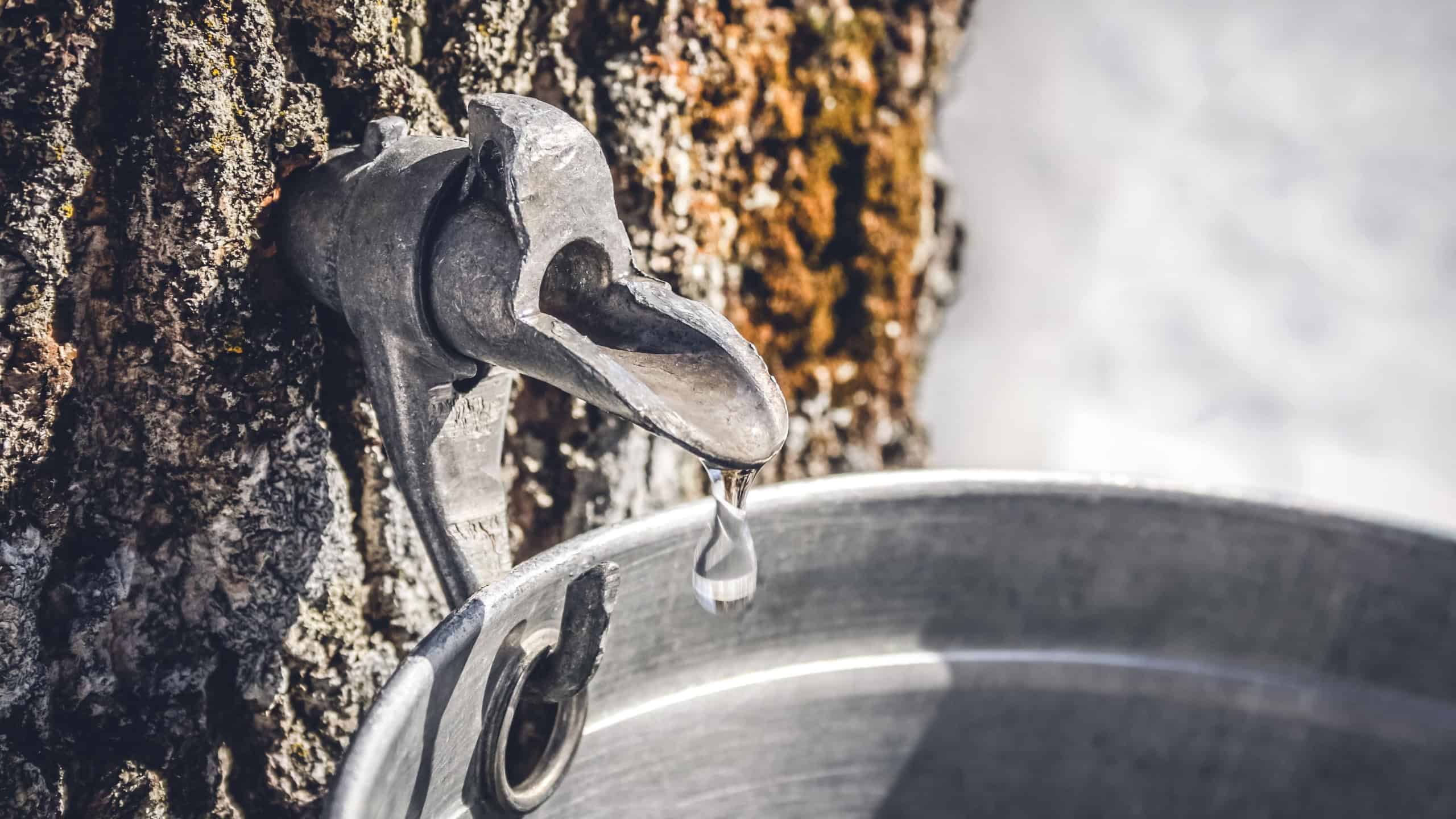
You can’t get more Canadian than maple syrup, and that’s one of the reasons why so many Canadian schools have made maple season part of their schedule. Classes visit sugar bushes & watch farmers collect the sap. They’ll also learn about how the farmers make maple syrup.
In fact, a few of these trips include tastings & hands-on activities during the school day, and that can be quite unusual to Americans who don’t share the same connection to the sweet treat. They don’t always get why it’s so important.
Forty community involvement hours

Students have to do more than simply pass classes to graduate from high school in a few provinces. They have to log at least 40 hours of community involvement before they receive their diplomas, and many students begin volunteering quite early.
The schools track each student’s hours carefully. That tends to surprise many Americans, as very few schools in the United States follow the same requirements.
Land acknowledgements read at the start of the day
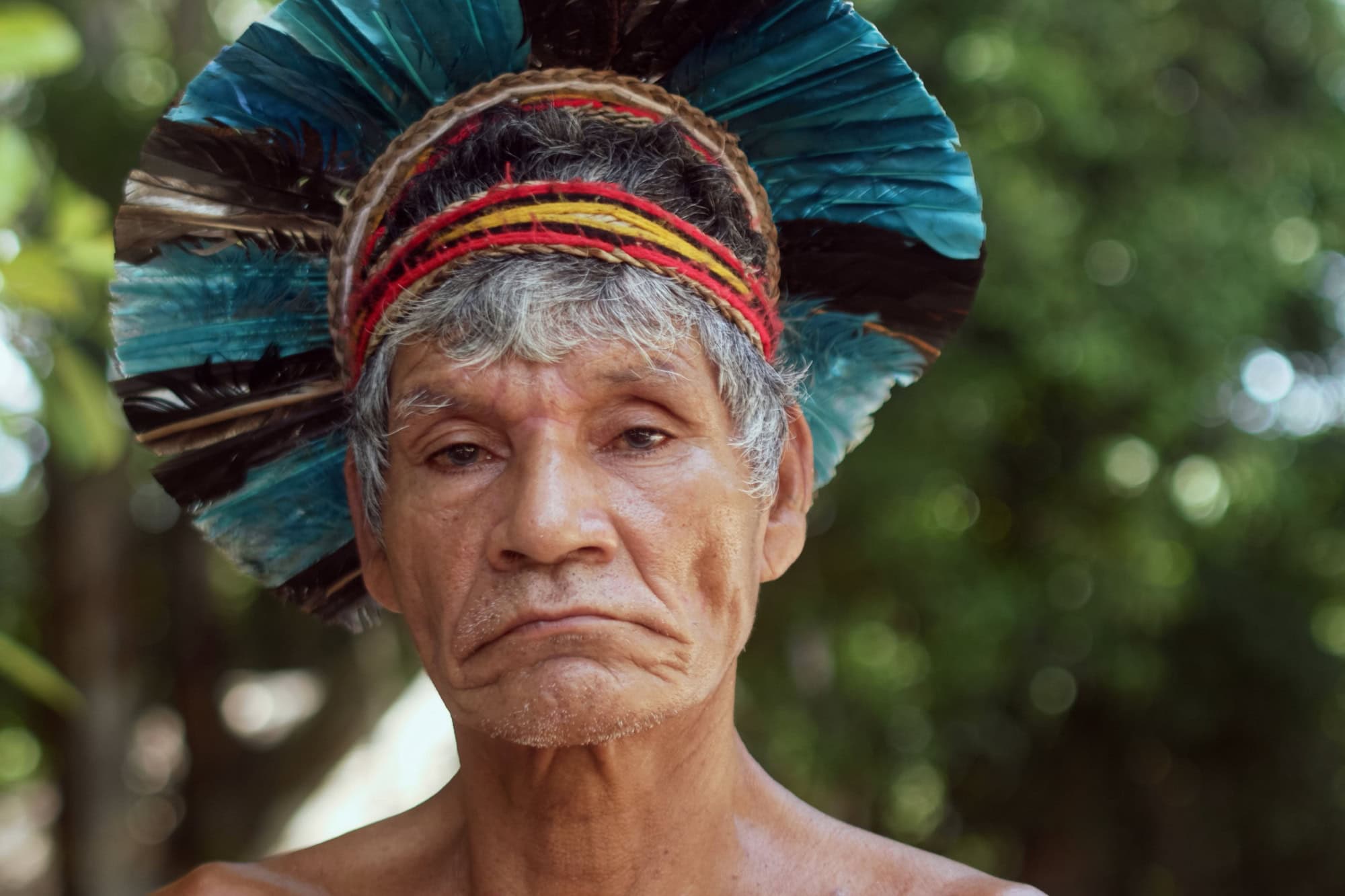
A few Canadian school boards will include a land acknowledgement as part of their morning announcements, while others will make it part of special events. The acknowledgement contains specific writing that the boards approve.
It involves recognizing the Indigenous people & communities who lived on Canadian soil before the arrival of the Europeans. Hearing such open recognition of the past can be a little strange to some Americans.
Indigenous performances at assemblies
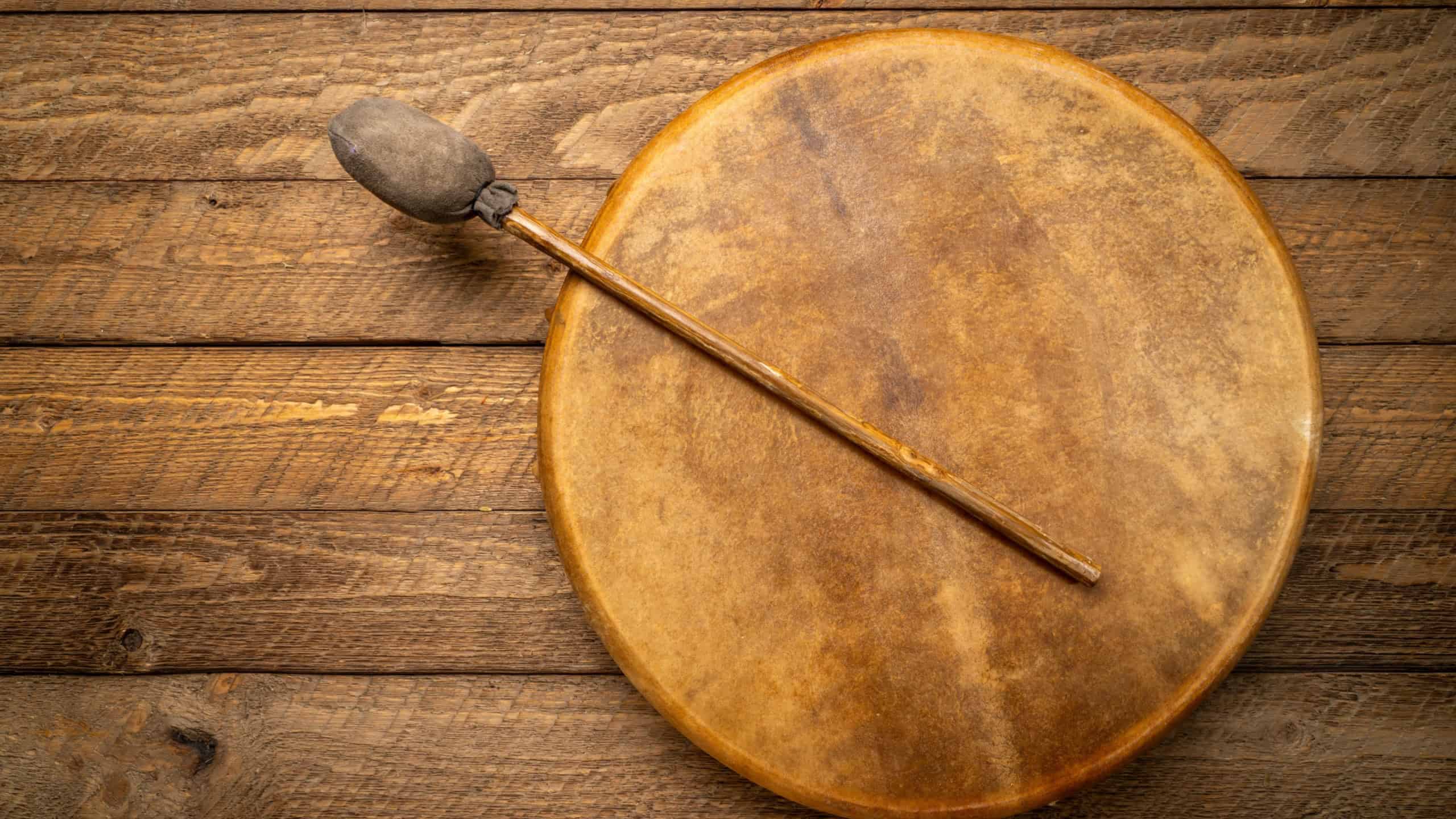
Indigenous performers occasionally make appearances at Canadian school assemblies. The students get to experience seeing Métis jigging & hearing Inuit throat singing. They may also watch First Nations drumming performances during these events.
It’s not something that many Americans are exposed to, especially on a regular basis. No wonder they find it strange.
Broomball
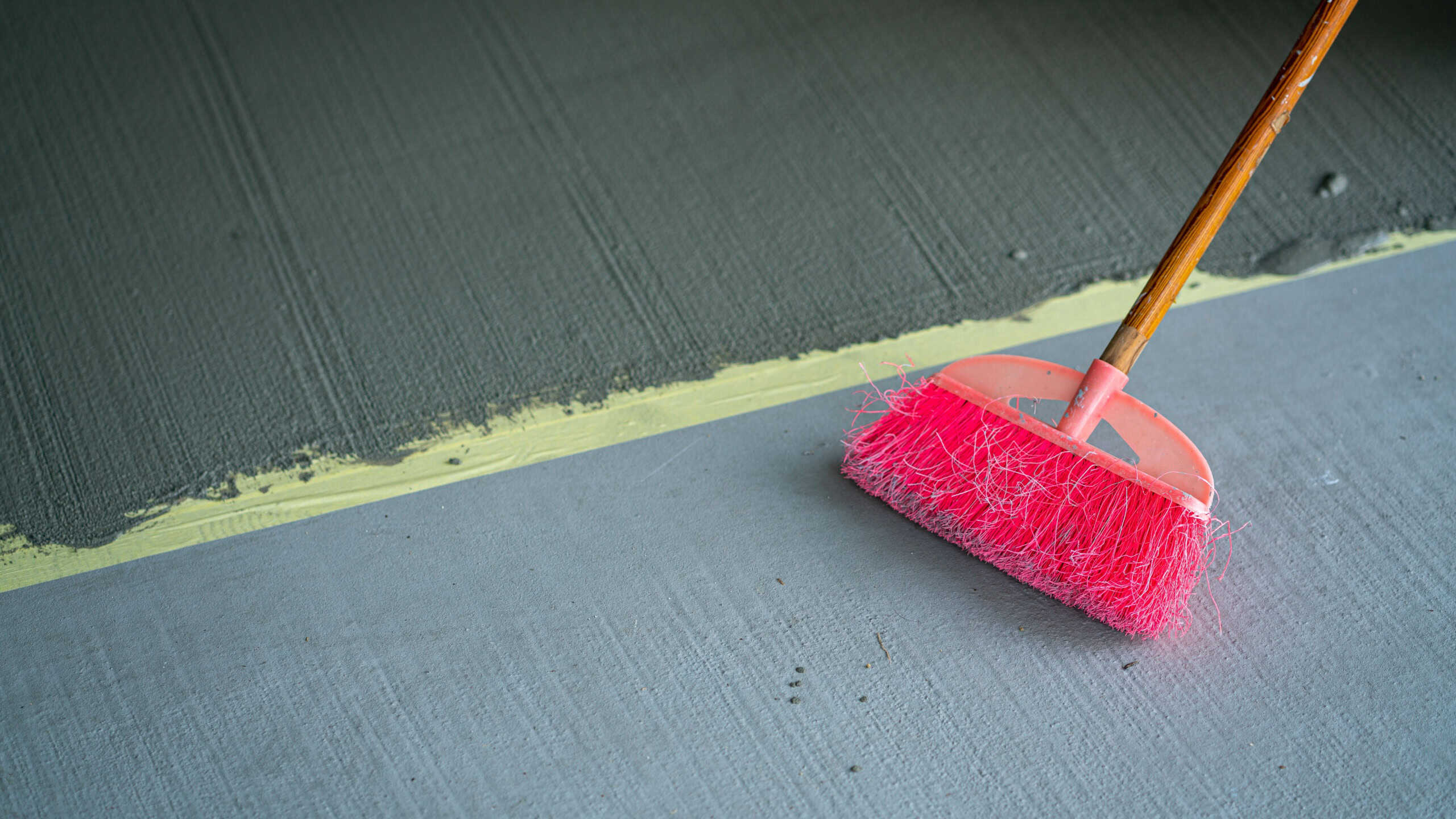
Broomball is a real sport that quite a few Canadian schools teach during Physical Education rotations. As you might’ve guessed, you’ll need a broom & ball to play. It’s a sport that you can play either indoors or outdoors, even during the winter, and is a standard sport in some schools.
Many American students have never heard of it. Seeing students play the game can be odd because it’s not something that they’re at all familiar with.
February Family Day

Yes, some Americans do celebrate Family Day. But it’s not something that’s on their school calendars like it is in Canada, and several provinces actually have a break in February specifically for this day. The date sometimes stretches into a long weekend.
It doesn’t exist as a statutory holiday in the United States in the same way, and many Americans are surprised to see Canadian schools stop entirely for it.
Students changing shoes at the classroom door
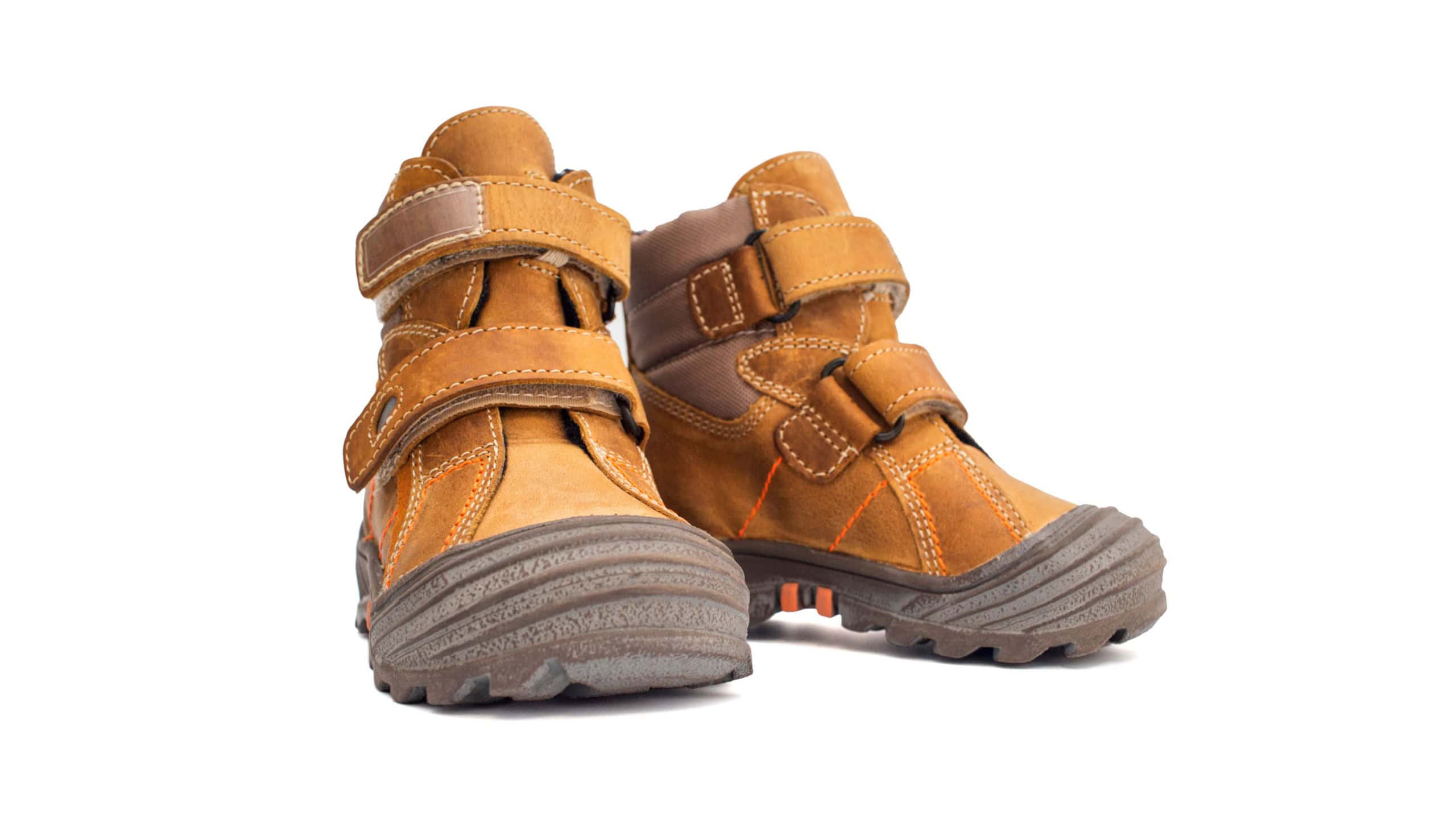
A few areas in America do get heavy snow, so students living in these areas will change their shoes at the classroom door. Yet people living outside of these areas are often quite surprised to learn that changing your shoes at the classroom door is a standard habit in Canada.
In fact, teachers factor in time for students to do so, sometimes more than once a day. It’s a normal part of the school schedule because teachers don’t want students tracking dirt from outside into the classroom.
Moose hide campaigns and ceremonies in schools

Several schools in Western Canada take part in the Moose Hide Campaign throughout the school year. Students attend assemblies & wear small moose hide pins while learning about the campaign’s meaning through activities across the school.
Quite a few Americans have never seen a moose in real life before, so the idea of a moose hide campaign is rather foreign to them.
Sources: Please see here for a complete listing of all sources that were consulted in the preparation of this article.
Like our content? Be sure to follow us.