
Most Canadians & Americans assume they’re doing the same things socially, only with different accents. But that’s not always true. Many Americans misunderstand Canadians because they don’t recognize the wordless habits that their northern neighbors have.
These are things that occur in schools & shops, even during national events, and only really make sense to us Canadians. Here are ten gestures and social cues Americans often misread. Have you ever seen these confuse someone before?
Shoes off at the door
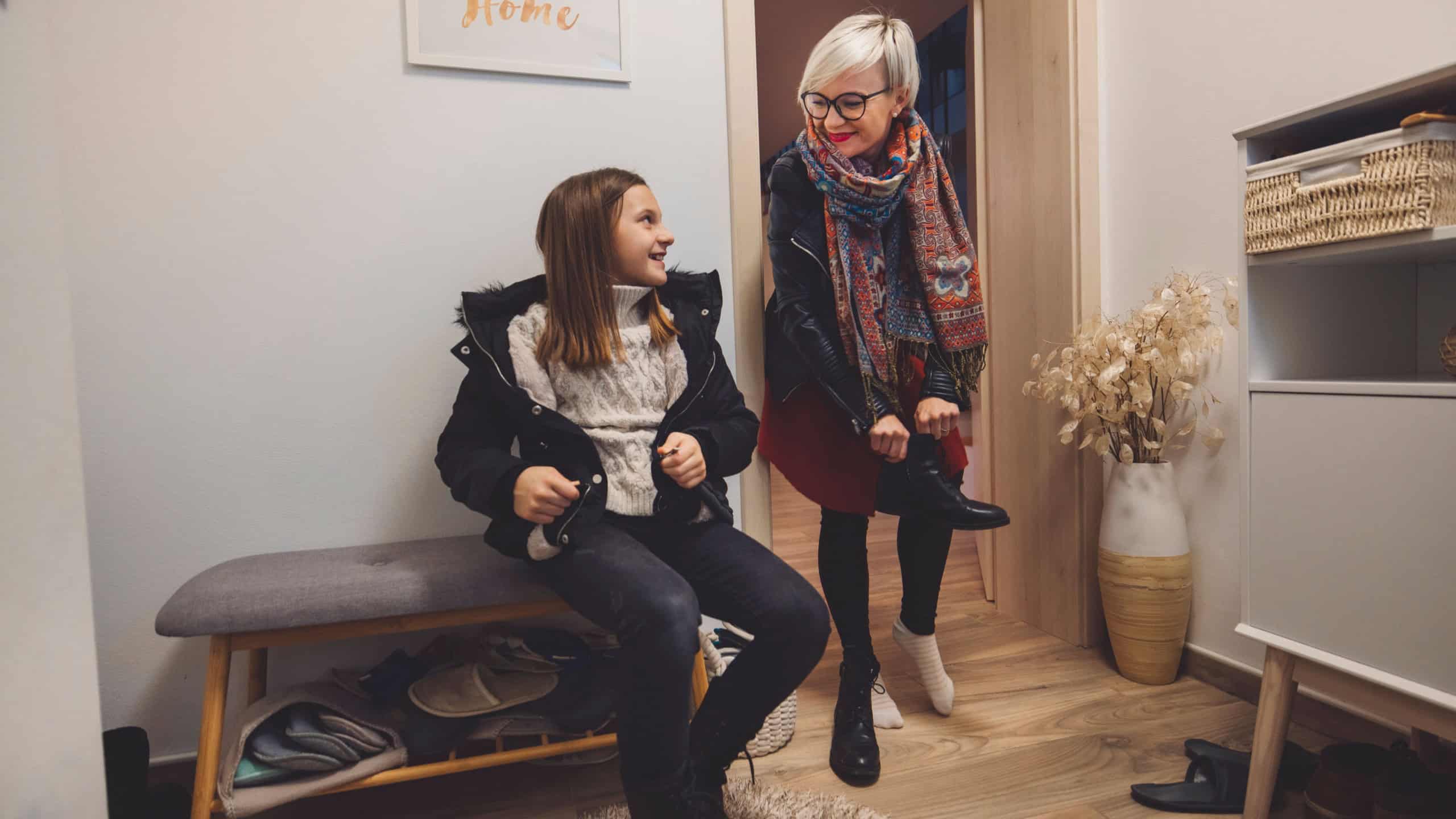
Guests in Canadian homes tend to remove their outdoor shoes without their host asking them to do so, and it’s often seen as a sign of cleanliness. Nobody wants to track in dirt or salt. But the habit isn’t so common in the United States, and they’ll keep their shoes on out of habit.
They’ll read the silence from the host as permission, rather than expectations. It’s during that moment that misunderstanding begins.
Cheek-kiss greeting in francophone settings

It’s completely normal in Quebec & other francophone spaces to greet your friends with light cheek kisses. These usually start on the left. However, many Americans don’t have the cultural context that we do, and they sometimes assume that the cheek-kiss greeting is a European thing.
They might pull back or turn the wrong way when someone approaches them to give them a kiss. It looks rather awkward, despite the fact that the issue is more of a timing mismatch than anything.
A wider personal-space bubble
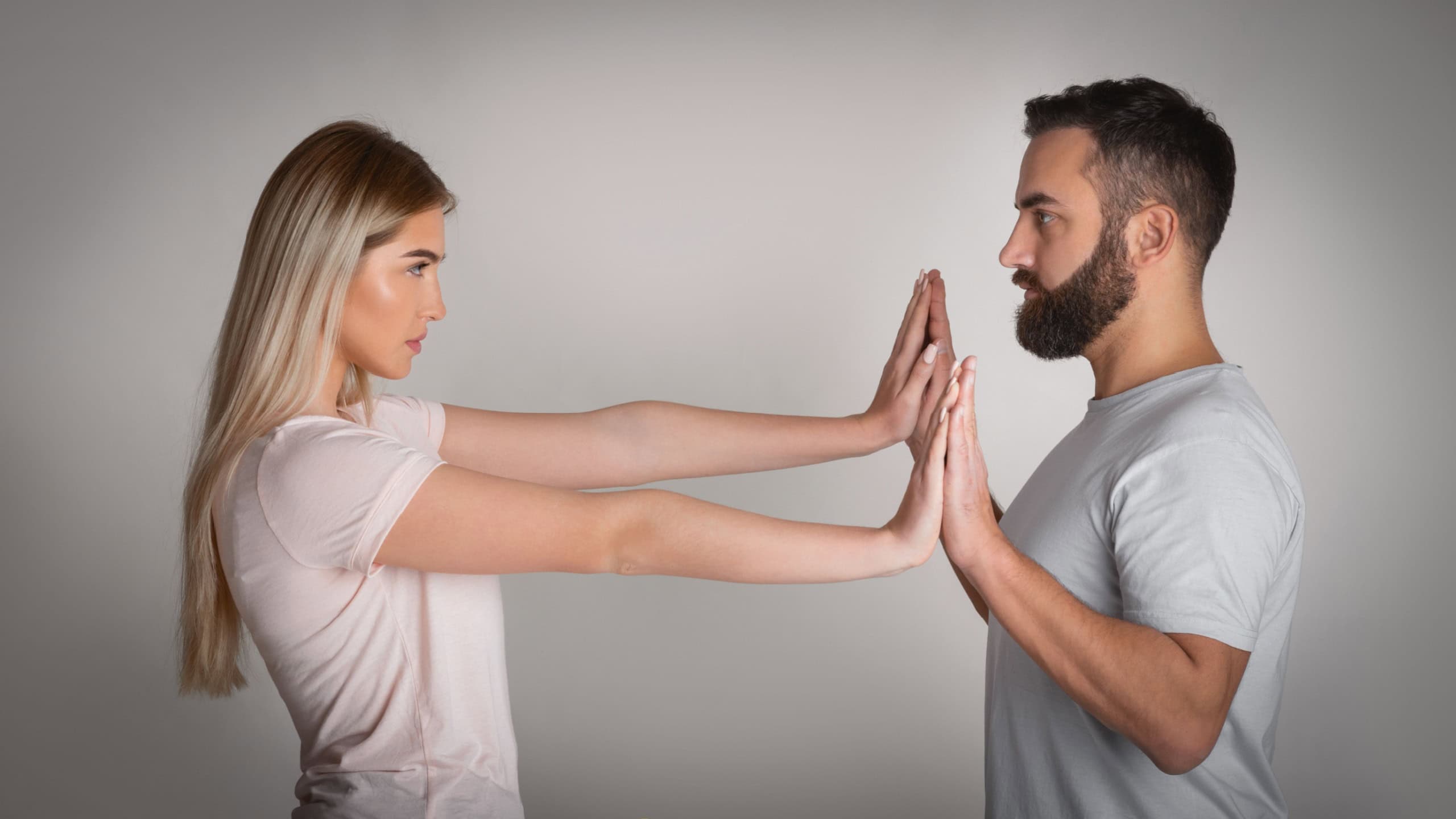
Many Americans don’t realize that English-speaking Canadians prefer to have more distance during conversations. But it’s something that research has found does exist. Any Americans who are used to closer distance during conversations may step closer without thinking.
They might misread a small step back as the other person feeling uncomfortable, yet the truth is that it’s a normal part of how people talk here. It’s not meant to be a sign of rudeness.
Limiting large hand gestures unless close

Another similar issue comes with hand gestures, as many Americans don’t recognize that everyday Canadian conversations come with calmer gestures. Communication research has found that Canadians prefer smaller & tighter hand movements during conversations.
The rule is especially important when you’re talking to people you don’t know well. Using too many big arm movements may cause Canadians to go quiet, and Americans may not realize a lack of gesture doesn’t equal less interest. It’s simply a different comfort level.
Hockey stick-tap applause
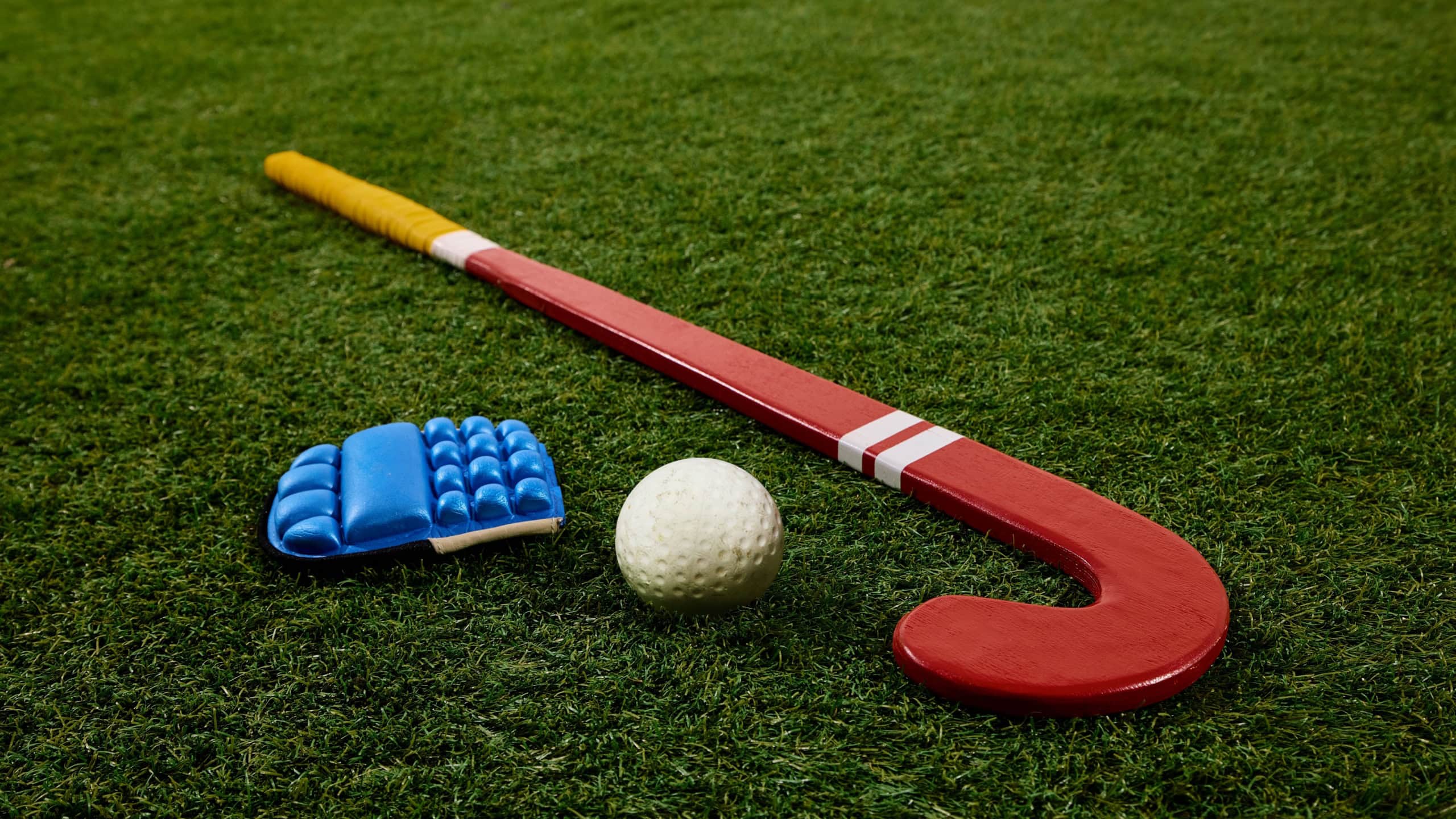
It’s no secret that hockey culture is big in Canada, and an important part of it involves showing your support by tapping sticks on the ice. Some people will use their boards instead of clapping.
However, quite a few Americans aren’t as familiar with the culture of the rink, so they might misread people doing these gestures. They may see such behavior as a sign of frustration. But really, it’s meant to be a positive response that comes from gloves & equipment.
Bagging your own groceries without being asked

You’re not supposed to wait to be told what to do in Canadian grocery stores. Locals understand that they’re supposed to reach for the bags & start packing items as soon as the cashier starts scanning.
It’s not something that every American recognizes. They often pause because they’re expecting direction, and may later feel like the cashier is rushing them as the groceries start to pile up. They don’t necessarily understand that starting to bag is meant as a signal that you’re helping.
Quebec’s “okay” thumb-circle

Ask any American, and they’ll tell you that a thumb-and-forefinger circle is a symbol that’s meant to mean “okay” or “all good.” But not Quebec. French culture takes it to mean “nothing” or “zero,” and it’s something that was passed on to French speakers in Canada.
Americans who use the gesture as a sign of approval may not realize that they’re actually being somewhat dismissive to a few Canadian speakers. It really doesn’t matter that they’re trying to show their support.
Hesitating on the last piece

Canadians tend to pause when there’s a single piece of food left on a shared plate. They might hover their hands, but then they’ll immediately pull back because the social cue is to offer it around first.
Grabbing the last piece immediately may come across as a little rude. Most Americans are used to being direct, and they don’t understand that taking it without thinking is a social mistake. The pause before grabbing the food is the social cue itself.
The bus thank-you

Bus passengers in many Canadian cities will make sure to tell the driver “thank you” before they get off the bus, no matter that they might be sitting near the back doors. They’ll make the effort to carry their gratitude forward.
Unfortunately, quite a few Americans may exit silently since they assume that tapping was enough. It’s actually something Canadian transit etiquette guides have spoken about. You run the danger of coming across as absent-minded, or even rude, by skipping such a gesture.
The Inuit nose-press greeting

A kunik is a kind of close-family greeting that’s popular in Nunavut among Inuit communities. It involves pressing your nose & upper lip gently against the other person’s cheek or forehead. Many Americans aren’t familiar with a greeting like this.
They may mistake it for playfulness or something that’s meant to be a kiss. But it’s not. It has a rather important meaning within Inuit families, and has a context to it that Americans don’t always have.
Sources: Please see here for a complete listing of all sources that were consulted in the preparation of this article.
Like our content? Be sure to follow us.