
Canada didn’t simply decide to copy American systems all at once. No, the things the country copied came in one at a time, with one rule change here or a pilot program there.
It’s mostly because these systems were sold as modernization or looked easier than building something new. But mimicking American systems didn’t always work so well.
Here are ten American systems that Canada regrets copying & the reasons why people feel that way. Which of these would you like to turn back the most?
Credit scores
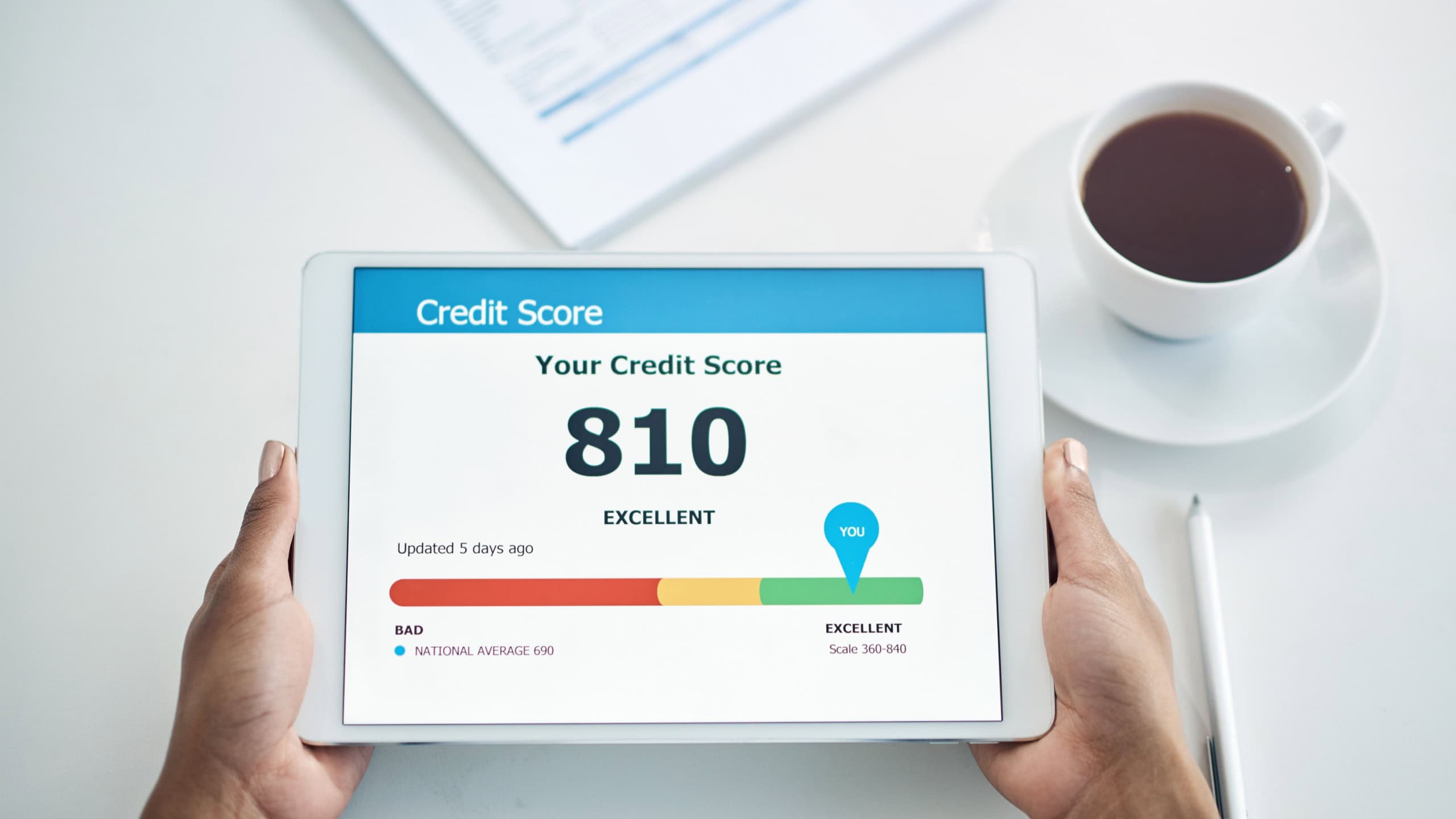
The credit system in Canada is almost a mirror image of the American system, and it relies on private bureaus like Equifax & TransUnion. These groups also use FICO-style scoring. However, many Canadians have to deal with errors and frozen files, along with limited transparency.
There are very few fast fixes. In fact, the majority of federal guidance on credit scores relies on damage control over any kind of meaningful reform of the system.
Payday loan storefront lending

Payday lending came up north from America during the 1990s. It didn’t take long for it to spread. Later, provinces had to step in after ballooning debt cycles became more common, and it’s something that some Canadians wish had never crossed over into the country.
There are attempts to limit some of the damage, such as the caps on payday loan costs. But even that’s a sign that the payday loan system has created a lot of damage, rather than short-term help.
Police stationed in schools

The idea of having police officers in Canadian schools came directly from our southern neighbours, and Canadian school boards adopted the practice with the hopes that it would keep people safe. Sadly, it’s had far too many issues.
There have been many complaints over the years regarding student profiling and uneven enforcement. The issue became so bad that Toronto ended its school resource officer program in 2017, with many other districts following soon after.
Tough-on-crime mandatory minimum sentences

During the 2000s, the amount of mandatory minimum sentencing increased as a way of copying American crime policy. The goal was to reduce crime nationally. But in reality, courts ended up striking down several provisions in the sentencing options because they were unconstitutional.
Even the federal government has rolled back large parts of the framework. As such, it seems that Canadians don’t exactly view the program as something successful or useful.
Charter schools

Alberta officially adopted the American charter school model during the 1990s. But perhaps it wishes it hadn’t. Sure, the scope of the charter models is limited, yet there’s quite a bit of controversy surrounding the models over issues like accountability and funding.
Governments have a stricter grip on charter school growth as a result. Some people are also worried about how these schools provide uneven access compared to public schools, and that’s why they regret copying such a model.
Competitive electricity-market deregulation

In 2002, provinces like Ontario decided that they would copy America’s electricity market regulation. Officials probably wished they never had. The price increases followed almost immediately, and the province had to freeze the rates months later.
Alberta has still kept its deregulated system. However, both Ontario & Alberta rely quite a bit on using rebates and subsidies to deal with the costs.
Interest-charging federal student loans

Canada ran its student loan program a lot like the United States for many decades, and it charged interest during repayment. That is, until public pressure changed things.
Ottawa permanently eliminated interest on federal student loans in 2023 and appeared to admit that the structure wasn’t working as they had hoped. The American system simply didn’t work.
Civil asset forfeiture laws

It’s thanks to provincial laws like Ontario’s Civil Remedies Act that civil asset forfeiture became a standard Canadian system. The Act is based on American seizure rules. But today, many Canadians feel frustrated by the fact that it’s so easy for their property to be seized without a conviction.
It can take you years to get back your money or vehicles, and that’s why courts and lawyers keep pushing for tighter limits.
Privatized toll highways

Highway 407 was sold off in Canada as part of an American-style toll road deal, and it gave private control over the road for decades. But maybe it shouldn’t. So many Canadians are bothered by the tolls, as well as the lack of leverage.
Prices on the highway keep climbing and enforcement of payment is quite aggressive. Unfortunately, even the government has had to admit it can’t fix a lot of the issues.
For-profit long-term care ownership

For-profit care chains are rather popular in the United States. As a result, it wasn’t long before similar systems became widespread in Canada, although the issues that came with these systems probably weren’t expected.
Reports have linked for-profit long-term care facilities with staffing shortages and weaker oversight. In fact, several provinces are trying to reduce their reliance on these systems because they don’t seem to fit the values of public healthcare.
Sources: Please see here for a complete listing of all sources that were consulted in the preparation of this article.
Like our content? Be sure to follow us.