
Money habits are often influenced by the systems we grow up around. Even slight differences between countries can feel foreign or unexpected.
Canadian and American banks may seem similar on the surface, but people’s day-to-day habits of paying, sending, and managing money differ greatly. Here are a few of them that may surprise you.
Using paper checks for everything
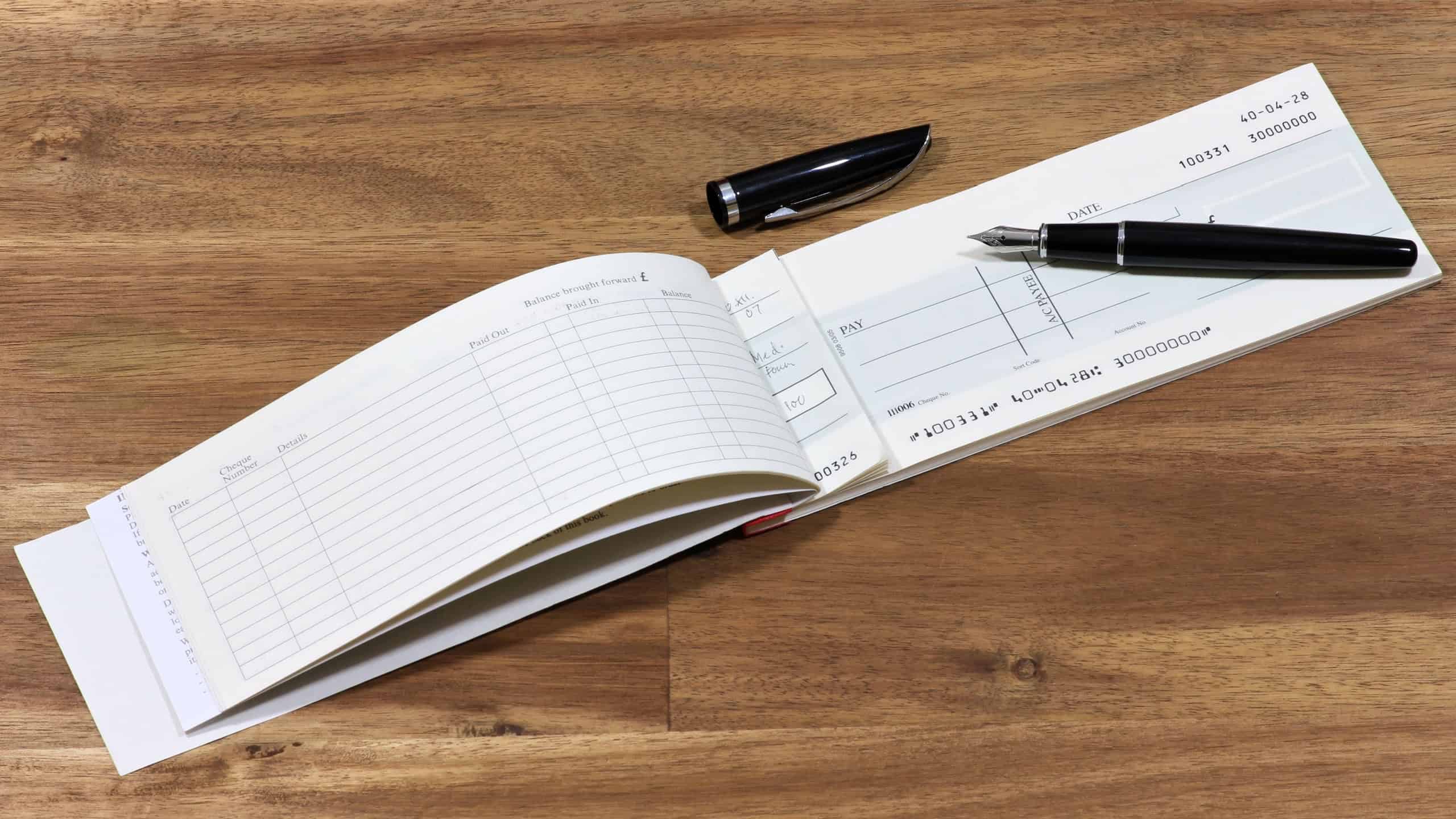
Physical checks are mostly no longer used in Canada. People simply use an e-Transfer on their phone to instantly send money to another person.
Meanwhile, writing checks is still quite common in the US. People use them to pay rent every month, cover utility bills, or even give their friends some cash.
Most Canadians would consider bringing a checkbook with them similar to carrying an antiquated cassette player, because they rarely deal with physical checks anymore.
Handing over credit cards at restaurants

This is one of the biggest culture shocks Canadians experience when dining in the US. Canadians have the server bring their own portable machine right to their table to tap or enter their PIN.
Americans, on the other hand, are used to handing their credit card over to their server. They then walk away to swipe it at a computer by themselves.
Canadians find this entire ordeal scary as they’re not used to having their credit card out of their sight.
Continuing to use the penny

Canada eliminated the penny back in 2013 as it cost more to produce them than they were actually worth. If Canadians pay in cash, their bill will simply be rounded up to the nearest five cents.
Americans, however, still use pennies for every transaction imaginable. Canadians visiting America find themselves with pockets full of pennies. Many consider them annoying to carry around and useless to spend.
Signing for purchases instead of using PINs

Canada has been on Chip and PIN technology for over a decade now. They enter their secret 4-digit PIN when they buy something.
Americans, on the other hand still use signatures; Instead of entering a PIN code, they simply sign on a screen or piece of paper.
This feels extremely antiquated to Canadians who believe PINs are much more secure.
Charging huge fees when spending overdraft

US banks charge some of the highest overdraft fees in the world.
What this means is if you don’t have money in your account, you can still be charged for buying something. Your card won’t be declined at the register, but you’ll receive a fee of about $35 from your bank.
Canadians’ cards will simply be declined or charged a much smaller fee if they overspend (if they opt into overdraft protection). Canadians view this as aggressive and downright greedy.
America’s classic 30-year mortgage

When buying a house in the US, Americans take out what is called a “30-year fixed” mortgage. This essentially means their interest rate and monthly payments will never change for thirty years.
Canada does not have this option; mortgages are normally renewed every 5 years at whatever the going interest rate is. While Canadians might think this American concept is weird, they envy it at the same time.
Sending money using different apps
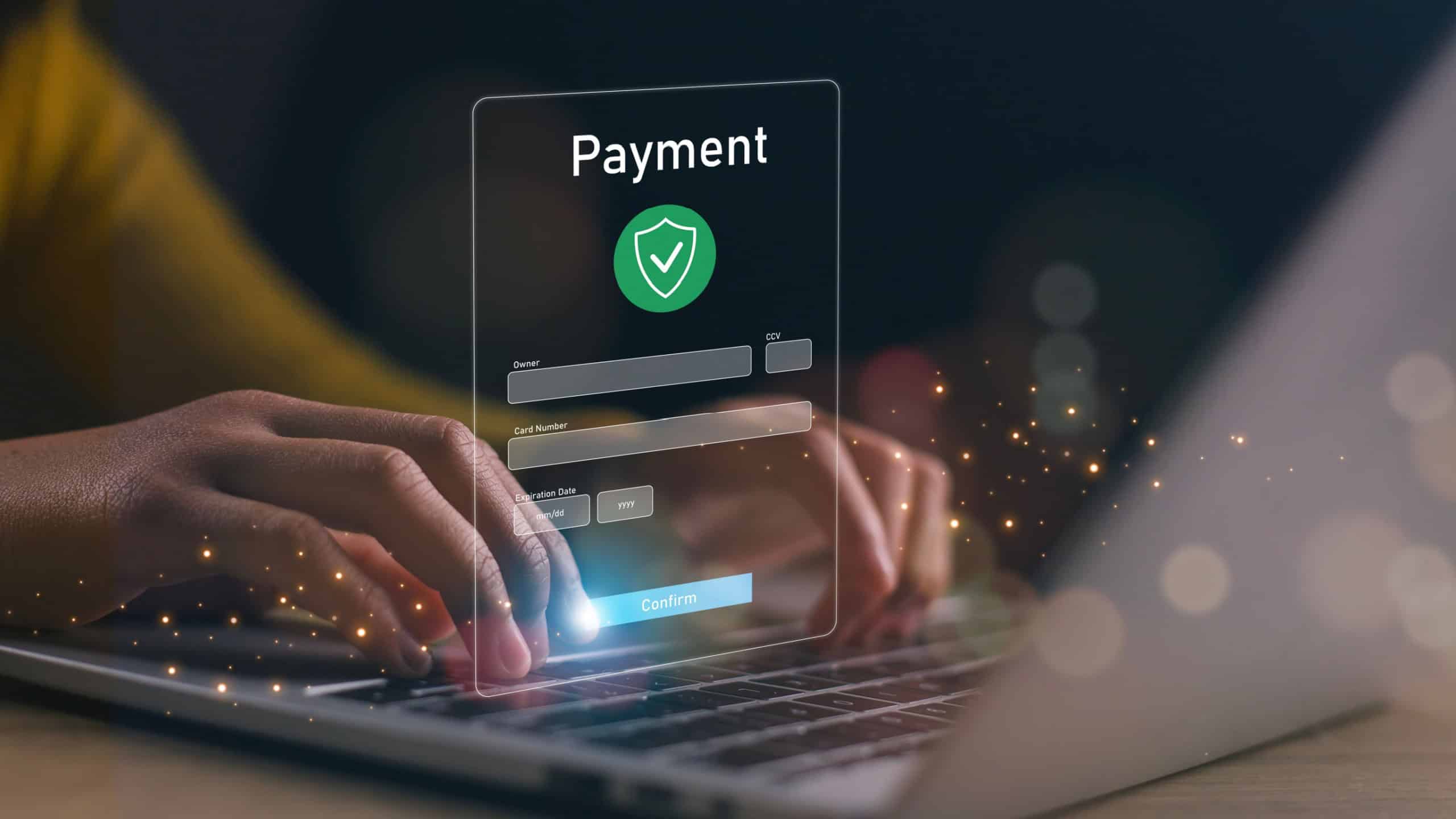
Because America doesn’t have a universal system that works with every bank, people use multiple apps. Venmo, CashApp, and Zelle are all services Americans use to send money to one another.
Canadians are lucky enough to have every bank operate under the same “Interac e-Transfer” system. This means Canadians only ever have one way to pay someone.
Asking for cash back when grocery shopping

It is very common in American grocery stores for the card machine to ask if you want cash back when you pay. This allows you to add an extra $20 or $50 to your bill and get that amount in physical cash from the cash register.
While this happens in Canada too, it is much more of a habit in the US. Many Americans use the grocery store as their primary ATM.
Since Canadians rarely use cash for anything anymore, they find it unusual that people still feel the need to take out money at the cash register.
Paying bills by snail mail

Many bills, like hydro or water services, still arrive in the mail as physical papers in the United States. Some of them even pay these bills by writing a check and stamping an envelope to mail it back.
Canada has advanced to the point where almost everyone pays bills online via their bank’s app or website. It takes all of two seconds and you’re done.
Sending your money through the postal service just feels like unnecessary extra work and paper waste to Canadians.
Zip code confirmation when paying at gas stations
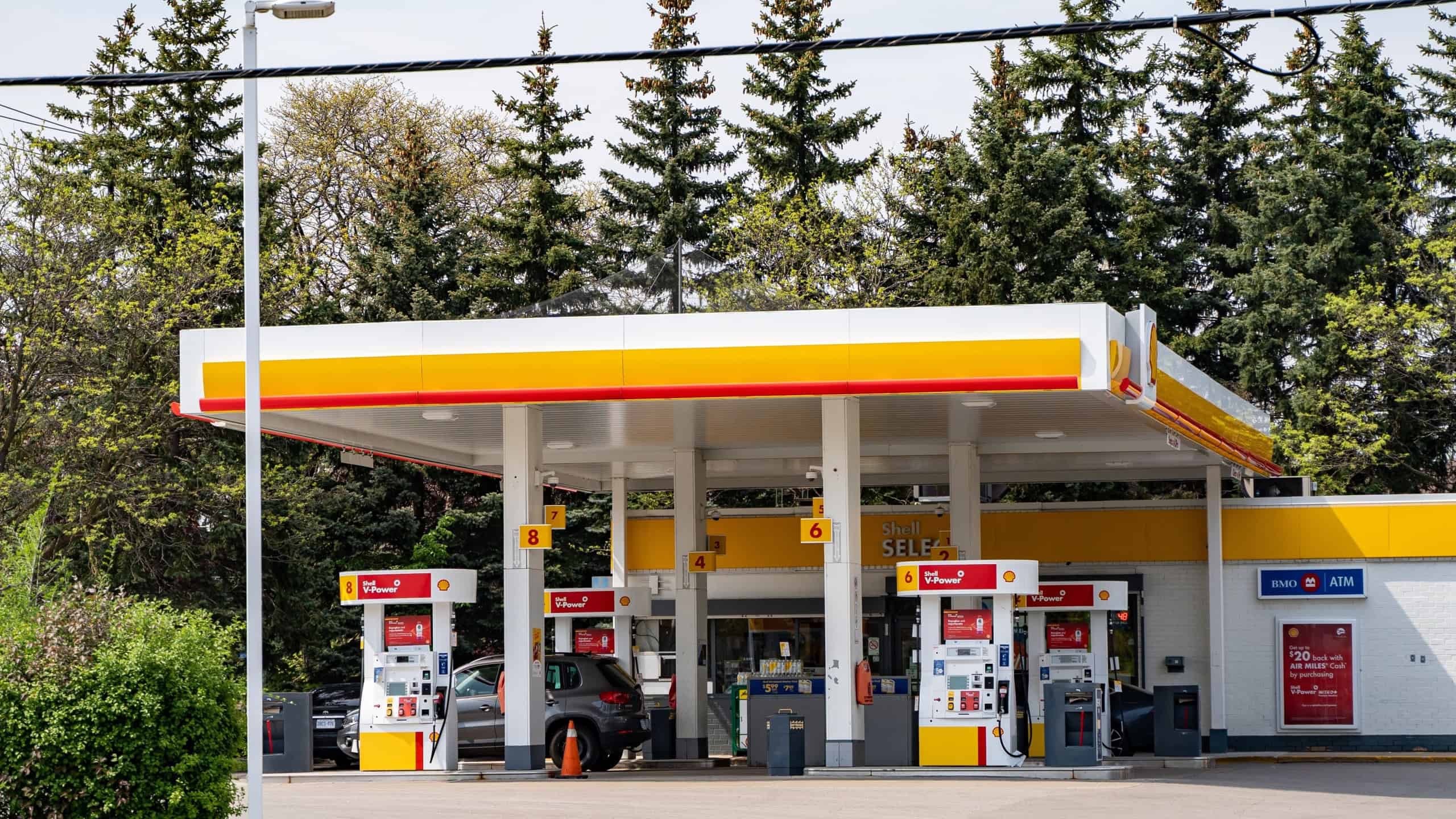
Trying to pay for gas at an American pump is difficult for Canadians when they first drive into the States. American pumps normally ask for a 5-digit “Zip Code” for security purposes. Since Canadian postal codes include letters (Example: M5V 2L7) they don’t work on American keypads.
Usually, the entire transaction will fail and they’re forced to go inside and talk to the cashier. It’s a little thing, but it’s Canadian proof that America’s money system doesn’t always work for everyone.
Sources: Please see here for a complete listing of all sources that were consulted in the preparation of this article.
Like our content? Be sure to follow us.