
What matters to people doesn’t come from their goals. No, it’s usually the way they act with their small, everyday choices that reveal what really matters to them; it’s with things as simple as how they spend five minutes or what they ignore.
Here are ten everyday actions that reveal what someone’s priorities really are. What habits do you think show the real you?
What gets checked first on the phone

So many of us unlock our phones first thing in the morning, and studies show that such phone checking is usually an entirely unconscious habit.
But what people check on their phones reveals what they’re prioritizing in the morning, like work emails or family group chats. Their first tap tells you what they think is the most important part of their day.
How they use unexpected ten-minute gaps

Those short windows of opportunity that are too small to do anything majorly productive are rather telling, and you should keep an eye on what people decide to do during those moments.
Some scroll through social media, while others decide to tidy up a bit. Studies on such small moments claim that they show whether someone cares about entertainment or structure more.
What actually makes it onto their reminder lists

We all have to juggle quite a lot mentally, meaning that what we write down on sticky notes or as reminders in our phones shows where our priorities lie.
Do you write down birthdays & bills or workouts & projects? What about the tasks that stay unwritten? Research on financial and time planning suggests that it’s linked to prioritization and what matters to you in the long term.
Which chores are the first to be skipped
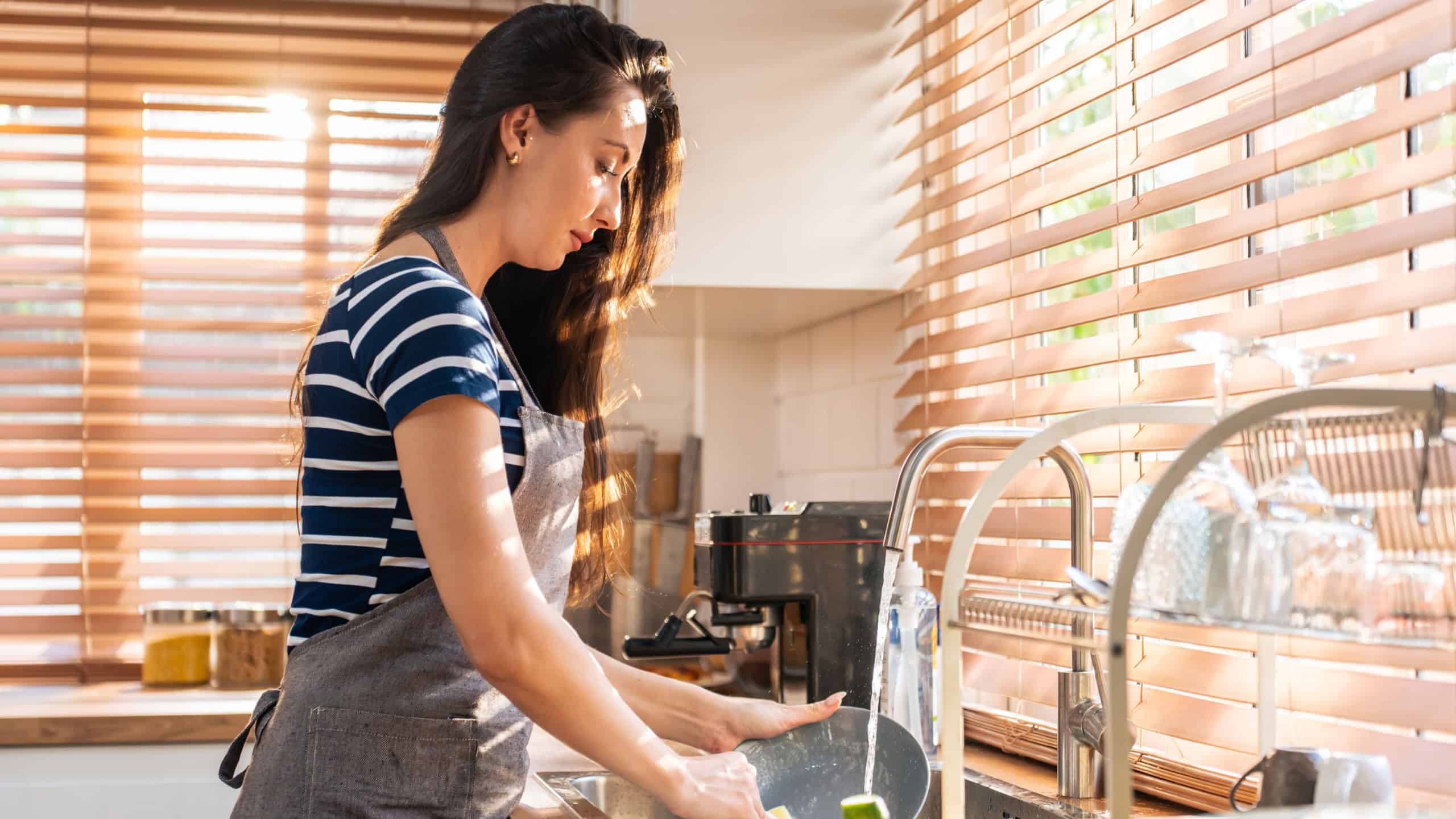
That’s not all for the busy moments, as when life gets too chaotic for you to handle all of your chores, you’ll likely drop a few of them. Perhaps you’ll postpone a deep clean, but make sure to wash the dishes or quickly tidy up your house.
According to time-use surveys, whatever tasks you drop first indicates whether you care about order, convenience, or comfort the most.
Whether they pick up litter that isn’t theirs

You probably walk by some random pieces of paper or stray wrappers every day and choose to either ignore them or drop what you’re doing to throw them away. That’s quite important.
Studies on such small, helpful behaviours indicate that those who choose to throw the trash away value shared spaces & community more so than those who do not.
The order they answer different message threads

Think about who you reply to first when you get some messages on your phone, and whether it’s a family member first or someone at your work.
The order that you reply to people in usually stays stable, and social behavior research has linked such stability to your underlying priorities. You either care about your close relationships or work networks the most.
How they treat tiny chances to move more

Not everyone accepts an elevator ride, and they’d rather take the stairs. They might also walk instead of driving a short errand.
Studies have tracked such tiny bursts of physical activity & they have found that people who try to move during these small moments tend to prioritize their health over a sense of convenience, even though these actions are small.
How they handle receipts at the checkout

There are a few people who don’t want to wait for a receipt, and they might refuse it entirely from the cashier or perhaps immediately put it into their wallets. Others may decide to give it a thorough read to ensure that all the charges are correct.
How they decide to deal with such a small piece of paper tells you about their priorities, according to financial studies. You’ll know whether understanding their finances is important to them or not.
What they do right after getting home

What you choose to do as soon as you walk through the door after work is a sign of what you prioritize in your life. Do you pull out ingredients for dinner, or do you decide to immediately open a delivery app & get something sent to your home?
Research on food prep shows that these after-work habits show how much people prioritize home cooking & convenience.
How they clear their inbox at the end of the day

A few people sit with their inbox at the end of a workday, and they’ll take some time to delete promotional emails & answer the quick stuff, just to make sure everything’s all finished.
It’s something that time-management surveys have found to reveal someone’s priorities. You can tell whether people prefer predictable work routines or whether they’d rather just relax.
Sources: Please see here for a complete listing of all sources that were consulted in the preparation of this article.